













Your gut does a lot more than just digest food — it plays a huge role in your energy, mood, and immune system. But some everyday foods can quietly wreak havoc on your digestive health, causing bloating, discomfort, and long-term damage.
Knowing which foods to avoid (and what to swap them with) can make a world of difference. Here is a straightforward guide to the 15 worst foods for your gut and the healthier alternatives you can enjoy instead.
1. Processed Meats

Hot dogs, bacon, and deli meats might be lunchbox staples, but your gut is not a fan. Packed with preservatives, nitrates, and unhealthy fats, processed meats can trigger inflammation in your digestive tract and throw off your gut bacteria balance.
Try swapping them for grilled chicken breast or canned wild-caught tuna. These lean proteins are easier to digest and support a healthier gut microbiome without all the chemical additives your stomach hates.
2. Artificial Sweeteners
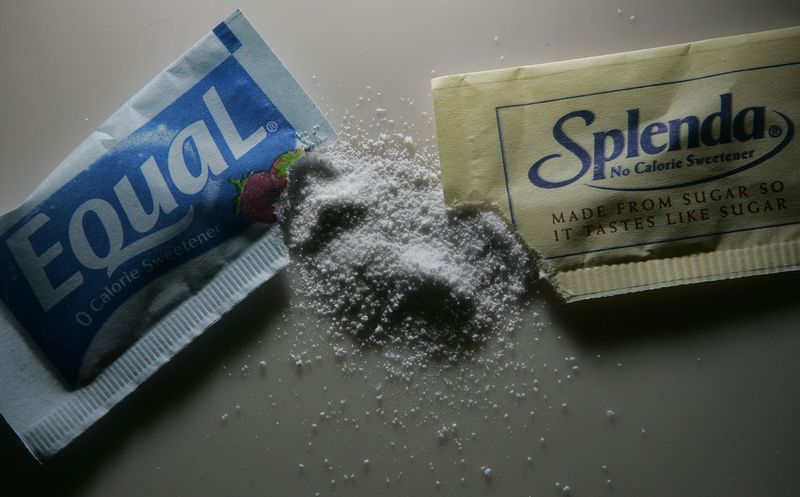
Surprisingly, those zero-calorie sweeteners in diet sodas and sugar-free snacks may be doing your gut serious harm. Studies show that artificial sweeteners like aspartame and sucralose can disrupt the balance of good bacteria in your digestive system.
A smarter swap? Try raw honey or pure maple syrup in small amounts.
Both contain natural compounds that can actually feed beneficial gut bacteria rather than wipe them out.
3. Fried Foods
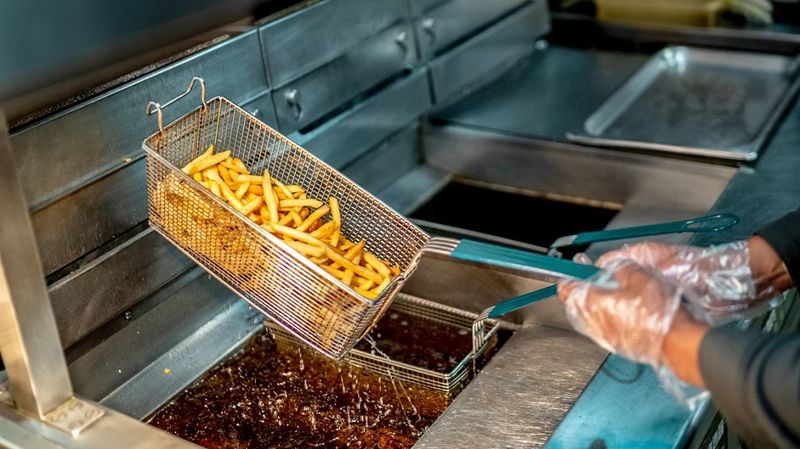
There is something undeniably tempting about crispy fried chicken or a pile of golden fries, but your gut pays the price. High-fat fried foods slow down digestion, increase gut inflammation, and can worsen conditions like irritable bowel syndrome.
Baked or air-fried versions of your favorites are easy swaps that deliver similar crunch without the greasy aftermath. Your stomach will move food through much more comfortably when the oil overload is removed.
4. White Bread and Refined Grains
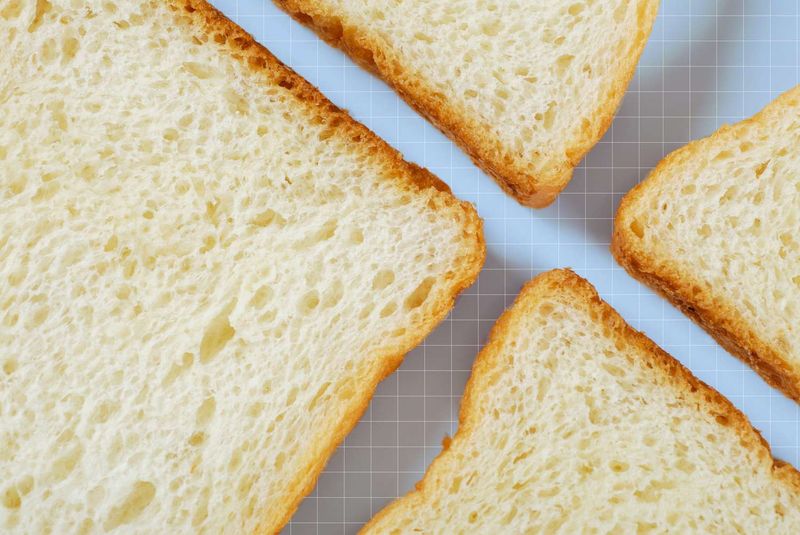
White bread, white rice, and regular pasta have had most of their fiber stripped away during processing. Without fiber, your digestive system slows down, and the good bacteria in your gut go hungry — literally, because they feed on fiber.
Whole grain bread, brown rice, and whole wheat pasta are excellent alternatives. They keep digestion moving, feed your gut microbiome, and even help you feel full longer.
One small switch, big gut benefits.
5. Alcohol

Even moderate alcohol consumption can irritate the lining of your stomach and intestines, making it harder for your gut to absorb nutrients properly. Heavy drinking is even worse — it can kill off beneficial bacteria and allow harmful microbes to flourish.
Kombucha or sparkling water with a splash of fruit juice makes a gut-friendly party alternative. Fermented kombucha even delivers probiotics, which actively help rebuild the good bacteria alcohol tends to destroy.
6. Dairy Products (for Lactose-Intolerant Individuals)

For people with lactose intolerance, dairy products like milk, ice cream, and soft cheeses can cause serious digestive distress — think bloating, gas, cramping, and diarrhea. Even those without a formal diagnosis sometimes experience gut discomfort after heavy dairy intake.
Almond milk, oat milk, and coconut yogurt are tasty dairy-free swaps. Lactose-free dairy options also exist if you still want the calcium benefits without the gut drama that follows a cheesy pizza night.
7. Sugary Cereals
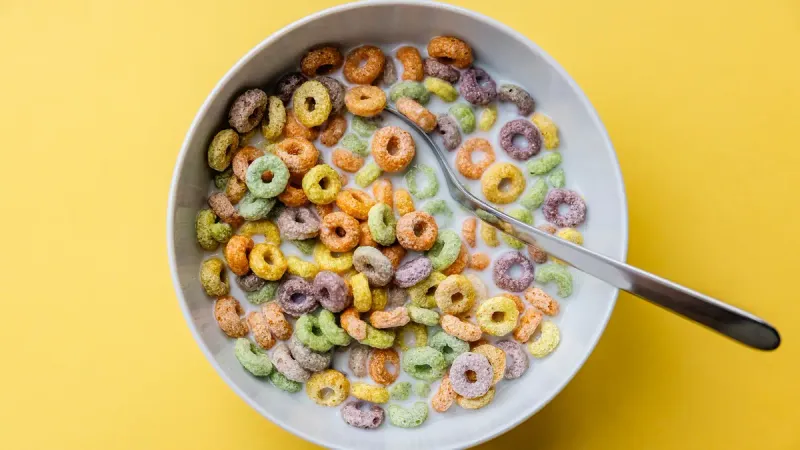
That neon-colored cereal may look fun at breakfast, but the sky-high sugar content feeds harmful gut bacteria and yeast, throwing your microbiome off balance fast. Many popular kids cereals have more sugar per serving than a candy bar.
Oatmeal topped with fresh berries and a drizzle of honey is a gut-loving upgrade. Oats contain a special fiber called beta-glucan that acts as a prebiotic, feeding the good bacteria your gut relies on to stay healthy.
8. Fast Food Burgers
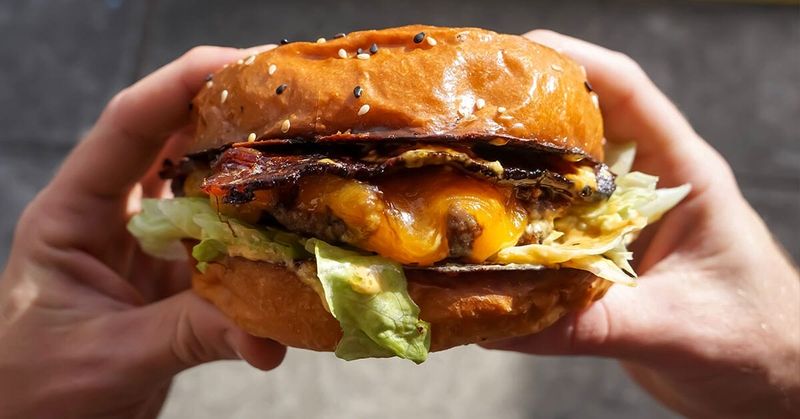
Fast food burgers combine several gut-wrecking ingredients all at once — refined buns, processed cheese, fatty beef, and sodium-heavy sauces. Regular fast food consumption has been linked to reduced microbial diversity in the gut, which weakens your overall digestive health.
Making a homemade burger on a whole grain bun with avocado and fresh veggies gives you a satisfying meal that is far kinder to your gut. You keep the flavor, ditch the damage.
9. Spicy Foods (for Sensitive Stomachs)
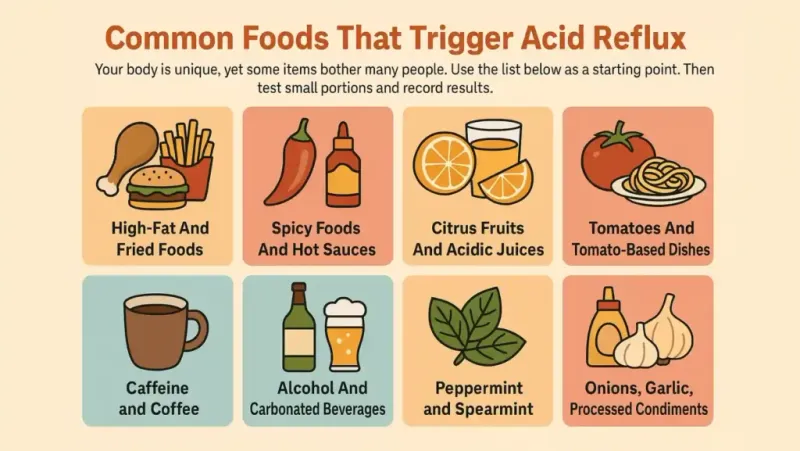
Spicy food lovers, this one stings a little. For people with sensitive stomachs, acid reflux, or irritable bowel syndrome, hot peppers and spicy sauces can seriously irritate the gut lining and trigger painful flare-ups.
Herbs like ginger, turmeric, and fresh basil add bold flavor without the burn. Ginger especially is a gut superstar — it helps ease nausea, reduces gut inflammation, and speeds up stomach emptying in a gentle, natural way.
10. Soda and Sugary Drinks
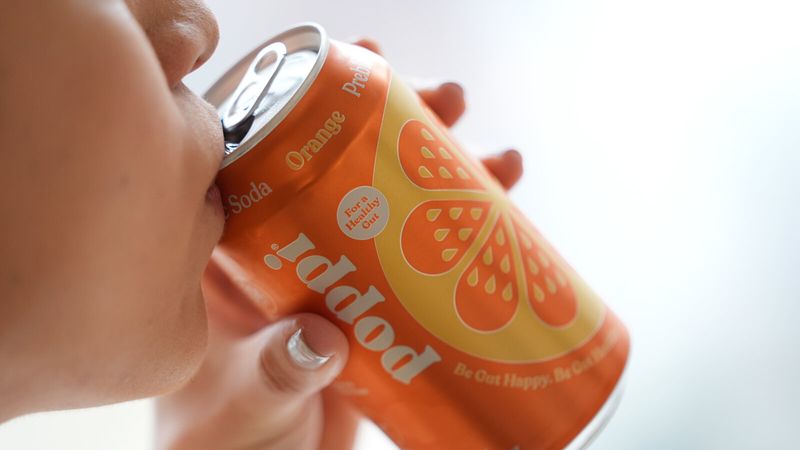
Chugging soda regularly does more than rot your teeth — the enormous sugar load feeds bad gut bacteria, promotes yeast overgrowth, and the carbonation can cause uncomfortable bloating and gas. Diet sodas are no better, as mentioned earlier with artificial sweeteners.
Infused water with cucumber and mint, or herbal teas like peppermint or ginger, make refreshing gut-friendly drink swaps. They hydrate without the sugar spike and actively soothe your digestive system at the same time.
11. Packaged Snack Foods
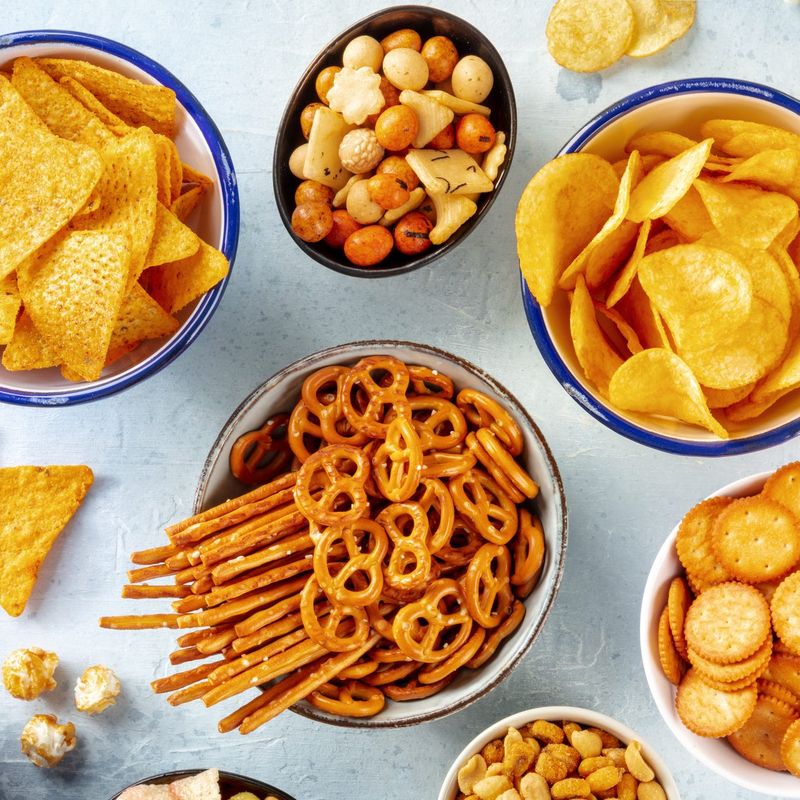
Chips, cheese puffs, and crackers from a bag are loaded with refined carbs, artificial additives, and unhealthy oils that give harmful gut bacteria exactly what they need to thrive. The lack of fiber means your good bacteria get nothing useful at all.
Raw nuts, seeds, or sliced veggies with hummus are crunchy, satisfying snack swaps that actually nourish your microbiome. Almonds in particular have been shown to increase beneficial gut bacteria when eaten regularly.
12. Margarine and Trans Fats
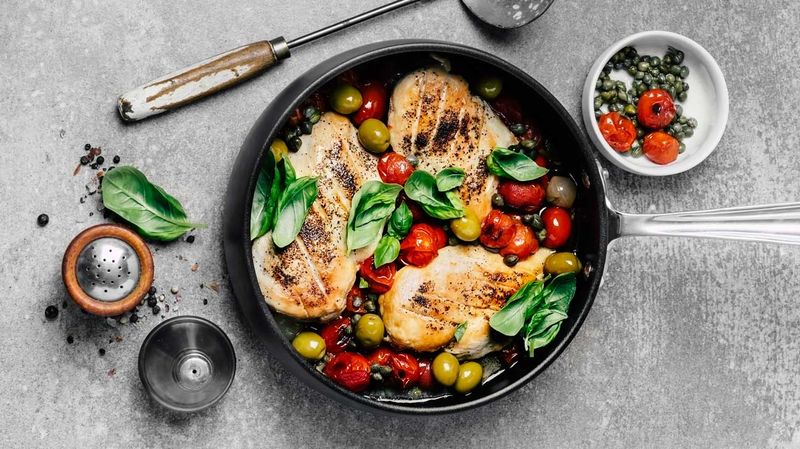
Once marketed as a healthy butter alternative, margarine and foods containing trans fats are now known to be seriously harmful — especially to your gut. Trans fats promote gut inflammation, reduce microbial diversity, and have been linked to leaky gut syndrome.
Real butter in small amounts, or better yet, extra virgin olive oil, are far superior choices. Olive oil contains polyphenols that actively encourage the growth of beneficial bacteria and reduce inflammation throughout the digestive tract.
13. Canned Soups with High Sodium
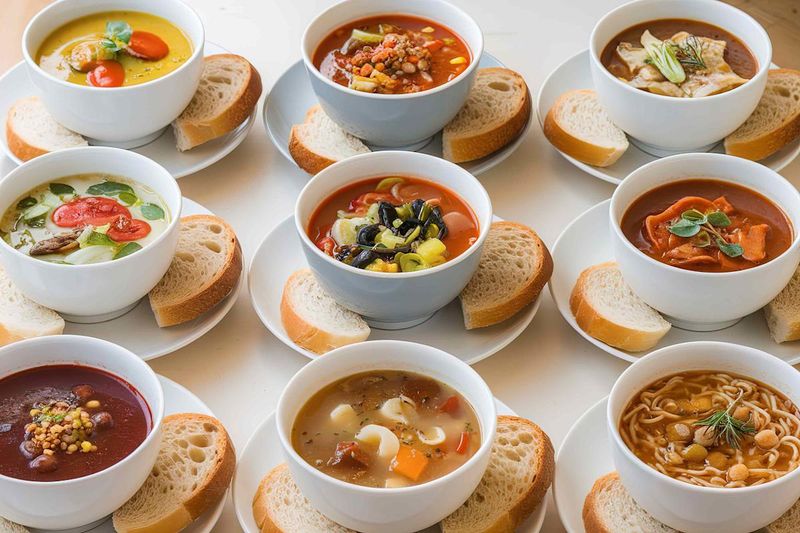
Cracking open a can of soup feels like comfort food, but many commercial varieties pack over 800 milligrams of sodium per serving. Too much salt disrupts the balance of gut bacteria and can contribute to inflammation in the intestinal lining over time.
Homemade vegetable or bone broth-based soups are wonderfully nourishing alternatives. Bone broth in particular contains collagen and gelatin, two compounds that help repair and strengthen the gut lining from the inside out.
14. Ice Cream and Frozen Desserts
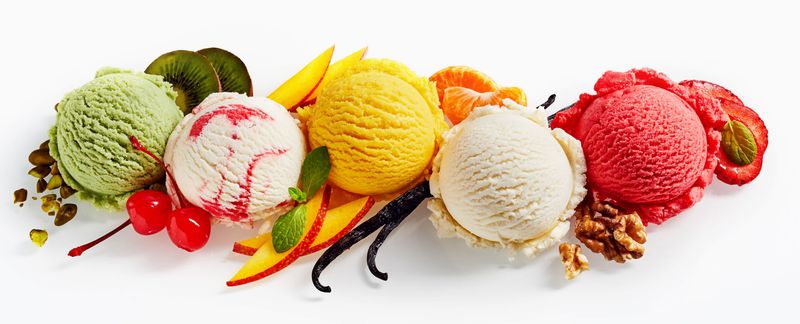
Few things beat ice cream on a hot day, but the combination of sugar, dairy, and artificial flavors makes it a triple threat for gut health. High sugar feeds harmful bacteria, while dairy adds lactose challenges and artificial additives stress your digestive system further.
Frozen banana blended with a handful of berries creates a creamy, naturally sweet treat that is completely gut-friendly. It delivers fiber, antioxidants, and a satisfying dessert experience without any of the gut-wrecking ingredients.
15. Gluten-Containing Foods (for Sensitive Individuals)
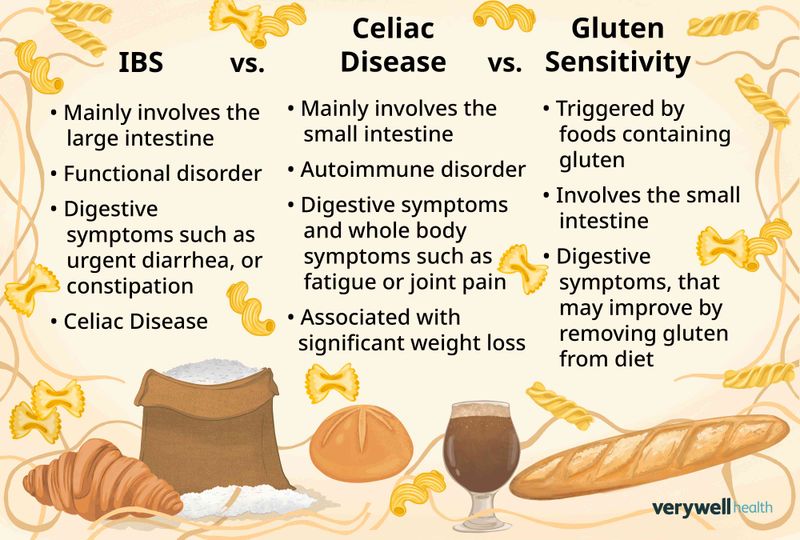
For people with celiac disease or gluten sensitivity, foods made with wheat, barley, or rye can trigger a serious immune response that damages the gut lining. Even mild gluten sensitivity can cause persistent bloating, fatigue, and digestive discomfort that is easy to overlook.
Quinoa, rice, buckwheat, and certified gluten-free oats are fantastic grain alternatives. They provide fiber and nutrients without triggering gut inflammation, making them smart everyday staples for anyone whose stomach struggles with traditional wheat-based foods.




Comments
No Comments