













Beans have been feeding people around the world for thousands of years, yet most of us only know a handful of varieties. Hidden beyond the common black bean or kidney bean is a whole world of colorful, flavorful, and fascinating legumes waiting to be discovered.
From ancient heirloom seeds to tropical giants, these lesser-known beans are packed with nutrition and history. Get ready to meet 15 types of beans that might just change the way you cook forever.
1. Scarlet Runner Bean
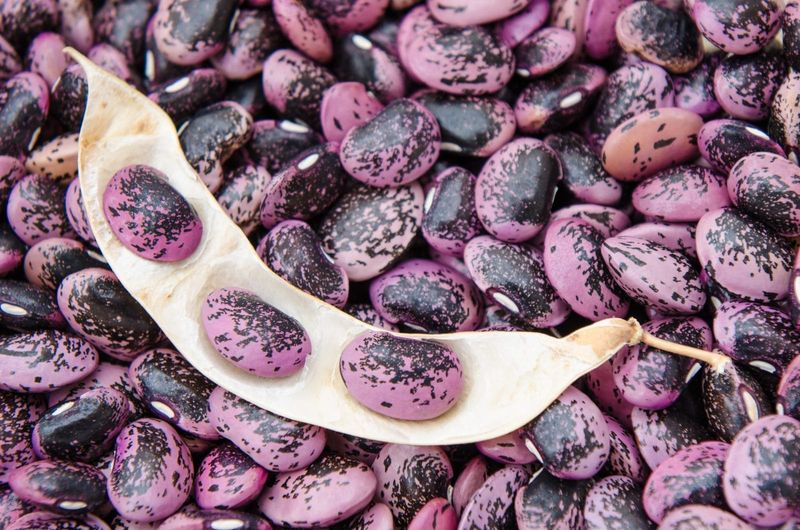
With their striking purple-black speckled shells and vivid red flowers, scarlet runner beans are almost too pretty to eat. Originally from Central America, they were grown as ornamental plants in Europe before people realized how delicious they were.
These large, meaty beans have an earthy, slightly sweet flavor that works wonderfully in stews and soups. They grow on climbing vines that can reach over ten feet tall, making them a showstopper in any garden.
2. Tepary Bean
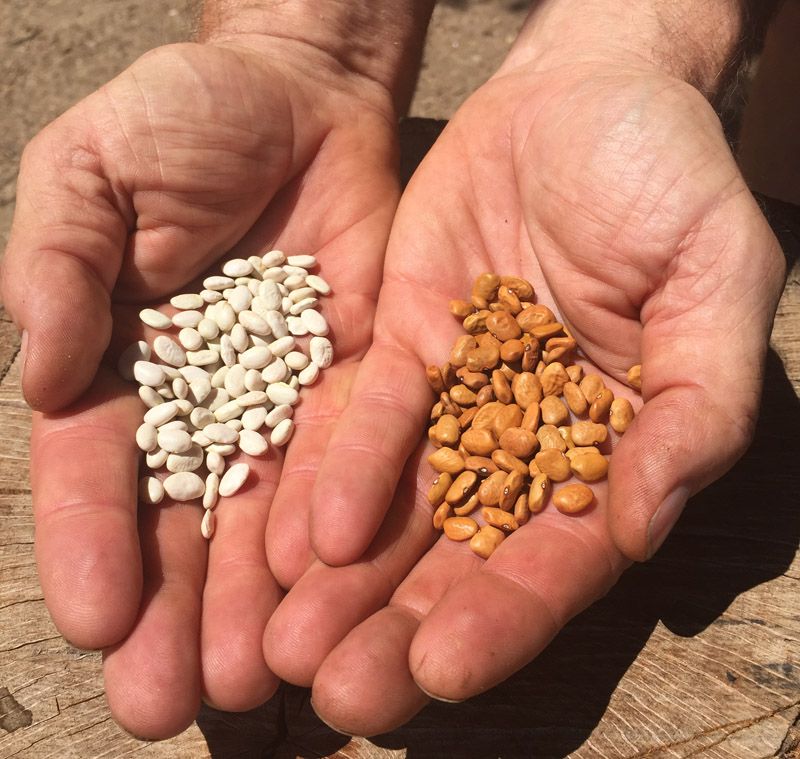
Surviving in some of the driest places on Earth, the tepary bean is basically a superhero of the legume world. Native American communities in the Sonoran Desert have cultivated this tiny, protein-packed bean for over 5,000 years.
Tepary beans thrive in heat and drought conditions where most crops would wither. They come in white, brown, and speckled varieties, each with a slightly nutty flavor that pairs beautifully with chili seasonings and slow-cooked dishes.
3. Anasazi Bean
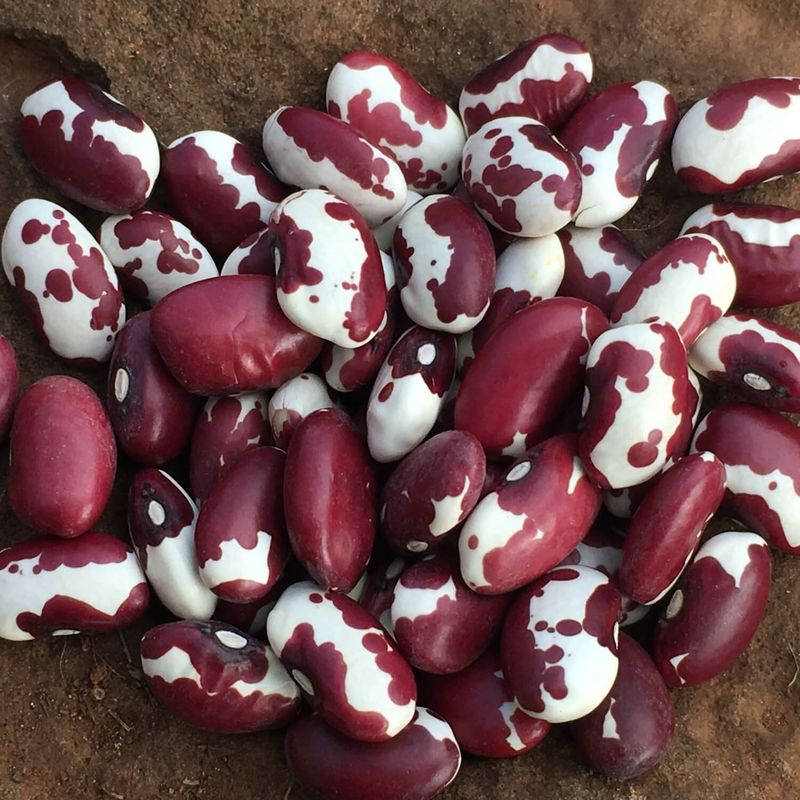
Named after the ancient Pueblo people of the American Southwest, anasazi beans carry centuries of history in every speckled shell. Their red-and-white swirled pattern almost looks hand-painted, making them one of the most visually stunning beans around.
What really sets them apart is that they cook about 25% faster than pinto beans and cause less digestive discomfort. Their flavor is sweeter and earthier than most common beans, making them a fantastic swap in Mexican-inspired recipes.
4. Christmas Lima Bean
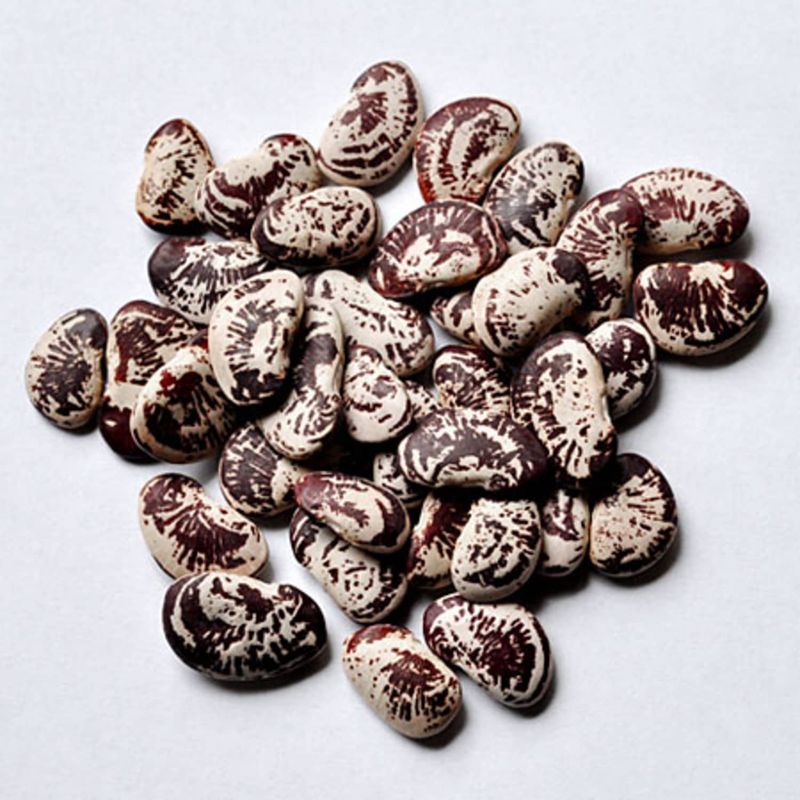
Forget everything you thought you knew about lima beans, because Christmas limas are in a completely different league. These large, gorgeous beans feature a maroon-and-cream pattern that fades when cooked, but the flavor they leave behind is unforgettable.
Often described as having a rich, chestnut-like taste, they are popular in Italian and Portuguese cooking. Roast them with olive oil and garlic, and you might find yourself wondering why you ever settled for regular limas in the first place.
5. Rattlesnake Bean
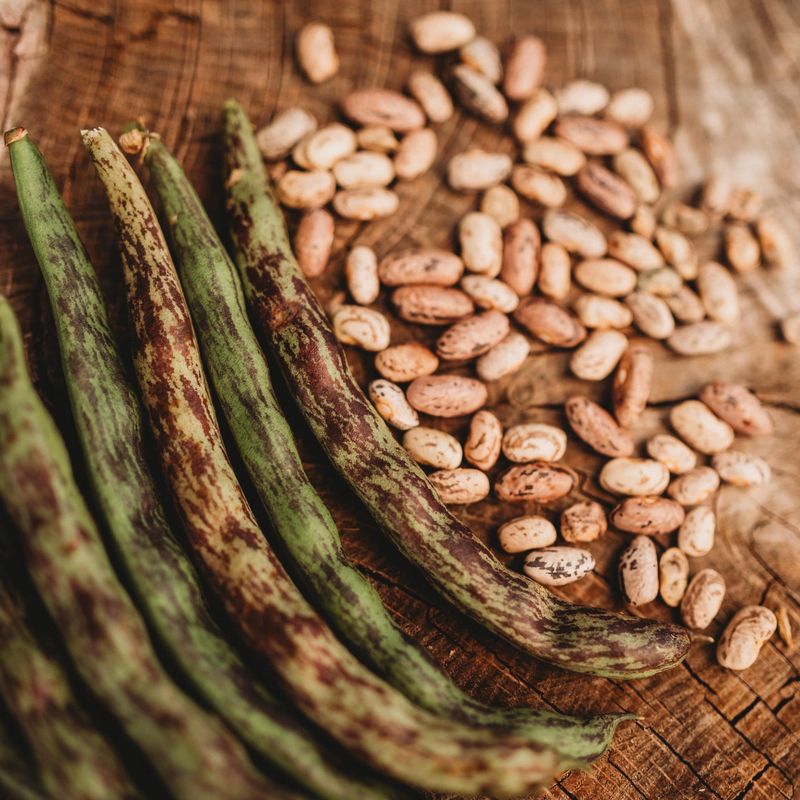
There is something wildly fun about a vegetable named after a snake. Rattlesnake beans get their dramatic name from the purple streaks that snake along their green pods, giving them a truly wild appearance fresh off the vine.
Originally from the American South, these pole beans produce abundantly even in hot, dry summers. Their flavor is bold and slightly earthy, holding up well in long-cooked dishes like cassoulet or slow-simmered Southern-style bean pots.
They are a gardener's favorite for good reason.
6. Calypso Bean
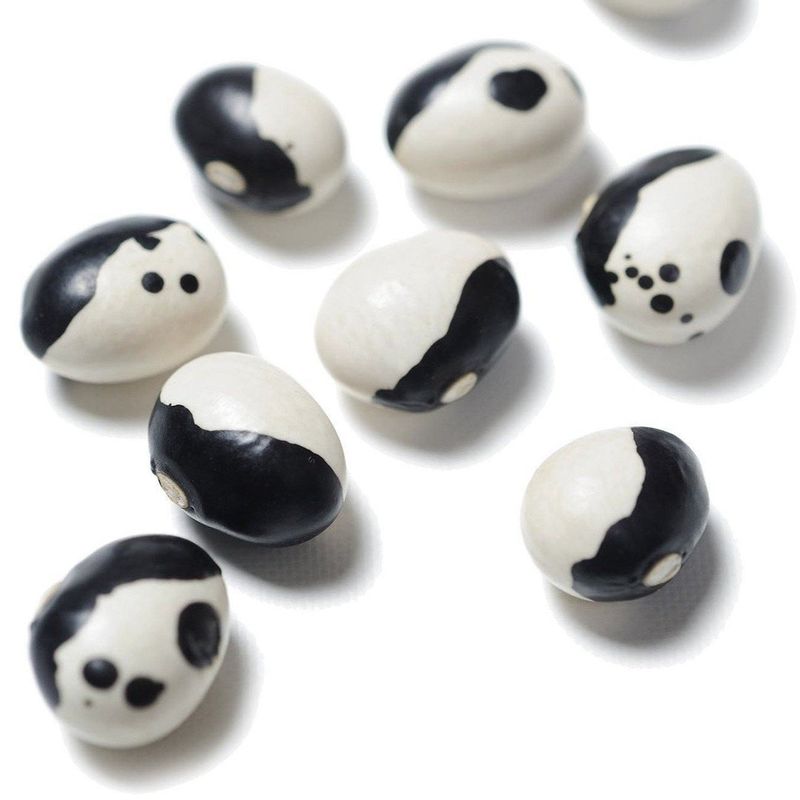
Calypso beans look like tiny works of art, with a black-and-white swirl pattern that resembles the yin-yang symbol. Some people call them orca beans because the color contrast reminds them of killer whales, which is honestly a fantastic nickname.
Beyond their eye-catching appearance, calypso beans have a creamy texture and mild, earthy flavor that makes them incredibly versatile. They hold their shape well during cooking, making them ideal for salads, grain bowls, and hearty winter soups.
7. Dragon Tongue Bean
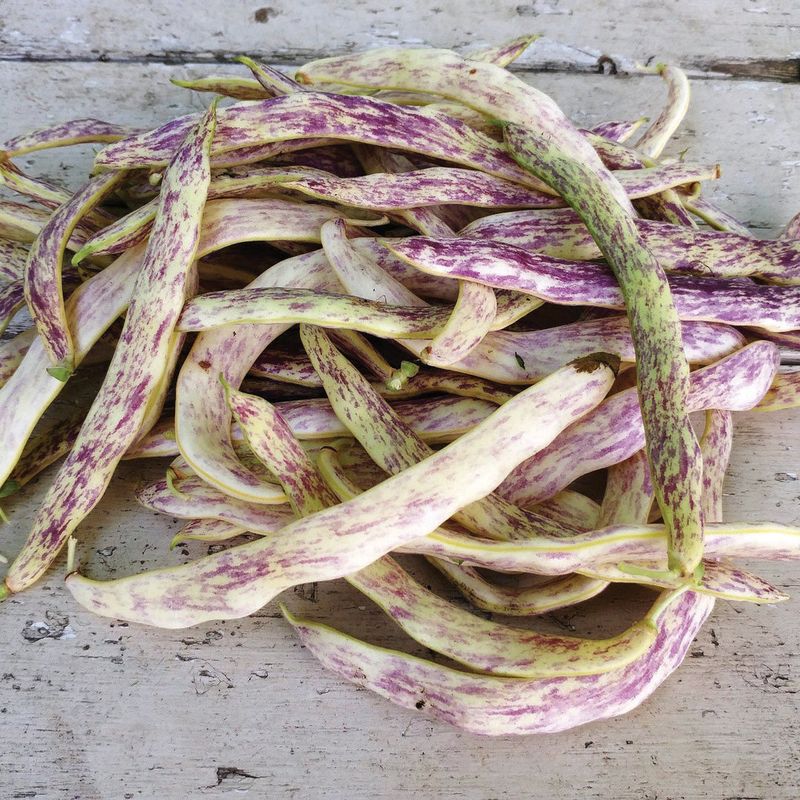
If a bean could have a personality, the dragon tongue bean would be bold and theatrical. These striking yellow pods are streaked with vivid purple markings that, unfortunately, disappear once cooked, but the flavor they deliver is anything but boring.
Dragon tongue beans are a Dutch heirloom variety prized for their tender, buttery texture and slightly sweet taste. They are best eaten fresh or lightly sauteed, letting their natural flavor shine.
Farmers markets in summer are your best bet for finding them.
8. Fava Bean
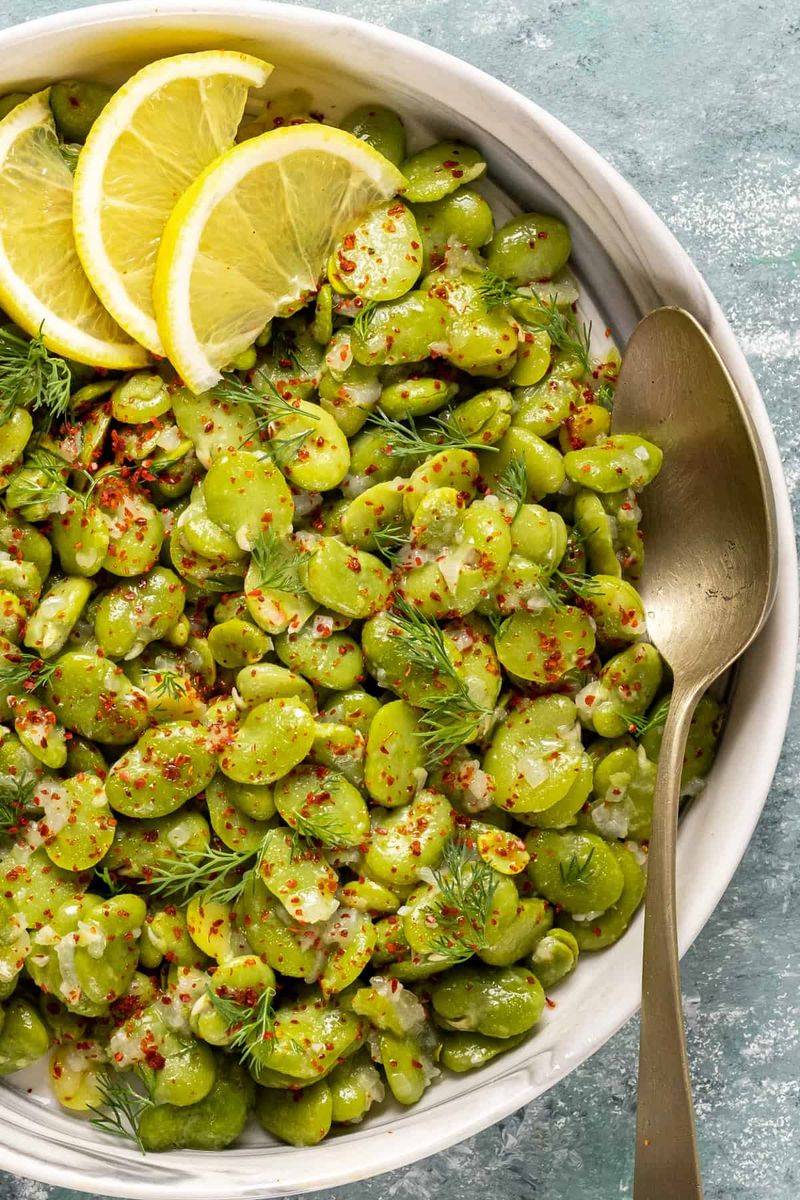
One of the oldest cultivated plants in human history, fava beans have been feeding civilizations since ancient Egypt. They show up in Roman poetry, Mediterranean feasts, and even as a symbol of good luck in some cultures around the world.
Fresh favas have a bright, grassy flavor that dried versions simply cannot replicate. Peeling them takes a little patience, but the creamy, buttery beans inside are absolutely worth the effort.
Toss them with lemon, mint, and good olive oil for a simple springtime treat.
9. Moth Bean
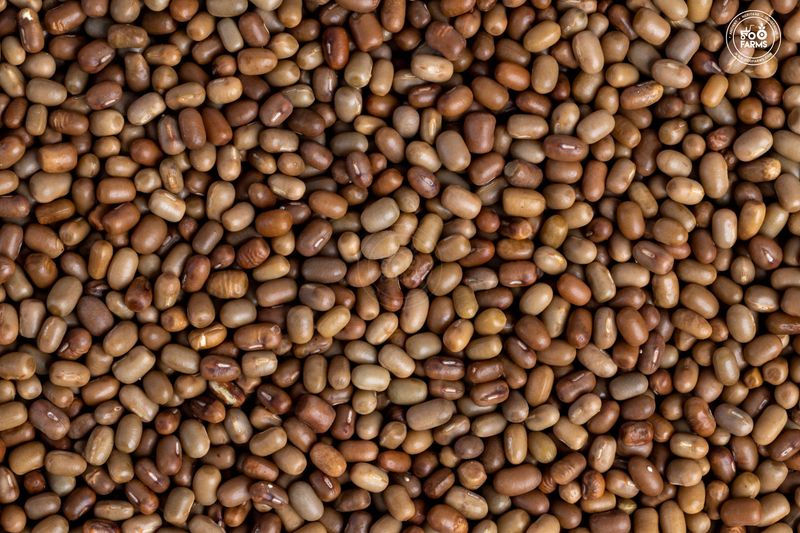
Tiny but incredibly tough, moth beans are a staple crop across the hot, arid regions of India and Pakistan. They earned their unusual name from the moth-like shape of their flowers, not from any association with the insect itself.
Despite their small size, moth beans are loaded with protein, iron, and fiber, making them a nutritional powerhouse in regions where other crops struggle to grow. They are commonly sprouted and eaten raw or cooked into curries and savory porridges with warm spices like turmeric and cumin.
10. Velvet Bean
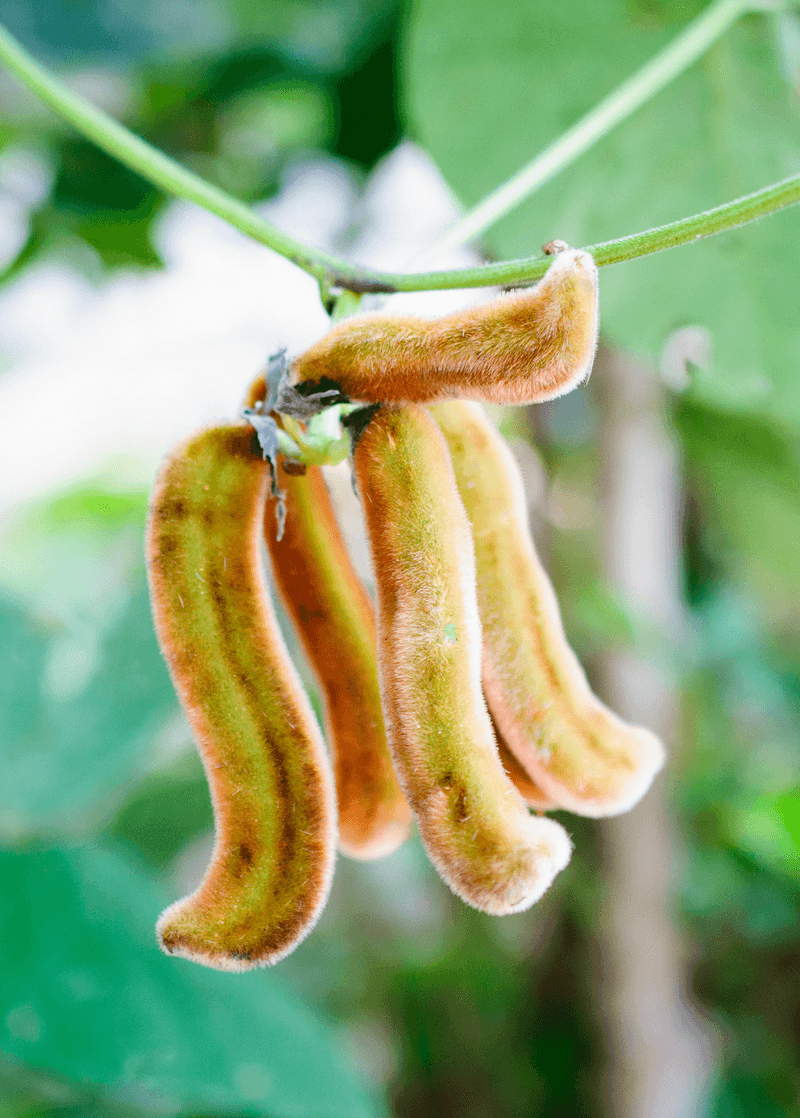
Run your fingers along a velvet bean pod and you will immediately understand how it got its name. Covered in fine, silky hairs that can actually cause skin irritation, this tropical legume is fascinating and a little feisty at the same time.
Velvet beans have been used in traditional medicine across Asia, Africa, and Latin America for centuries, particularly for supporting mood and neurological health. They contain L-DOPA, a compound used in treatments for Parkinson's disease, making them one of the most medically significant beans on this list.
11. Winged Bean
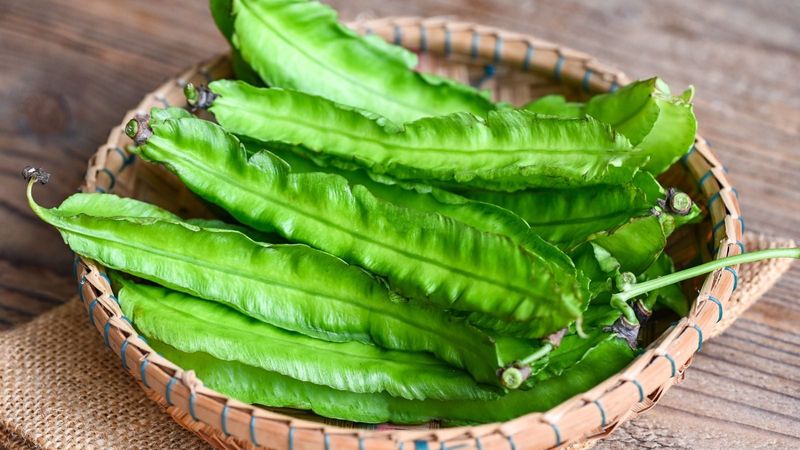
Picture a bean that looks like it was designed by a science fiction artist, and you have the winged bean. Its pods have four frilly, wing-like ridges running along the edges, giving it one of the most unusual shapes in the plant kingdom.
Popular across Southeast Asia and Papua New Guinea, virtually every part of this plant is edible, from the roots to the flowers. The beans themselves are high in protein and taste similar to asparagus when cooked young and tender.
Talk about a plant that pulls its weight.
12. Yardlong Bean
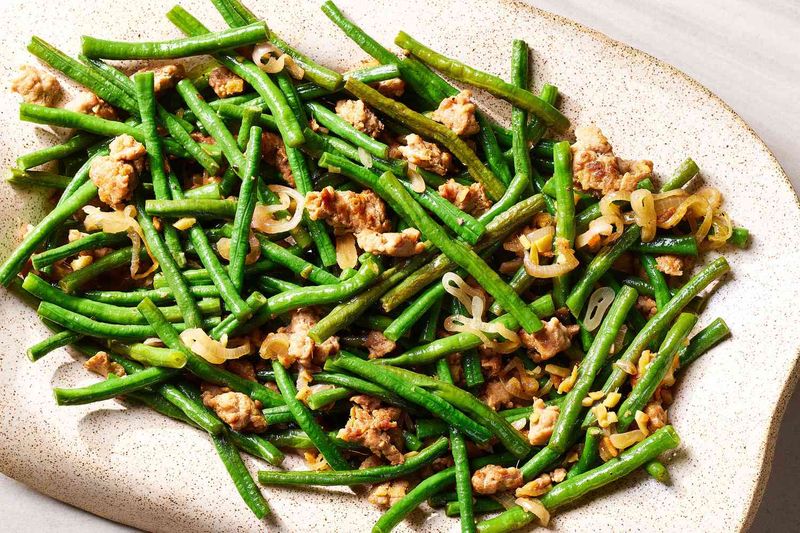
Despite the name, yardlong beans do not quite reach a full yard in length, but they can grow an impressive 18 inches or more, which is still pretty wild for a vegetable. Also known as snake beans or asparagus beans, they are a staple across China, Vietnam, and the Philippines.
Their flavor is slightly stronger and nuttier than regular green beans, and they stay crispy even when stir-fried at high heat. Cut them into bite-sized pieces and toss them into a hot wok with garlic and chili for an easy, delicious side dish.
13. Cowpea (Black-Eyed Pea Relative)
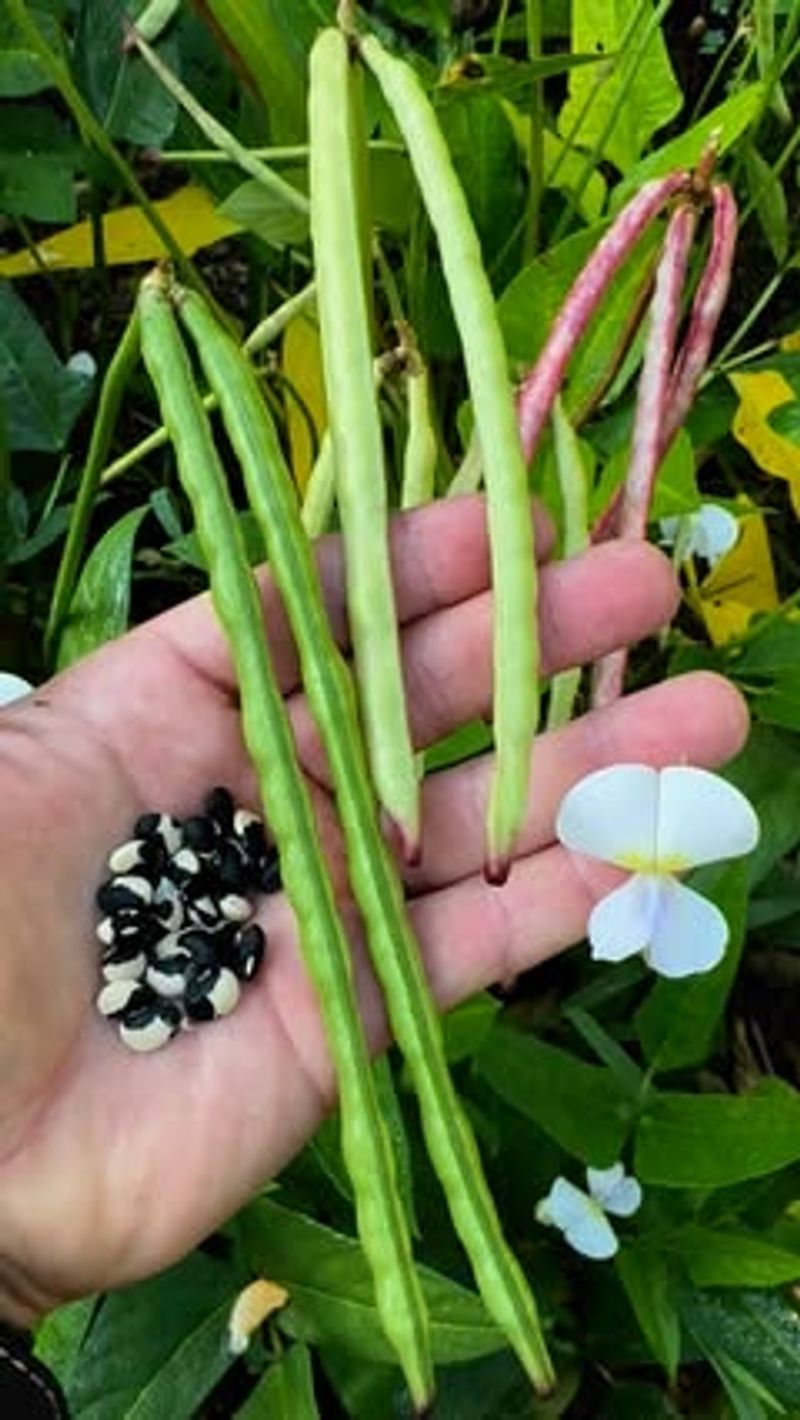
Most people know the classic black-eyed pea, but the broader cowpea family includes hundreds of varieties in shades of red, cream, brown, and even purple. These beans have been cultivated in Africa for over 6,000 years and are still a cornerstone of West African and Southern American cuisines.
Cowpeas are remarkably drought-tolerant and grow quickly, making them a vital food security crop worldwide. Beyond their cultural roots, they have a mild, slightly earthy flavor that soaks up seasonings beautifully in dishes like hoppin' John or Nigerian akara fritters.
14. Adzuki Bean
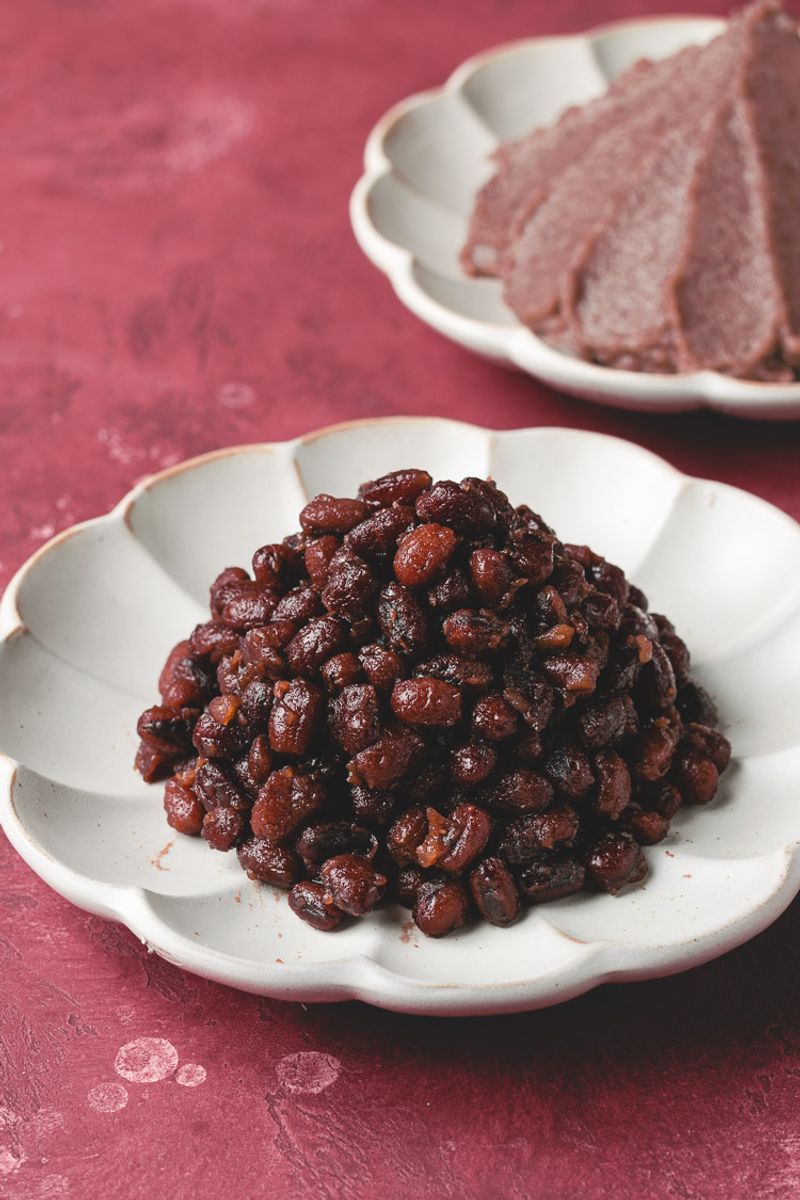
In Japan, adzuki beans are considered a symbol of good fortune and are traditionally served at celebrations and festivals. Their deep red color is associated with happiness and protection from evil, which is a lot of meaning packed into a tiny bean.
Naturally sweet and earthy, adzuki beans are most commonly used in Asian desserts, especially the red bean paste found inside mochi and steamed buns. They are also surprisingly high in folate and potassium, making them a smart choice for everyday healthy cooking.
15. Borlotti Bean
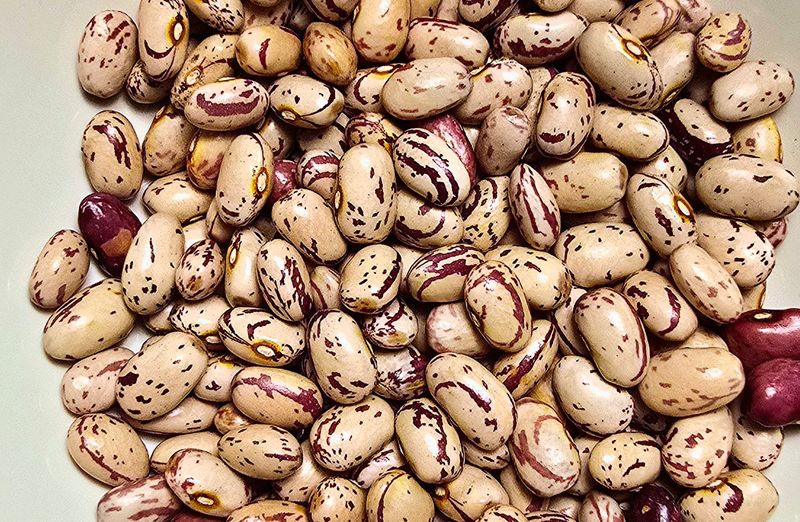
Walk through any Italian market in late summer and you will likely spot piles of borlotti beans, their pods splashed with vivid pink and red streaks like a painter's canvas. Also called cranberry beans in North America, they are a beloved staple of Italian home cooking.
When cooked, their gorgeous markings fade to a warm pinkish-tan, but the flavor that develops is deeply savory and nutty. They are the star ingredient in pasta e fagioli, Italy's beloved pasta and bean soup that has warmed kitchens for generations.




Comments
No Comments