













Eating well and caring for the planet can go hand in hand. More people are discovering that the food choices we make every day have a big impact on the environment.
From reducing food waste to choosing plant-based ingredients, small changes in the kitchen can make a real difference. These 15 sustainable recipes are delicious, easy to make, and genuinely good for the Earth.
1. Lentil and Vegetable Soup
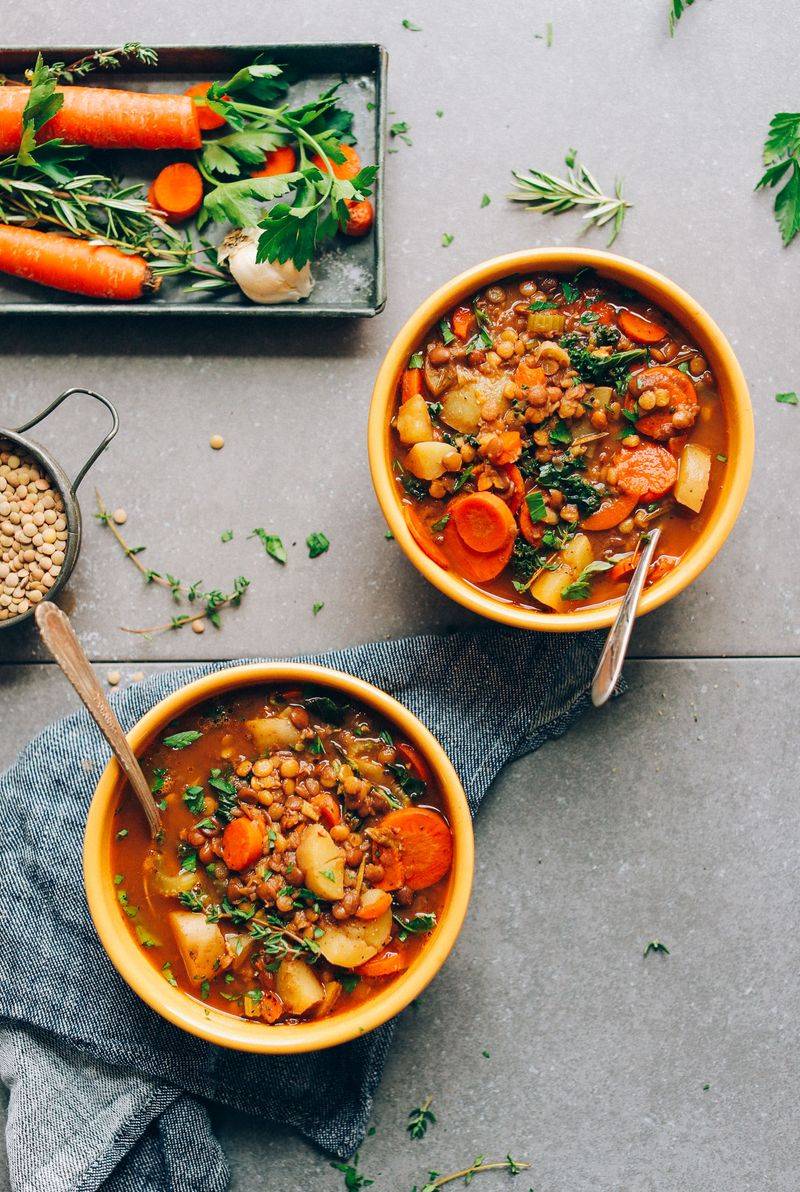
Lentils are one of the most eco-friendly proteins on the planet, requiring very little water and almost no fertilizer to grow. This simple soup combines lentils with whatever vegetables you have on hand, making it a great way to clear out the fridge.
A big pot feeds a family for days, cutting down on cooking energy and packaging waste. Season with cumin and garlic for a warming, satisfying meal that costs very little.
2. Roasted Chickpea Tacos

Forget the beef — roasted chickpeas bring serious crunch and flavor to taco night without the heavy carbon footprint. Canned or dried chickpeas use a fraction of the water and land that meat production requires.
Toss them in smoked paprika, garlic powder, and olive oil, then roast until golden. Load them into corn tortillas with crunchy slaw and avocado.
You might never go back to regular tacos after trying this crowd-pleaser.
3. Seasonal Vegetable Stir-Fry
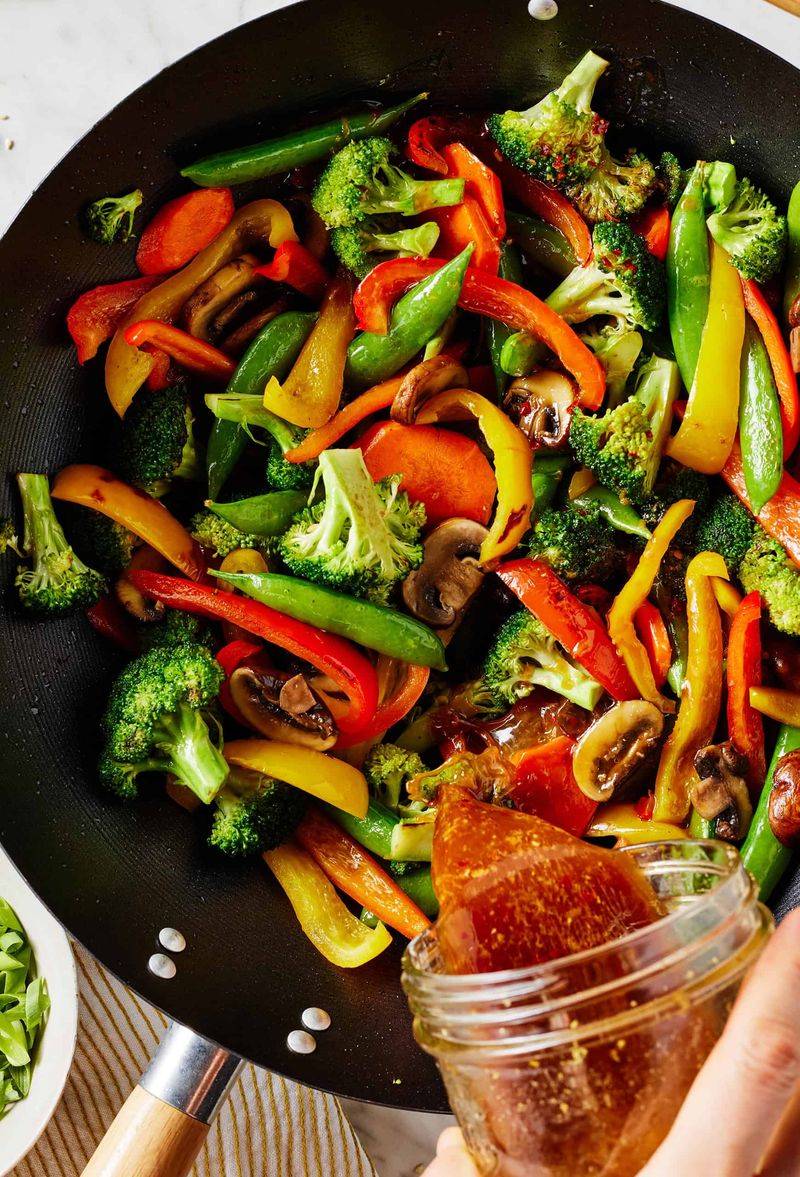
Buying vegetables that are in season locally means they travel far fewer miles to reach your plate, slashing transportation emissions significantly. A stir-fry is the perfect canvas for whatever is fresh at the farmers market this week.
A quick soy, ginger, and sesame sauce ties everything together beautifully. Serve it over brown rice or noodles for a filling meal.
Cooking at high heat for a short time also saves energy compared to slow-roasting methods.
4. Banana Peel Curry
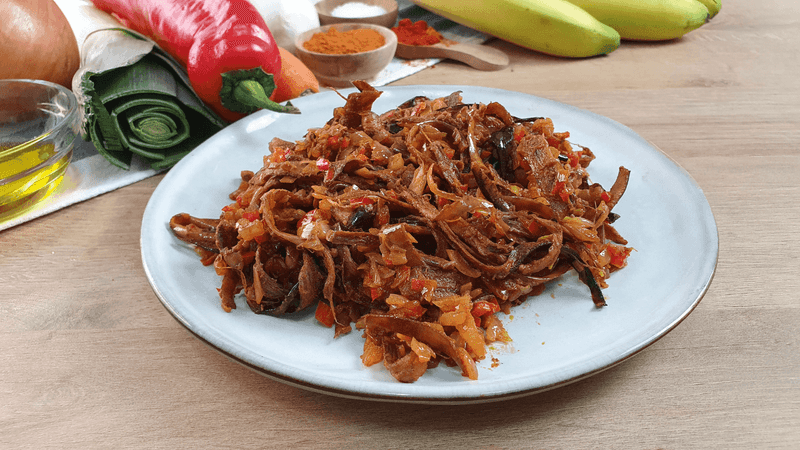
Most people toss banana peels without a second thought, but in many South Asian kitchens, they have been a beloved ingredient for generations. When cooked low and slow in coconut milk, turmeric, and chili, the peels turn tender and soak up incredible flavor.
Using the whole banana means zero food waste from that snack you already bought. It is a brilliant reminder that sustainability and creativity often go together in the best possible ways.
5. Oat and Berry Overnight Oats
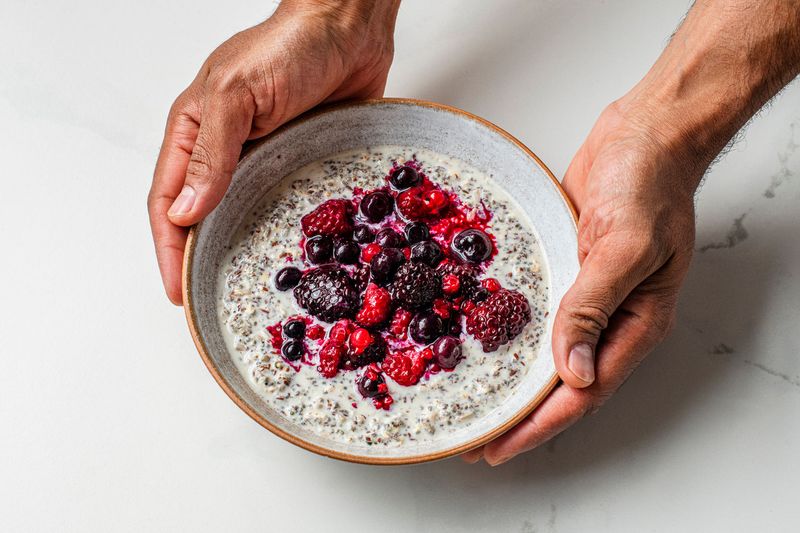
Oats are one of the lowest-impact grains you can eat, producing significantly fewer greenhouse gases than most animal-based breakfast options. Preparing them the night before also means no cooking energy is needed in the morning rush.
Layer rolled oats with plant-based milk, chia seeds, and a handful of seasonal berries in a jar. By morning, breakfast is ready, cold, and creamy.
It is proof that eating sustainably does not have to slow you down at all.
6. Mushroom and Walnut Bolognese
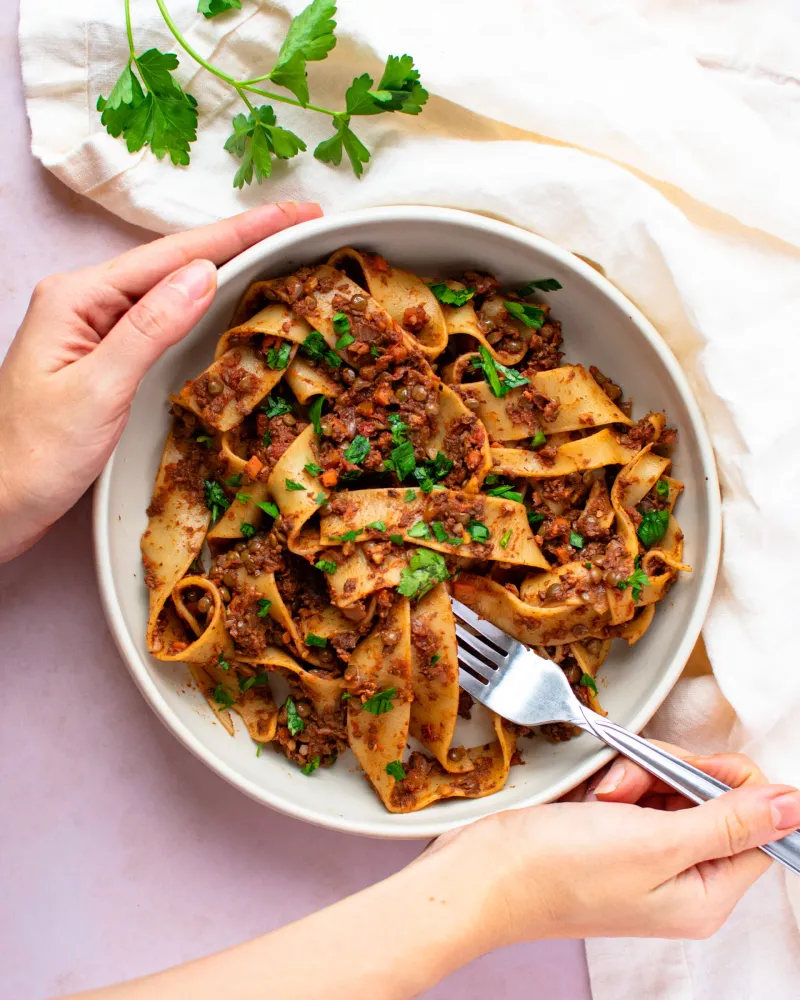
Mushrooms have an almost meaty texture that makes them a superstar in plant-based cooking, and walnuts add a satisfying richness that tricks even dedicated meat-eaters. Together, they create a bolognese that is genuinely hard to distinguish from the original.
Both ingredients are far gentler on the environment than beef. Simmer with crushed tomatoes, red wine, and herbs for depth of flavor.
Toss with your favorite pasta and watch everyone ask for seconds without hesitation.
7. Stuffed Bell Peppers with Quinoa
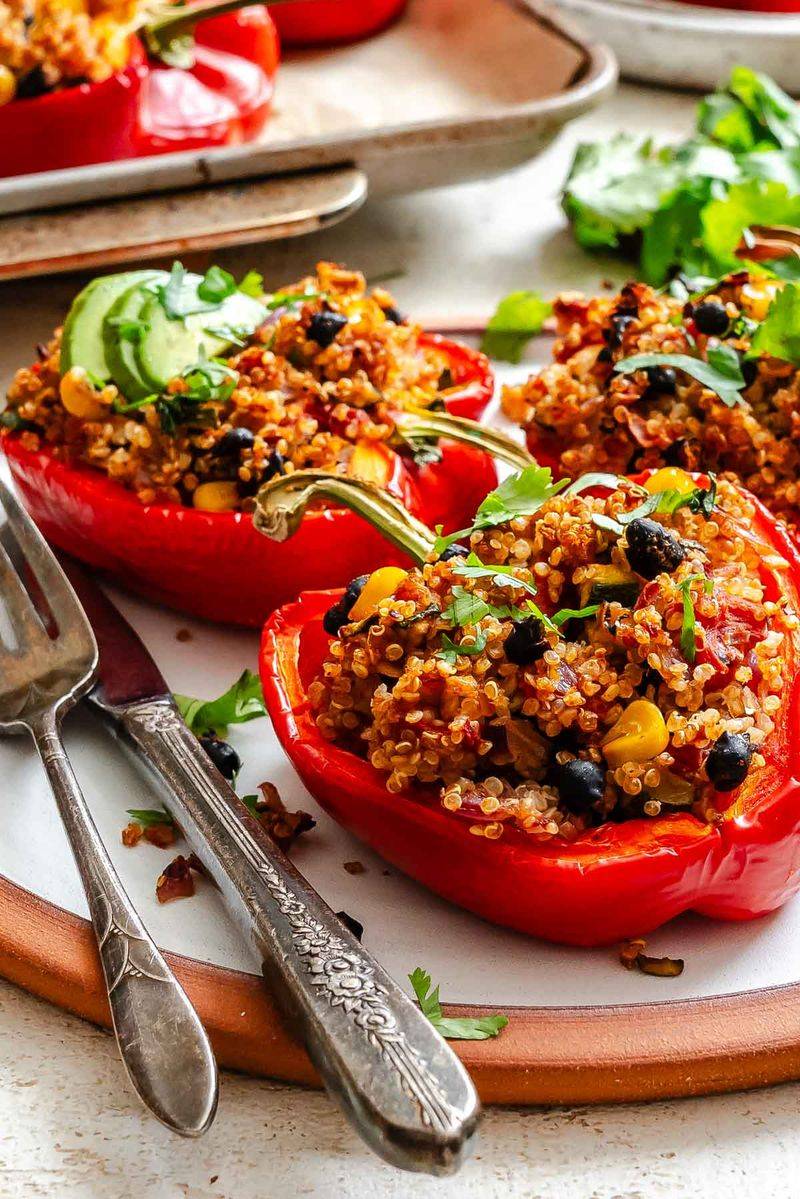
Quinoa is a complete protein, meaning it contains all nine essential amino acids, which is rare for a plant food. Paired with black beans and corn inside a roasted bell pepper, this dish delivers serious nutrition with minimal environmental cost.
Bell peppers are also easy to grow at home if you have a sunny windowsill or small garden patch. Making your own means fewer plastic bags and food miles.
This recipe is colorful, filling, and endlessly customizable.
8. Cauliflower Fried Rice

Swapping regular rice for riced cauliflower cuts carbohydrates and water usage at the same time, since cauliflower requires less irrigation than rice paddies. This dish also uses frozen vegetables, which are actually more sustainable than fresh out-of-season produce because freezing locks in nutrients right after harvest.
Toss everything in a hot pan with soy sauce, sesame oil, and a scrambled egg. Ready in under 15 minutes, it is the weeknight hero your kitchen has been waiting for.
9. Homemade Veggie Burger
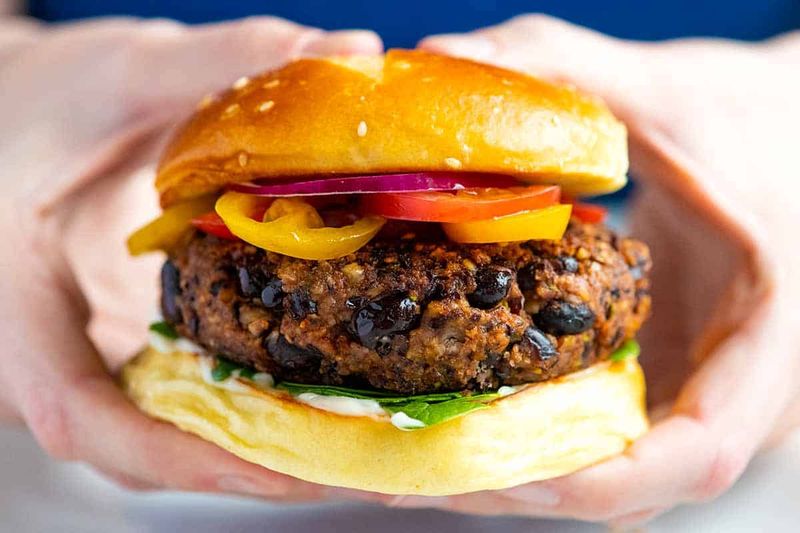
Store-bought veggie burgers often come wrapped in layers of plastic packaging, so making your own is a double win for sustainability. Black beans, oats, and grated beets form the base of a patty that holds together beautifully on the grill or in a pan.
Season boldly with smoked paprika, onion powder, and Worcestershire sauce for big flavor. Serve on a whole grain bun with all your favorite toppings.
Homemade always tastes better anyway.
10. Tomato and White Bean Stew
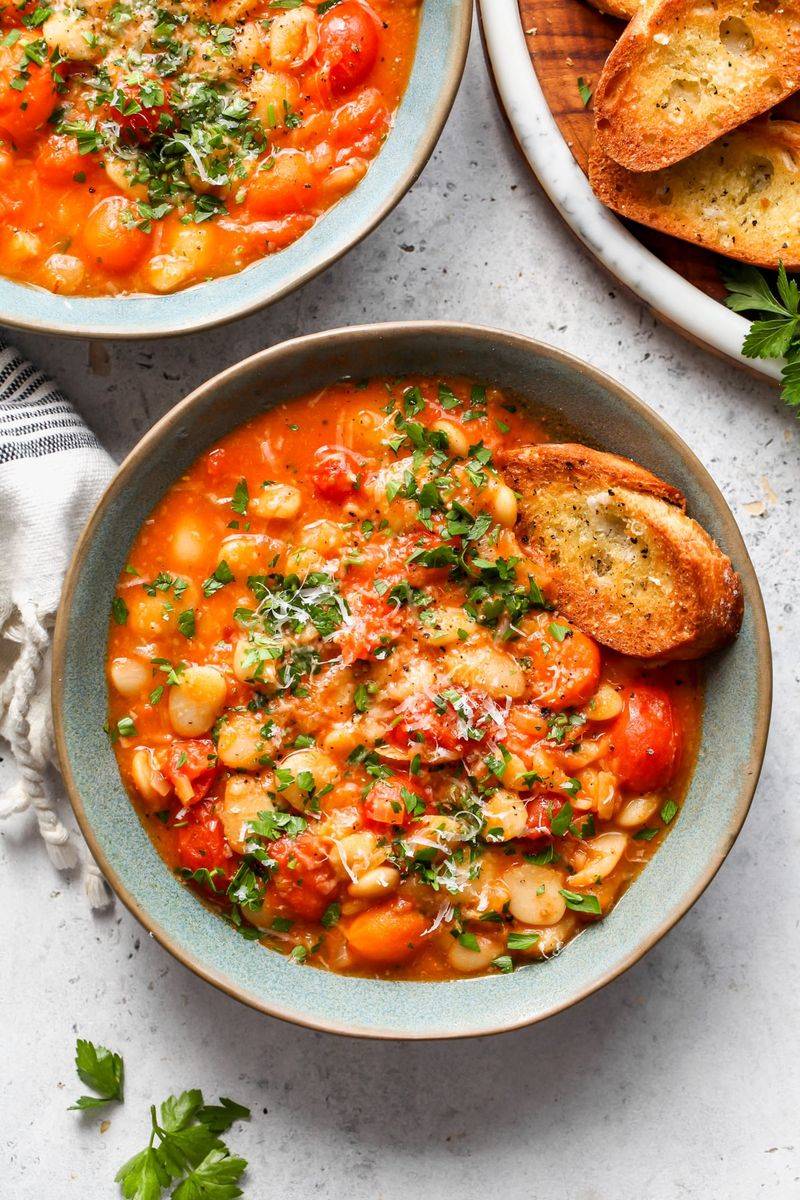
White beans are an underrated powerhouse — packed with protein and fiber, they grow in a way that actually enriches soil with nitrogen, reducing the need for chemical fertilizers. Combined with canned tomatoes and fresh herbs, they create a stew that tastes like it has been cooking all day.
Canned tomatoes are a pantry hero because they are preserved at peak ripeness with very little waste. This stew comes together in 30 minutes and reheats beautifully all week.
11. Sweet Potato and Black Bean Enchiladas
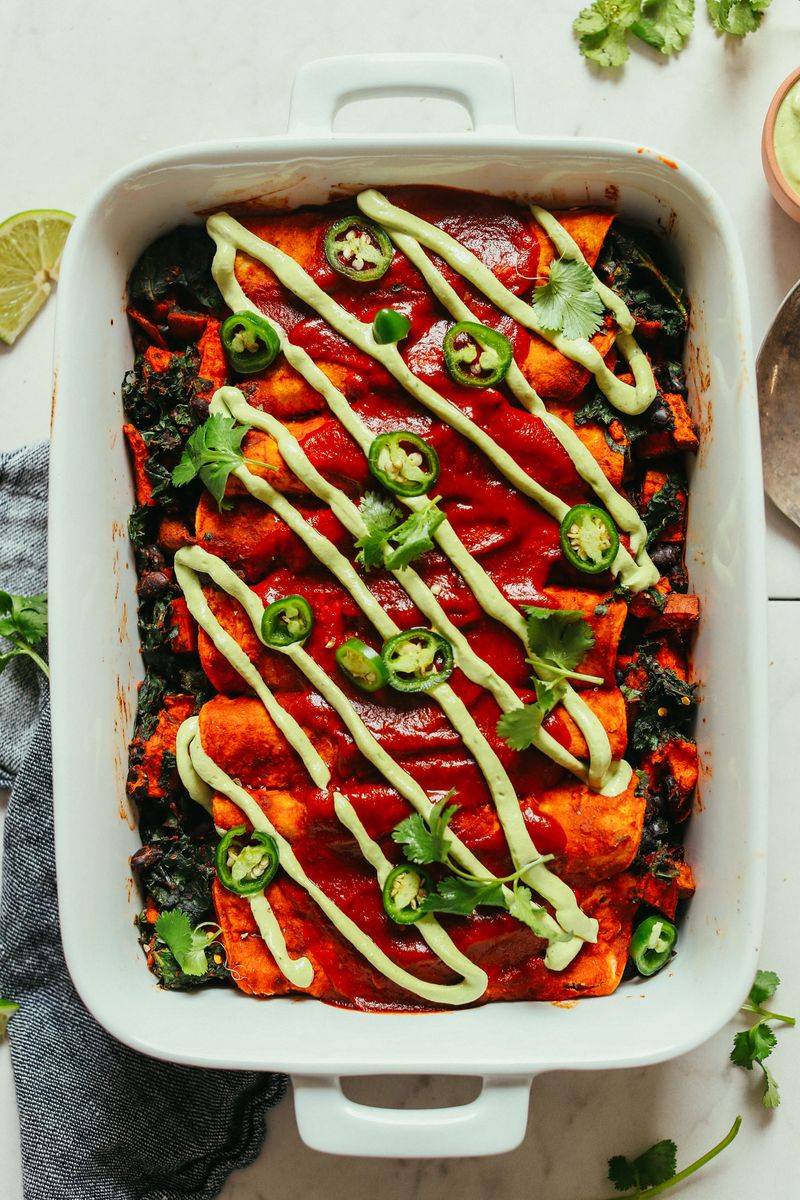
Sweet potatoes are incredibly efficient crops, producing high yields with minimal water and no need for heavy pesticides. Paired with black beans, they create a filling so hearty and flavorful that no one will miss the meat.
Roll everything into corn tortillas, smother with enchilada sauce, and bake until bubbly. Corn tortillas also have a smaller environmental footprint than flour ones.
This dish is bold, colorful, and the kind of comfort food that makes sustainable eating feel genuinely exciting.
12. Zucchini and Herb Frittata

Eggs have a much lower carbon footprint than most other animal proteins, making a frittata one of the more sustainable choices when you want something egg-based. Zucchini is also one of the easiest vegetables to grow at home, even in containers on a balcony.
Whisk eggs with fresh herbs, fold in sauteed zucchini and feta, then finish under the broiler for a beautiful golden top. One skillet, minimal cleanup, and a meal that works for breakfast, lunch, or dinner.
13. Spiced Carrot and Red Lentil Dahl

Red lentils cook faster than almost any other legume, which means less time on the stove and less energy used — a small but meaningful win for the environment. Carrots are a year-round staple that store well, reducing food waste dramatically compared to more delicate produce.
Toast cumin, coriander, and turmeric in oil before adding lentils and broth for a deeply aromatic base. Stir in coconut milk at the end for creaminess.
This dahl is soul-warming, budget-friendly, and endlessly satisfying.
14. Apple and Oat Crumble
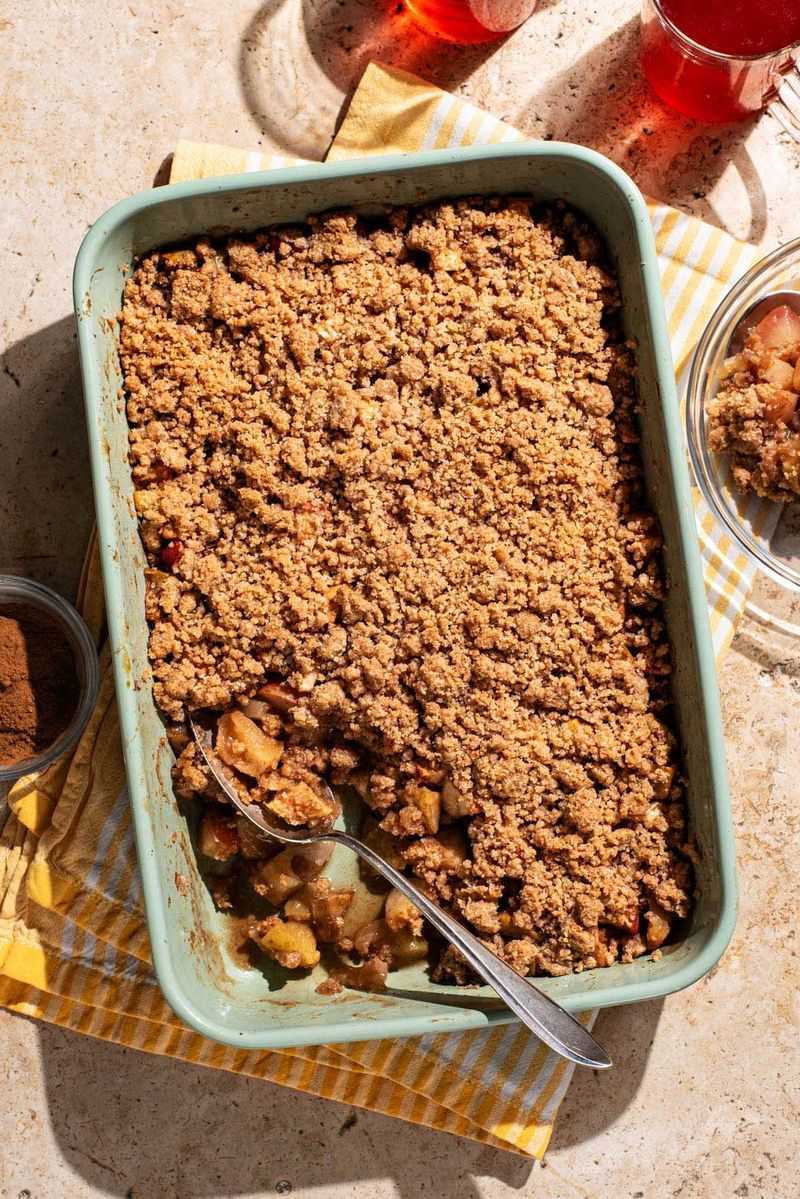
Apples are one of the most widely grown local fruits across temperate climates, meaning you can often buy them from a farm just miles away. Using slightly bruised or imperfect apples in a crumble is a brilliant way to rescue fruit that might otherwise get thrown out.
The topping is just oats, butter, brown sugar, and cinnamon — simple, beautiful, and comforting. Baked until golden, this dessert proves that reducing food waste can taste absolutely incredible.
15. Garden Herb Pesto Pasta
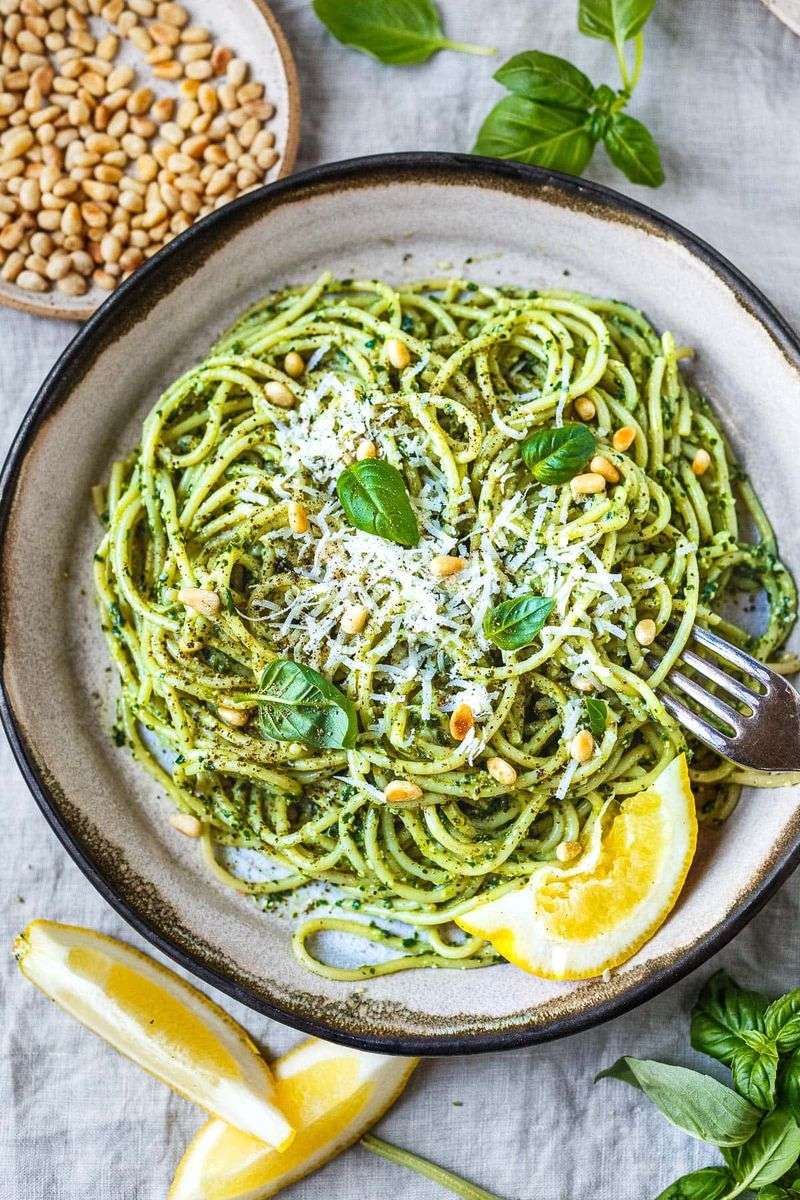
Growing your own herbs is one of the easiest ways to reduce packaging waste and food miles at the same time. Even a small pot of basil on a windowsill gives you enough for a fresh batch of pesto that blows any store-bought jar completely out of the water.
Blend basil, parsley, garlic, olive oil, and parmesan for a sauce that takes under five minutes to make. Toss with your favorite pasta and top with toasted pine nuts.
Simple, fresh, and genuinely planet-friendly.




Comments
No Comments