













Britain is packed with incredible food traditions that go way beyond fish and chips or a Sunday roast. From the rugged Scottish Highlands to the rolling hills of Cornwall, every corner of the country has its own unique flavors and recipes passed down through generations.
Yet so many of these brilliant regional dishes rarely make it onto restaurant menus or food blogs. Get ready to explore some seriously underrated British cooking that deserves a place in the spotlight.
1. Scouse - Liverpool's Beloved Meat Stew
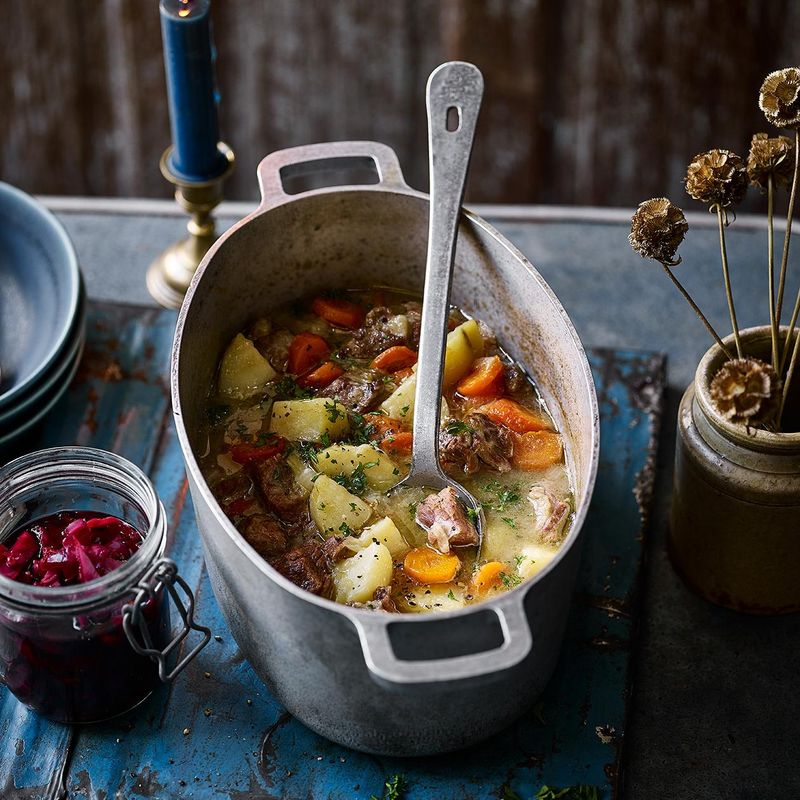
Ask anyone from Liverpool what their comfort food is, and the answer is almost always Scouse. This hearty meat stew, made with lamb or beef, potatoes, and root vegetables, has warmed Merseyside families for centuries.
Sailors originally brought versions of this dish from Scandinavia, and Liverpool made it entirely its own.
Traditionally served with pickled red cabbage and crusty bread on the side, Scouse is deeply satisfying on a cold day. It deserves recognition far beyond the city limits.
2. Stargazy Pie - Cornwall's Dramatic Fish Pastry
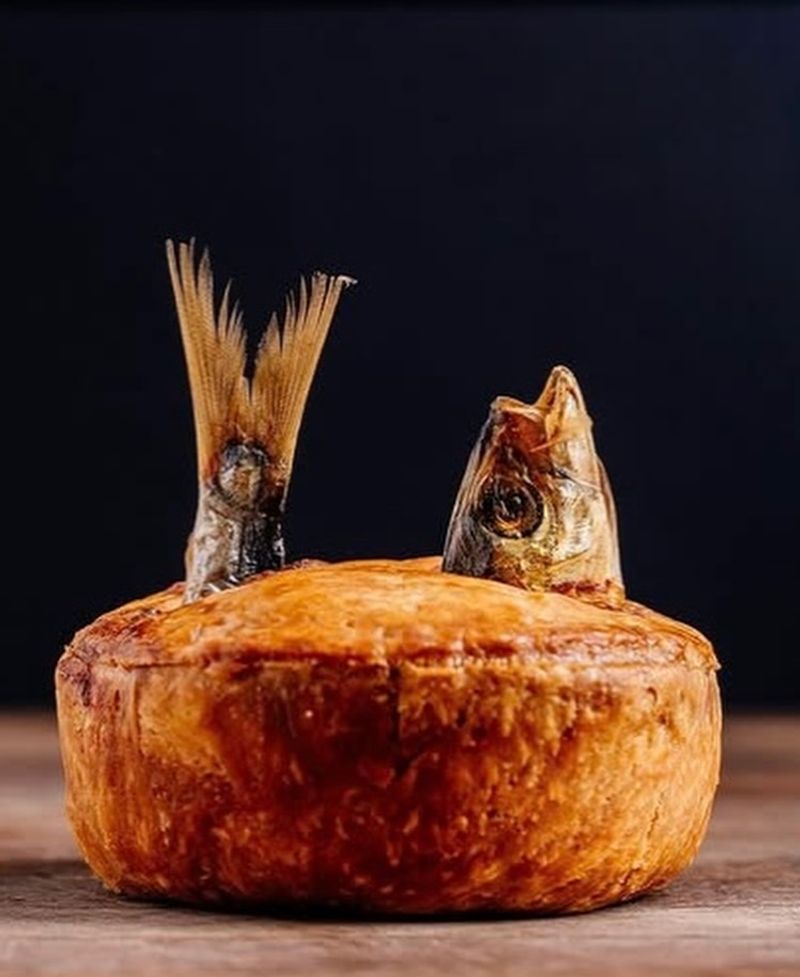
Few dishes make a visual statement quite like Stargazy Pie. Whole pilchards bake inside a golden pastry crust with their heads poking dramatically through the top, as if gazing up at the stars.
It sounds unusual, but this Cornish creation is rooted in real history and community pride.
Legend says it was created in the village of Mousehole to celebrate a fisherman who braved storms to feed his starving village. That story alone makes every bite taste more meaningful.
3. Cullen Skink - Scotland's Smoky Chowder
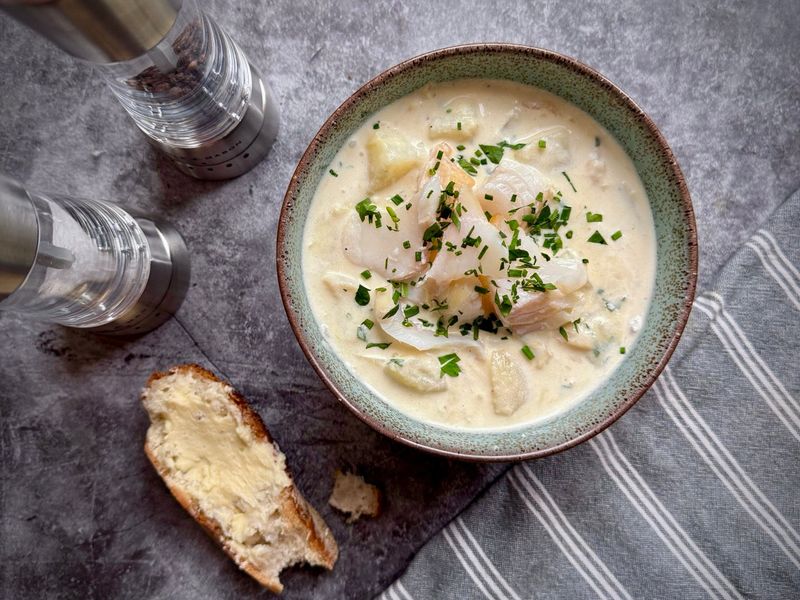
Smoky, creamy, and deeply warming, Cullen Skink is one of Scotland's greatest gifts to the soup world. Named after the coastal village of Cullen in Moray, this thick chowder combines smoked haddock, potatoes, and onions into something truly spectacular.
It regularly features on Scottish restaurant menus but rarely gets the national attention it deserves.
On a blustery Scottish afternoon, a bowl of Cullen Skink hits differently than any fancy soup. Simple ingredients, extraordinary results - that's the beauty of it.
4. Laverbread - Wales's Coastal Superfood
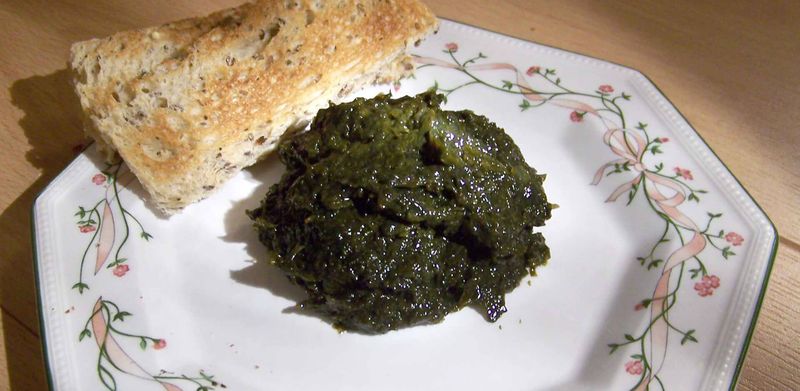
Laverbread sounds fancy, but it's essentially pureed seaweed harvested from the Welsh coastline - and it's been eaten in Wales for hundreds of years. Traditionally served with bacon and cockles as part of a Welsh breakfast, it has a rich, briny flavor that's unlike anything else on the British food map.
Packed with iron, iodine, and protein, laverbread was once called "Welsh caviar" by locals who knew its true value. More people outside Wales need to discover this coastal treasure.
5. Fidget Pie - Shropshire's Sweet and Savory Surprise
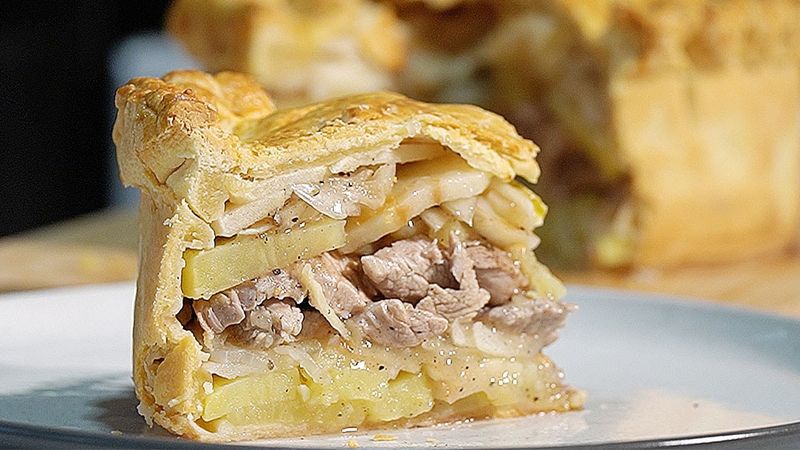
Shropshire's Fidget Pie is the kind of dish that makes you do a double take when you read the recipe. Gammon, apples, and onions bake together under a shortcrust pastry lid, creating a sweet-savory combination that genuinely works.
Historically made during harvest season, it was hearty enough to fuel farm workers through long days in the fields.
The name possibly comes from "fitched," an old word meaning five-sided. Whatever the origin, this pie is a hidden gem of English regional cooking.
6. Yorkshire Parkin - The North's Sticky Ginger Cake
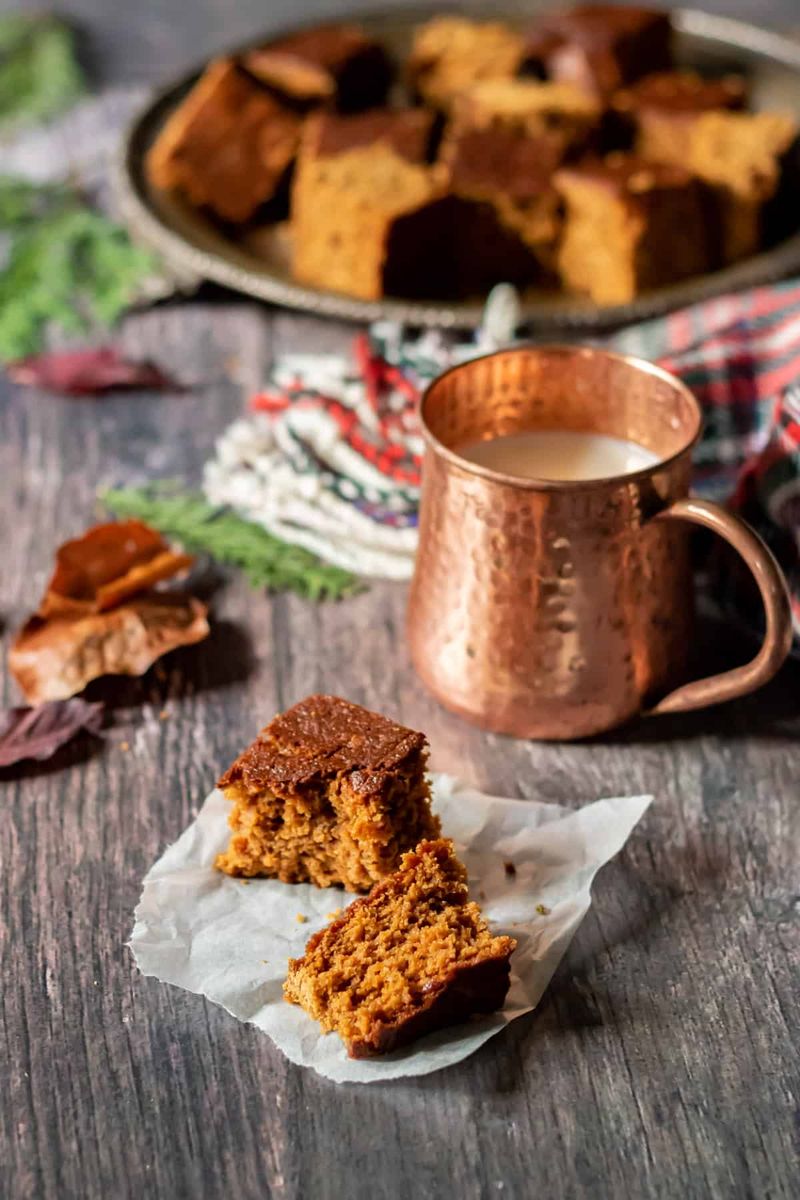
Yorkshire Parkin is the kind of cake that gets better the longer you leave it. Made with oatmeal, black treacle, and warming ginger, this dense, sticky cake has been a staple of Northern England for centuries.
Traditionally baked around Bonfire Night in November, it's the perfect companion to cold, smoky evenings outdoors.
Unlike most cakes eaten fresh, Parkin actually needs several days to mature before its flavors fully develop. That patience pays off in the most delicious way imaginable.
7. Bedfordshire Clanger - England's Original Two-in-One Meal
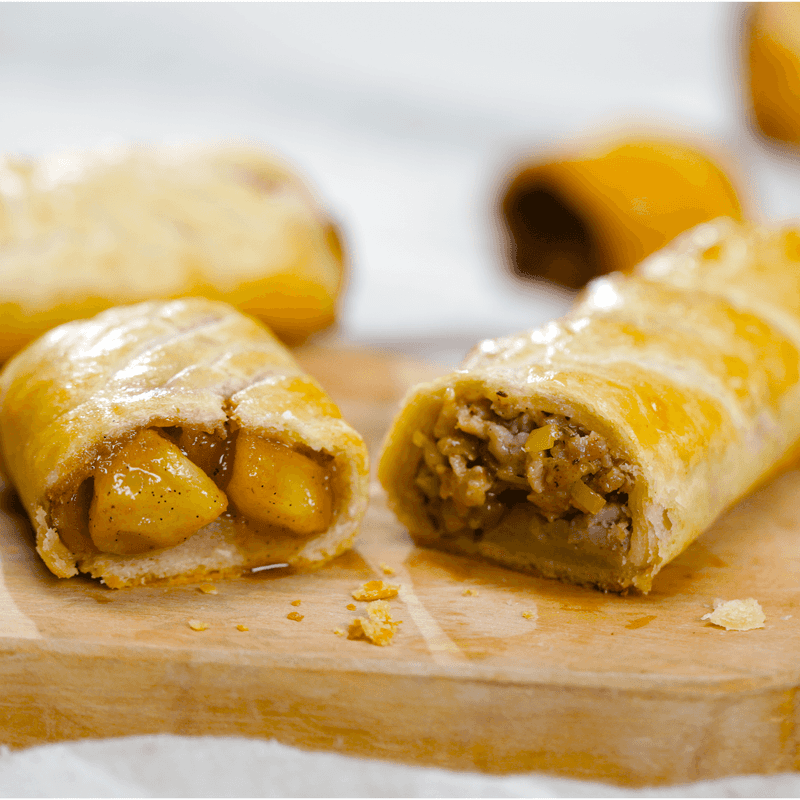
Long before anyone invented the meal deal, Bedfordshire farm workers were carrying Clangers into the fields. This clever suet pastry roll is divided into two sections - one end holds a savory filling like pork and onion, while the other contains a sweet jam or fruit filling.
Lunch and dessert, all in one handheld package.
The Clanger was designed so workers could eat both courses without confusion about which end to start from. Practical, filling, and genuinely tasty - it's British ingenuity at its finest.
8. Singin' Hinnies - Northumberland's Griddle Cakes
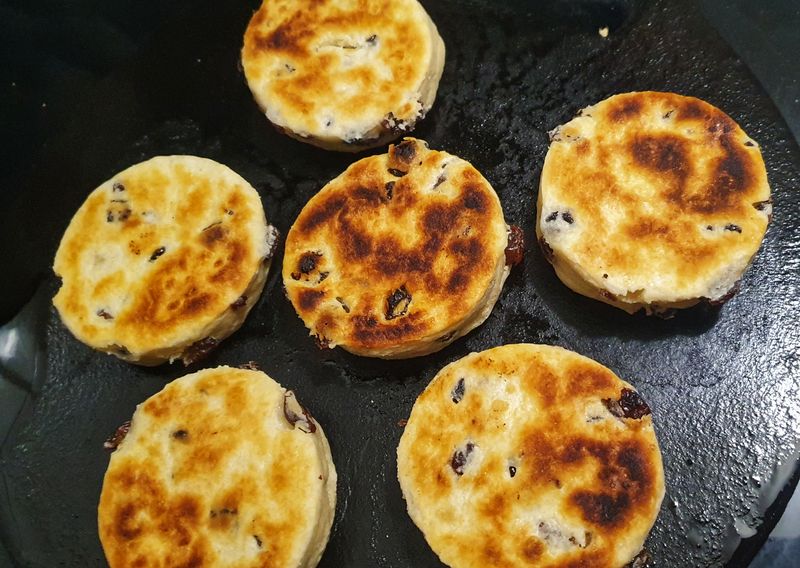
The name alone should be enough to spark curiosity. Singin' Hinnies are traditional griddle cakes from Northumberland, named for the sizzling sound they make as they cook in butter on a hot griddle.
Made with flour, lard, currants, and cream, they're crispy outside and tender inside - genuinely irresistible when served warm.
"Hinny" is a Geordie term of endearment, which tells you everything about how beloved these little cakes are in the North East. They deserve a comeback on national menus.
9. Glamorgan Sausages - Wales's Vegetarian Classic
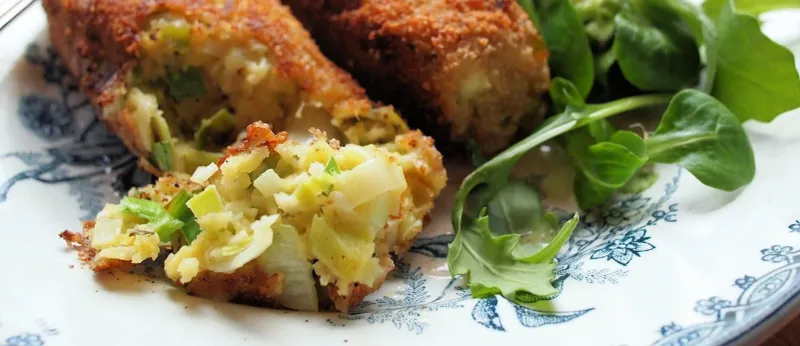
Way before vegetarian food became trendy, Wales had already perfected the meatless sausage. Glamorgan sausages are made from Caerphilly cheese, leeks, and breadcrumbs, then fried until golden and crispy.
They're savory, satisfying, and full of flavor without a scrap of meat in sight.
First recorded in the writings of Victorian author George Borrow, these sausages have centuries of Welsh history behind them. Served with a dollop of wholegrain mustard, they're proof that plant-based eating has always been part of British food culture.
10. Nottingham Pudding - The East Midlands' Hidden Treasure
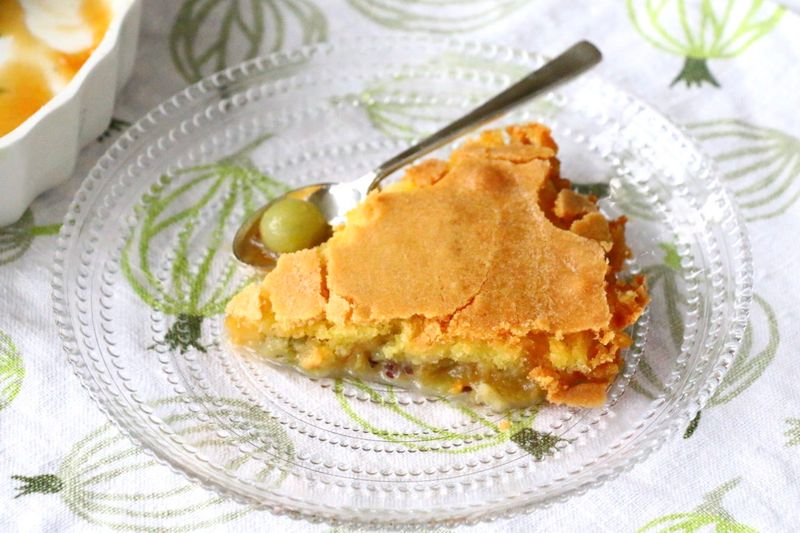
Not everyone outside the East Midlands has heard of Nottingham Pudding, and that's a real shame. This baked dessert layers fresh fruit - traditionally gooseberries - beneath a light sponge batter that puffs up beautifully in the oven.
It's simple, seasonal, and absolutely delicious when served warm with a generous pour of custard.
Local cooks have been making versions of this pudding for generations, using whatever fruit the garden offered. There's something genuinely heartwarming about a dessert so connected to its local landscape and seasons.
11. Forfar Bridies - Scotland's Flaky Meat Pastry
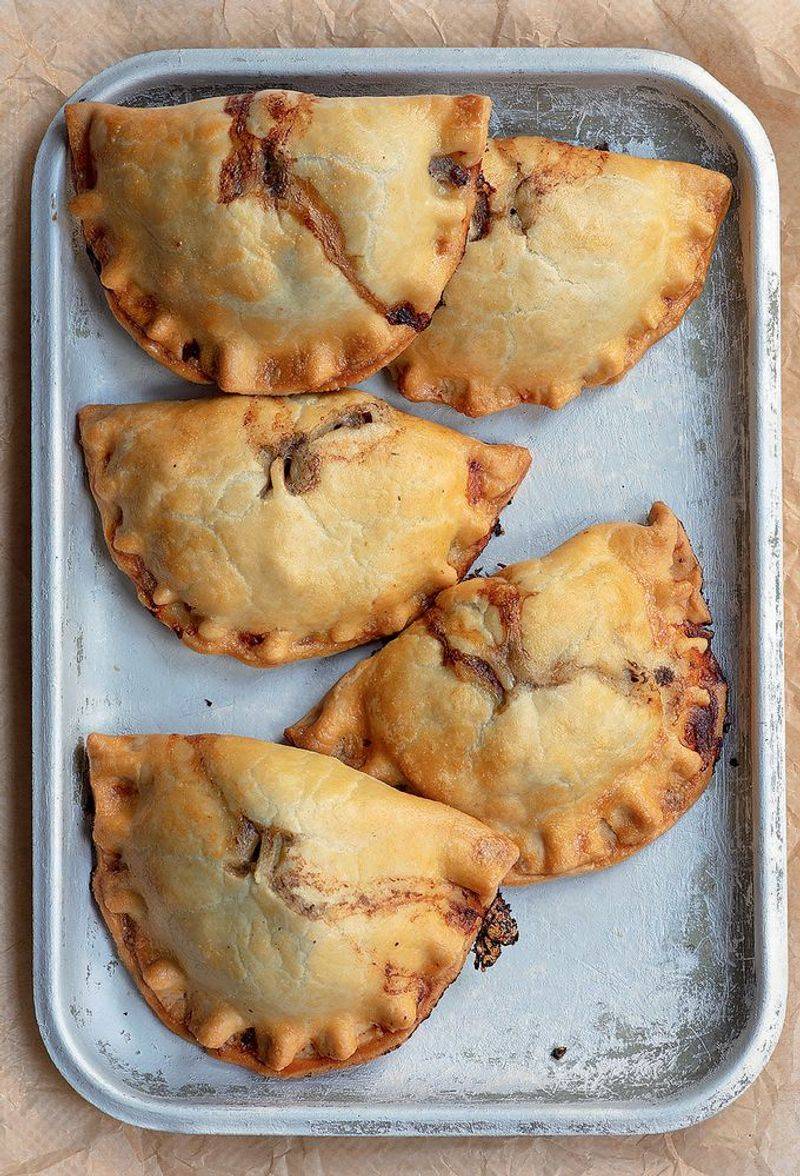
Scotland's answer to the Cornish pasty, the Forfar Bridie is a horseshoe-shaped pastry filled with minced beef and onion, baked until golden and flaky. Unlike pasties, Bridies use a shortcrust pastry and traditionally contain no potato, giving them a distinct texture and flavor all their own.
Originating from the town of Forfar in Angus, these pastries have been sold by local bakers since the 1800s. They're portable, hearty, and deeply satisfying - everything a proper Scottish snack should be.
12. Devonshire Squab Pie - No Pigeons Required
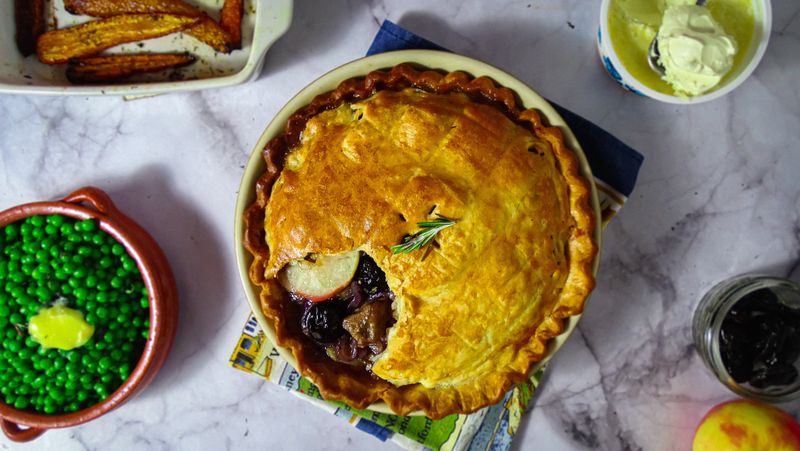
Despite the name, Devonshire Squab Pie contains absolutely no squab - or pigeon of any kind. This West Country classic is actually made with lamb, apples, onions, and warming spices like allspice, all baked under a golden pastry crust.
The name is believed to come from an old Devon dialect word for a young lamb.
The sweet-savory combination echoes other West Country cooking traditions, where fruit and meat often share the same dish. Bold, rustic, and underappreciated, this pie deserves far wider recognition.
13. Cabbie Claw - Orkney's Salted Cod Dish
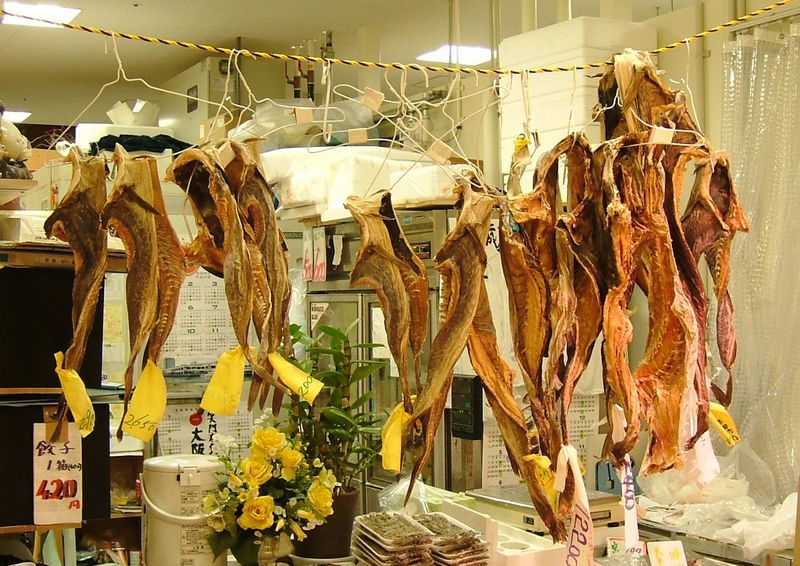
Orkney's food culture is one of Britain's most overlooked, and Cabbie Claw is a perfect example of why that needs to change. This traditional dish uses salt cod that's been dried and then simmered, served with a sharp horseradish sauce and hard-boiled eggs.
The flavors are bold, briny, and completely unique to the islands.
The name is thought to derive from the French word "cabillaud," meaning cod - a reminder of the strong trade links Orkney once had with mainland Europe. History on a plate, quite literally.
14. Black Peas - Lancashire's Bonfire Night Tradition
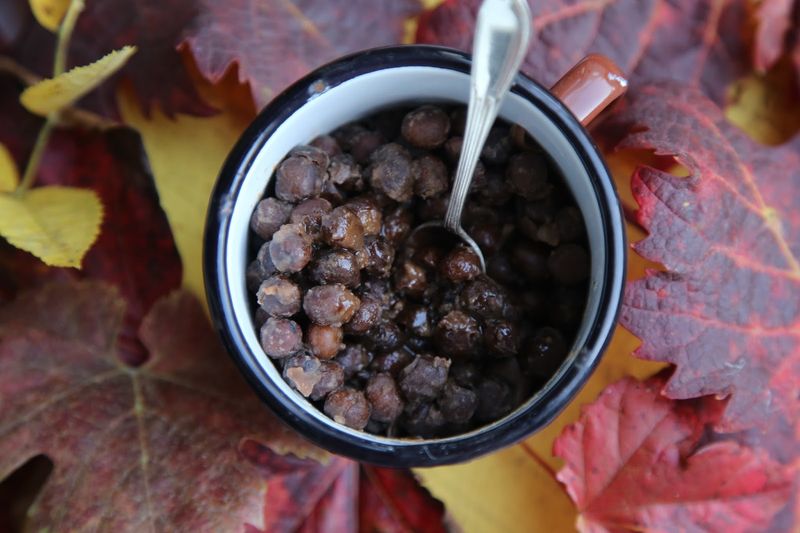
Every November in Lancashire, something magical happens at Bonfire Night celebrations - vendors ladle warm black peas into paper cups and hand them to crowds gathered around the flames. These small, dark carlin peas are soaked overnight and cooked in a savory, vinegary broth that's tangy, warming, and completely addictive.
Black peas have been a Lancashire tradition for well over two hundred years, yet most people outside the county have never tasted them. Cheap, comforting, and packed with flavor, they're one of England's best-kept regional secrets.
15. Bara Brith - Wales's Spiced Fruit Loaf
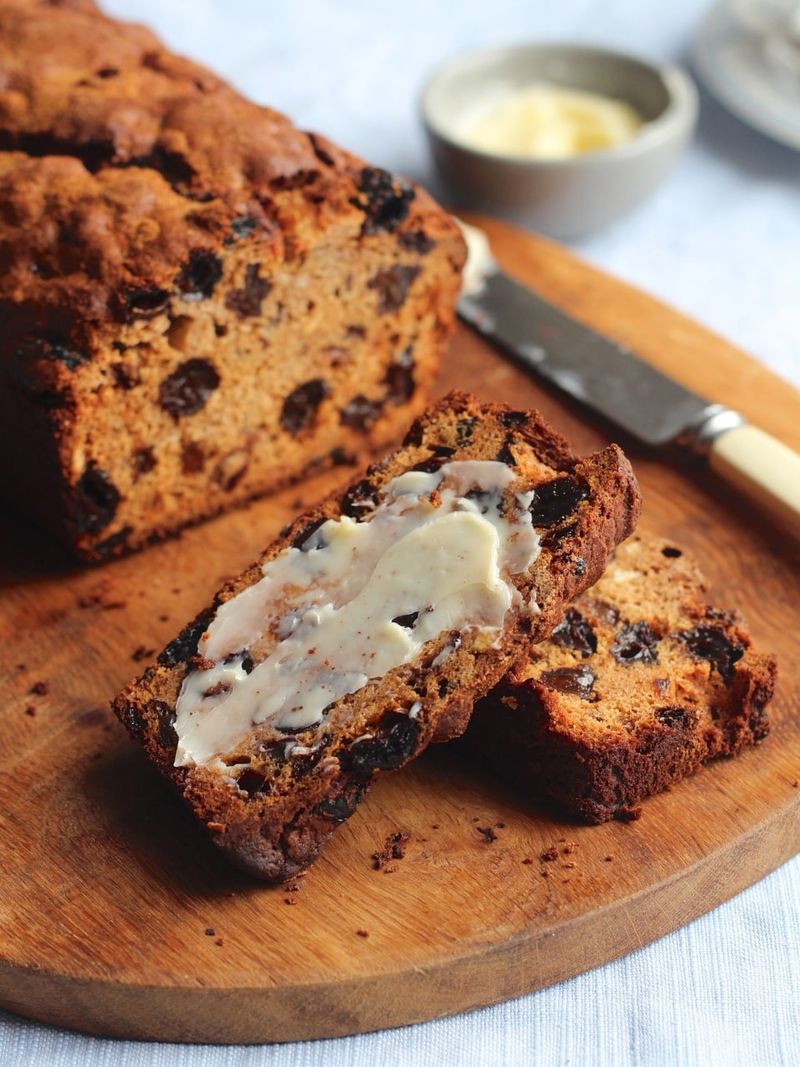
Bara Brith translates from Welsh as "speckled bread," which perfectly describes this beautifully dense, fruit-studded tea loaf. Dried fruit soaks overnight in strong tea before being mixed with flour, spices, and an egg, creating a loaf that's moist, fragrant, and deeply satisfying.
Every Welsh grandmother has her own treasured version of this recipe.
Sliced thick and spread generously with butter, Bara Brith is the kind of bake that tastes like a warm hug. It's one of Wales's most cherished food traditions and absolutely worth knowing about.




Comments
No Comments