













Beans are one of the most powerful foods on the planet, yet most of us only reach for the same one or two types at the grocery store. Packed with protein, fiber, and essential vitamins, many bean varieties are sitting quietly on store shelves waiting to be discovered.
Eating a wider range of beans can seriously boost your health, your energy, and even your mood. Here are 15 incredibly healthy beans that deserve a spot on your plate.
1. Adzuki Beans
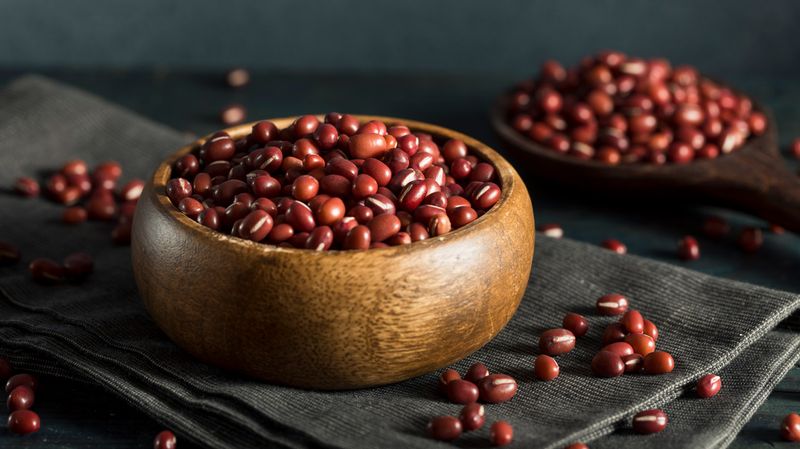
Popular across Japan and China for centuries, adzuki beans carry a mildly sweet flavor that makes them surprisingly versatile. They are loaded with folate, iron, and magnesium, making them a powerhouse for heart health and energy levels.
You can mash them into a sweet paste for desserts or toss them into savory soups and grain bowls. One cup delivers nearly 17 grams of protein, which is impressive for a plant-based food.
2. Mung Beans
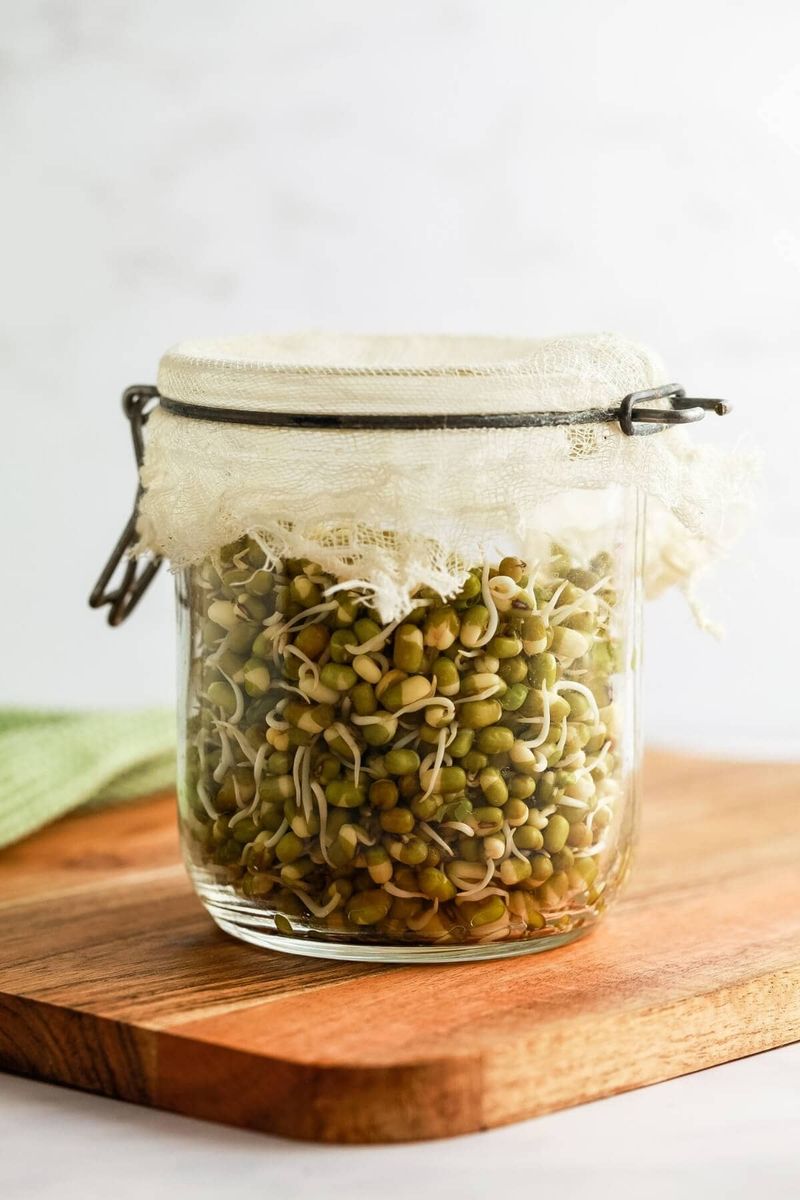
Mung beans might be the most underrated superfood hiding in plain sight. Originating in India, these tiny green beans are rich in antioxidants, B vitamins, and plant-based protein that help your body fight inflammation and stay energized throughout the day.
They sprout easily at home in just a few days, making them one of the freshest and cheapest superfoods you can grow yourself. Add sprouts to salads, stir-fries, or wraps for a satisfying crunch.
3. Cannellini Beans
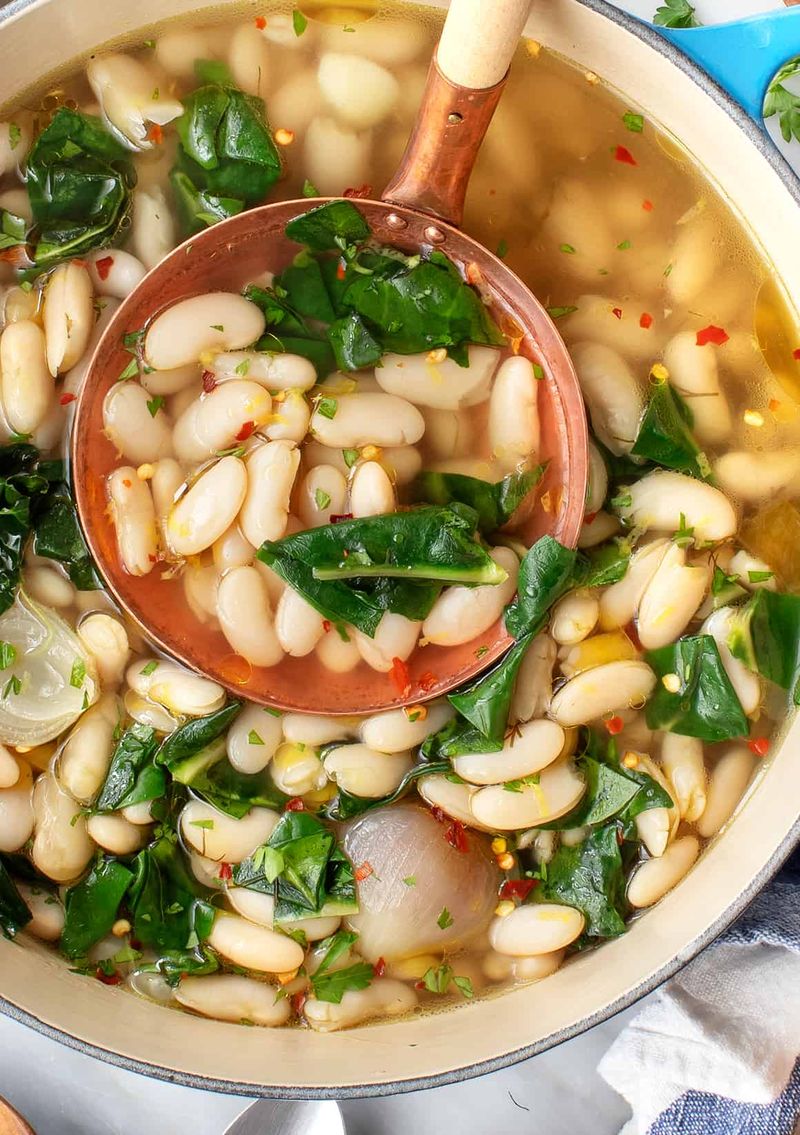
Cannellini beans have a buttery, creamy texture that makes them feel almost indulgent, yet they are remarkably good for you. These large white beans are a staple in Italian cooking, often blended into soups or spread onto crusty bread with olive oil and rosemary.
Rich in fiber and potassium, they support healthy blood pressure and digestion. A single serving gives you a solid dose of iron, which is especially helpful for people who do not eat meat.
4. Fava Beans
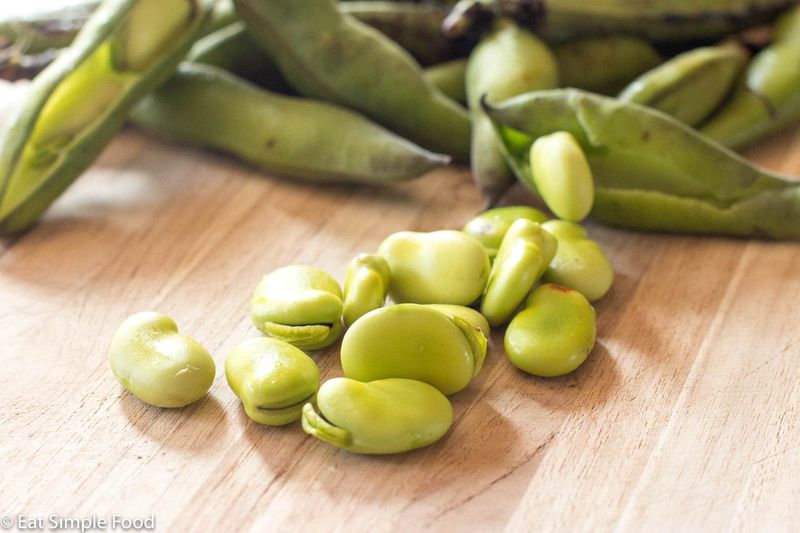
Fava beans have been feeding civilizations since ancient Egypt, and for good reason. These broad, meaty beans are bursting with folate, manganese, and copper, nutrients that most people simply do not get enough of from their everyday diet.
They have a rich, earthy flavor that works beautifully in Mediterranean dishes, pasta, and even dips. Cooking with fresh fava beans in spring is a seasonal treat that feels both wholesome and a little fancy at the same time.
5. Black-Eyed Peas
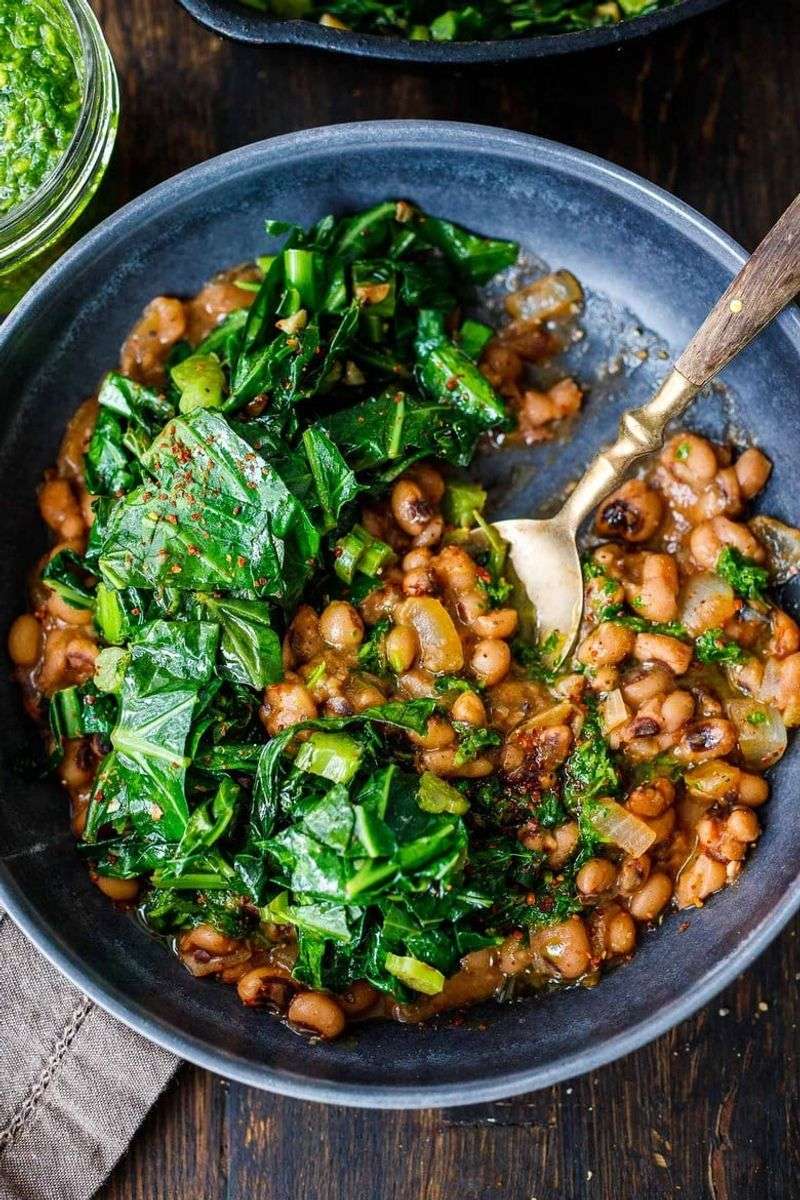
Eaten for good luck on New Year's Day across the American South, black-eyed peas are more than just a tradition. They are loaded with zinc, calcium, and folate, offering impressive nutritional value in every humble spoonful.
Their mild, slightly nutty taste pairs well with greens like collards or kale, creating a classic combination that is both comforting and deeply nutritious. Did you know black-eyed peas are technically a cowpea, not a true pea?
Fascinating food history right there.
6. Tepary Beans
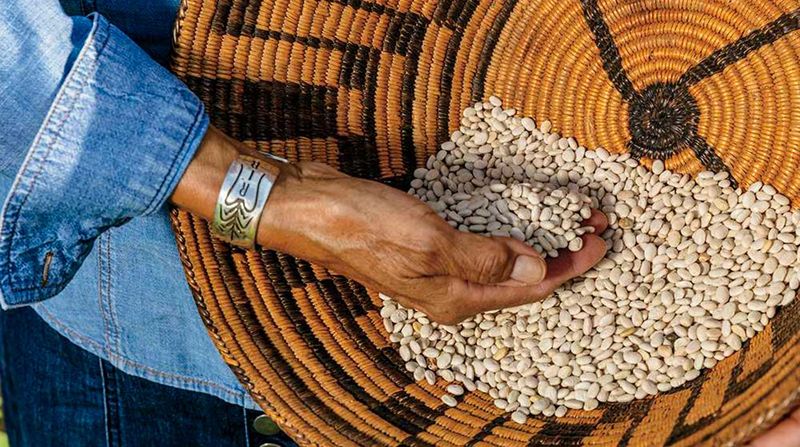
Tepary beans are a true ancient survival food, grown by Indigenous peoples of the American Southwest for thousands of years in harsh desert conditions. They require very little water to grow, making them one of the most sustainable crops on Earth.
Nutritionally, they blow many common beans out of the water with sky-high protein and fiber content. Their dense, slightly starchy texture works well in slow-cooked stews and chili.
Seek them out at specialty stores or online.
7. Cranberry Beans
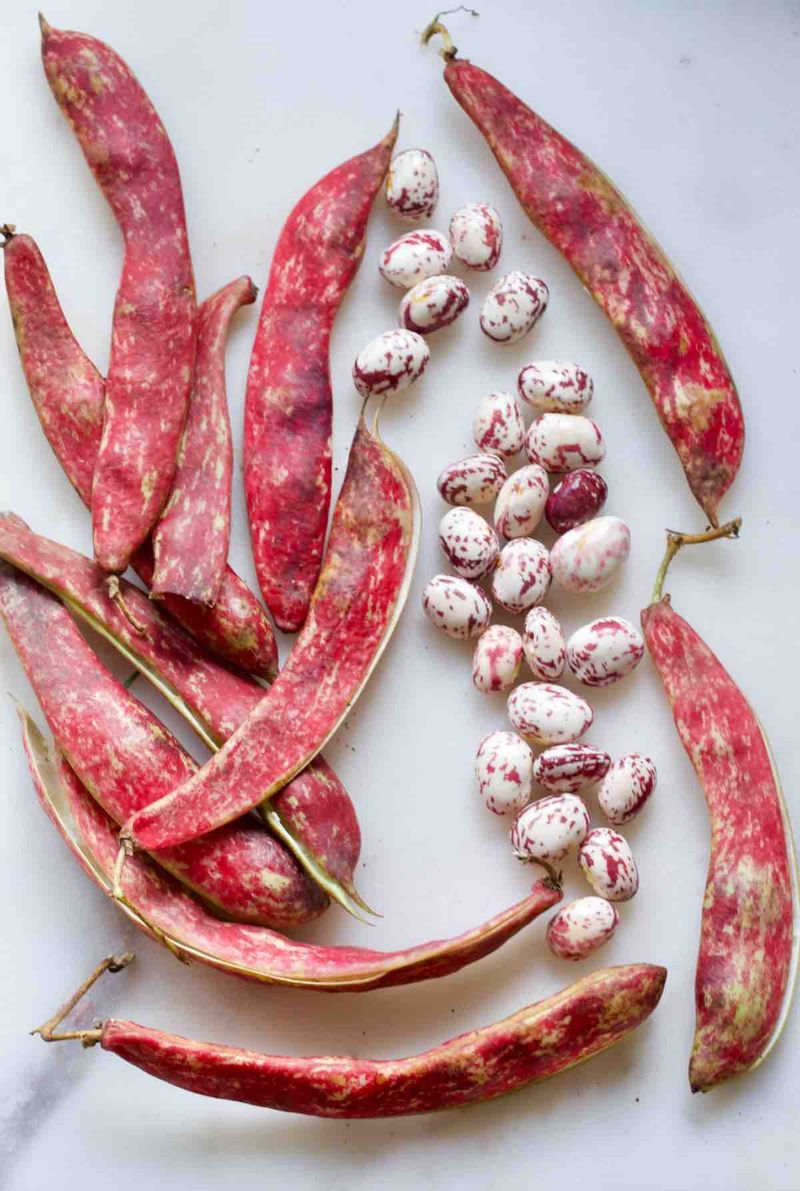
Cranberry beans look almost too pretty to eat, with their gorgeous red-streaked cream-colored shells. Also called borlotti beans in Italy, they have a rich, nutty flavor that deepens beautifully when slow-cooked in soups or braised with vegetables and herbs.
They are an excellent source of molybdenum, a mineral that helps your body process certain amino acids. Interestingly, their vibrant speckled color fades when cooked, but the hearty taste and impressive nutrition absolutely do not.
8. Anasazi Beans
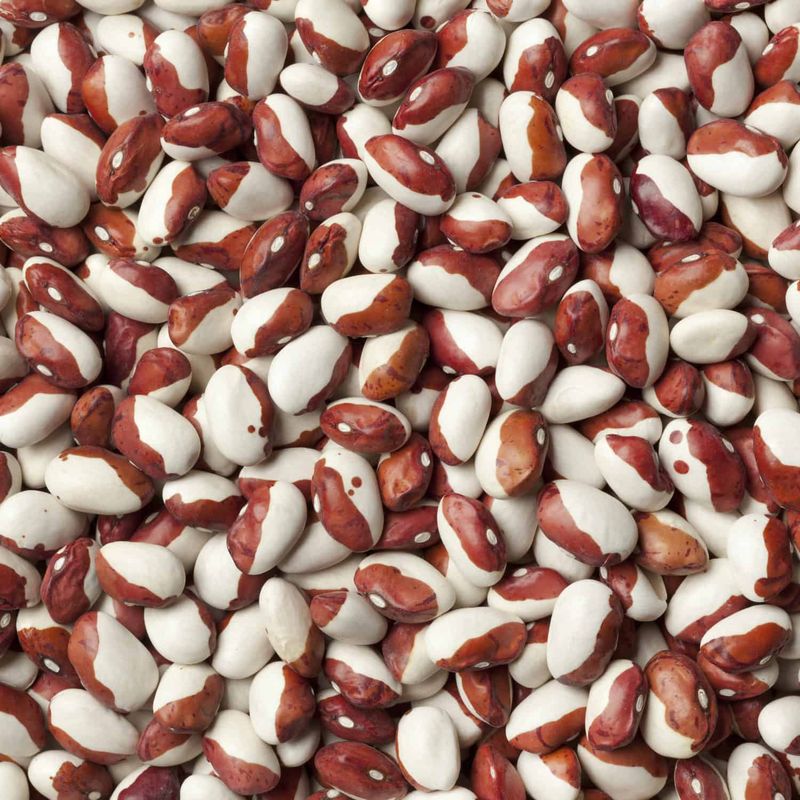
Named after the ancient Ancestral Puebloans of the American Southwest, Anasazi beans carry a history as rich as their flavor. They are sweeter and less gassy than pinto beans, which makes them a friendlier option for people who love beans but struggle with digestive discomfort afterward.
Their striking red-and-white marbled appearance is genuinely eye-catching. Packed with protein and iron, they work wonderfully in chili, tacos, or baked bean dishes as a flavorful and nutritious upgrade.
9. Navy Beans
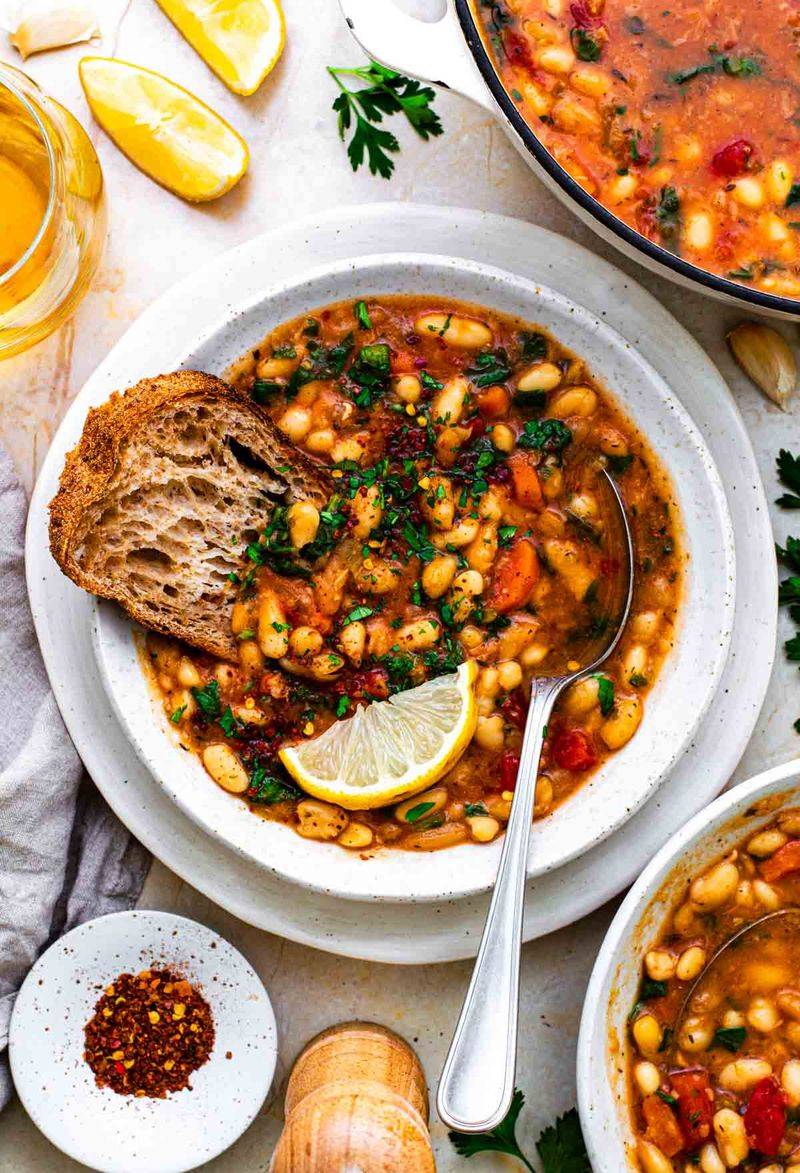
Navy beans earned their name by fueling the United States Navy through the 19th and early 20th centuries, and honestly, sailors made a smart choice. These small white beans are one of the richest plant-based sources of fiber available, making them exceptional for gut health and cholesterol management.
They have a mild flavor that soaks up seasonings beautifully, making them perfect for soups, baked beans, or blended into creamy dips. Budget-friendly and wildly nutritious, navy beans deserve far more attention.
10. Pigeon Peas
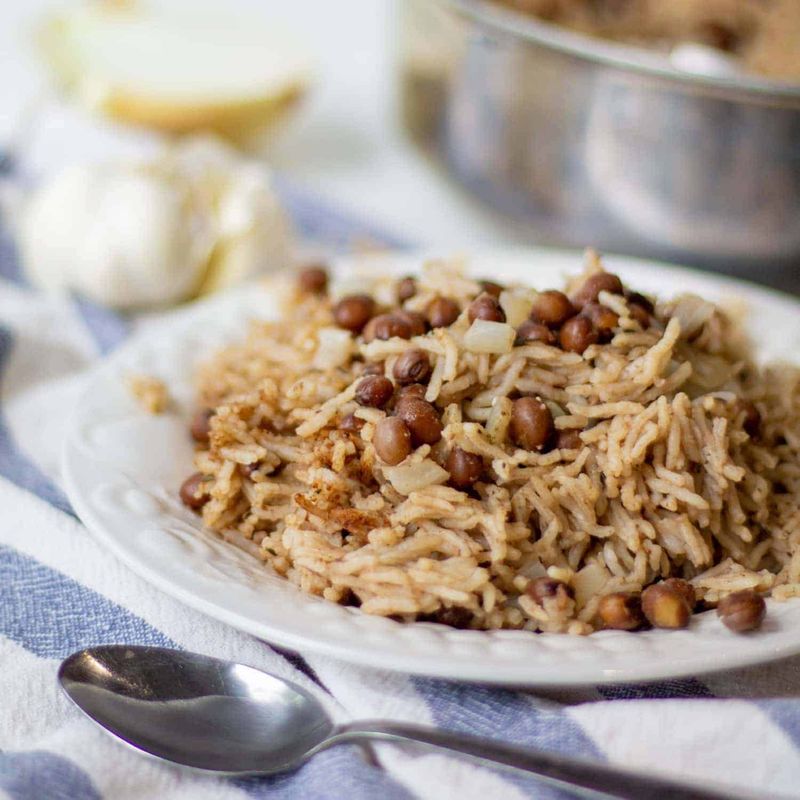
Across the Caribbean, West Africa, and South Asia, pigeon peas are a beloved staple that most people in North America have never even tried. Combined with rice, they create a complete protein, meaning your body gets every essential amino acid it needs from one satisfying meal.
They have a slightly earthy, nutty flavor and hold their shape well during cooking. Rich in thiamine and potassium, pigeon peas support nerve function and heart health in ways that are genuinely hard to match.
11. Moth Beans
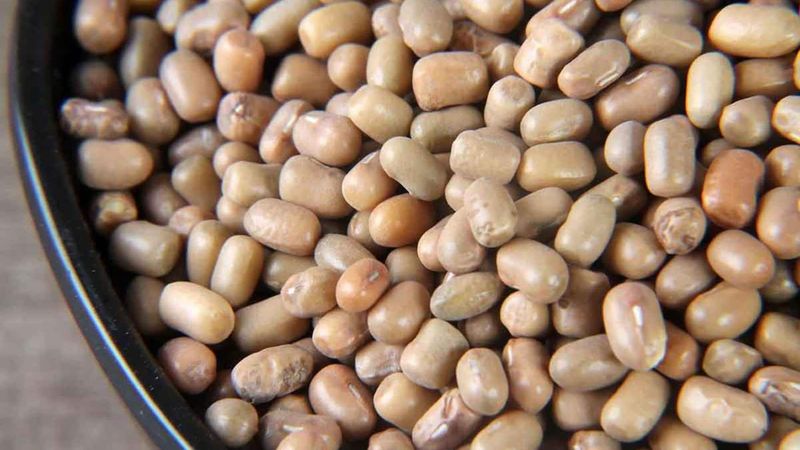
Moth beans are tiny, but they punch well above their weight when it comes to nutrition. Widely grown in India and used in traditional cooking, these small brown legumes are exceptionally high in protein and dietary fiber while being very low in fat.
They are often sprouted and eaten raw in salads or cooked into spiced curries called dals. One standout benefit is their high content of potassium and calcium, which support both muscle function and bone strength over time.
12. Scarlet Runner Beans
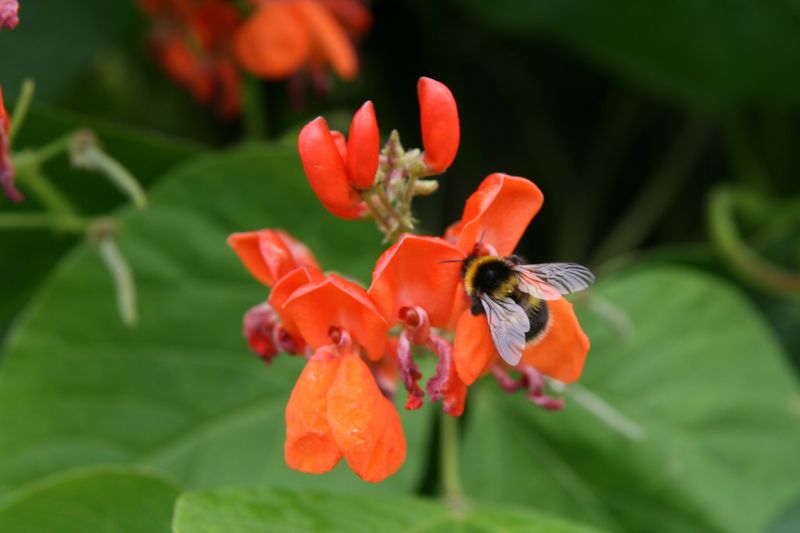
Scarlet runner beans are the dramatic showstoppers of the bean world, with stunning purple-black speckled seeds and bright red flowers that gardeners actually grow as ornamental plants. But beyond the good looks, these beans are seriously nutritious.
They are packed with iron, potassium, and plant-based protein, making them a hearty addition to stews and casseroles. Their bold, earthy flavor is more complex than common beans, giving your favorite slow-cooked recipes a rich and satisfying depth of flavor.
13. Bambara Groundnuts
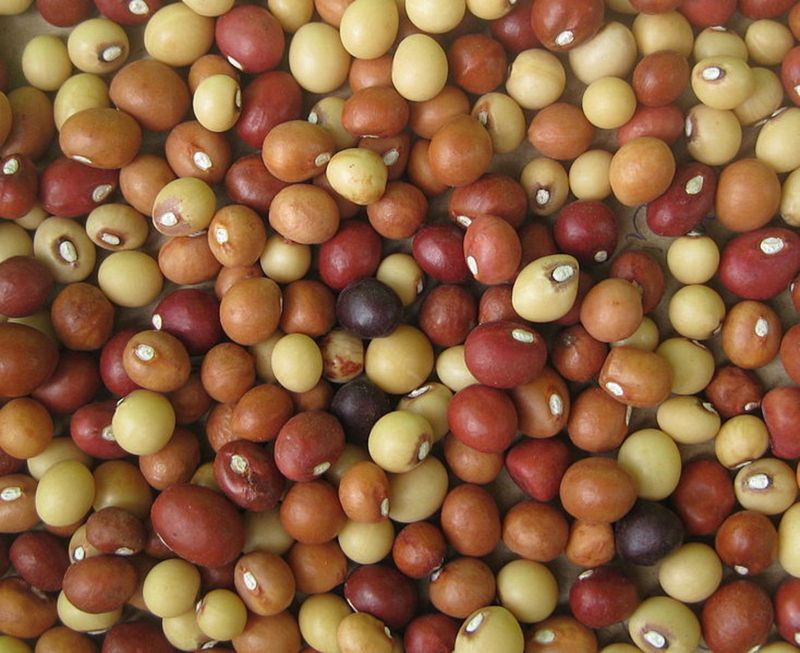
Bambara groundnuts are one of Africa's most important traditional crops, yet most people outside the continent have never encountered them. Grown underground like peanuts, they are technically a legume packed with protein, carbohydrates, and fat, making them a nutritionally complete food on their own.
Communities across sub-Saharan Africa use them in porridges, soups, and fermented snacks. Their resilience in poor soil conditions makes them a vital food security crop, and their impressive nutrient profile makes them worth seeking out.
14. Runner Beans (White)
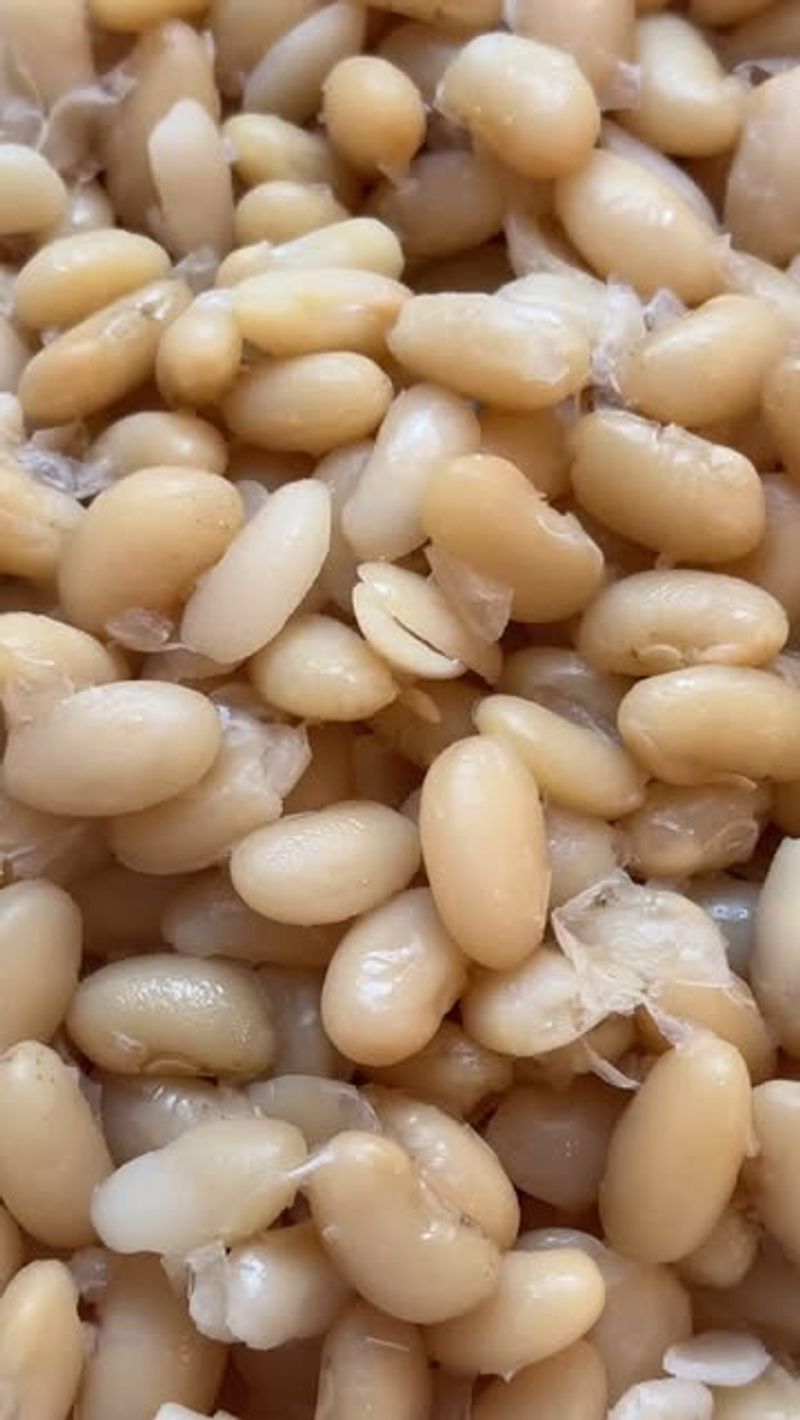
White runner beans are the quieter sibling of the scarlet variety, and they are every bit as nutritious without the dramatic coloring. Common in British and European cooking, they have a creamy, starchy texture that makes them incredibly satisfying in cold-weather dishes like casseroles and thick vegetable soups.
They deliver solid amounts of folate, magnesium, and fiber per serving. Folate alone is critical for cell repair and brain health, making white runner beans an easy and affordable way to upgrade your nutrition.
15. Christmas Lima Beans

Christmas lima beans look like they belong on a holiday table, with their gorgeous maroon and cream streaked shells. But their appeal goes far beyond appearance.
These large, starchy beans have a rich, chestnut-like flavor that sets them apart from every other bean on this list.
They are a wonderful source of plant-based protein, iron, and complex carbohydrates that keep your energy steady for hours. Roasting them with olive oil and sea salt turns them into an addictive, crunchy snack you will want to make every week.




Comments
No Comments