













Frozen food gets a bad reputation, but most of what people think they know about it simply is not true. From nutrition to safety to taste, dozens of myths have been floating around for years, and they keep stopping people from making smart, budget-friendly choices.
Whether you grab frozen veggies for a quick dinner or stock up on frozen meals for busy nights, it helps to know the facts. Here are 15 common frozen food myths it is time to stop believing.
1. Frozen Food Has No Nutritional Value
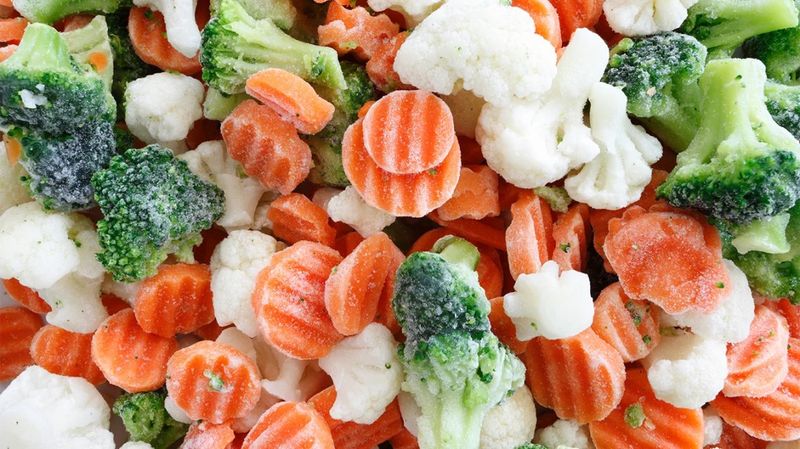
Here is a surprise most people never expect: frozen vegetables are often more nutritious than fresh ones sitting on store shelves for days. When produce is frozen right after harvest, it locks in vitamins and minerals at their peak.
Fresh food, on the other hand, can lose nutrients during shipping and storage. Studies have shown frozen peas and spinach sometimes outperform their fresh counterparts in vitamin content.
Freezing is basically nature's pause button.
2. Fresh Food Is Always Better Than Frozen
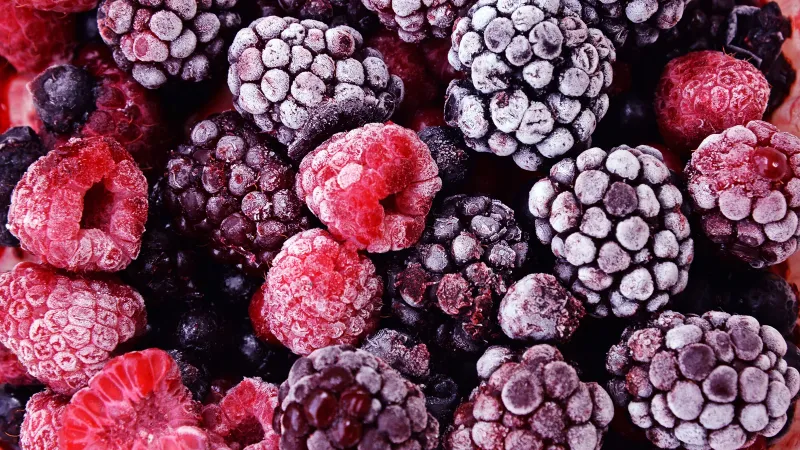
"Fresh is best" sounds like solid advice, but the full story is more complicated. A strawberry picked today and eaten today is wonderful, but most fresh produce travels hundreds of miles before reaching your plate.
During that journey, nutrients break down and texture changes. Frozen fruit picked at peak ripeness and flash-frozen within hours actually preserves flavor and nutrients remarkably well.
For many foods, frozen is not second-best; it is simply a smarter choice depending on the season.
3. Frozen Food Is Loaded With Preservatives
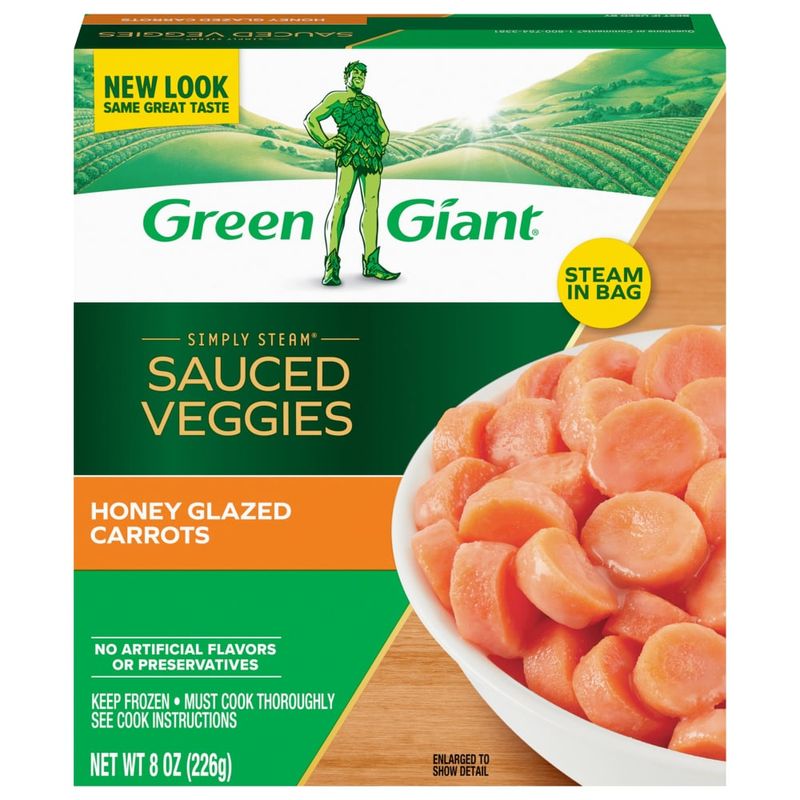
Many shoppers scan frozen food labels expecting a long list of unpronounceable chemicals, but they are often surprised. Freezing itself acts as a natural preservative, which means most frozen foods need very few additives to stay safe and fresh.
Plain frozen vegetables, for example, usually contain just one ingredient. Even frozen meals have gotten cleaner over the years.
Always check the label, of course, but do not assume every frozen product is secretly a chemistry experiment.
4. You Can Refreeze Thawed Food Safely... Or Can You?
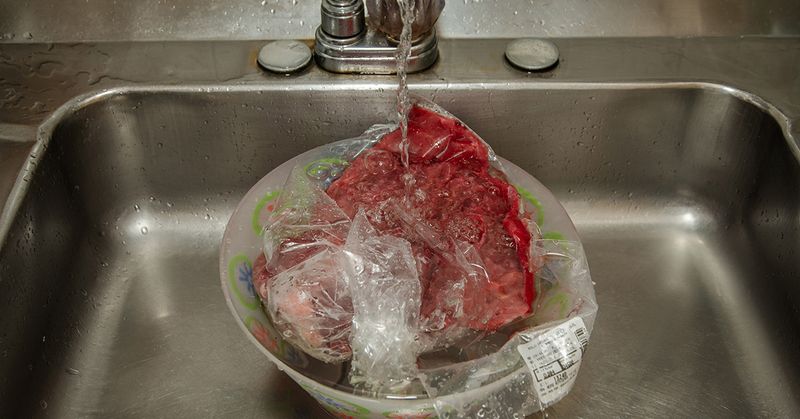
The rule about never refreezing thawed food is one of the most misunderstood in the kitchen. The truth depends entirely on how the food was thawed.
If you defrosted something in the refrigerator and it never got warm, refreezing it is generally safe.
The quality might dip slightly, but it will not make you sick. However, food left out at room temperature for more than two hours is a different story.
That is when bacteria start multiplying fast.
5. Frozen Meals Are Always High in Sodium
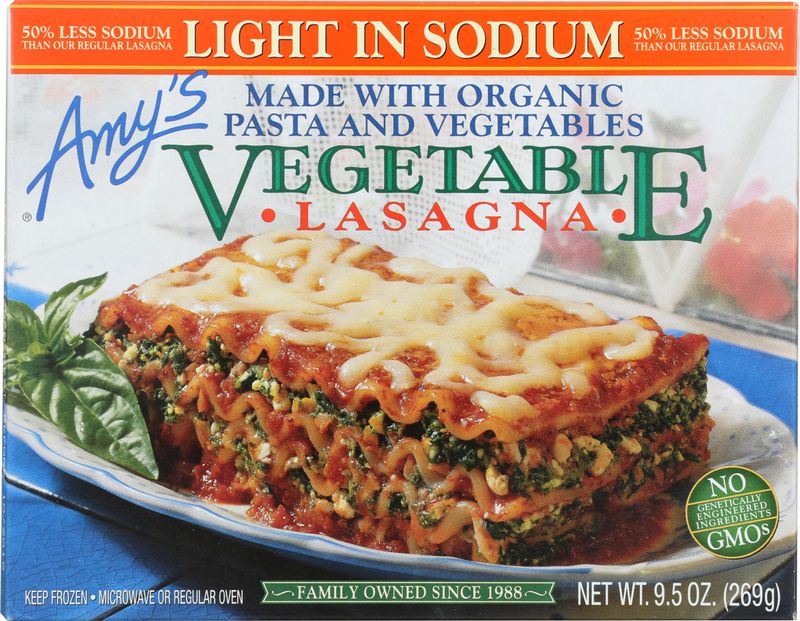
Sodium-heavy frozen dinners from the 1980s gave the whole category a reputation it has been trying to shake ever since. Today, the frozen food aisle looks completely different.
Dozens of brands now offer low-sodium, reduced-sodium, or even no-salt-added options.
Reading nutrition labels takes about ten seconds and tells you everything you need to know. Plenty of frozen meals clock in under 600 milligrams of sodium per serving.
The key is choosing wisely rather than writing off the entire freezer section.
6. Freezer Burn Makes Food Dangerous to Eat
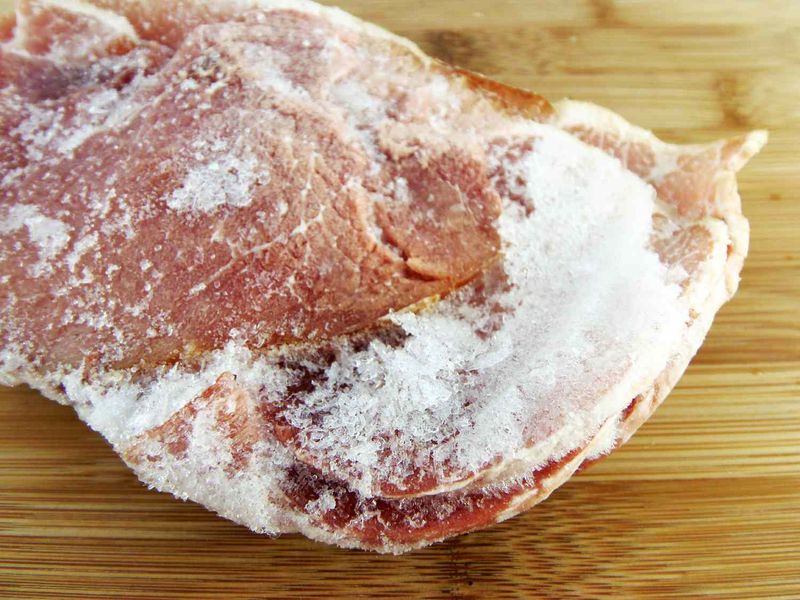
Freezer burn looks unpleasant, those grayish-white patches on meat or ice crystals on frozen berries, but it is not a safety issue at all. It happens when air reaches the food and causes moisture loss, affecting texture and flavor rather than safety.
You can trim away freezer-burned spots before cooking without any concern. Wrapping food tightly in freezer-safe bags or containers prevents it from happening in the first place.
Ugly does not always mean unsafe in the world of frozen food.
7. Frozen Fish Is Inferior to Fresh Fish
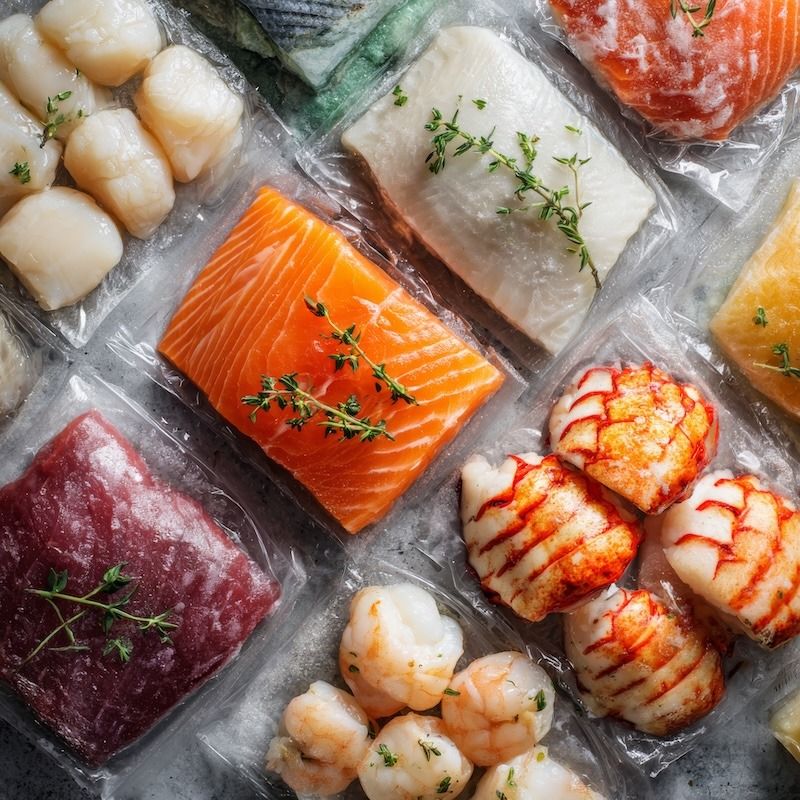
Ordering fresh fish at a restaurant feels fancy, but a lot of what gets served as fresh was actually frozen at sea and thawed before reaching the kitchen. Commercial fishing boats often freeze their catch within hours of pulling it from the water.
That process locks in quality far better than fish sitting on ice for days at a grocery store. High-quality frozen fish, especially vacuum-sealed fillets, can taste just as clean and delicious as anything labeled fresh.
Seafood lovers, take note.
8. All Frozen Vegetables Are Overcooked and Mushy
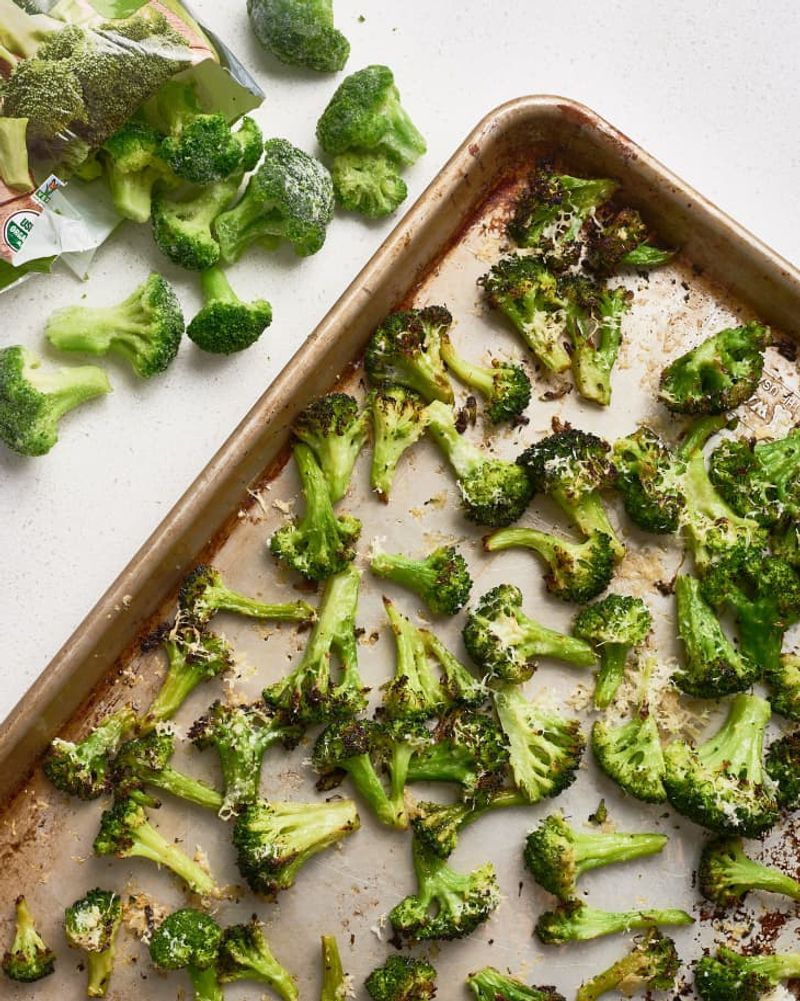
Mushy frozen broccoli from a school cafeteria probably left a lasting impression, but that experience has more to do with overcooking than freezing. Modern flash-freezing technology preserves cell structure in vegetables surprisingly well.
Roasting frozen vegetables in a hot oven, around 425 degrees Fahrenheit, produces crispy, caramelized results most people do not expect. Steaming them just until tender works beautifully too.
The texture problem is almost always a cooking method problem, not a frozen food problem.
9. Frozen Food Expires Immediately After the Date on the Package
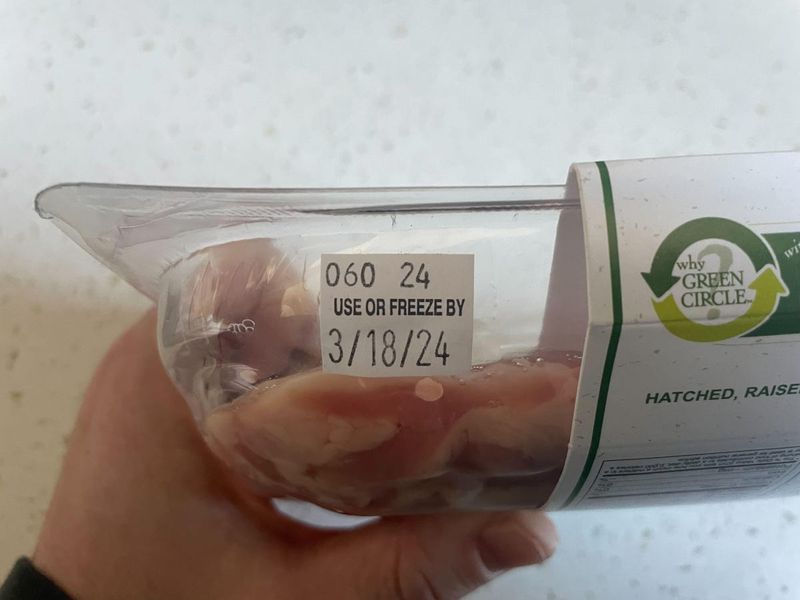
Best-by dates on frozen food packages are about quality, not safety. Most people toss perfectly good frozen food because they misread what that date actually means.
Frozen food stored at a consistent zero degrees Fahrenheit can remain safe indefinitely, though quality does decline over time.
Frozen meat stays at its best for several months, while frozen vegetables can hold up for over a year. Think of the date as a quality guideline, not a countdown to danger.
Use your senses too.
10. Frozen Food Is Only for Lazy People
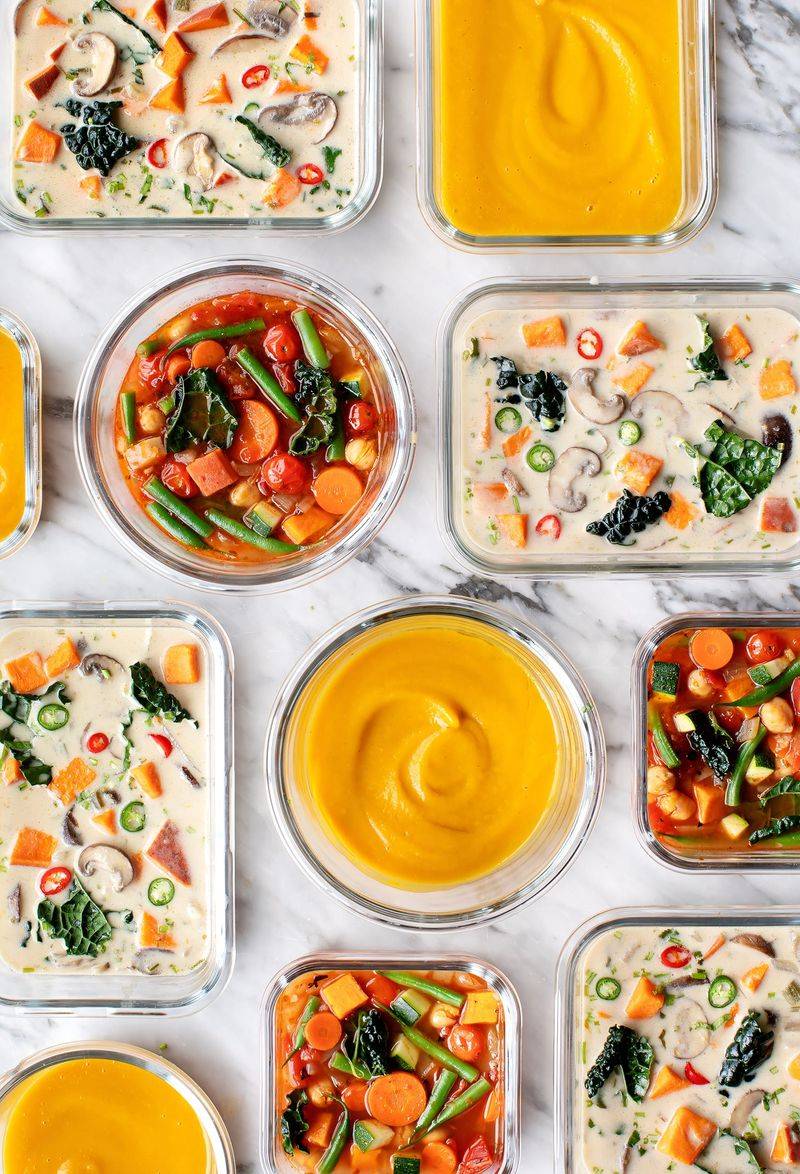
Somehow frozen food picked up a reputation for being the shortcut of people who do not care about cooking or eating well. That stereotype ignores reality completely.
Professional chefs keep frozen stocks, proteins, and vegetables in their home freezers all the time.
Freezing batch-cooked meals is actually a smart, efficient strategy used by nutritionists and meal-prep enthusiasts alike. Using frozen ingredients is not laziness; it is practicality.
Eating well on a busy schedule is something to celebrate, not apologize for.
11. You Must Thaw Frozen Food Before Cooking It
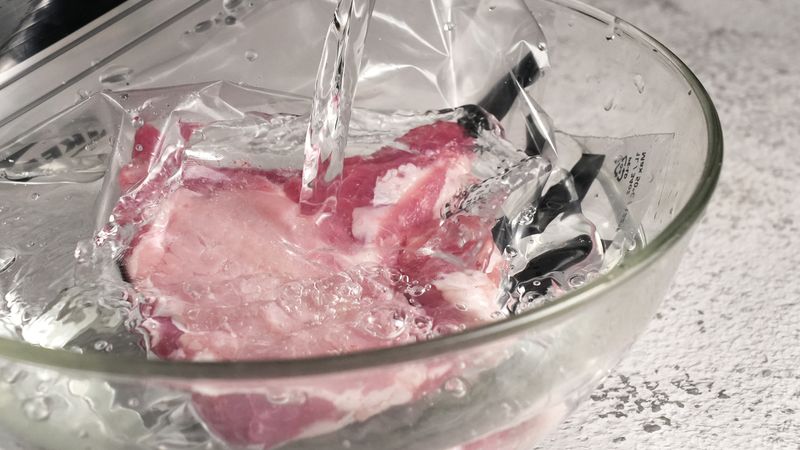
Plenty of frozen foods cook perfectly well straight from the freezer, and some actually turn out better that way. Frozen shrimp tossed into a hot pan can be ready in minutes.
Frozen vegetables go directly into soups, stir-fries, and casseroles without missing a beat.
Thick proteins like frozen steaks can be reverse-seared from frozen for surprisingly juicy results. The key is adjusting your cooking time accordingly.
Skipping the thaw step can save time and sometimes even improve the final dish.
12. Homemade Frozen Meals Are Always Healthier Than Store-Bought
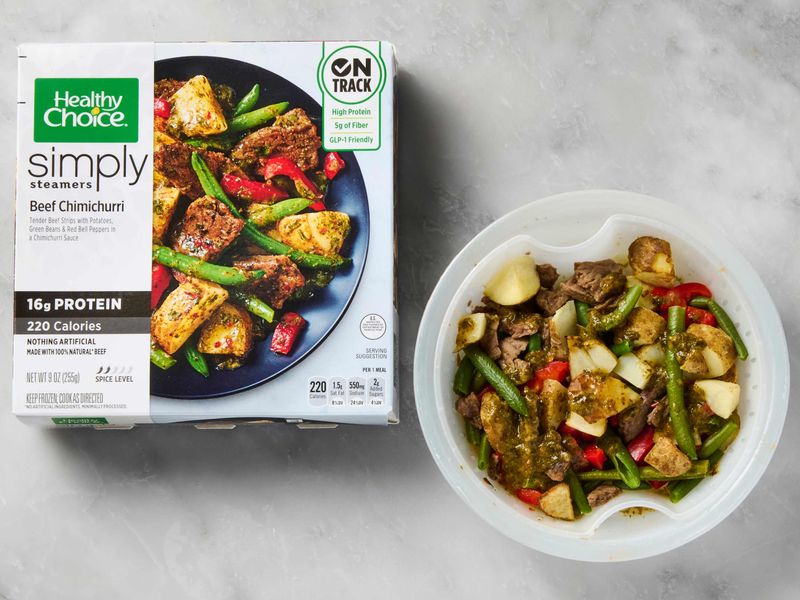
Homemade feels healthier by default, but that assumption deserves a second look. A homemade mac and cheese loaded with butter and full-fat cheese, then frozen, is not automatically nutritious just because you made it yourself.
Meanwhile, some store-bought frozen meals are carefully portioned and made with whole grains, lean proteins, and vegetables. The healthiness of any frozen meal comes down to ingredients and portions, not who made it.
Comparing labels honestly is more useful than assuming homemade wins every time.
13. Frozen Food Costs More Than Fresh
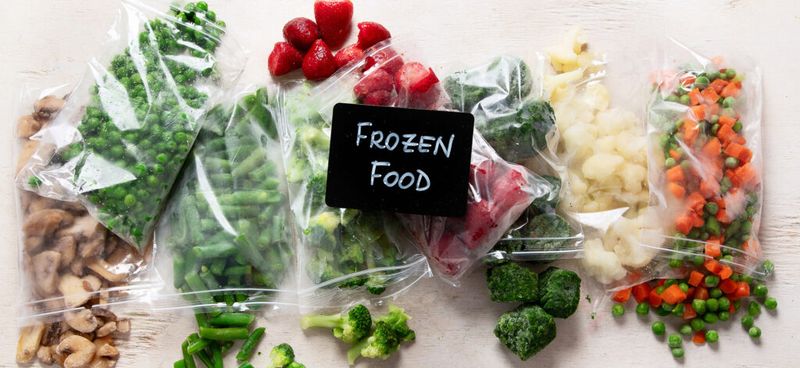
Budget-conscious shoppers often skip the frozen aisle thinking fresh is cheaper, but the math usually does not support that idea. Fresh produce can spoil before you use it, turning that bargain into wasted money sitting in a trash can.
Frozen food has a much longer shelf life, meaning less waste and more value per dollar. Frozen blueberries, spinach, and edamame are consistently cheaper per serving than their fresh versions.
For families trying to eat well without overspending, the freezer section is genuinely a best friend.
14. Frozen Fruit Cannot Be Used in Baking
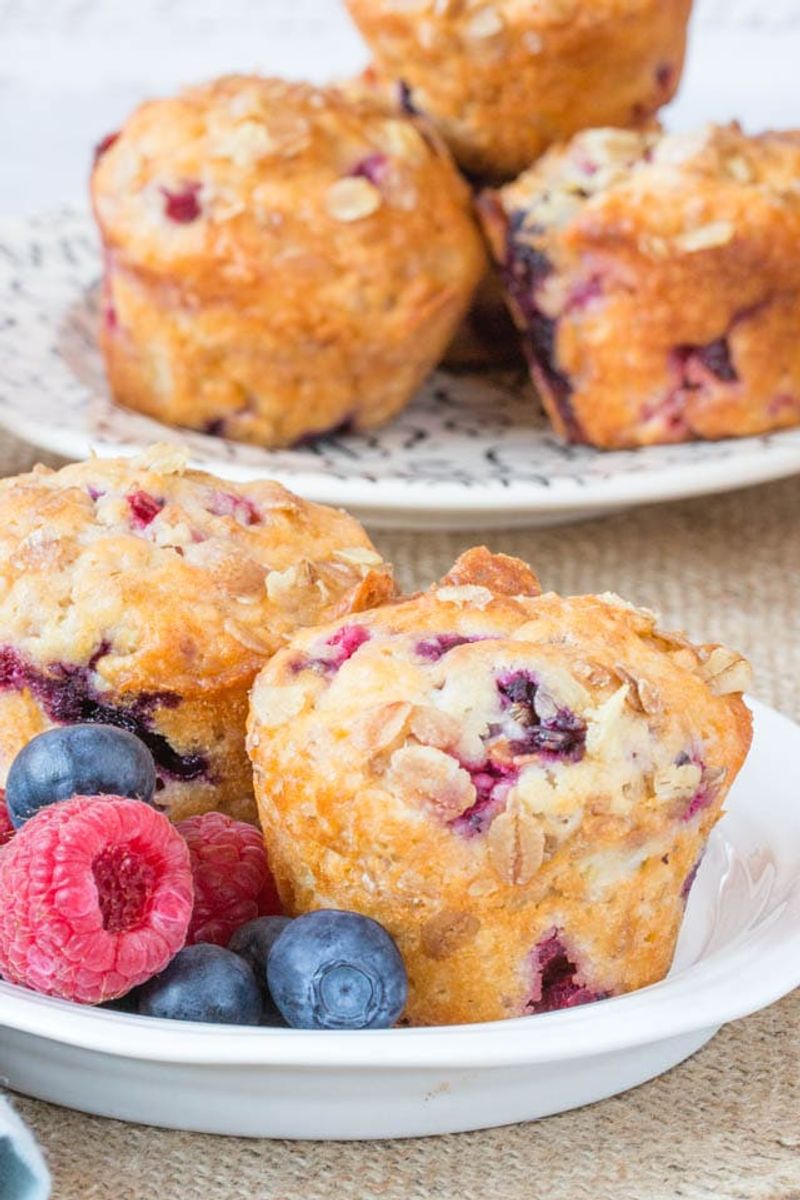
Bakers sometimes hesitate to grab frozen fruit, worried it will turn their muffins or pies into soggy disasters. The trick is knowing how to handle it.
For most baked goods, using frozen fruit straight from the freezer without thawing first prevents excess moisture from releasing into the batter.
Tossing frozen berries in a tablespoon of flour before folding them in also helps. Pies, cobblers, crisps, and muffins all come out beautifully with frozen fruit.
Seasonal flavors are available year-round because of it.
15. Frozen Food Tastes Nothing Like Real Food
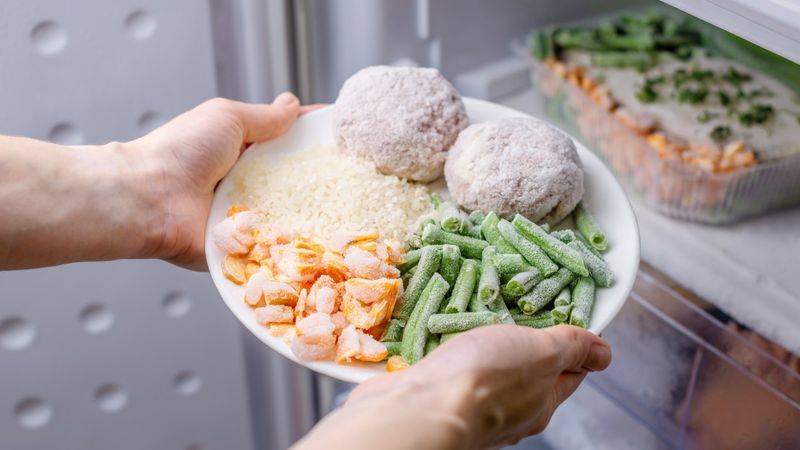
Years ago, this criticism had some merit. Early frozen technology did not preserve texture or flavor particularly well, and cardboard-tasting dinners became a running joke.
Fast-forward to today, and the gap between frozen and fresh has narrowed dramatically.
Improved flash-freezing methods, better packaging, and cleaner ingredient lists have transformed frozen food quality. Blind taste tests regularly show people cannot tell the difference between frozen and fresh versions of many dishes.
The freezer aisle of 2024 is nothing like the one from 1975.




Comments
No Comments