













British food has a reputation problem that most Britons would love to set straight once and for all. From bland stews to overcooked vegetables, the stereotypes seem to stick no matter how much the culinary scene evolves.
The truth is, British cuisine is rich, diverse, and deeply tied to culture and history. Here are the most stubborn myths that people from Britain are completely done hearing.
1. British Food Is Bland and Tasteless
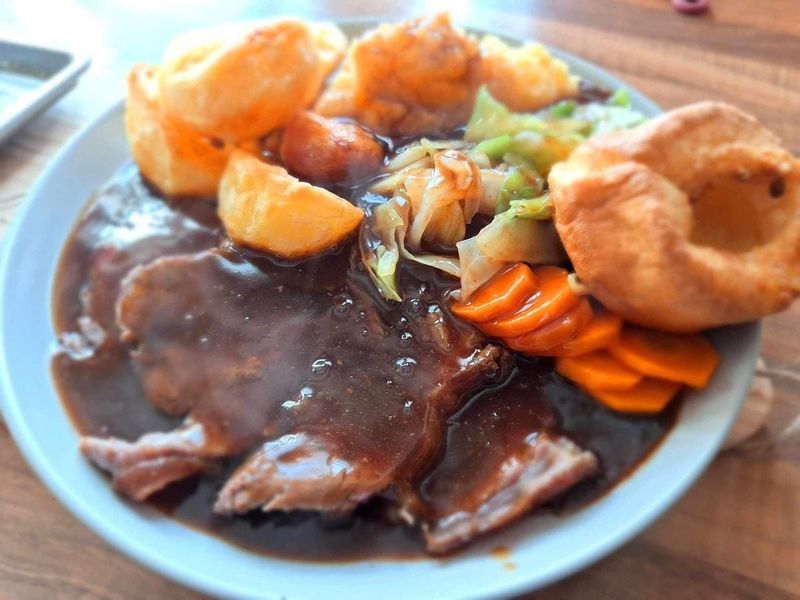
Ask anyone who has actually sat down to a proper Sunday roast, and they will tell you bland is the last word that comes to mind. Crispy roast potatoes, slow-cooked meat, thick gravy, and fluffy Yorkshire puddings are packed with flavor.
British cooking relies on quality ingredients and slow cooking methods rather than heavy spicing. The result is hearty, deeply satisfying food that speaks for itself without needing a dozen spices to get the point across.
2. The British Only Eat Fish and Chips
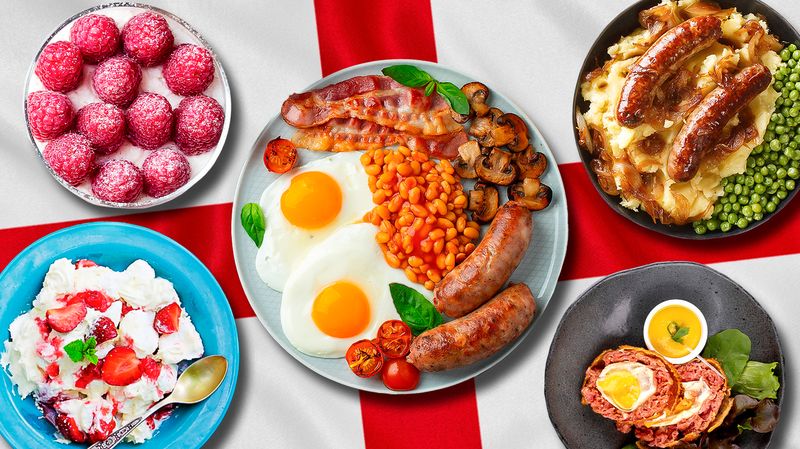
Fish and chips is iconic, no argument there, but reducing all of British food to one dish is like saying Italians only eat pasta. Britain has hundreds of regional specialties worth celebrating.
Think Cornish pasties, Lancashire hotpot, Welsh rarebit, Scotch eggs, and Bedfordshire clangers. Every region has its own proud food traditions that have been passed down for generations.
The variety across England, Scotland, Wales, and Northern Ireland alone is genuinely impressive.
3. British Vegetables Are Always Overcooked
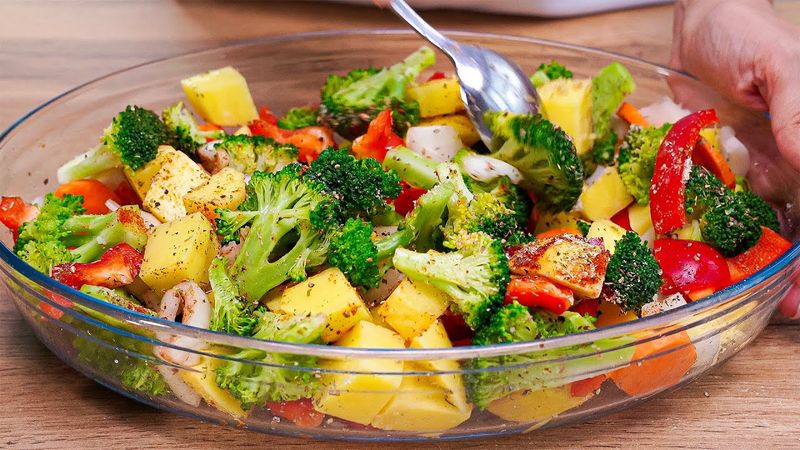
Yes, there was a time when boiling vegetables into submission was standard practice, but that era is largely behind us. Modern British home cooking and restaurant menus reflect a much greater appreciation for texture and freshness.
Farmers markets have exploded across the country, and people are genuinely proud of locally grown produce now. Seasonal vegetables prepared simply with good butter or olive oil are a staple in many British kitchens today, and they taste absolutely brilliant.
4. British Breakfast Is Unhealthy Junk Food
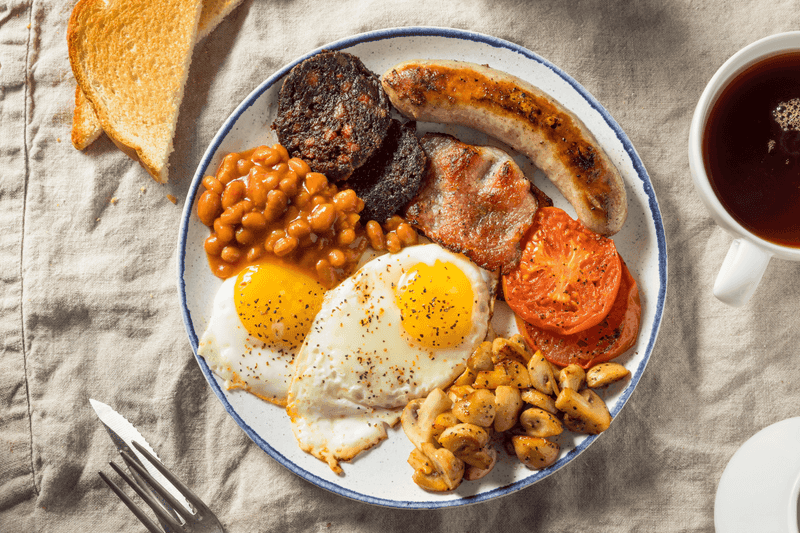
The full English breakfast gets a bad reputation from people who seem to forget it was designed for hard-working people who needed serious fuel for a long day. Every element actually serves a purpose.
Eggs provide protein, beans offer fiber, tomatoes add vitamins, and mushrooms bring minerals to the plate. Enjoyed occasionally and made with quality ingredients, a proper fry-up is a genuinely balanced and satisfying meal.
It is a cultural institution, not a guilty indulgence.
5. British People Do Not Care About Food
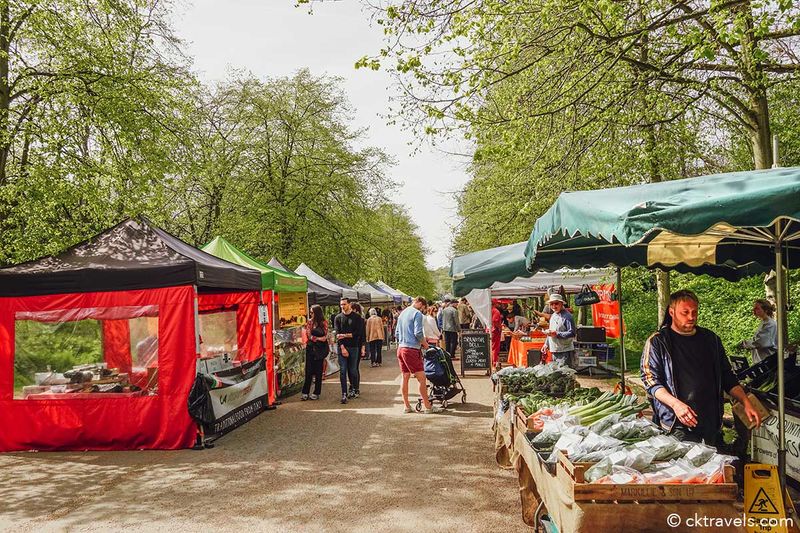
Britain has some of the most passionate food lovers, home bakers, and dedicated chefs anywhere in the world. The Great British Bake Off did not become a global phenomenon by accident.
Farmers markets, food festivals, and artisan producers are thriving from Cornwall to the Scottish Highlands. British people obsess over the perfect pie crust, the right cheese with their ploughman's, and whether their gravy has the right consistency.
That is not indifference, that is dedication.
6. British Cheese Is Nothing Special
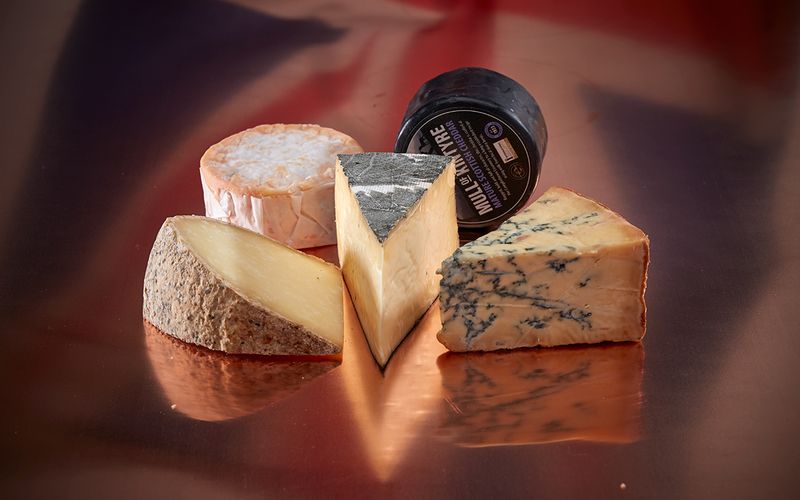
Over 700 named British cheeses exist, which puts this myth firmly to rest. Stilton alone is so prized it holds protected designation of origin status, meaning it can only be made in three specific English counties.
Aged farmhouse Cheddar from Somerset, creamy Wensleydale, sharp Red Leicester, and the distinctive Cornish Yarg wrapped in nettle leaves are all world-class products. Britain's cheese heritage is extraordinary, and more people around the world are beginning to discover just how good it really is.
7. British Bread Is Boring White Sliced Loaves
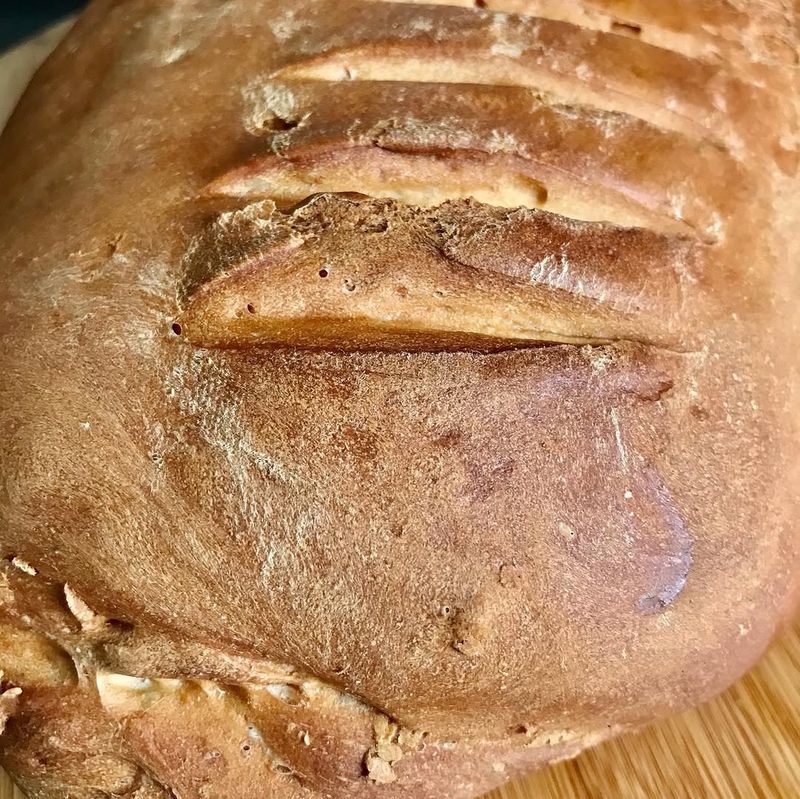
Walk into any decent British bakery and you will find sourdough loaves, crusty bloomers, seeded granary bread, and regional specialties that would impress any bread enthusiast. The artisan bread movement has genuinely transformed what is available across the country.
Stottie cakes from the North East, bara brith from Wales, and Scottish morning rolls all have devoted followings. Supermarket white sliced bread exists, sure, but it represents only the tiniest fraction of what British baking actually looks like.
8. British Curry Is Not Real Cuisine
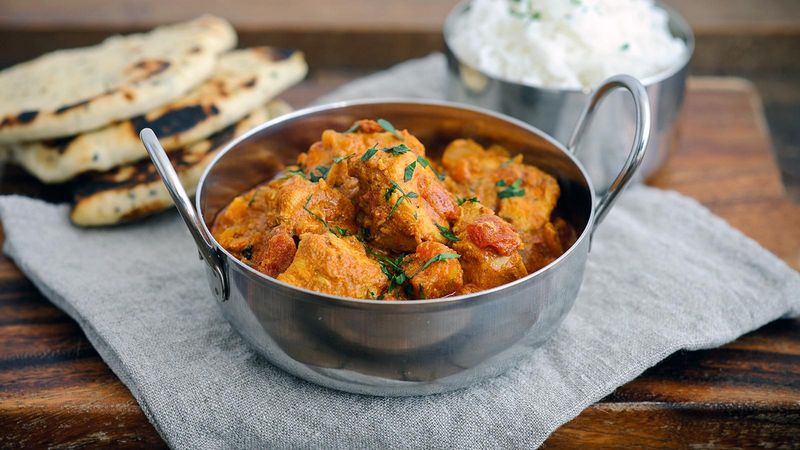
British curry culture is so deeply embedded in national identity that chicken tikka masala was once unofficially called the national dish. Dismissing it as inauthentic misses the entire point of how food evolves through culture and community.
South Asian communities in Britain shaped a unique culinary tradition that blends heritage recipes with local tastes. The result is something genuinely its own, beloved by millions.
Curry night is practically a British institution at this point, and that is something worth celebrating.
9. British Desserts Are Too Sweet and Heavy

Sticky toffee pudding, Eton mess, spotted dick, and treacle tart have earned devoted fans across the globe, so clearly something is going very right. British puddings balance richness with comfort in a way that feels genuinely special.
Not every dessert is a sugar bomb either. Syllabub, posset, and summer pudding are lighter options rooted in centuries of British cooking tradition.
The variety ranges from indulgent to elegantly restrained, and every single one has its loyal admirers who would defend it passionately.
10. British Tea Is Just Tea Bags in Hot Water
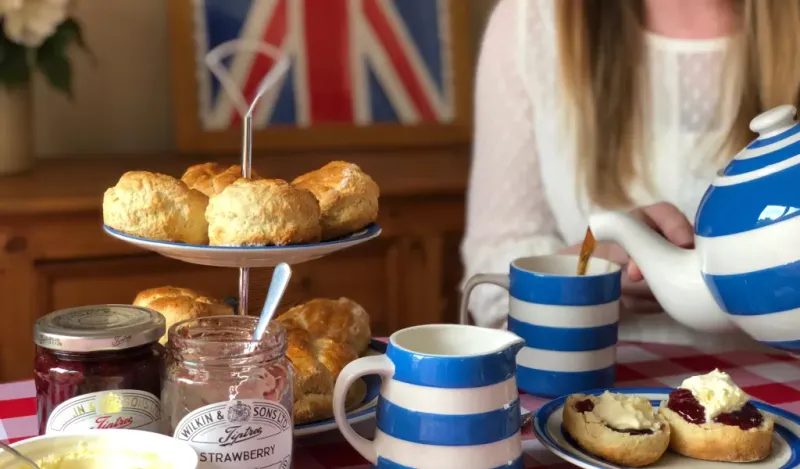
British tea culture is layered with ritual, regional variation, and surprisingly strong opinions. Milk first or milk after?
Loose leaf or bags? Strong builder's tea or delicate Earl Grey?
These debates have been going on for decades.
Afternoon tea as a formal occasion involves finger sandwiches, scones with clotted cream and jam, and a selection of cakes. It is an experience, not just a drink.
The craft tea scene is also growing rapidly, with specialist blenders creating genuinely sophisticated products.
11. British Food Has No Interesting History
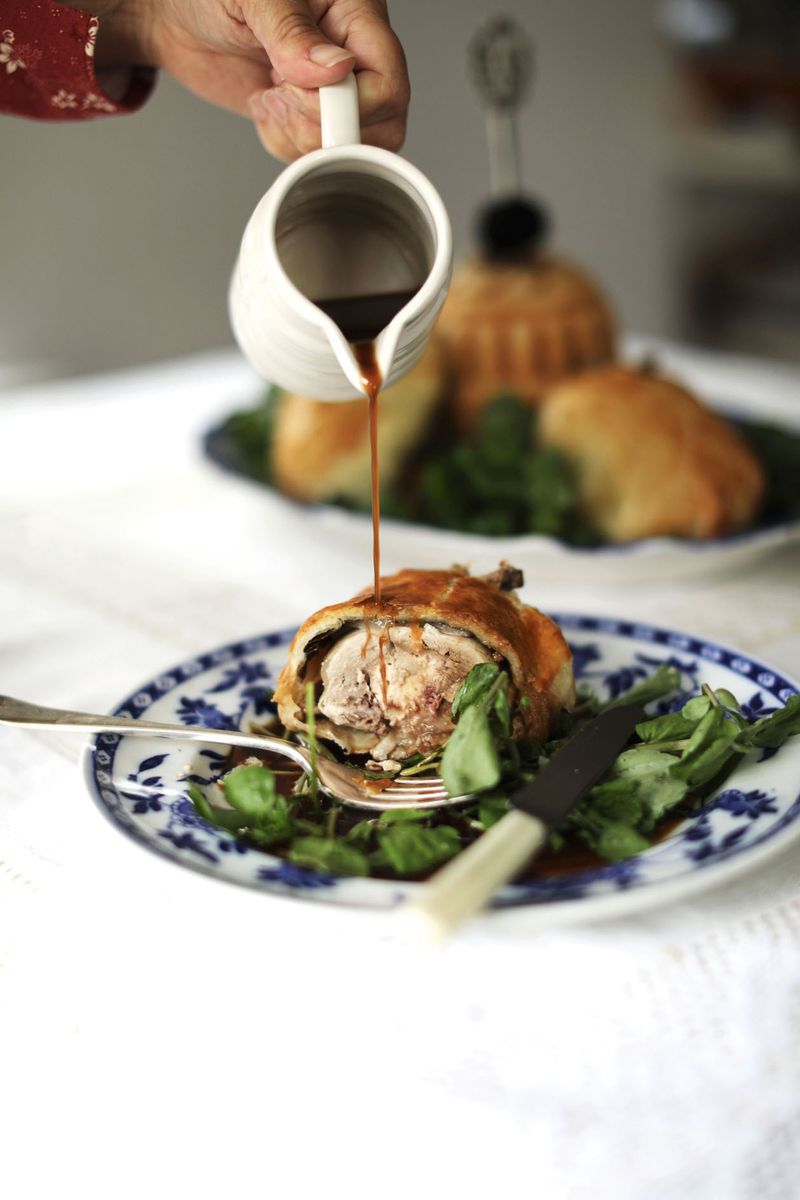
Few countries have a food history as fascinating as Britain's. Roman invasions introduced new ingredients, trade routes brought spices, and empire connected British kitchens to flavors from around the world centuries ago.
Medieval feasts, Tudor banquets, and Victorian cooking all shaped what modern British food looks like today. Dishes like pottage, syllabub, and potted meats tell stories of social class, trade, and survival.
Food historians consider Britain one of the most interesting culinary case studies on the planet.
12. British Pubs Only Serve Terrible Food
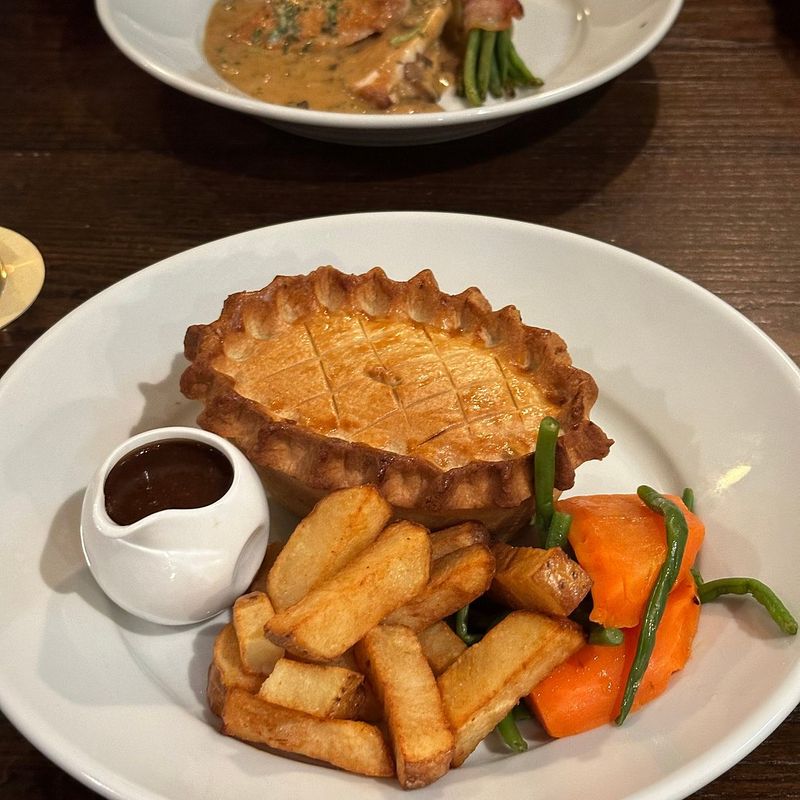
The gastropub revolution completely changed what eating at a British pub means. Places that once served microwaved meals now offer seasonal menus crafted by trained chefs using locally sourced ingredients.
Beef and ale pie made from scratch, hand-cut chips, and perfectly kept real ales represent what the best British pubs actually deliver today. Michelin-starred pub restaurants exist across the country now.
Calling pub food terrible in 2024 is simply ignoring the enormous transformation that has happened over the past two decades.
13. British Seafood Is Inferior to Other Countries
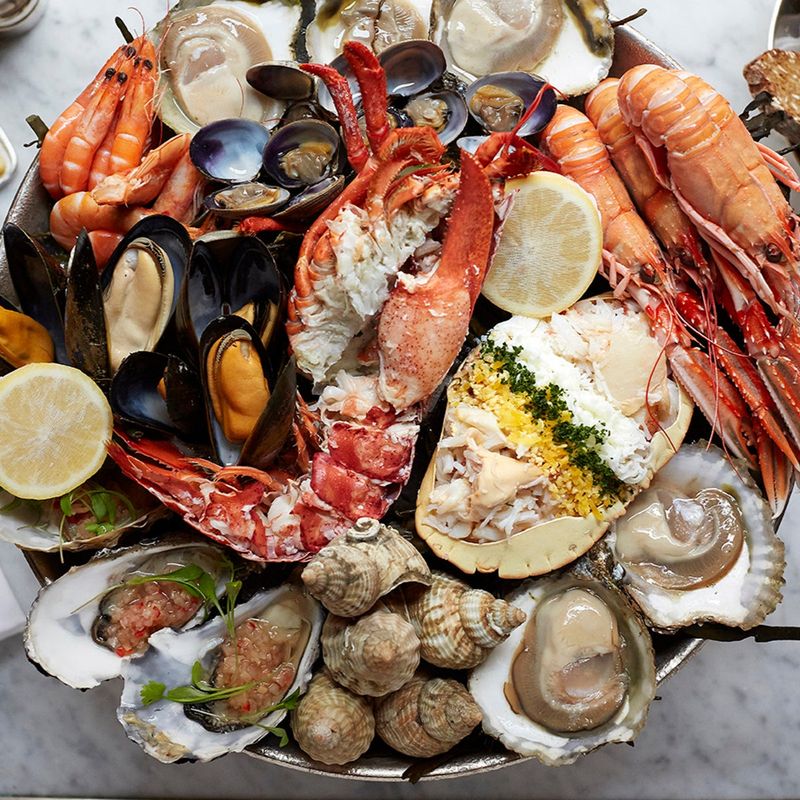
Britain is an island nation surrounded by some of the most productive fishing waters in the world. Cornish lobster, Scottish salmon, Whitstable oysters, and Cromer crabs are considered premium products by chefs internationally.
Smoked kippers from Arbroath, potted shrimps from Morecambe Bay, and fresh mackerel from Cornish day boats are deeply special ingredients tied to specific places and traditions. The irony is that much of Britain's finest seafood gets exported while the myth of mediocrity somehow persists at home.
14. British People Cannot Bake
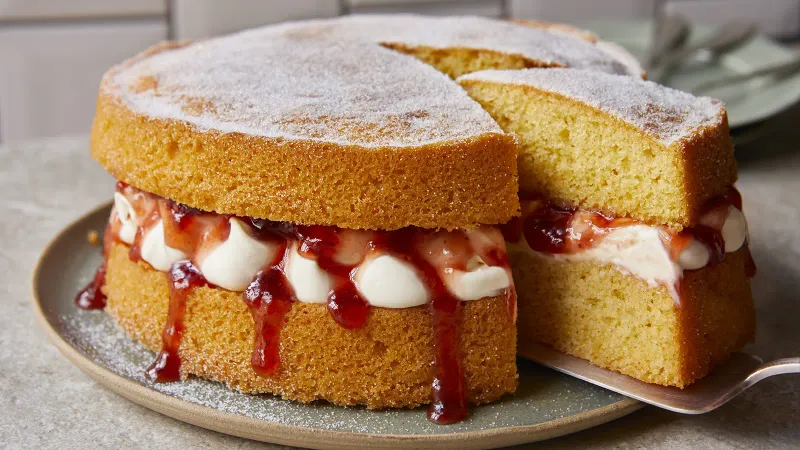
The Victoria sponge is one of the most technically demanding cakes to get right, and British bakers have been perfecting it for over 150 years. Baking is practically a national sport in Britain.
Church cake stalls, village fetes, and school fundraisers run entirely on the efforts of dedicated home bakers who take their craft seriously. The global success of The Great British Bake Off proved to the world what Britons already knew: nobody takes baking more personally or more proudly than they do.
15. Modern British Cuisine Is Not Worth Trying
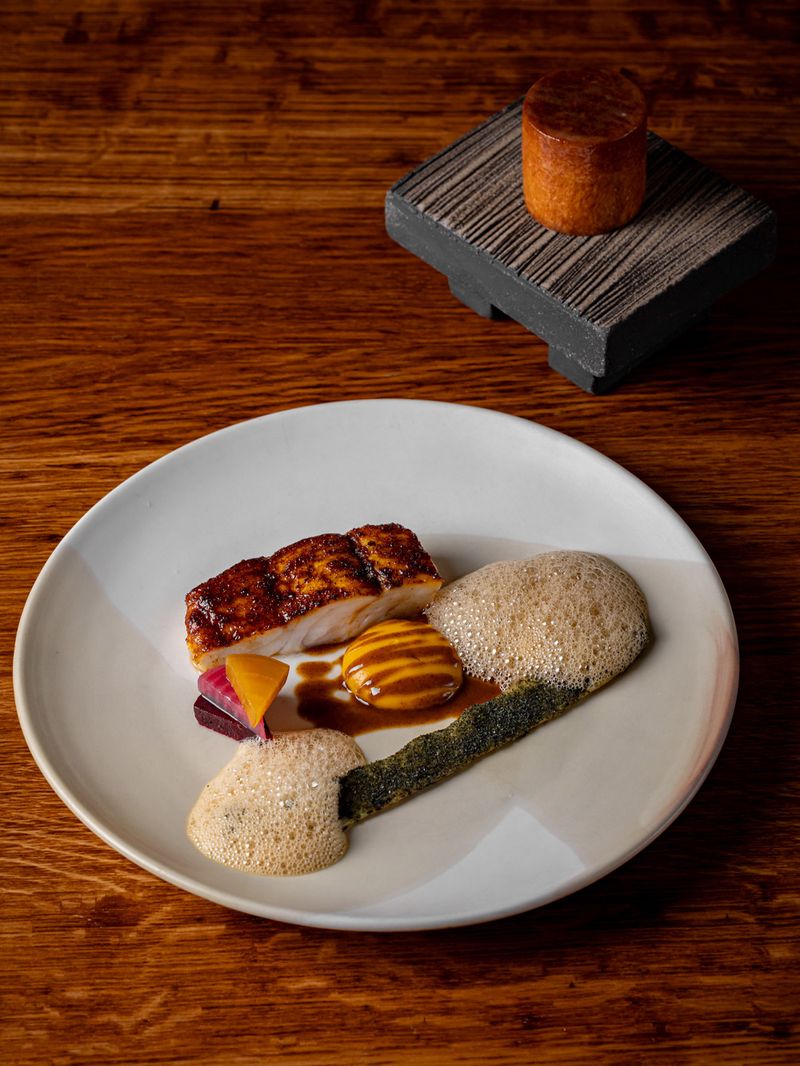
Modern British cuisine has earned serious international respect, with London consistently ranking among the top dining cities in the world. Chefs like Heston Blumenthal and Fergus Henderson changed how the entire culinary world thinks about British ingredients and techniques.
Farm-to-table cooking, nose-to-tail philosophy, and creative use of foraged British ingredients have made the country's restaurant scene genuinely exciting. Visitors who arrive expecting disappointment often leave completely converted.
Contemporary British cooking is bold, inventive, and deeply rooted in something real.




Comments
No Comments