













Street food is one of the most exciting ways to experience a culture. From busy markets in Asia to lively plazas in Latin America, vendors serve up bold flavors that you simply cannot find in fancy restaurants.
These foods tell the stories of the people who make them, passed down through generations with love and skill. Get ready to explore 15 incredible street foods that will make your taste buds come alive.
1. Tacos al Pastor (Mexico)
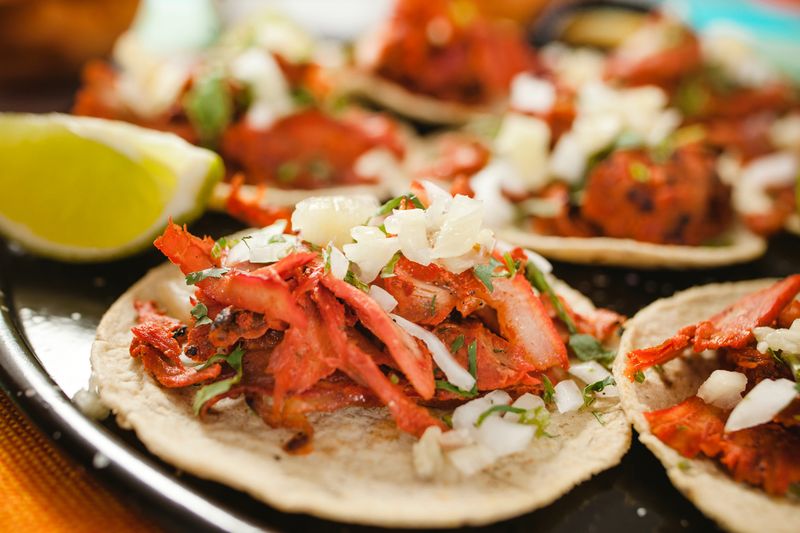
Picture thin slices of marinated pork shaved right off a spinning spit, piled onto a warm corn tortilla with a sweet chunk of pineapple on top. That is tacos al pastor in a nutshell, and it is absolutely legendary in Mexico.
The flavor is smoky, tangy, and a little sweet all at once.
Street vendors often set up their trompos, the spinning meat spits, right on the sidewalk. Watching them slice the meat is half the fun.
Add a squeeze of lime and a drizzle of salsa, and you have pure magic in your hands.
2. Pad Thai (Thailand)
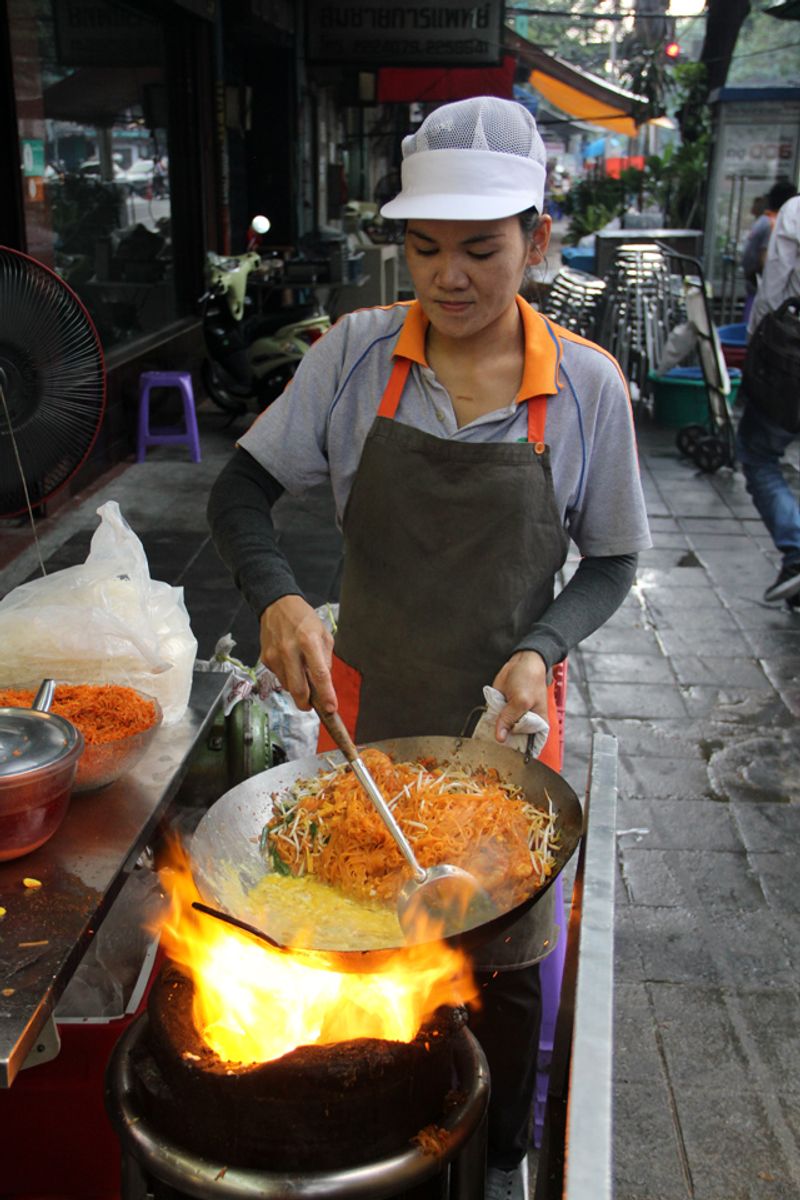
Walk down any busy street in Bangkok, and the smoky, nutty aroma of pad thai will stop you in your tracks. Rice noodles are tossed in a hot wok with egg, tofu or shrimp, crunchy bean sprouts, and a tangy tamarind-based sauce.
The result is a perfectly balanced dish that feels both hearty and fresh.
Street vendors cook each order individually over a blazing flame, which gives the noodles a slightly charred, smoky edge. A sprinkle of crushed peanuts and a wedge of lime finish it off beautifully.
3. Arepas (Colombia and Venezuela)
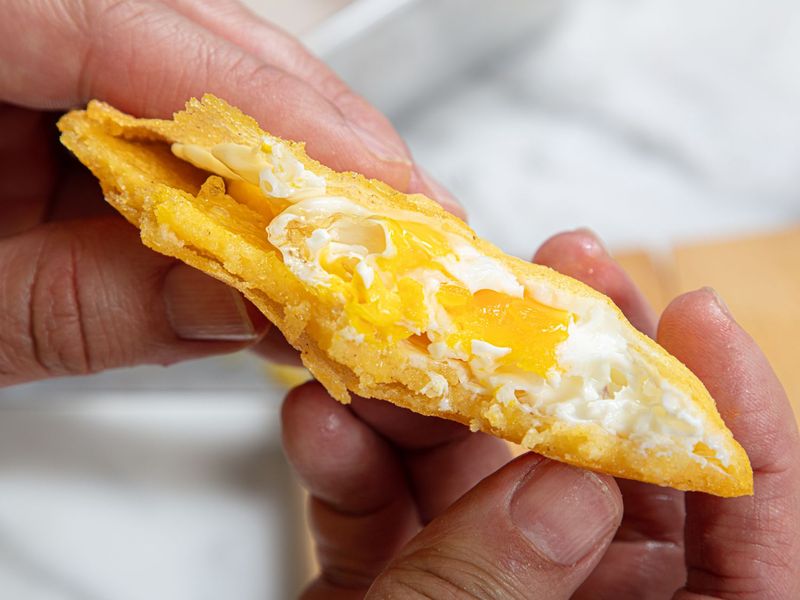
Arepas are round, grilled corn cakes that have been feeding people in Colombia and Venezuela for centuries. They are crispy on the outside and soft in the middle, and the fillings are where things get really exciting.
Cheese, black beans, shredded beef, avocado, or all of the above are common choices.
Every family and every vendor has their own secret recipe, which means no two arepas taste exactly alike. They are eaten for breakfast, lunch, dinner, or as a quick snack on the go.
Truly one of the most versatile street foods on the planet.
4. Bánh Mì (Vietnam)
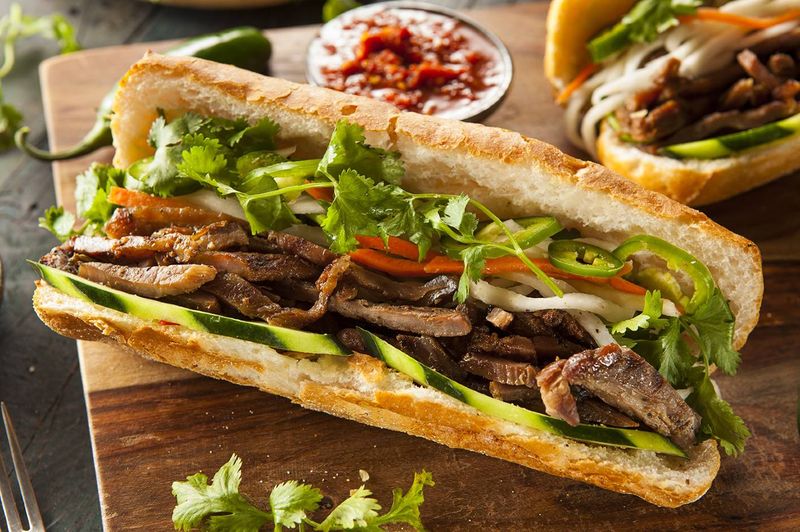
French colonialism left Vietnam with a love of crusty baguettes, and the Vietnamese turned that into something entirely their own. Bánh mì is a toasted baguette stuffed with a wild mix of ingredients like pork, pate, pickled vegetables, fresh cilantro, and spicy jalapenos.
The combination of textures and flavors is seriously hard to beat.
You can grab one from a street cart for just a dollar or two, making it one of the best budget bites in the world. Each bite delivers crunch, heat, tang, and richness all at once.
5. Churros (Spain and Latin America)
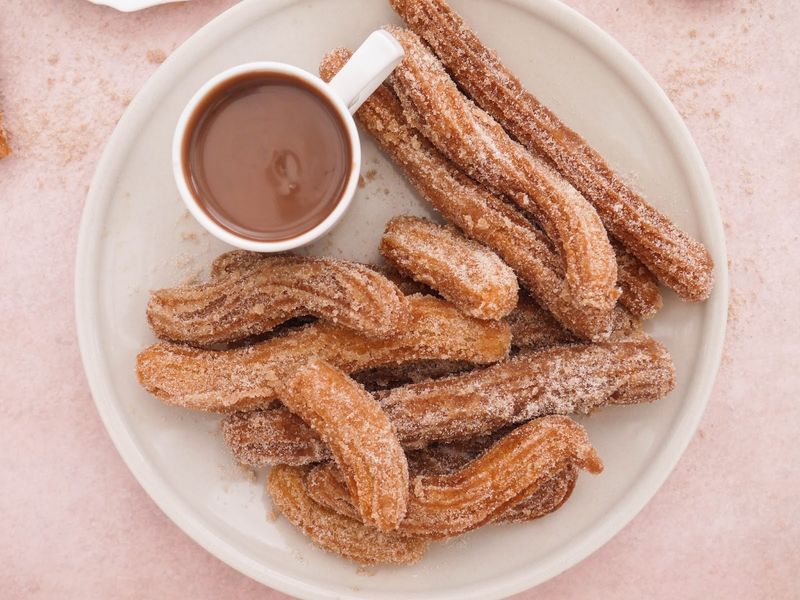
Churros are long, ridged sticks of fried dough rolled in cinnamon sugar, and they have been a beloved street treat in Spain and Latin America for generations. The outside is crispy, the inside is soft and doughy, and when you dip one into thick hot chocolate, life feels pretty great.
Street vendors fry them fresh to order, so they are always warm and fragrant. In some countries, they are eaten for breakfast.
Whether you have them sweet or savory, churros are the kind of comfort food that never gets old.
6. Samosas (India)
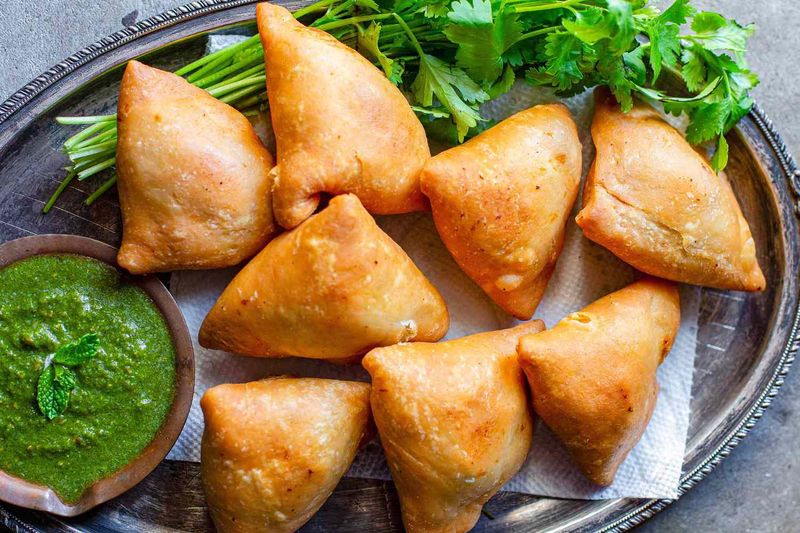
Few snacks in the world are as satisfying as a freshly fried samosa. These triangular pastries are stuffed with a spiced mixture of mashed potatoes, peas, and sometimes meat, then fried until they are golden and crunchy.
They have been a staple of Indian street food culture for hundreds of years.
The real secret weapon is the chutney. Green mint chutney and sweet tamarind sauce served on the side take the flavor to a whole new level.
Samosas are cheap, filling, and absolutely addictive, which is why vendors sell thousands every single day.
7. Jerk Chicken (Jamaica)
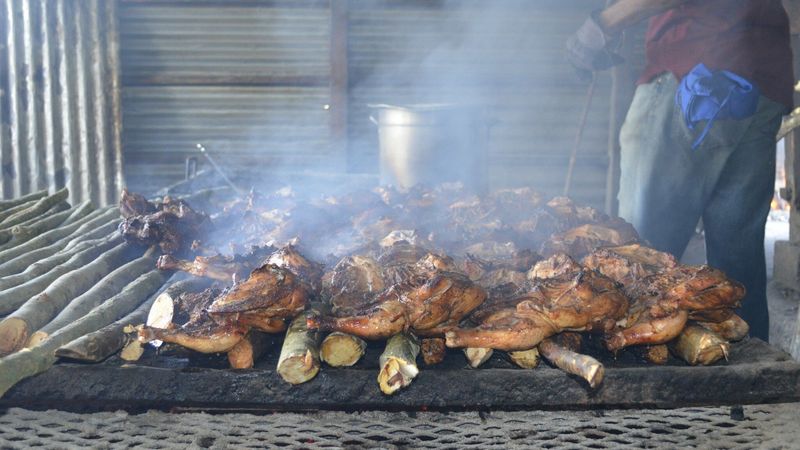
Jerk chicken is not just food in Jamaica, it is practically a cultural institution. Chicken is marinated in a fiery blend of scotch bonnet peppers, allspice, thyme, and garlic, then slow-cooked over a wood fire until smoky and charred on the outside.
The inside stays incredibly juicy and tender.
Roadside jerk stands, often just a barrel grill under a tin roof, are where the best versions are found. The smoky scent drifting down the street is impossible to resist.
Pair it with festival bread or rice and peas for the full experience.
8. Takoyaki (Japan)
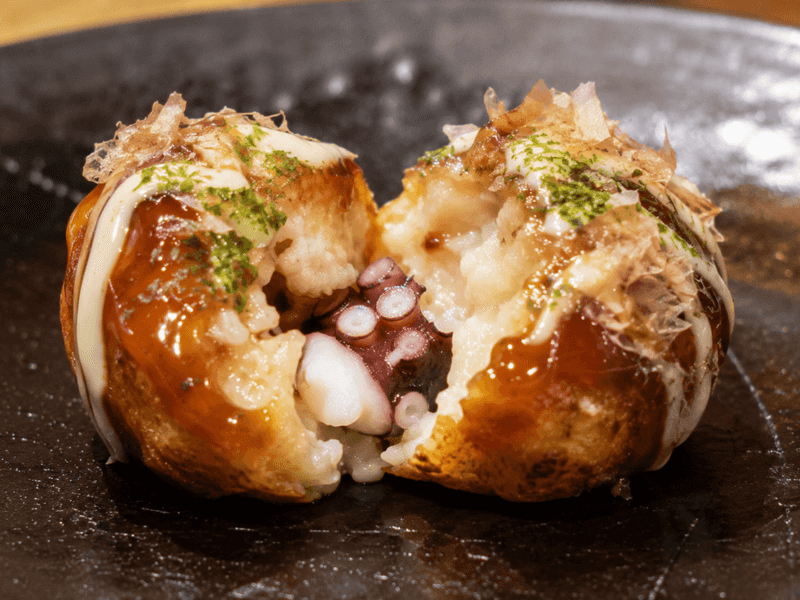
Osaka is the undisputed home of takoyaki, and locals are fiercely proud of their city's most famous snack. These are little round balls of batter filled with chunks of tender octopus, cooked in a special molded pan until perfectly crispy outside and gooey inside.
They are then drizzled with a savory sauce, Japanese mayo, and dancing bonito flakes.
Watching a vendor flip dozens of takoyaki at once with chopsticks is genuinely mesmerizing. They are best eaten hot, though fair warning, they will burn your tongue if you are too eager.
9. Elote (Mexico)
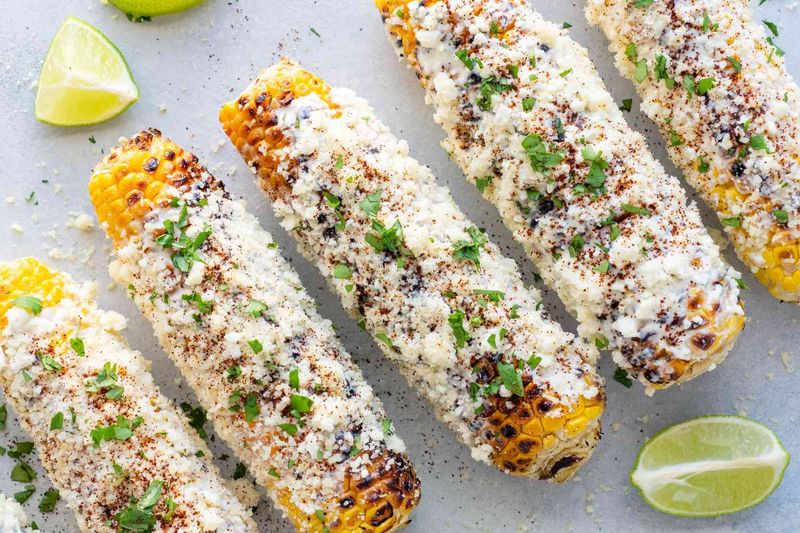
Elote is grilled corn on the cob taken to a whole new level of deliciousness. After the corn is charred on the grill, it gets slathered in creamy mayonnaise, rolled in crumbled cotija cheese, dusted with chili powder, and finished with a generous squeeze of lime juice.
Every bite is smoky, creamy, salty, and tangy at the same time.
Street vendors push carts through neighborhoods calling out to customers, and it is nearly impossible to say no. It is messy to eat and completely worth every smear of mayo on your face.
10. Pani Puri (India)
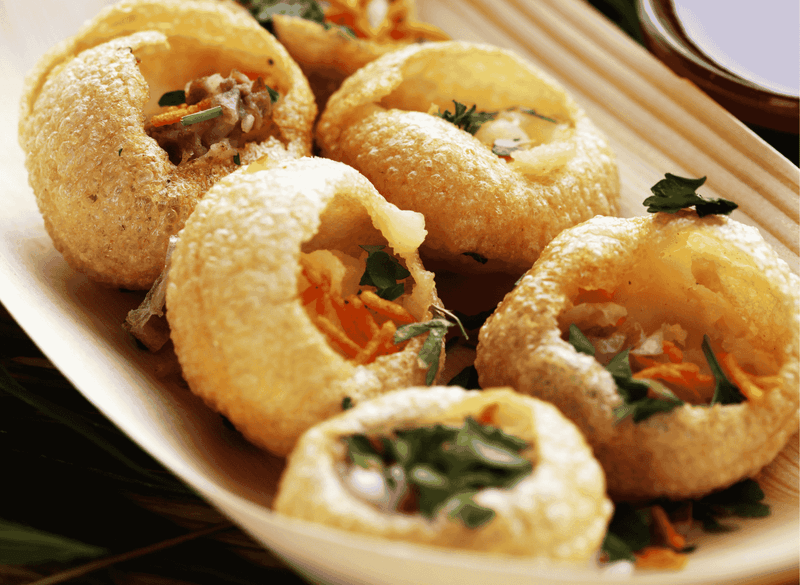
Pani puri might be the most fun street food in the world to eat. A vendor fills a tiny, hollow, crispy puri shell with spiced mashed potato or chickpeas, then dunks it into tangy, minty tamarind water right before handing it to you.
You have to pop the whole thing in your mouth in one bite.
The explosion of flavors and textures is unlike anything else. Sour, spicy, crunchy, and refreshing all hit you at once.
Across India, this snack goes by different names like golgappa or puchka, but the joy it brings is universal.
11. Crepes (France)
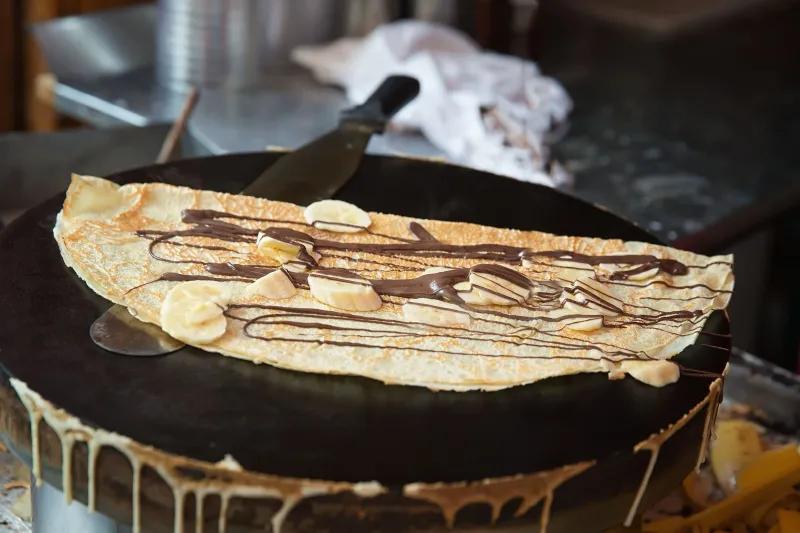
Standing near a crepe cart in Paris on a cool afternoon is one of life's simple pleasures. Thin, delicate batter is poured onto a hot round griddle, spread into a perfect circle, and filled with anything from Nutella and banana to ham and cheese.
The edges turn lightly golden and crispy while the center stays tender.
Crepes have been a French street staple since the 13th century. Sweet or savory, they adapt to any craving.
Watching a skilled vendor flip one with a wooden spatula is practically an art form worth admiring.
12. Shawarma (Middle East)
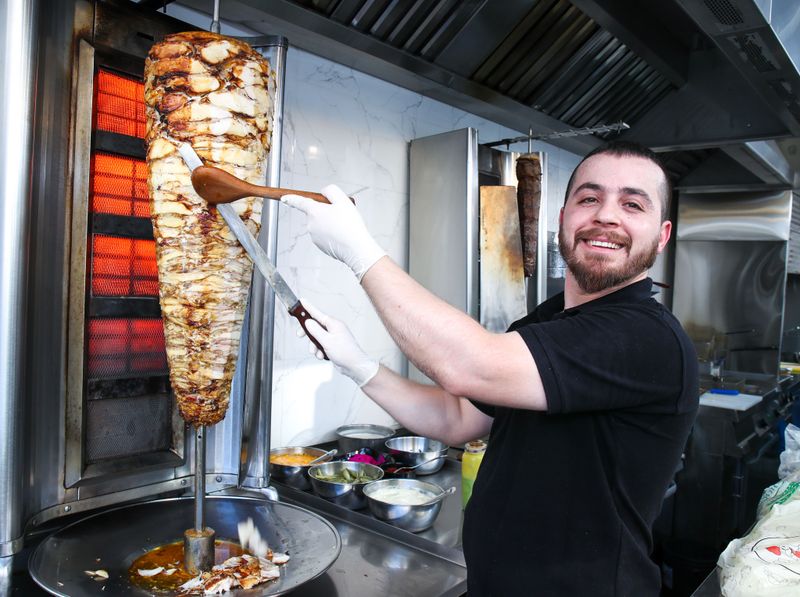
Shawarma is the king of Middle Eastern street food, and once you try it, you will understand why lines form around the block for it. Layers of seasoned meat, usually chicken or lamb, are stacked on a vertical spit and slow-roasted for hours.
Thin slices are shaved off and wrapped in warm flatbread with garlic sauce and pickled veggies.
The garlic sauce, called toum, is creamy and bold, and it ties everything together perfectly. Late-night shawarma after a long evening out is practically a tradition in cities like Beirut and Amman.
13. Bunny Chow (South Africa)
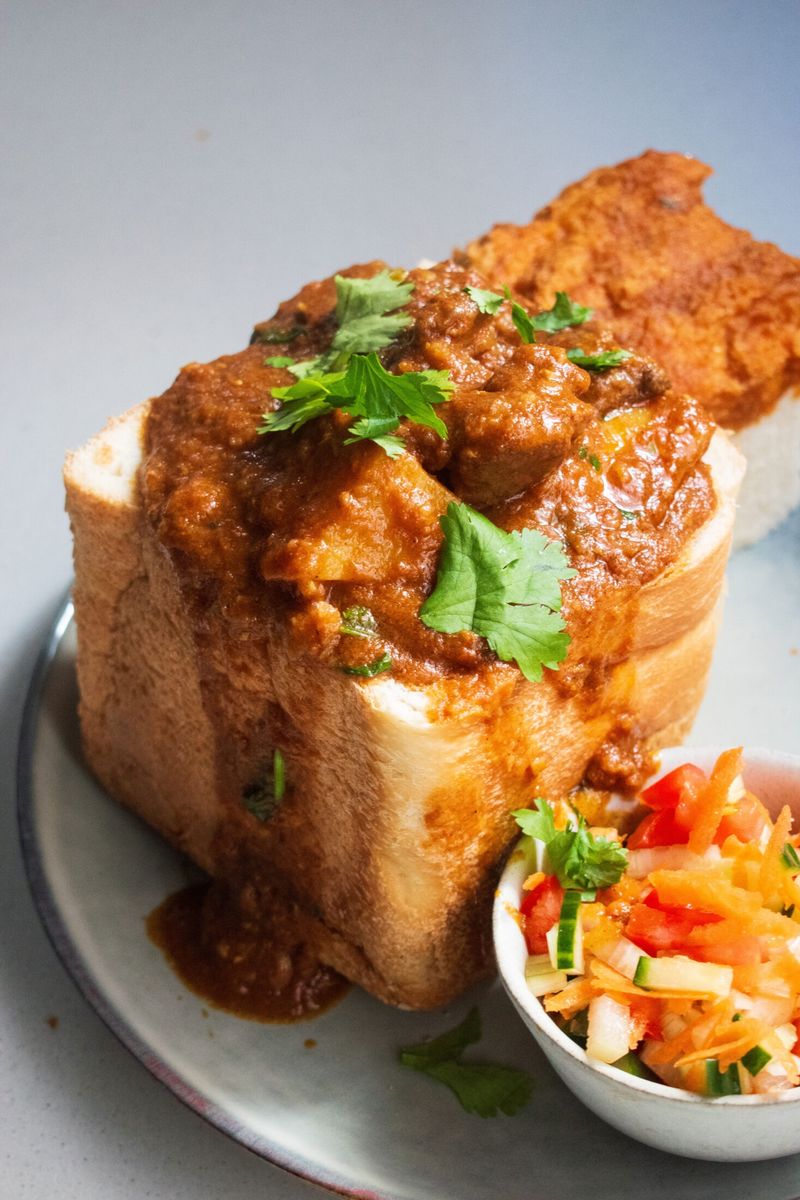
Bunny chow sounds quirky, but this Durban specialty is one of the most iconic street foods in all of Africa. A quarter or half loaf of white bread is hollowed out and filled to the brim with rich, fragrant curry, usually lamb, chicken, or beans.
The scooped-out bread is used to dip into the curry as you eat.
It was created by the Indian community in Durban decades ago as a portable, affordable meal for workers. Today it is beloved by everyone and eaten at all hours of the day.
14. Currywurst (Germany)
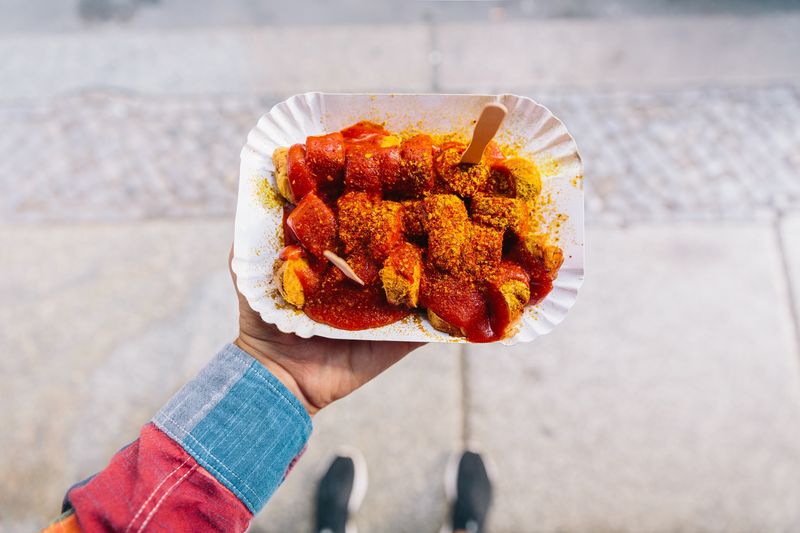
Berlin without currywurst would be like Paris without crepes. This iconic German street snack is a sliced pork sausage, usually grilled or fried, drenched in a tangy tomato-based sauce and dusted generously with curry powder.
It is served in a paper tray with a tiny wooden fork and often comes alongside crispy fries.
Herta Heuwer invented currywurst in 1949 in post-war Berlin, and it quickly became a working-class favorite. Today, Berlin alone sells an estimated 70 million portions every year.
Simple, hearty, and surprisingly addictive.
15. Mango Sticky Rice (Thailand)
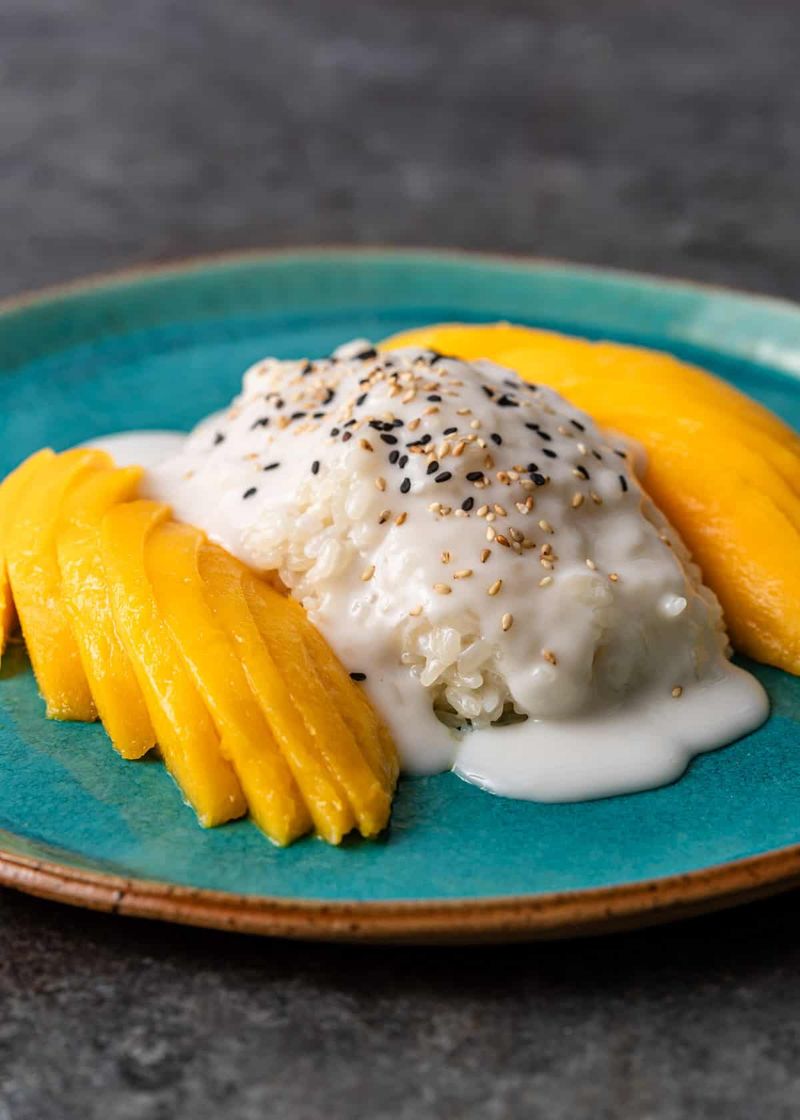
Mango sticky rice proves that street food can be pure poetry. Sweet, ripe mango slices are laid beside a mound of warm glutinous rice that has been cooked in creamy coconut milk, then finished with a drizzle of rich coconut cream and a sprinkle of toasted sesame seeds.
It is a dessert that feels luxurious for just a few coins.
Best enjoyed during mango season from April to June, this Thai classic is sold everywhere from floating markets to busy night bazaars. The contrast of warm rice and cool mango is genuinely heavenly.




Comments
No Comments