













Korean food has been quietly taking over British kitchens, restaurants, and social media feeds. Bold flavours, satisfying textures, and a beautiful mix of spicy, sweet, and savoury have made Korean dishes almost impossible to resist.
From street food stalls in London to home cooks experimenting on weeknights, the Korean food wave is very real. Here are 15 Korean dishes that Britons simply cannot get enough of.
1. Bibimbap
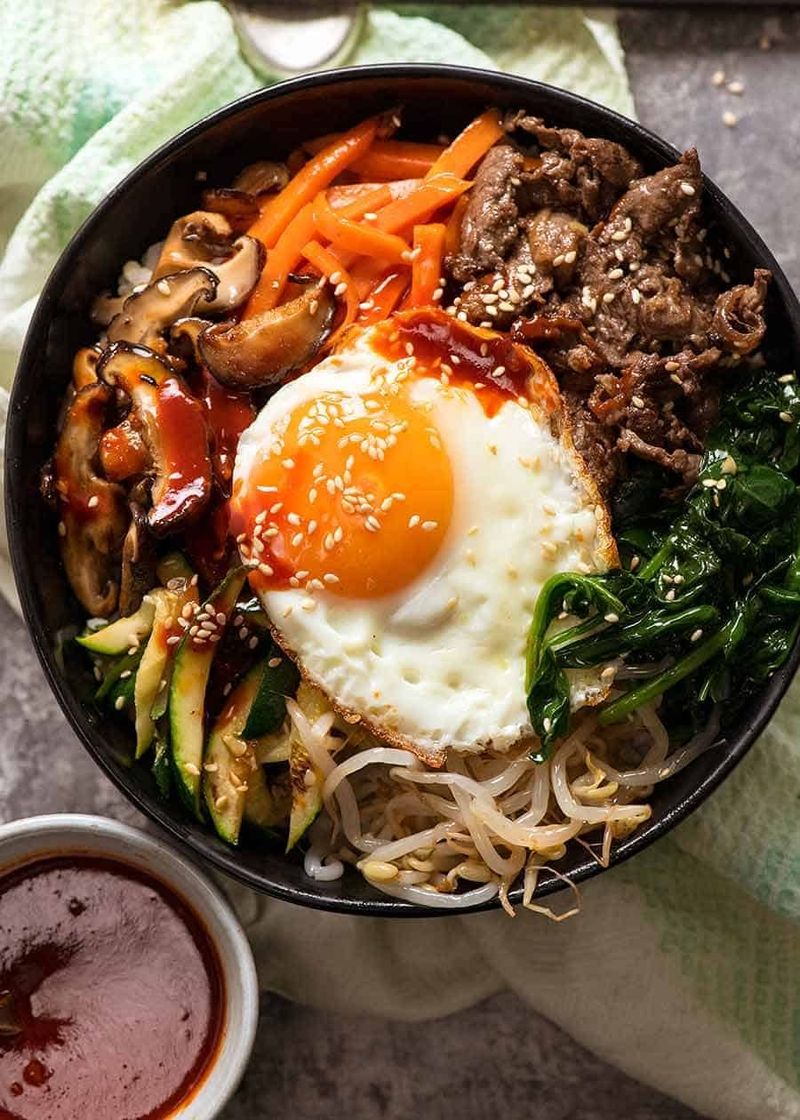
Picture a bowl so vibrant it looks like edible art. Bibimbap is a Korean rice dish topped with sautéed vegetables, a fried egg, and spicy gochujang paste, all mixed together before eating.
The word literally means "mixed rice," and that mixing ritual is half the fun.
Britons love it because it is endlessly customisable and surprisingly filling. You can swap ingredients based on what is in the fridge, making it a smart weeknight meal that never feels boring.
2. Korean Fried Chicken
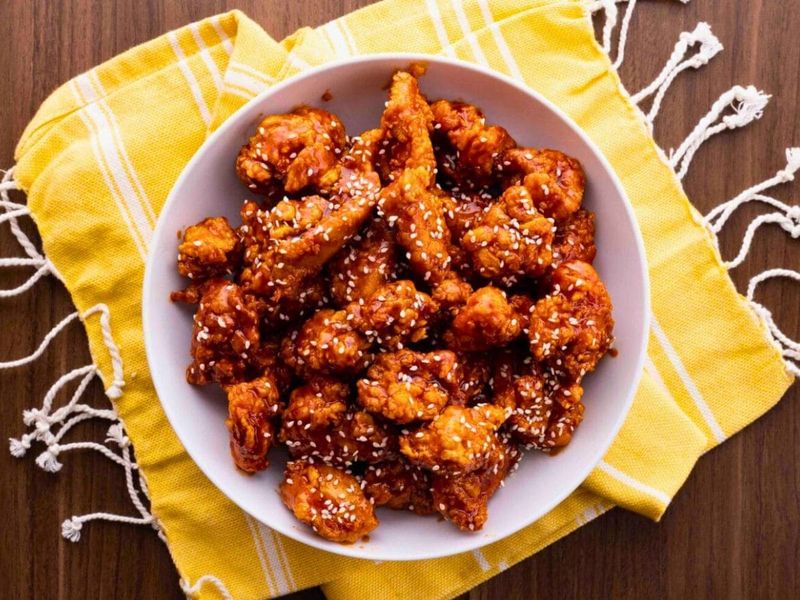
Forget everything you thought you knew about fried chicken. Korean fried chicken is double-fried for an incredibly thin, shatteringly crispy crust that stays crunchy even after being coated in a sticky, sweet-spicy glaze.
It is a game-changer.
KFC spots have been popping up across British cities at a remarkable pace. Late-night queues outside Korean chicken shops in London are now a completely normal sight, and honestly, one bite explains everything.
3. Tteokbokki
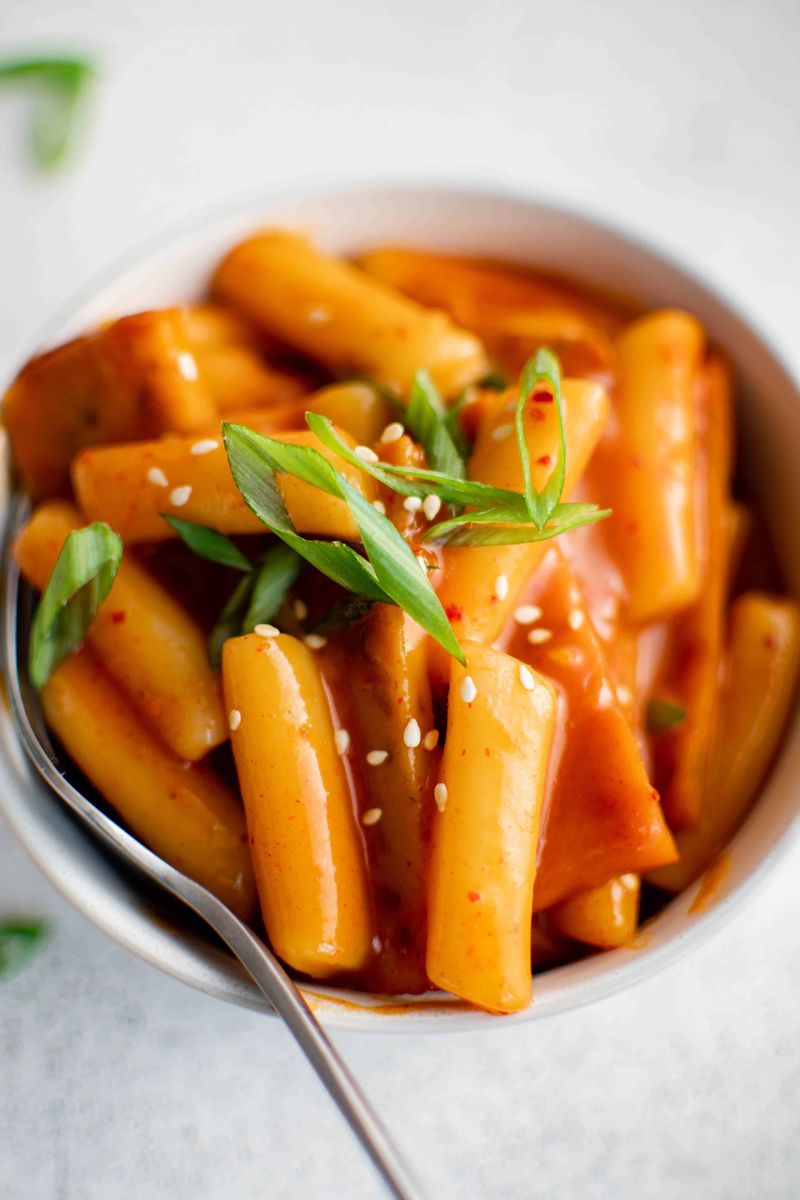
Chewy, spicy, and deeply satisfying — tteokbokki is South Korea's most beloved street food, and it is winning fans across Britain fast. These soft cylindrical rice cakes are cooked in a fiery gochujang sauce alongside fish cakes and spring onions.
The texture is unlike anything in British cuisine, which is part of its charm. Many Britons first try it through Korean food videos online, then spend weeks hunting down the ingredients to recreate it at home.
4. Kimchi
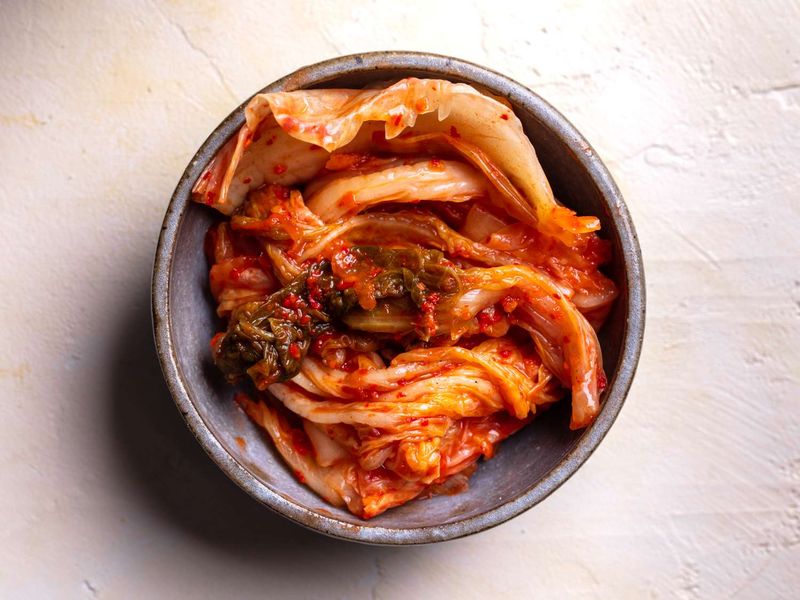
Kimchi has officially crossed over from niche health food to British supermarket staple. This fermented cabbage dish, seasoned with chilli, garlic, and ginger, delivers a punchy, tangy flavour that wakes up any meal it accompanies.
Beyond the taste, gut-health enthusiasts have championed kimchi for its probiotic benefits. You will find it tucked into toasties, stirred into fried rice, or simply eaten straight from the jar — all perfectly acceptable choices, by the way.
5. Japchae
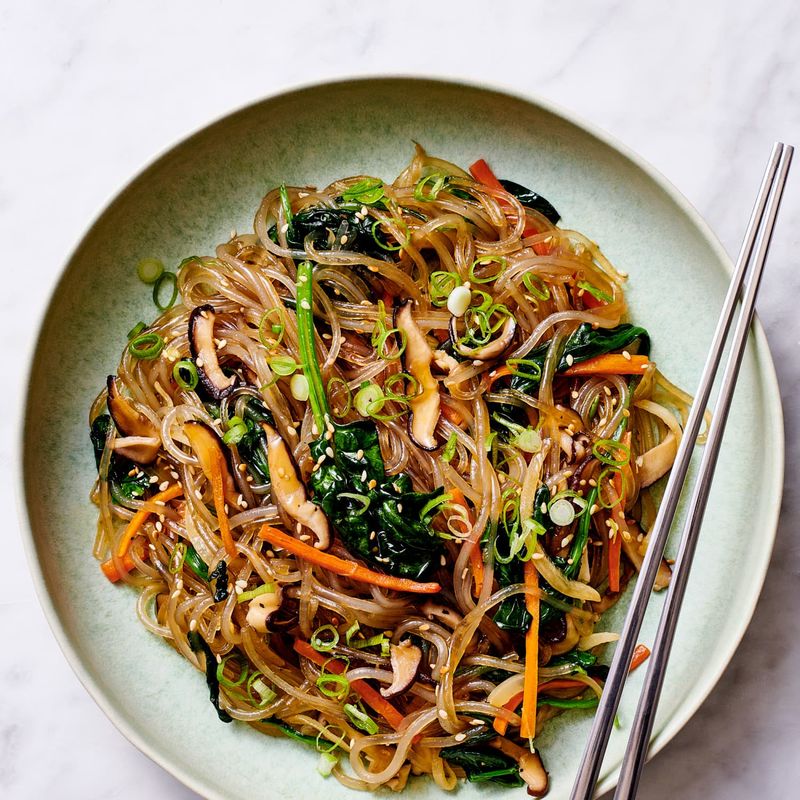
Silky, slightly chewy, and tossed in a savoury-sweet sesame sauce — japchae is the Korean noodle dish that feels both elegant and comforting at once. Made from sweet potato glass noodles, it is naturally gluten-free, which has boosted its popularity in the UK significantly.
Served warm or at room temperature, japchae works brilliantly as a side dish or a standalone meal. Its mild, nutty flavour profile makes it an easy entry point for people new to Korean food.
6. Samgyeopsal
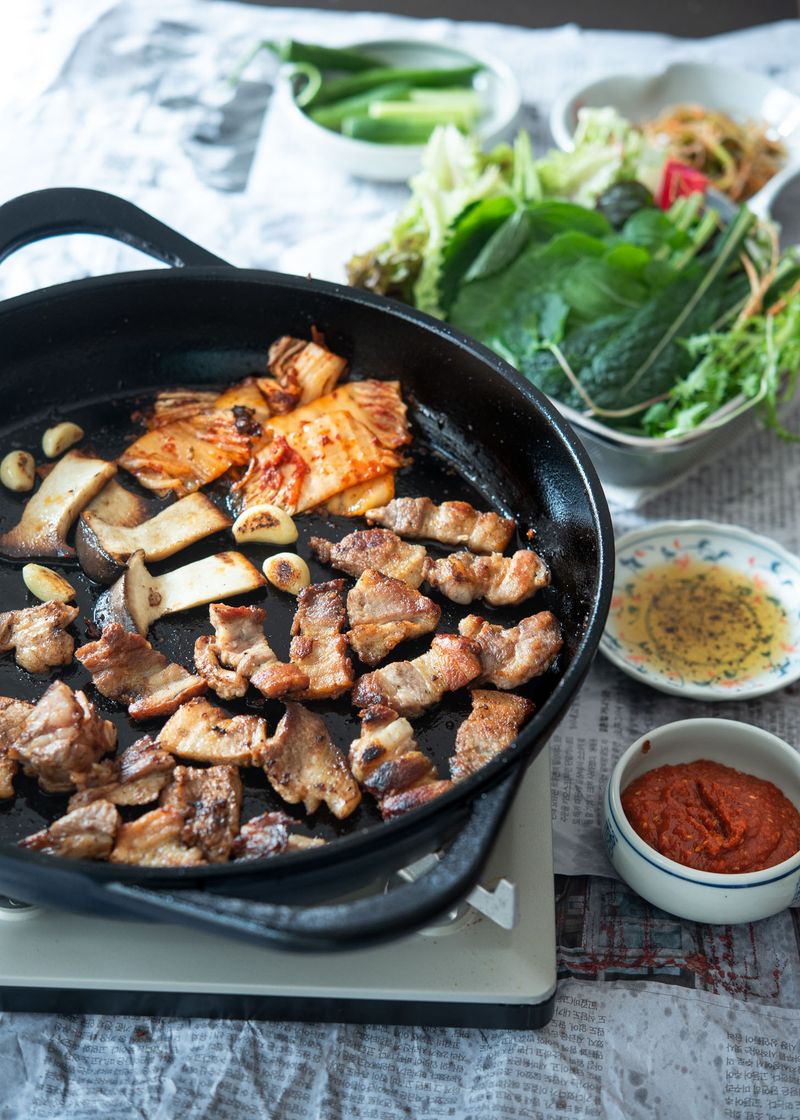
There is something almost theatrical about samgyeopsal. You grill thick slices of pork belly right at the table, wrap the cooked meat in lettuce leaves with garlic, fermented paste, and kimchi, then eat the whole parcel in one glorious bite.
Korean BBQ restaurants centred around samgyeopsal have become social dining destinations across British cities. It is the kind of meal that turns a Tuesday dinner into a proper occasion, and Britons are absolutely here for it.
7. Sundubu Jjigae
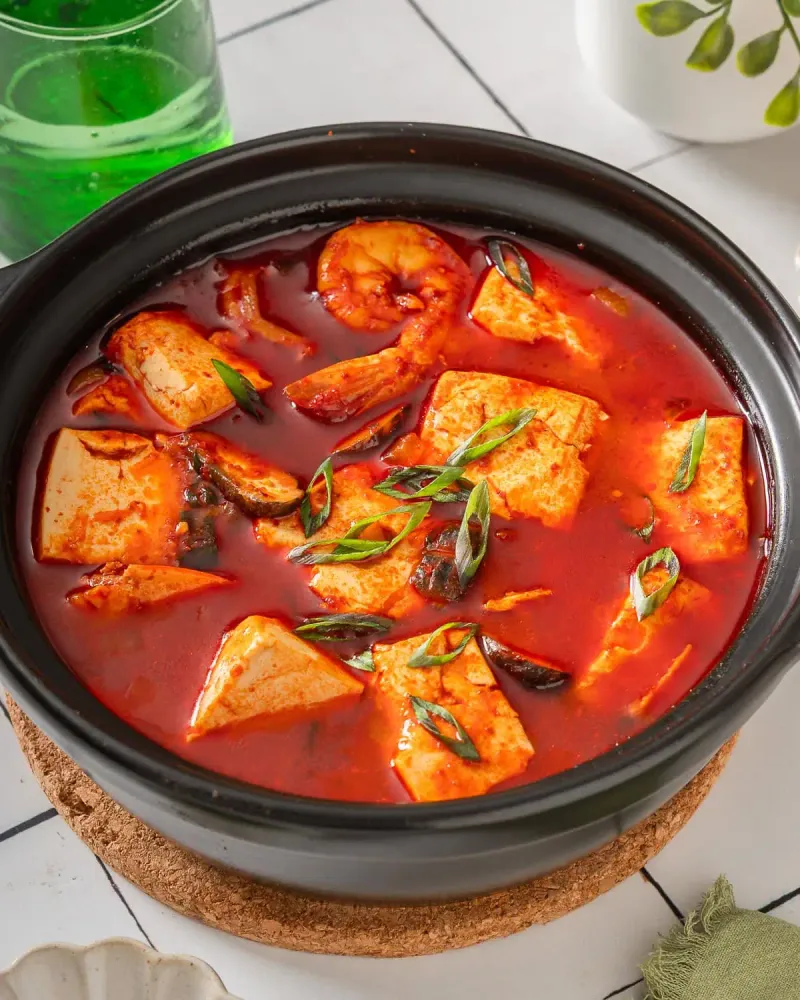
On a cold British evening, few things beat a pot of sundubu jjigae arriving at the table still aggressively bubbling. This soft tofu stew has a rich, spicy broth loaded with silken tofu, vegetables, and sometimes seafood or pork.
The creamy tofu melts against the fiery broth in a way that feels genuinely comforting. Vegetarian versions are easy to make, which has helped this dish find a wide and enthusiastic audience among plant-based eaters in the UK.
8. Bulgogi
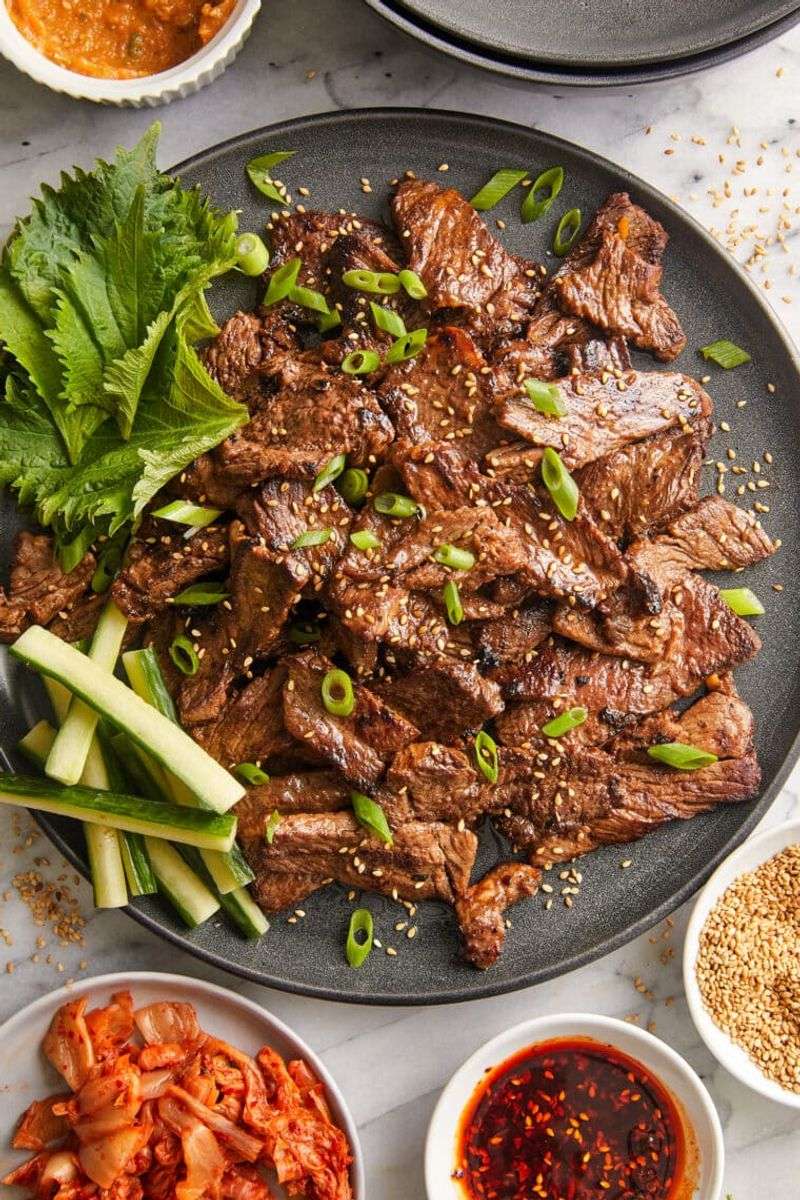
Bulgogi might just be the perfect gateway Korean dish for British palates. Thinly sliced beef is marinated in a blend of soy sauce, pear, garlic, and sesame oil, giving it a sweet, deeply savoury flavour that is hard to dislike.
The pear in the marinade acts as a natural tenderiser, making the meat melt-in-your-mouth soft. Many Britons have started making bulgogi at home after discovering how straightforward the marinade is — it requires no special cooking skills whatsoever.
9. Haemul Pajeon
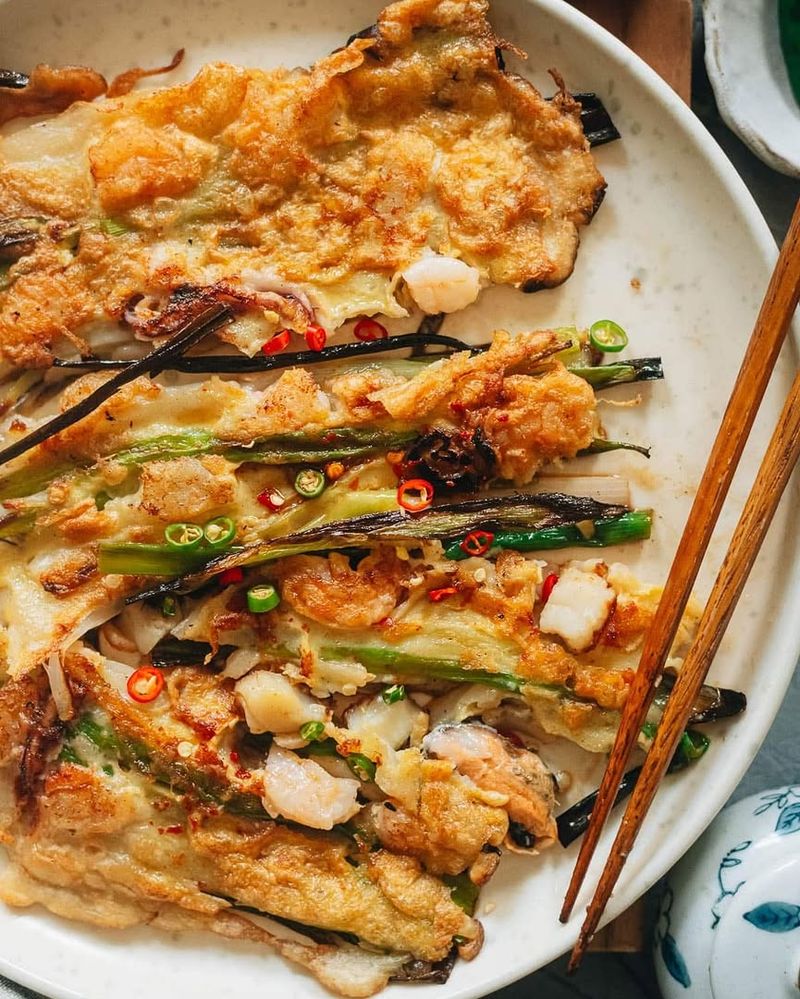
Rain and Korean pancakes go together better than you might expect. Haemul pajeon is a thick, crispy-edged savoury pancake packed with spring onions and mixed seafood, traditionally eaten on rainy days in Korea — a tradition Britons can absolutely get behind.
Dipped in a tangy soy and vinegar sauce, each bite delivers a satisfying crunch followed by soft, flavourful insides. It works brilliantly as a starter, a sharing plate, or a weekend brunch option that feels genuinely exciting.
10. Doenjang Jjigae
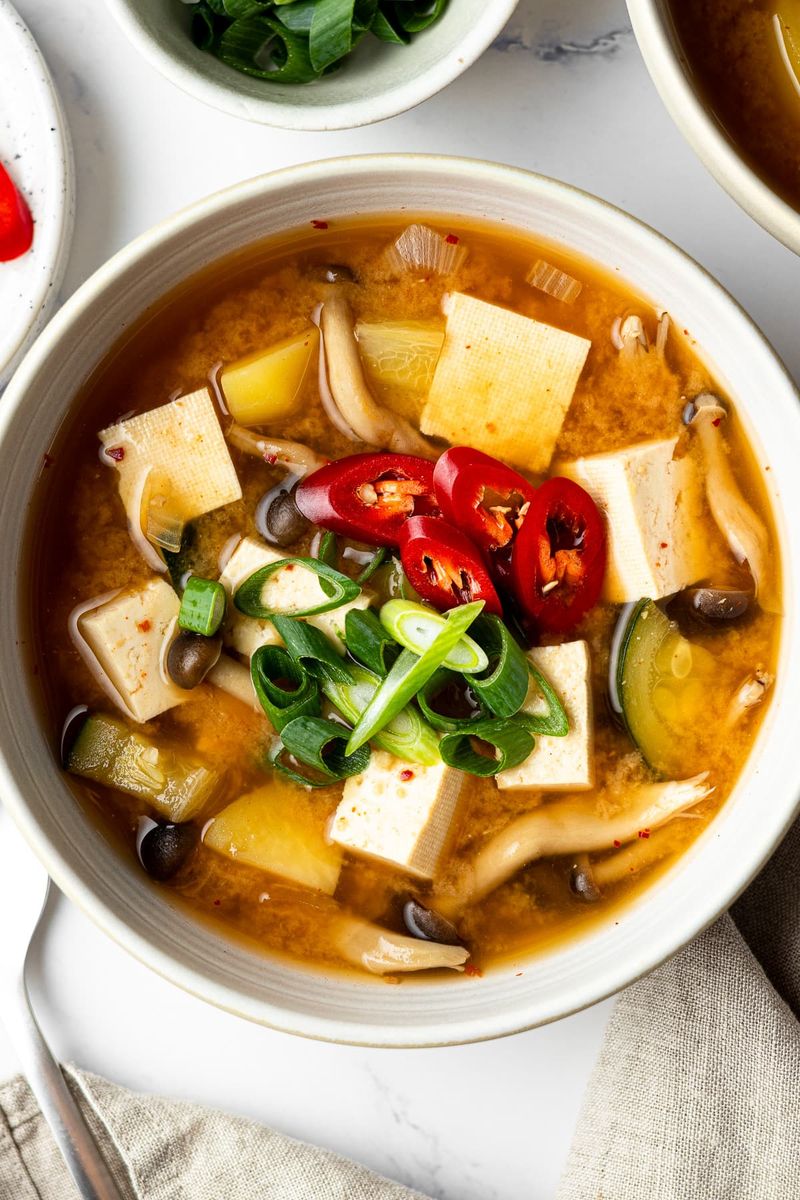
Often called the Korean equivalent of a Sunday roast in terms of comfort, doenjang jjigae is a fermented soybean paste stew that smells bold but tastes extraordinary. Tofu, courgette, mushrooms, and onion simmer together in an earthy, deeply umami broth.
It is one of Korea's most everyday home-cooked dishes, and that homely quality is exactly what draws Britons to it. Food writers have compared its warming, savoury depth to a really good French onion soup — high praise indeed.
11. Kimbap
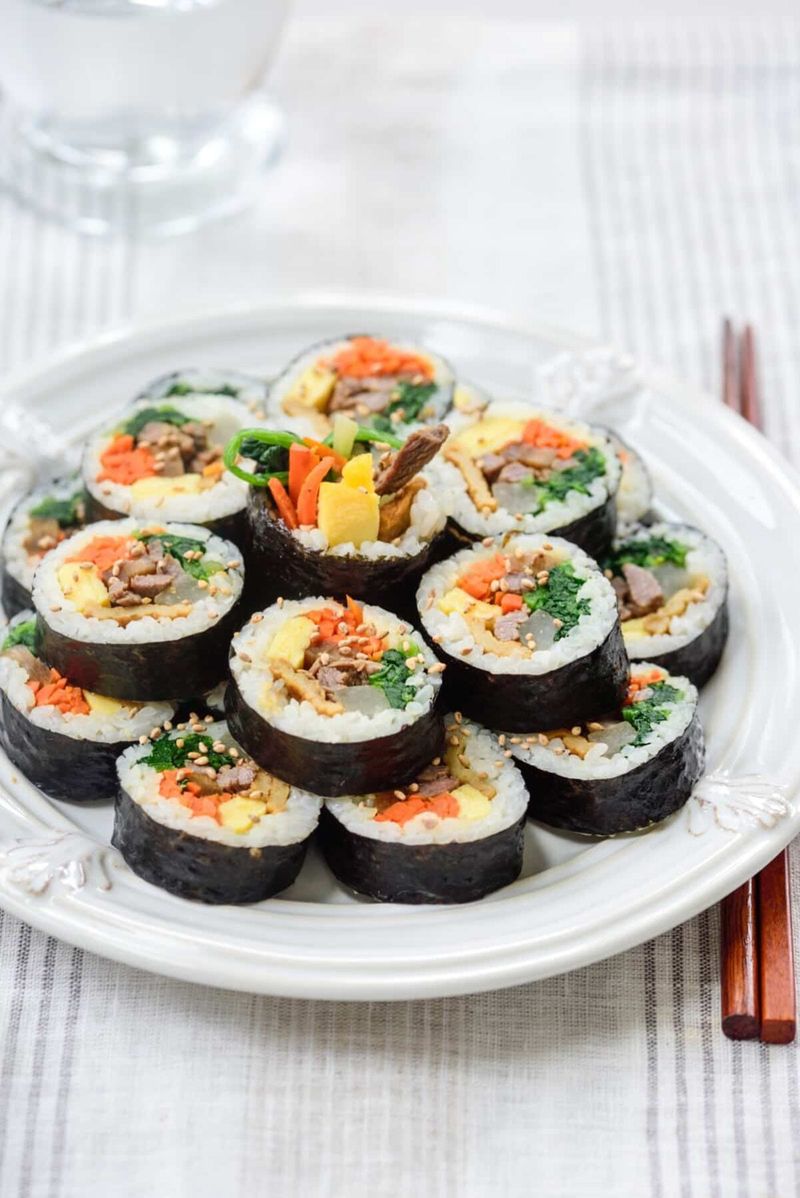
Kimbap looks a lot like sushi, but do not make that comparison in front of a Korean person. These seaweed-wrapped rice rolls are filled with seasoned rice, vegetables, egg, and sometimes meat or tuna, creating a flavour profile that is distinctly Korean.
Portable, affordable, and endlessly varied, kimbap has become a lunchbox favourite among Britons who discovered it through Korean dramas and travel content. It is the kind of food that makes meal prep feel genuinely rewarding rather than a chore.
12. Ramyeon
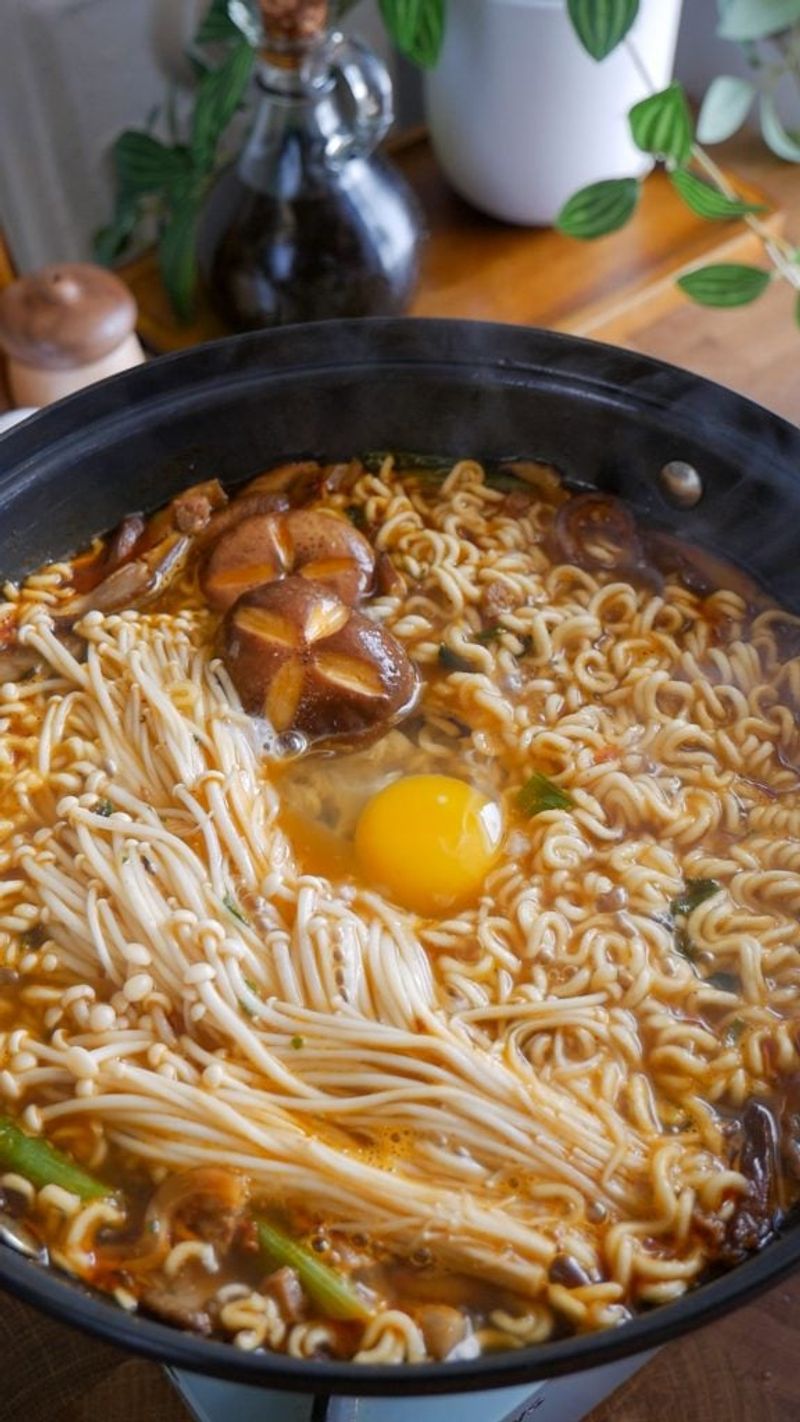
Korean instant noodles — ramyeon — occupy a completely different universe from the sad pot noodles of British student life. Brands like Shin Ramyun deliver a complex, fiery broth with springy noodles that somehow taste like they took hours to make.
A viral trend of adding a slice of processed cheese on top has baffled and delighted Britons in equal measure. Sceptics become believers after the first spoonful — the cheese genuinely softens the heat in the most unexpectedly perfect way.
13. Dakgalbi
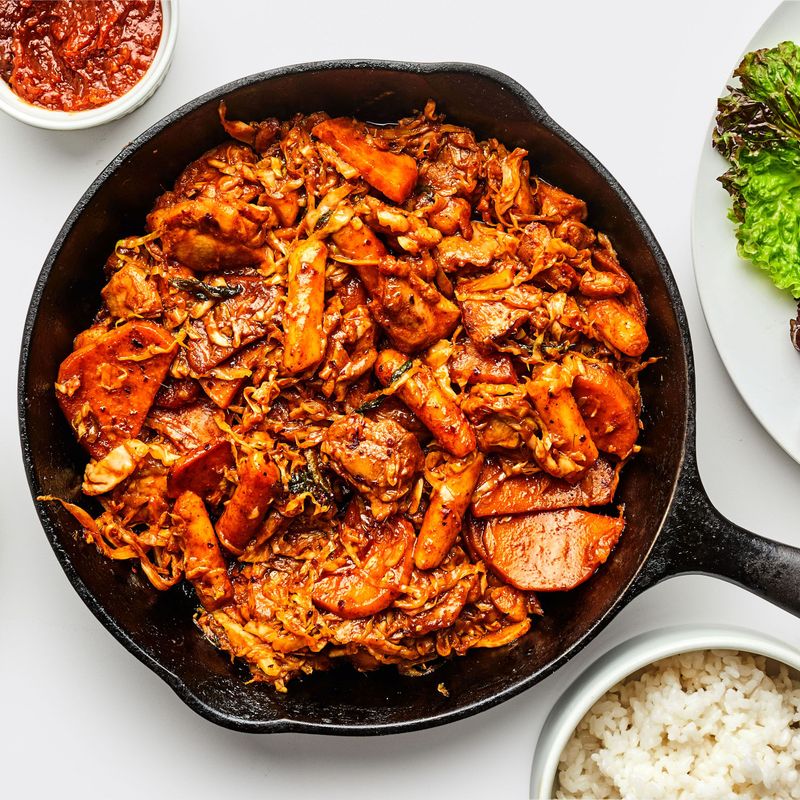
Dakgalbi is the kind of dish that fills a restaurant with incredible smells before you have even sat down. Spicy marinated chicken is stir-fried in a hot pan with chewy rice cakes, cabbage, and a vivid gochujang sauce that clings to everything beautifully.
Originally a street food from Chuncheon, South Korea, dakgalbi has found its way onto menus in Manchester, Edinburgh, and Birmingham. Its bold, unapologetic heat level has made it a favourite among Britons who enjoy a proper spicy challenge.
14. Gyeran Bap
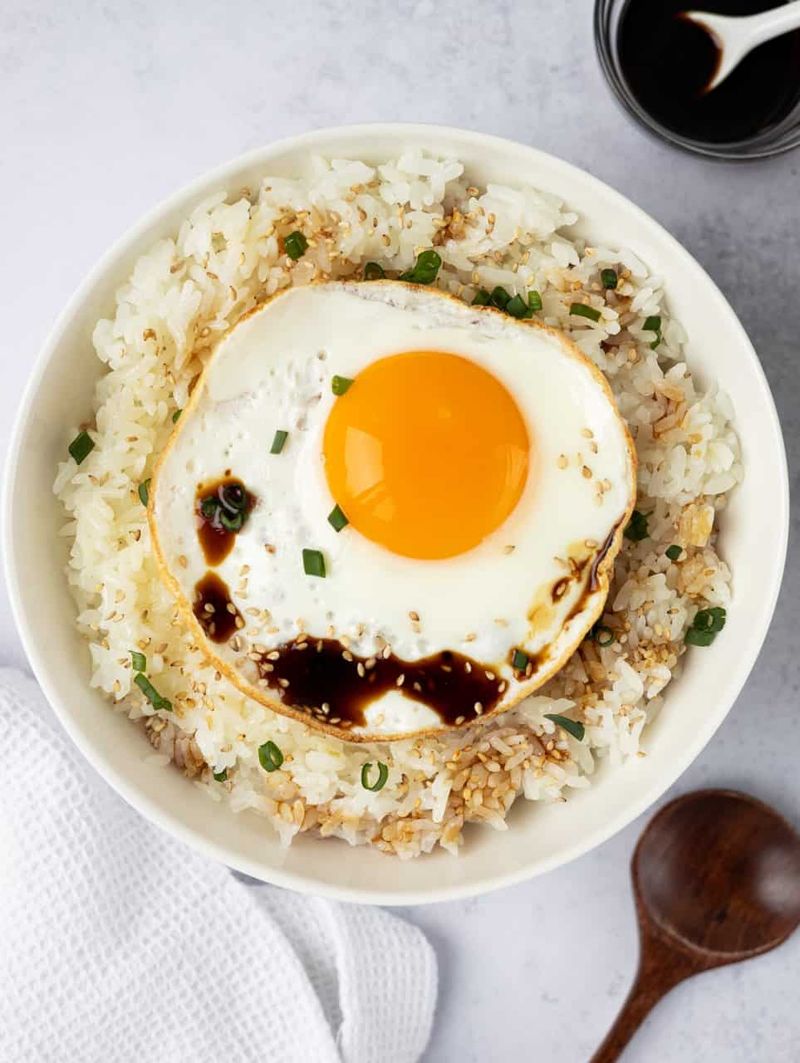
Sometimes the simplest things are the most satisfying. Gyeran bap — egg rice — is nothing more than steamed rice topped with a fried egg, butter, and a splash of soy sauce, yet it has developed a devoted following on British food social media.
Korean comfort food at its most stripped-back, it is the dish Koreans make when they are tired, hungry, or homesick. Britons have adopted it for exactly the same reasons, proving that good food needs no complicated explanation.
15. Bingsu
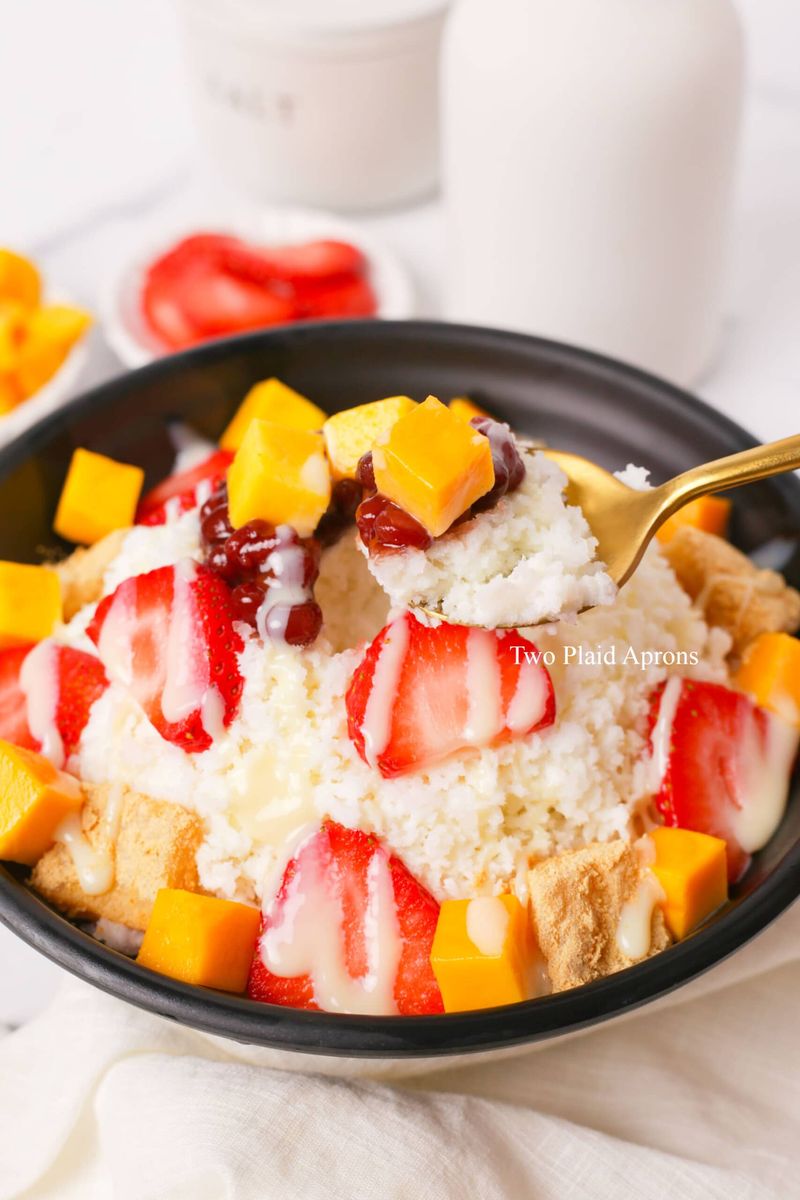
Korean shaved ice dessert — bingsu — is not your average ice cream. The ice is shaved so finely it dissolves on your tongue like flavoured snow, then piled high with toppings like sweet red bean, mochi, fresh mango, and condensed milk.
Korean dessert cafes serving bingsu have started appearing in London and other major UK cities, drawing long weekend queues. For Britons used to a Magnum on a hot day, bingsu feels like an extraordinary upgrade worth every minute of the wait.




Comments
No Comments