













Cooking used to be a full-day event. Before modern gadgets showed up, simple tasks like chopping vegetables or grinding spices could eat up your entire morning.
Today, the right tools can turn those same jobs into a matter of minutes. Here is a look at 15 kitchen chores that once demanded serious time and effort, and the clever devices that changed everything.
1. Kneading Bread Dough
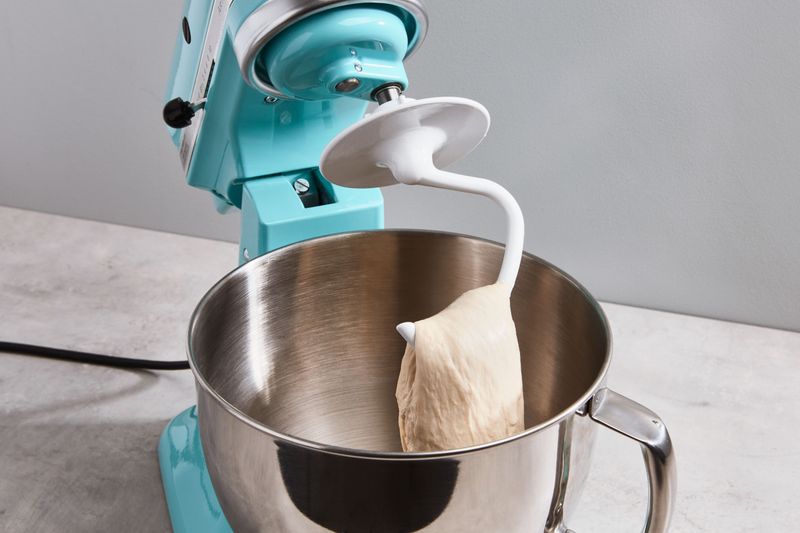
Ask any old-school baker and they will tell you: hand-kneading bread dough is a serious workout. Doing it properly could take 10 to 15 minutes of non-stop pushing and folding, leaving your arms completely worn out.
A stand mixer with a dough hook does that same job in just a few minutes, hands-free. You can prep other ingredients while the machine does the heavy lifting.
It is one of the biggest time upgrades any home baker can make.
2. Grinding Spices and Coffee
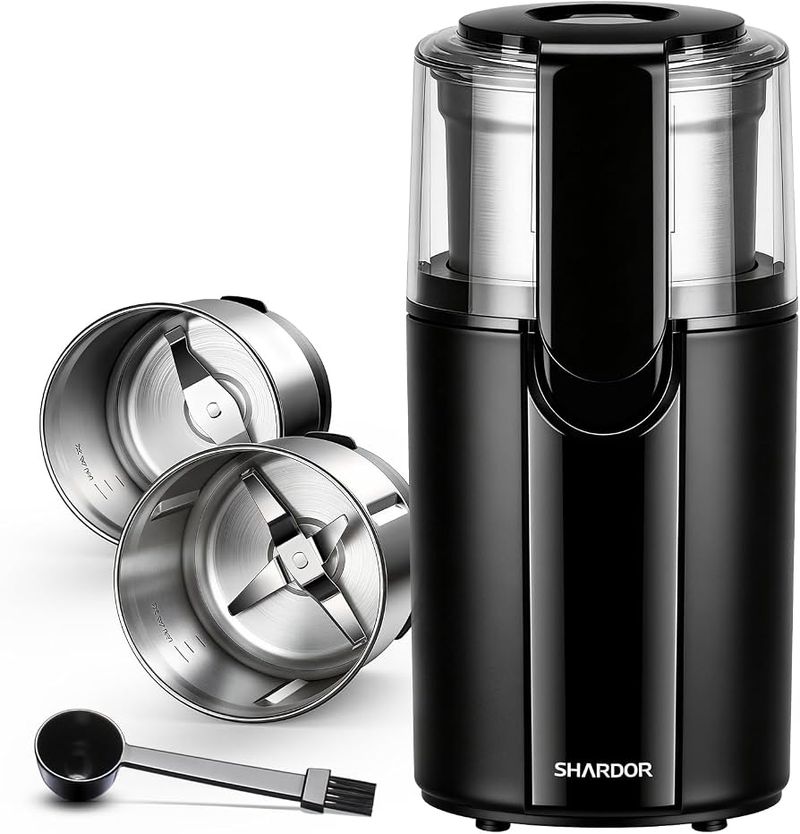
Before electric grinders existed, people used a mortar and pestle to crush spices and coffee beans by hand. Grinding enough pepper or cumin for a single recipe could take 10 minutes of steady pounding and twisting.
Electric grinders changed this completely. A quick 10-second pulse gives you freshly ground spice or coffee with almost zero effort.
Fresh-ground spices taste noticeably better too, so the upgrade pays off in flavor as much as in time saved.
3. Chopping and Dicing Vegetables
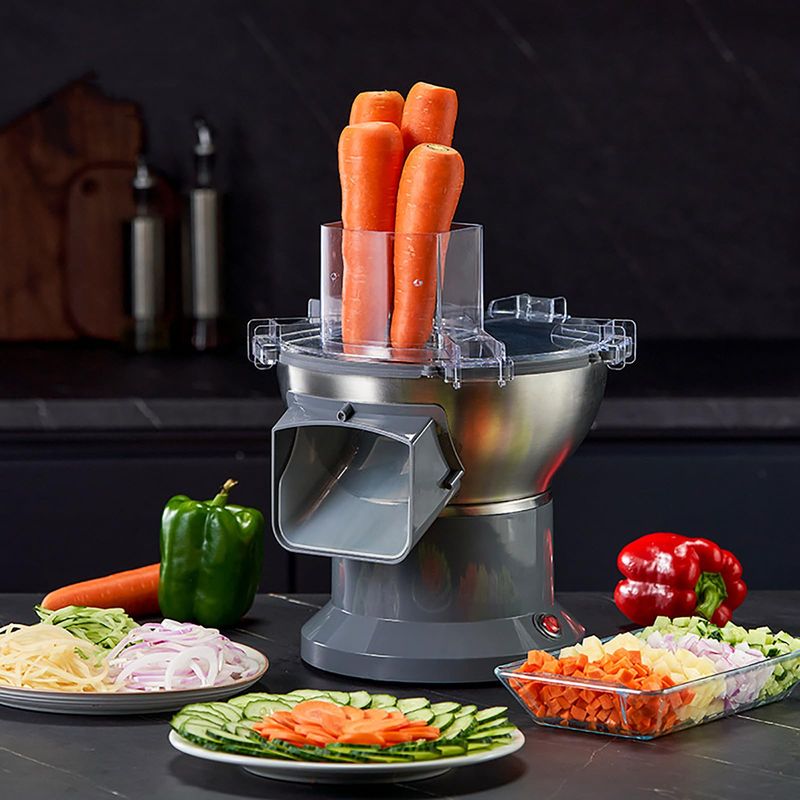
Chopping a full bag of onions, carrots, and celery by hand is nobody's idea of a good time. Before food processors, this kind of prep work could easily eat up 20 to 30 minutes, not to mention the tears from all those onions.
A food processor can dice an entire onion in under 10 seconds. For anyone who cooks regularly, this one gadget pays for itself almost immediately in time and frustration saved every single week.
4. Juicing Citrus Fruits
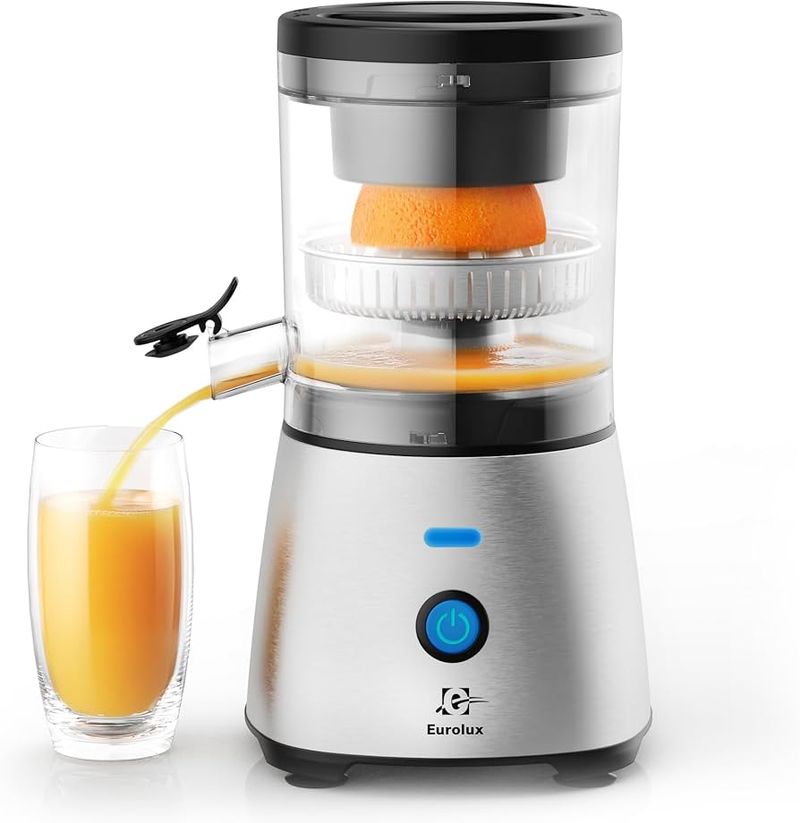
Squeezing juice from a pile of oranges or lemons by hand is surprisingly tiring work. Old-fashioned hand juicers required pressing down hard on each half, and getting juice for a full pitcher could take close to 20 minutes.
Electric citrus juicers press and spin automatically, pulling every last drop of juice with almost no effort from you. They handle large batches in a fraction of the time, making fresh-squeezed juice a realistic weekday option rather than a weekend-only treat.
5. Whipping Cream and Egg Whites
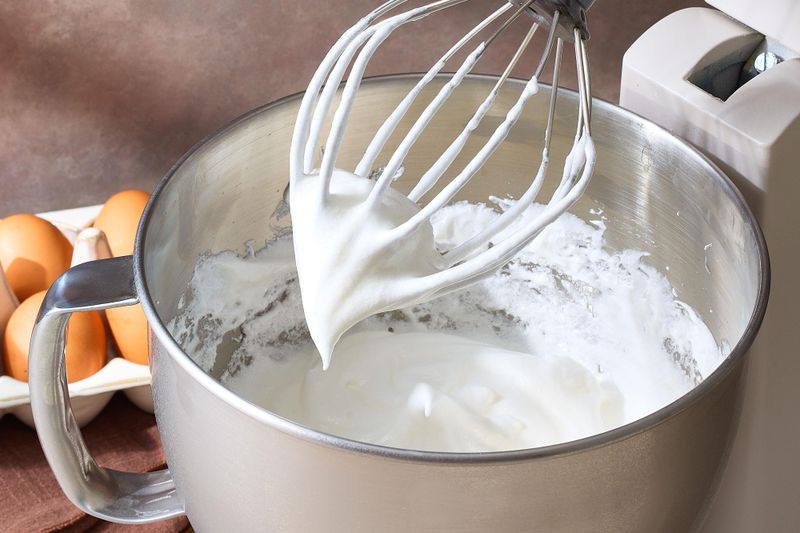
Whipping cream or egg whites by hand with a balloon whisk is genuinely exhausting. Achieving stiff peaks could take 10 to 15 minutes of constant, vigorous whisking, and your arm would feel it for hours afterward.
Even a basic handheld electric mixer cuts that time down to about two minutes. Stand mixers are even faster.
This simple swap makes baking projects like meringues, mousses, and whipped cream toppings feel far less intimidating for home cooks of any skill level.
6. Slow Cooking Stews and Soups
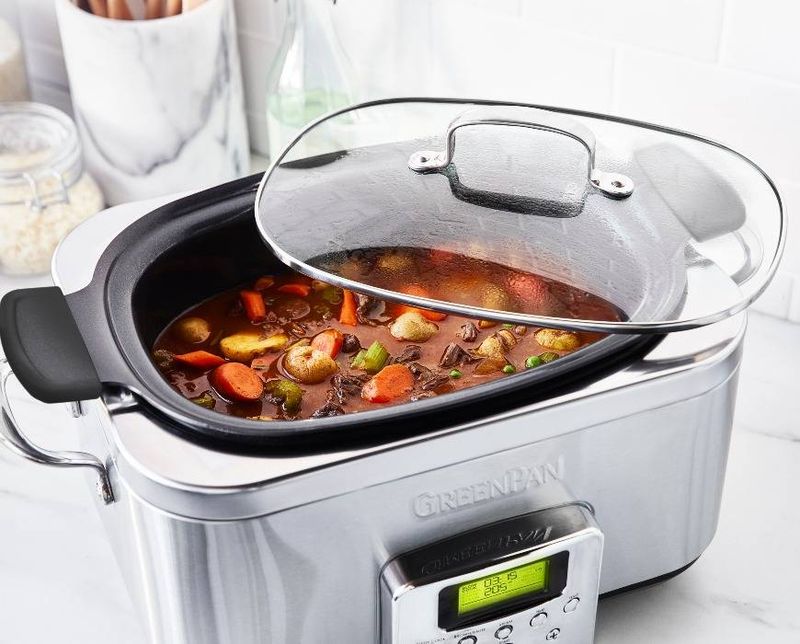
Traditional stovetop stews needed constant watching. You had to stir regularly, adjust the heat, and make sure nothing burned or boiled over, keeping you tied to the kitchen for hours on end.
Electric slow cookers let you toss everything in, set a timer, and walk away completely. Coming home to a fully cooked, deeply flavored meal is one of life's small but genuine pleasures.
Did you know the first commercial slow cooker, the Crock-Pot, launched back in 1971 and has barely changed since?
7. Peeling and Spiralizing Vegetables
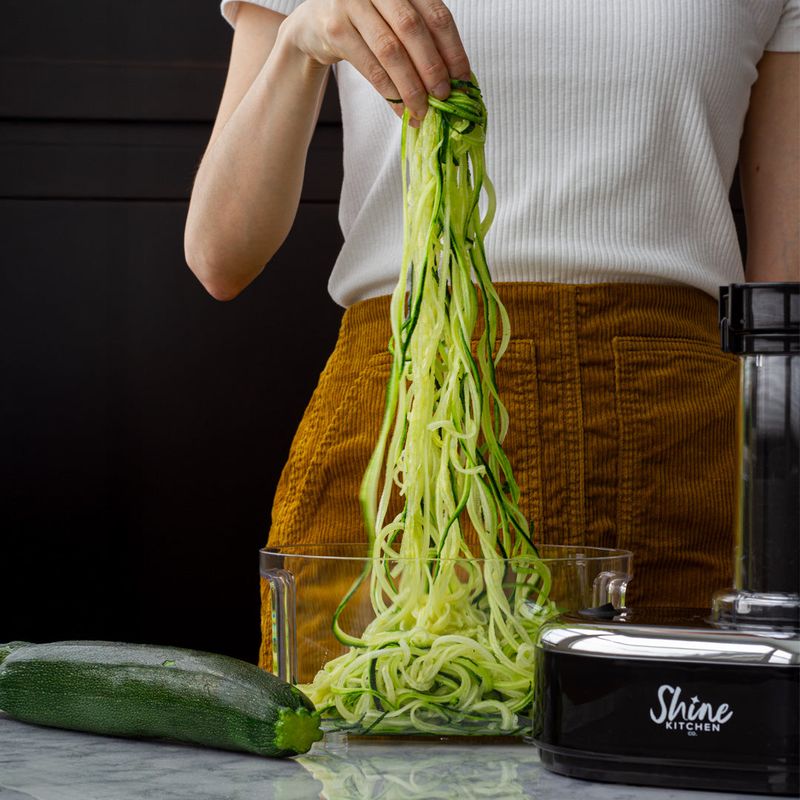
Peeling a pile of potatoes or zucchini by hand was never anyone's favorite chore. Doing it the old way with a basic peeler took patience, focus, and a lot of time, especially for large family meals.
Electric peelers and spiralizers now handle both jobs in seconds per vegetable. Spiralizers also opened up a whole new world of veggie noodles, ribbon salads, and creative garnishes that simply were not practical before the gadget existed.
It is a small tool with a surprisingly big impact.
8. Defrosting Frozen Food
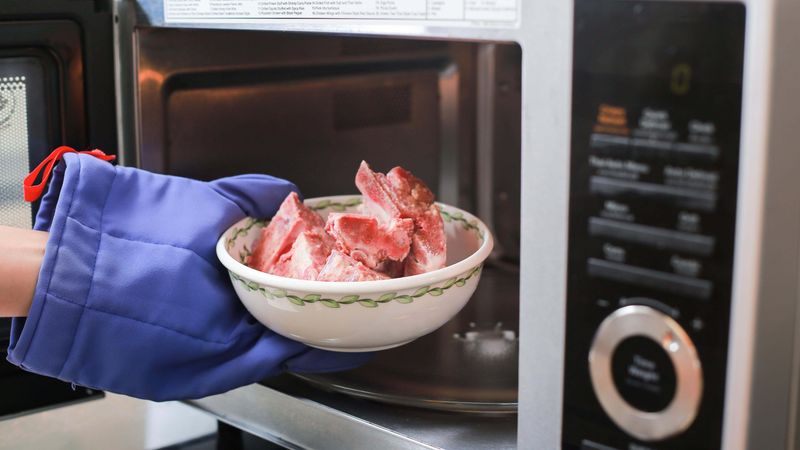
Before microwaves, defrosting meat meant planning hours ahead and leaving food to thaw slowly in the fridge or under cold running water. Forget to take something out of the freezer?
Dinner plans were basically ruined.
The microwave defrost setting changed meal planning forever. What once took three or four hours now takes under 10 minutes.
It is one of those gadgets that is so common today that it is easy to forget just how much time and stress it saves every single week.
9. Making Pasta From Scratch
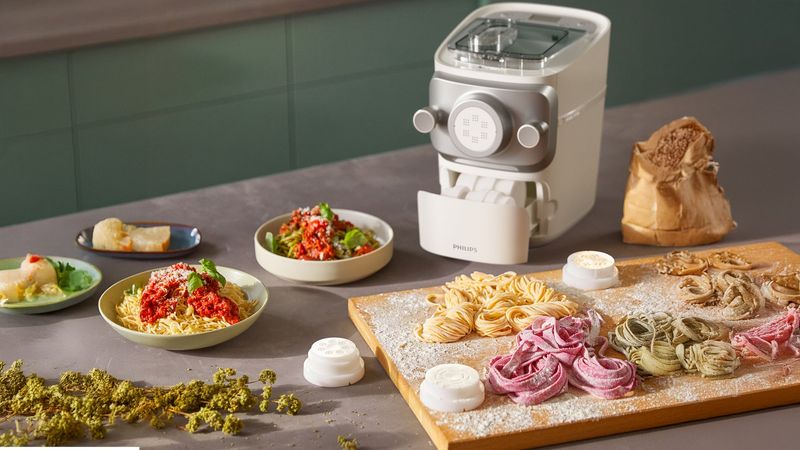
Homemade pasta used to be a true labor of love. Mixing the dough, rolling it out by hand, and cutting it into even strips could take the better part of an afternoon, which is why most families saved it for special occasions.
Electric pasta makers mix, knead, and extrude fresh noodles in about 10 minutes flat. Attachments for different pasta shapes make the whole process even more fun.
Fresh pasta on a Tuesday night went from a fantasy to a completely realistic dinner option.
10. Grating Cheese and Vegetables
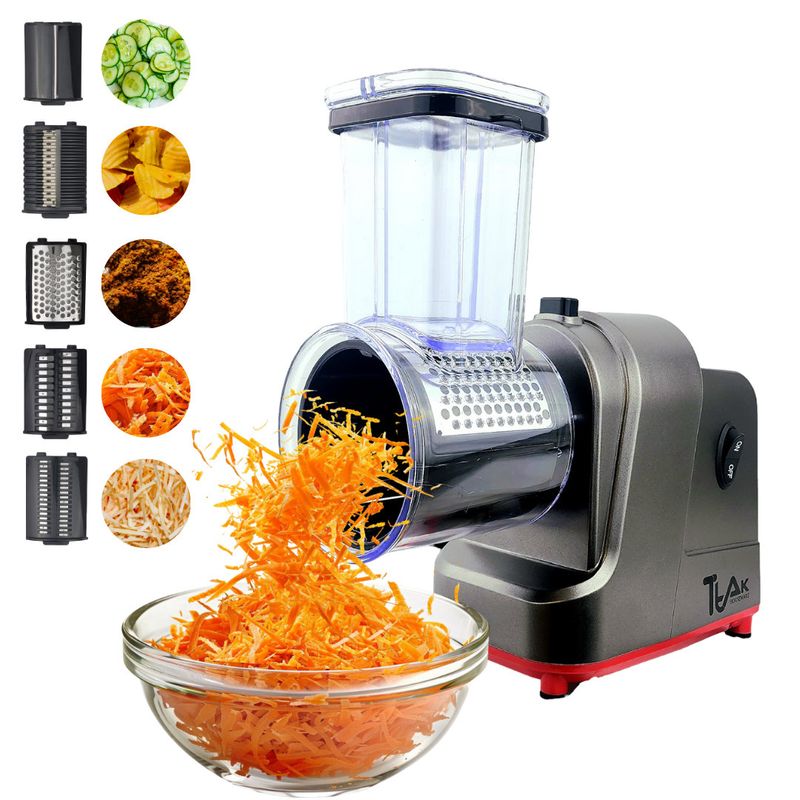
Hand-grating a block of cheese over a box grater is one of those kitchen jobs that sounds simple but takes forever. Grating enough parmesan for a pasta dish or shredding a cup of carrots for a cake could take a solid 10 minutes, plus cleanup.
Electric graters and food processor shredding discs handle the same task in under a minute. Your knuckles will also thank you for making the switch.
Pre-shredded store bags are convenient, but freshly grated cheese melts and tastes noticeably better.
11. Cooking Rice Perfectly
Getting rice right on the stovetop is trickier than it sounds. Too much water and it turns mushy, too little and it scorches on the bottom.
Watching the pot and timing it correctly demanded real attention for 20 to 30 minutes.
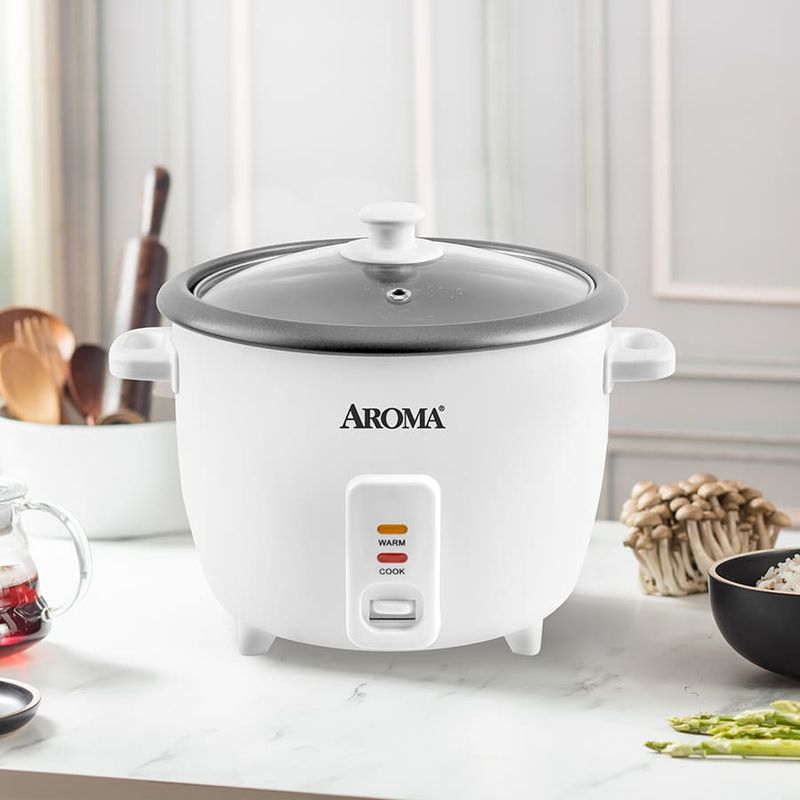
Rice cookers take all the guesswork out of the equation. Add rice and water, press a button, and walk away.
The machine switches itself off when the rice is perfectly done. Newer models even handle brown rice, quinoa, and steamed vegetables without any extra effort.
12. Blending Soups and Smoothies
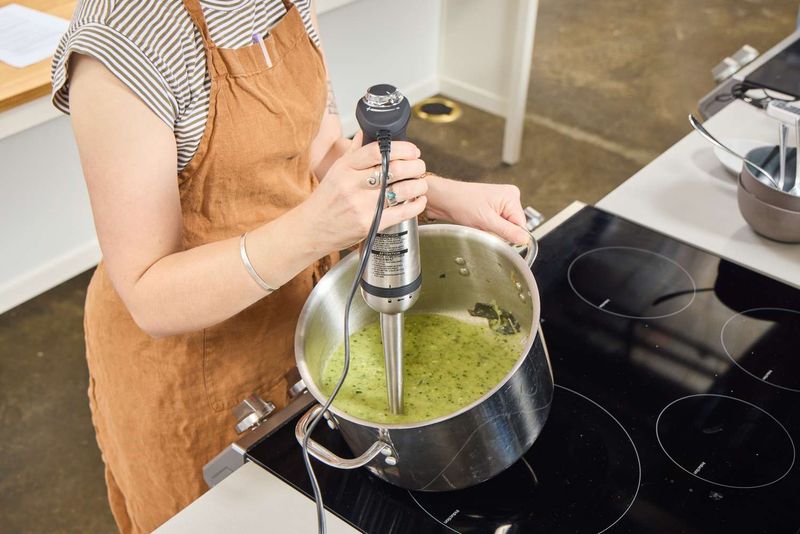
Before powerful blenders arrived, pureeing a pot of soup meant pressing it through a fine mesh sieve or food mill by hand. It was messy, slow, and physically demanding work that could take 20 minutes just for the blending step alone.
High-powered blenders now handle hot soups, frozen smoothies, and thick nut butters in under 60 seconds. Immersion blenders let you puree soup right in the pot without transferring it anywhere.
Both options turned what was once a dreaded kitchen chore into a quick, satisfying step.
13. Washing and Drying Salad Greens
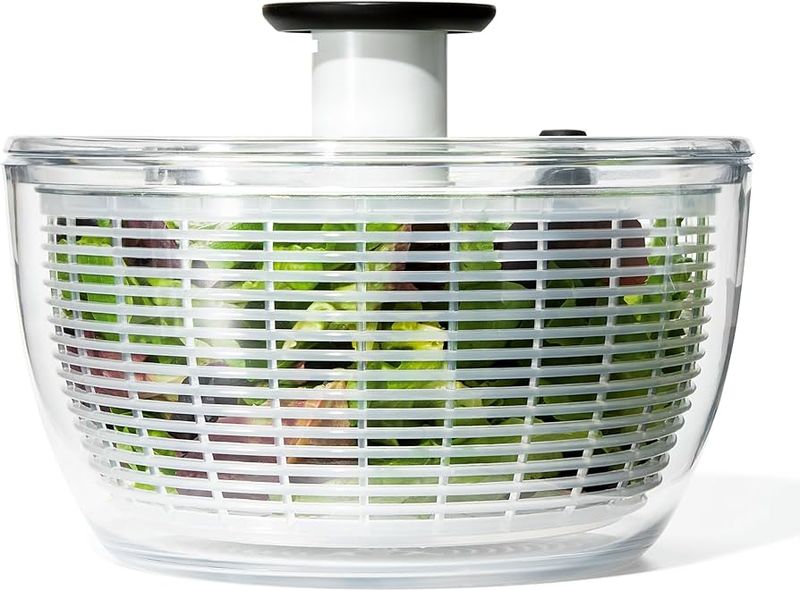
Washing lettuce used to mean rinsing each leaf individually and then patting everything dry with towels, a tedious process that made salad feel like way more effort than it was worth on a busy weeknight.
The salad spinner is one of those brilliantly simple inventions that genuinely earns its counter space. Toss the greens in, rinse, spin, and they come out clean and almost completely dry in about 30 seconds.
Dry greens also hold dressing far better, which means every salad actually tastes better too.
14. Pressing Garlic
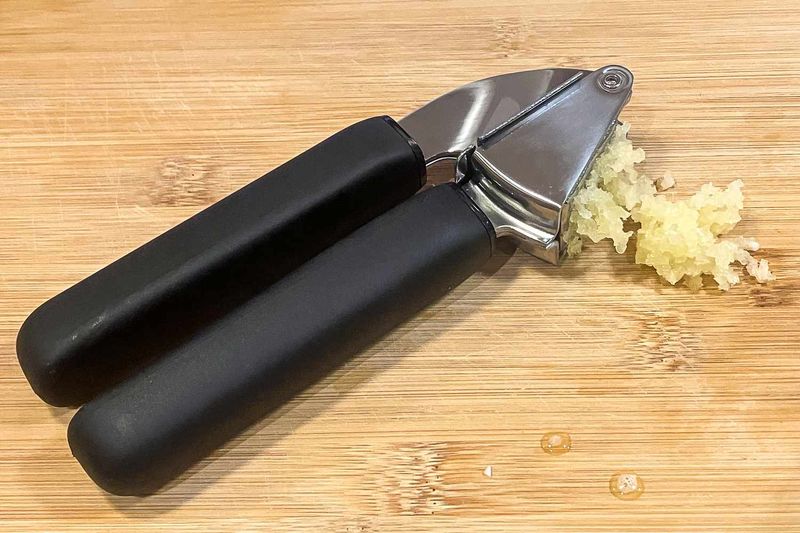
Mincing garlic by hand with a knife is a small but genuinely time-consuming task, especially when a recipe calls for four or five cloves. Peeling each one, then chopping it finely without losing pieces everywhere, added unnecessary minutes to every meal.
A good garlic press skips the peeling step entirely and minces a clove in one firm squeeze. It is one of the cheapest and most-used gadgets in any serious cook's drawer.
Some cooks swear that pressed garlic releases more flavor than hand-chopped, making it a double win.
15. Toasting and Reheating Food Quickly
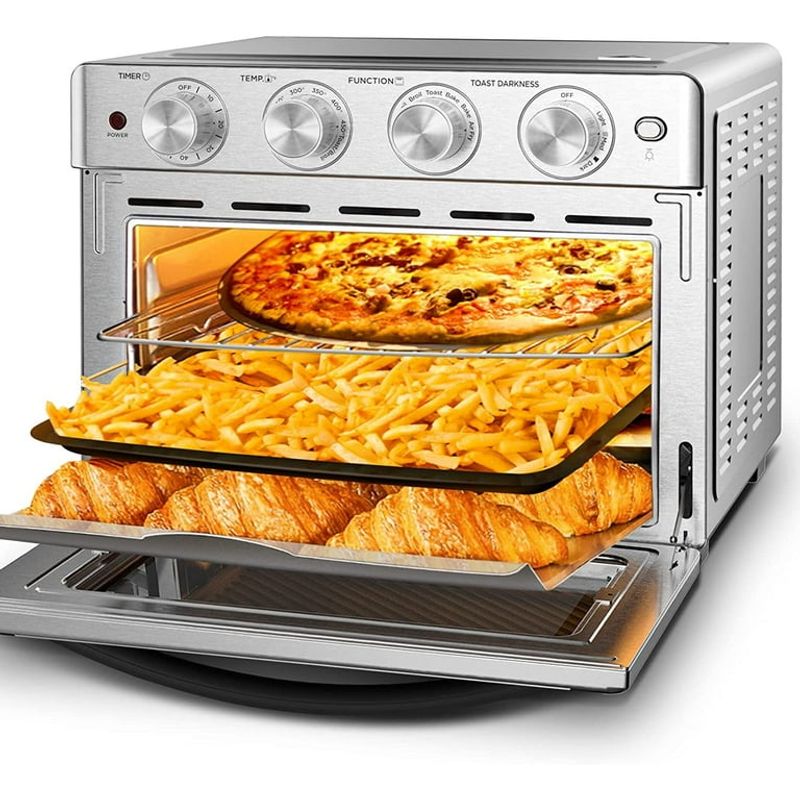
Reheating leftovers in a conventional oven meant waiting 15 to 20 minutes just for the oven to preheat, then another 10 to 15 minutes to actually warm the food. Using the stovetop was faster but required constant attention to avoid burning anything.
Toaster ovens and air fryer combos heat up in under three minutes and reheat most foods evenly and quickly. They use far less energy than a full-sized oven too.
For everything from morning toast to leftover pizza, these compact countertop gadgets have genuinely reshaped how people approach everyday cooking.




Comments
No Comments