













The kitchen is supposed to be the heart of the home, but it can also be the starting point of some seriously heated debates. From loading the dishwasher to deciding who left the milk out, these small moments have a way of turning into big deals.
Whether you live with family, roommates, or a partner, these arguments are practically a rite of passage. Sound familiar?
You are definitely not alone.
1. The Dishwasher Loading Debate
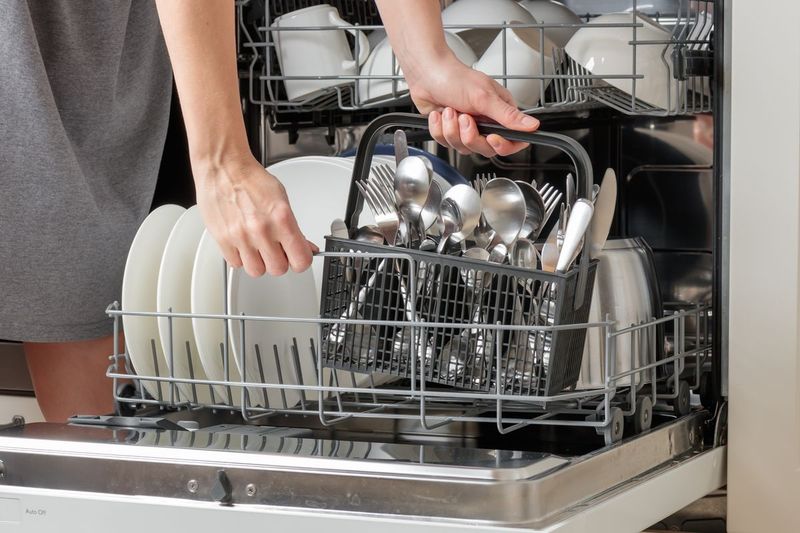
Ask anyone how to load a dishwasher and brace yourself for a passionate response. Some people swear that bowls go on the bottom rack, while others insist the top is the only logical place.
Then there is the fork-up versus fork-down debate that has ended more than one peaceful evening.
There is no universal right answer, but households argue about this constantly. Setting a simple house rule can save a surprising amount of daily stress.
2. Leaving Dishes in the Sink
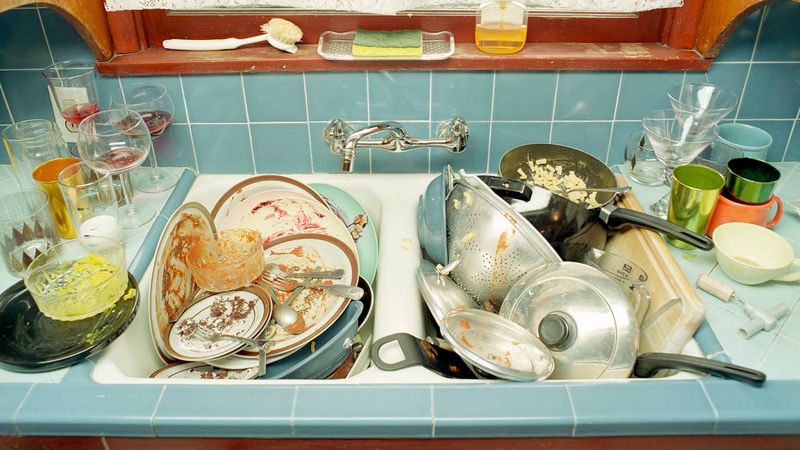
Few things trigger frustration faster than walking into the kitchen to find a tower of dirty dishes left by someone else. The classic excuse is always the same: 'I was going to get to it later.' But later never seems to arrive on anyone's schedule except the person who made the mess.
Agreeing on a simple timeline, like washing dishes within an hour of eating, can stop this argument before it even starts.
3. Who Finishes the Last of Something
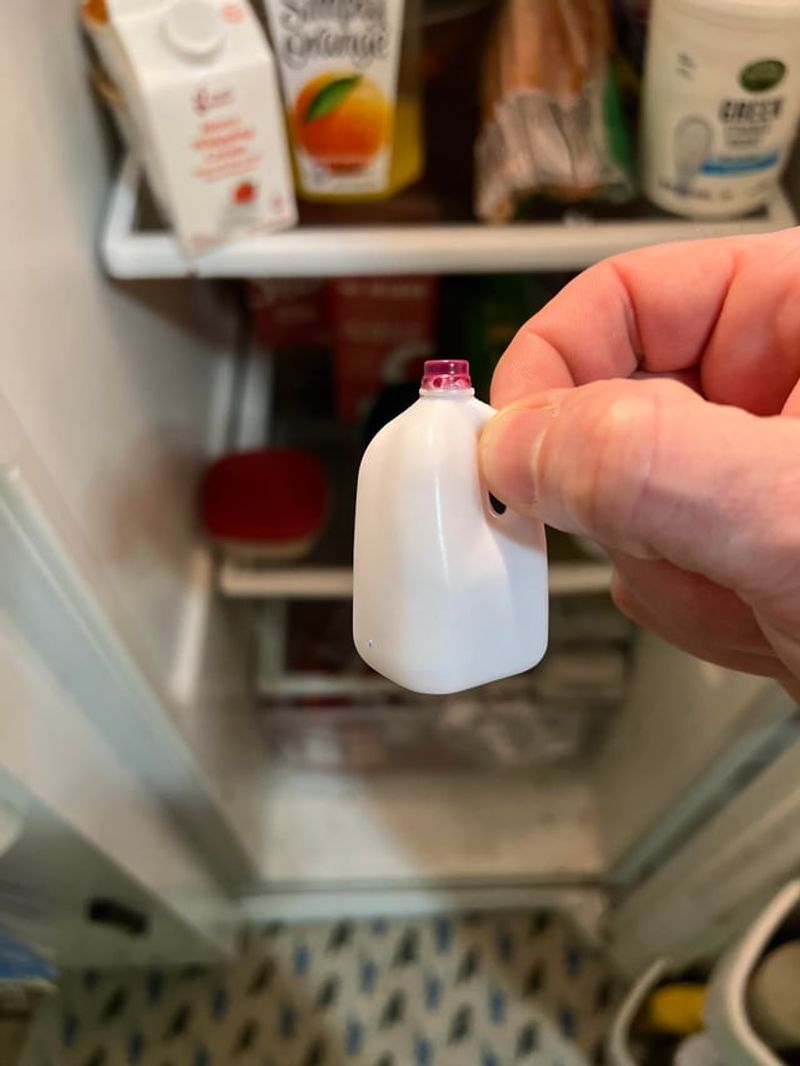
Putting an empty cereal box back in the pantry is practically a form of betrayal in most households. Finishing the last of something and not telling anyone, or worse, putting the empty container back, is a surprisingly common source of kitchen tension.
It feels like a small thing until you reach for the orange juice at 7 a.m. and find nothing there.
A quick habit of adding items to a shared shopping list the moment they run out works wonders.
4. The Thermostat of the Kitchen: Oven Temperature
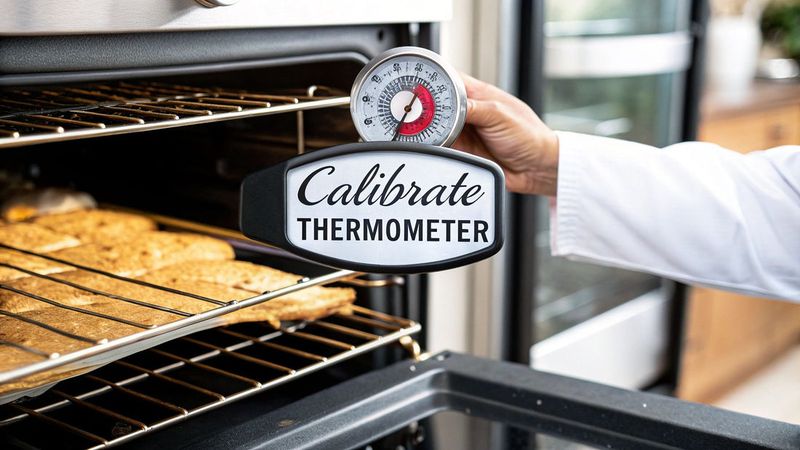
Cooking together sounds romantic until someone cranks the oven to 425 degrees when the recipe clearly says 375. Baking especially is a science, and even a small temperature difference can mean the difference between golden and burnt.
Yet somehow, everyone in the house has a strong opinion about the 'right' temperature for everything.
Trusting the recipe and the person doing the cooking can go a long way toward keeping the peace, and the food edible.
5. Fridge Organization Wars
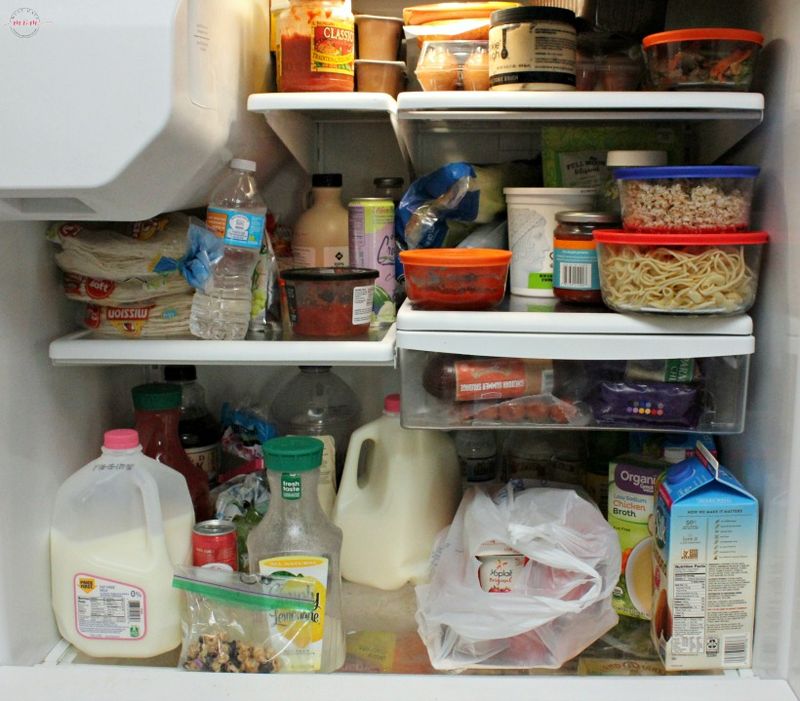
Every household has at least one person who believes the refrigerator should be organized like a grocery store display. Then there is the other person who sees the fridge as a free-for-all storage zone where anything goes anywhere.
Leftovers get shoved behind condiments, and mystery containers multiply in the back corner.
Labeling leftovers with the date and keeping a loose system for zones can reduce the chaos and the arguments that come with it.
6. The 'Who Cooks Tonight' Standoff

It starts with a simple question: 'What do you want for dinner?' Then both people stare at each other for ten minutes until someone gives in or orders takeout. Deciding who cooks and when is one of the most repeated arguments in any shared household, and it rarely gets fully resolved.
Making a weekly cooking schedule, even a loose one, removes the guesswork and the standoff. Rotating duties fairly keeps resentment from quietly building up over time.
7. Cutting Board Cross-Contamination Panic
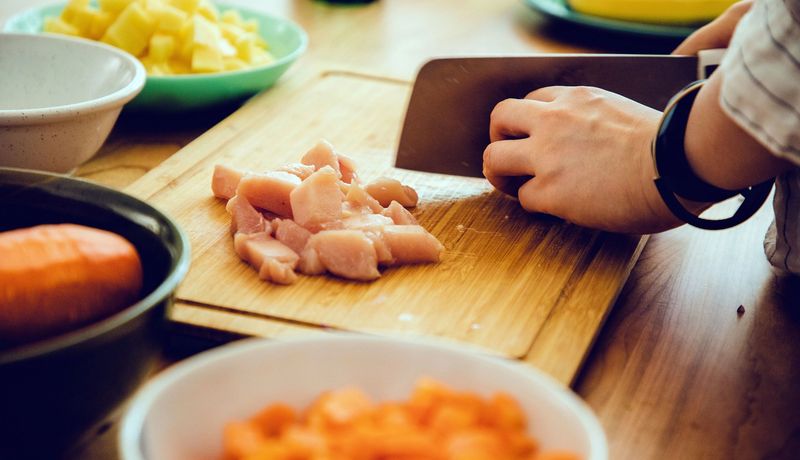
One person chops raw chicken, then reaches for the cucumber without switching boards, and suddenly the kitchen feels like a food safety emergency. Cross-contamination is a real concern, but it can also become a source of genuine household conflict when one person is careful and the other is casual about it.
Color-coded cutting boards are a cheap and effective fix. Red for meat, green for produce, and suddenly everyone breathes a little easier during meal prep.
8. Seasoning Without Tasting First
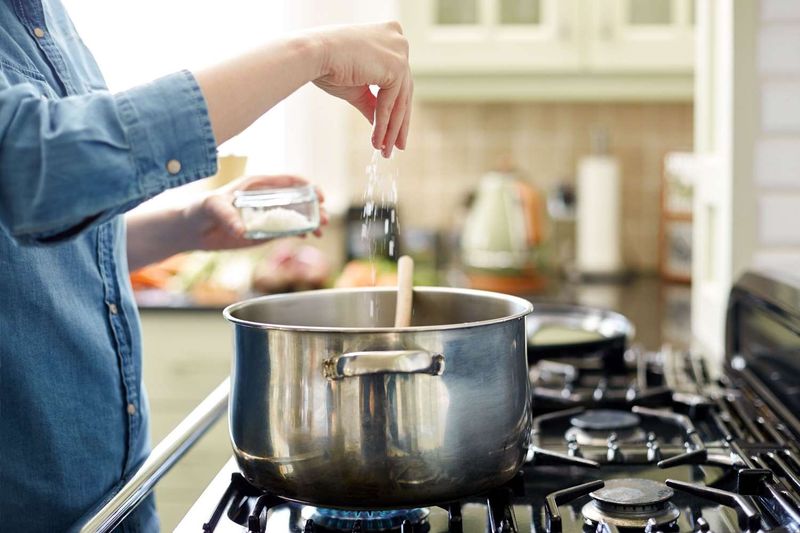
Adding salt before tasting is a kitchen crime in many households, especially when the cook confidently dumps in a heavy pour and the dish ends up inedible. The cook insists it will be fine, and the other person bites their tongue, literally and figuratively.
This argument tends to repeat itself every few weeks.
A gentle reminder to taste before seasoning is not a personal attack, even if it sometimes feels that way in the heat of cooking.
9. Grocery Shopping List Disagreements
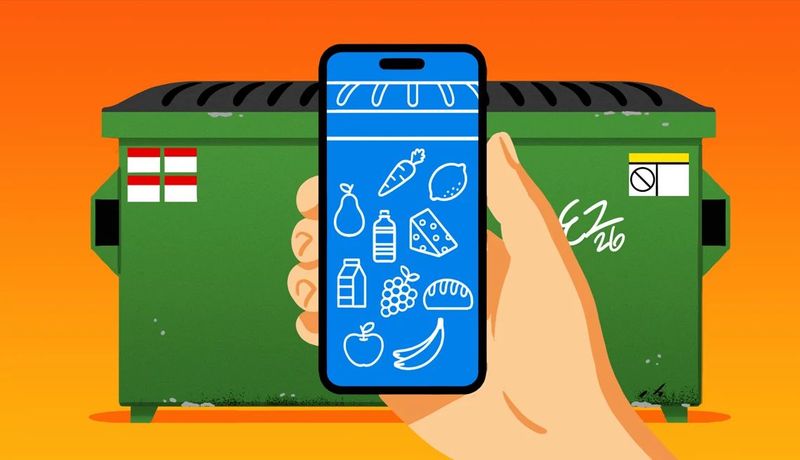
Paper list or phone app? Generic brand or name brand?
Some households go to war over the grocery list before they even leave the house. One person adds seventeen items at the last minute, and the other has already left for the store.
Then something always gets forgotten, and the blame game begins.
Keeping a shared digital list that both people can update in real time is a modern solution that cuts down on a lot of pre-shopping tension.
10. The Expired Food Showdown

Few kitchen moments are as dramatic as discovering something expired and then having someone say, 'That is still good, smell it.' One person wants to toss anything past its date, while the other treats expiration dates as loose suggestions. The debate over what is actually safe to eat versus what is a waste of money gets heated fast.
Understanding the difference between 'use by' and 'best by' dates can help both sides find common ground without throwing out perfectly good food.
11. Countertop Clutter Battles
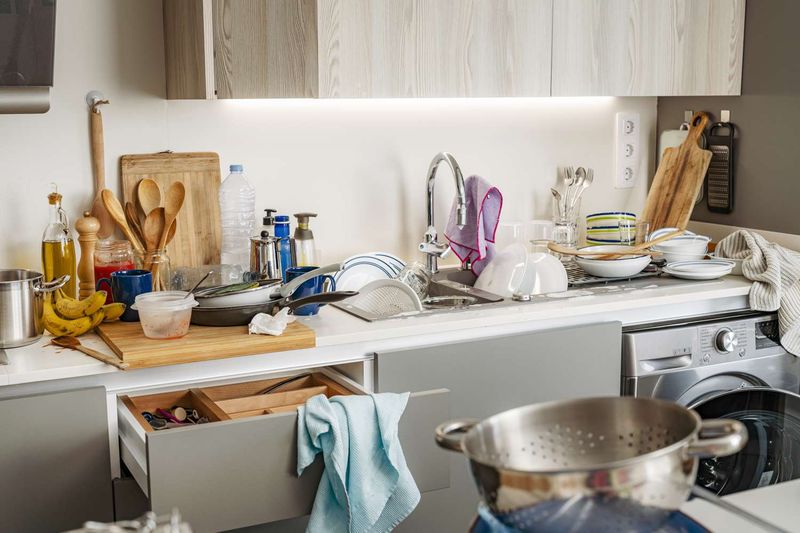
The kitchen counter is prime real estate, and everyone in the house seems to want a piece of it. One person leaves their keys, mail, and charger there.
Another piles up appliances that only get used once a month. Before long, there is barely room to chop an onion.
Agreeing on what actually belongs on the counter, and putting everything else away, is a small change that makes the entire kitchen feel bigger and calmer to work in.
12. The Microwave Splatter Standoff

Heating up spaghetti without a cover and then leaving the microwave looking like a crime scene is a bold move in any shared household. The person who discovers the mess is never the one who made it, and that feels deeply unfair every single time.
Microwave cleanliness is one of those things that nobody wants to be responsible for.
Covering food with a microwave-safe lid or damp paper towel takes about two seconds and prevents the explosion entirely. Problem solved, argument avoided.
13. Pots and Pans Storage Chaos
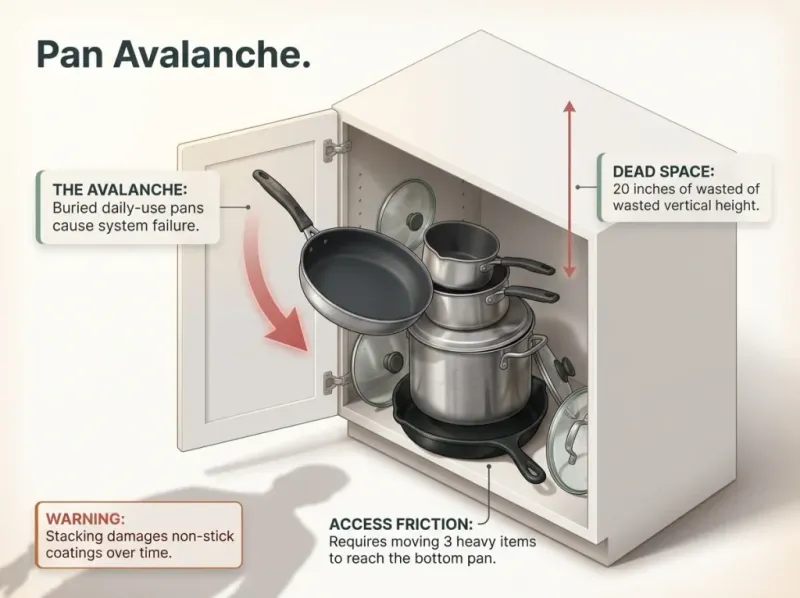
Opening the pots and pans cabinet and having a lid crash to the floor is basically a household rite of passage. Everyone stores them differently, and nobody agrees on the right system.
Some people nest everything together neatly, while others just shove things in and close the door fast before anything falls.
A simple pan organizer or a dedicated lid rack can transform that chaotic cabinet into something actually functional. Your future self will be grateful every single time you cook.
14. Leaving the Stove Burner On

Walking out of the kitchen and leaving a burner on is one of those mistakes that sends a chill down everyone's spine, and then immediately sparks a lecture. It is a genuine safety concern, but it also becomes a go-to argument that gets recycled every time someone forgets.
The forgetful person feels embarrassed; the other feels justified in their worry.
Getting into the habit of doing a quick stove check before leaving the kitchen is a smart safety routine that also keeps the peace at home.
15. The 'That Is Not How You Make It' Critique

Someone is cooking a family recipe and suddenly gets a live commentary from someone who 'knows the real way to make it.' Maybe it is a parent, a partner, or a roommate who took one cooking class. Either way, unsolicited kitchen advice during meal prep is one of the fastest ways to start an argument from scratch.
Cooking is personal, and everyone has their own style. Offering help is kind, but waiting to be asked before critiquing keeps the kitchen a much friendlier place to be.




Comments
No Comments