













Most people think of red meat or spinach when they hear "iron-rich foods," but there's a whole world of options out there that rarely get any attention. Iron is a vital mineral your body needs to carry oxygen through your blood and keep your energy levels up.
If you've been feeling tired or run-down, your iron intake might be to blame. Get ready to discover some surprisingly powerful foods that could change the way you eat.
1. Amaranth
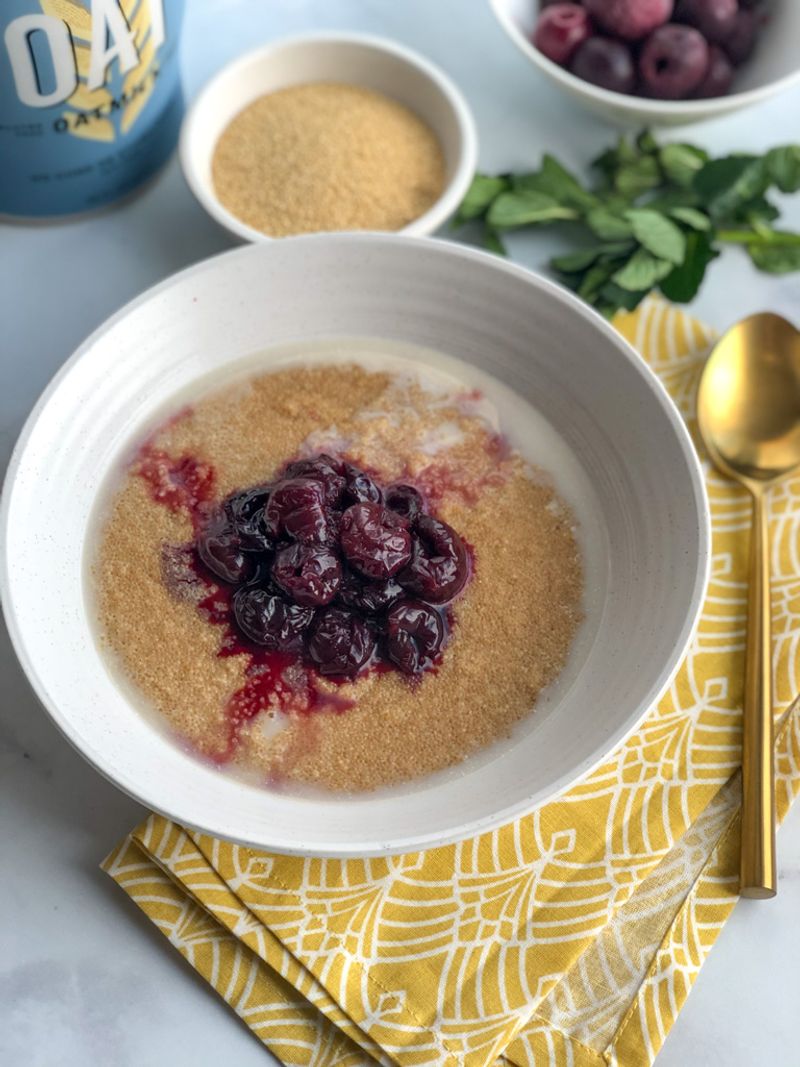
Long before quinoa became a superstar grain, amaranth was feeding ancient Aztec civilizations for thousands of years. This tiny seed packs around 5 mg of iron per cooked cup, making it one of the most iron-dense grains around.
You can cook it like oatmeal, pop it like popcorn, or mix it into soups. Its slightly nutty, earthy flavor works well in both sweet and savory dishes.
Give it a try and you might just find a new breakfast favorite.
2. Spirulina
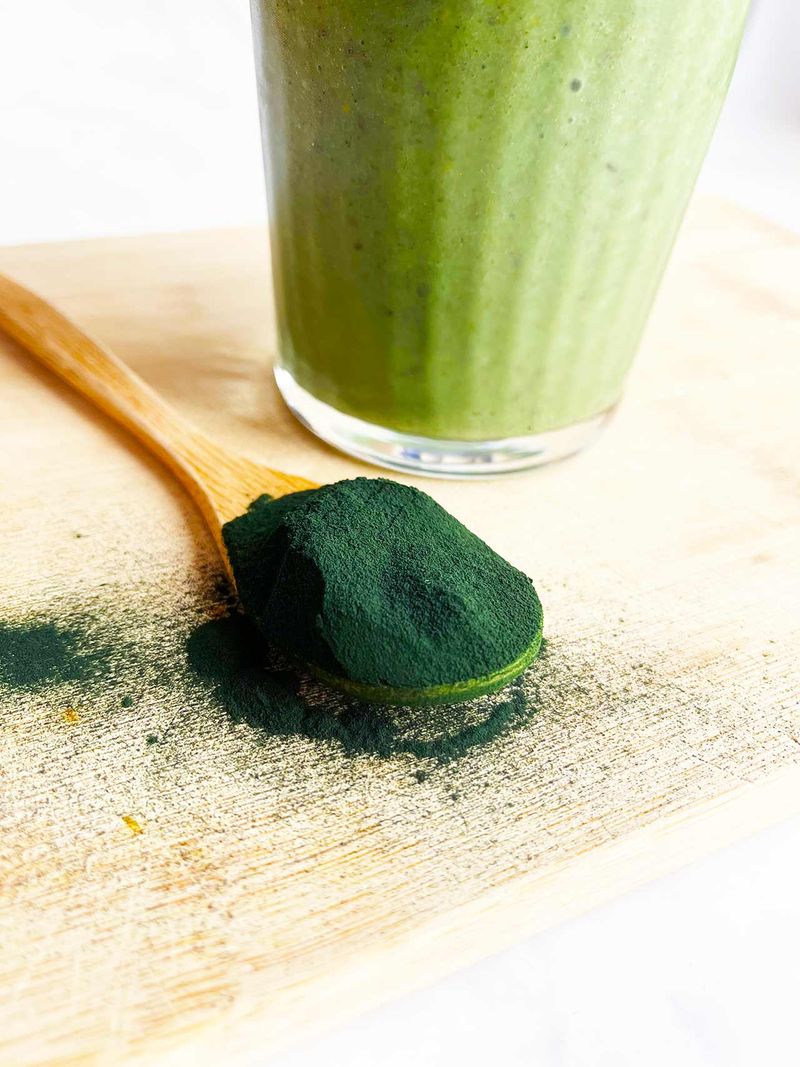
Spirulina is a blue-green algae that looks a little strange but delivers seriously impressive nutrition. Just one tablespoon contains about 2 mg of iron, along with protein, B vitamins, and antioxidants.
Many people add it to smoothies, yogurt, or energy balls because it blends easily and doesn't overpower other flavors when used in small amounts. It has a mild, slightly ocean-like taste that most people get used to quickly.
Think of it as nature's multivitamin in powder form.
3. Dried Apricots
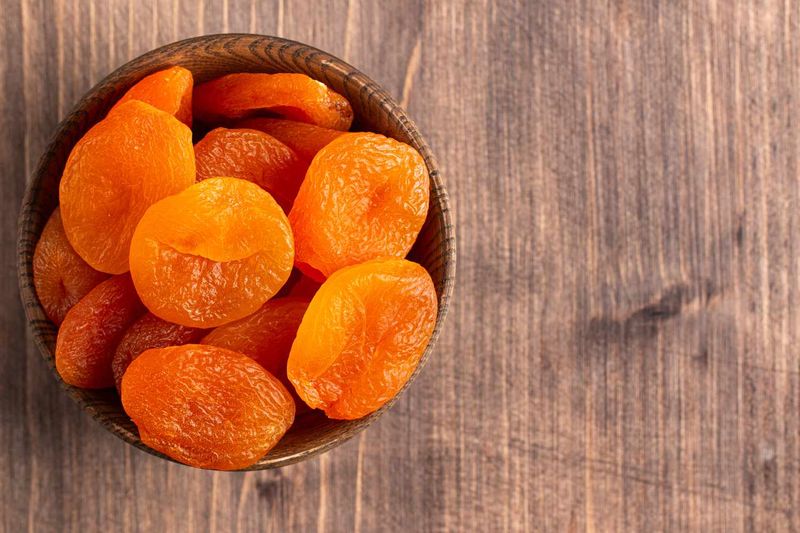
Dried apricots are one of those snacks that secretly moonlight as a nutritional powerhouse. A half-cup serving delivers around 2 mg of iron, plus a good dose of vitamin A and potassium.
They're chewy, naturally sweet, and easy to toss into trail mix, oatmeal, or even savory tagines. The drying process actually concentrates the nutrients, making them more iron-dense than fresh apricots.
Keep a bag in your backpack for an easy, energizing snack on the go.
4. Hemp Seeds
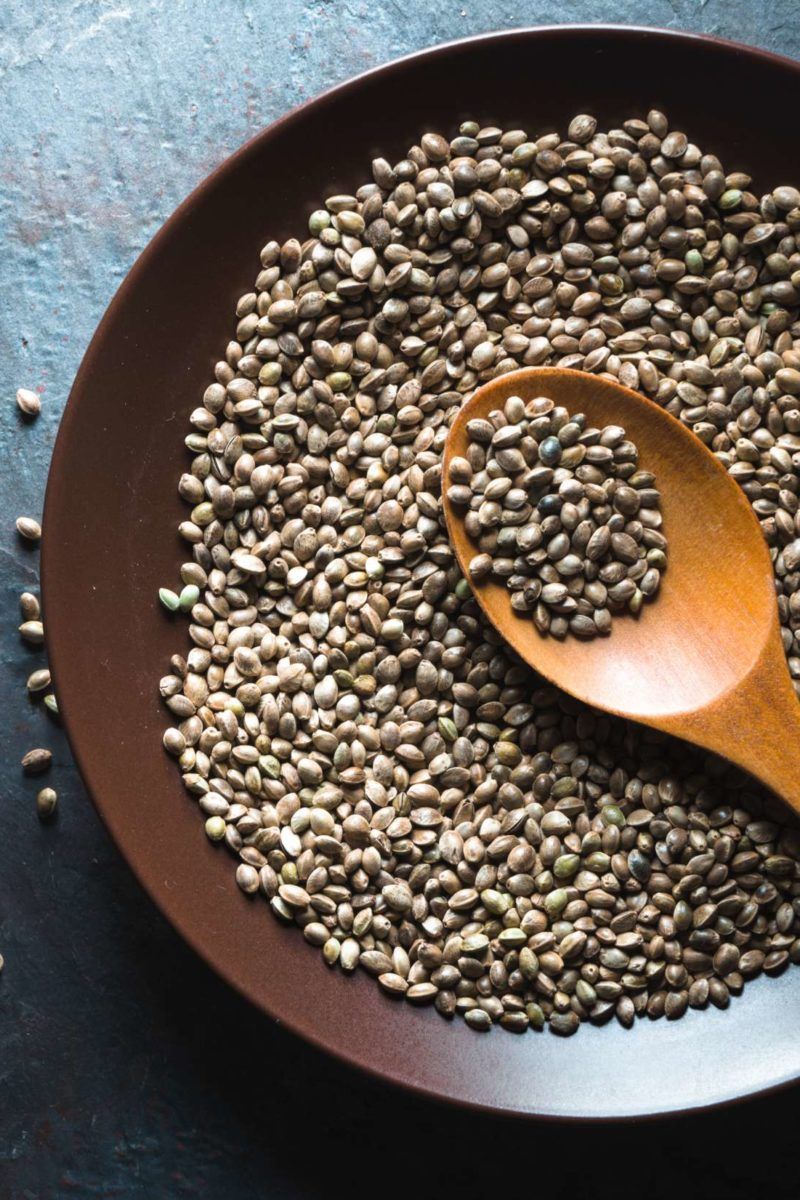
Sprinkle these tiny seeds on almost anything and you've just upgraded your meal's iron content without changing the taste much at all. Three tablespoons of hemp seeds provide around 2.4 mg of iron along with healthy omega-3 fats and complete protein.
They have a mild, slightly nutty flavor that pairs well with salads, yogurt, and even toast with avocado. Unlike some seeds, hemp seeds don't need grinding to be absorbed by your body.
Easy, versatile, and genuinely good for you.
5. Blackstrap Molasses
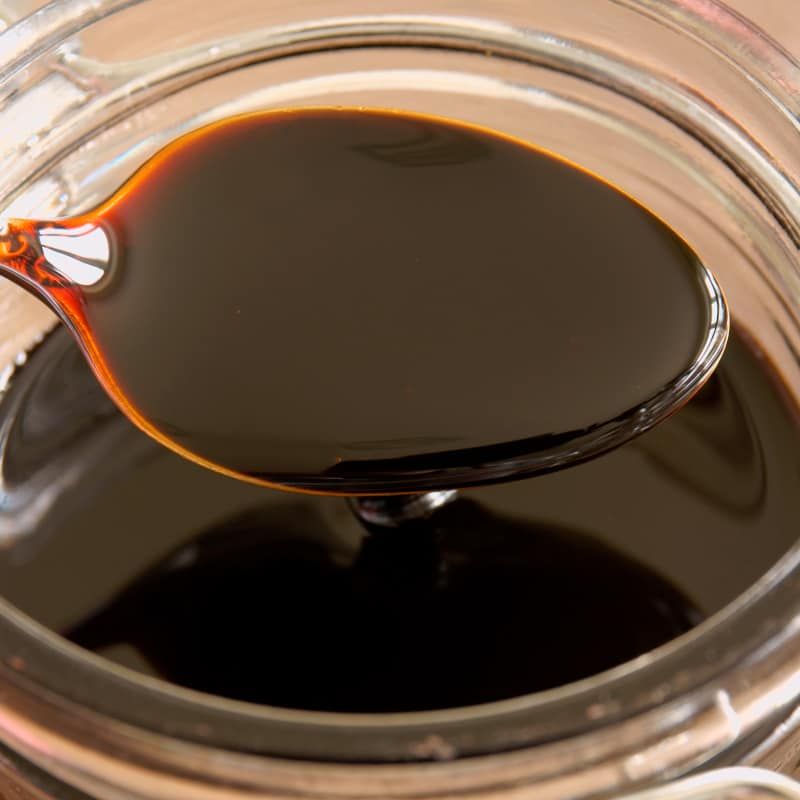
Here's a food that most people only know as a baking ingredient but probably never thought of as a health food. Blackstrap molasses is actually the most nutrient-dense byproduct of sugar refining, loaded with about 3.5 mg of iron per tablespoon.
It's thick, dark, and has a bold, bittersweet flavor that works well stirred into warm milk, drizzled over oatmeal, or used in marinades. A single tablespoon a day can make a real difference in your iron levels over time.
6. Pumpkin Seeds
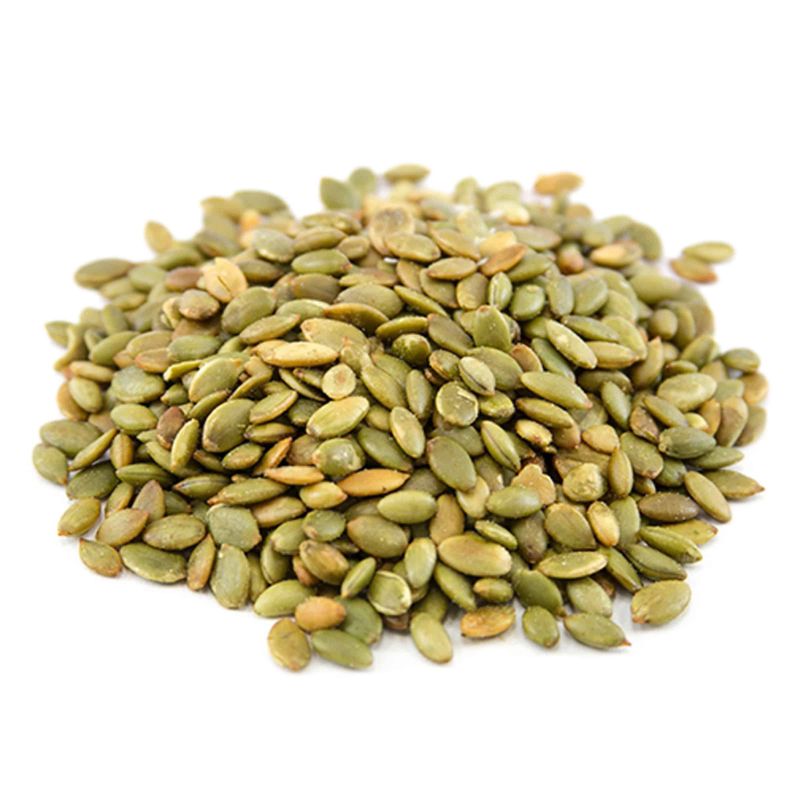
Roasted pumpkin seeds, also called pepitas, are crunchy little snacks that happen to be loaded with iron. One ounce delivers about 2.5 mg, which is a solid contribution toward your daily goal.
They're also rich in magnesium, zinc, and healthy fats, making them one of the most well-rounded seeds you can eat. Toss them on salads, blend them into pesto, or eat them straight from the bag.
The satisfying crunch alone makes them worth adding to your regular snack rotation.
7. Teff
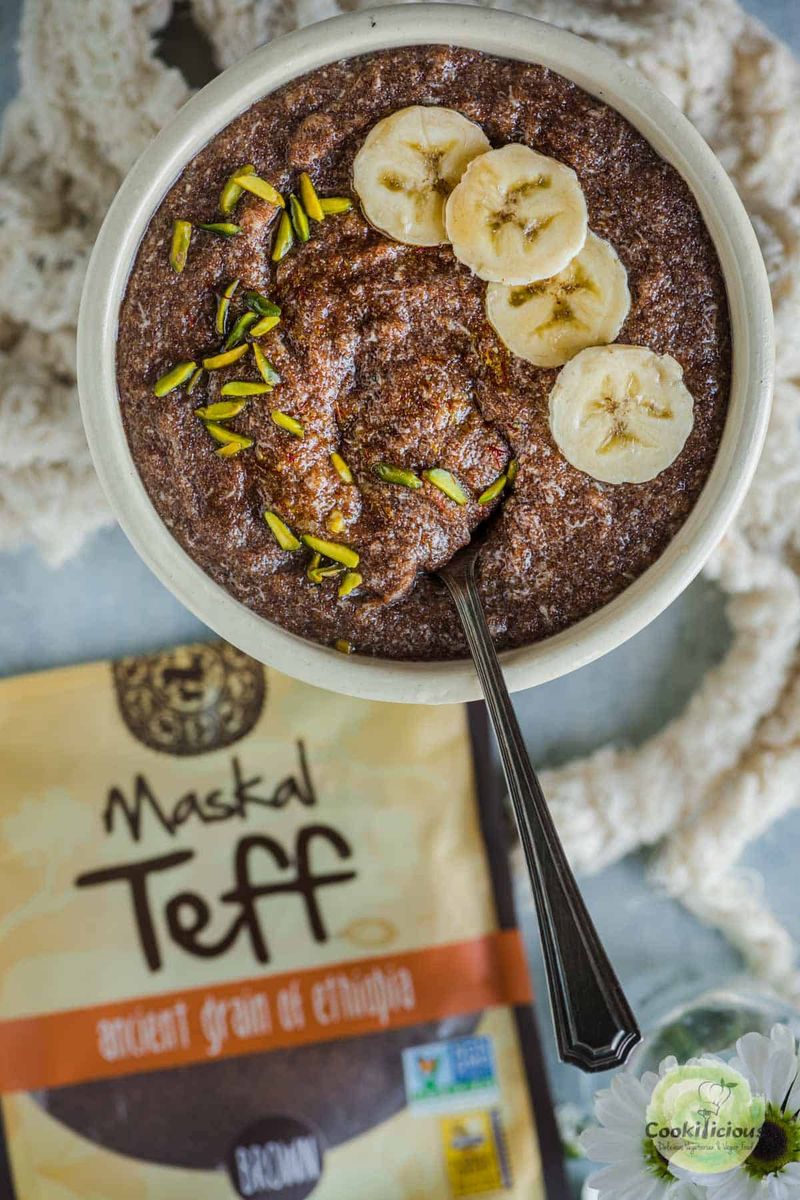
Teff is the world's smallest grain, but don't let its size fool you — this ancient Ethiopian staple is bursting with iron. One cooked cup contains around 3.7 mg, making it one of the most iron-rich grains available.
It has a mild, slightly sweet and malty flavor that works beautifully as a breakfast porridge or as a base for savory grain bowls. In Ethiopia, teff is used to make injera, a spongy flatbread that's been a dietary staple for centuries.
Worth exploring!
8. Sun-Dried Tomatoes
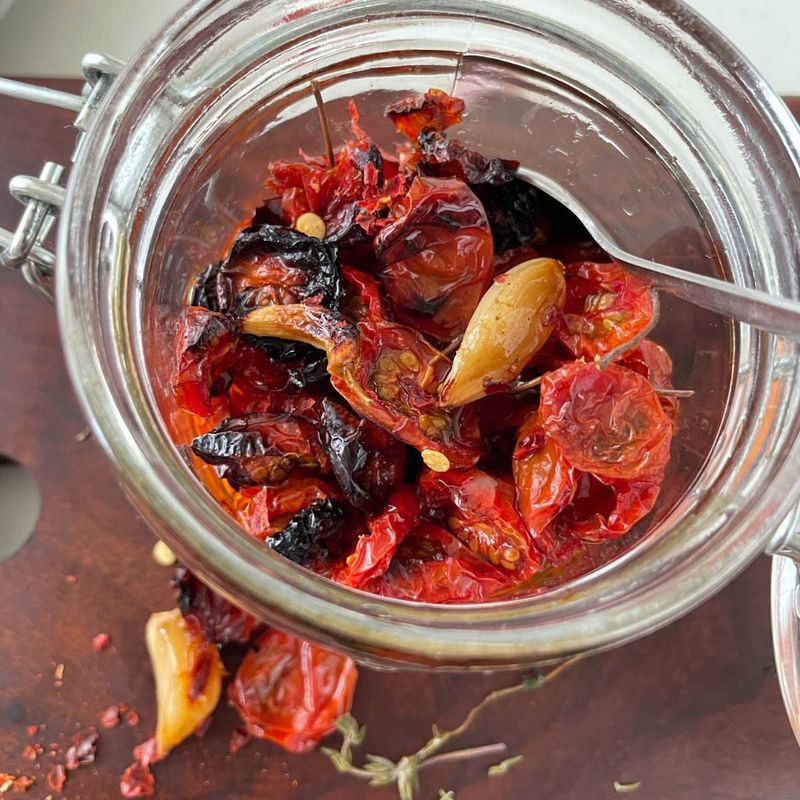
Sun-dried tomatoes transform a humble vegetable into an iron-packed flavor bomb. A half-cup serving contains about 2.5 mg of iron, and their concentrated taste means a little goes a long way in any recipe.
Toss them into pasta, layer them on sandwiches, blend them into sauces, or mix them into scrambled eggs for a Mediterranean-inspired breakfast. They store well in olive oil and last a long time in your fridge.
Practical, flavorful, and surprisingly nutrient-dense.
9. Natto
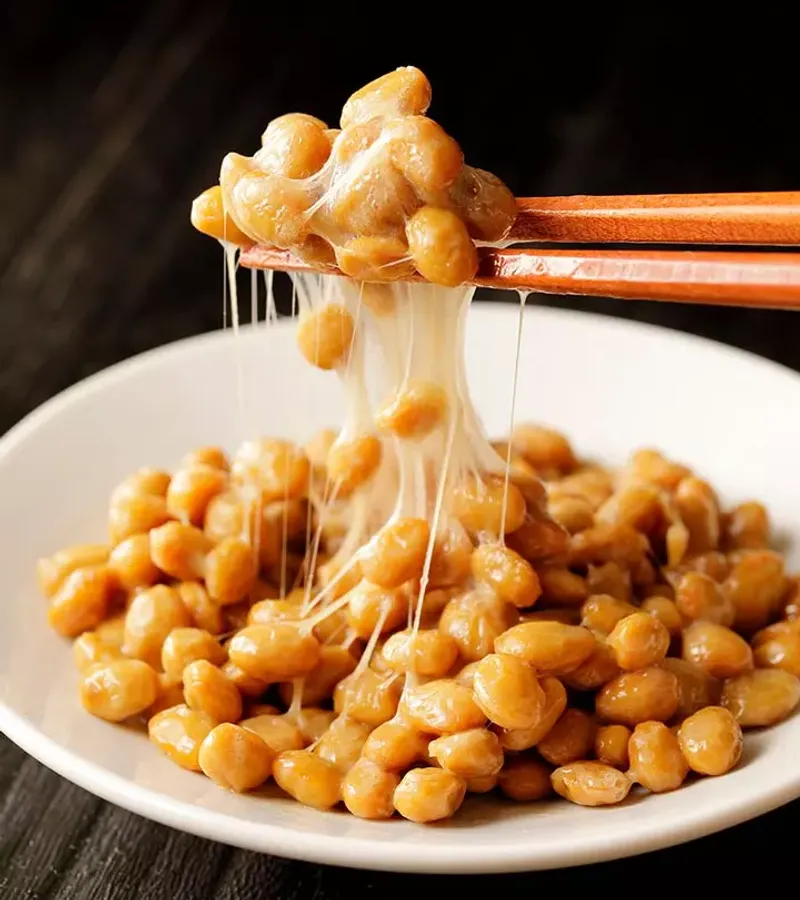
Natto is a Japanese fermented soybean dish that divides people sharply — you either love it or you're not sure what to make of it. But here's the thing: one cup of natto provides around 15 mg of iron, which is extraordinary for a single food.
It also delivers a massive dose of vitamin K2, probiotics, and protein. The sticky texture and pungent smell are an acquired taste, but mixing it with soy sauce and mustard over rice is a classic way to enjoy it.
Worth one brave try.
10. Moringa Powder
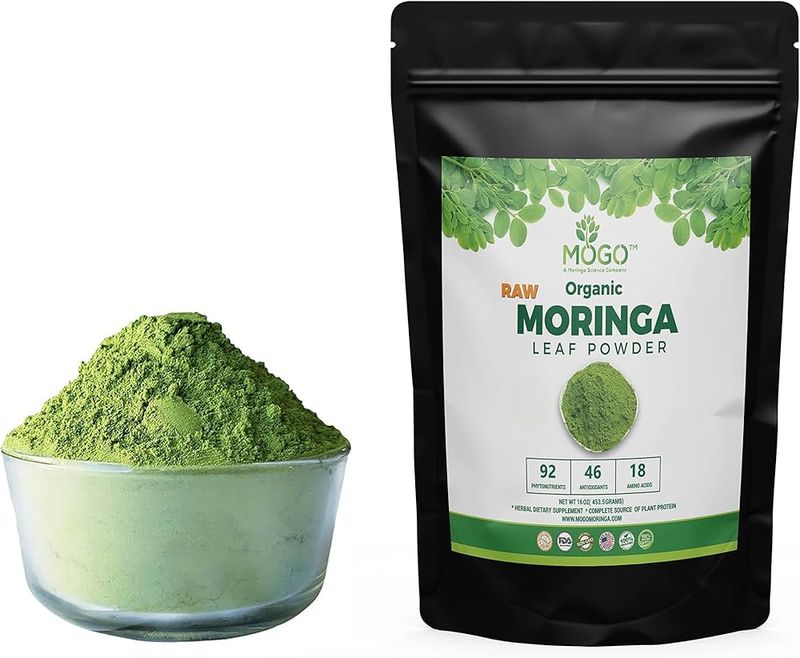
Called the "miracle tree" in many parts of the world, moringa has been used in traditional medicine across Asia and Africa for centuries. Two teaspoons of moringa powder contain about 2 mg of iron, plus impressive amounts of calcium, vitamin C, and protein.
Vitamin C actually helps your body absorb plant-based iron more efficiently, making moringa a double win. Stir it into smoothies, soups, or even salad dressings for a nutrient boost.
The flavor is earthy and slightly grassy, but mild enough to blend easily.
11. Canned Clams
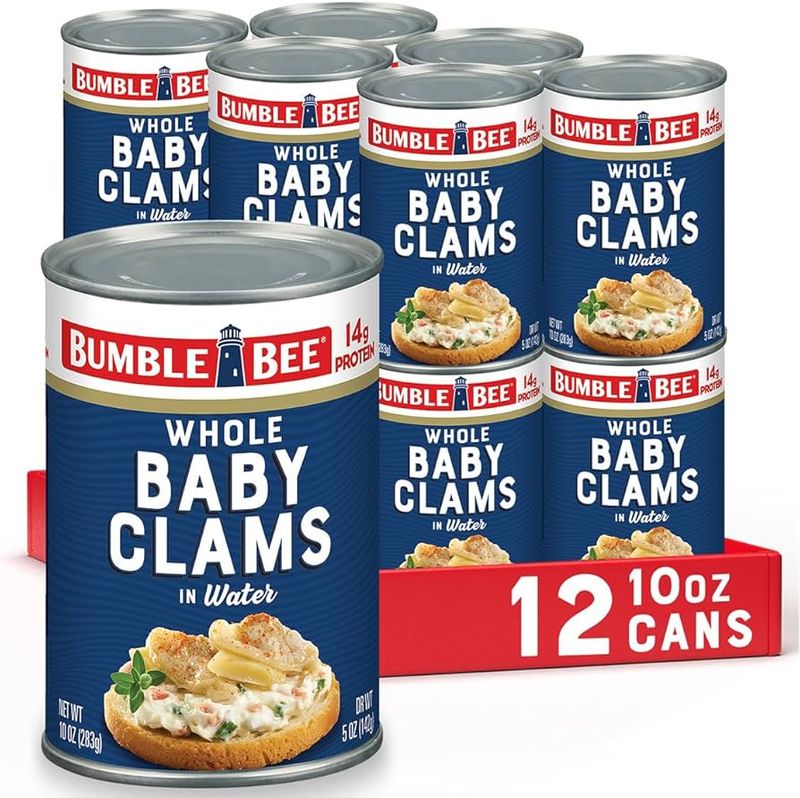
Canned clams are probably the most underrated protein in the grocery store, and their iron content is genuinely staggering. A three-ounce serving of canned clams delivers around 23 mg of iron — that's more than double the recommended daily amount for most adults.
They're affordable, easy to use, and work wonderfully in pasta, chowder, or rice dishes. Since clams contain heme iron (the type found in animal products), your body absorbs it much more efficiently than plant-based iron sources.
A pantry staple worth stocking up on.
12. Mulberries
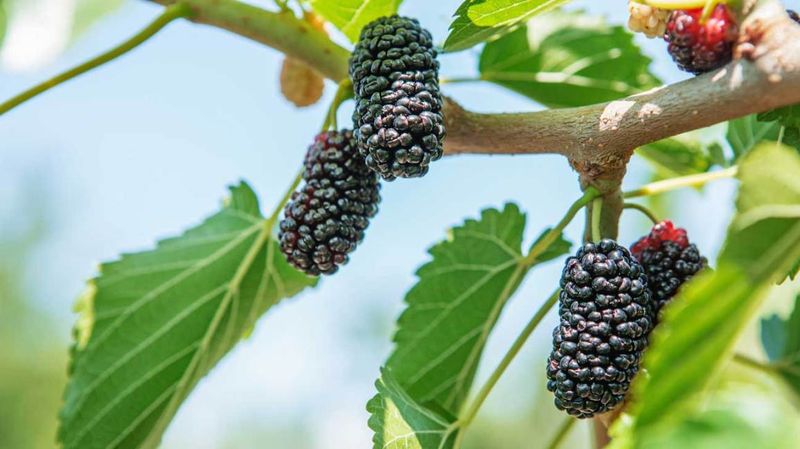
Mulberries look like elongated blackberries and have a sweet, slightly tart flavor that makes them incredibly enjoyable to eat fresh or dried. One cup of raw mulberries contains about 2.6 mg of iron, which is unusually high for a fruit.
They're also rich in vitamin C, which helps boost the absorption of that plant-based iron. Dried mulberries make a great snack on their own, and fresh ones are wonderful over yogurt or blended into smoothies.
They deserve far more attention than they currently get.
13. Tahini
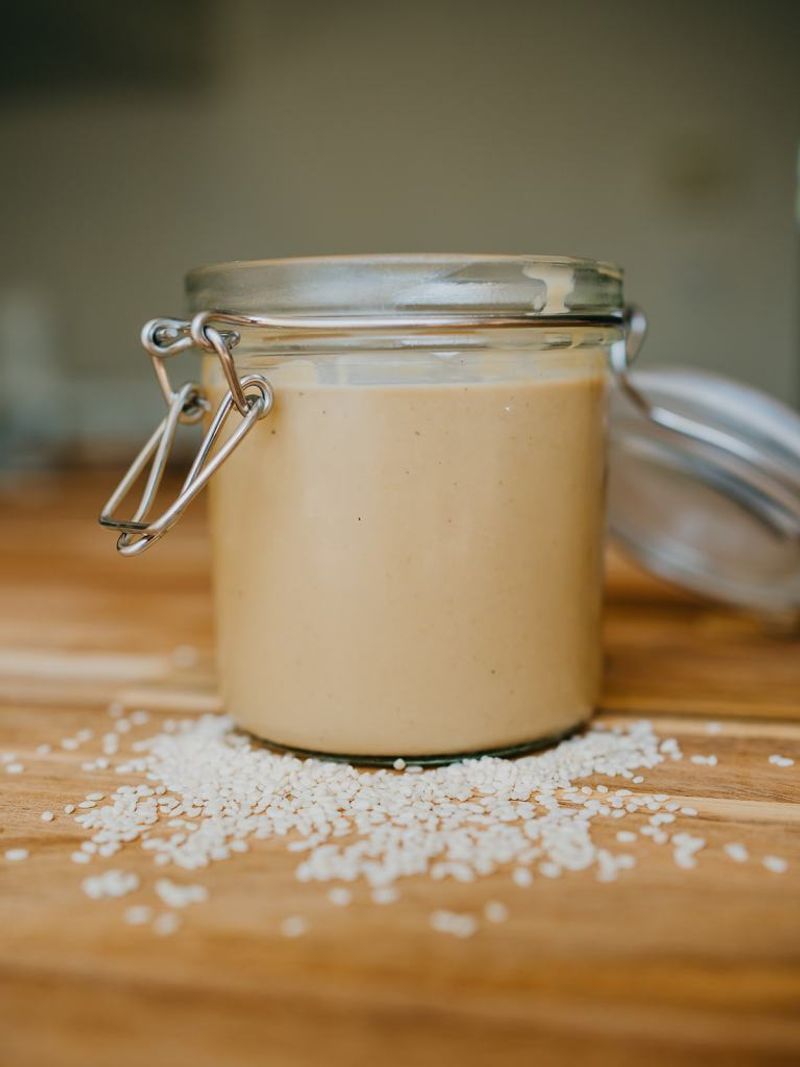
Made from ground sesame seeds, tahini is a creamy paste that Middle Eastern cuisines have relied on for thousands of years. Two tablespoons provide around 2.6 mg of iron along with healthy fats, calcium, and antioxidants.
Most people know it from hummus, but tahini is incredibly versatile — drizzle it over roasted vegetables, swirl it into salad dressings, or spread it on toast with honey for a surprisingly satisfying snack. A jar in your fridge opens up a lot of delicious, iron-boosting possibilities.
14. Dried Thyme
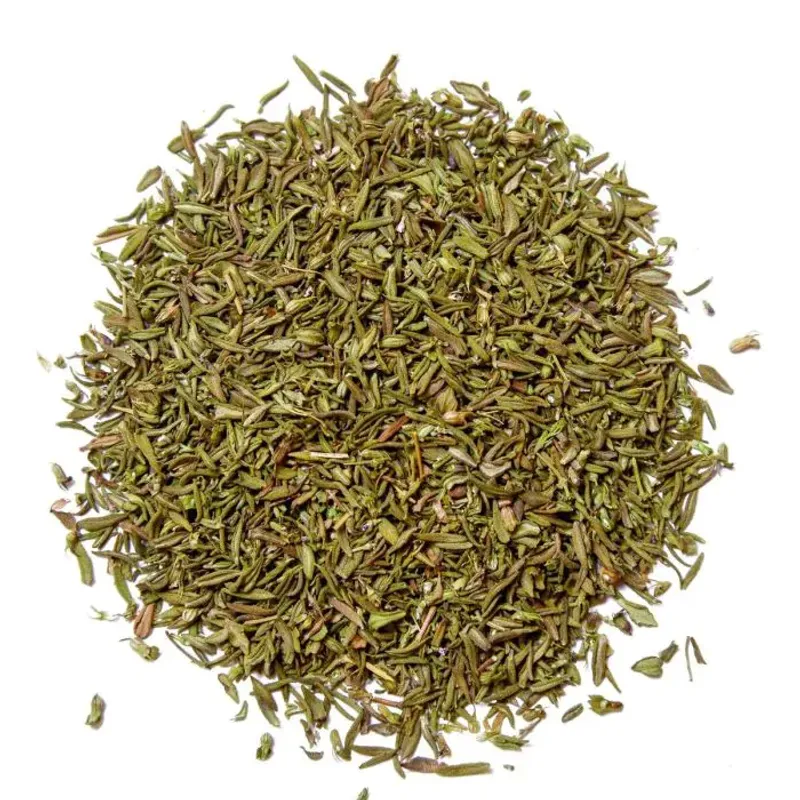
Most people grab thyme from the spice rack without realizing it's one of the most iron-dense foods by weight on the planet. One teaspoon of dried thyme contains about 1.2 mg of iron — remarkable for something you'd use as a seasoning.
Of course, you won't eat it by the cup, but adding it generously to soups, roasted meats, and vegetables is a painless way to sneak extra iron into your daily meals. Other dried herbs like oregano and cumin are also surprisingly iron-rich.
Season boldly!
15. Tempeh
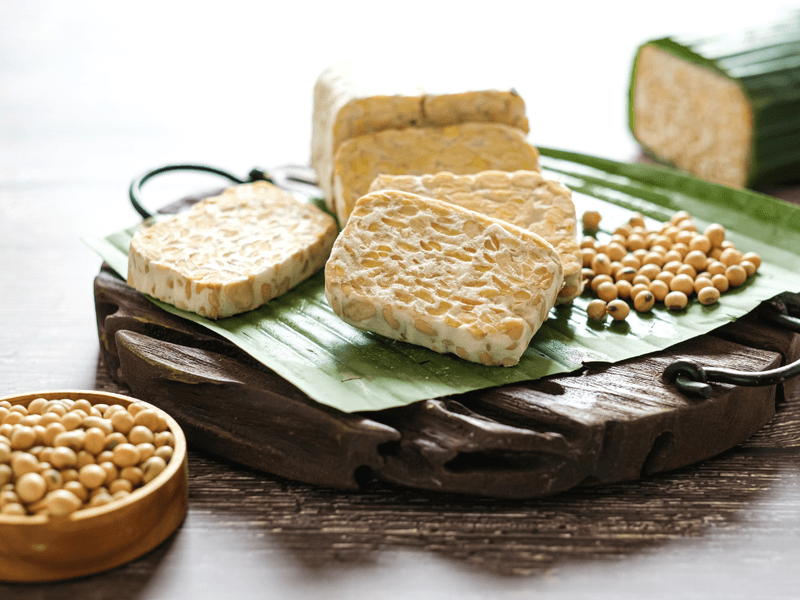
Tempeh is fermented soybean cake that originated in Indonesia and has been quietly nourishing people there for hundreds of years. A single cup provides about 4.5 mg of iron, plus a hefty amount of protein that rivals many meat-based options.
Unlike tofu, tempeh has a firm, chewy texture and a nutty, savory flavor that holds up beautifully when grilled, pan-fried, or crumbled into tacos. Fermentation also makes its nutrients easier for your body to absorb.
If you haven't cooked with tempeh yet, now is a great time to start.




Comments
No Comments