













Have you ever watched something in a pan go from one colour to a completely different one and wondered why? Cooking is basically science you can eat, and some ingredients put on a pretty amazing show while they heat up.
From bright greens that turn dull to pale shrimp that blush pink, the colour changes happening in your kitchen are real chemistry at work. Get ready to look at your favourite foods in a whole new way.
1. Shrimp
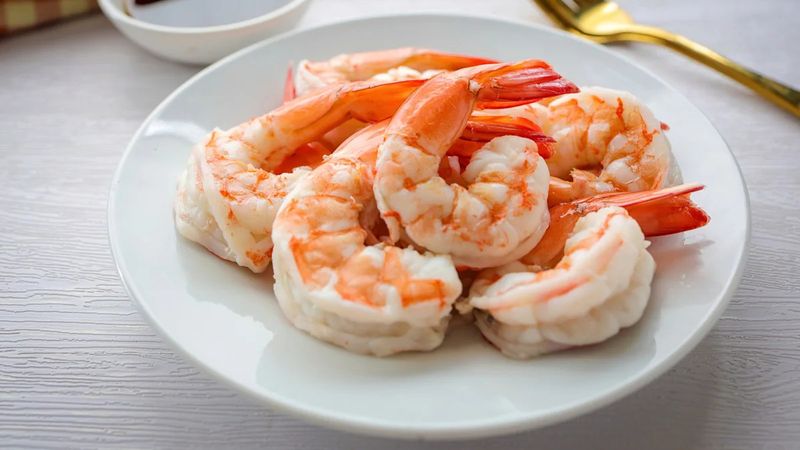
Pale and almost translucent when raw, shrimp pull off one of the most dramatic colour changes in the kitchen. The pink-orange colour comes from a pigment called astaxanthin, which is hidden inside proteins when the shrimp is raw.
Heat breaks those proteins apart, setting the pigment free.
A perfectly cooked shrimp curls into a C shape and turns fully pink. If it curls into an O, it is overcooked.
Watch the colour, and you will nail the timing every time.
2. Red Cabbage
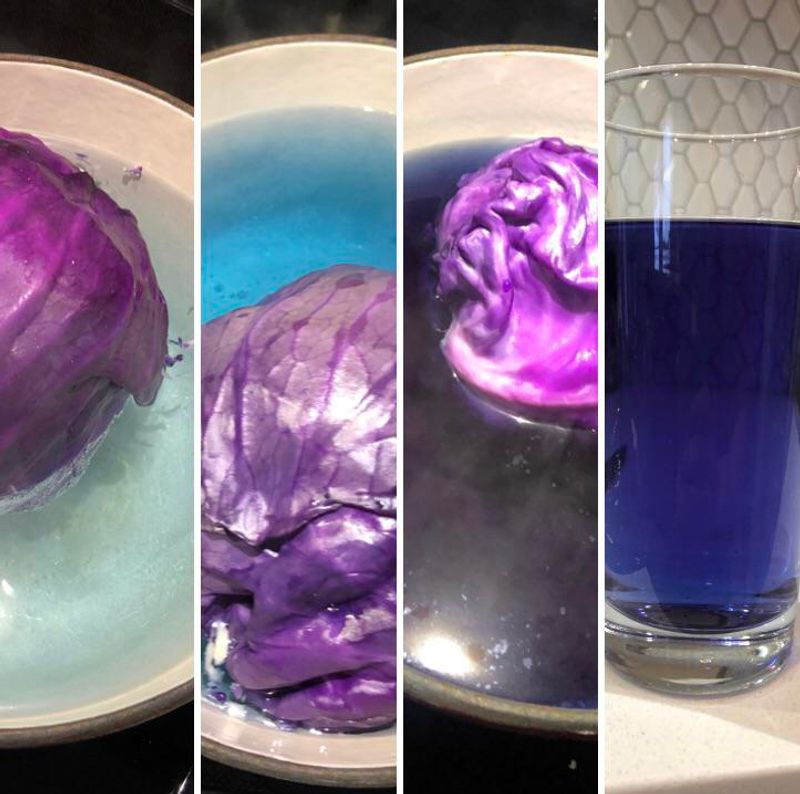
Red cabbage is basically a natural pH indicator sitting in your vegetable drawer. When you cook it, the anthocyanin pigments react to acids and bases in the water, shifting the colour from deep purple to blue or even greenish grey.
Adding a splash of vinegar or lemon juice keeps it looking vibrant and red-purple. Skip the acid and you might end up with a sad, blue-grey side dish.
A little kitchen chemistry goes a long way here.
3. Green Vegetables (Broccoli, Peas, Green Beans)
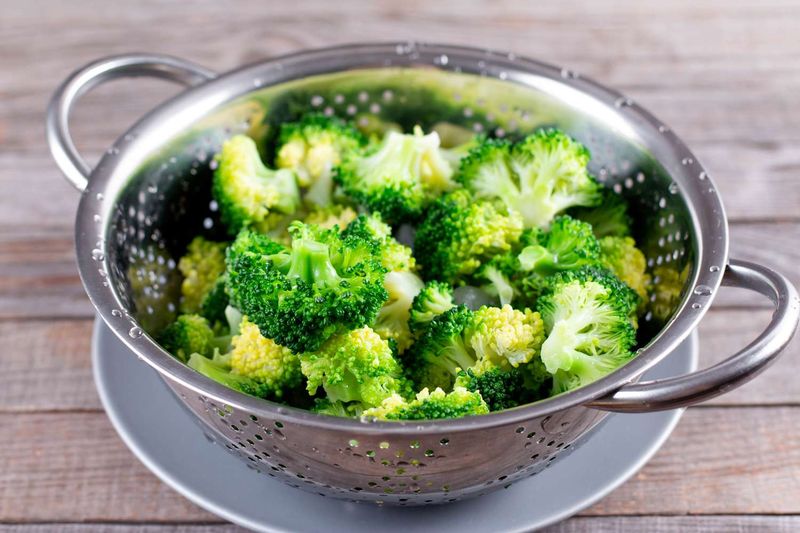
Toss broccoli into boiling water and something almost magical happens: it gets brighter and more intensely green for a short window before turning dull and army-coloured. The initial burst of colour happens when air between plant cells escapes, making the chlorophyll pigment more visible.
Overcooking destroys that chlorophyll and turns everything a sad olive tone. Blanching quickly and then dropping veggies into ice water locks in that gorgeous bright green.
Timing really is everything with green vegetables.
4. Onions
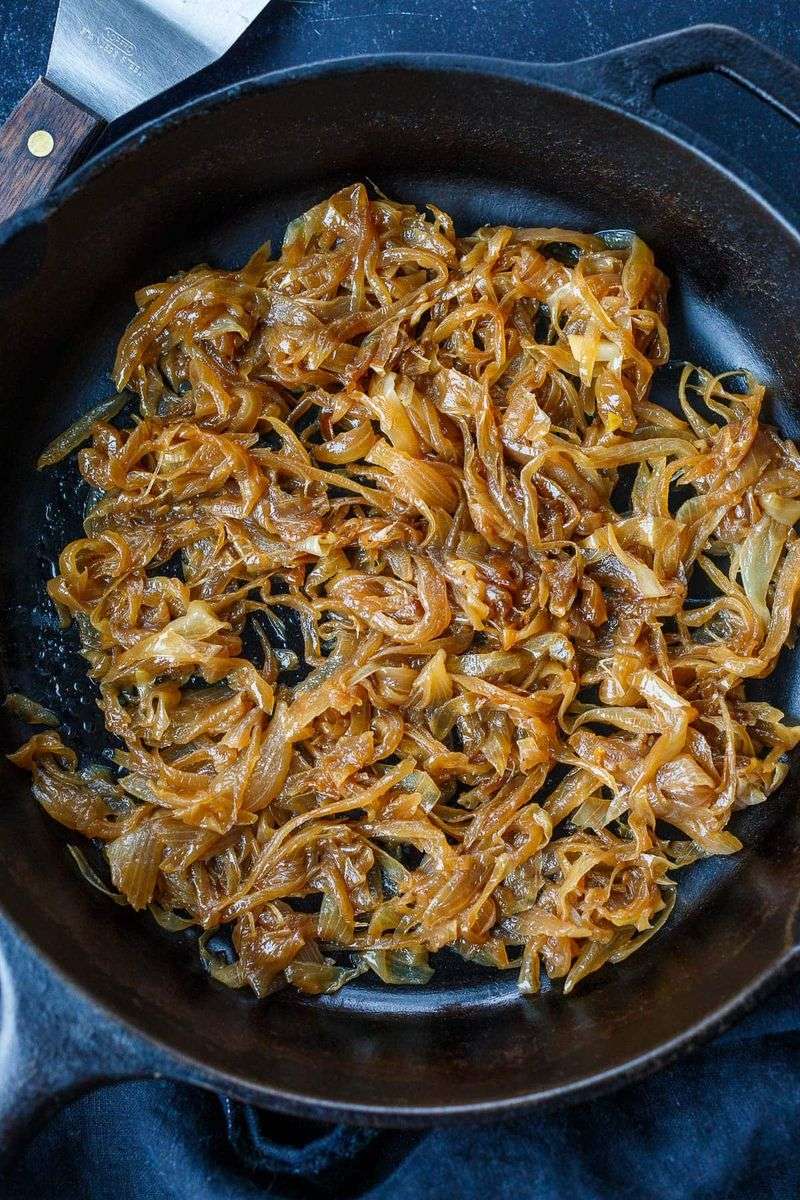
Raw onions are sharp, pungent, and a crisp white or yellow. Give them low, slow heat and something extraordinary unfolds: they soften, sweeten, and turn a deep, glossy amber.
This transformation is called caramelisation, where natural sugars break down under heat and produce new flavour compounds.
The process takes patience, at least 30 to 40 minutes, but the payoff is enormous. Those silky, golden strands are completely different from the raw version, both in colour and taste.
Worth every minute.
5. Lobster
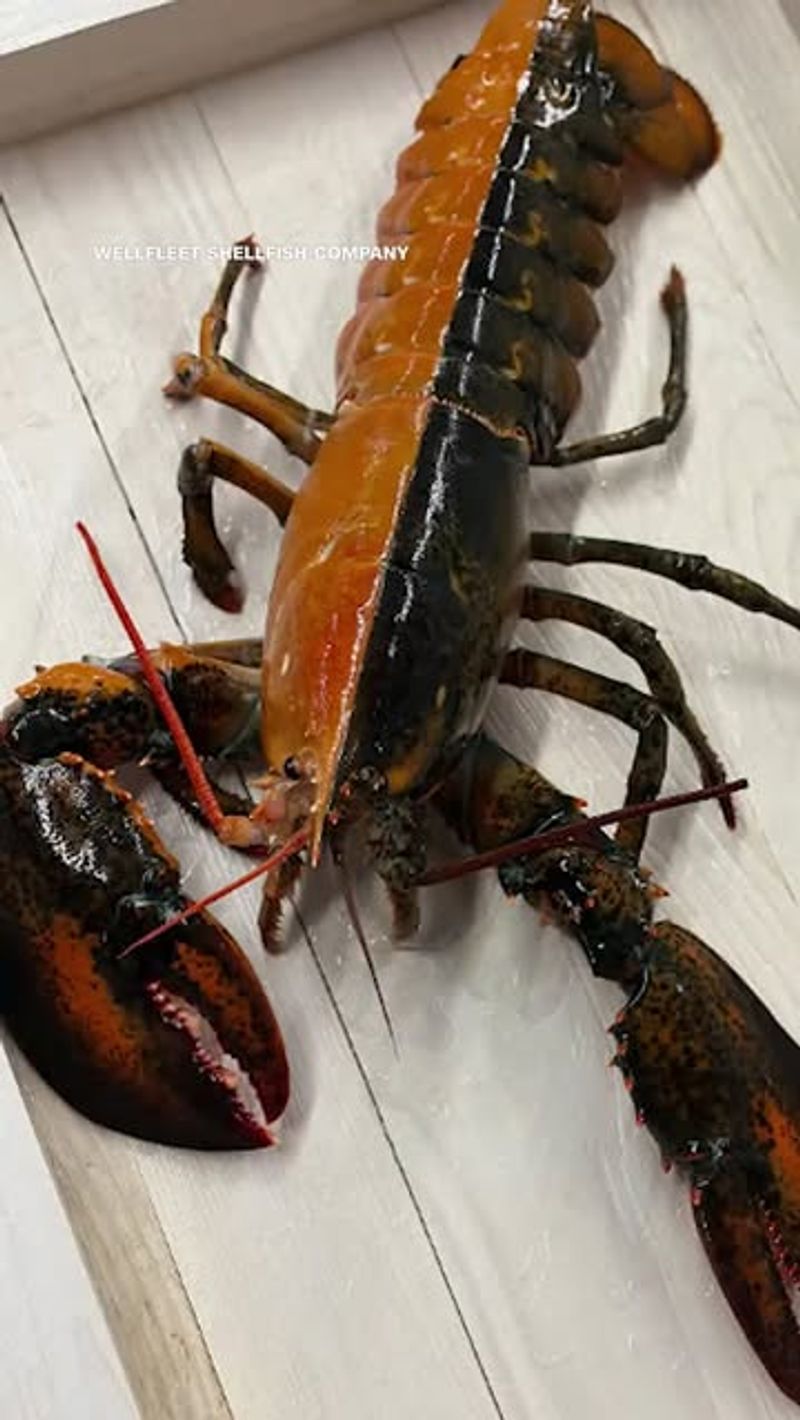
A live lobster looks almost prehistoric, covered in a dark blue-black shell that gives no hint of what is coming. The moment it hits boiling water, the shell transforms into that iconic, vivid red that decorates restaurant menus everywhere.
The same astaxanthin pigment responsible for shrimp turning pink is at work here too.
In the raw shell, astaxanthin is bound to proteins that mask its true colour. Heat releases it, and the red finally shows.
It is one of the most striking colour changes in all of cooking.
6. Meat (Beef and Pork)
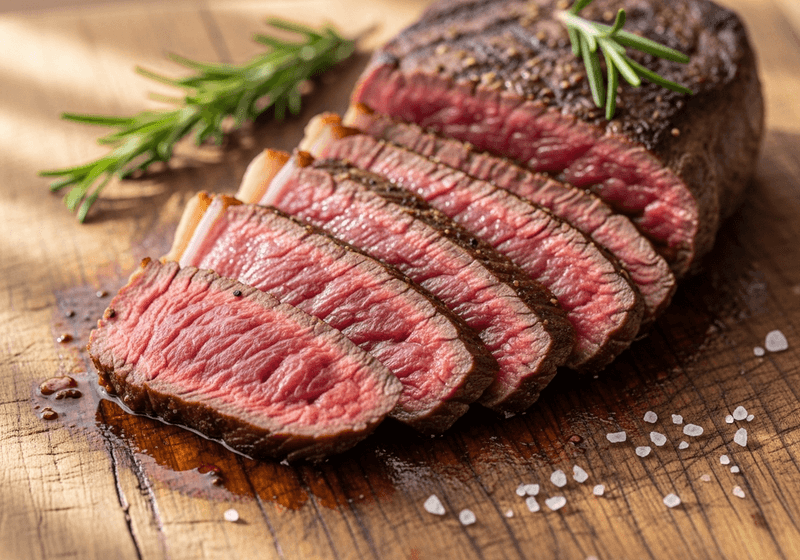
Raw beef is a bright, almost cheerful red, thanks to a protein called myoglobin that stores oxygen in muscle tissue. Apply heat and the myoglobin denatures, stripping away that red and replacing it with shades of brown and grey.
This is why a well-done steak looks so different from a rare one.
The brown crust that forms on the outside is a bonus reaction called the Maillard reaction, creating deep flavour and colour at the same time. Colour is genuinely one of the best guides to doneness.
7. Turmeric
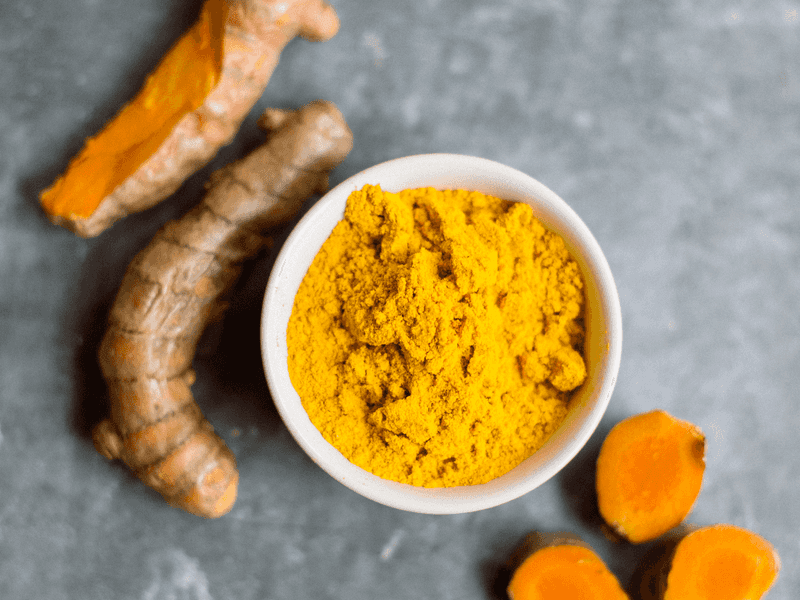
Turmeric starts as a vivid, almost neon yellow-orange spice. When it hits hot oil or liquid, the colour intensifies and spreads dramatically through whatever it touches, staining everything a deep golden yellow.
The active compound curcumin is responsible for both the colour and many of turmeric's celebrated health properties.
Cooking turmeric in fat rather than water actually makes the colour and nutrients more available to your body. A pinch can transform a pale soup into a glowing golden bowl in seconds.
Handle it carefully as it stains everything, including your fingers.
8. Beets
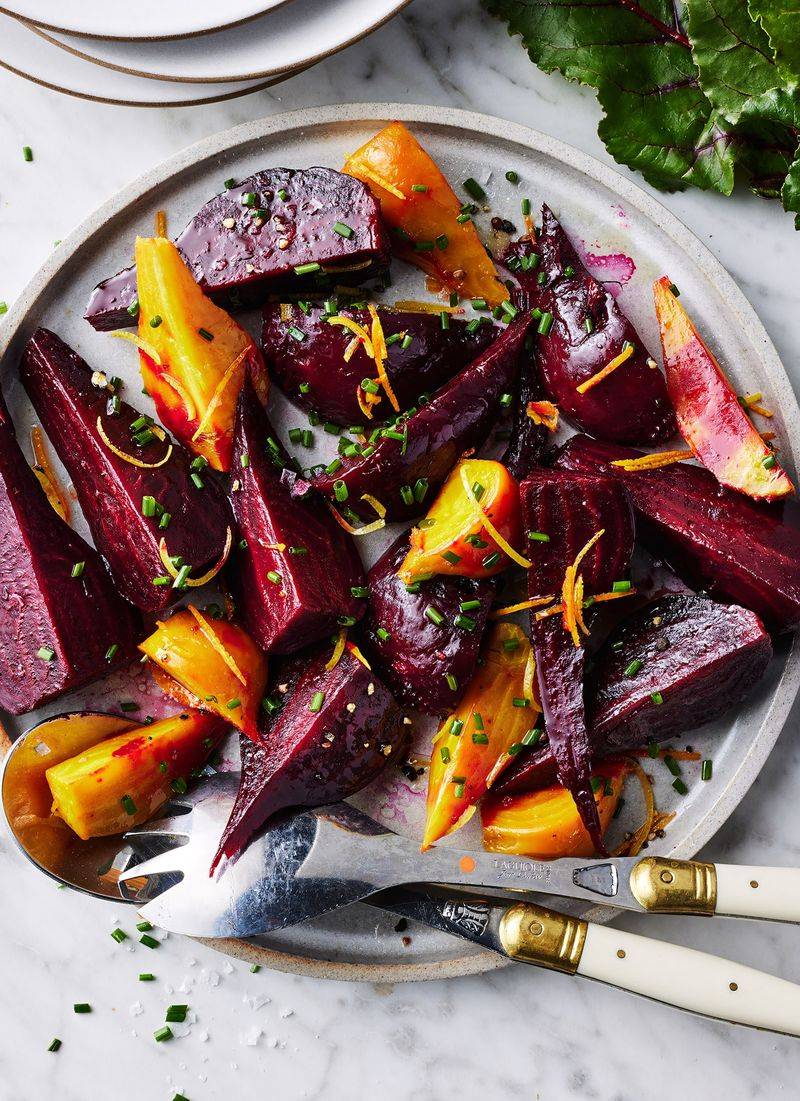
Beets start out as a deep, jewel-toned purple-red, and cooking only intensifies that drama. Roasting concentrates their pigments, called betalains, producing an almost shockingly rich crimson colour that bleeds into everything around them.
Boiling, on the other hand, can leach colour out into the water, turning the beets themselves a duller shade.
The cooking liquid from beets can even be used as a natural food dye, which is pretty clever. Always wear an apron, because beet juice is famously unforgiving on white shirts.
9. Eggs
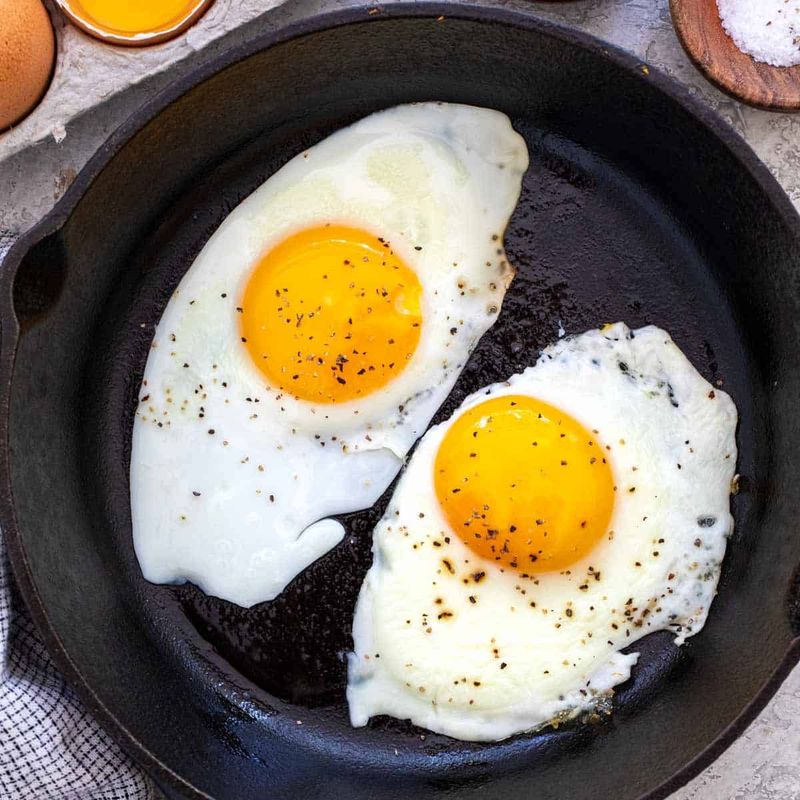
Crack an egg into a pan and watch the transformation happen in real time. The egg white starts out completely transparent and wobbly, then slowly turns a bright, opaque white as heat causes the proteins to unfold and set.
The yolk shifts from glossy and runny to a matte, pale yellow when fully cooked.
Overcooked egg whites can even develop a slightly greenish ring around the yolk, a sign that sulphur compounds have reacted with iron in the egg. Knowing your colour cues saves breakfast every time.
10. Garlic
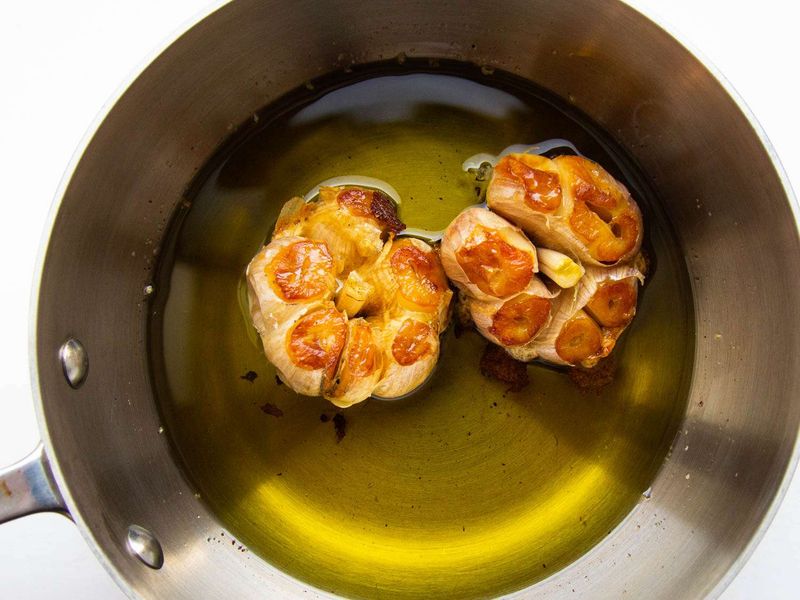
Few ingredients are as sneaky as garlic when it comes to colour change. It starts pale cream or white and, with gentle heat, moves through a beautiful golden stage that smells incredible.
Keep cooking and it slides quickly into deep brown, then bitter and burnt before you even notice.
Black garlic, which is garlic fermented at low heat over weeks, takes this transformation to its extreme, turning completely jet black and developing a sweet, almost molasses-like flavour. The colour tells you everything about what stage you are at.
11. Asparagus
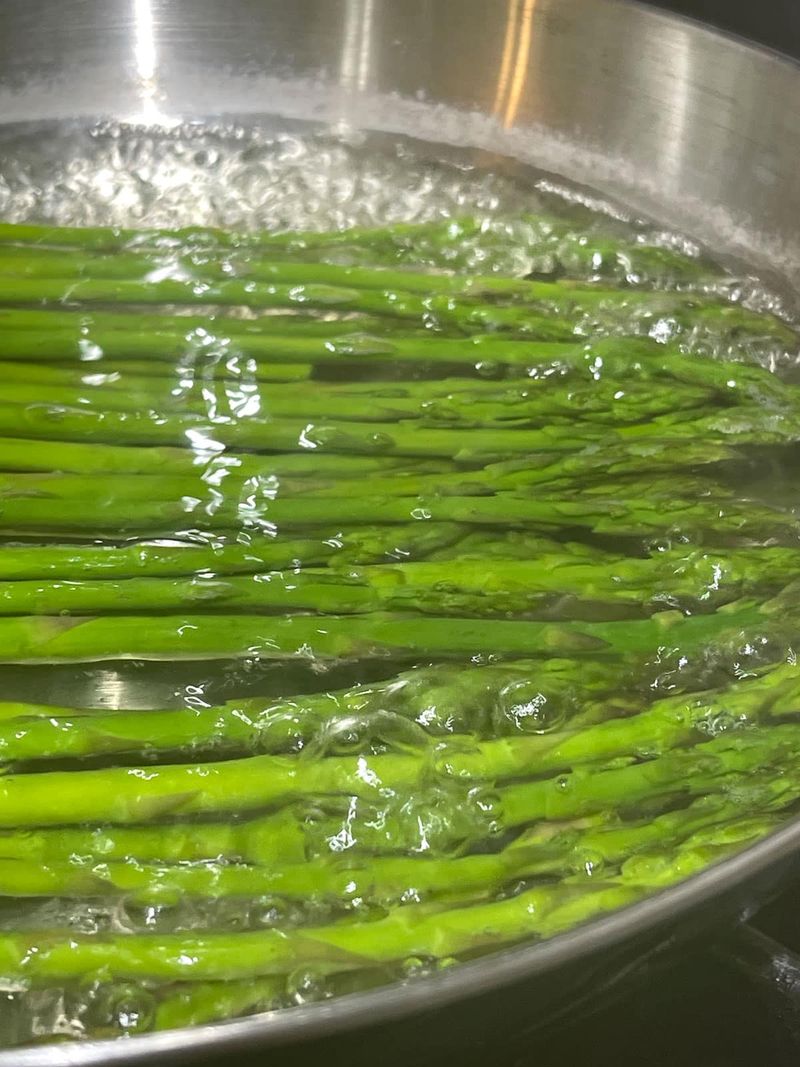
Asparagus shares the same chlorophyll trick as broccoli, briefly turning a more vivid, saturated green when it first hits hot water. That initial colour pop is one of the prettiest things in cooking, a sign that the vegetable is just beginning to cook through.
Leave it in too long and the chlorophyll breaks down, giving you that drab, faded green that nobody wants on their plate. Two to three minutes in boiling water, then straight into an ice bath, keeps asparagus looking fresh and restaurant-worthy.
Colour is your timer here.
12. Potatoes
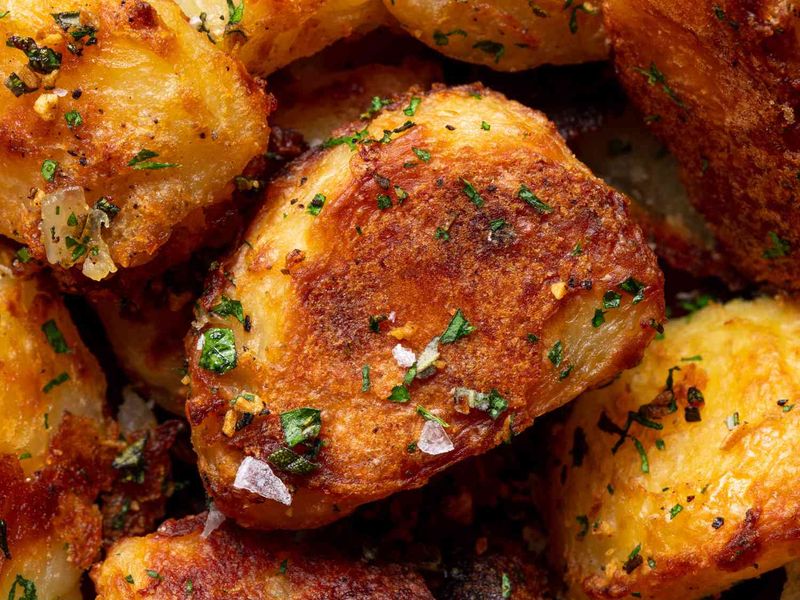
Raw potatoes are starchy and pale, almost beige, with little visual excitement. But fry or roast them and the Maillard reaction kicks in, turning the outside a gorgeous, deep golden brown with crispy edges.
The colour shift signals that sugars and proteins on the surface have reacted to create those crunchy, flavour-packed crusts.
Interestingly, soaking cut potatoes in cold water before cooking removes excess starch and actually helps them brown more evenly. A golden colour means maximum crunch, and that is the whole point of a roast potato.
13. Flour (in a Roux)
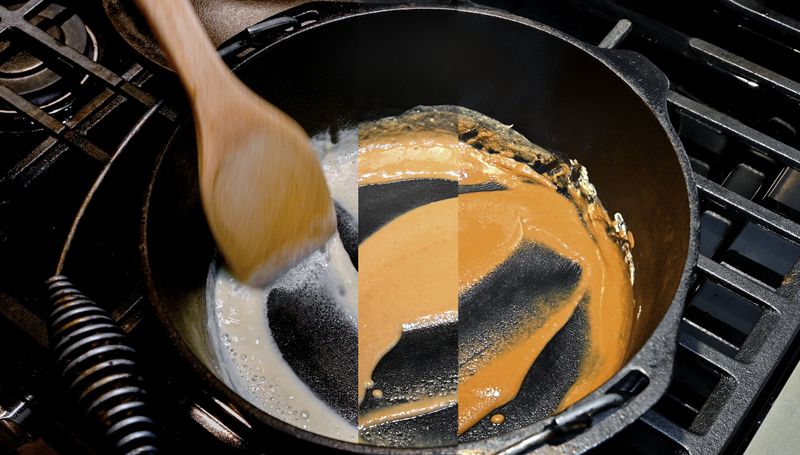
A roux starts as a pale, almost white paste of butter and flour. As it cooks, it moves through distinct colour stages: white, blonde, peanut butter, and finally a deep chestnut or chocolate brown.
Each stage has its own flavour profile, from mild and starchy to rich, nutty, and complex.
Cajun and Creole cooking often calls for a dark roux cooked for 30 minutes or more, stirring constantly. The deeper the colour, the bolder the flavour, but the less thickening power it has.
It is a genuine balancing act of colour and chemistry.
14. Cauliflower
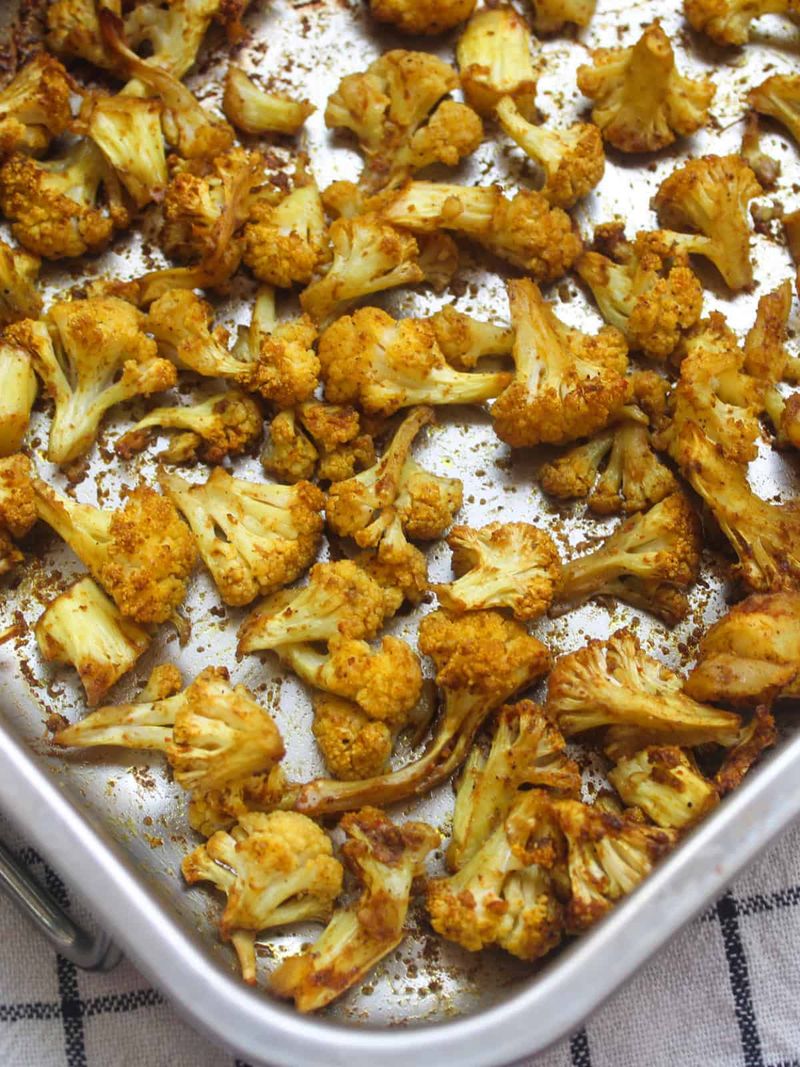
Cauliflower is quietly one of the most dramatic colour-changers in the vegetable world. Roast it at high heat and the pale white florets develop deep golden-brown patches where they touch the pan, thanks to caramelisation of natural sugars.
The transformation also brings out a nuttier, sweeter flavour that raw cauliflower simply does not have.
Purple and orange varieties of cauliflower can fade or shift colour during cooking due to heat-sensitive pigments. High heat and a dry pan are the secrets to getting that gorgeous, caramelised finish every time.
15. Sugar (Caramel)
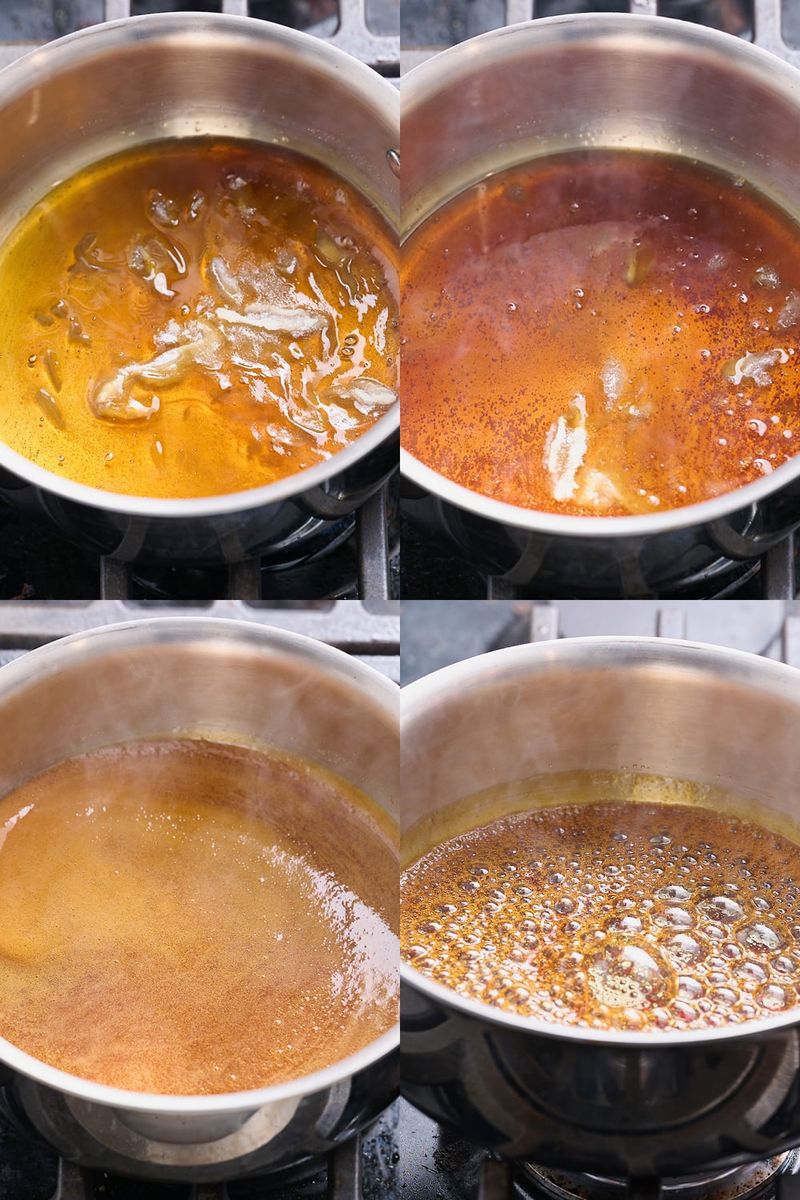
Plain white sugar is about as colourless as an ingredient gets. But melt it in a pan over steady heat and it begins one of the most visually stunning transformations in all of cooking.
It first becomes a clear liquid, then shifts through pale gold, amber, and finally a deep, glossy mahogany brown.
Each colour stage means the sugar molecules are breaking apart and forming hundreds of new compounds with complex flavours. Go too dark and it turns black and bitter.
Caramel demands your full attention, because the colour changes happen fast near the end.




Comments
No Comments