













Adding the right herbs and spices to your food is one of the easiest ways to boost your health without changing what you eat. These powerful plants have been used for thousands of years to fight illness, reduce inflammation, and support the body in amazing ways.
Experts say you don't need fancy supplements or expensive diets to eat healthier. Sometimes, a pinch of the right spice is all it takes.
1. Turmeric
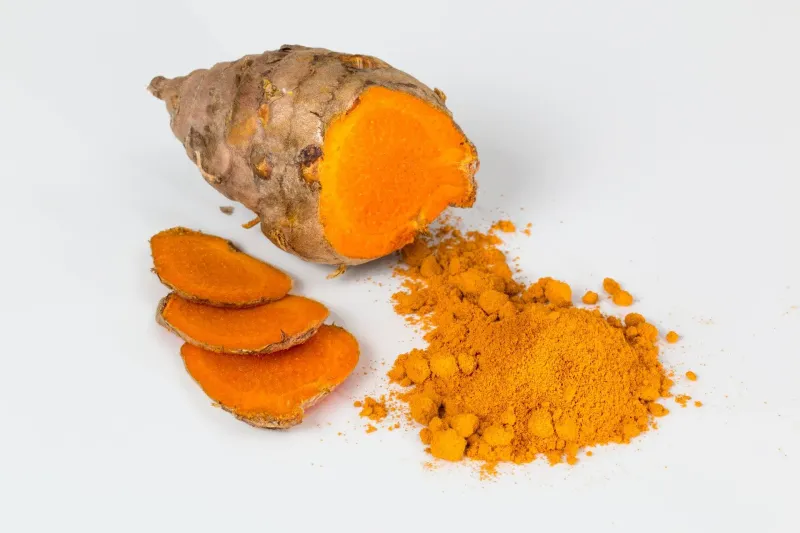
Known as the golden spice, turmeric has been a staple in Indian cooking for over 4,000 years. Its active compound, curcumin, is one of the most studied natural anti-inflammatories in the world.
Experts say it may help reduce joint pain and support brain health.
Sprinkle it into soups, scrambled eggs, or warm milk for an easy health boost. Pair it with black pepper to help your body absorb curcumin up to 2,000% more effectively.
2. Ginger
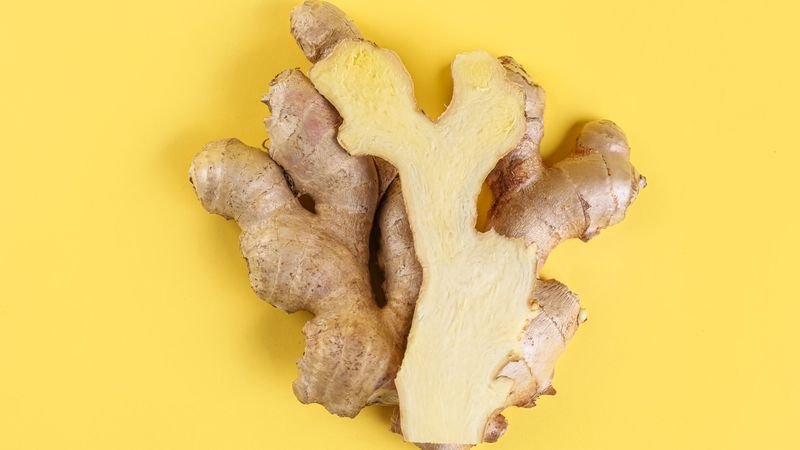
Few spices pack as much punch as ginger. Used for centuries across Asia, this knobby root is a powerhouse for calming upset stomachs, reducing nausea, and fighting inflammation.
Studies show it may even help lower blood sugar levels over time.
Grate fresh ginger into stir-fries, teas, or salad dressings for a spicy kick that also heals. Even a small amount added to your daily meals can make a noticeable difference in how you feel.
3. Cinnamon
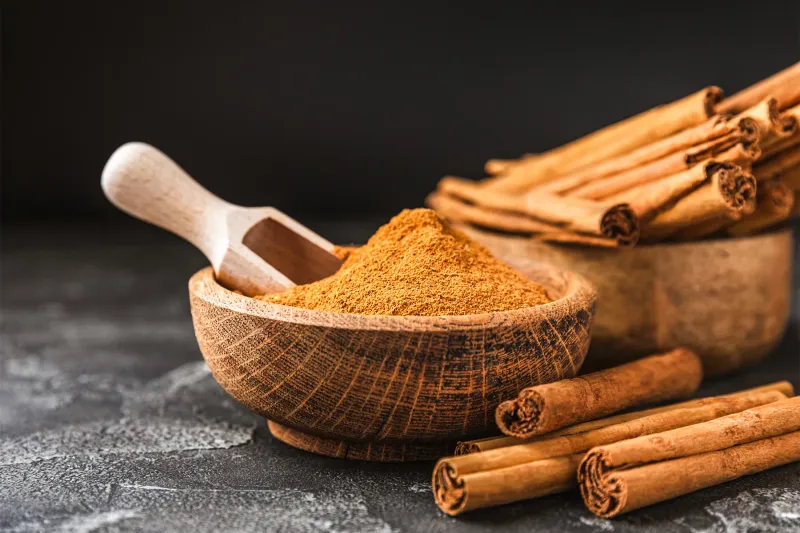
Cinnamon smells like comfort, but its benefits go way beyond flavor. Research shows it can help lower blood sugar levels, which makes it especially useful for people watching their glucose intake.
Just half a teaspoon a day may make a real difference.
Stir it into oatmeal, yogurt, or smoothies to add natural sweetness without sugar. Experts recommend Ceylon cinnamon over the common Cassia variety, as it contains lower levels of a compound that can be harmful in large doses.
4. Garlic
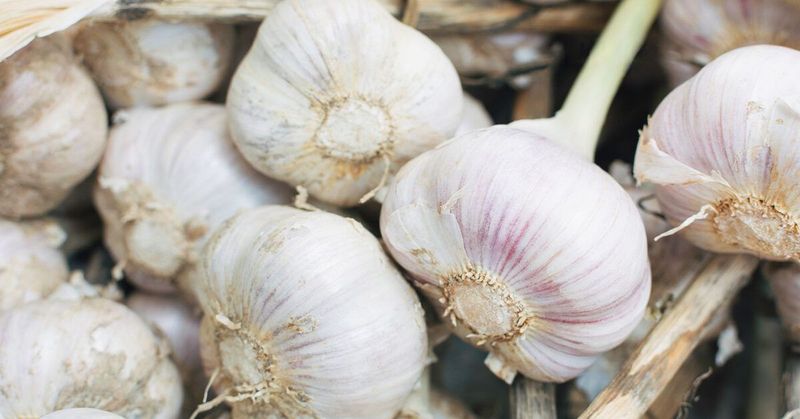
Garlic might make your breath a little bold, but your heart will thank you for it. Allicin, the compound released when garlic is crushed or chopped, has powerful antibacterial and heart-protective properties.
Studies suggest regular garlic consumption can help lower blood pressure and cholesterol.
Add it raw to dressings for maximum benefit, or cook it gently to preserve most of its goodness. Even roasted garlic, soft and sweet, retains impressive health-supporting qualities that experts love.
5. Cayenne Pepper
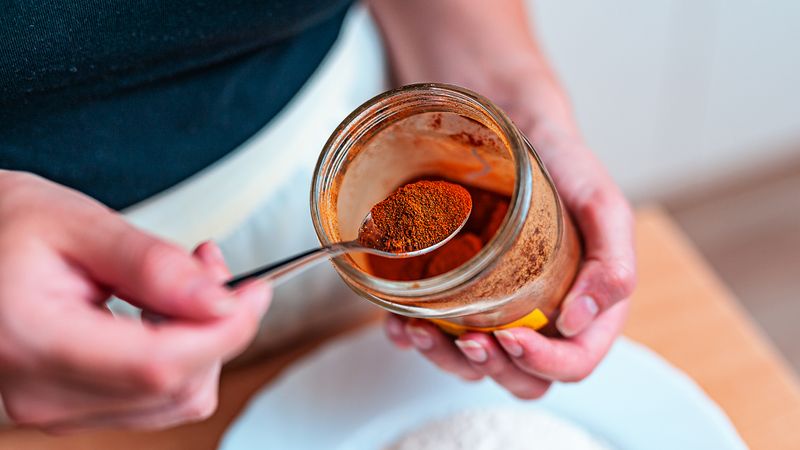
Turn up the heat and turn on your metabolism. Cayenne pepper contains capsaicin, a compound that research shows can boost calorie burning, reduce appetite, and even support heart health.
It also has pain-relieving properties used in topical treatments worldwide.
A small pinch in soups, sauces, or roasted vegetables is all you need to feel the effect. If you are new to spicy food, start slow and work your way up to enjoy the benefits without overwhelming your taste buds.
6. Rosemary
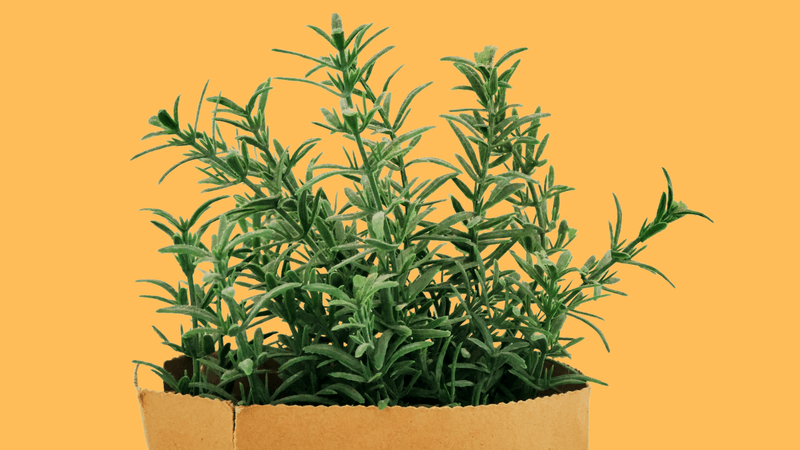
Rosemary is more than just a fragrant herb that makes roasted chicken smell amazing. It is loaded with antioxidants and anti-inflammatory compounds that experts say may protect brain function and improve memory.
Some studies even suggest it supports healthy circulation.
Tuck fresh sprigs under roasted meats or blend dried rosemary into homemade bread. The aroma alone has been shown in studies to improve alertness and mood, making it a multitasking herb worth keeping on your kitchen shelf.
7. Oregano
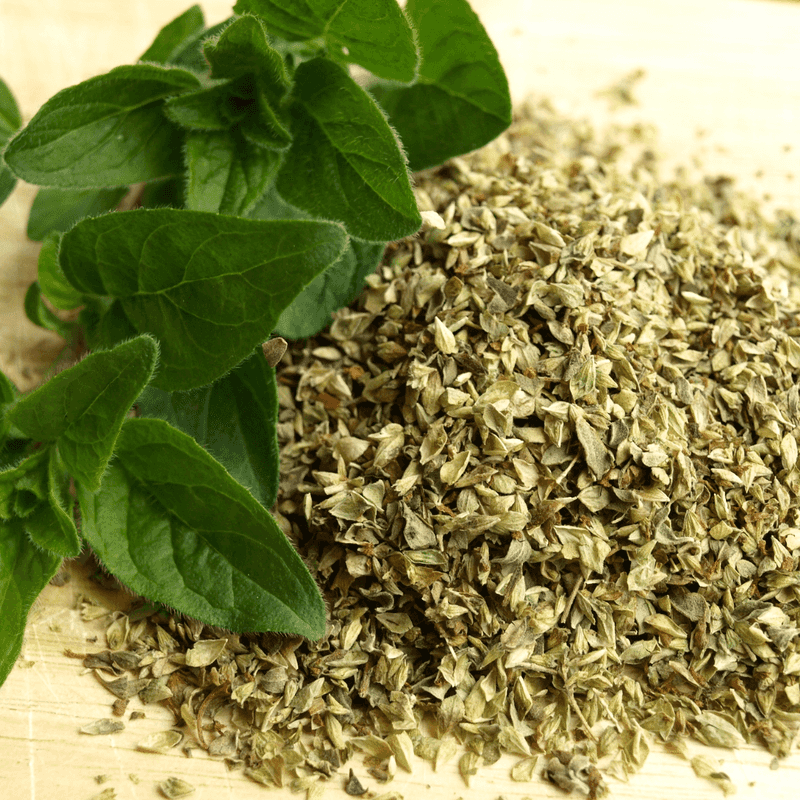
Oregano is the unsung hero of the spice rack. Ounce for ounce, it contains more antioxidants than most fruits and vegetables, including blueberries.
Experts highlight its strong antibacterial and antifungal properties, largely thanks to compounds like carvacrol and thymol.
Sprinkle dried oregano generously onto pizza, pasta sauces, or roasted vegetables. Fresh oregano works beautifully in salads and marinades too.
Either way, you are getting a serious health upgrade with almost zero effort or extra calories added to your meal.
8. Basil
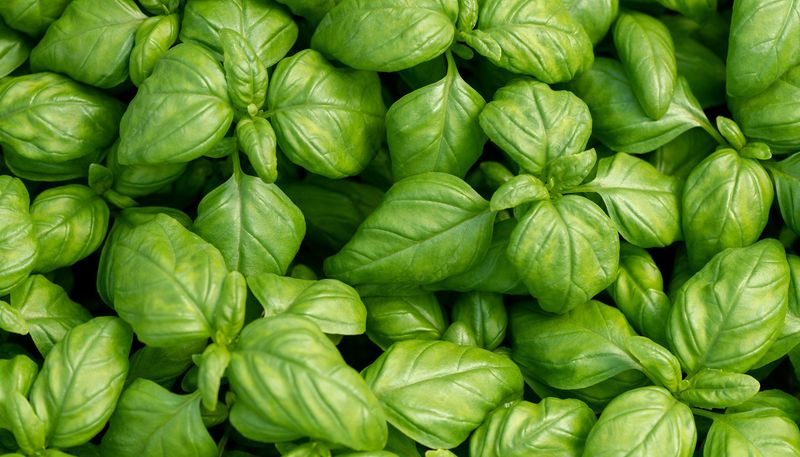
Sweet, fragrant, and surprisingly nutritious, basil is one of those herbs that makes healthy eating feel effortless. It is rich in vitamin K, which supports bone health, and contains compounds that may help reduce inflammation and fight harmful bacteria.
Tear fresh basil leaves over tomato salads, blend them into pesto, or stir into soups just before serving to preserve nutrients. Holy basil, a close relative used in Thai cooking, is especially praised by experts for its stress-reducing adaptogenic properties.
9. Cumin
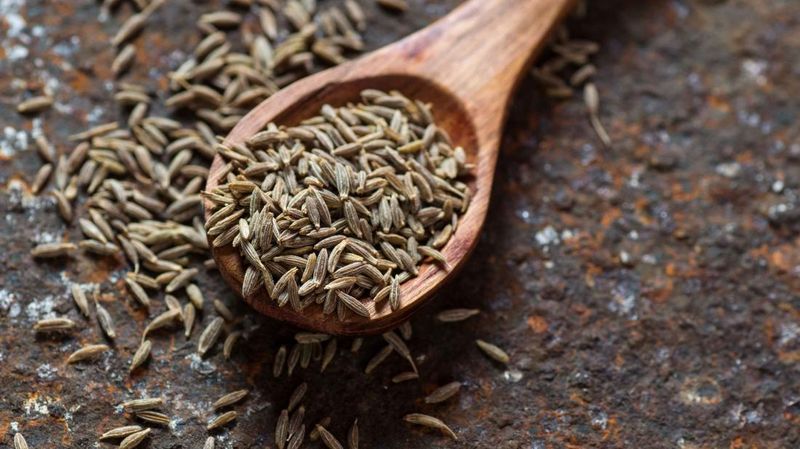
Cumin has a warm, earthy flavor that anchors dishes from Mexico to India, and its health credentials are just as impressive. Research shows it may improve digestion, boost iron absorption, and help control blood sugar levels.
It has also been studied for its potential cholesterol-lowering effects.
Toast whole cumin seeds in a dry pan before adding them to rice or lentils for a deeper flavor and better nutrient release. Ground cumin works perfectly in spice rubs, chili, and roasted vegetables.
10. Black Pepper
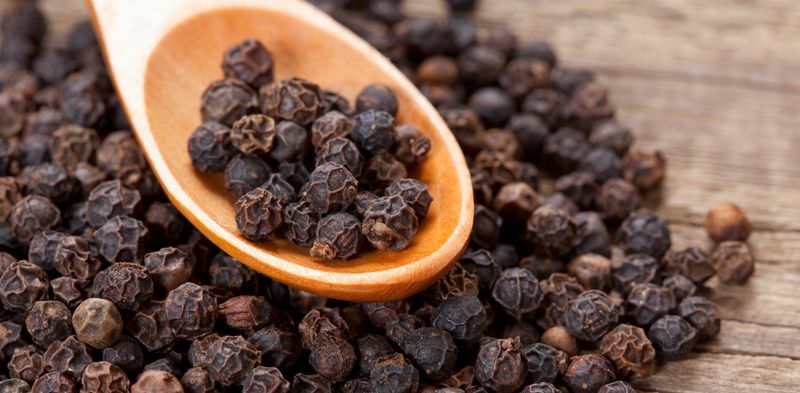
Black pepper is the world's most traded spice, and it earns its place on every table for good reason. Piperine, its active compound, does not just add heat.
It dramatically enhances the absorption of other nutrients, including turmeric's curcumin and certain vitamins.
Freshly ground black pepper offers more piperine than pre-ground versions, so invest in a good grinder. Experts also note its antioxidant and anti-inflammatory properties, making this everyday spice a quiet but mighty contributor to a healthier diet.
11. Thyme
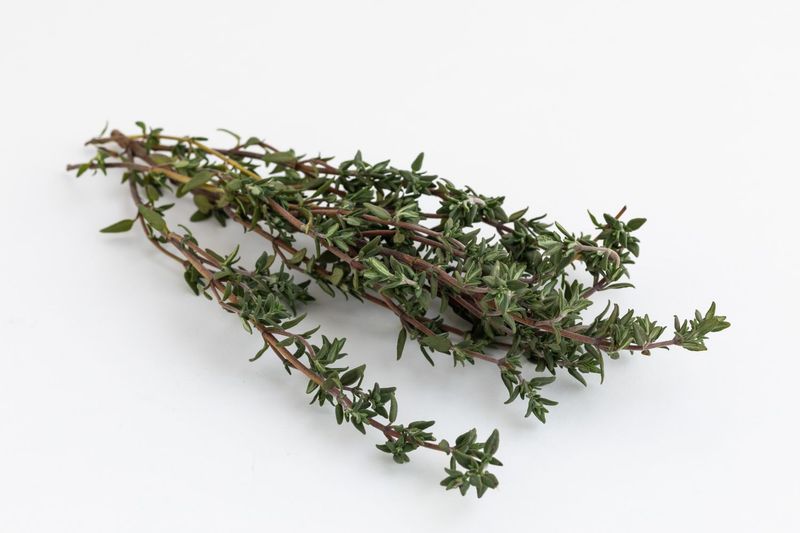
Tiny thyme leaves carry a surprisingly big nutritional punch. Packed with vitamin C and vitamin A, thyme also contains thymol, a natural compound with powerful antiseptic and antibacterial qualities.
Historically, it was used to treat respiratory issues and preserve food before refrigeration existed.
Add fresh or dried thyme to soups, roasted meats, and bean dishes for a savory depth of flavor. It pairs especially well with lemon and garlic, creating combinations that taste indulgent while quietly supporting your immune system.
12. Fenugreek
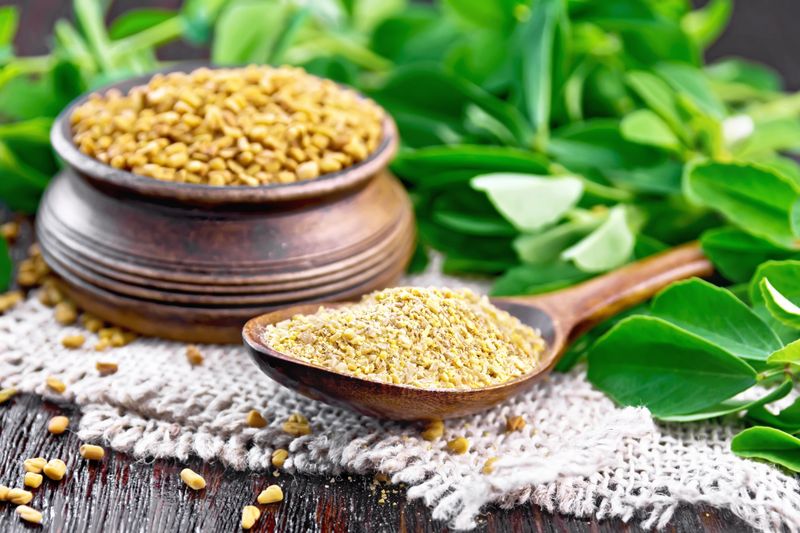
Not as famous as cinnamon or ginger, fenugreek quietly earns its reputation as one of the most medicinally powerful spices available. Experts point to strong evidence that it helps lower blood sugar, improve insulin function, and even support milk production in nursing mothers.
Ground fenugreek seeds add a slightly bitter, maple-like flavor to curries, lentil dishes, and spice blends. The leaves, called methi, are used fresh or dried in South Asian cooking and add a uniquely earthy, slightly tangy quality to any dish.
13. Cardamom
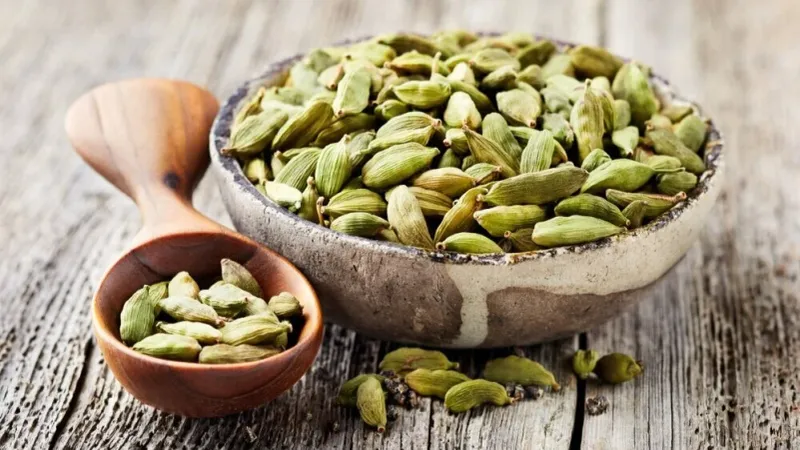
Called the queen of spices, cardamom has a floral, citrusy warmth that feels almost luxurious. Beyond its exotic flavor, experts recognize its ability to support digestive health, reduce bloating, and freshen breath naturally.
It also contains antioxidants that help protect cells from damage.
Add ground cardamom to coffee, oatmeal, or baked goods for an aromatic twist. In savory cooking, it shines in rice dishes and curries.
Scandinavian bakers have long known its magic, weaving it into pastries that are both delicious and surprisingly nourishing.
14. Cloves
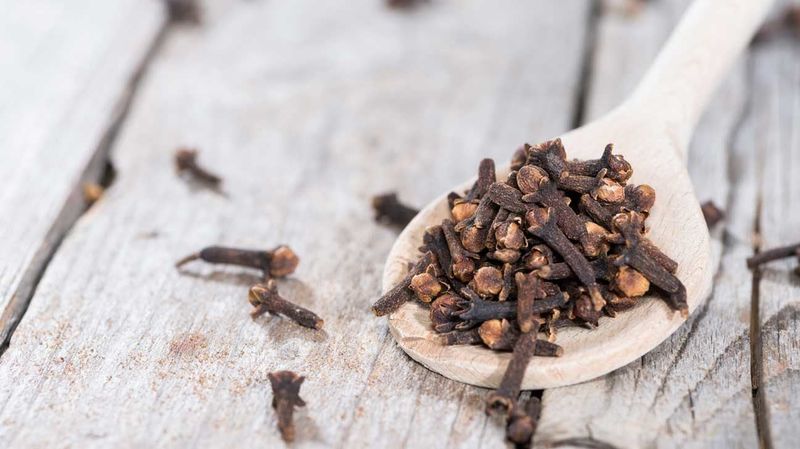
Cloves may be small, but they are one of the most antioxidant-rich foods on the planet. Eugenol, the compound that gives cloves their distinctive scent, has been shown to have anti-inflammatory, antimicrobial, and even liver-protective properties.
Dentists have used clove oil for natural pain relief for generations.
Use whole cloves to infuse warmth into rice, stews, and mulled drinks. Ground cloves add depth to baked goods and spice blends like garam masala.
A little goes a long way, so use them thoughtfully for maximum flavor and benefit.
15. Parsley
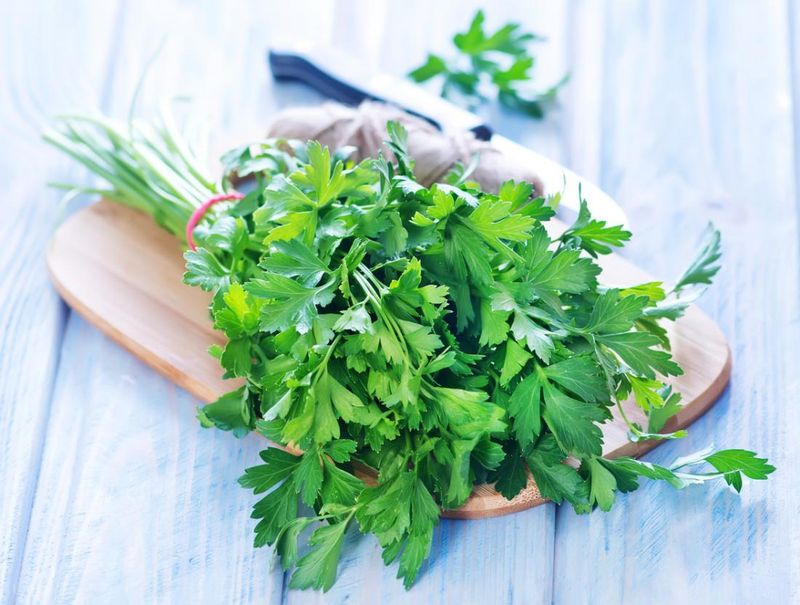
Often pushed to the side of the plate as a garnish, parsley actually deserves a starring role in your meals. It is loaded with vitamin K, vitamin C, and folate, and contains flavonoids that act as powerful antioxidants.
Experts say it may also support kidney health by acting as a natural diuretic.
Chop fresh parsley generously into salads, grain bowls, and sauces like chimichurri. Flat-leaf parsley has a stronger flavor than curly varieties and holds up better when stirred into hot dishes right before serving.




Comments
No Comments