













Staying hydrated does not always mean just drinking more water. Many fruits are packed with water, vitamins, and minerals that help your body feel its best every single day.
Eating the right fruits can boost your energy, support your immune system, and keep you feeling refreshed. Adding these natural powerhouses to your diet is one of the tastiest ways to take care of your health.
1. Watermelon
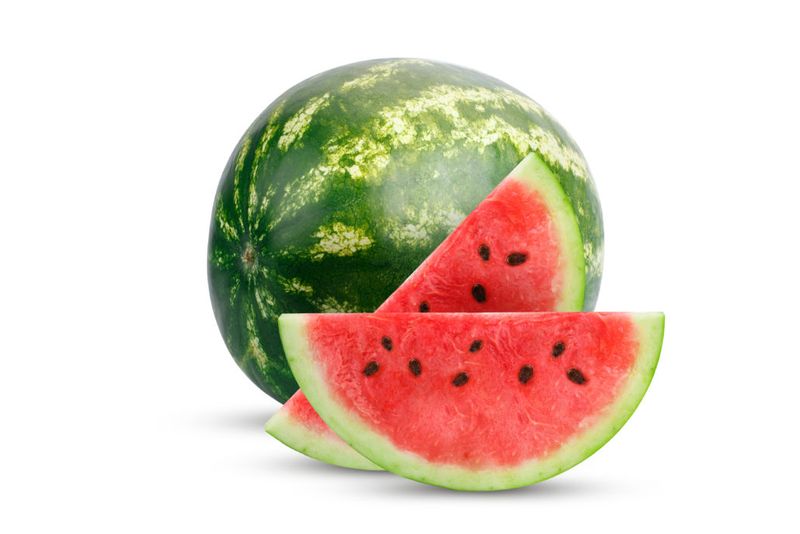
About 92% of watermelon is pure water, making it one of nature's most refreshing snacks on a hot day. It also contains lycopene, a powerful antioxidant that supports heart health and may protect your skin from sun damage.
Watermelon is rich in vitamins A and C, which help your immune system stay strong. Slice it up, freeze it into popsicles, or blend it into a smoothie for a hydrating treat that feels like dessert.
2. Strawberries
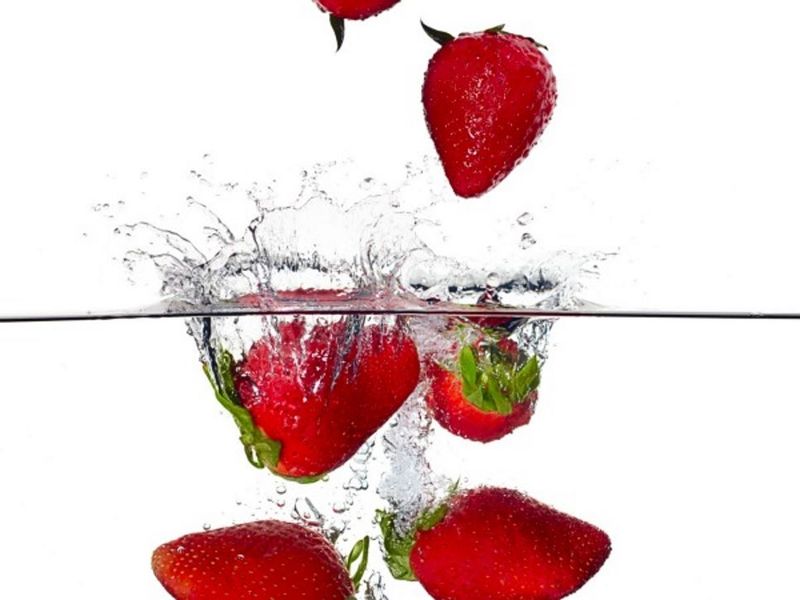
Strawberries are roughly 91% water, so biting into one feels almost like drinking a tiny, sweet glass of juice. Beyond hydration, they are loaded with vitamin C, folate, and antioxidants that help fight inflammation throughout your body.
Just one cup of strawberries gives you more than your daily recommended amount of vitamin C. Toss them into yogurt, blend them into a smoothie, or enjoy them plain as a quick, guilt-free snack anytime.
3. Cantaloupe
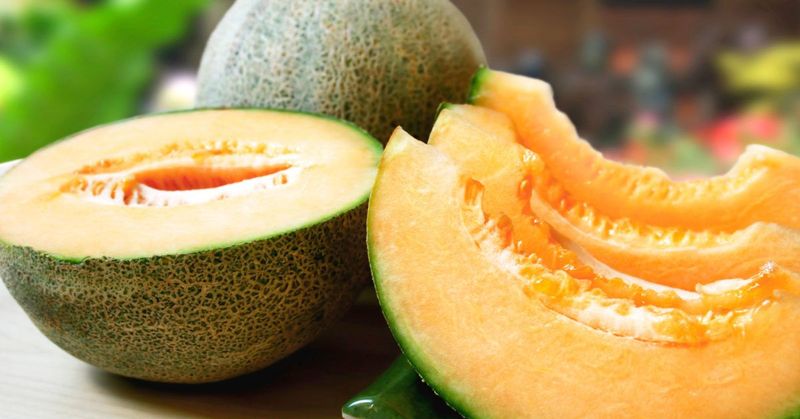
Cantaloupe has a sweet, almost honey-like flavor that makes it feel like a treat, but its water content sits around 90%, making it seriously hydrating. It is also one of the best sources of beta-carotene, which your body converts into vitamin A for healthy eyes and skin.
Potassium found in cantaloupe helps regulate blood pressure and keeps your muscles working properly. Pair it with a little lime juice for a refreshing snack that feels fancy without any effort.
4. Peaches
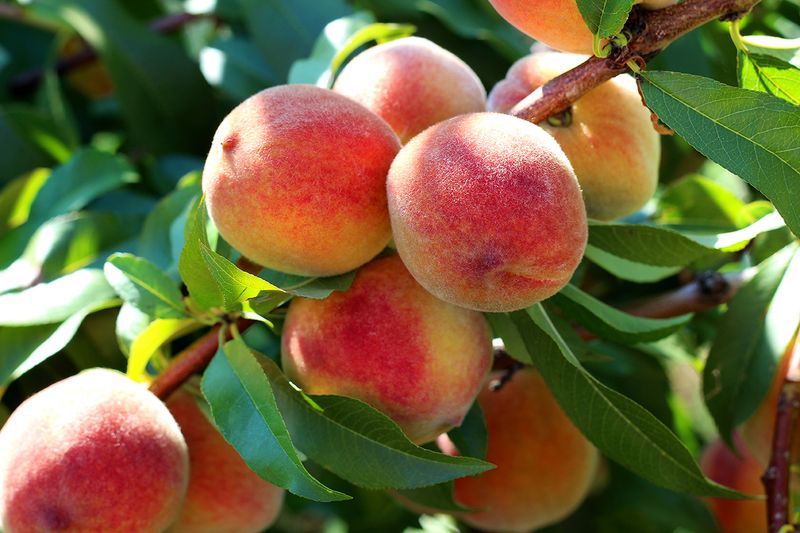
Warm summer afternoons and peaches just seem to belong together. With a water content of around 89%, peaches keep you hydrated while delivering a natural sweetness that satisfies cravings without reaching for candy.
They are a solid source of vitamins C and A, plus potassium and fiber, which support digestion and heart health. Eat them fresh off the tree, grill them for a smoky-sweet side dish, or stir sliced peaches into overnight oats for a nutritious morning boost.
5. Oranges
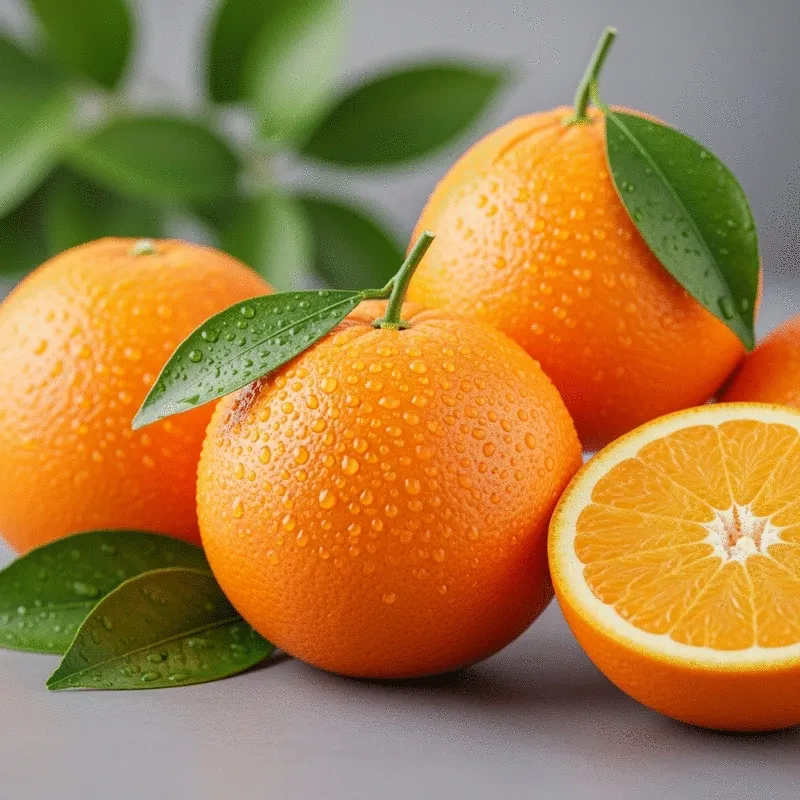
Famous for their vitamin C content, oranges are also about 87% water, making them a hydration hero hiding in plain sight. One medium orange provides nearly all the vitamin C your body needs in a single day, supporting your immune system and helping wounds heal faster.
Oranges also contain flavonoids that may reduce inflammation and lower the risk of heart disease over time. Keep a few in your bag for an easy, portable snack that fuels your body between meals.
6. Cucumbers (Botanical Fruit)
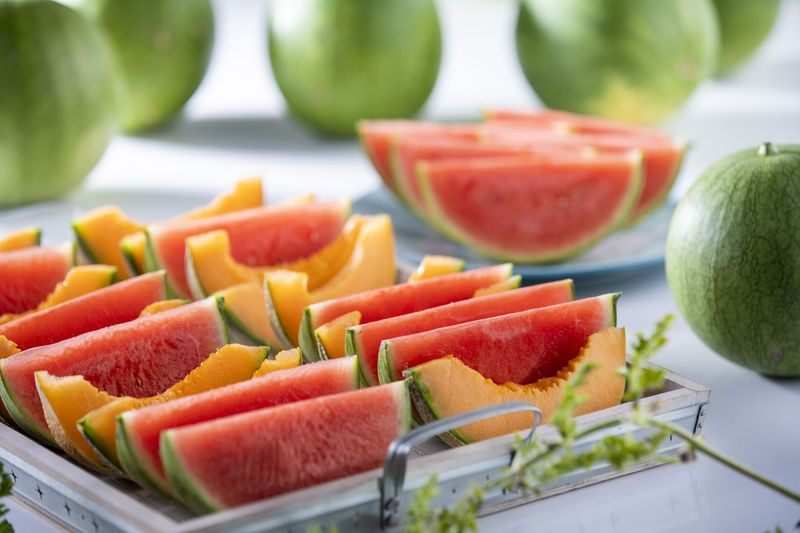
Technically a fruit by botanical definition, cucumbers are about 96% water, which makes them the ultimate hydration food. Their mild, crisp flavor makes them incredibly versatile, working equally well in salads, infused water, or eaten plain with a pinch of salt.
Cucumbers contain silica, a compound that supports healthy skin and joints, plus small amounts of vitamin K for bone health. Add them to your daily meals or snack routine and you will likely notice clearer skin and better digestion within weeks.
7. Honeydew Melon
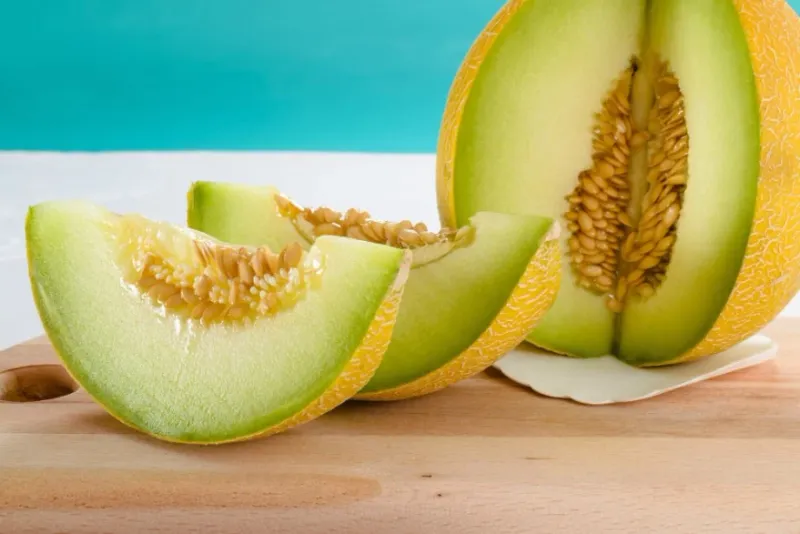
Honeydew melon has a delicate, mild sweetness and a water content of about 90%, making it a refreshing choice when you need to rehydrate without eating something heavy. It is packed with vitamin C and B vitamins, which help your body produce energy and maintain a healthy nervous system.
The potassium in honeydew supports healthy blood pressure and proper muscle function. Cube it up and mix it with mint and lime for a simple fruit salad that looks and tastes like summer in a bowl.
8. Pineapple

Pineapple brings bold, tangy sweetness along with an impressive water content of around 86%. It contains bromelain, a unique enzyme that helps your body digest protein more efficiently and may reduce swelling and soreness after exercise.
Rich in manganese and vitamin C, pineapple supports bone strength and immune function at the same time. Blend it into a post-workout smoothie, toss it onto a fruit skewer, or add it to salsa for a tropical twist that makes healthy eating genuinely exciting.
9. Grapes
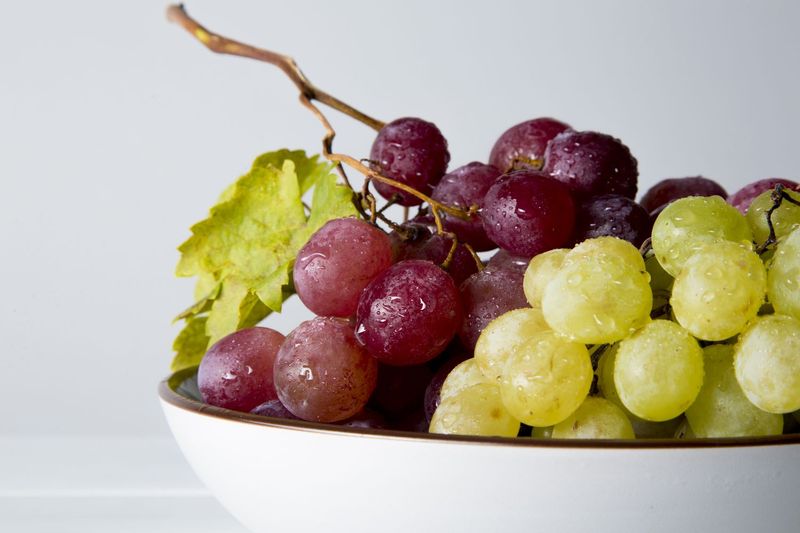
Pop a grape in your mouth and you will instantly understand why they are one of the world's most beloved snacks. Grapes are about 81% water and are loaded with resveratrol, an antioxidant linked to heart health and reduced inflammation.
They also provide vitamin K, which is essential for blood clotting and bone strength. Freeze them for a crunchy, refreshing snack on hot days, or toss them into a chicken salad for a burst of natural sweetness that balances savory flavors beautifully.
10. Papaya
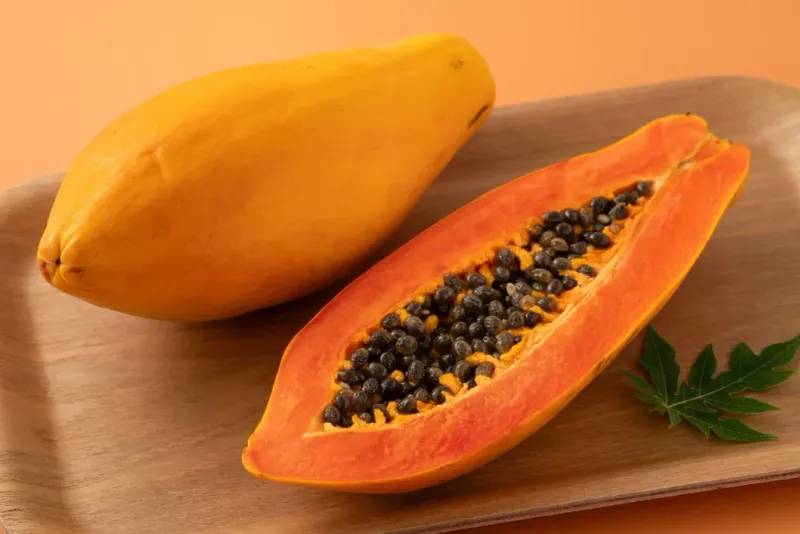
Papaya has a gorgeous sunset-orange color and a buttery texture that feels luxurious for a fruit. With a water content of around 88%, it hydrates effectively while delivering papain, a digestive enzyme that helps break down food and ease bloating.
It is also incredibly rich in vitamin C, vitamin A, and folate, making it a nutritional powerhouse in one sweet package. Scoop it fresh with a spoon, blend it into a tropical smoothie, or squeeze lime over it for a zingy breakfast treat.
11. Kiwi
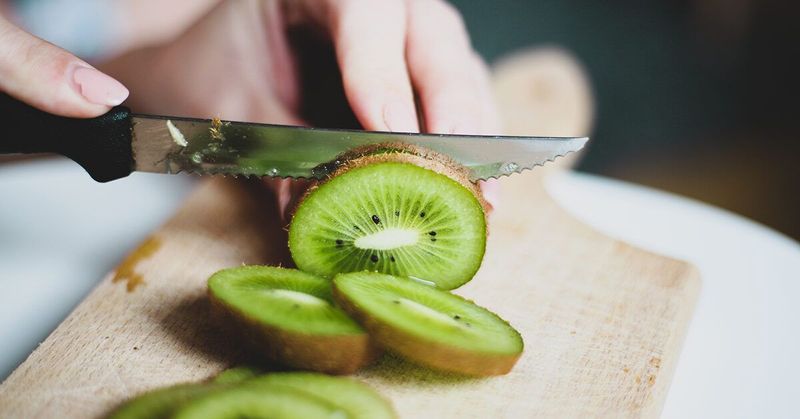
Small but mighty, the kiwi packs more vitamin C per ounce than most other fruits, including oranges. Its water content hovers around 84%, and research suggests that eating kiwi regularly may improve sleep quality, which is a major but often overlooked part of overall wellness.
Kiwi also contains vitamin K, folate, and fiber that support heart health and healthy digestion. Slice one in half and scoop out the flesh with a spoon for one of the easiest, most satisfying snacks you can eat on a busy day.
12. Mango
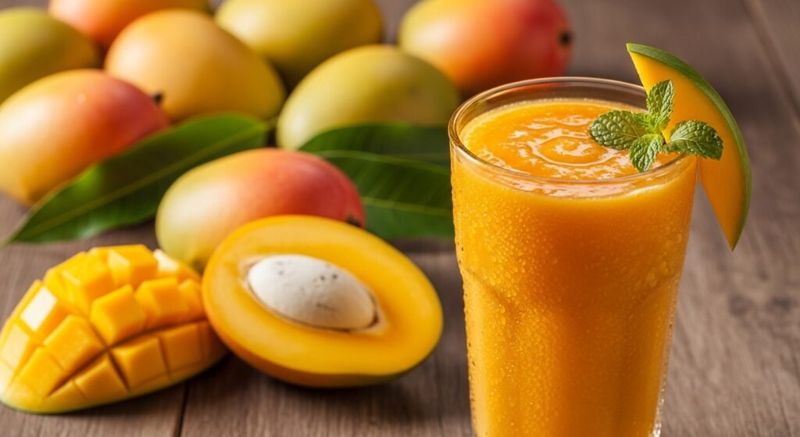
Often called the king of fruits, mango delivers a rich, tropical flavor that makes healthy eating feel like an indulgence. With a water content of about 83% and generous amounts of vitamins A, C, and B6, mangoes support immune function, skin health, and brain activity all at once.
They are also a good source of fiber, which keeps your digestive system running smoothly. Dice fresh mango into a salsa, blend it into a lassi, or freeze mango chunks for a creamy, dairy-free frozen treat.
13. Raspberries
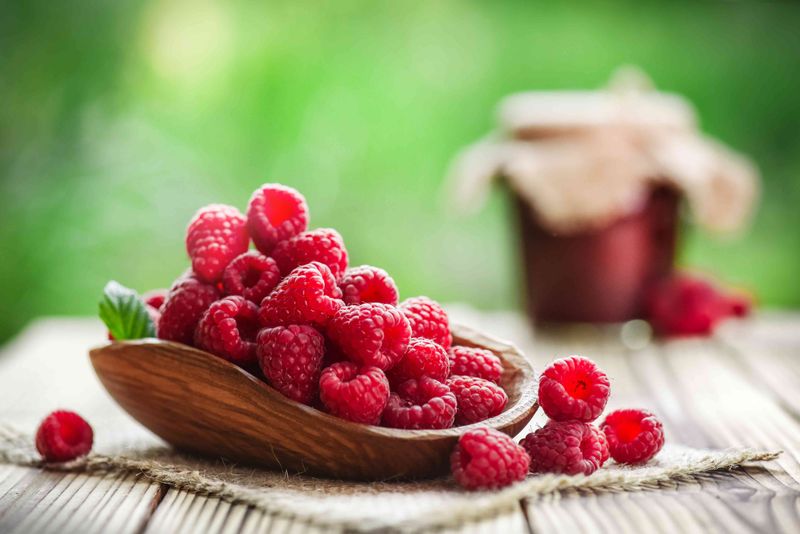
Raspberries are like little rubies bursting with flavor and nutrients. They contain about 86% water and are among the highest-fiber fruits available, with about 8 grams of fiber per cup, which helps you feel full and supports healthy digestion.
Their deep red color comes from anthocyanins, powerful antioxidants that may protect against heart disease and certain cancers. Sprinkle them over oatmeal, stir them into Greek yogurt, or eat them straight from the container for a satisfying snack that does your body real good.
14. Blueberries
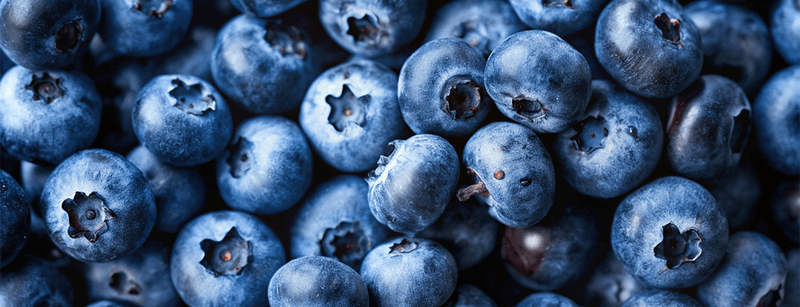
Gram for gram, blueberries are one of the most antioxidant-rich foods on the planet, and science backs that up with decades of research. Though their water content is around 84%, their real superpower is a group of compounds called anthocyanins that help protect your brain, heart, and cells from damage caused by aging and stress.
Regular blueberry consumption has been linked to improved memory and sharper focus. Blend them into a smoothie, bake them into whole-grain muffins, or snack on a handful between classes or meetings for a brain-boosting pick-me-up.
15. Grapefruit
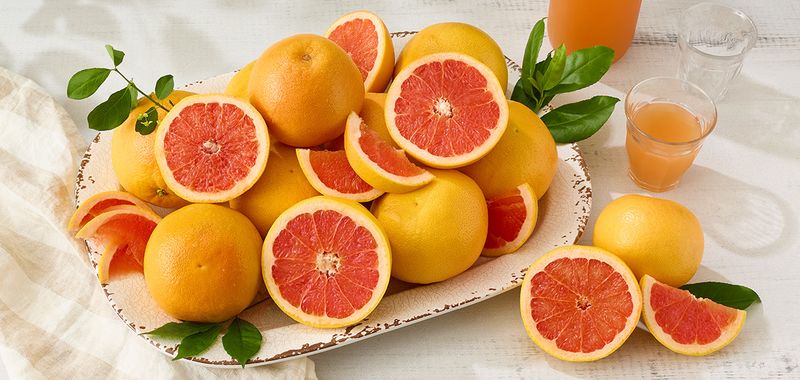
Grapefruit has a bold, slightly bitter flavor that wakes up your taste buds and your metabolism at the same time. With a water content of about 88% and high levels of vitamin C, it is one of the most hydrating citrus fruits you can eat.
Studies suggest grapefruit may help regulate blood sugar levels and support weight management when eaten as part of a balanced diet. Sprinkle a little honey over a halved grapefruit for breakfast, or juice it fresh for a tangy morning drink that energizes you naturally.




Comments
No Comments