













Most of us grab food from the fridge or pantry without thinking twice, but how you store certain foods can make a huge difference in freshness, safety, and taste. Some foods spoil faster than you might expect, while others can actually become dangerous if stored the wrong way.
Knowing which foods need extra attention could save you from a stomachache or worse. Here are 15 foods that deserve a little more care when it comes to storage.
1. Raw Chicken
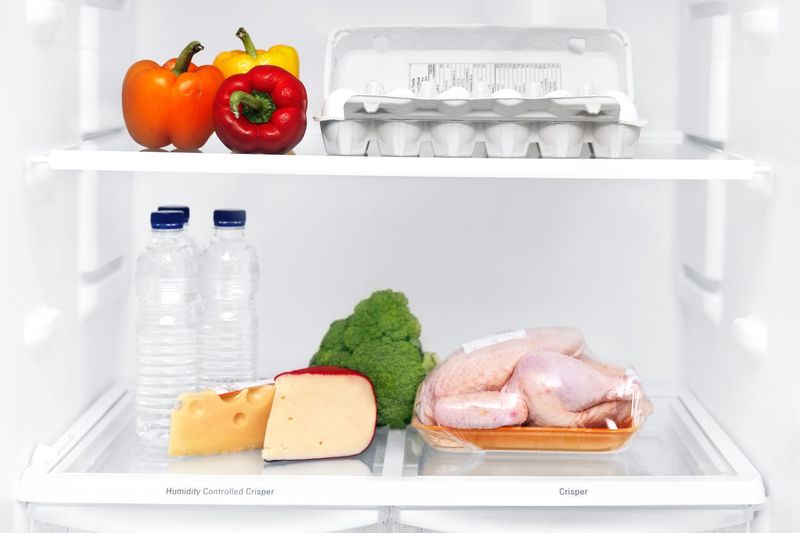
Raw chicken is one of the riskiest foods to store carelessly. Bacteria like Salmonella can spread quickly if chicken drips onto other foods.
Always keep it on the bottom shelf of your fridge in a sealed container or bag.
Use or freeze raw chicken within one to two days of buying it. Never store it above ready-to-eat foods like vegetables or leftovers.
When in doubt, throw it out.
2. Raw Eggs
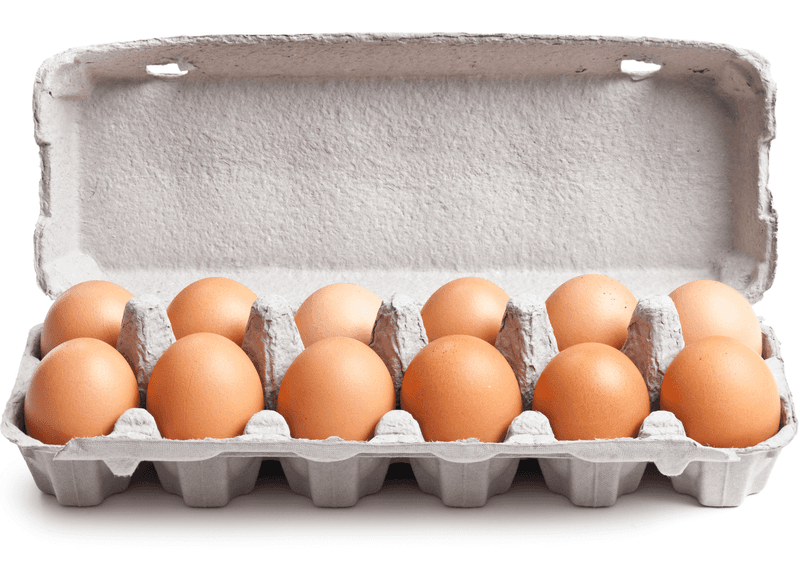
You might think the fridge door is a fine spot for eggs, but temperature swings every time you open the door can actually speed up spoilage. Eggs stay freshest when kept in the main body of the refrigerator, where temperatures are more stable.
Always store eggs in their original carton to protect them from absorbing strong odors. Fresh eggs can last three to five weeks when stored correctly.
Cracked eggs should be used the same day.
3. Leafy Greens
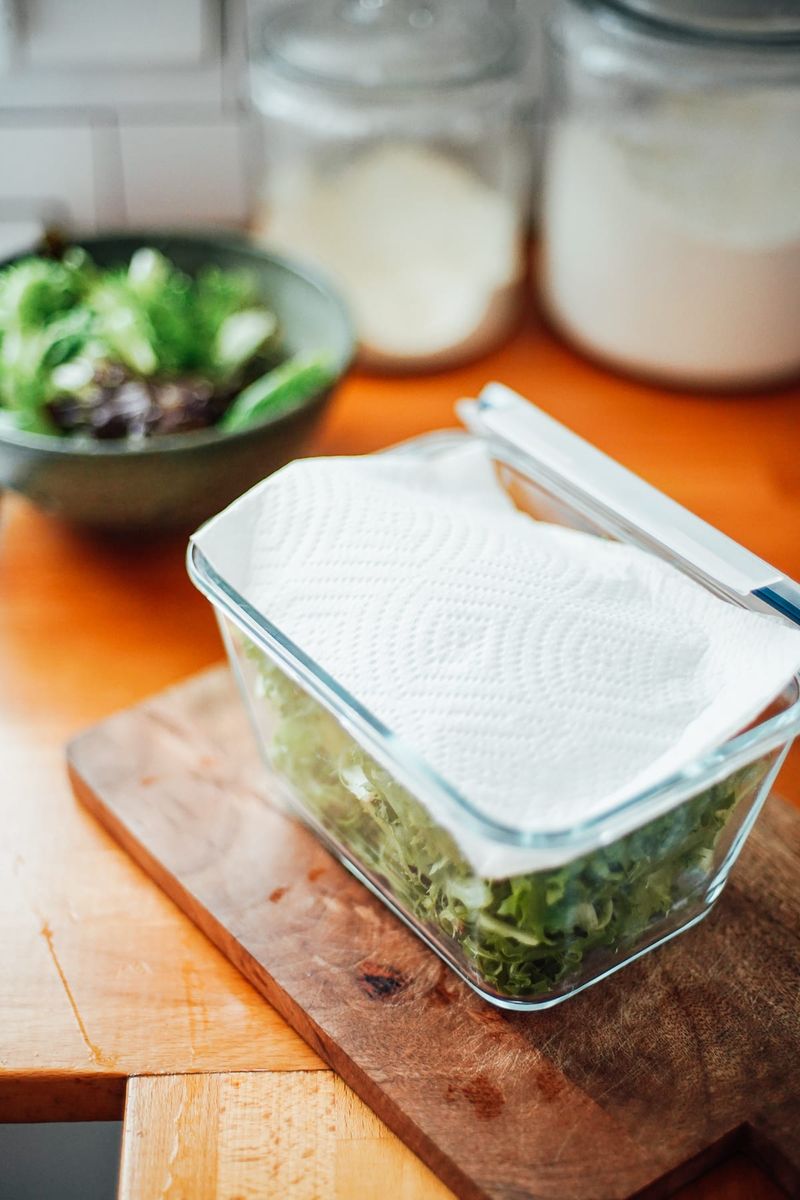
Leafy greens like spinach, lettuce, and kale wilt surprisingly fast when stored without care. Moisture is their biggest enemy when it comes to spoilage.
Wrapping them loosely in a paper towel before placing them in a bag or container helps absorb excess moisture.
Store greens away from fruits like apples or pears, which release ethylene gas and cause faster wilting. Kept properly, most greens stay crisp for up to a week.
Pre-washed greens should be used within a few days.
4. Berries
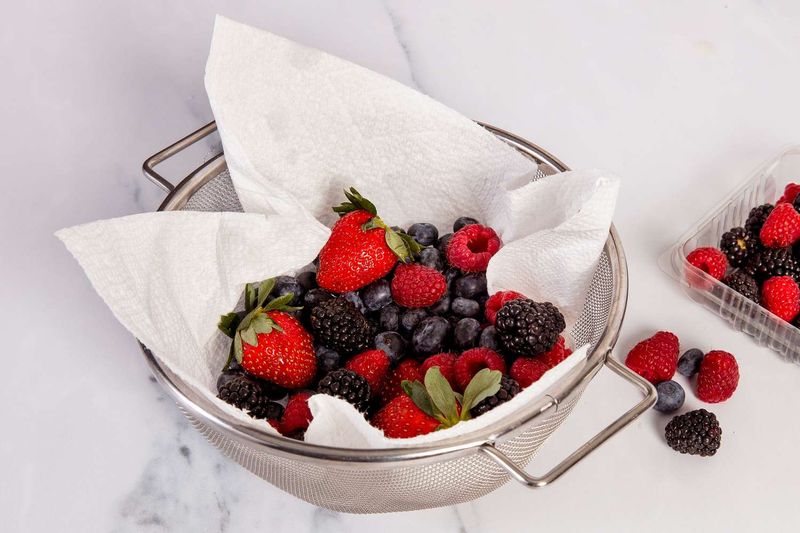
Berries are delicate little fruits that mold faster than almost anything else in your kitchen. The trick is to keep them dry and not wash them until you are ready to eat them.
Washing before storage introduces moisture that speeds up mold growth.
Store berries in a single layer on a paper towel in a breathable container. Check them daily and remove any moldy ones before they affect the rest.
Fresh berries typically last three to seven days when stored with care.
5. Avocados
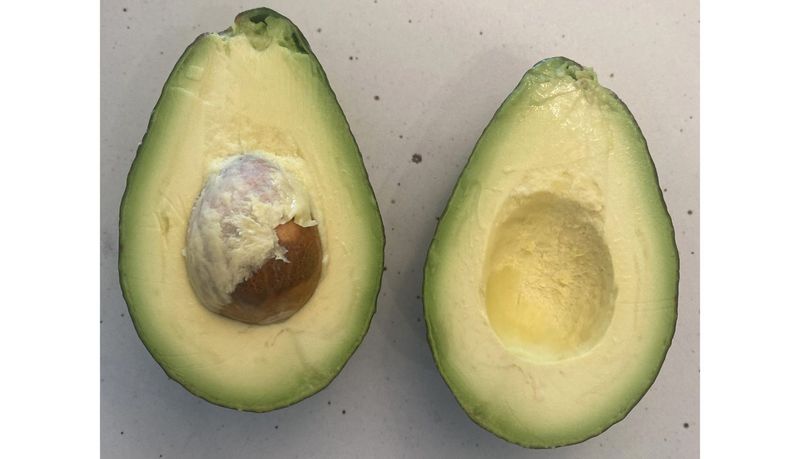
Avocados have a short window between perfectly ripe and completely brown. Once cut, they oxidize fast, turning that beautiful green flesh an unappetizing brown color.
Leaving the pit in the unused half and squeezing a little lemon juice on it slows down browning.
Unripe avocados should stay at room temperature until they soften. Once ripe, move them to the fridge to extend their life by a few days.
Storing cut avocado in an airtight container is essential to slow oxidation.
6. Fresh Fish
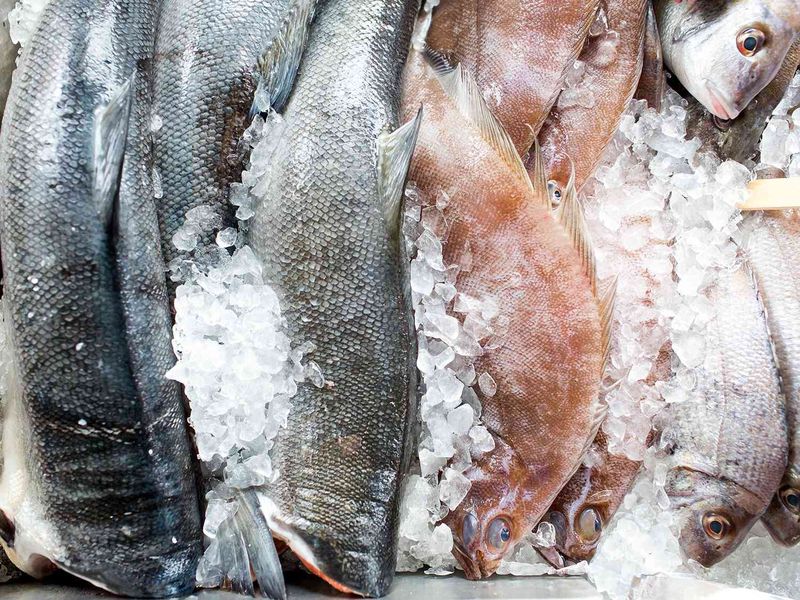
Fresh fish is one of those foods where proper storage truly matters for both quality and safety. Unlike chicken or beef, fish spoils incredibly fast, sometimes within just one day of purchase if not handled correctly.
Keeping it on a bed of ice in the coldest part of your fridge makes a real difference.
Store fish in a sealed container to prevent its strong smell from spreading to other foods. Plan to cook fresh fish within one to two days.
Freezing is the best option if you cannot cook it right away.
7. Cooked Rice
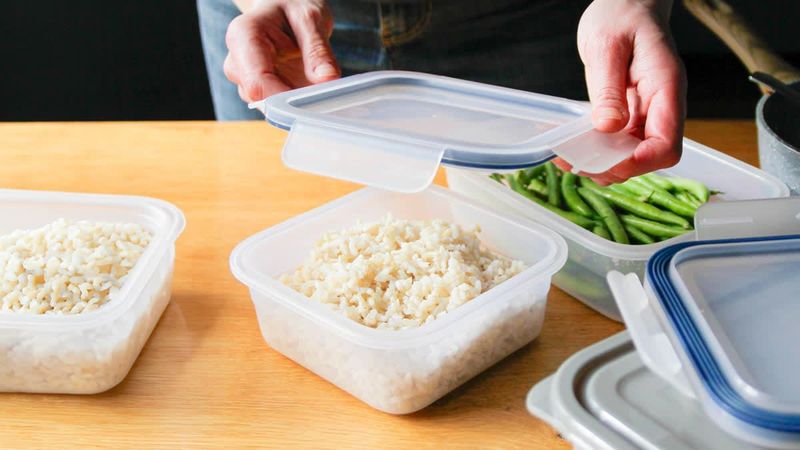
Cooked rice left at room temperature for too long can harbor a bacteria called Bacillus cereus, which causes food poisoning. Many people do not realize that rice is actually a higher-risk leftover than it might seem.
Cool it quickly after cooking and refrigerate within an hour.
Store cooked rice in a shallow, airtight container so it cools evenly. Eat refrigerated rice within one to two days for best safety.
Always reheat it thoroughly until steaming hot before eating.
8. Potatoes
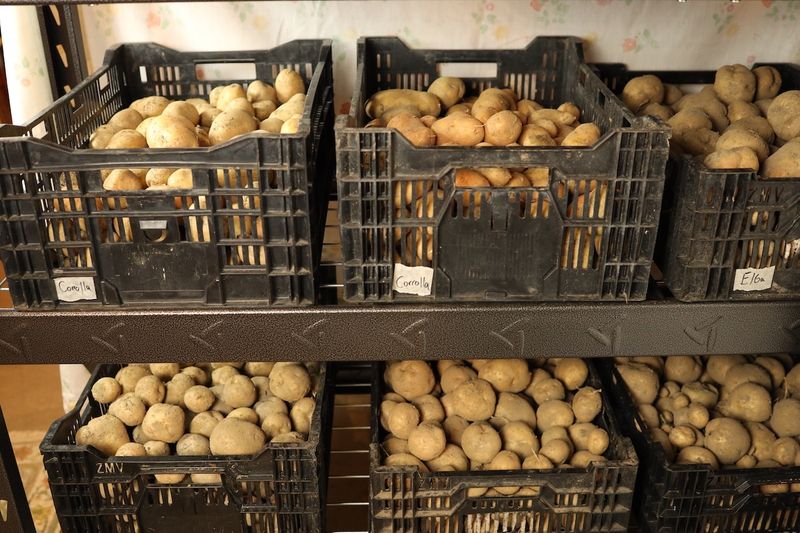
Potatoes seem tough, but store them wrong and they go bad faster than expected. One common mistake is keeping them in the fridge, which actually converts their starch into sugar and changes their flavor.
A cool, dark, and well-ventilated spot like a pantry or cupboard works best.
Keep potatoes away from onions, since the gases they each release speed up spoilage for both. Avoid plastic bags, which trap moisture and encourage rot.
Stored correctly, potatoes can last several weeks.
9. Honey
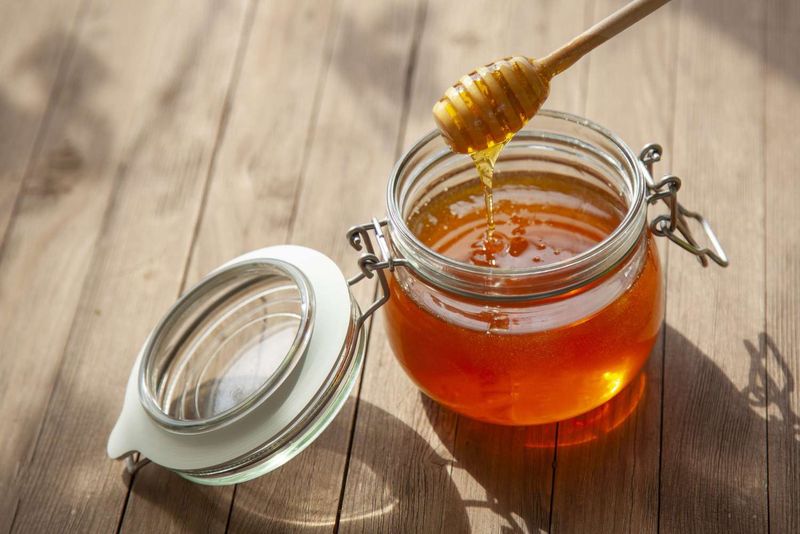
Honey is one of the few foods that can technically last forever, but bad storage can still ruin its quality. Exposure to heat and light causes honey to darken and lose its natural aroma and flavor.
Always store it in a tightly sealed container away from direct sunlight.
Room temperature storage in a cabinet is ideal. Never refrigerate honey, as it causes crystallization that makes it thick and hard to use.
If crystallization does happen, gently warming the jar in warm water brings it back to a smooth, pourable texture.
10. Fresh Herbs
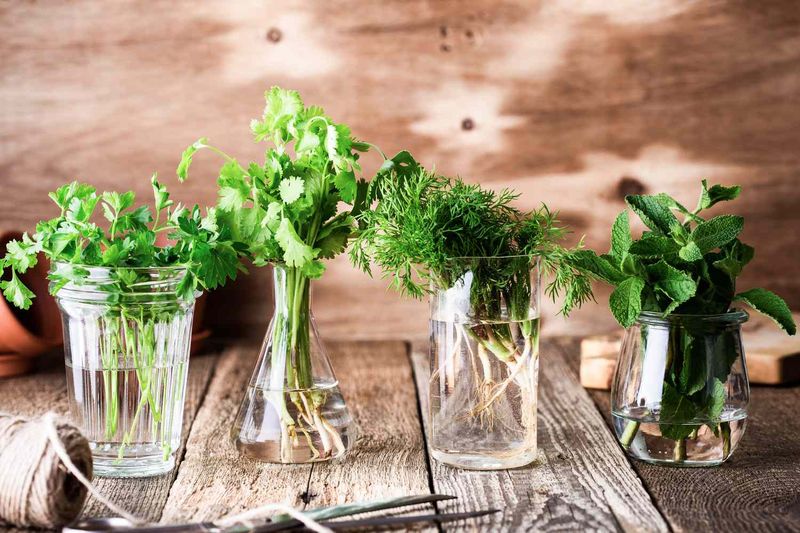
Fresh herbs are basically like little bouquets of plants, and they do best when treated similarly. Tender herbs like basil, cilantro, and parsley stay fresh much longer when placed upright in a small glass of water, like flowers in a vase.
Cover them loosely with a plastic bag and keep them at room temperature, away from cold drafts. Hardy herbs like rosemary and thyme prefer being wrapped in a slightly damp paper towel and stored in the fridge.
Proper storage can extend freshness from days to nearly two weeks.
11. Bread
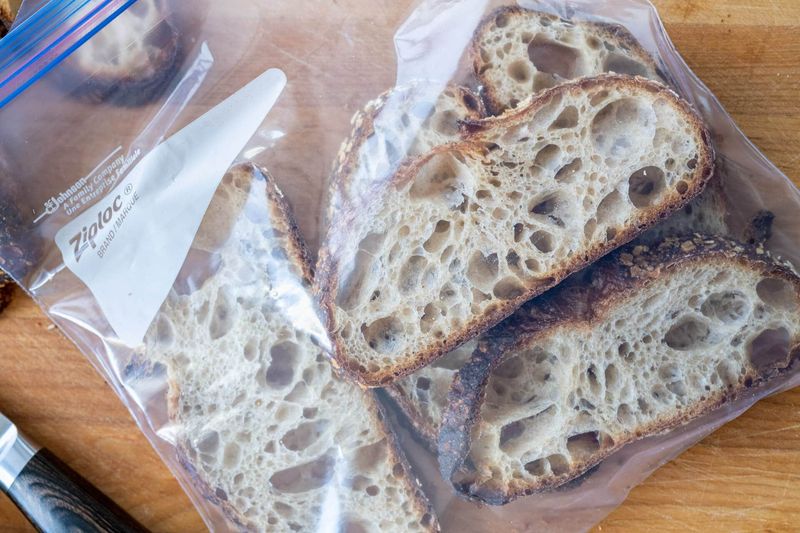
Bread goes stale or moldy faster than most people expect, especially in warm or humid kitchens. Storing it in the refrigerator actually speeds up the staling process due to how cold temperatures affect the starch structure.
A bread box or a sealed bag at room temperature is the smarter choice.
For longer storage, slice the bread and freeze it, then toast slices directly from frozen. Homemade bread without preservatives should be eaten within two to three days.
Keeping it away from heat sources and humidity is key.
12. Onions
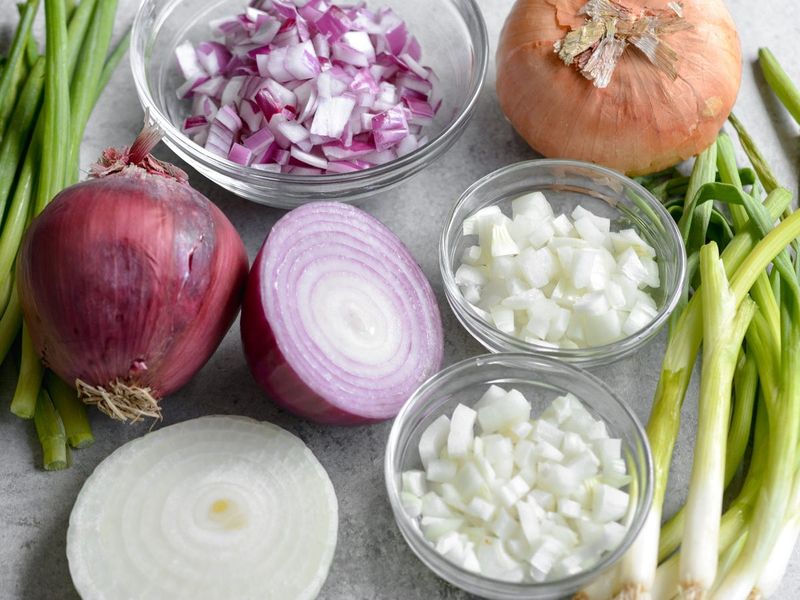
Onions seem indestructible, but they have surprisingly specific storage needs. Whole onions need airflow to stay fresh, so mesh bags or open baskets work much better than sealed plastic bags.
Keep them in a cool, dry, and well-ventilated area away from direct sunlight.
Once an onion is cut, the rules change completely. Wrap the cut half tightly in plastic wrap or store it in an airtight container in the fridge and use it within a few days.
Storing cut onions uncovered leads to quick drying and flavor loss.
13. Cheese
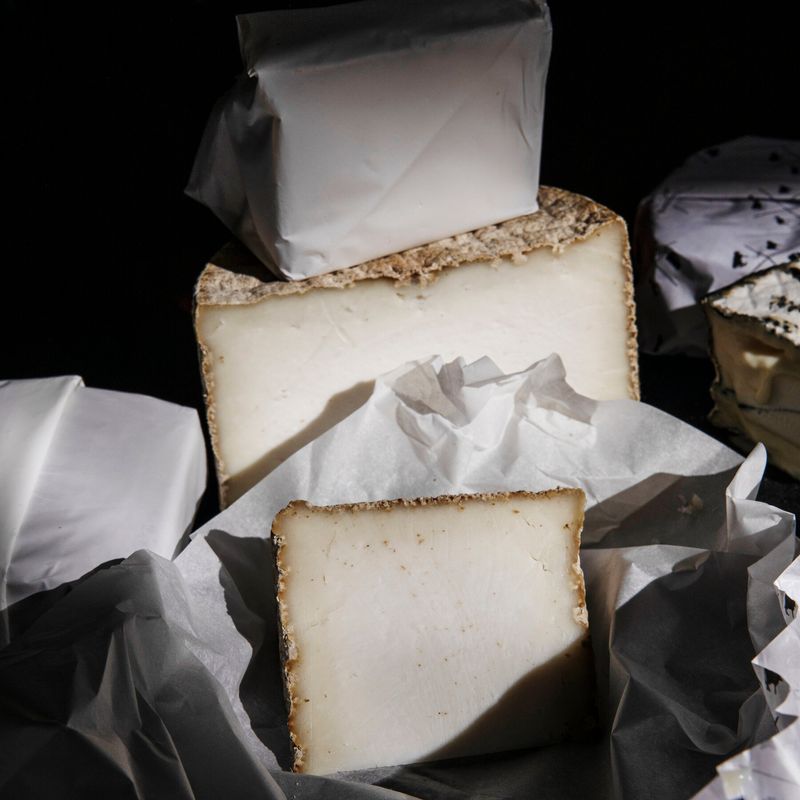
Cheese is a living food in many ways, and wrapping it in plastic wrap actually suffocates it and leads to a slimy, unpleasant texture. Parchment paper or special cheese wrap is a far better option, allowing the cheese to breathe while still staying protected from drying out.
Soft cheeses like brie spoil faster and should be eaten within a week of opening. Hard cheeses like parmesan or cheddar last much longer.
Store all cheese in the warmest part of the fridge, usually the vegetable or deli drawer, for best results.
14. Tomatoes
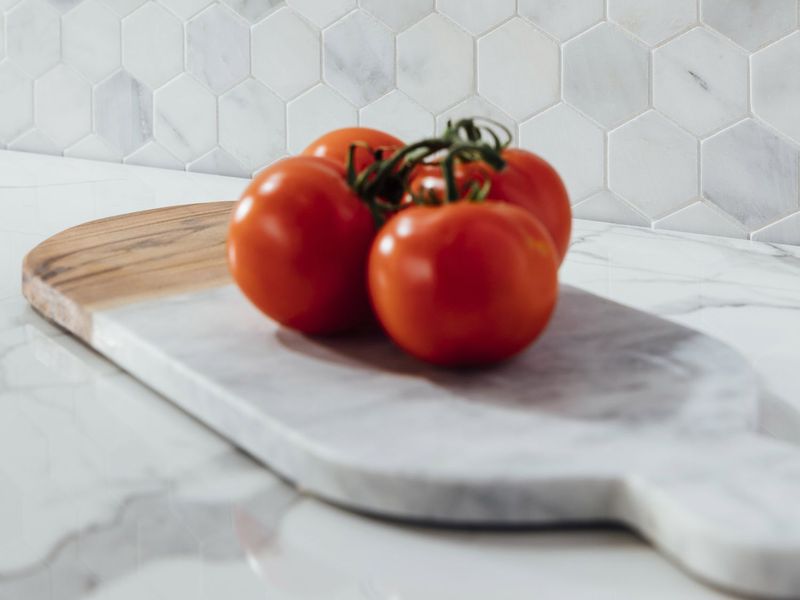
Putting tomatoes in the refrigerator is one of the most common kitchen mistakes. Cold temperatures break down the cell walls inside tomatoes, leaving them mealy, mushy, and flavorless.
Room temperature is truly the best environment for keeping tomatoes tasting their best.
Store them stem-side down on the counter away from direct sunlight to slow ripening. Once fully ripe, you can briefly refrigerate them to prevent spoilage, but bring them back to room temperature before eating.
Whole tomatoes stored this way stay flavorful for up to a week.
15. Cooking Oils
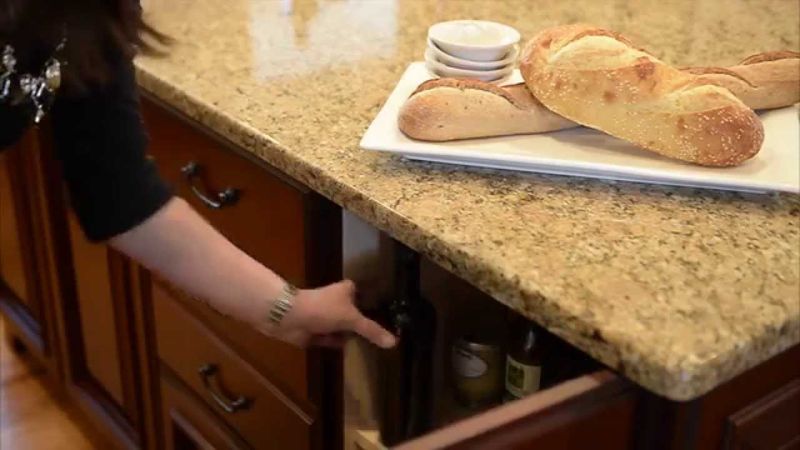
Cooking oils are sneaky when it comes to spoilage. Heat, light, and air are the three main things that cause oils to go rancid, and a rancid oil not only tastes terrible but can also be harmful to your health over time.
Many people make the mistake of storing oil right next to the stove.
Keep oils in a cool, dark cabinet away from heat sources and direct sunlight. Olive oil is especially sensitive and should never be stored in clear bottles on a sunny counter.
Tightly sealing the cap after every use also significantly slows down oxidation.




Comments
No Comments