













Ever bitten into something and wondered how it got its name? Some foods carry titles that are completely misleading, leaving you scratching your head once you learn the truth.
From ingredients that sound like one thing but are totally another, to dishes named after places they have zero connection to, food naming can be wonderfully bizarre. Get ready to look at your favorite snacks and meals in a whole new way.
1. Sweetbreads
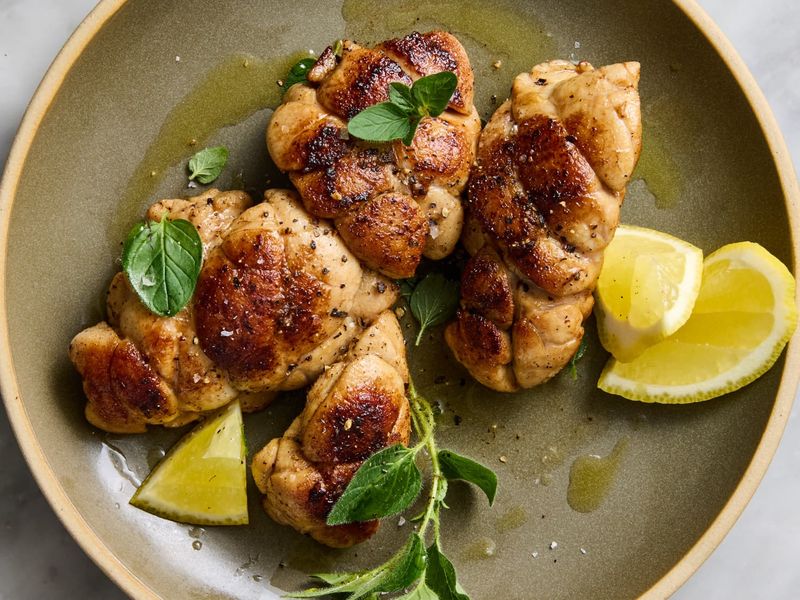
Forget what the name suggests. Sweetbreads have nothing to do with bread or anything sweet.
They are actually the thymus or pancreas glands of a calf or lamb. The name likely comes from the Old English word "brede," meaning roasted meat, and "sweet" possibly referring to the rich, mild flavor compared to other organ meats.
Chefs in fine restaurants often serve them sauteed or pan-fried until crispy outside and tender inside. A surprising delicacy hiding behind a very misleading name.
2. Rocky Mountain Oysters
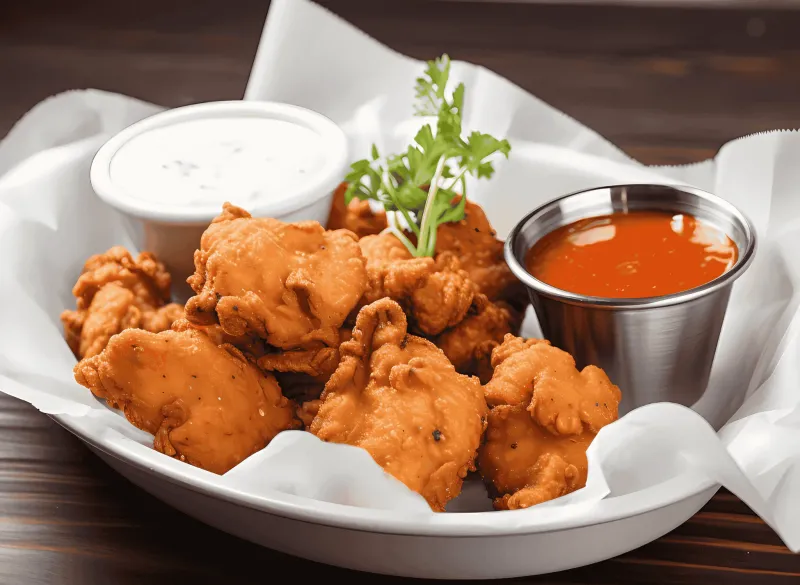
No ocean was involved in making this dish. Rocky Mountain Oysters are actually deep-fried bull, bison, or pig testicles, popular in cattle-ranching regions of the American West and Canada.
The name is believed to be a humorous cowboy euphemism meant to make the dish sound more appetizing to unsuspecting visitors.
At rodeos and Western festivals, they are a beloved tradition. Many first-timers try them on a dare, only to discover they actually taste pretty good when seasoned well.
3. Head Cheese
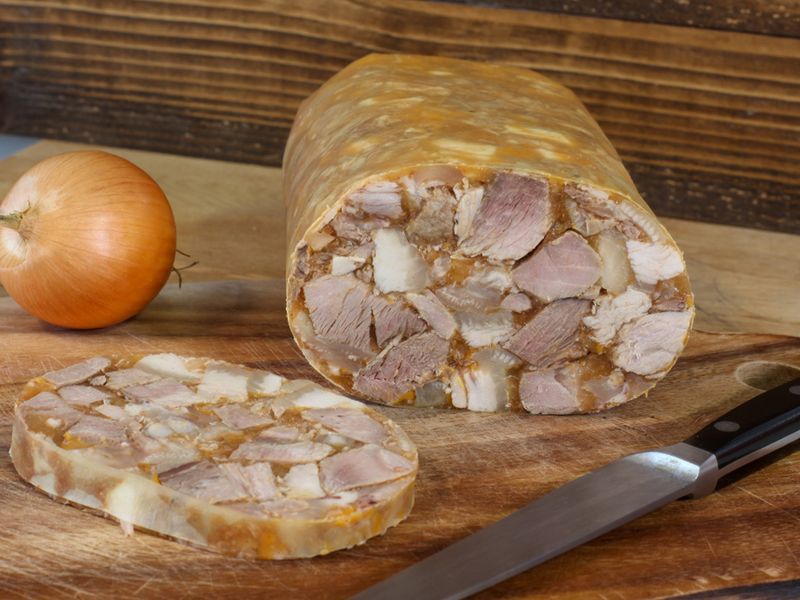
Head cheese sounds like a dairy product, but it contains absolutely no cheese whatsoever. It is actually a cold cut made from the meat of a pig or calf's head, set in its own natural gelatin.
Originating in Europe, it has been a popular charcuterie item for centuries and goes by different names across cultures.
The word "cheese" may refer to the mold or press used to shape it. Thinly sliced and served cold, it is a staple at old-fashioned delis worldwide.
4. Jellyfish
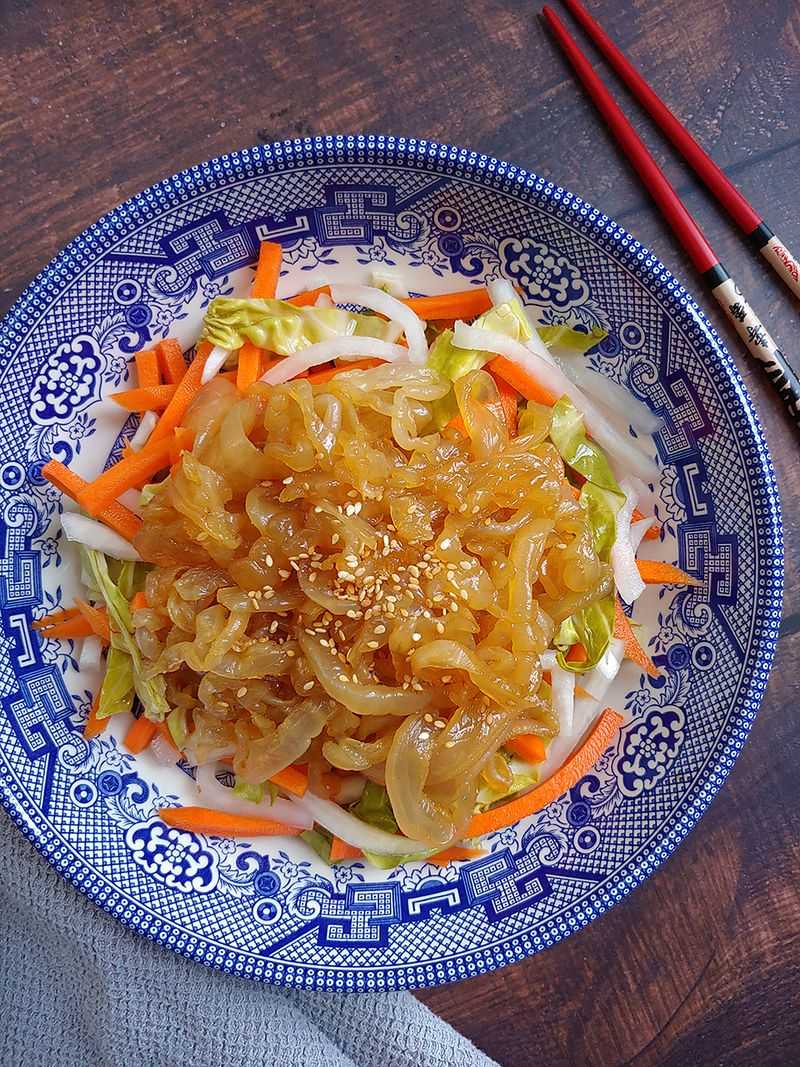
Here is a fun one. Despite its name, jellyfish is neither a jelly nor a fish.
It is a marine invertebrate with no brain, heart, or bones. The name stuck because of its wobbly, jelly-like appearance in the water, even though biologically it is nothing like a fish.
In Asian cuisine, jellyfish is prepared as a crunchy, savory salad after being dried and rehydrated. Scientists actually prefer the term "sea jellies" to keep things accurate, but the old name has proven very hard to shake.
5. Peanuts
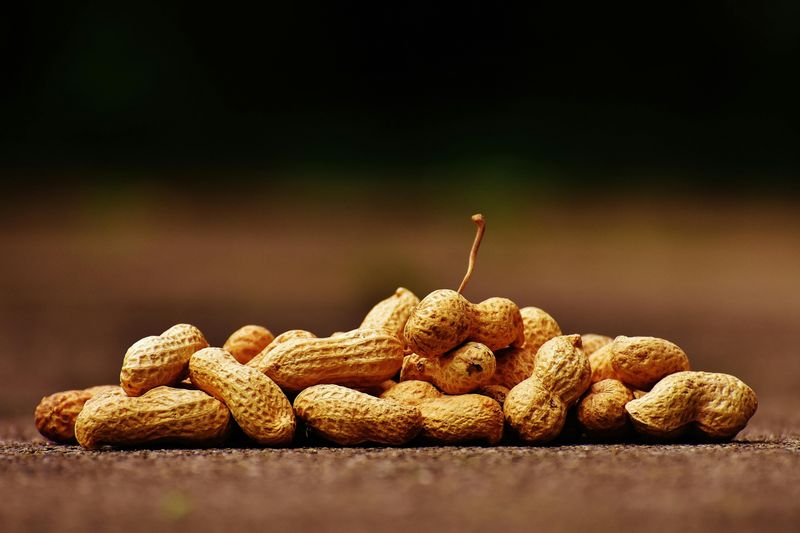
Peanuts grow underground, not on trees, which already makes the name a little suspicious. Technically, peanuts are not nuts at all.
They belong to the legume family, making them much more closely related to beans and lentils than to almonds or walnuts.
The confusion dates back centuries when European explorers encountered them in South America and grouped them with other nut-like foods. Today, peanuts are one of the world's most popular snacks, even though calling them a nut is, scientifically speaking, completely wrong.
6. Eggplant
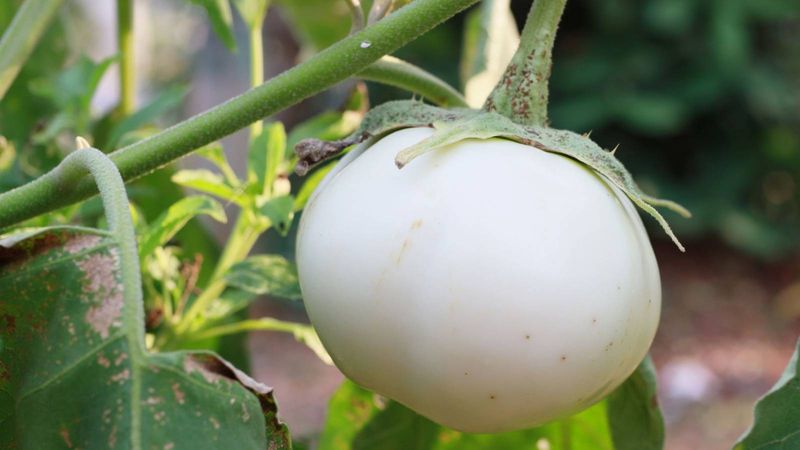
Most people picture a large purple vegetable when they hear eggplant. So where does the egg part come in?
Early varieties of this plant actually produced small, white or yellow fruits that looked remarkably like eggs hanging from the vine. Those older varieties are still grown today and really do resemble eggs.
The name stuck even as the more familiar deep-purple versions became popular worldwide. In Britain and Australia, the same vegetable is called aubergine, which comes from its Arabic and Persian roots instead.
7. Strawberry
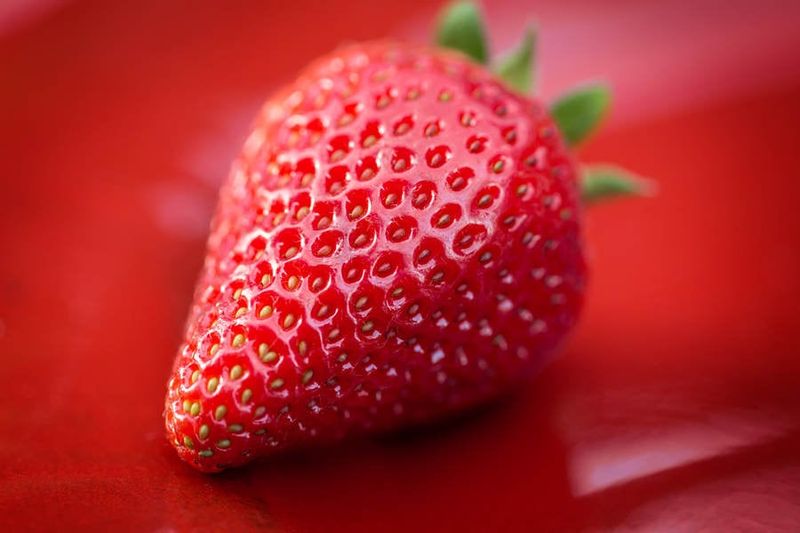
Strawberries are one of the most beloved fruits on the planet, but botanically speaking, they are not actually berries. True berries, by scientific definition, must develop from a single flower with one ovary.
Strawberries develop from a flower with multiple ovaries, making them what botanists call an "accessory fruit."
And the straw part? Theories range from the practice of mulching plants with straw to the old word "strew," meaning to scatter.
Either way, the name has never quite matched the science behind this sweet favorite.
8. French Dressing
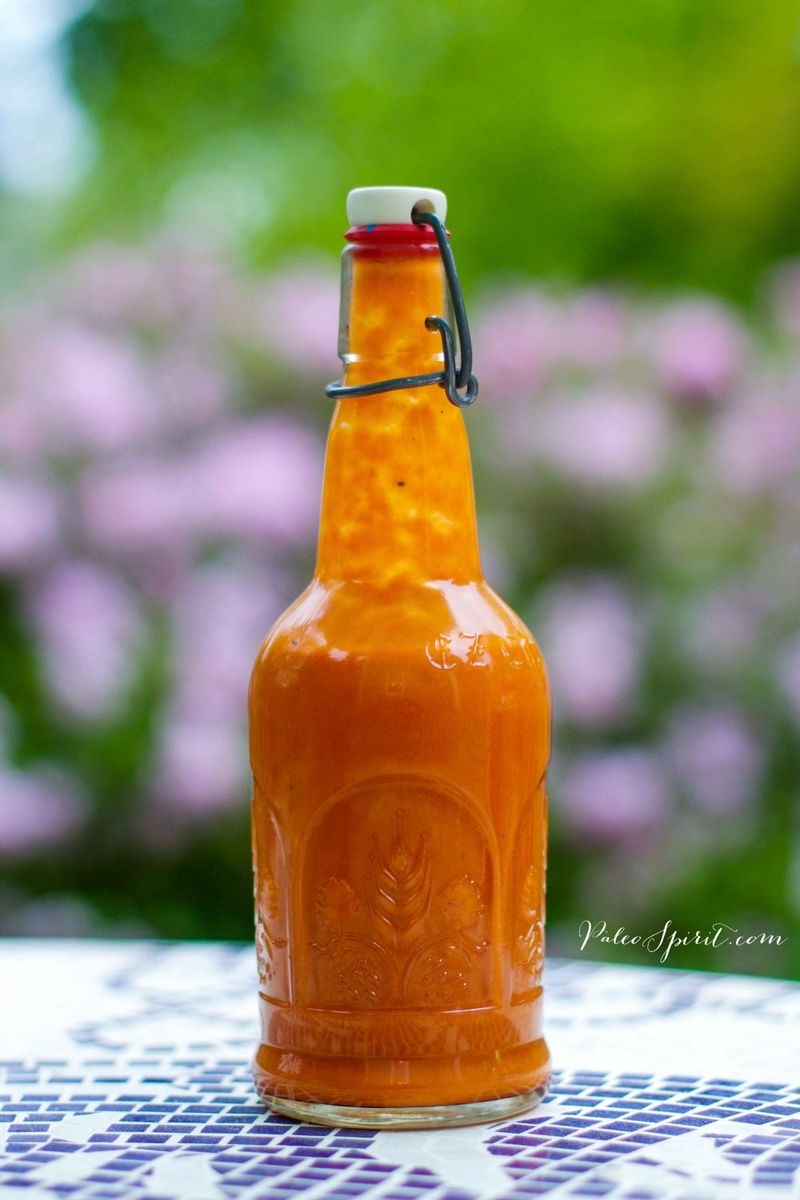
You might assume French dressing came straight from France, but that assumption would be wrong. The bright orange, sweet, and tangy salad dressing sold in American supermarkets was invented in the United States.
Authentic French vinaigrette is a simple blend of oil, vinegar, mustard, and seasoning, nothing like the bottled American version.
The name was likely used to give the product a sophisticated, European flair. French chefs would barely recognize what Americans call French dressing, and many find the comparison quite amusing.
9. Cream of Wheat
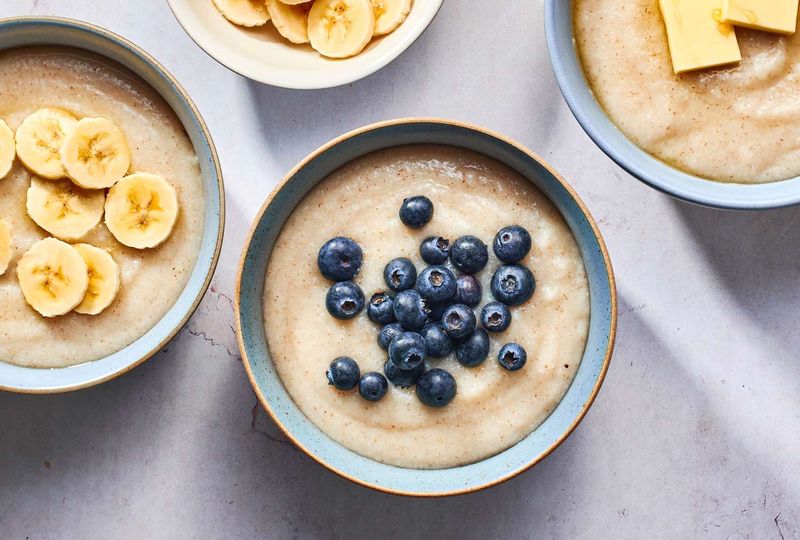
Cream of Wheat sounds like it might contain cream, but the original recipe has no dairy at all. It is simply a hot porridge made from finely ground semolina wheat.
The name refers to the smooth, creamy texture the cereal develops when cooked with water or milk, not to any actual cream ingredient.
First introduced in 1893 in North Dakota, it quickly became a breakfast staple across America. People often add butter, honey, or fruit on top, which is where the actual creaminess sometimes comes in.
10. Bombay Duck

Bombay Duck is neither from Bombay nor is it a duck. It is actually a type of lizardfish called Harpadon nehereus, caught off the coast of India and traditionally dried and salted.
The fish is famous for its strong smell and is a beloved ingredient in South Asian cooking.
The quirky name is believed to have come from British colonial times, possibly linked to the Bombay Daak, a mail train known for its strong odor. The duck connection remains a delightful mystery to this day.
11. Grape Nuts
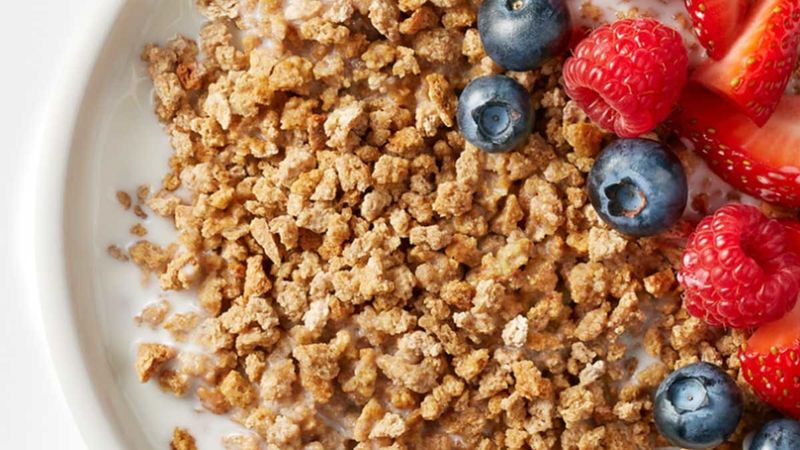
Grape Nuts cereal contains no grapes and no nuts. The crunchy, dense little pellets are made entirely from wheat and barley flour.
So how did it get such a misleading name? C.W.
Post, who invented the cereal in 1897, believed that grape sugar, also known as glucose, formed during the baking process, which inspired the grape part of the name.
As for nuts, the small, hard kernels simply resembled grape seeds in shape. The name stuck, and generations of breakfast eaters never questioned it much.
12. Buffalo Wings
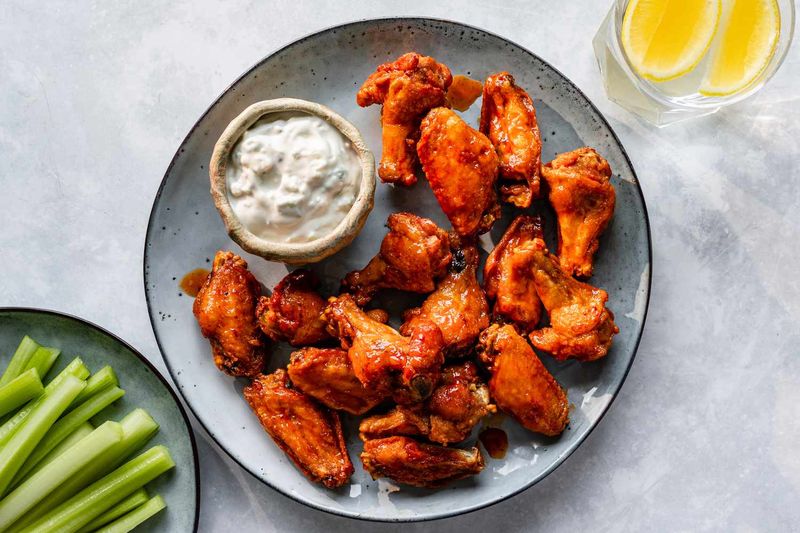
Buffalo wings do not come from buffaloes, and no actual buffalo was harmed in making them. The name refers to Buffalo, New York, where the dish was reportedly invented at the Anchor Bar in 1964.
The wings are made from chicken, tossed in a buttery hot sauce that has since become iconic across American sports bars and restaurants.
Interestingly, the sauce itself is also sometimes called buffalo sauce, named after the city rather than the animal. The real buffalo has absolutely nothing to do with this beloved appetizer.
13. Ladyfingers
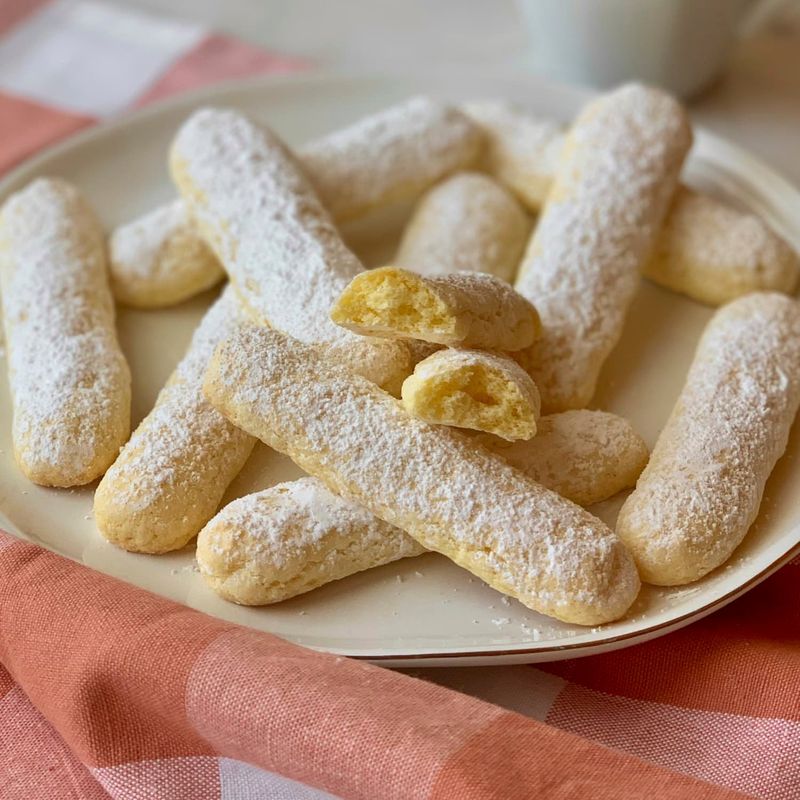
Ladyfingers are a classic Italian sponge cookie used in desserts like tiramisu and charlotte cake. Despite the name, they are simply light, oblong biscuits shaped vaguely like elongated fingers, which inspired the name.
No actual ladies or fingers are involved in any stage of production, thankfully.
Known as savoiardi in Italian, they have been baked since the 15th century in the Savoy region of Europe. Their dry, airy texture is perfect for soaking up cream and espresso without completely falling apart, making them a baker's best friend.
14. Welsh Rarebit

Welsh Rarebit sounds like it should involve rabbit meat, but there is no rabbit anywhere near this dish. It is actually a savory cheese sauce, often made with ale, mustard, and Worcestershire sauce, poured over toasted bread.
The original name was Welsh Rabbit, used mockingly in the 18th century to suggest that the Welsh were too poor to afford real rabbit.
The spelling eventually changed to rarebit to soften the joke. Today it is a beloved comfort food with a surprisingly sharp history behind its name.
15. Starfruit
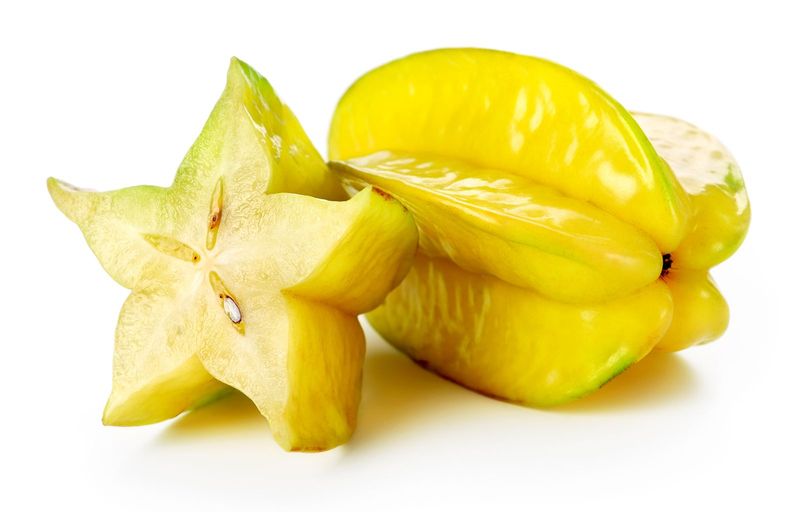
Starfruit actually earns its name pretty well when sliced, but the fruit itself has nothing to do with stars beyond its shape. Native to tropical Southeast Asia, it is botanically known as carambola and belongs to the wood sorrel family.
The five-pointed star shape only appears when you cut it crosswise, which is admittedly pretty magical.
Its flavor is a mix of apple, pear, and citrus, and it is entirely edible, skin and all. However, people with kidney disease are advised to avoid it due to a compound that can be harmful to them.




Comments
No Comments