













Some foods carry a surprising amount of social power. A simple ingredient or dish can suddenly signal wealth, sophistication, or belonging, often for reasons nobody planned.
Throughout history and even today, certain foods have climbed the social ladder in ways that would leave their humble origins totally speechless. Get ready to look at your plate a little differently.
1. Lobster: From Prison Food to Fine Dining
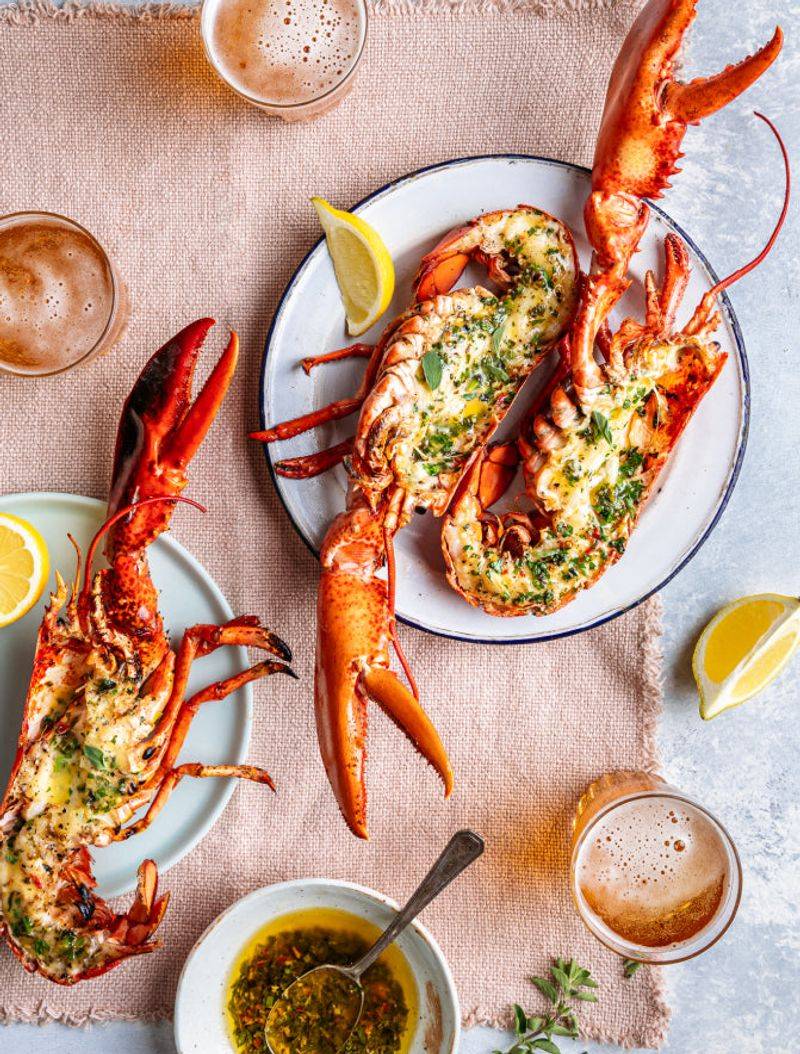
Hard to believe, but lobster was once considered so low-class that it was fed to prisoners and servants in colonial America. People were embarrassed to admit they ate it.
Landlords were even legally restricted from serving it too often to their workers.
Somewhere along the way, improved transportation and clever marketing flipped the script entirely. Today, ordering lobster at a restaurant signals luxury and celebration.
Its journey from trash food to trophy meal is one of the most dramatic reversals in culinary history.
2. White Bread: The Bread of the Wealthy Elite
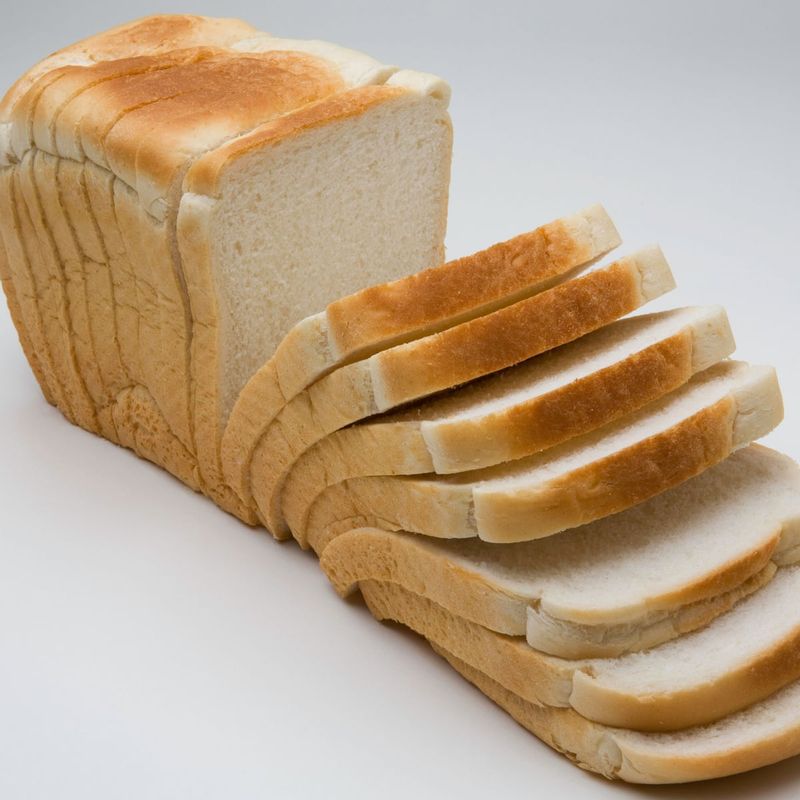
For centuries, white bread was a luxury only the rich could afford. Refining wheat into soft, pale flour required expensive milling processes that common people simply could not access.
Eating white bread told your neighbors you had money.
Working-class families ate dense, dark bread made from unrefined grain. The irony?
Today, whole grain bread costs more at the grocery store, and white bread is considered the budget option. Status flipped completely based on what science later revealed about nutrition.
3. Avocado Toast: The Millennial Wealth Paradox
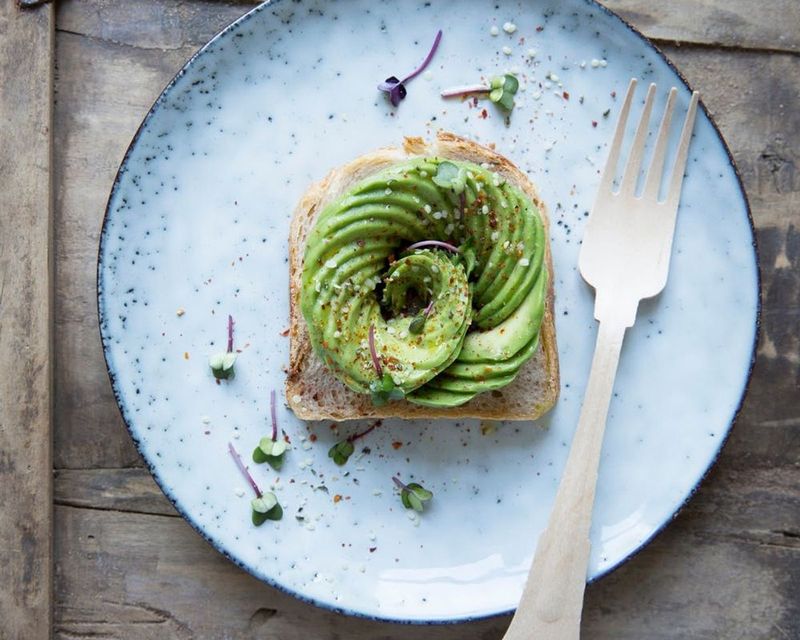
Avocado toast became a cultural flashpoint when a millionaire businessman blamed young people's love of it for why they could not afford homes. That comment went viral instantly, turning a simple breakfast dish into a generational battleground.
Suddenly, ordering avocado toast meant something beyond hunger. It signaled a certain lifestyle, income bracket, and even political identity.
Few foods have ever sparked so much economic debate just by sitting on a plate with some sourdough bread underneath.
4. Truffle: The Underground Luxury Nobody Planned
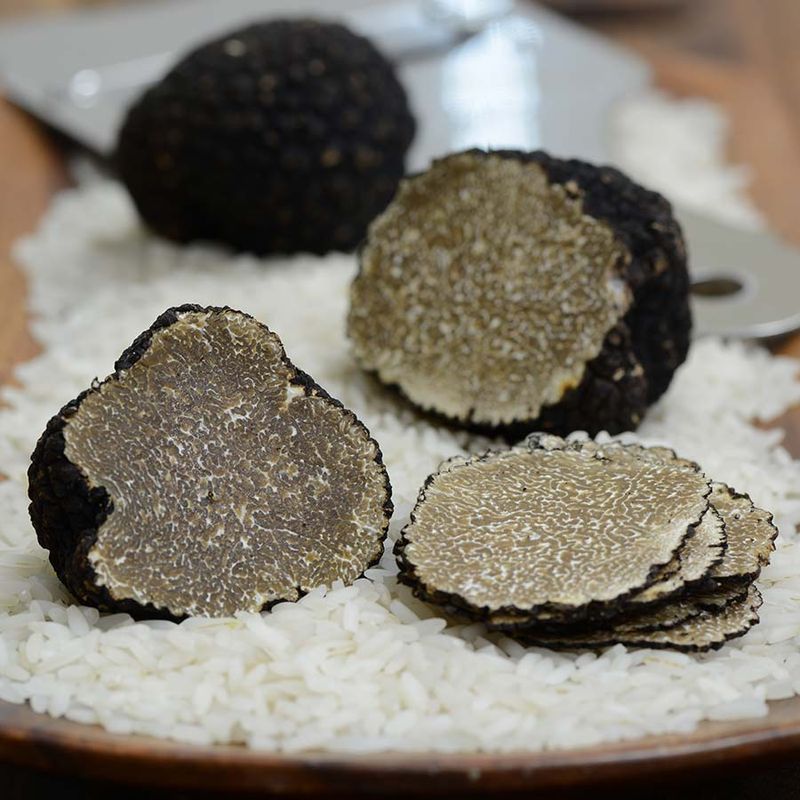
Truffles grow underground near tree roots, and nobody plants them on purpose. Pigs and dogs have to sniff them out, making harvesting unpredictable and exhausting.
That scarcity alone drove prices sky-high before anyone even marketed them as gourmet.
Medieval Europeans actually thought truffles were dangerous because they grew without visible seeds. Over time, royalty began requesting them, and the stigma flipped into fascination.
Now a shaving of truffle on pasta can add hundreds of dollars to a restaurant bill without anyone blinking.
5. Oysters: Once Street Food for the Poor
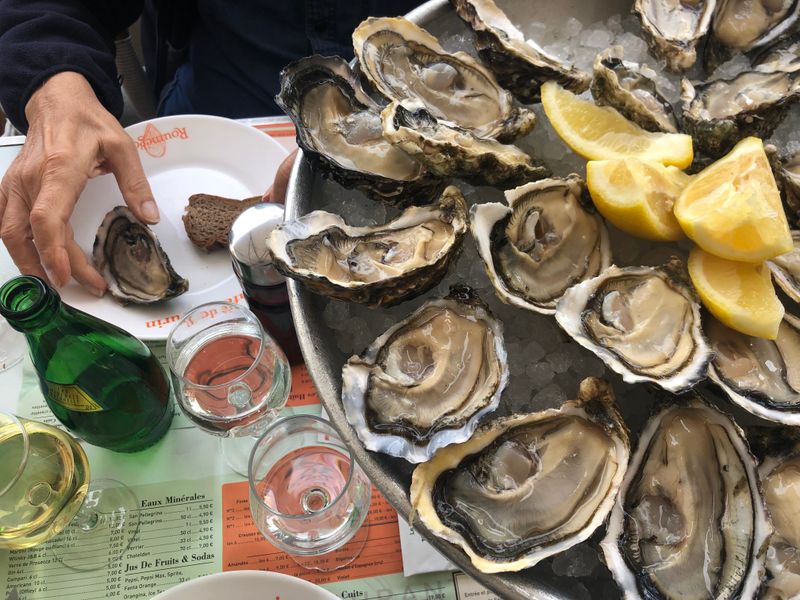
Walk past any fancy seafood restaurant today and oysters on the half shell will cost you a small fortune. Back in the 1800s, though, oysters were so plentiful in New York Harbor that they were sold cheaply on street corners as everyday working-class snacks.
Overharvesting and pollution wiped out natural oyster beds, making them rare. Scarcity did what marketing never had to.
Something once eaten by dockworkers became the centerpiece of upscale happy hours and wedding receptions across the country.
6. Kale: How a Garnish Became a Superfood Trophy
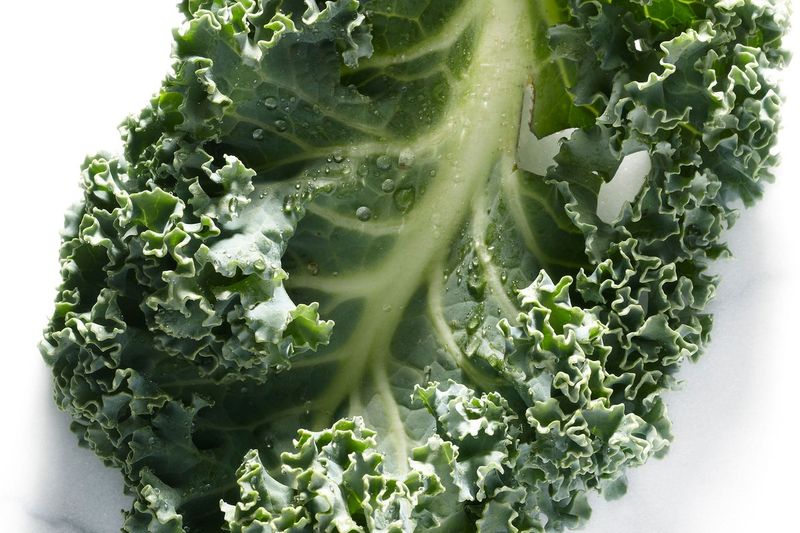
For most of its history, kale sat at the edges of salad bars doing basically nothing. Restaurants used it purely as decorative garnish around other foods.
Nobody was ordering kale on purpose or bragging about eating it at dinner parties.
Then wellness culture exploded online, and kale got rebranded as a nutritional powerhouse. Suddenly, eating kale meant you were health-conscious, informed, and maybe even a little elite.
A humble leafy green transformed into a badge of lifestyle identity almost entirely through social media momentum.
7. Saffron: The Spice Worth More Than Gold
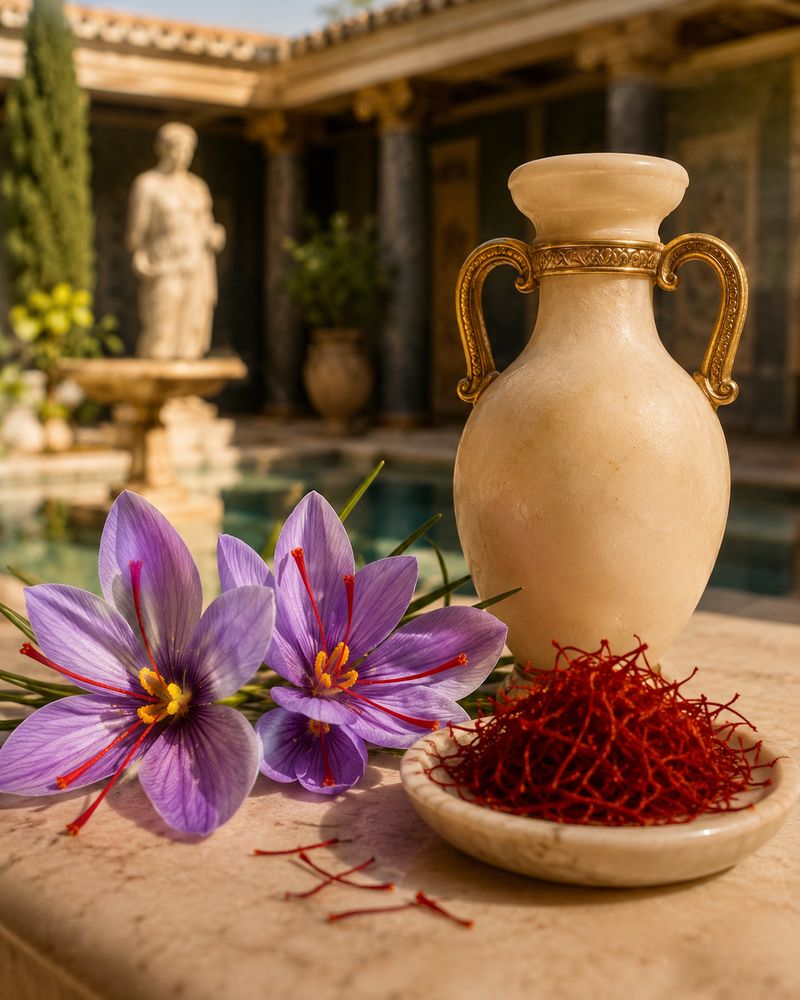
Saffron comes from the tiny stigmas of a specific crocus flower, and each one must be harvested by hand. It takes roughly 75,000 flowers to produce just one pound of the spice.
That labor-intensive process makes it one of the most expensive ingredients on earth.
Ancient Egyptians and Persian royalty used saffron in perfumes, baths, and medicines long before it entered cooking. Owning saffron historically meant you were extraordinarily wealthy.
Even today, adding it to a dish quietly communicates that no expense was spared in the kitchen.
8. Bottled Water: Paying for What Used to Be Free

Nobody predicted that people would someday pay five dollars for something that flows freely from a tap. Bottled water brands like Evian and Perrier turned hydration into a lifestyle statement starting in the 1970s and 80s, and consumers eagerly followed along.
Carrying a specific brand of water became a subtle flex. Premium mineral waters now come in designer bottles and get served at luxury hotels with full explanations of their source.
Paying for water you could get free is now, somehow, a marker of refined taste.
9. Spam: A Wartime Staple That Became a Cultural Icon
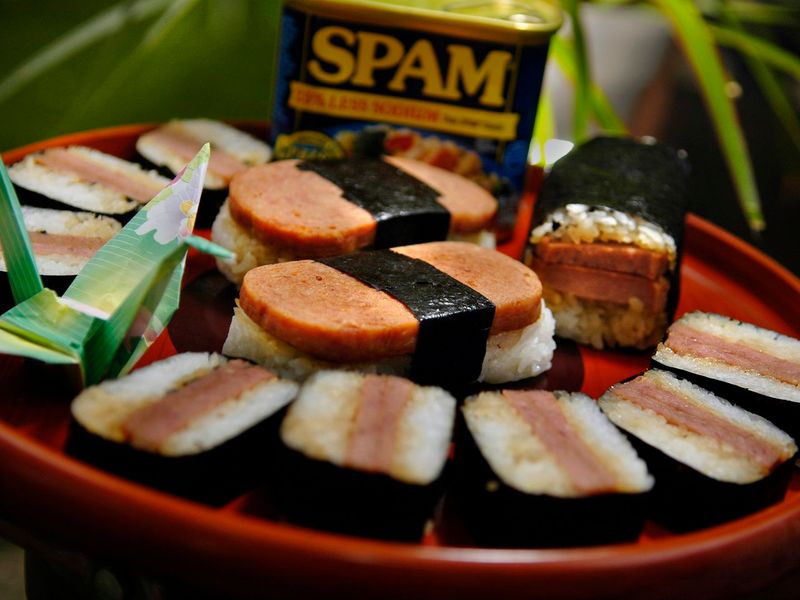
Spam was introduced as an affordable canned meat during World War II, shipped to soldiers and rationed families worldwide. In Hawaii and parts of Asia, it became deeply embedded in local cuisine not by choice, but by necessity during food shortages.
Fast forward to today, and Spam musubi is a beloved Hawaiian street food sold everywhere from gas stations to fancy brunch menus. In South Korea, Spam gift sets are given as premium holiday presents.
Scarcity and culture turned a wartime leftover into a genuine delicacy.
10. Wagyu Beef: When Cow Pampering Becomes a Price Tag
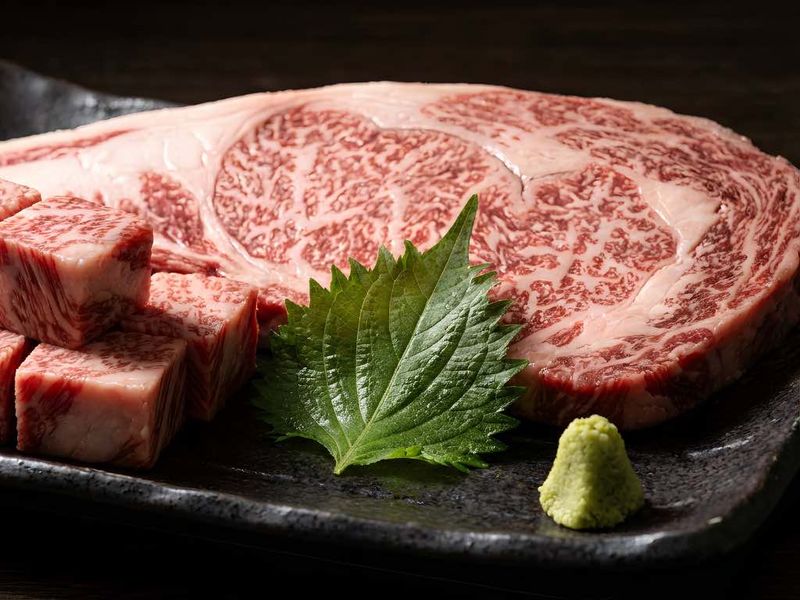
Wagyu cattle in Japan are raised under incredibly specific conditions, sometimes including massages and special diets. The result is beef so marbled with fat that it practically melts on your tongue, producing a texture unlike any ordinary steak.
A single Wagyu burger can run over fifty dollars at a trendy restaurant, and a full steak can cost several hundred. What started as a regional Japanese farming practice became a global luxury symbol.
Ordering Wagyu today is less about hunger and more about signaling that you can afford the extraordinary.
11. Sourdough Bread: The Pandemic Prestige Loaf
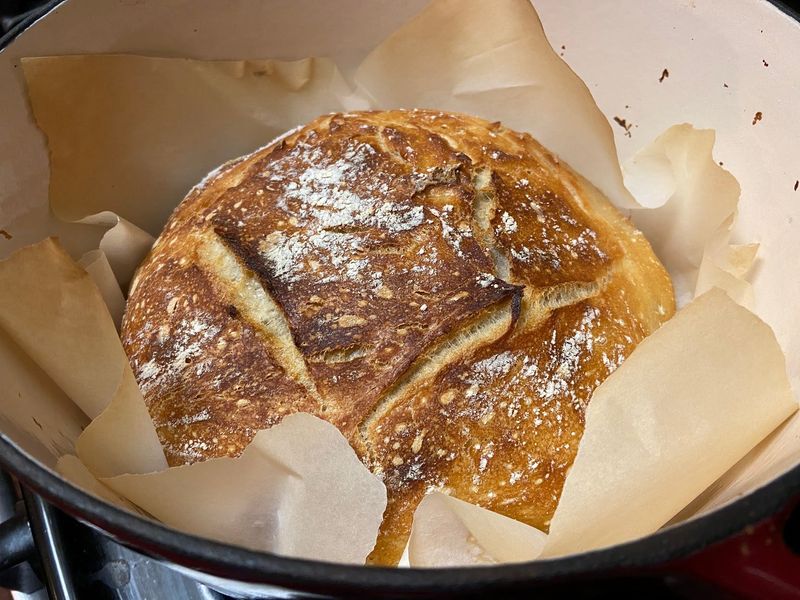
When the pandemic hit in 2020, sourdough baking exploded across social media. Suddenly, everyone seemed to be nurturing a starter culture and posting pictures of their loaves online.
Baking sourdough became a way to show patience, skill, and a certain kind of mindful living.
What was once just traditional peasant bread from ancient Egypt turned into a symbol of pandemic-era identity. A well-scored sourdough loaf on your counter said something specific about your personality and values.
Few foods have ever carried so much emotional and social weight so quickly.
12. Macarons: A Cookie That Became an Aesthetic Statement
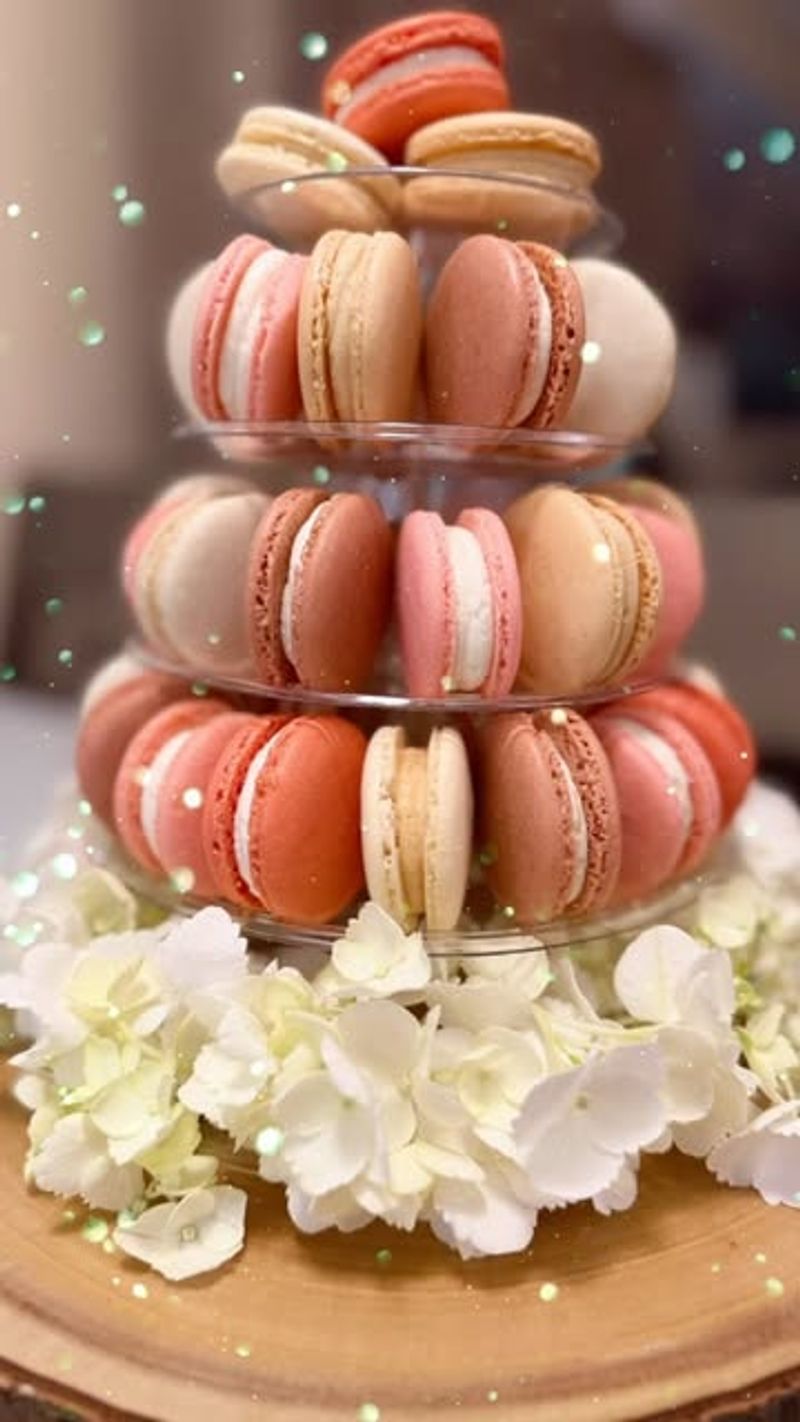
French macarons are notoriously difficult to make correctly, which partly explains their premium price tag at bakeries. But their rise as a status food has less to do with taste and more to do with how photogenic they are arranged in a tower.
Instagram essentially made macarons famous worldwide. Their soft pastel colors and perfect round shapes were practically designed for social media feeds.
Bringing a box of macarons to a party now signals sophistication and thoughtfulness in a way that a sheet cake simply cannot match anymore.
13. Matcha: Green Tea That Climbed the Social Ladder
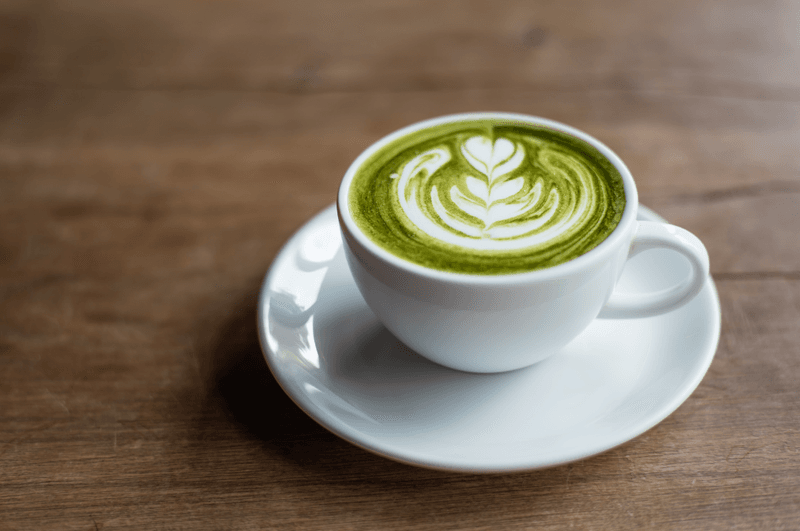
Matcha has been part of Japanese tea ceremonies for centuries, valued for its calming ritual rather than its flavor. When wellness influencers discovered its antioxidant properties around 2015, the ingredient jumped continents almost overnight and landed in every trendy coffee shop menu.
A matcha latte now costs significantly more than a regular green tea, even though they come from the same plant. Holding that distinctive green cup signals health awareness, cultural curiosity, and a willingness to spend more on everyday habits.
Matcha turned a monk's ritual into a modern status drink.
14. Pineapple on Pizza: The Food That Sparked Class Warfare
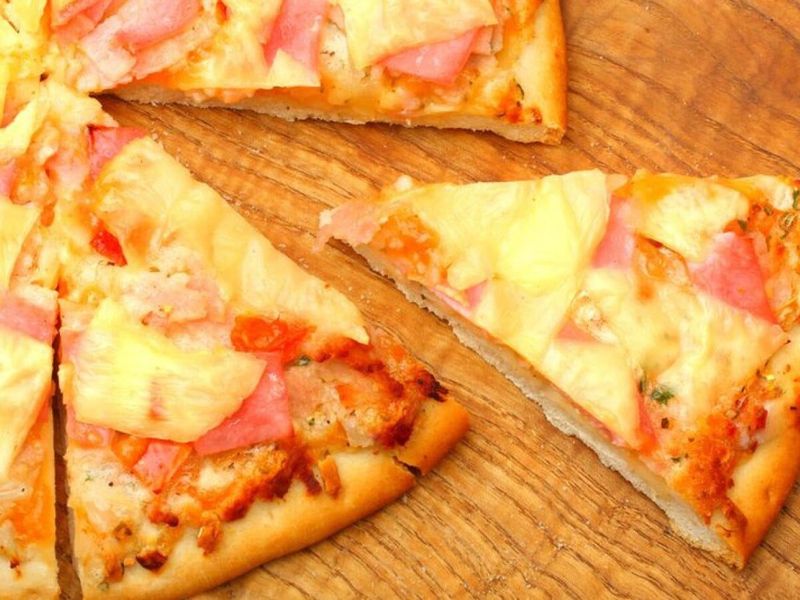
No food debate in recent memory has divided people quite like pineapple on pizza. What started as a Canadian invention in the 1960s became a cultural litmus test.
Your stance on Hawaiian pizza somehow reveals personality, humor, and even social belonging.
Chefs and food snobs who loudly oppose it use the debate to signal culinary seriousness. Fans embrace it as a rejection of food elitism.
A humble fruit on a pizza somehow became a way to sort people into social tribes. That is an unexpected kind of status power.
15. Cronuts: When a Pastry Created a Social Media Queue
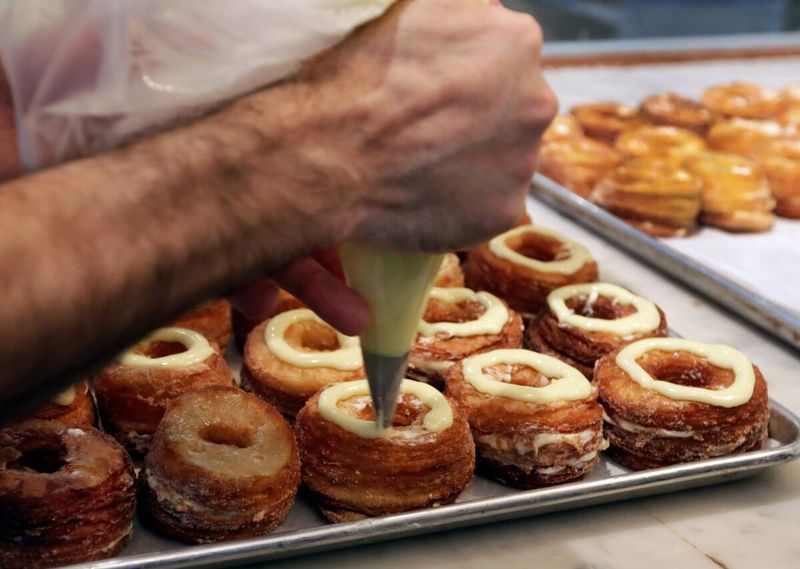
Chef Dominique Ansel invented the cronut in 2013, a croissant-doughnut hybrid that sent New Yorkers lining up outside his bakery before dawn. People waited hours, and some even hired line-sitters to hold their spot.
A single pastry became a trophy worth losing sleep over.
The cronut proved that scarcity plus novelty is a powerful social recipe. Posting a photo with one showed you had access, patience, or connections.
Food lines became a new kind of status performance, and the cronut was the unlikely star that started it all.




Comments
No Comments