













Britain has a long and proud food culture, and with that comes a very specific set of unspoken rules about how certain foods should be eaten. Break those rules, and you might not hear a word about it - but trust us, people will notice.
From the way you handle a scone to how you tackle a chip butty, Brits have strong opinions. Read on to find out if you have been doing it wrong all along.
1. Scones: Cream First or Jam First?
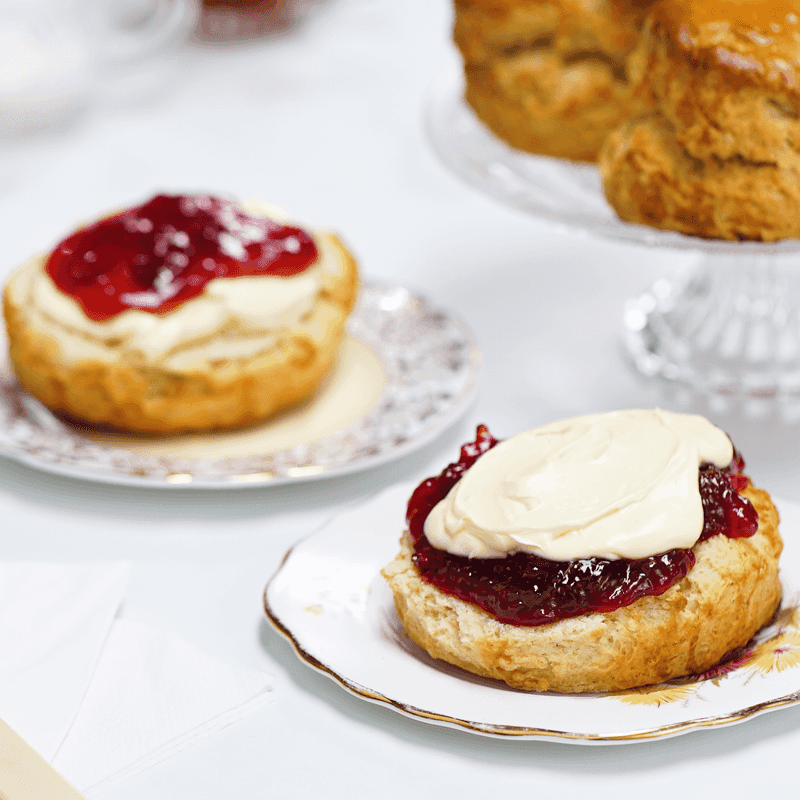
Few debates in Britain spark more passion than the great scone argument. The Cornish say jam first, then cream.
Devon folk will insist it is cream first, then jam. Get this wrong at a tea room and you will feel the silent weight of disapproval from every table around you.
The safest move? Ask where the scone was baked.
Match the local tradition and you will earn instant respect from everyone watching.
2. Chips: Fork or Fingers?
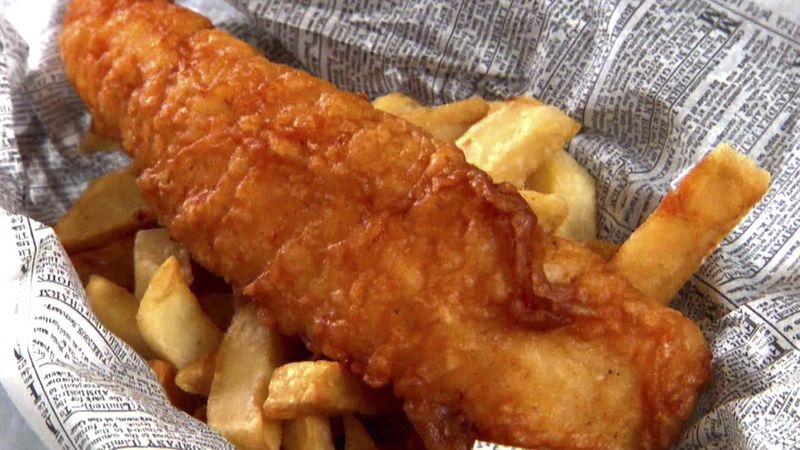
Chips from a proper chippy are meant to be eaten with your hands - everyone knows that. Pull out a fork at the seaside and prepare for sideways glances from locals.
There is something about the paper wrapping and the salty sea air that makes fingers the only acceptable utensil.
That said, chips served on a plate at a pub or restaurant are a different matter entirely. Context matters enormously in Britain.
3. Tea: Milk In First or Last?
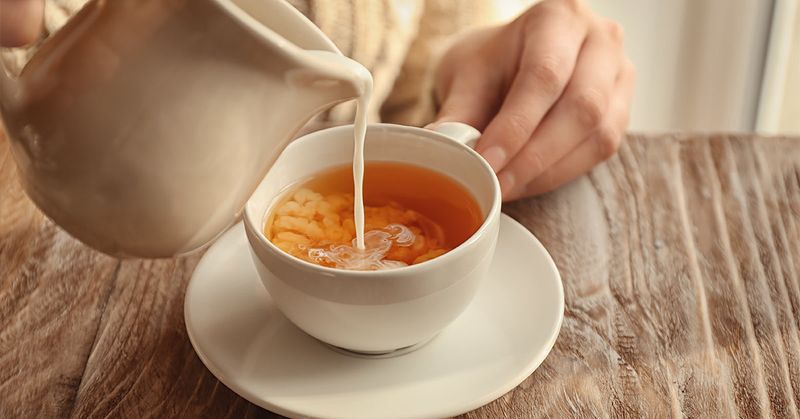
Milk in first or last - this tiny decision carries enormous social weight in Britain. Historically, adding milk first was a working-class habit to protect cheap mugs from cracking with boiling water.
Today, most people add milk after, especially when using a teabag.
Pour the milk in first around the wrong crowd and you might get a raised eyebrow or two. It sounds ridiculous, but tea rules here are practically constitutional.
4. A Full English: The Order of Eating
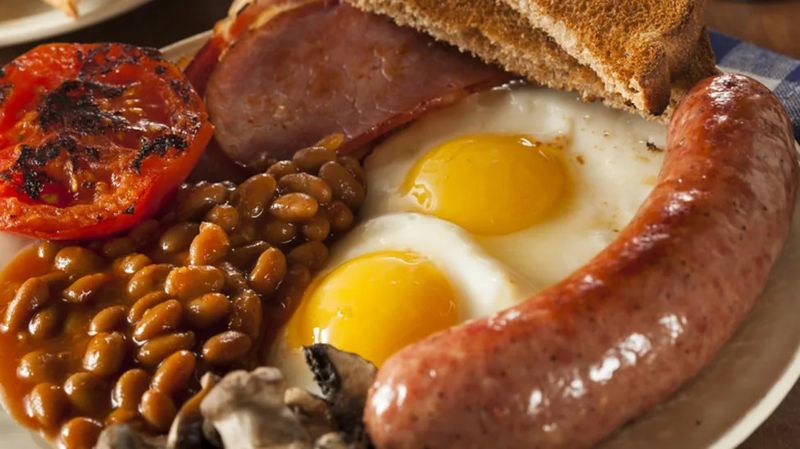
Nobody writes down the rules for eating a full English, but somehow everyone seems to know them. You do not eat all the bacon first and then move on to eggs.
Everything should be enjoyed together, a bit of each in every forkful, building the perfect bite.
Eating components separately is the move of someone who has clearly never been taught properly. Beans touching the toast?
That is another argument for another day entirely.
5. Biscuits: Dunking Technique
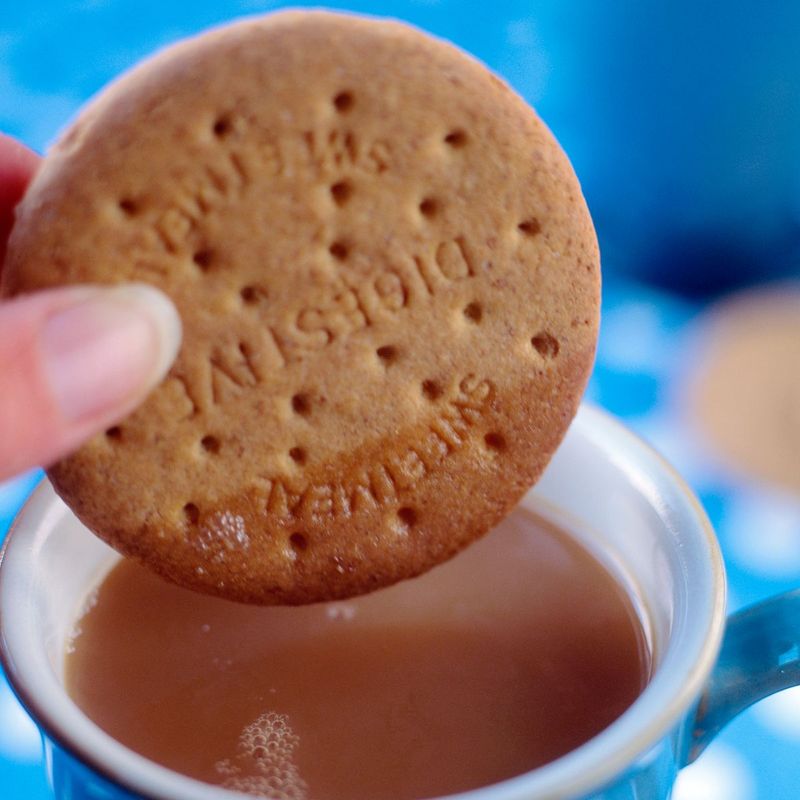
Dunking a biscuit into tea is an art form that Brits take surprisingly seriously. Dunk for too long and the biscuit collapses into your mug - a tragedy witnessed far too often.
Not long enough and you miss the whole point of dunking in the first place.
Digestives and rich tea biscuits are considered acceptable dunkers. Using a chocolate Hobnob is bold but respected.
Dunking a shortbread finger, however, will raise eyebrows across the room.
6. Sandwiches: Crusts On or Off?
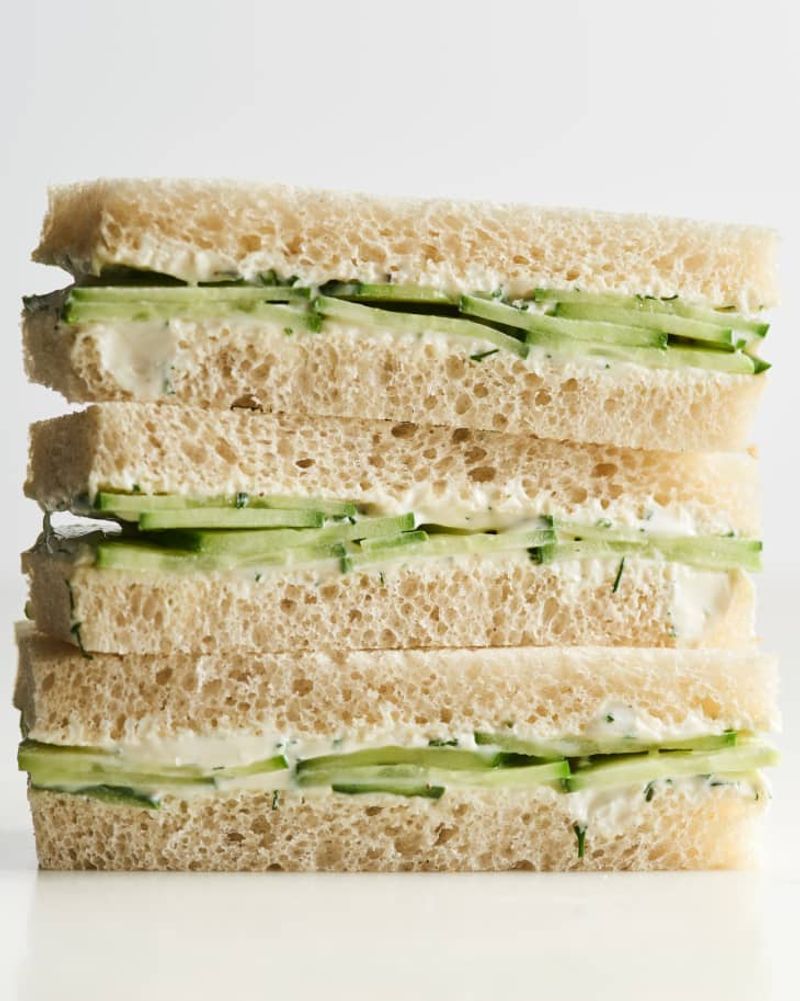
Leaving the crusts on a sandwich is perfectly normal for lunch. Leaving them on at afternoon tea, however, is practically a scandal.
Proper finger sandwiches at a formal tea are always crustless - that is simply how it is done, no questions asked.
Children cutting off crusts at home get teased for being fussy. Adults doing it at a dinner party get quietly judged.
Britain contains multitudes when it comes to bread edges.
7. Gravy: Poured Over Everything or On the Side?
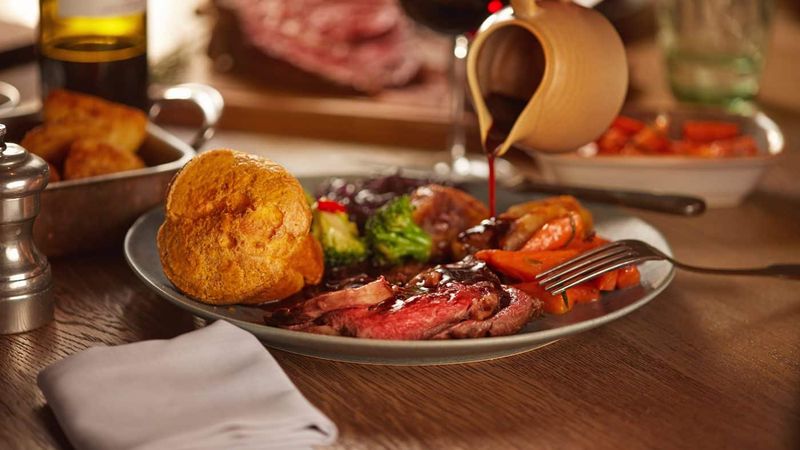
Gravy is one of Britain's great culinary gifts, and yet some people treat it like a shy guest - a tiny puddle on the side of the plate. Real gravy lovers know it should cascade generously over everything, soaking into the Yorkshire pudding and pooling around the roasties.
Asking for gravy on the side at a Sunday roast signals that something has gone very wrong in your upbringing. Pour it proudly and pour it everywhere.
8. Porridge: Sweet or Savoury?
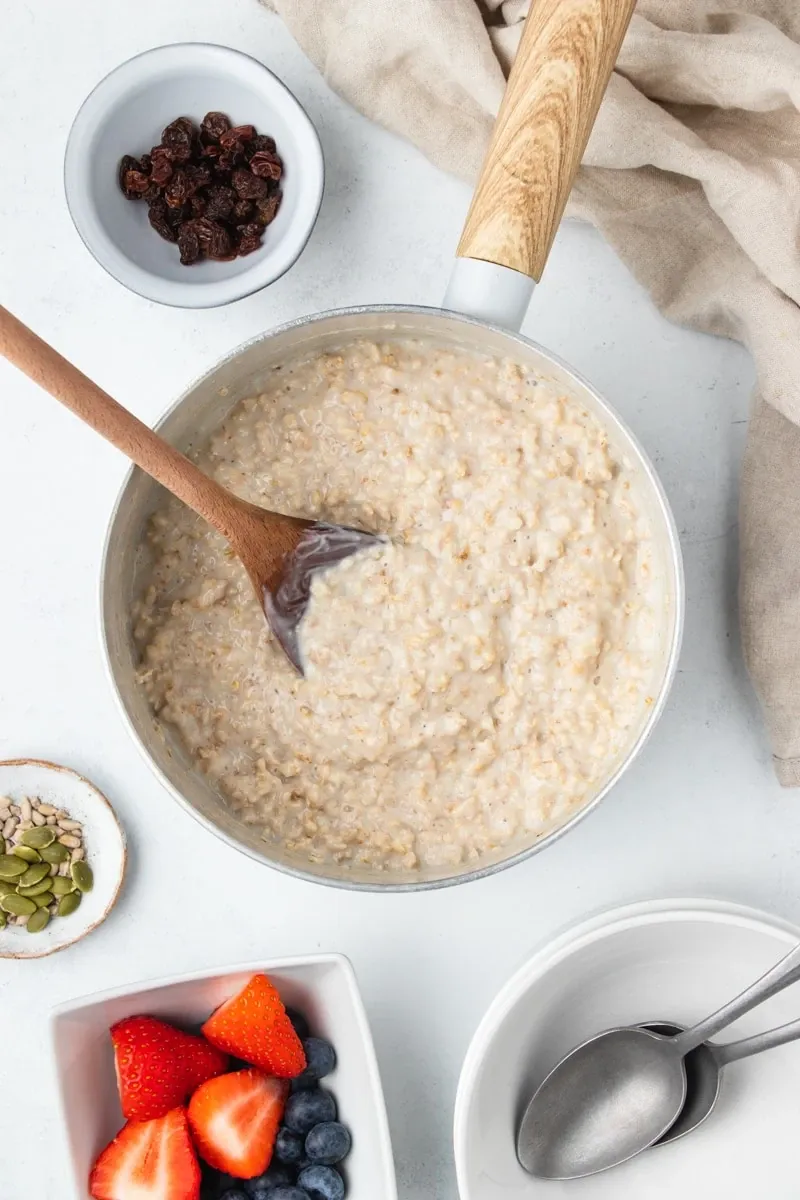
Scotland will tell you that proper porridge needs only salt - no sugar, no syrup, no fruit. Much of the rest of Britain disagrees enthusiastically and reaches for the golden syrup or honey without hesitation.
Add a banana on top and you might as well be from another planet.
Porridge debates tend to reveal deeper regional loyalties than people expect. Ask a Scot about your maple syrup topping and brace yourself for a lengthy and passionate response.
9. Peas: Mushy or Garden?
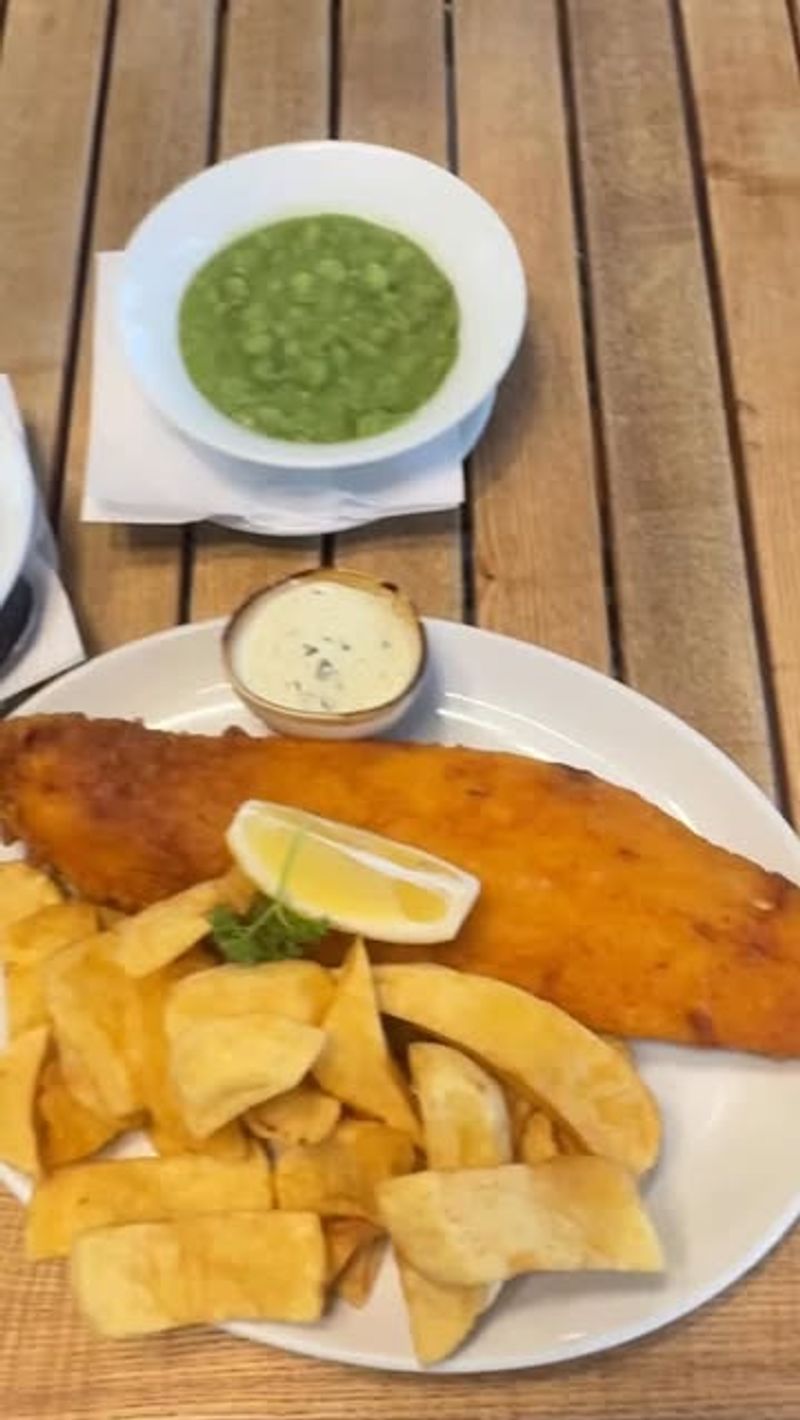
Mushy peas divide the nation cleanly in two. Up north, they are considered an essential companion to fish and chips - creamy, thick, and deeply comforting.
Down south, garden peas are the standard, and mushy peas can seem like something from another era entirely.
Ordering the wrong type in the wrong region will not cause a scene, but it will be noticed. Peas carry postcode loyalty in Britain like almost nothing else on the menu.
10. Cheese and Crackers: Butter or No Butter?
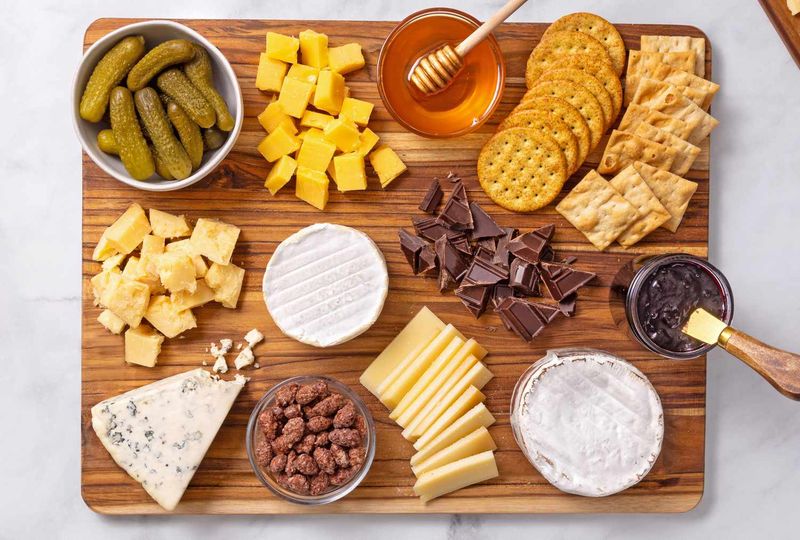
Buttering a cracker before adding cheese might seem like overkill to some, but plenty of Brits consider it absolutely essential. The butter creates a barrier that stops the cracker from going soggy and adds a richness that makes the cheese sing.
Skip it and you are missing a layer.
At a dinner party cheeseboard, watch what the host does and follow their lead. Getting this wrong will not ruin the evening, but it will be silently noted.
11. Marmite on Toast: Thin Scrape or Thick Layer?
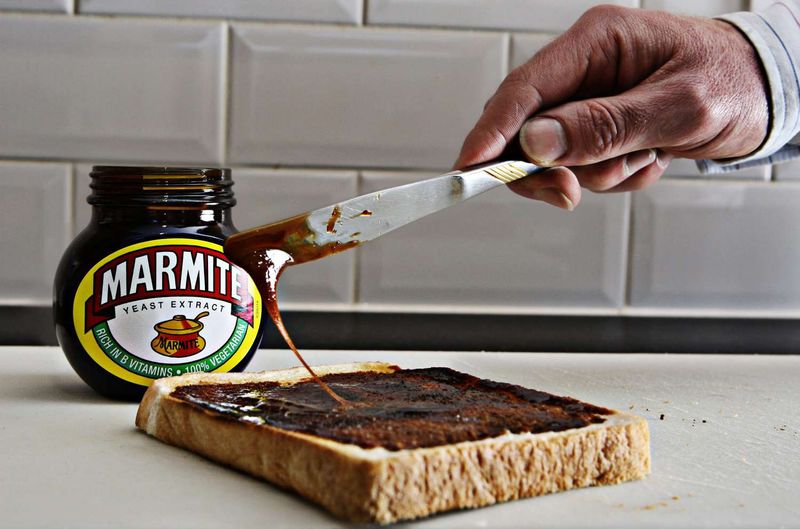
Marmite is famously polarising, but even those who love it argue about the correct amount to apply. A thin scrape lets the buttery toast shine through while delivering that salty, umami punch.
Pile it on too thick and the experience becomes overwhelming - even for devoted fans.
Watching someone slather Marmite on like peanut butter is genuinely alarming to experienced Marmite eaters. Less is almost always more, and real fans know exactly where the line is.
12. Yorkshire Pudding: Starter or Side?
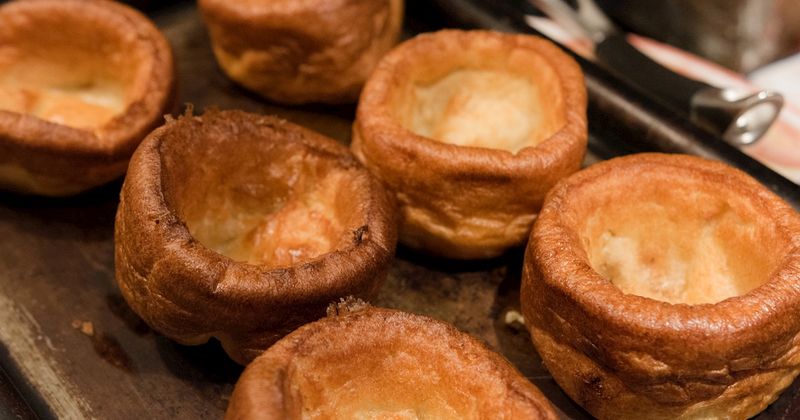
Traditionally in parts of Yorkshire, a Yorkshire pudding was served as a starter filled with gravy - designed to fill you up before the expensive meat arrived. Today, most of Britain treats it purely as a Sunday roast side dish, which feels like a downgrade to purists.
Eating a Yorkshire pudding as a dessert vessel filled with ice cream has become trendy in recent years. Traditionalists watch this trend with the quiet horror of people witnessing history being rewritten before their eyes.
13. Beans on Toast: Butter Under the Beans or Not?
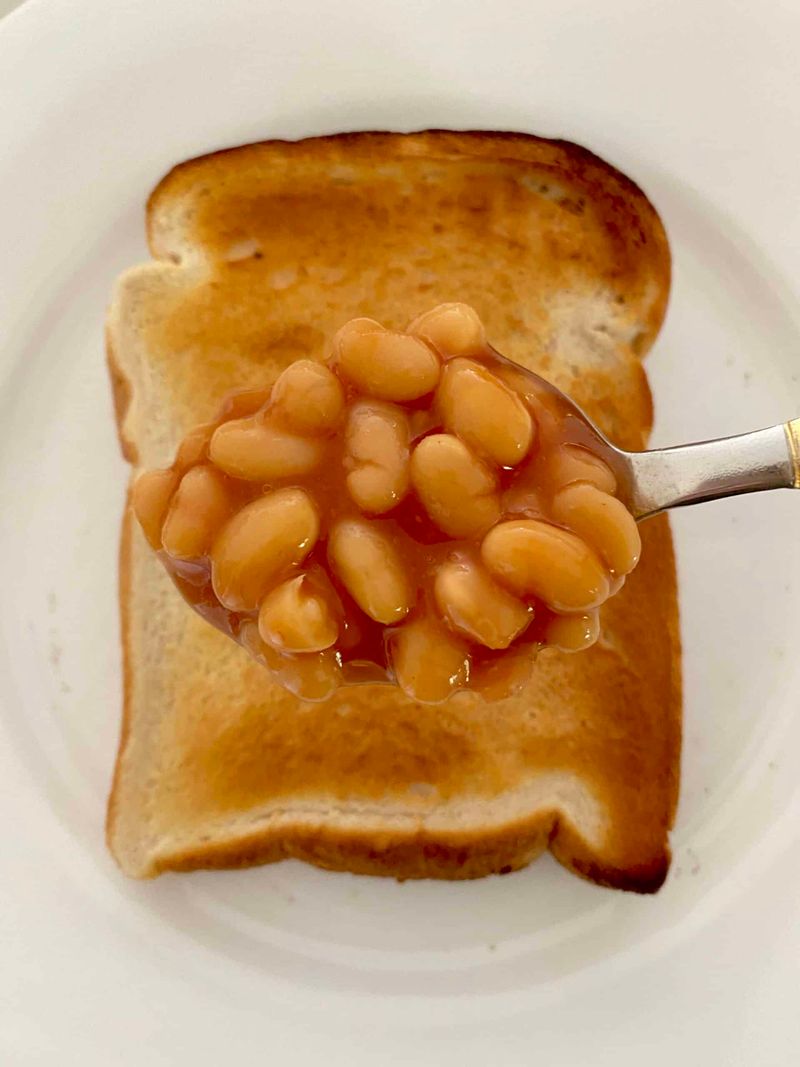
Beans on toast is one of Britain's most beloved comfort foods, and yet the butter question remains surprisingly contentious. Butter the toast properly before adding the beans - that is the golden rule for many.
Skip the butter and you have just got wet bread, which is a sad state of affairs.
Some people add cheese on top, which is genuinely inspired. Others crack an egg alongside it.
Both moves are accepted. Skipping the butter, however, is hard to forgive.
14. Cornish Pasty: Which End to Start From?
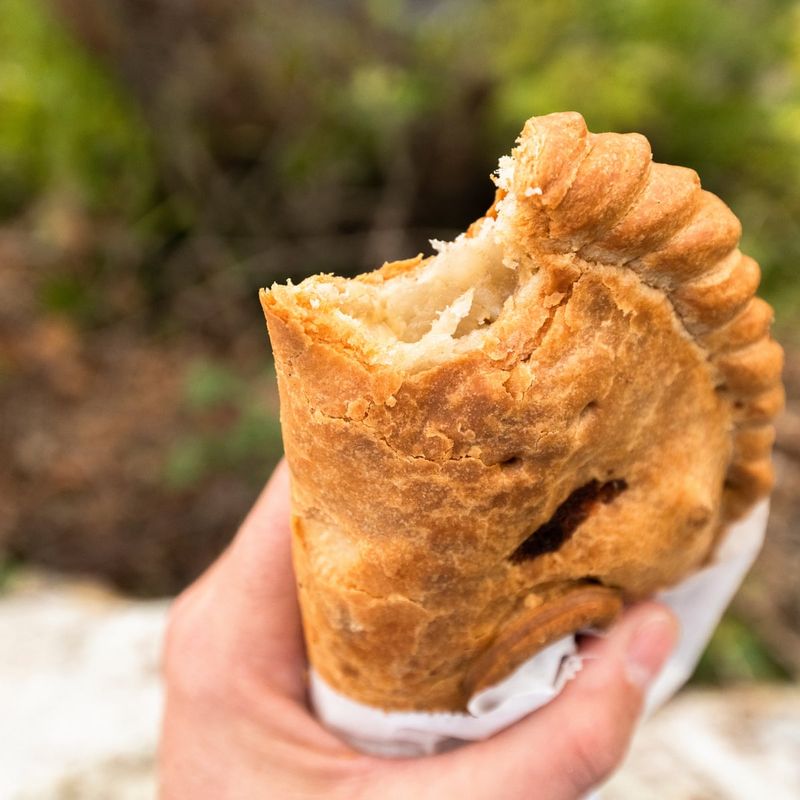
The crimped edge of a Cornish pasty was historically used as a handle by tin miners, who would hold it while eating and then discard it to avoid poisoning themselves with dirty hands. Starting from the crimp end is therefore considered wasteful of the best part by modern standards.
Most people just pick it up and start wherever feels natural. But in Cornwall, locals will quietly clock which end you chose and form an opinion about you almost immediately.
15. Crisps: In a Sandwich or Not?
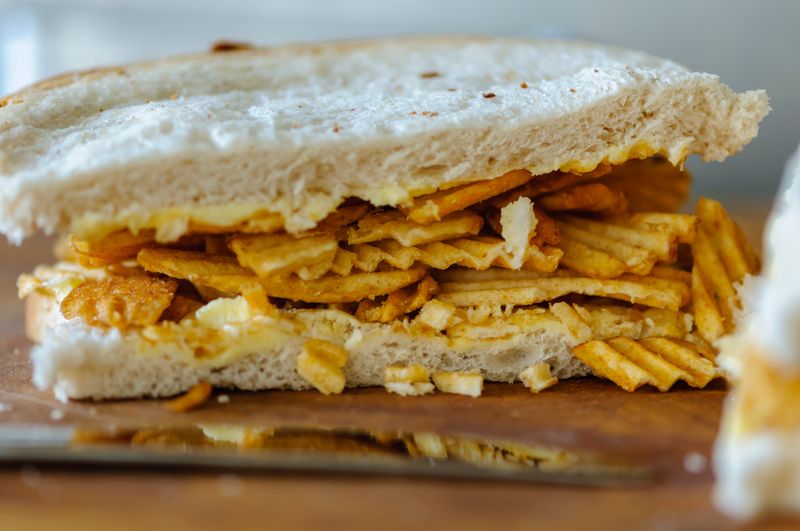
Putting crisps inside a sandwich is one of those quietly British things that sounds bizarre to outsiders but makes complete sense once you try it. The crunch, the salt, the contrast with soft bread - it works brilliantly.
Ready salted or cheese and onion are the classic choices for this purpose.
Admit to a crisp sandwich in front of the wrong crowd and you might get a look. But millions of Brits do it secretly and absolutely love every crunchy bite.




Comments
No Comments