













Long before a single bite is taken, the colour of food is already doing a lot of talking. Our brains are wired to use visual cues like colour to predict taste, freshness, and even safety.
A bright red strawberry signals sweetness, while a grey piece of meat raises immediate red flags. Understanding how colour shapes food expectations can change the way you shop, cook, and even eat.
1. Red
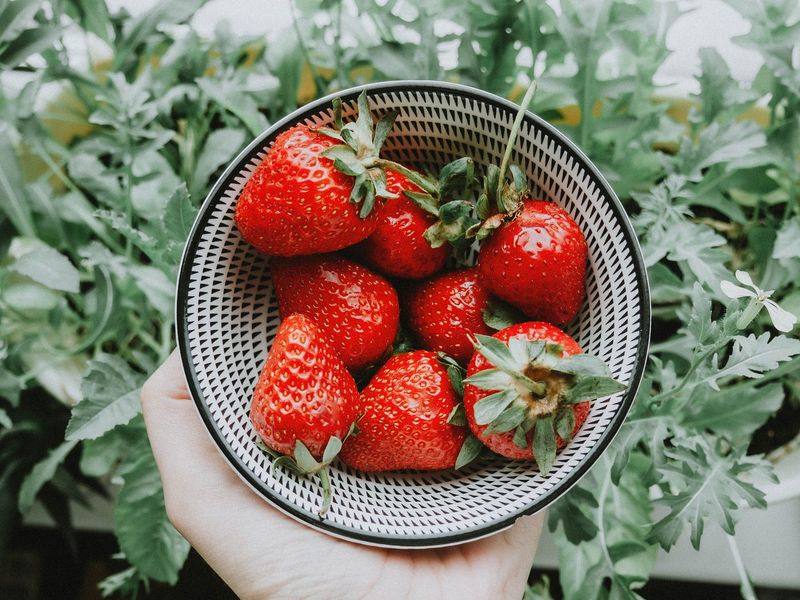
Red is one of the most powerful colours in the food world. It practically shouts "sweet" and "ripe" before you even pick something up.
Studies show people expect red-coloured drinks and foods to taste sweeter than they actually are.
Restaurants use red in branding because it also triggers hunger signals in the brain. Whether it is a ripe tomato or a cherry lollipop, red sets the stage for bold, intense flavour expectations every single time.
2. Yellow
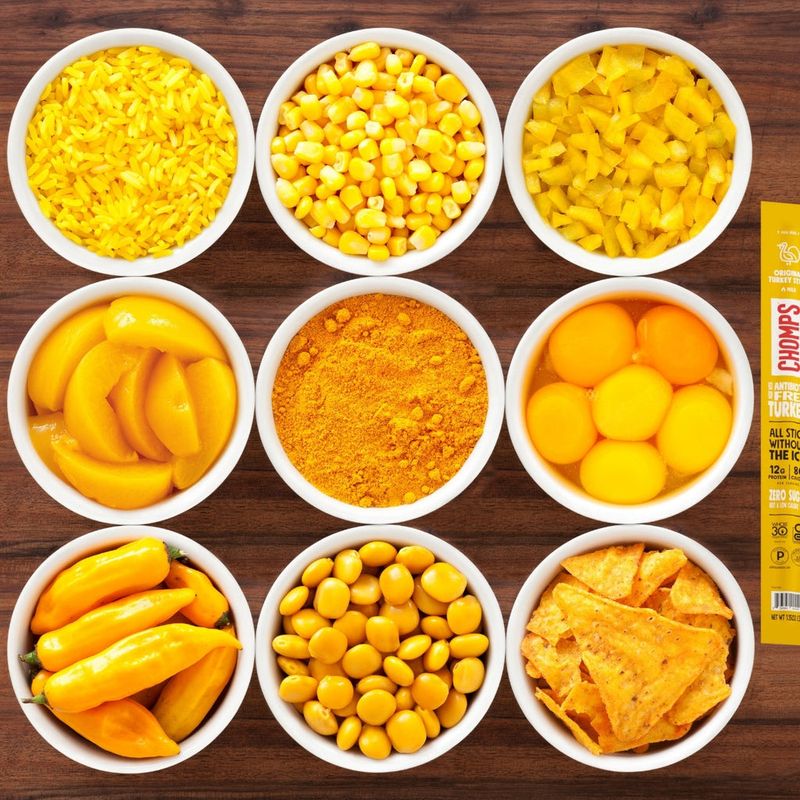
Sunshine in food form, yellow carries a surprisingly upbeat message to our brains. People tend to associate yellow foods with sourness or mild sweetness, depending on the specific shade.
A pale yellow might hint at cream or butter, while a bright yellow screams lemon instantly.
Yellow also signals energy and freshness, making it one of the most appetite-friendly colours around. It is no accident that so many fast food logos lean heavily on this cheerful hue.
3. Green
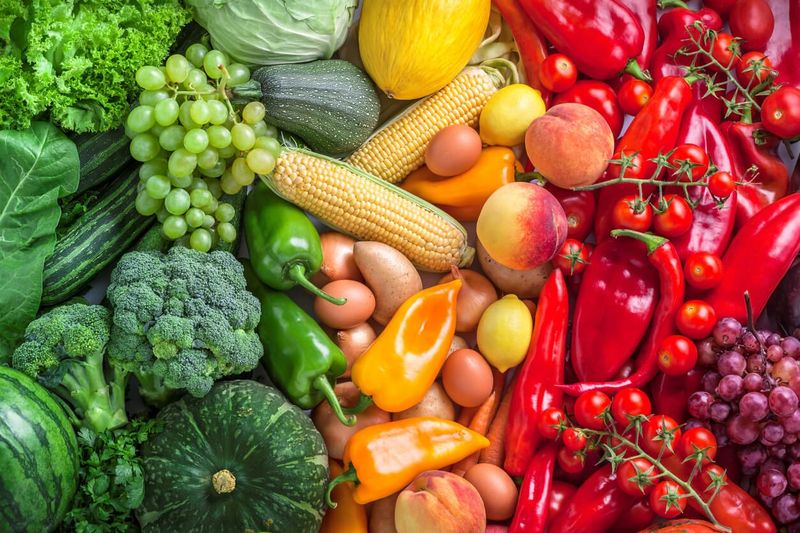
Green is the colour of freshness, health, and things pulled straight from the earth. Most people automatically expect green foods to taste earthy, bitter, or refreshingly light.
That expectation is so strong that artificially green foods sometimes confuse our taste buds entirely.
Interestingly, green-coloured drinks are often rated as tasting more "natural" even when they are not. The colour alone does the convincing.
It is a brilliant example of how powerfully vision overrides other senses at mealtime.
4. Orange
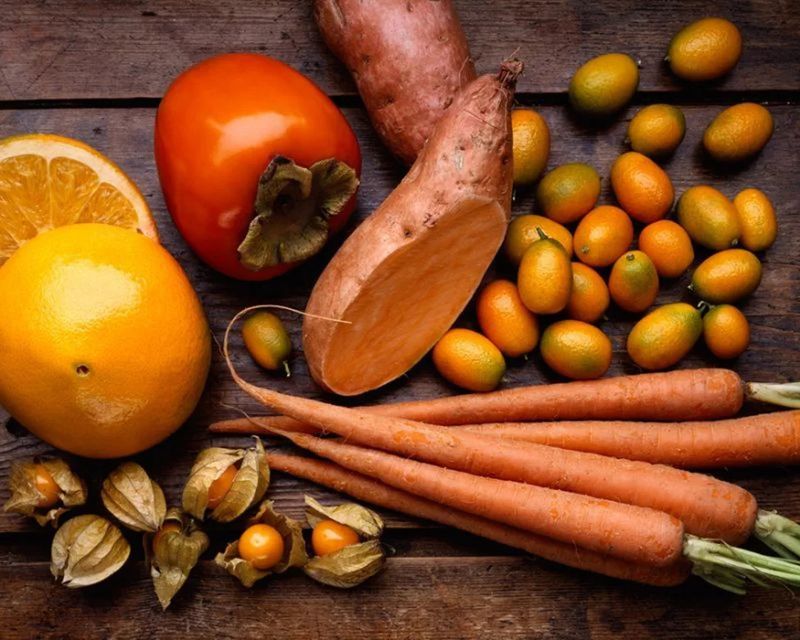
Orange is a colour that practically radiates warmth and comfort. Foods in orange tones are often expected to be sweet, slightly tangy, or rich and hearty.
Think of the instant craving that hits when you spot a perfectly roasted sweet potato or a peeled mandarin.
Orange also signals high vitamin content to many people, making it feel instinctively nutritious. That gut reaction is no accident.
Centuries of eating orange fruits and vegetables have trained our brains to make that connection automatically.
5. Blue

Blue is the troublemaker of the food colour world. Naturally, almost no foods are truly blue, which makes our brains deeply suspicious of anything that is.
Research has shown that blue-coloured food can actually suppress appetite because it does not match any familiar flavour memory.
Blueberries get a pass because we have learned to trust them over time. But serve someone a blue steak and watch their face.
The colour alone triggers a "something is wrong here" alarm that is very hard to override.
6. White
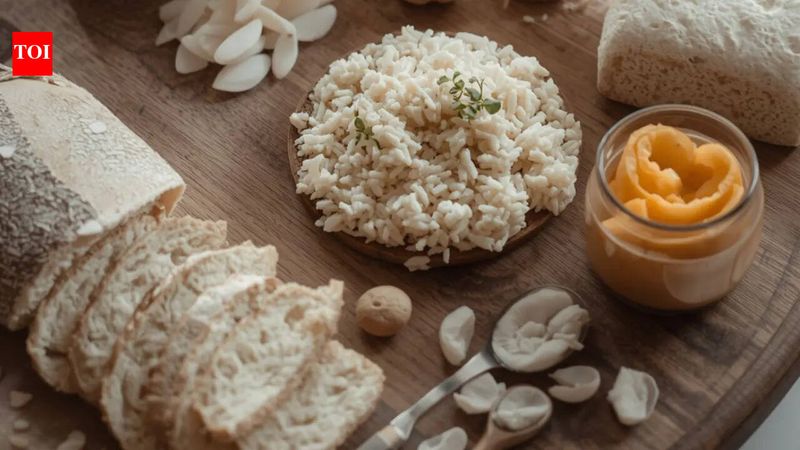
White might seem like a blank canvas, but it carries plenty of flavour assumptions. People often expect white foods to taste mild, creamy, or plain.
Think of the automatic assumption that white rice will be neutral or that white chocolate will be sweet and soft.
White also signals cleanliness and simplicity, which can be reassuring or boring depending on the eater. Chefs sometimes use white plating deliberately to let other colours on the plate pop and do the real flavour storytelling.
7. Brown
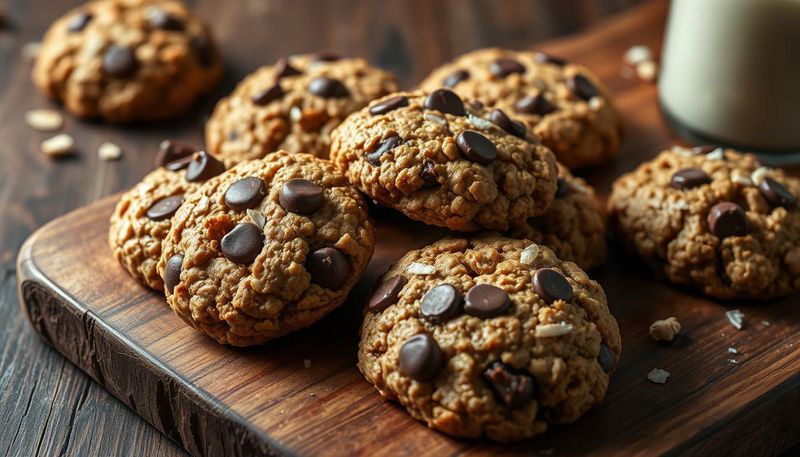
Few colours carry as much comfort food energy as brown. The moment you spot a golden-brown crust on bread or a deeply roasted piece of meat, your brain fires off signals of warmth, richness, and deep savory flavour.
Brown means something has been cooked properly.
Interestingly, brown also signals earthiness in foods like mushrooms and whole grains. Chocolate is perhaps the ultimate proof of brown's flavour power.
That dark, rich colour alone can make mouths water before a single piece is unwrapped.
8. Pink
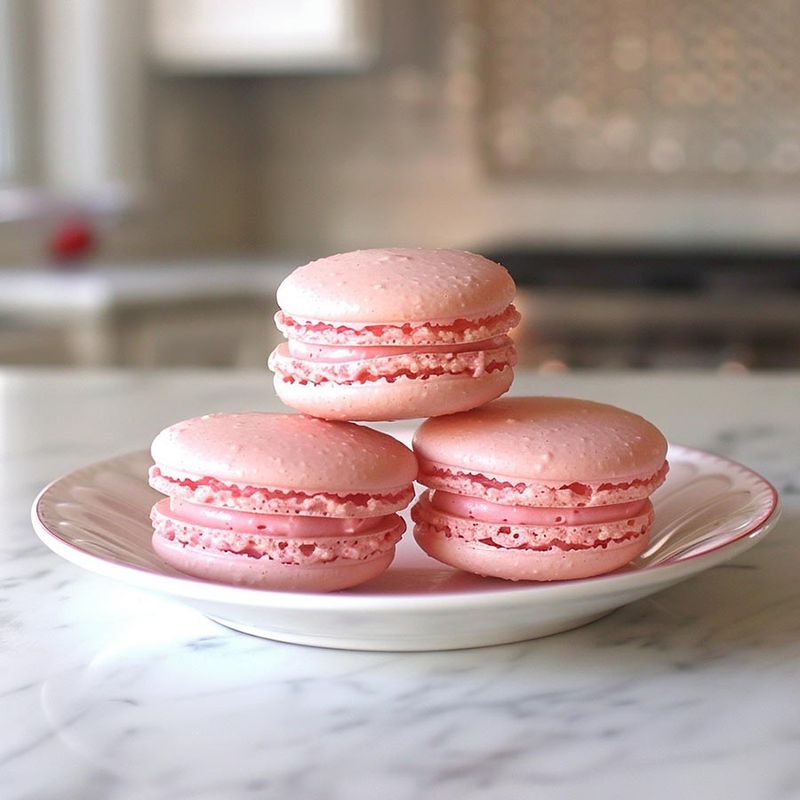
Pink is the colour of sweet expectations. Before even tasting it, most people assume pink food will be fruity, sugary, or at the very least, delicate in flavour.
Pink lemonade, strawberry ice cream, and cotton candy all lean into this colour cue masterfully.
There is also a softness to pink that makes food feel approachable and fun. Bakeries and dessert shops know this trick well.
A pink macaron or a blush-tinted cake slice promises indulgence in the most charming, irresistible way possible.
9. Purple
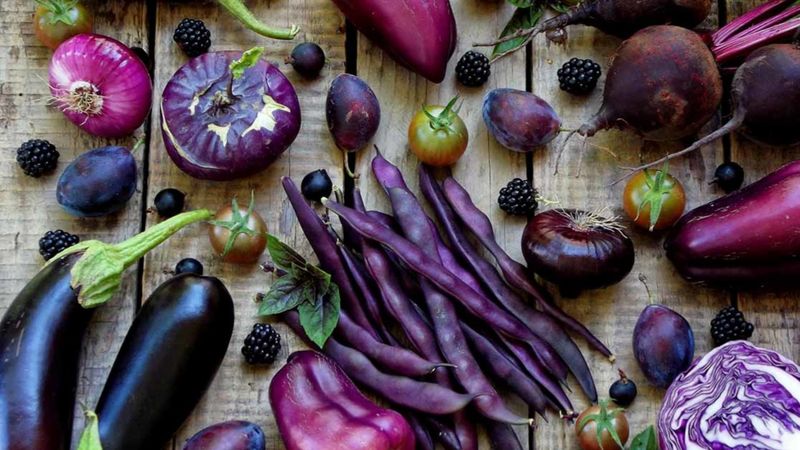
Purple is the mysterious member of the food colour family. It sits somewhere between the earthiness of blue and the boldness of red, creating flavour expectations that blend sweet, tart, and slightly bitter all at once.
Grapes, eggplant, and blackberries all wear this colour with confidence.
Research suggests people associate purple foods with antioxidant richness, making them feel inherently healthy. That perception alone can change how much someone enjoys eating them.
Purple is proof that colour can carry a nutritional story before a fork even touches the plate.
10. Black
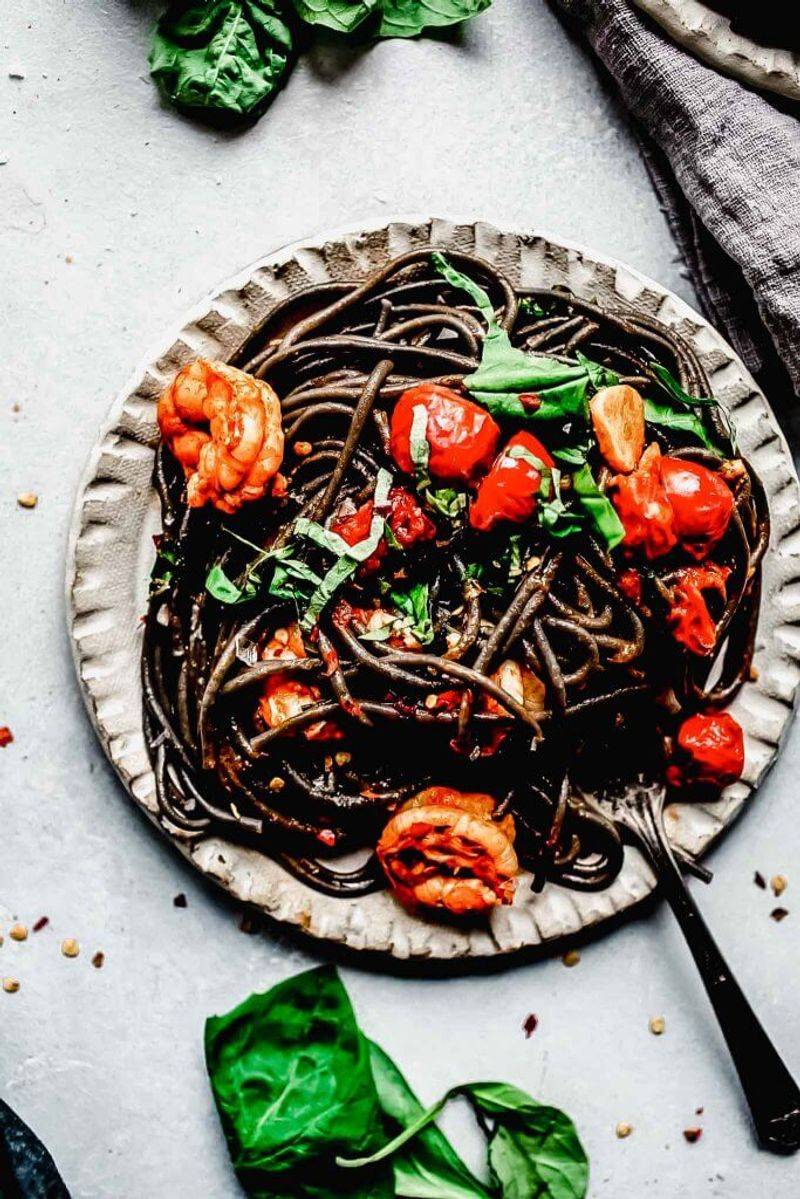
Black food is bold, theatrical, and a little daring. It defies the usual colour-to-flavour logic our brains use, which makes eating it feel like a small adventure.
Squid ink pasta and activated charcoal ice cream have turned this colour into a trendy culinary statement.
Most people expect black foods to taste smoky, bitter, or intensely rich. Sometimes they are right.
But often the colour is simply playing a visual trick, making ordinary flavours feel more dramatic and exciting than they might actually be.
11. Grey
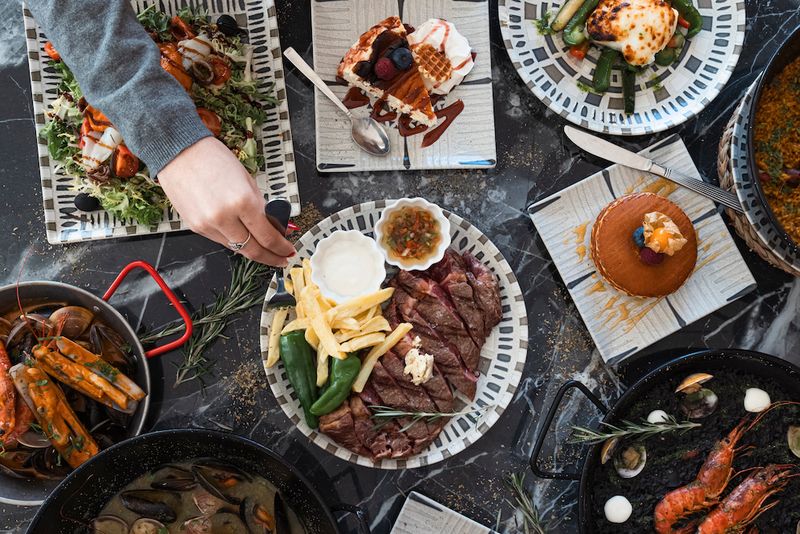
Grey is the colour nobody wants to see on their plate. It signals staleness, spoilage, or something gone wrong in the kitchen.
Even when grey food is perfectly safe to eat, the colour alone can kill appetite almost instantly. Our brains have evolved to treat grey as a warning sign.
Food scientists actually study this reaction closely. Meat that turns grey, bread with grey mould patches, or a grey-tinted sauce all trigger the same instinctive rejection.
Colour here is acting as a built-in safety system, protecting us from potential harm.
12. Bright Yellow-Green
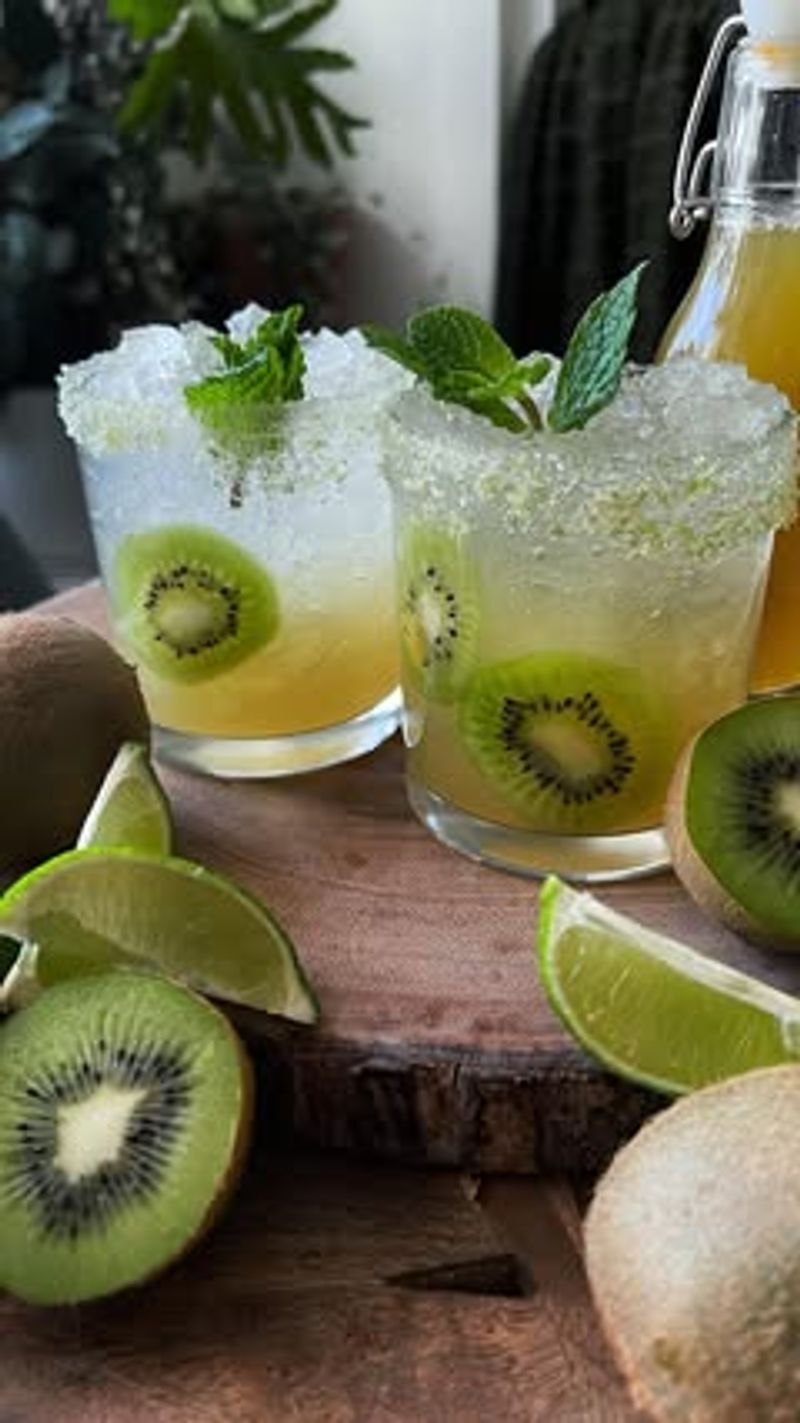
Bright yellow-green is the colour of tang and zing. Just looking at a lime or a slice of kiwi can make your mouth pucker in anticipation.
This colour sits right at the intersection of sour and refreshing, and our brains have learned to respect that combination completely.
Food manufacturers use this shade in beverages and candies to signal citrus or tropical flavours before the product is even opened. It is one of the most honest colour signals in the food world.
What you see is very often exactly what you get.
13. Beige
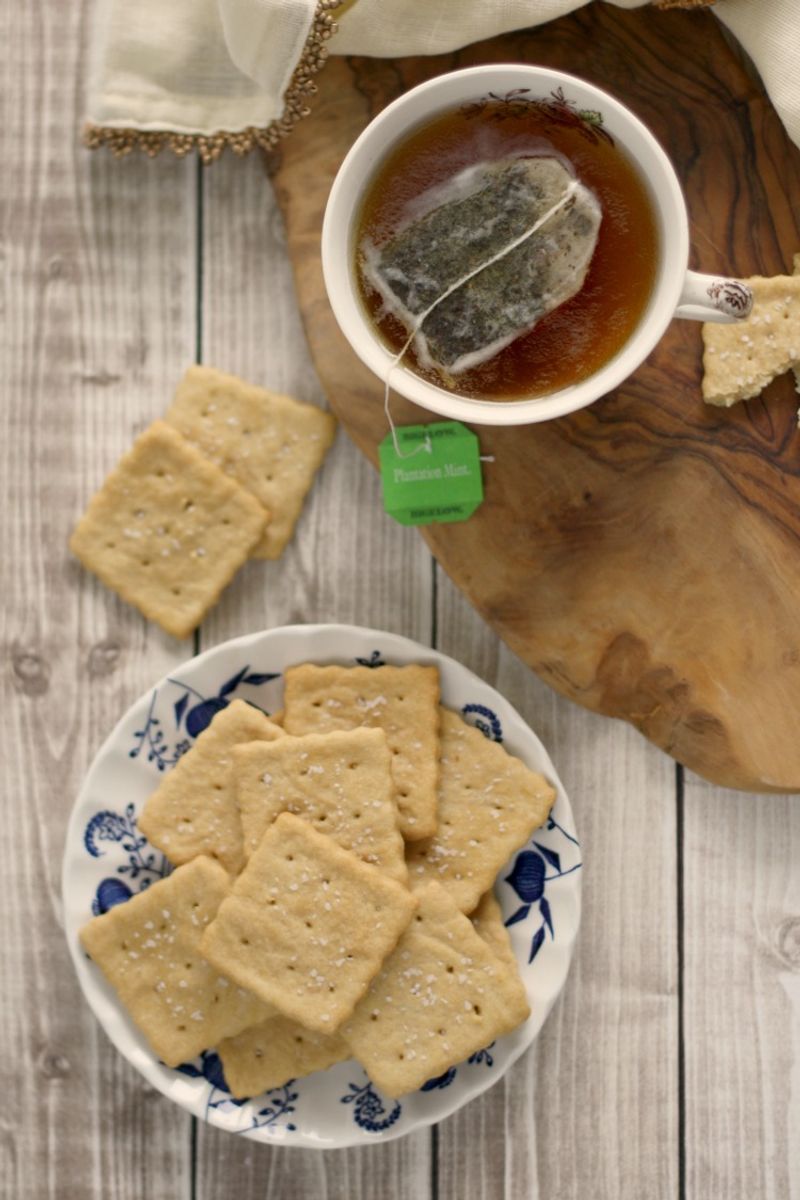
Beige is the most underestimated colour in the food world. It does not excite or alarm, but it quietly signals comfort and familiarity.
Oatmeal, pasta, crackers, and chickpeas all share this humble tone, and people generally expect them to taste mild, filling, and satisfying rather than adventurous.
Nutritionists sometimes call beige food a danger zone because its blandness can lead to overeating without noticing. But for many people, beige foods are the ultimate comfort.
There is something deeply reassuring about a colour that never tries too hard to impress.
14. Bright Red-Orange
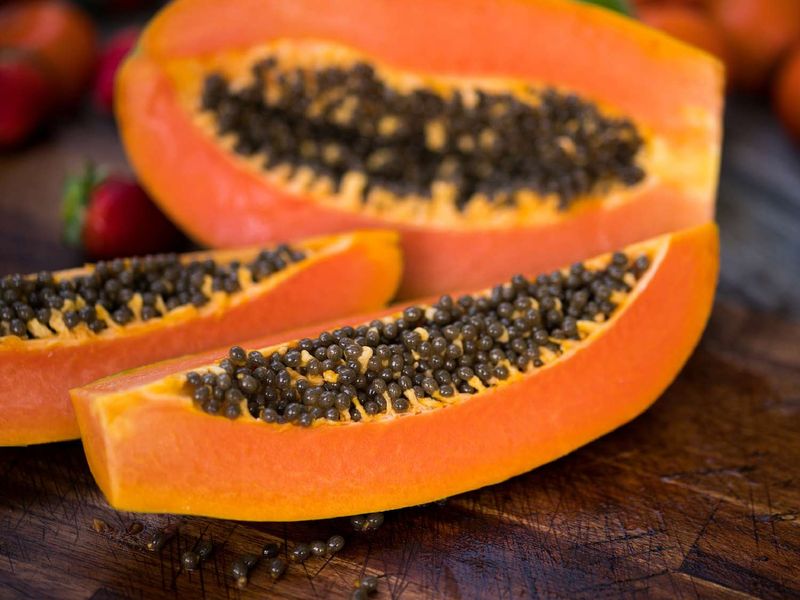
Bright red-orange is the colour of tropical abundance and heat. Foods wearing this shade send a dual message: expect something sweet and juicy, or brace yourself for serious spice.
Mangoes and papayas promise the former, while red-orange chili peppers deliver the latter with zero apology.
This colour is also strongly linked to ripeness in many fruits, making it one of the most trusted visual cues in the food world. When something glows red-orange, the brain says go.
It is an irresistible invitation to eat.
15. Translucent or Clear
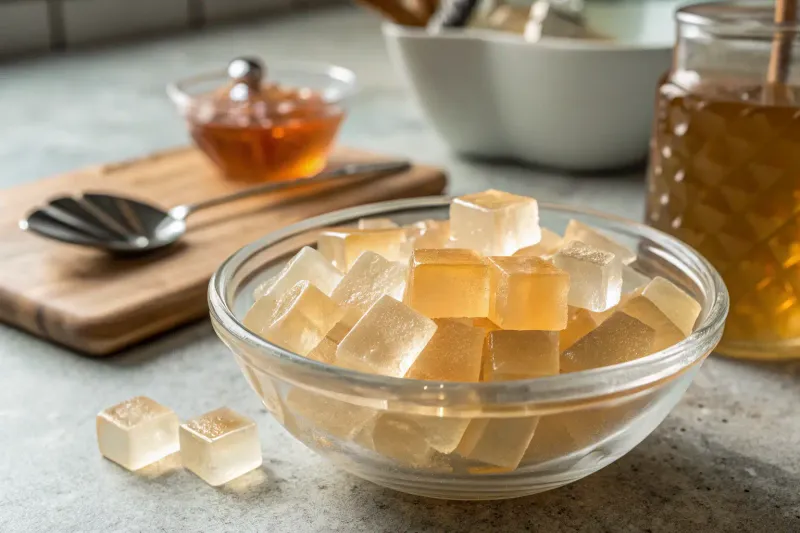
Clear and translucent foods occupy a fascinating space in food psychology. When something has no colour at all, people tend to expect it to taste clean, neutral, or refreshing.
Water is the obvious example, but clear broths and glass noodles play on the same expectation beautifully.
Interestingly, removing colour can also make flavour feel lighter than it is. A clear apple juice tastes subtly different to people than a cloudy version, even when the recipe is identical.
Transparency in food, it turns out, shapes perception in surprisingly specific ways.




Comments
No Comments