













Some of the foods sitting in your kitchen right now might not be as safe as you think. From your morning toast to your favorite snack, everyday items can carry hidden risks that most people never consider.
Knowing what to watch out for can help you make smarter choices for yourself and your family. Read on to find out which common foods deserve a second look.
1. Raw Honey

Raw honey feels like the ultimate natural treat, but it hides a surprising danger for certain people. It can contain a bacteria called Clostridium botulinum, which produces toxins harmful to babies under one year old.
Adults process it fine, but infants cannot.
Always keep raw honey away from babies completely. Even a tiny taste can cause infant botulism, a serious illness.
Stick to pasteurized honey if you are unsure, and always check labels before giving honey-based foods to young children.
2. Canned Tomatoes
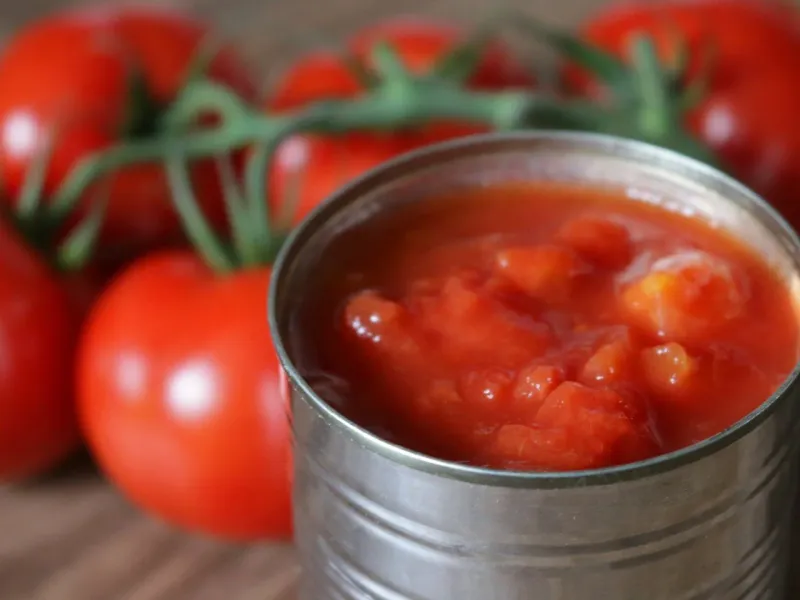
Canned tomatoes are a pantry staple, but the cans themselves can be the problem. Many tin cans are lined with a chemical called BPA, which can seep into acidic foods like tomatoes over time.
Studies suggest BPA may affect hormones in the body.
Choosing BPA-free cans or switching to tomatoes packed in glass jars reduces your exposure significantly. Fresh or frozen tomatoes are also excellent alternatives.
Small swaps like these can add up to big health benefits over the years.
3. Farmed Salmon
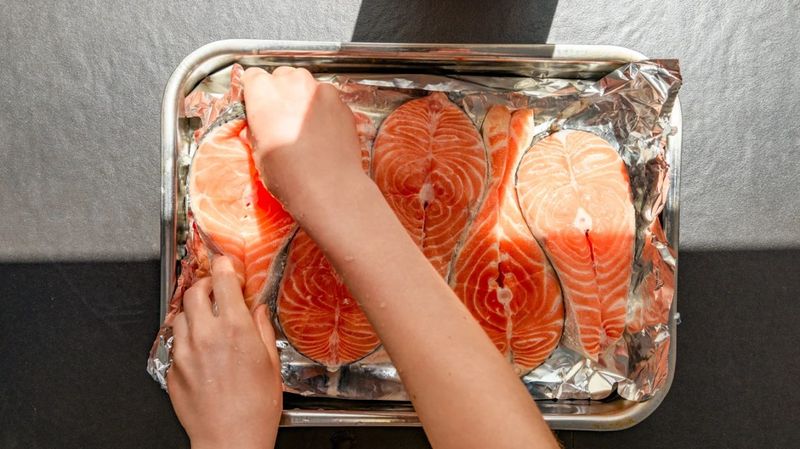
Salmon is often called a superfood, but not all salmon is created equal. Farmed salmon can contain higher levels of pollutants like PCBs and dioxins compared to wild-caught varieties.
These chemicals build up in fatty tissue and can linger in your body.
Wild-caught salmon is generally the safer pick when available. If farmed is your only option, trimming the fat before cooking reduces some of the chemical load.
Eating salmon in moderation while varying your protein sources keeps things balanced and nutritious.
4. Microwave Popcorn

Movie nights would feel incomplete without popcorn, but microwave bags carry a hidden concern. The lining of many microwave popcorn bags contains chemicals called PFCs, which can break down into harmful compounds when heated.
One chemical, diacetyl, used in artificial butter flavoring, has been linked to lung issues.
Air-popped popcorn is a healthier swap that tastes just as satisfying. Adding your own toppings like olive oil or seasoning gives you control without the chemical baggage.
Your lungs and taste buds will both thank you.
5. Sprouts
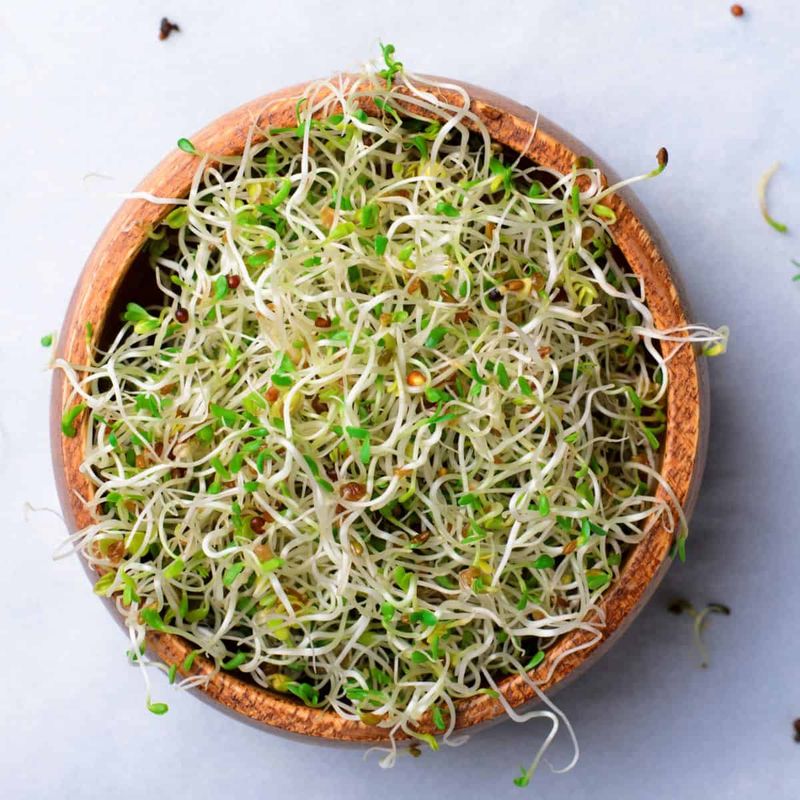
Sprouts look like the picture of health on a salad or sandwich, but they are actually one of the riskier raw vegetables you can eat. The warm, moist conditions needed to grow sprouts are also perfect for bacteria like Salmonella and E. coli to thrive.
The CDC regularly links sprouts to foodborne illness outbreaks. Cooking sprouts thoroughly kills harmful bacteria and makes them much safer.
Young children, elderly people, and anyone with a weakened immune system should avoid eating raw sprouts entirely.
6. Nutmeg
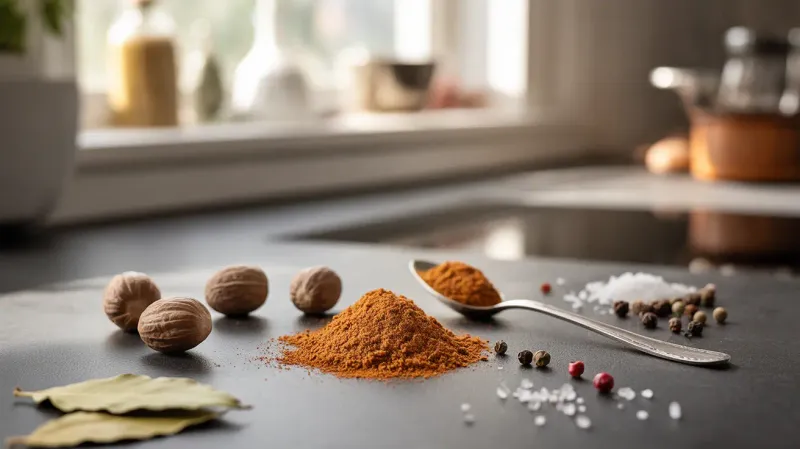
Nutmeg is a cozy spice that shows up in holiday recipes and warm drinks, but too much of it is genuinely toxic. Consuming more than one to two teaspoons at once can trigger hallucinations, rapid heartbeat, nausea, and even seizures.
It sounds wild, but it is medically documented.
In small culinary amounts, nutmeg is perfectly safe and delicious. The danger comes when people use it in large quantities, sometimes intentionally.
Keeping it as a pinch-of-spice ingredient rather than a main event is the smart approach.
7. Deli Meats

Deli meats are lunchbox heroes for millions of families, yet they come with some real health concerns. They are high in sodium, preservatives like nitrates, and have been classified by the World Health Organization as a Group 1 carcinogen, meaning there is strong evidence linking them to cancer risk.
Limiting deli meat intake and choosing low-sodium, nitrate-free options when possible is a smart move. Freshly cooked chicken or turkey sliced at home makes a great alternative.
Small changes to your lunch routine can make a meaningful difference over time.
8. Chia Seeds
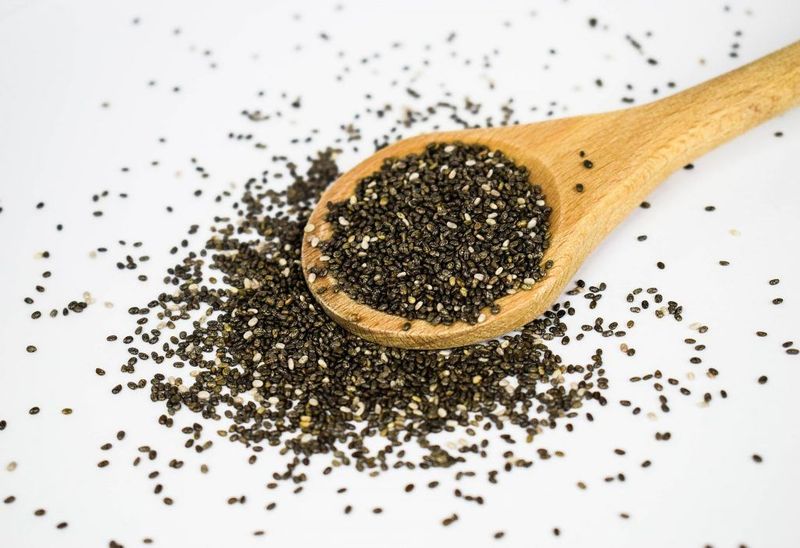
Chia seeds have exploded in popularity as a superfood, and while they offer real nutritional value, there is one unusual risk people overlook. Dry chia seeds expand up to 27 times their size when they absorb liquid.
Eating them dry without enough water can cause them to swell in your throat.
There have been documented cases of chia seeds causing esophageal blockages. Always soak them in liquid before eating, especially if you have any swallowing difficulties.
Prepared properly, they are a fantastic addition to smoothies, puddings, and oatmeal.
9. Tuna
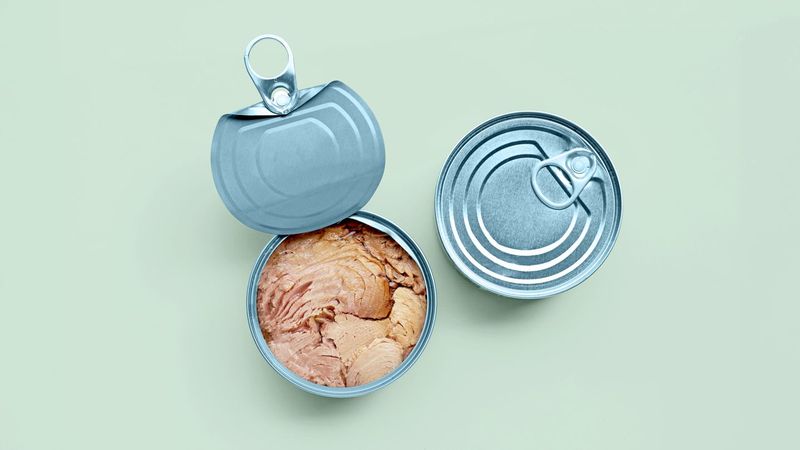
Tuna sandwiches are a go-to lunch for good reason, but mercury levels in tuna are worth paying attention to. Larger tuna species like albacore accumulate more mercury in their flesh, and high mercury exposure can affect brain development and nervous system health.
The FDA recommends limiting albacore tuna to one serving per week for adults, and even less for pregnant women and young children. Light canned tuna generally has lower mercury levels and is a safer everyday choice.
Mixing up your protein sources helps balance the risk.
10. White Bread

White bread is one of the most consumed foods on the planet, yet it offers very little nutritional value. Stripped of its fiber and nutrients during processing, it causes blood sugar to spike quickly, which can contribute to insulin resistance over time.
Eating it daily adds up fast.
Whole grain or whole wheat bread provides fiber, vitamins, and a slower energy release that keeps you fuller longer. Reading ingredient labels matters here since some breads labeled as wheat are just dyed white bread.
Real whole grain should be the first ingredient listed.
11. Alfalfa Sprouts
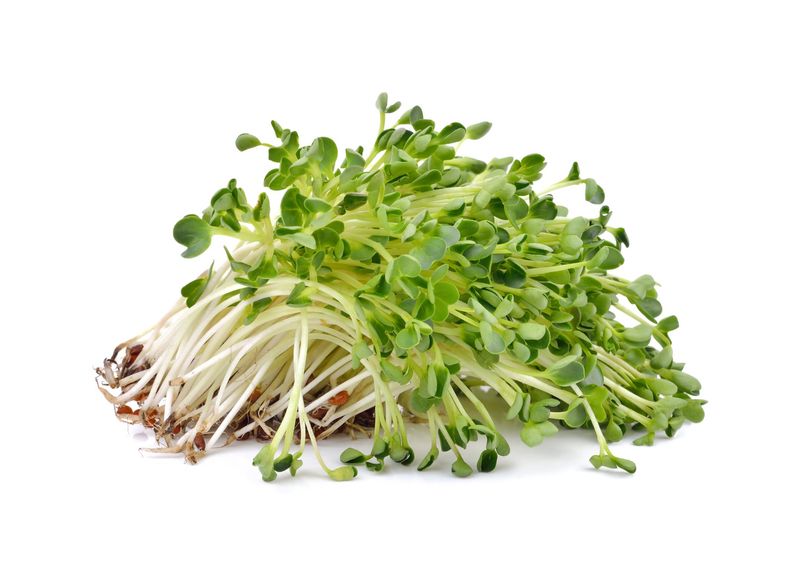
Alfalfa sprouts have long been a favorite topping at health food cafes, but they carry a surprisingly high risk of contamination. Like bean sprouts, they grow in warm, humid conditions that bacteria absolutely love.
Outbreaks tied to alfalfa sprouts have been recorded numerous times by health agencies.
Pregnant women and people with immune system challenges are especially advised to skip them raw. Lightly cooking alfalfa sprouts dramatically reduces the bacterial risk while preserving some of their nutritional benefits.
A quick saute in a stir-fry is one easy way to enjoy them safely.
12. Potatoes
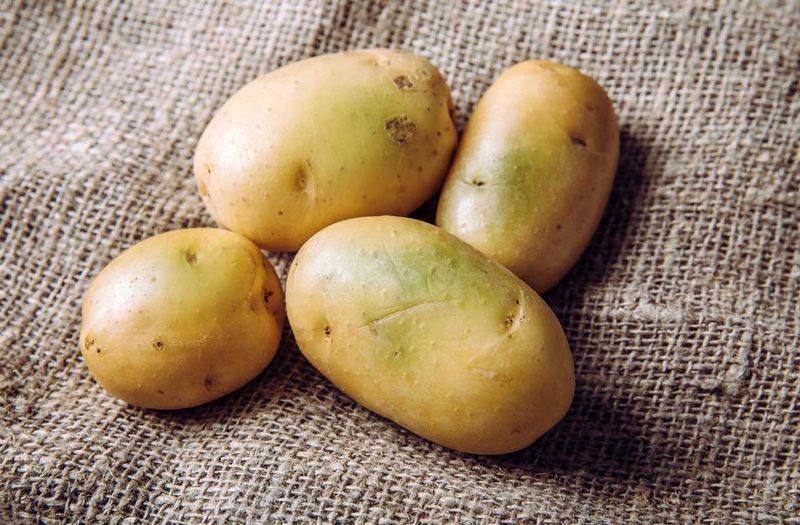
Potatoes are a beloved comfort food, but the green kind should raise a red flag. When potatoes turn green or start sprouting, they produce a natural toxin called solanine.
Eating enough solanine can cause nausea, headaches, and even neurological symptoms in serious cases.
Always cut away any green parts and remove all sprouts before cooking. If a potato is mostly green, tossing it entirely is the safer call.
Storing potatoes in a cool, dark place slows the development of solanine and keeps them safer for longer.
13. Grapefruit
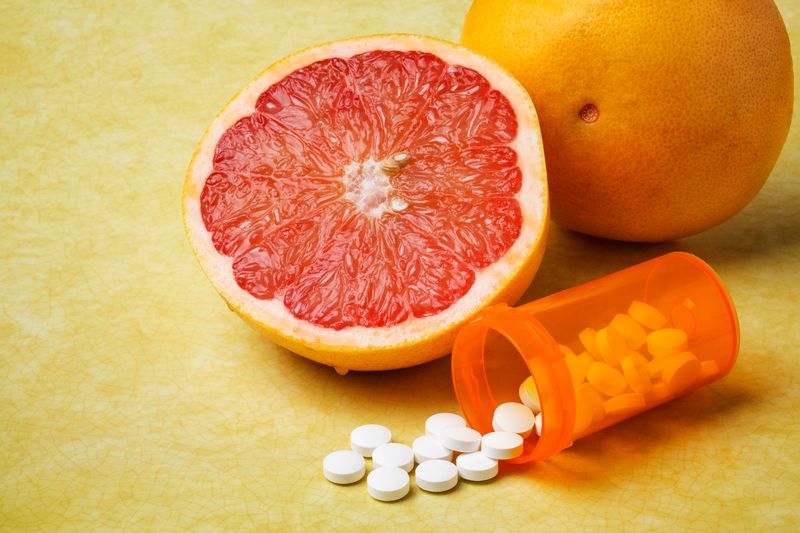
Grapefruit is packed with vitamin C and antioxidants, making it seem like a perfect healthy breakfast. But here is the catch: grapefruit contains compounds that interfere with how your body processes certain medications.
This includes common drugs for cholesterol, blood pressure, and anxiety.
The interaction can cause medication levels in your blood to rise dangerously high or drop too low. If you take any regular prescription medication, checking with your doctor or pharmacist before eating grapefruit regularly is essential.
This is one fruit where context really matters for your health.
14. Soy Sauce
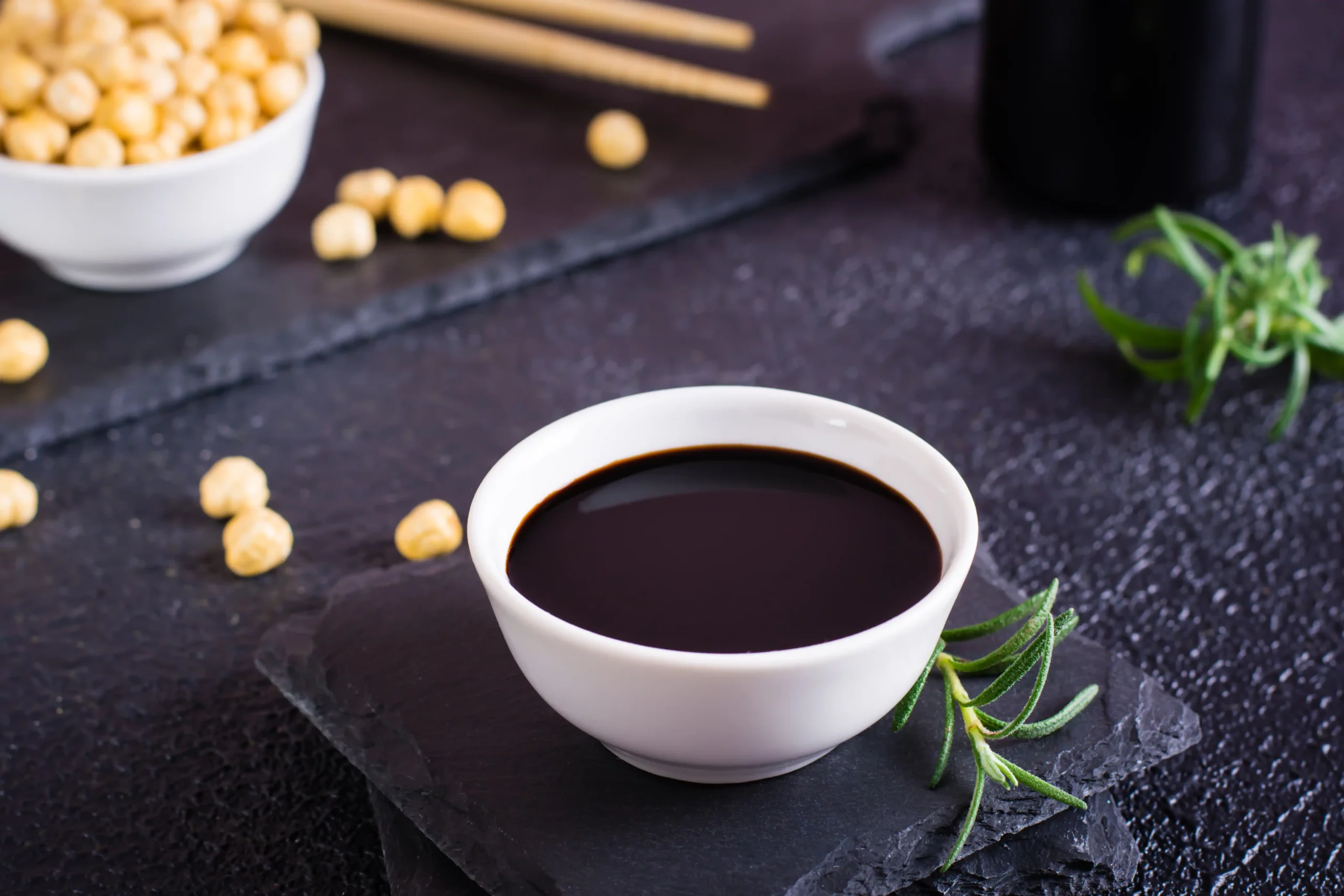
A splash of soy sauce pulls a dish together beautifully, but the sodium content is staggering. Just one tablespoon of regular soy sauce contains around 900 milligrams of sodium, which is nearly 40 percent of the recommended daily limit for most adults.
Regular heavy use can contribute to high blood pressure and increase the risk of heart disease and stroke over time. Low-sodium soy sauce cuts the salt content significantly without sacrificing much flavor.
Using it sparingly as a seasoning rather than a sauce base helps keep your sodium intake in check.
15. Energy Drinks
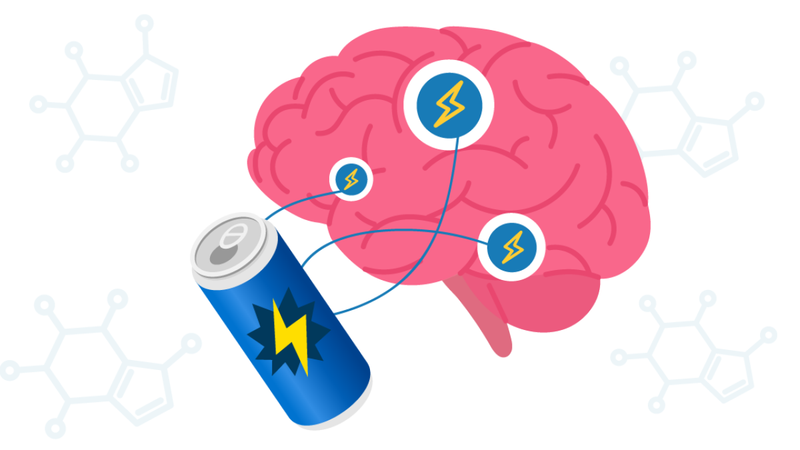
Energy drinks are everywhere, from gas stations to gym bags, and teenagers reach for them constantly. But these drinks often pack extreme amounts of caffeine, sugar, and stimulants like taurine all at once.
Consuming too much caffeine too quickly can trigger heart palpitations, anxiety, and dangerous spikes in blood pressure.
Several emergency room visits each year are linked directly to energy drink overconsumption. Mixing them with alcohol makes the risks even worse.
Water, herbal tea, or even a small coffee are far gentler ways to get a boost without overwhelming your cardiovascular system.




Comments
No Comments