













Some foods look like no big deal sitting on a plate, but behind the scenes, the kitchen tells a very different story. A bowl of ramen, a flaky croissant, or a perfectly clear broth can take days of prep, serious skill, and a whole lot of patience.
These dishes fool everyone at first glance. Once you peek behind the curtain, you will never look at them the same way again.
1. Croissant
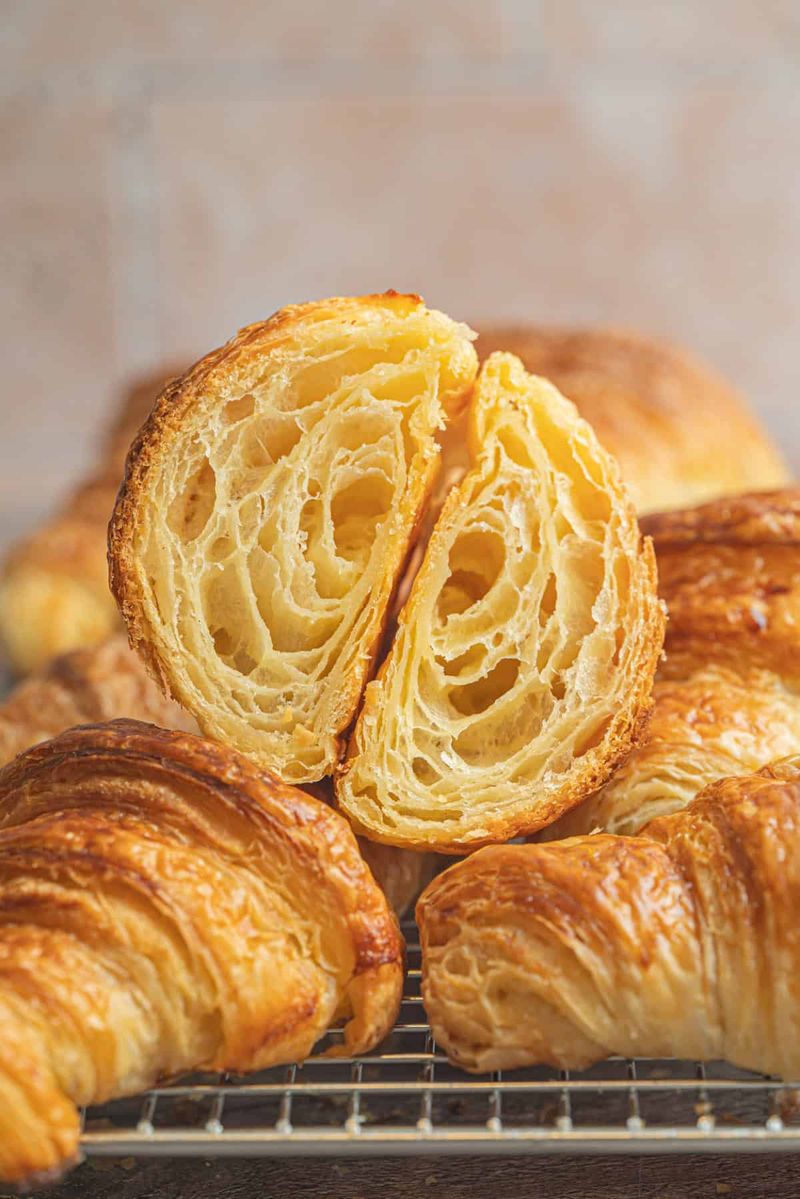
That buttery, flaky pastry sitting in the bakery window? It took someone two to three days to make.
Croissants are built through a technique called lamination, where cold butter is folded into dough dozens of times to create hundreds of ultra-thin layers.
One wrong move, and the whole thing collapses. Professional bakers keep the dough ice-cold between each fold to stop the butter from melting.
Most home bakers try it once, respect it forever.
2. Ramen
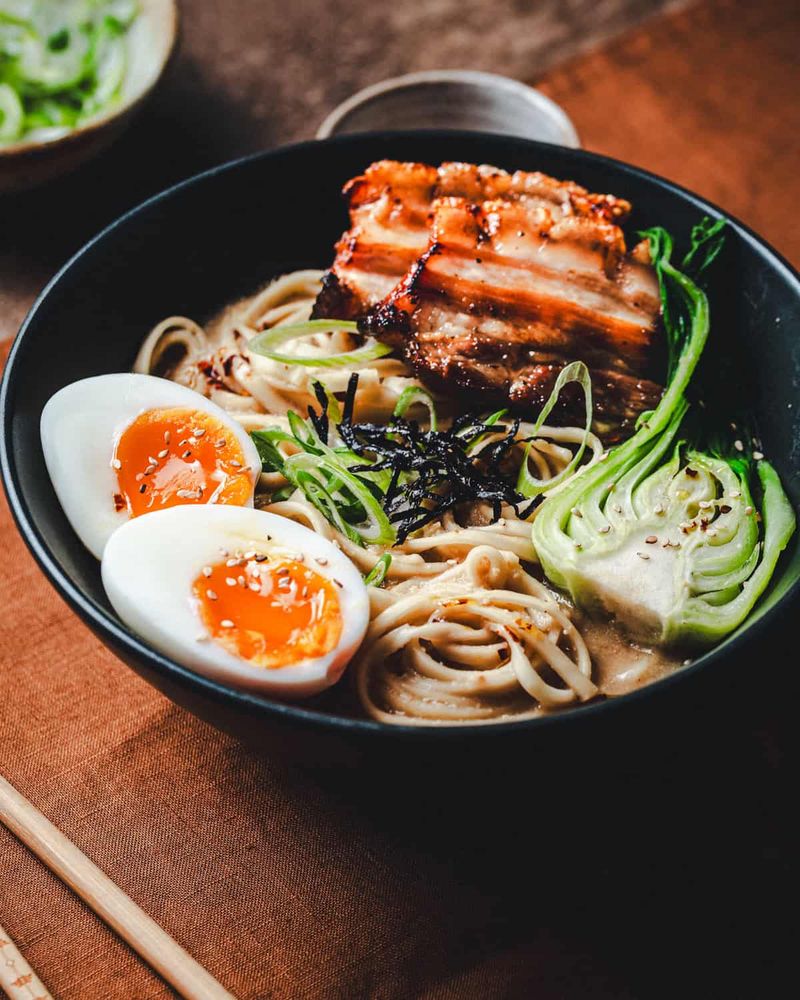
A bowl of ramen looks like noodle soup. But real ramen broth can simmer for 12 to 18 hours straight before a single noodle touches it.
Tonkotsu broth, for example, requires pork bones to boil at a rolling boil the entire time to turn cloudy and rich.
The noodles, toppings, and seasoning sauces are each prepared separately. Every element is its own project.
A single bowl can represent two full days of work.
3. French Omelette
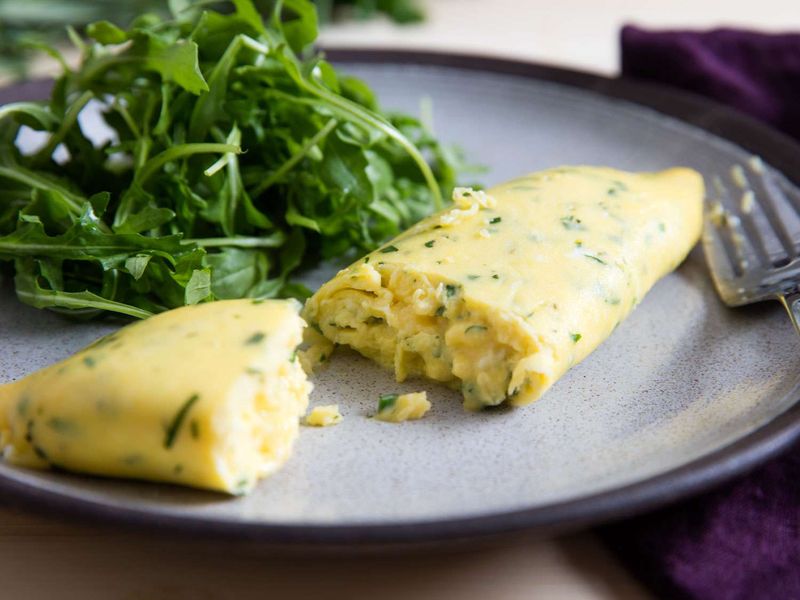
An omelette sounds like the easiest thing in the world. Crack some eggs, cook them, done.
But the French version is a completely different beast. It should be pale yellow with zero browning, silky smooth on the outside, and just barely set inside.
Getting there requires constant wrist movement, perfect heat control, and timing that leaves almost no room for error. Gordon Ramsay uses this dish to test professional chefs.
Most people fail on their first try.
4. Consomme
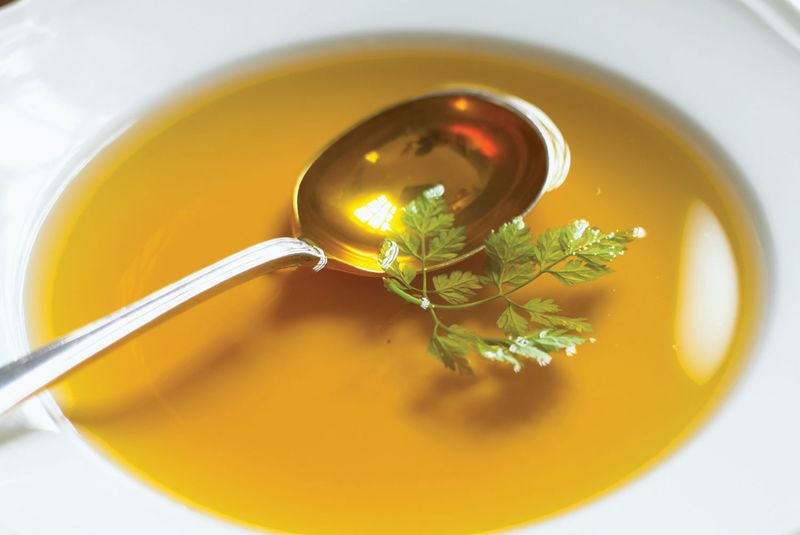
Consomme is basically a super-clear broth that looks like slightly golden water. But achieving that clarity is one of the hardest tricks in classical French cooking.
Chefs use a strange technique involving a mixture of raw ground meat, egg whites, and vegetables called a raft.
As the broth heats, the raft rises and traps all the cloudy particles. The result looks effortless but takes hours of careful monitoring.
One boil too hard, and it turns murky again.
5. Beef Wellington
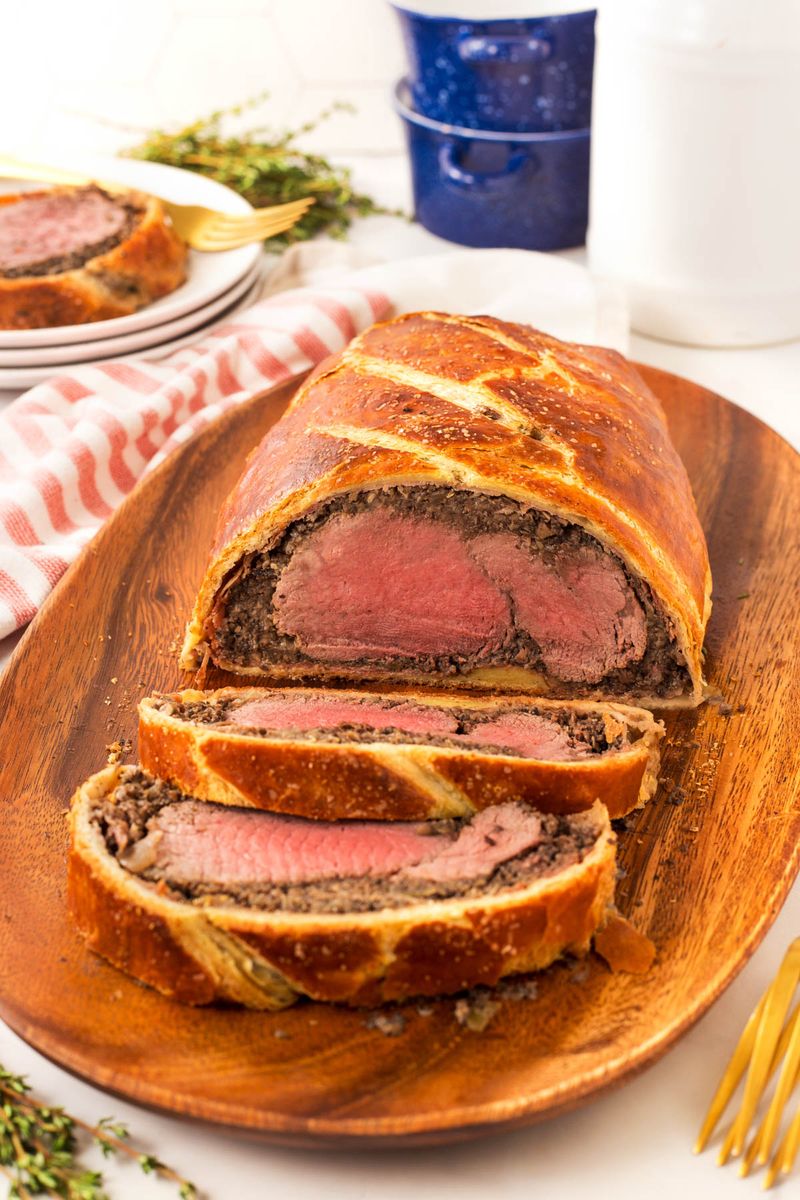
From the outside, Beef Wellington just looks like a fancy bread loaf. Slice it open, though, and you see perfectly pink beef tenderloin wrapped in a mushroom paste and golden pastry.
Getting there is a juggling act of timing and temperatures.
The beef must be seared, cooled, coated in duxelles, wrapped in prosciutto, then chilled before being wrapped in pastry. If anything is too warm when it goes in the oven, the pastry gets soggy.
Every step depends on the one before it.
6. Macarons
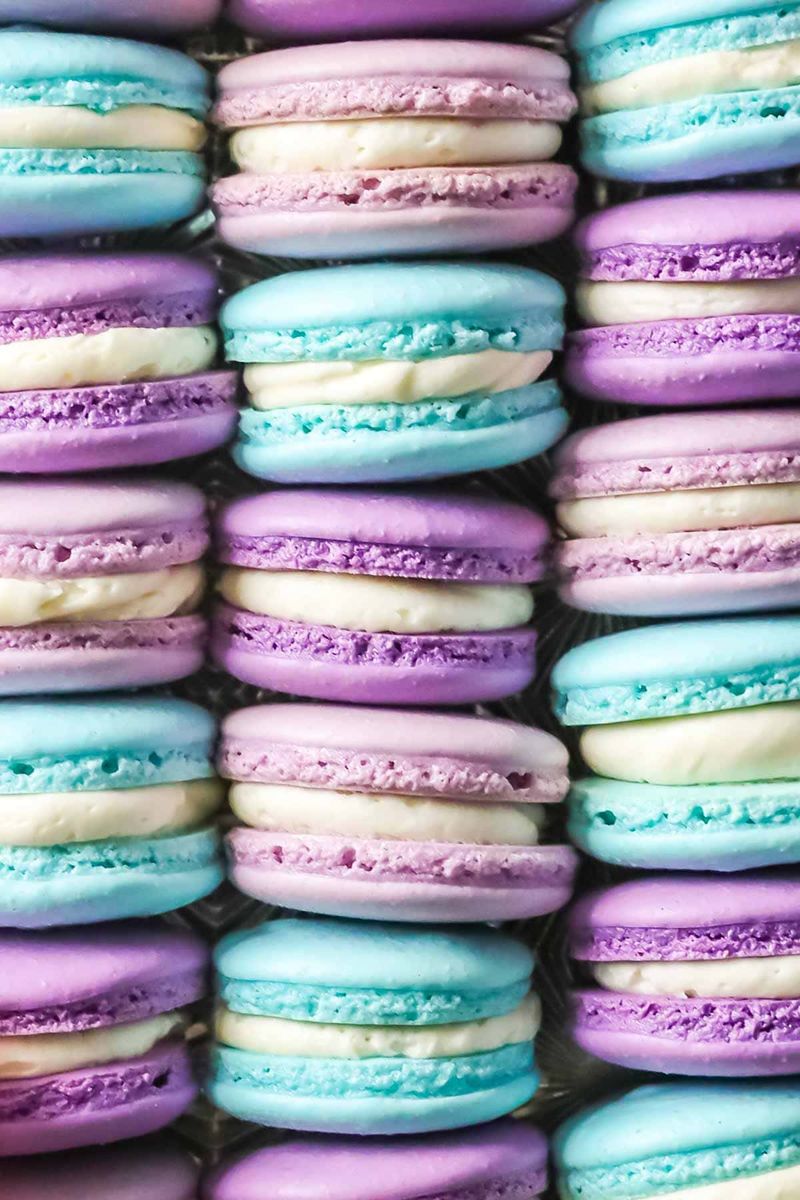
Macarons are tiny sandwich cookies that look adorable and simple. Behind them is a process that bakers describe as unforgiving.
The batter has to be mixed to exactly the right consistency, a technique called macaronage, which is not too much and not too little.
Humidity in the air can ruin an entire batch. The shells need to rest before baking to form a skin.
Even professional pastry chefs get batches wrong. Those perfect little domes are basically edible miracles.
7. Peking Duck
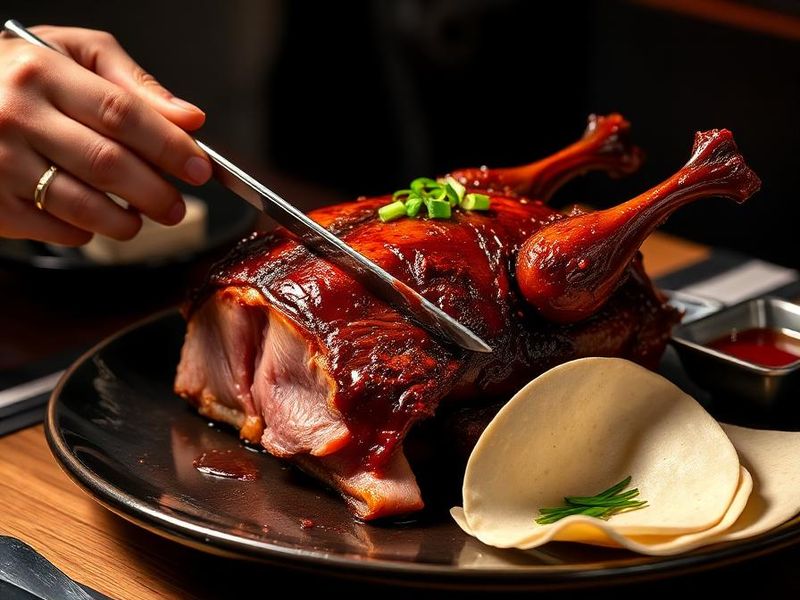
Peking Duck arrives at the table looking like a beautifully bronzed bird. Getting that glossy, crackly skin takes an extraordinary amount of preparation.
The duck is first pumped with air to separate the skin from the fat, then coated in a malt sugar mixture.
After that, it hangs to dry for 24 to 48 hours in a cool, ventilated space. Then it roasts in a special wood-fired oven.
The whole process takes two days for what gets eaten in minutes.
8. Soufflee
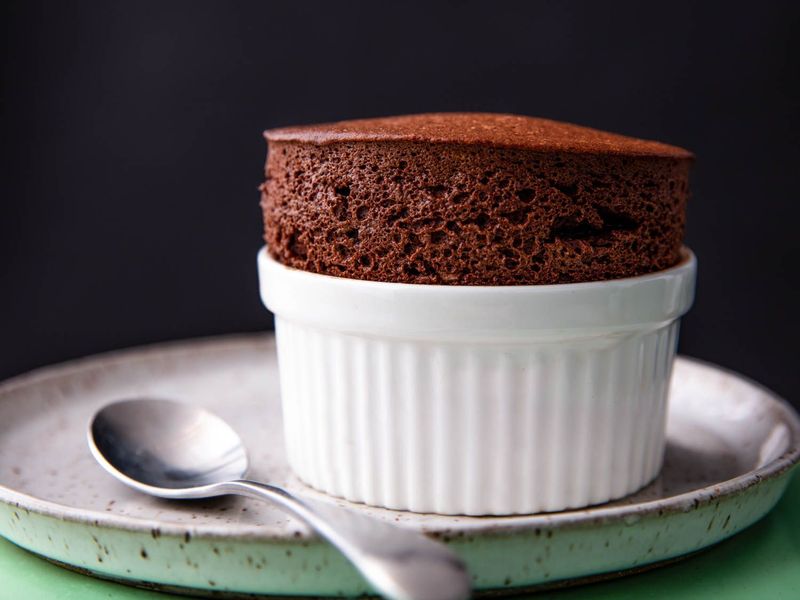
A souffle is basically air trapped in eggs, and that sounds simple enough until you realize how easily it all goes wrong. Egg whites must be whipped to exactly the right stiffness and folded in without deflating them.
The oven door cannot be opened during baking.
Even a loud noise at the wrong moment is said to cause collapse, though that might be chef legend. What is definitely true is that a souffle waits for no one.
It must be served the second it comes out.
9. Bagels
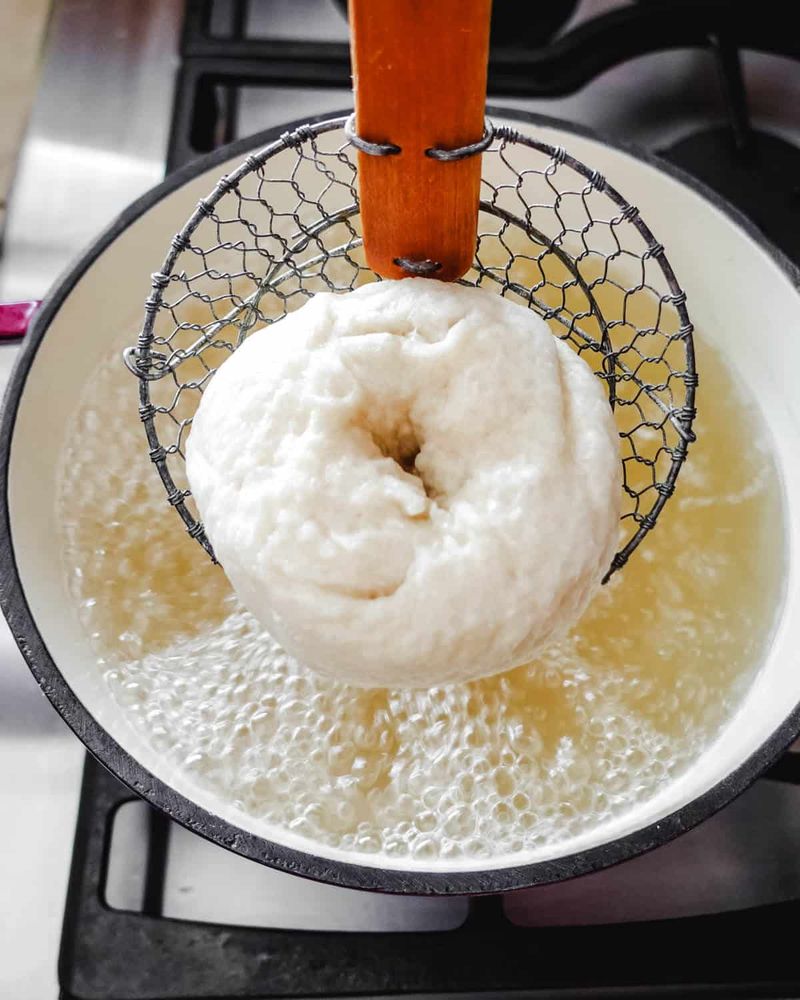
Bagels look like plain bread rings. But real bagels go through a step that most breads skip entirely: boiling.
Before they ever see the oven, shaped bagels are dropped into a vat of boiling water, sometimes with added malt syrup or baking soda.
That boil sets the crust and gives the inside its famously chewy texture. Skip it, and you just have a round roll.
Authentic New York bagels are also made with specific high-gluten flour that is hard to find outside of the region.
10. Mole Sauce
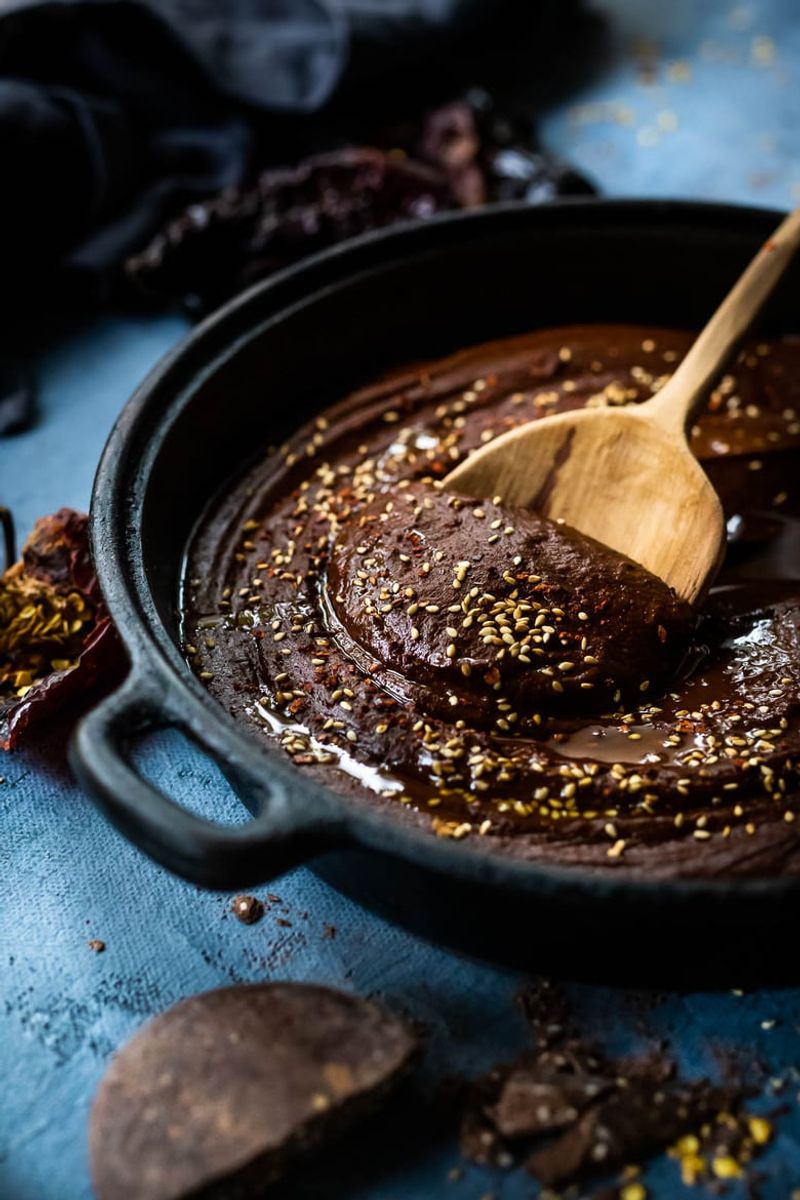
Mole looks like a dark, thick sauce poured over chicken. What hides underneath that simple appearance is a recipe that can include over 30 ingredients and take an entire day to make.
Traditional mole negro from Oaxaca uses multiple types of dried chiles, chocolate, nuts, seeds, and spices.
Each ingredient is toasted, soaked, or charred separately before everything gets blended and slowly cooked together. Some families guard their mole recipes for generations.
It is arguably the most complex sauce in the world.
11. Croquet Monsieur
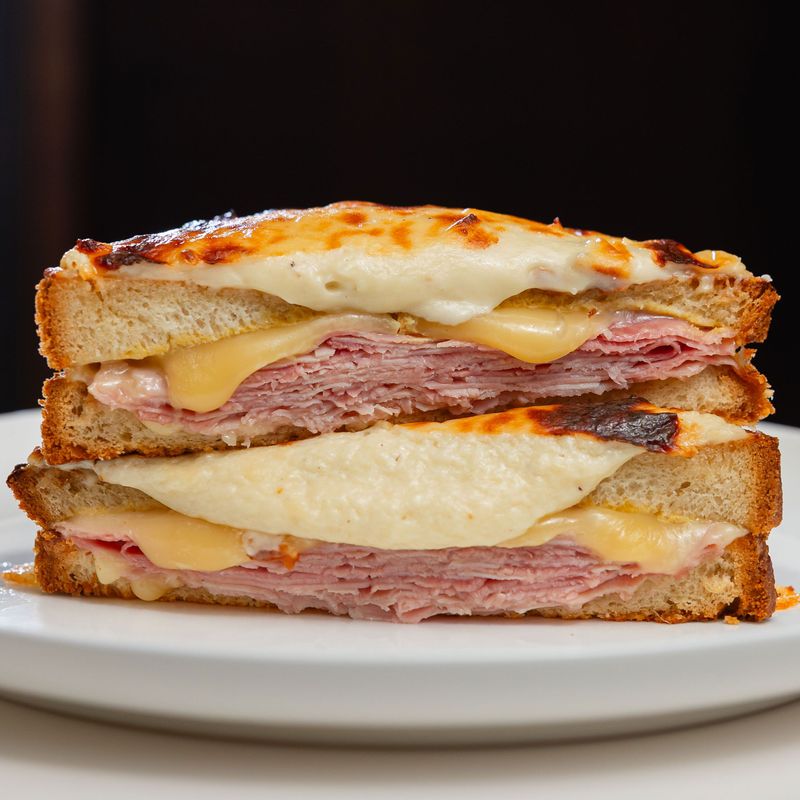
Croque Monsieur sounds like a fancy grilled cheese, and at first glance, it basically looks like one. But the real version involves making a homemade bechamel sauce from scratch, layering it with ham and Gruyere, and then broiling the top until it bubbles and browns perfectly.
The bread itself is sometimes soaked in cream before assembly. Getting the cheese sauce, the timing, and the bread texture all right at once is trickier than it sounds.
French bistros take this sandwich very seriously.
12. Tempura
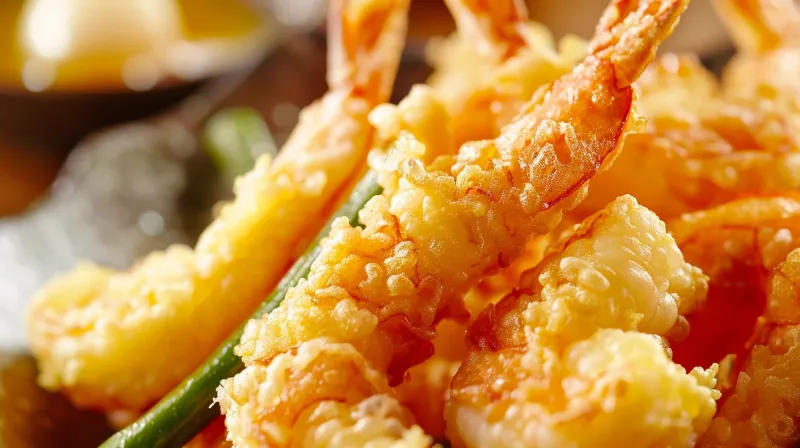
Tempura looks like lightly battered fried shrimp or vegetables. Achieving that signature sheer, crispy coating without it turning greasy is far harder than it appears.
The batter must be made with ice-cold water and mixed as little as possible, leaving lumps intentionally.
The oil temperature has to stay consistent, and ingredients must be fried in small batches. Overmixing the batter creates a thick, doughy coating instead of the delicate crunch tempura is known for.
Japanese chefs train for years to master it.
13. Baked Alaska
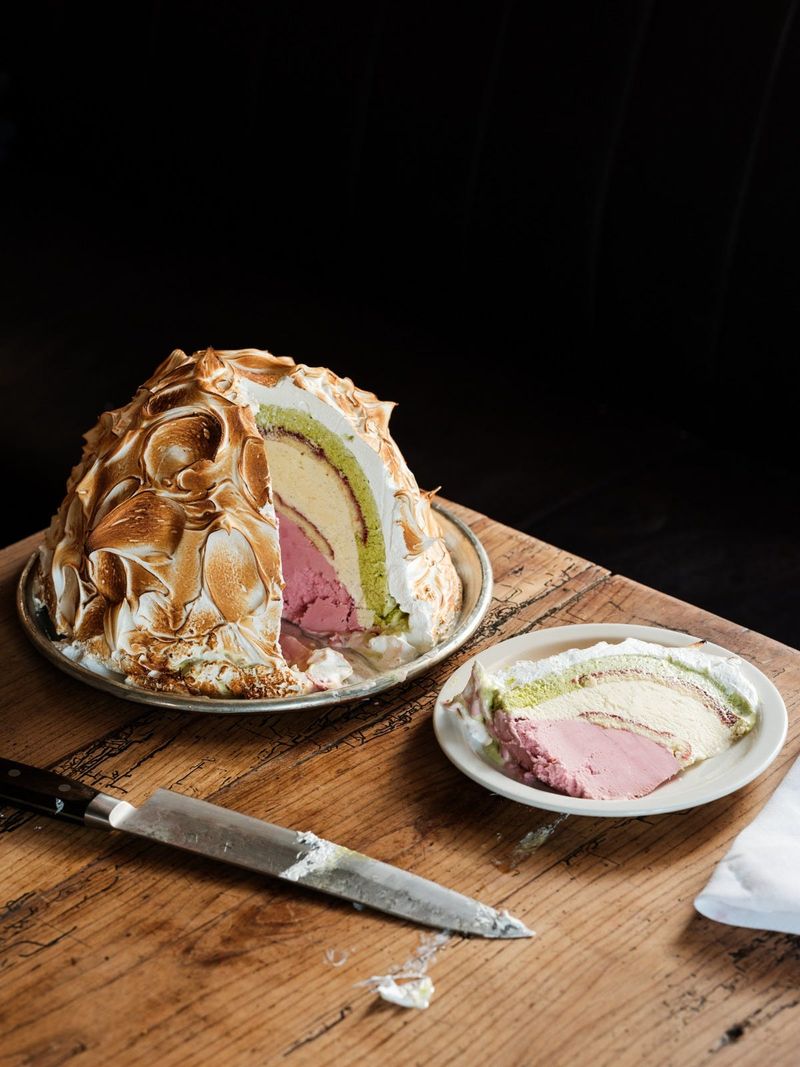
Baked Alaska is ice cream surrounded by cake and covered in meringue that gets torched or baked in a hot oven. The wild part is that the ice cream stays frozen while the meringue browns.
That trick works because meringue is a poor heat conductor.
But building it requires precise layering, freezing between each step, and working incredibly fast. If the ice cream melts before the meringue is done, the whole dessert collapses into a sad, soggy mess.
It is theatrical cooking at its most stressful.
14. Kimchi
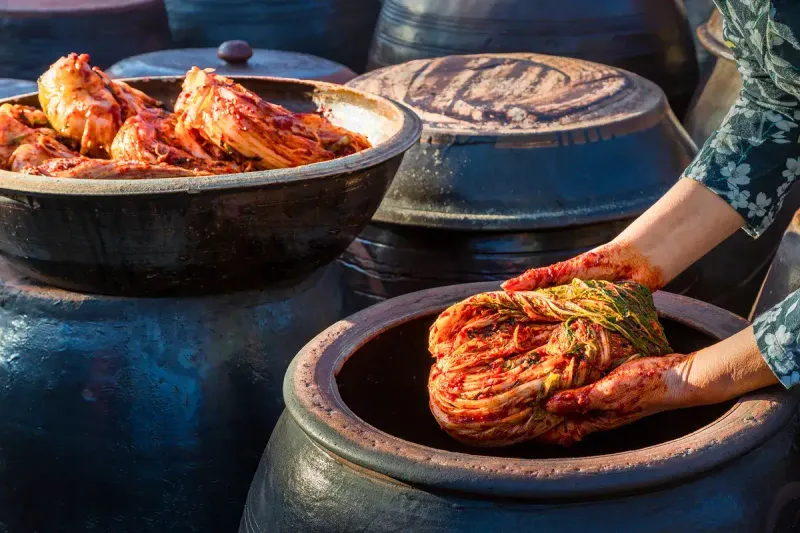
Kimchi is fermented cabbage. That sounds basic, but making it from scratch is a multi-day ritual deeply rooted in Korean culture.
First, cabbage is salted and left to draw out moisture for hours. Then it is rinsed, dried, and coated in a paste of garlic, ginger, fish sauce, and gochugaru chile flakes.
After that, it ferments for days or even weeks. Traditional kimchi-making, called kimjang, is done communally and has been recognized by UNESCO as an intangible cultural heritage.
Simple food, extraordinary process.
15. Creme Brulee
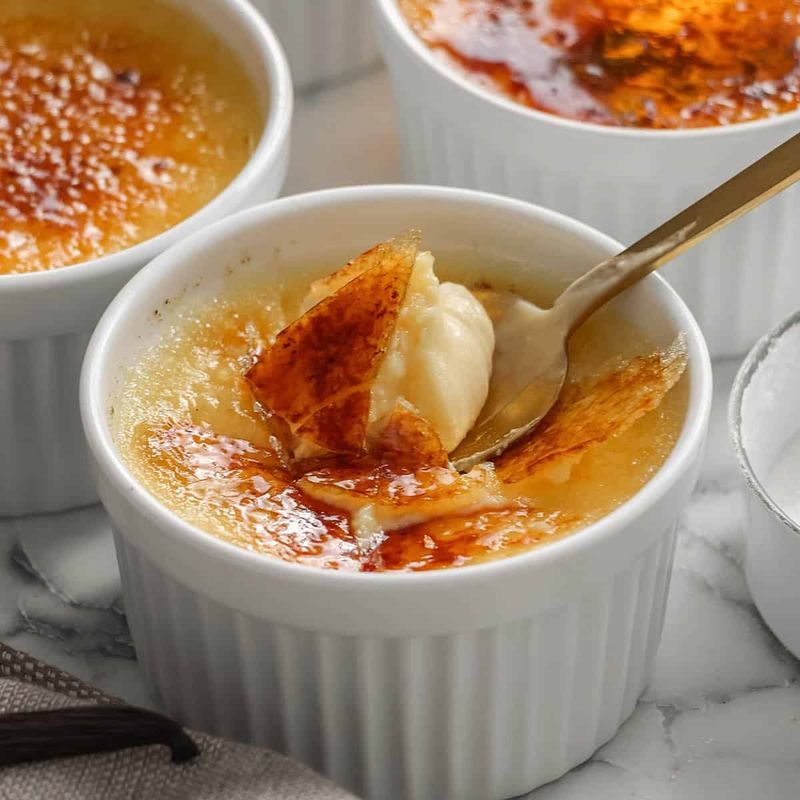
Creme brulee is custard with a burnt sugar top. Simple concept, but pulling it off perfectly involves a surprisingly delicate set of steps.
The custard base must be heated gently in a water bath, called a bain-marie, to prevent it from curdling or turning rubbery.
Getting the silky texture right is a matter of temperature and timing. Then the sugar layer on top must be caramelized evenly with a torch without overheating the custard underneath.
That satisfying crack when you tap it? Totally earned.




Comments
No Comments