













Some foods taste amazing not because of fancy spices or secret sauces, but because they were served at exactly the right temperature. A perfectly warm bowl of soup or a properly chilled dessert can make all the difference between a meal that wows and one that disappoints.
Temperature controls texture, aroma, and even how your taste buds pick up flavor. Get it right, and you barely need seasoning at all.
1. French Onion Soup
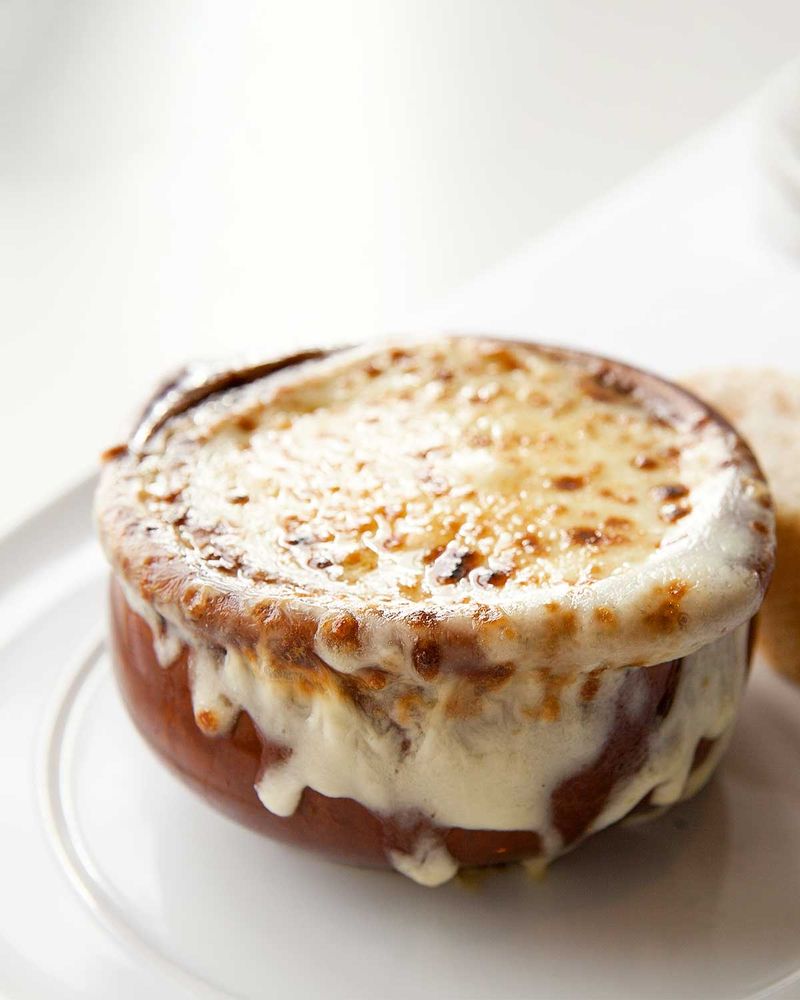
Pull a French onion soup out of the oven too early, and all you get is a sad, lukewarm bowl of onion water. The magic happens when it arrives at the table screaming hot, with cheese bubbling and browning at the edges.
That intense heat activates the caramelized onions, releasing a deep, savory sweetness that no amount of salt can replicate. The scorching temperature is the real chef here, doing the heavy lifting so the seasoning barely needs to try.
2. Beef Steak
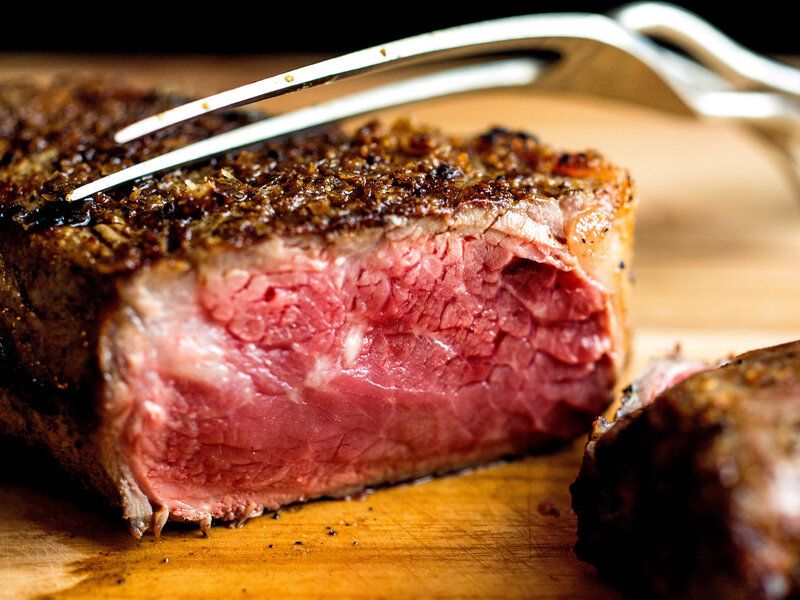
Ask any seasoned grill master and they will tell you the same thing: a steak lives or dies by its internal temperature. Medium-rare sits at around 130 to 135 degrees Fahrenheit, and that sweet spot unlocks a buttery, juicy tenderness that well-done simply cannot match.
The Maillard reaction, a chemical change from high heat, creates that gorgeous crust packed with flavor. Salt and pepper help, but temperature does the real work on a great steak.
3. Chocolate Lava Cake
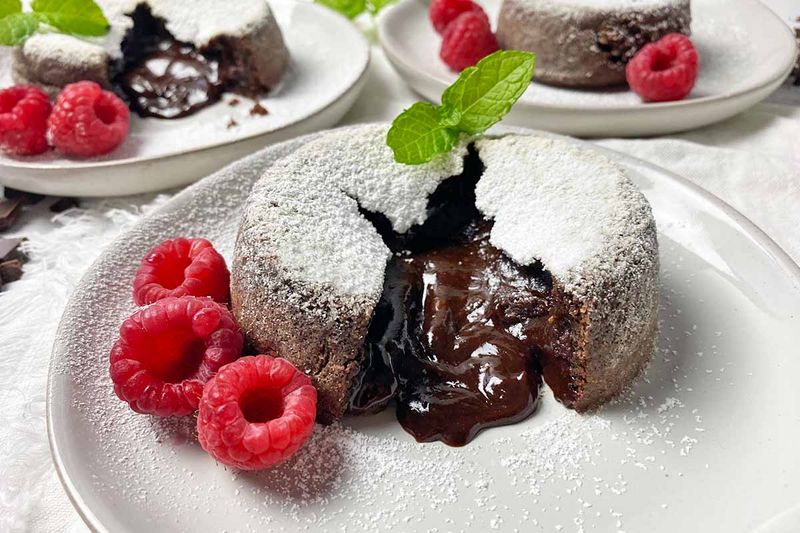
Chocolate lava cake is basically a magic trick baked in an oven. Serve it right out of the oven and you get a warm, gooey center that flows like a chocolate river.
Wait even ten minutes too long, and that lava solidifies into a regular, boring brownie.
No extra sugar or vanilla is going to save an over-baked lava cake. The entire dessert experience depends on catching it at that exact, fleeting moment of perfect warmth.
4. Ramen
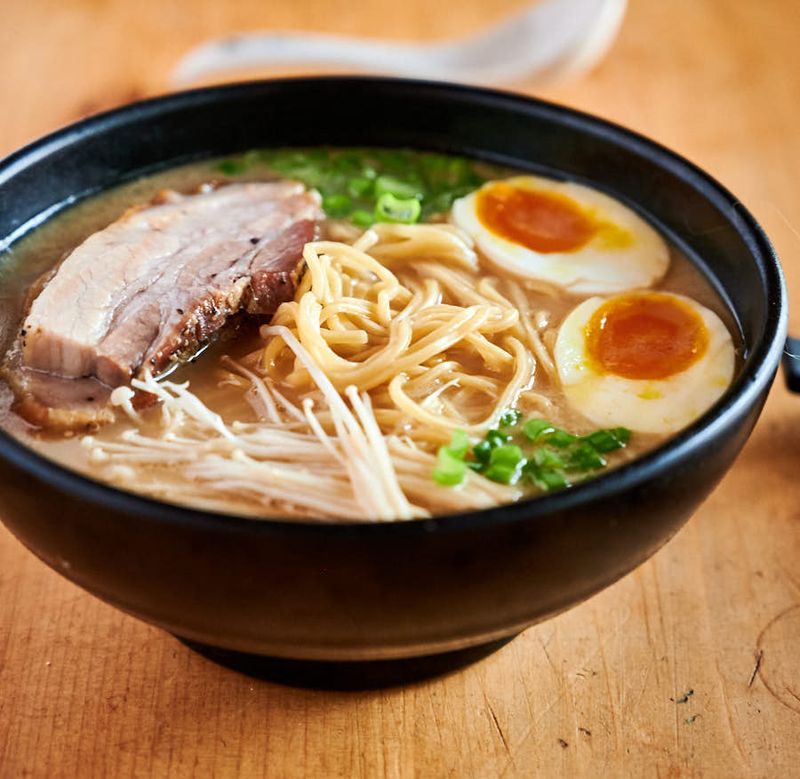
Ramen shops in Japan take bowl temperature so seriously that some even pre-heat their serving bowls with boiling water before ladling in the broth. Cold ramen broth loses its silky body and the noodles turn mushy and clumped together.
A truly great bowl of ramen hits the table near boiling, keeping the fat emulsified and the flavors bright. You could skip half the toppings and still have an incredible experience, as long as that broth stays piping hot.
5. Crepes
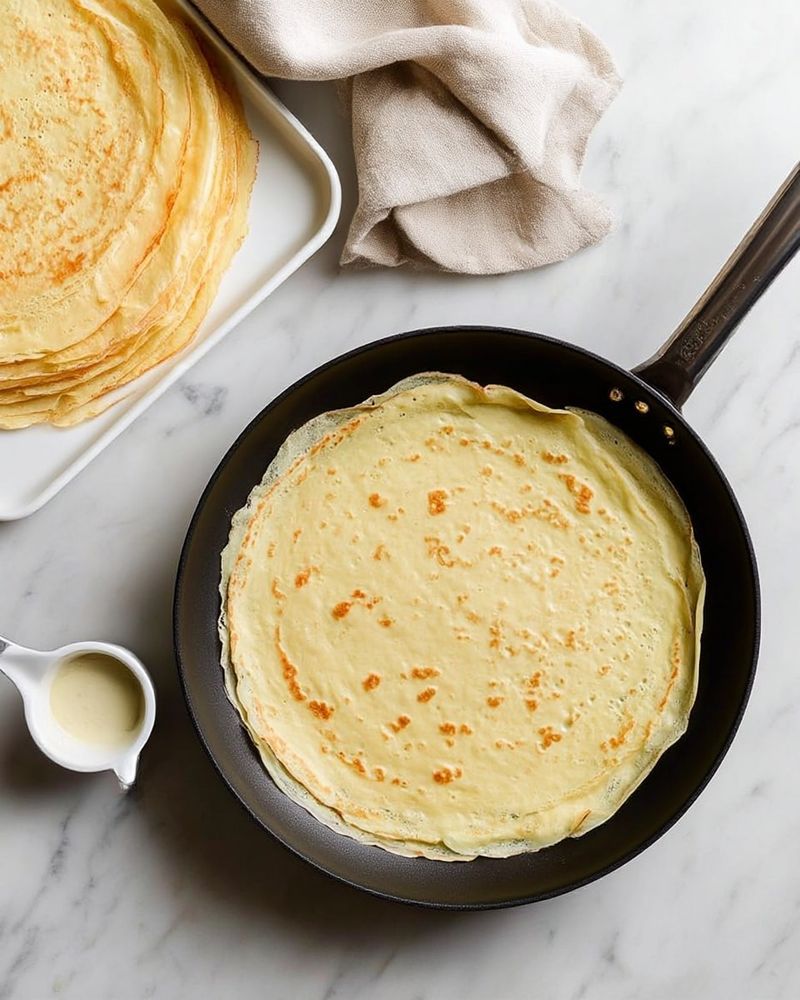
Crepes are deceptively simple, but getting the pan temperature right is everything. Too cold, and the batter sticks and tears.
Too hot, and the edges burn before the center sets. That narrow window of medium-high heat produces a thin, lacy, perfectly pliable crepe with a subtle toasty flavor.
Interestingly, well-made crepes need almost no seasoning at all. A little butter in the pan and the right heat does more for flavor than any spice cabinet ever could.
6. Sushi Rice
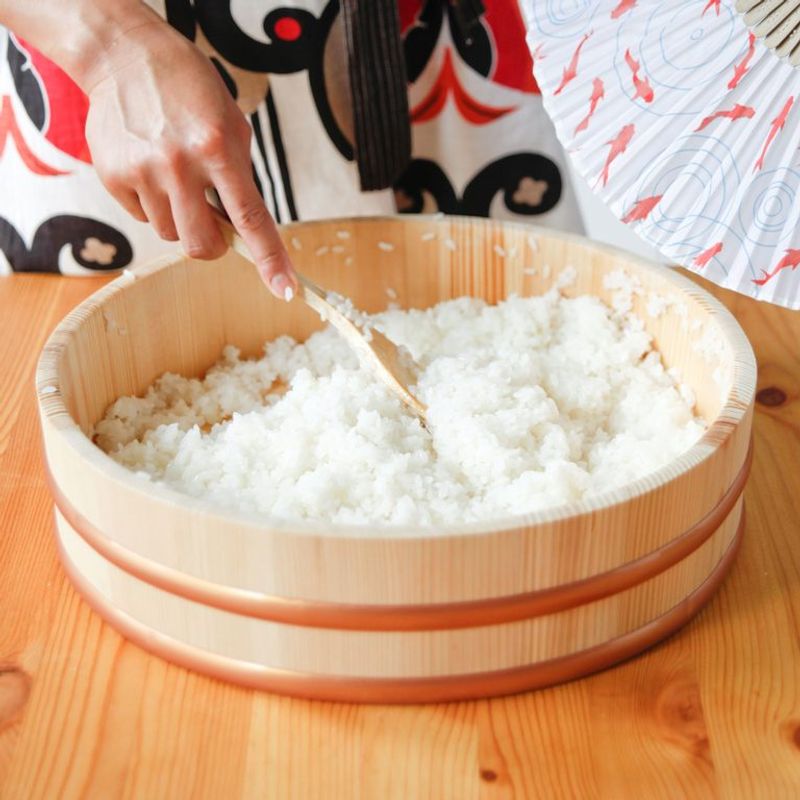
Sushi chefs are almost obsessive about rice temperature, and for good reason. Sushi rice must be served at body temperature, around 98 degrees Fahrenheit, to achieve its signature sticky yet slightly firm texture.
Too cold, and it becomes hard and clumpy. Too hot, and it falls apart.
The seasoned rice vinegar mixture added to the rice matters, but even perfect seasoning cannot save rice served at the wrong temperature. Warmth is the foundation of every great sushi bite.
7. Brie Cheese
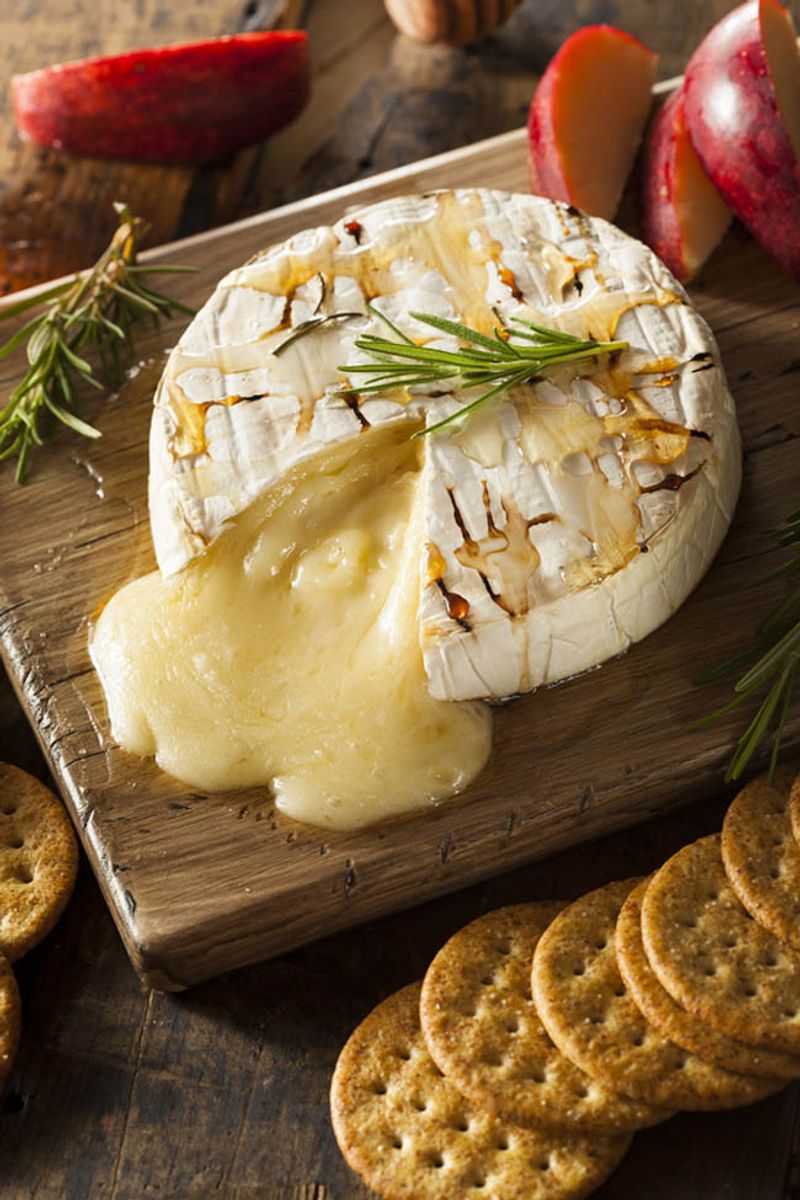
Straight from the fridge, brie is dense, rubbery, and almost flavorless. But let it warm to room temperature or bake it until the center turns molten, and it transforms into something creamy, rich, and deeply satisfying.
The fat content in brie only releases its full buttery aroma and flavor when warm. Fancy it up with honey or herbs if you like, but the real upgrade is simply patience and heat.
Temperature is the secret ingredient brie has always needed.
8. Mashed Potatoes
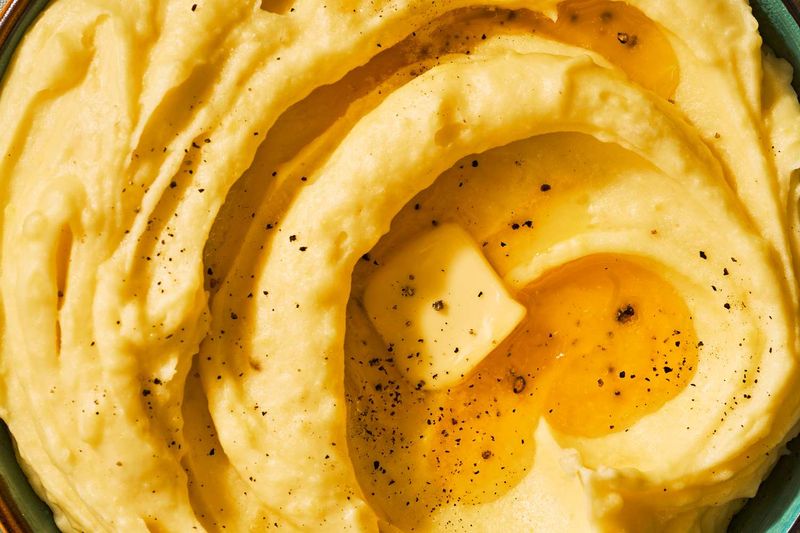
Cold mashed potatoes are kind of a culinary tragedy. The starch firms up, the butter solidifies, and what was once silky and luxurious becomes dense and gluey.
Served hot, though, mashed potatoes are one of the most comforting foods on the planet.
The heat keeps the fat distributed evenly, giving every spoonful that smooth, velvety quality. You could season them lightly and they would still taste incredible, as long as they are steaming hot when they hit your plate.
9. Ice Cream
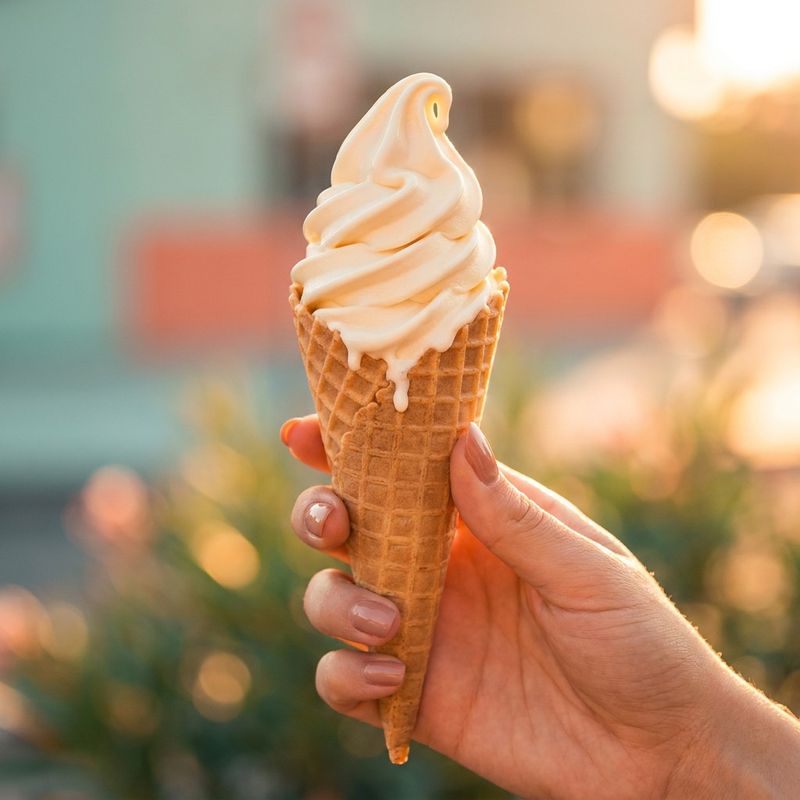
Ice cream exists in a very precise temperature zone. Serve it too hard and frozen, and the flavor is muted and the texture is icy.
Let it soften just slightly, to around 10 to 15 degrees Fahrenheit, and the creaminess blooms and the flavors become much more vivid.
This is why ice cream tastes better when it has been out of the freezer for a few minutes. The chemistry of dairy fat and sugar only fully expresses itself at the right soft-serve temperature.
10. Croissants
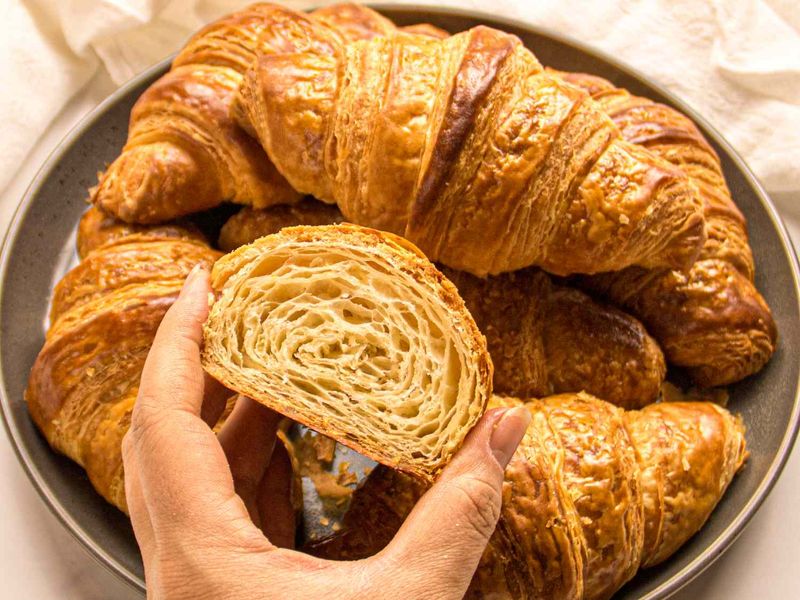
A croissant from a bakery display case that has been sitting for hours is a completely different food from one pulled straight out of the oven. The warmth keeps the butter inside the layers soft and aromatic, making each bite shatteringly crisp on the outside and pillowy within.
Room-temperature or cold croissants turn waxy and flat-tasting. No amount of jam or filling fixes that.
Heat is what holds the entire buttery, laminated structure together and makes croissants worth every single calorie.
11. Pizza
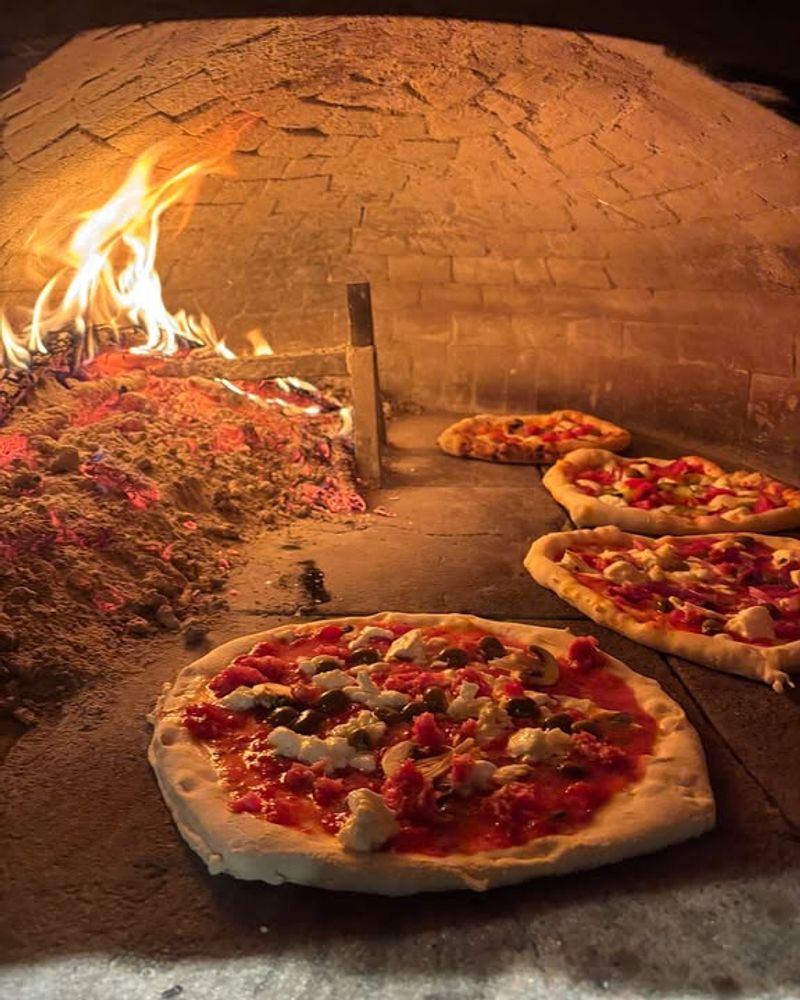
Pizza at 800 degrees in a wood-fired oven for 90 seconds is an entirely different beast from pizza baked in a home oven at 400 degrees for 15 minutes. The intense heat creates a char on the crust, called leoparding, that adds a smoky bitterness balancing the sweet tomato sauce perfectly.
Cold leftover pizza loses that contrast entirely. The crust softens, the cheese congeals, and the whole thing tastes flat.
Heat is not just a cooking method for pizza; it is the main flavor builder.
12. Grilled Corn on the Cob
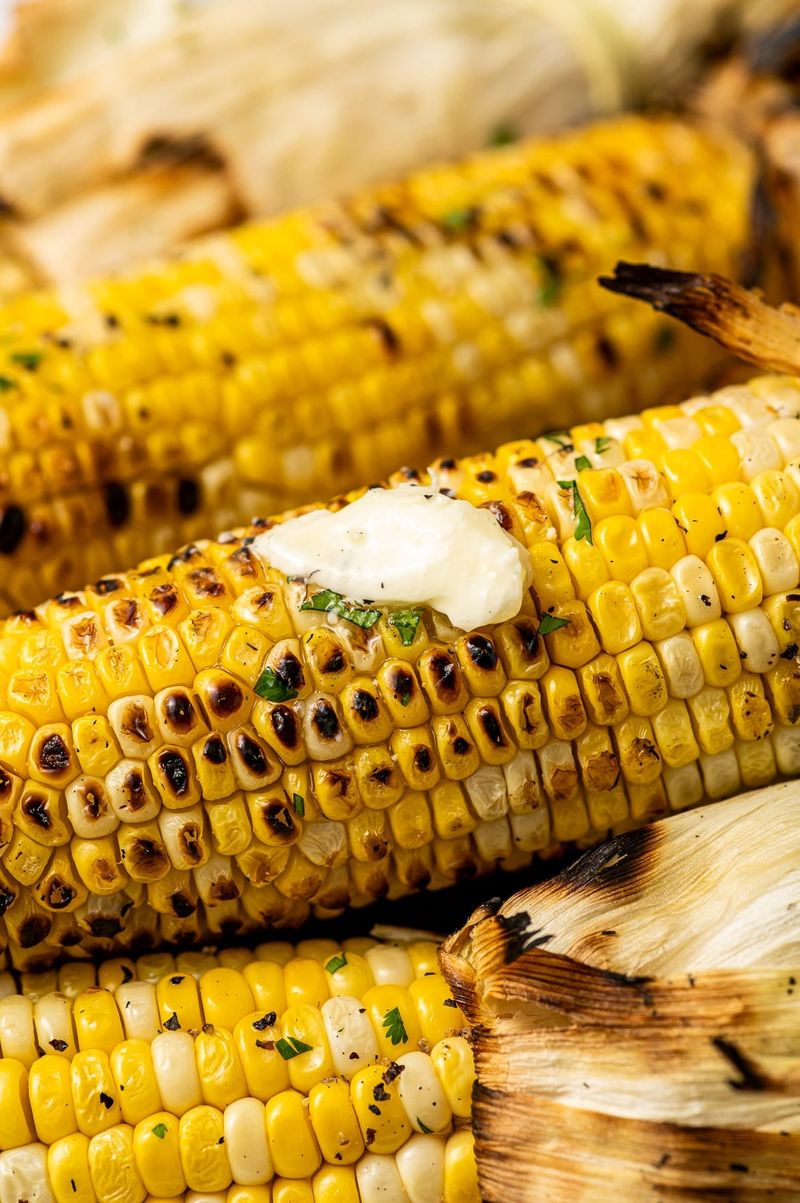
Grilled corn on the cob barely needs any seasoning because the heat does something remarkable to the natural sugars in the kernels. Direct contact with a hot grill caramelizes those sugars, creating a smoky-sweet flavor that tastes almost like candy with a savory edge.
Boiled corn is fine, but grilled corn at high heat is extraordinary. A little butter and maybe a pinch of salt is all you need.
The fire handles everything else, turning a humble vegetable into something truly memorable.
13. Bone Broth
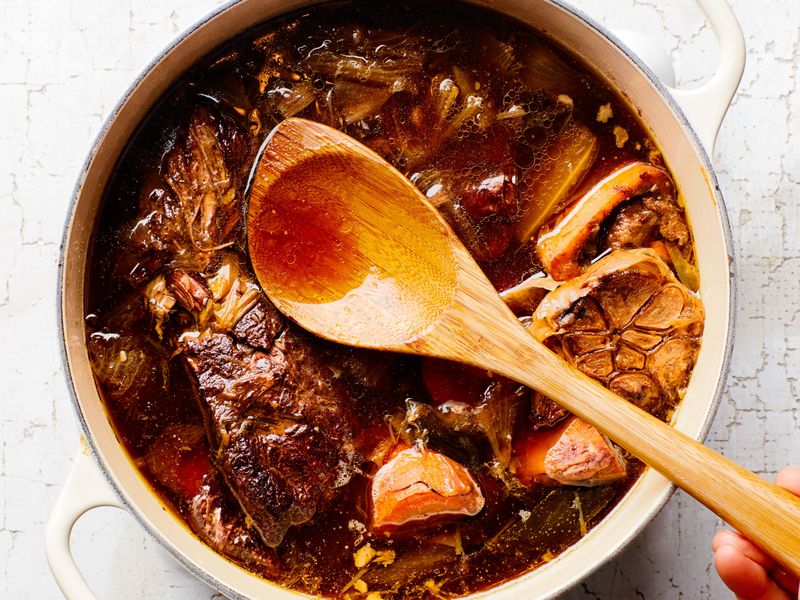
Bone broth is one of those foods where temperature is not just important, it is everything. The long, slow simmering process at a steady low heat draws out collagen, minerals, and gelatin from the bones over many hours.
Crank the heat too high and the broth turns cloudy and greasy.
Served hot, a good bone broth has a silky, almost lip-coating richness that feels deeply nourishing. It needs almost no seasoning to impress, because the sustained low temperature extracts all the flavor naturally.
14. Creme Brulee
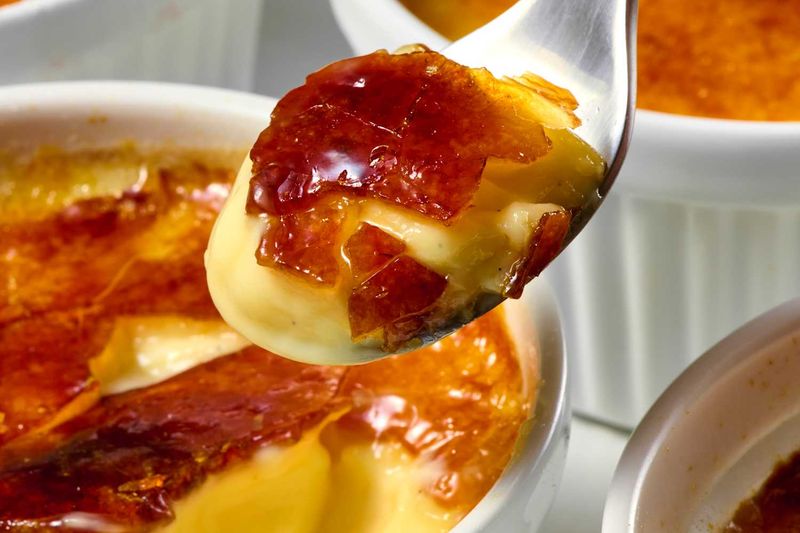
Creme brulee is basically a temperature drama in two acts. First, the custard must be baked gently in a water bath at low heat to stay silky and smooth without curdling.
Then comes the exciting finale: a blowtorch caramelizes the sugar topping into a crackling, glassy shell.
That contrast between the cold, creamy custard below and the warm, brittle caramel on top is the whole point of the dish. No spice or extract can create that experience.
Only temperature can.
15. Tempura
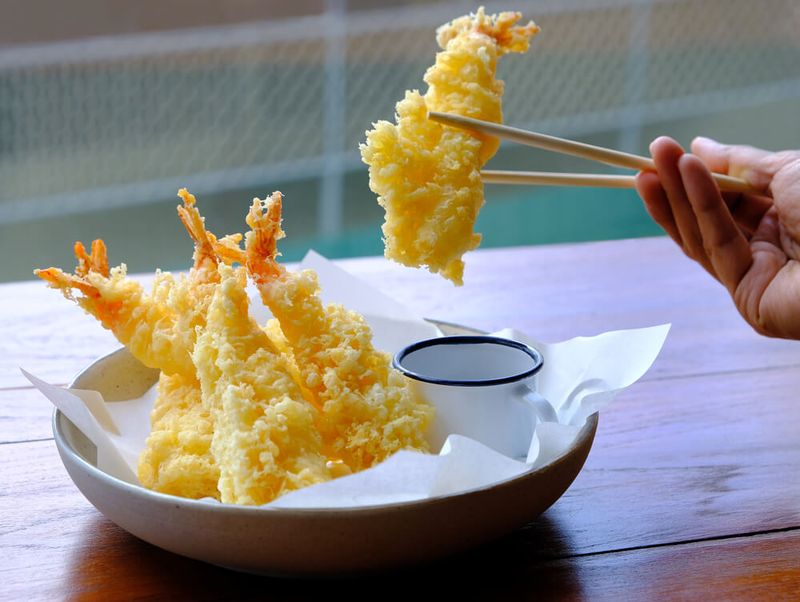
Japanese tempura is a masterclass in oil temperature control. The frying oil must stay right around 340 to 360 degrees Fahrenheit.
Drop it lower, and the batter absorbs oil and turns greasy and heavy. Go higher, and the outside burns before the inside cooks through.
Perfect tempura is impossibly light and shatteringly crisp, with almost no seasoning in the batter itself. A small dipping sauce is offered on the side, but the real star is the precise, unwavering heat of the oil.




Comments
No Comments