













Some foods push the limits of what most people consider edible, blending unusual ingredients, strange textures, and bold flavors that challenge even the most adventurous eaters. Around the world, cultures have developed dishes that might seem shocking at first glance but hold deep culinary traditions and surprising taste profiles.
Whether it is fermented, raw, still moving, or packed with pungent aromas, these meals are not for the faint of heart. If your stomach is strong and your curiosity is stronger, read on.
1. Balut (Fertilized Duck Egg)
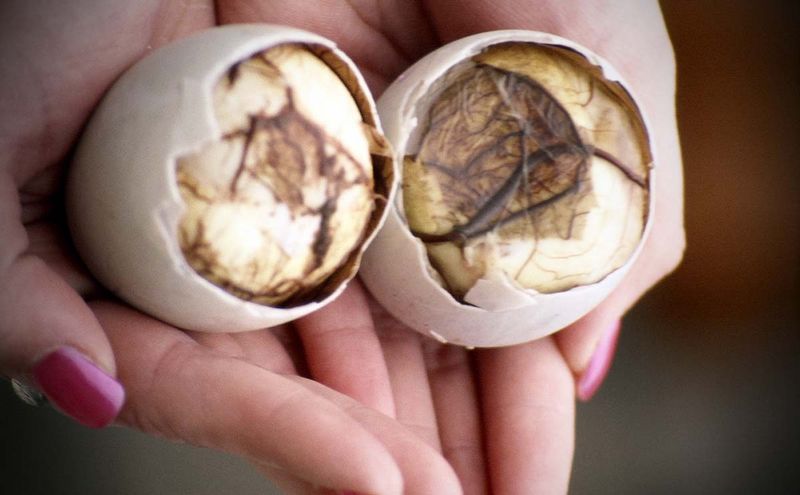
Crack open a balut and you will find a partially developed duck embryo nestled inside a boiled egg. Popular in the Philippines and Vietnam, this street food staple is eaten straight from the shell, sometimes with a sprinkle of salt or a splash of vinegar.
The broth inside is sipped first, then the yolk and embryo are consumed whole. First-timers often hesitate at the sight of tiny feathers and bones, but fans swear by its rich, savory flavor.
2. Surströmming (Fermented Herring)
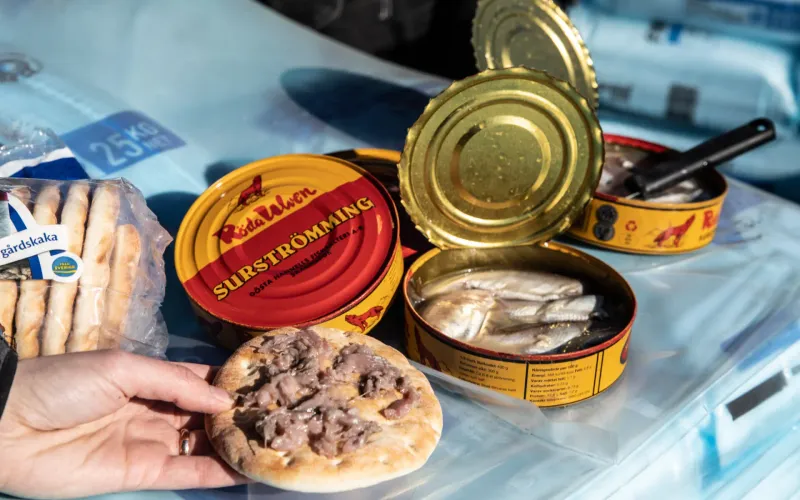
Opening a can of surströmming is considered one of the most pungent experiences in all of food culture. This Swedish delicacy is made from Baltic herring that has been fermented for months, producing a smell so powerful that many airlines have banned it from flights.
Swedes typically eat it on flatbread with onion and sour cream, turning the offensive aroma into a surprisingly tangy, salty bite. Brave souls who push past the smell often admit the taste is milder than expected.
3. Hákarl (Fermented Greenland Shark)
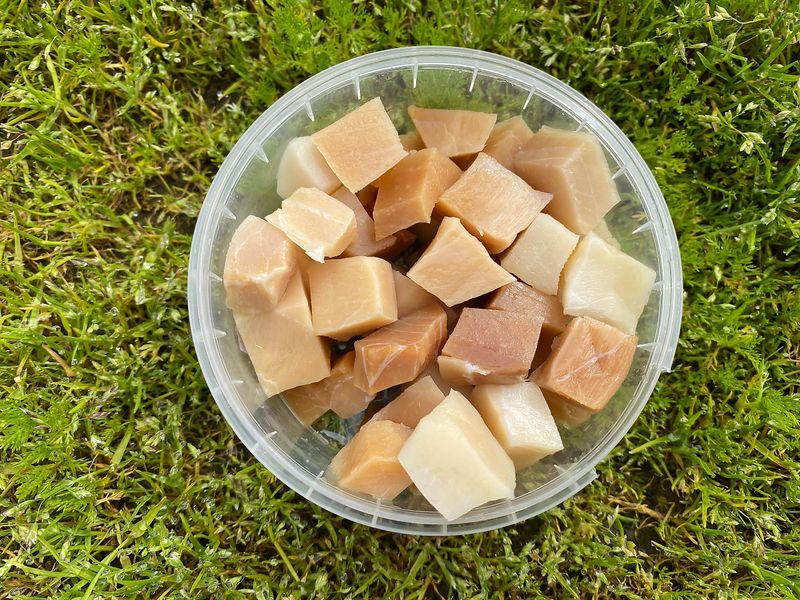
Iceland's most notorious dish starts with a Greenland shark buried underground for months to remove its toxic ammonia-rich flesh, then hung to dry for several more months. The result is a chewy, pale cube that smells overwhelmingly of ammonia and urine.
Even Anthony Bourdain famously called it the worst thing he ever ate. Icelanders traditionally wash it down with a shot of Brennivín schnapps.
Hákarl is proof that one culture's poison is another culture's proud tradition.
4. Witchetty Grub
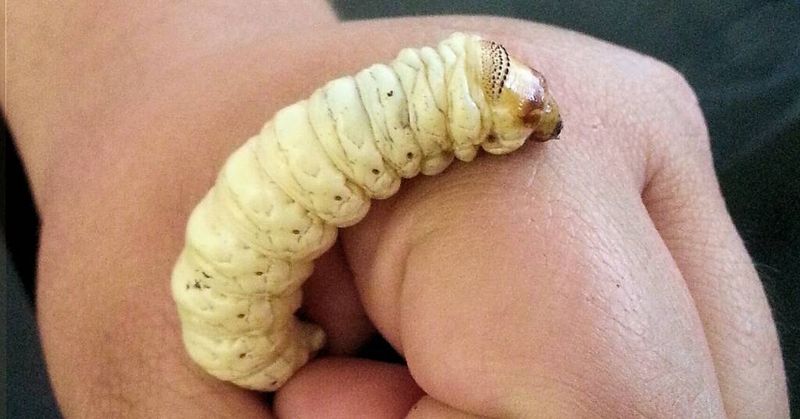
Long before protein bars existed, Indigenous Australians relied on witchetty grubs as a powerful, nutrient-dense food source. These large, white moth larvae are found in the roots of acacia trees and can be eaten raw or lightly cooked over hot coals.
Raw, they taste creamy and mild, somewhat like almond-flavored butter. Cooked, the outside crisps up like fried chicken skin while the inside stays soft.
Survivalists and adventurous foodies have both given this bush tucker a surprisingly enthusiastic thumbs-up.
5. Casu Martzu (Maggot Cheese)
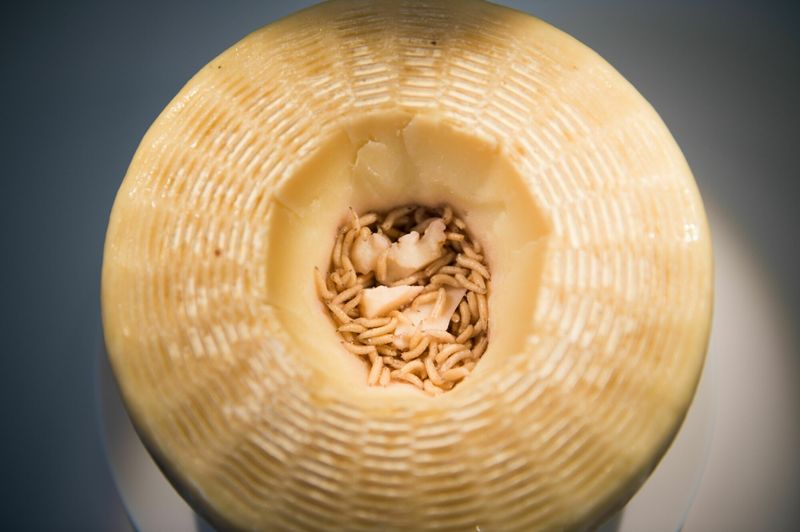
Casu martzu takes cheese aging to an extreme that most people never imagined possible. This Sardinian sheep's milk cheese is intentionally left out for flies to lay eggs in, and the resulting maggots break down the cheese into an ultra-soft, creamy texture.
The maggots are still alive when served, and some locals insist the cheese is only safe to eat while they are moving. It has been declared illegal by the European Union, which somehow makes daring eaters want it even more.
6. Fried Tarantulas
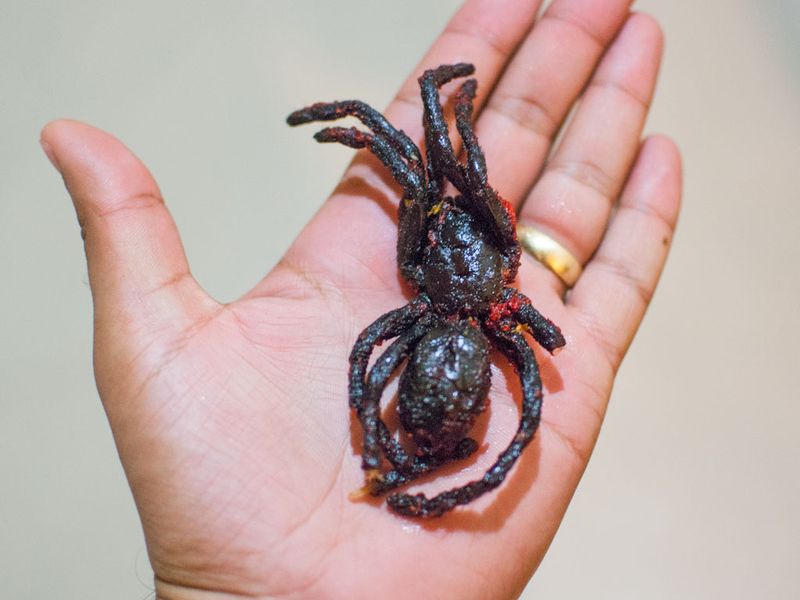
In the Cambodian town of Skuon, fried tarantulas are as common as french fries. Seasoned with salt, sugar, and garlic, then deep-fried until crispy, these palm-sized spiders became a survival food during the Khmer Rouge era and never left the menu.
The legs are crunchy and salty, while the abdomen holds a soft, gooey mixture of organs and eggs that has a more acquired taste. Tourists flock to Skuon specifically to test their courage with this eight-legged snack.
7. Sannakji (Live Octopus)
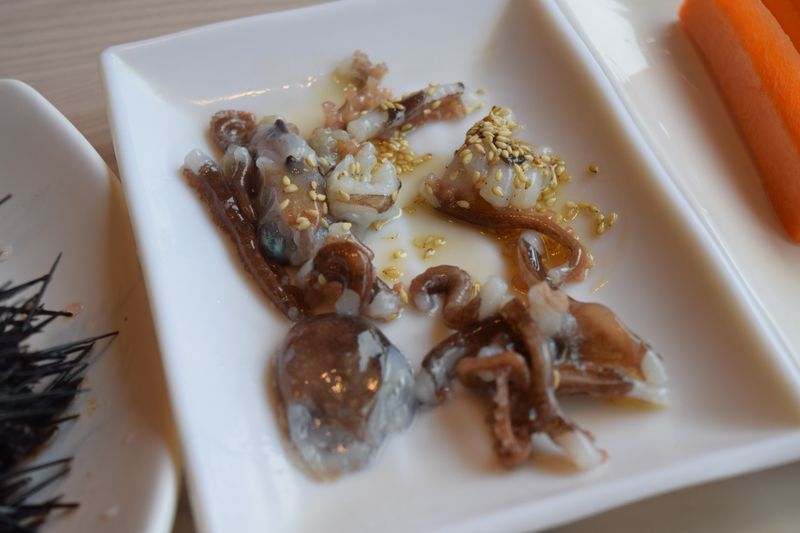
Ordering sannakji in South Korea means your food will literally still be moving on the plate. Small octopus tentacles are cut fresh and served immediately, still squirming and writhing from nerve activity even after being separated from the body.
The chewy pieces are typically drizzled with sesame oil and seeds. Here is the wild part: the suckers can actually stick to your throat on the way down, so chewing thoroughly is not just a suggestion, it is a safety rule.
8. Escamoles (Ant Larvae Tacos)
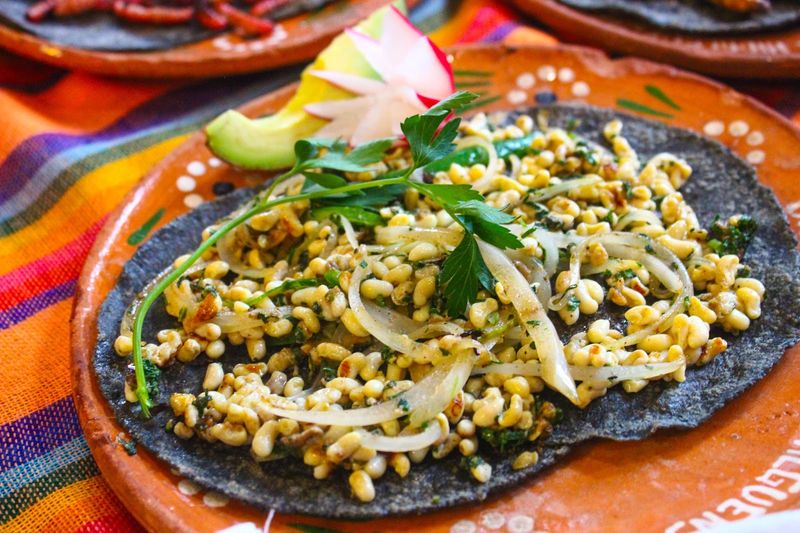
Known as "insect caviar," escamoles are the larvae and pupae of giant black ants harvested from agave plant roots in Mexico. They have been eaten since the time of the Aztecs and are considered a seasonal delicacy that commands a high price at upscale restaurants.
The texture is soft and buttery, with a mild, nutty flavor that pairs beautifully with corn tortillas and guacamole. For anyone curious about insect-based cuisine, escamoles are arguably the most elegant and approachable starting point available.
9. Fugu (Puffer Fish)
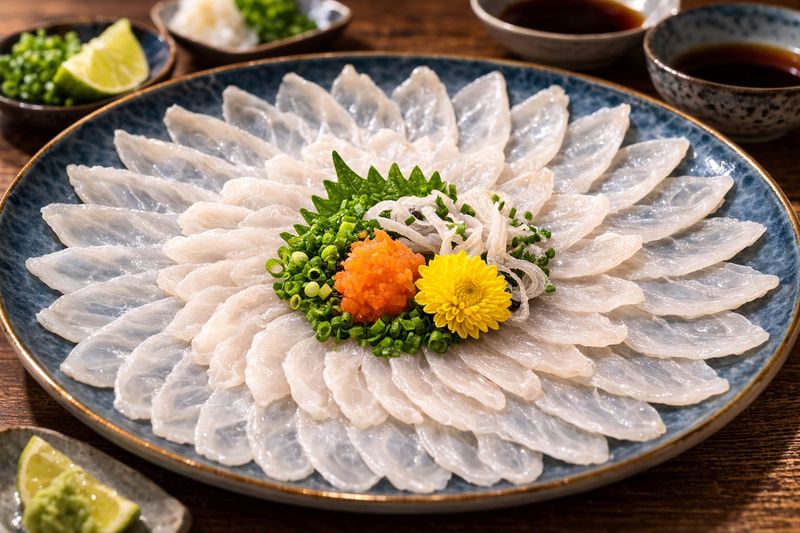
Fugu is thrilling not just because of its flavor, but because eating it incorrectly can be fatal. The puffer fish contains tetrodotoxin, a poison hundreds of times more deadly than cyanide, concentrated in its liver and ovaries.
In Japan, chefs must train for years and pass strict government licensing exams before they are legally allowed to prepare it. The flesh, when properly cleaned, is delicate and subtly sweet.
Diners sometimes report a slight tingling on their lips, which is part of fugu's legendary mystique.
10. Stinkbugs (Edible Shield Bugs)
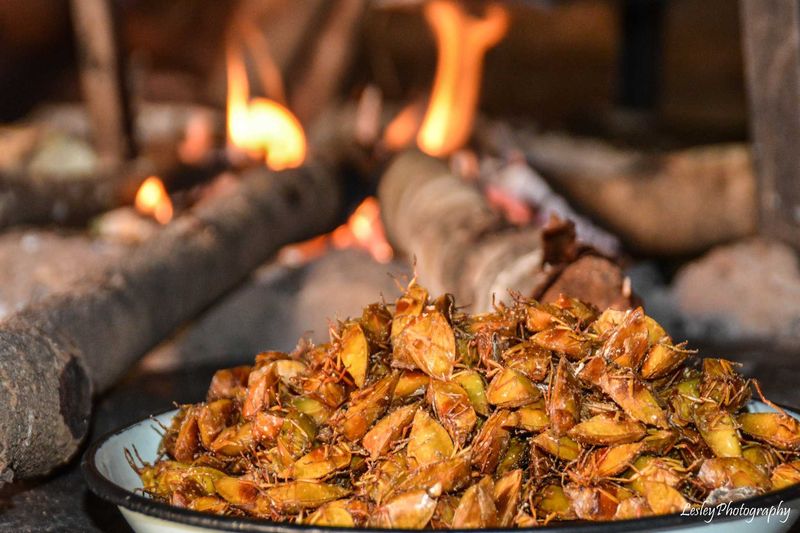
Across parts of Africa and Mexico, stinkbugs are not a household pest to be squashed but a seasonal snack to be savored. In Zimbabwe, the bronze-colored Gonimbrasia belina stinkbug is dried, roasted, or fried and eaten as a crunchy, protein-packed treat.
The trick is to remove the scent glands before cooking to avoid the notorious foul odor. Once prepared correctly, they carry a pleasant, earthy flavor with a satisfying crunch.
Locals collect them in large quantities during harvest season and sell them at local markets.
11. Durian Fruit
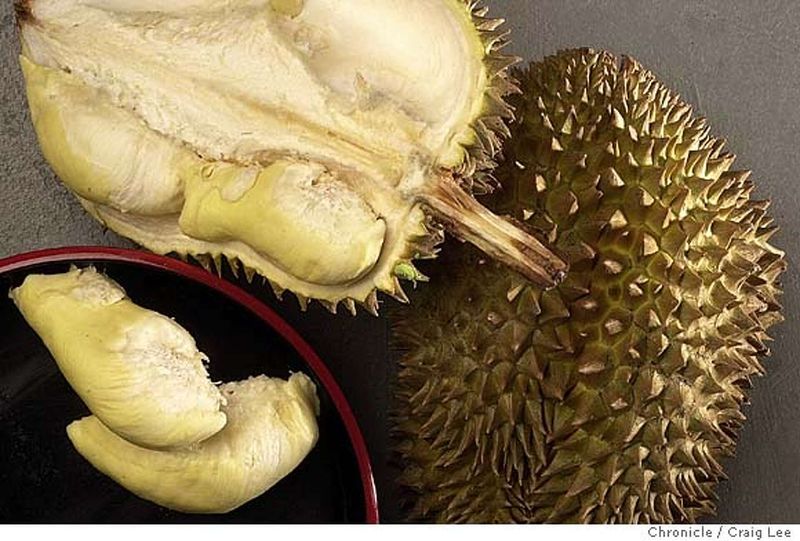
Durian has earned the nickname "king of fruits" in Southeast Asia, but it has also earned a fierce reputation for its smell, which has been compared to gym socks mixed with turpentine and overripe onions. Hotels and public transportation in Singapore and Thailand have actually banned it.
Yet millions of devoted fans adore its rich, custardy flesh that tastes like a cross between vanilla pudding and garlic. The experience of eating durian is deeply polarizing, meaning you will either love it passionately or flee the room immediately.
12. Rocky Mountain Oysters
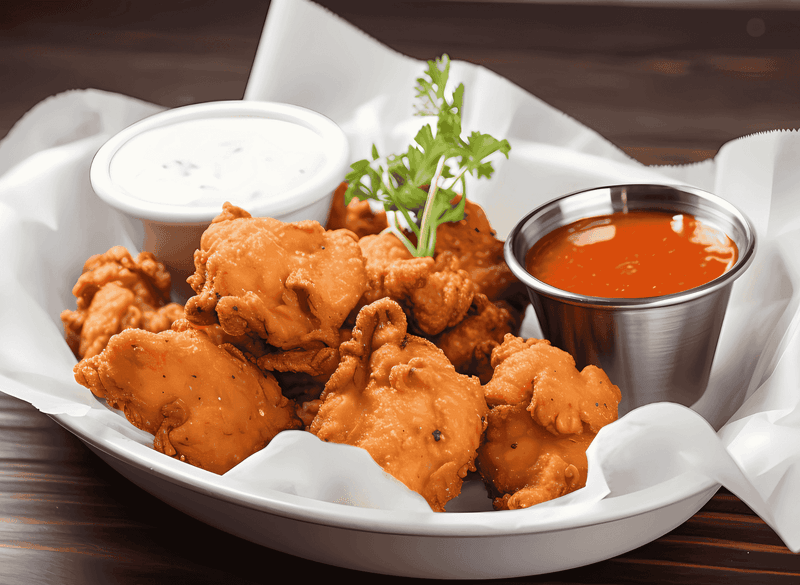
Despite the seafood-sounding name, Rocky Mountain oysters have nothing to do with the ocean. They are, in fact, deep-fried bull testicles, and they have been a cowboy staple in the American West for over a century.
Ranchers originally cooked them as a way to use every part of the animal during castration season, and the tradition stuck. Seasoned with flour, salt, and pepper then fried golden brown, they taste somewhat like fried chicken or veal.
Annual festivals in Colorado celebrate this uniquely Western delicacy with pride and plenty of hot sauce.
13. Tuna Eyeballs
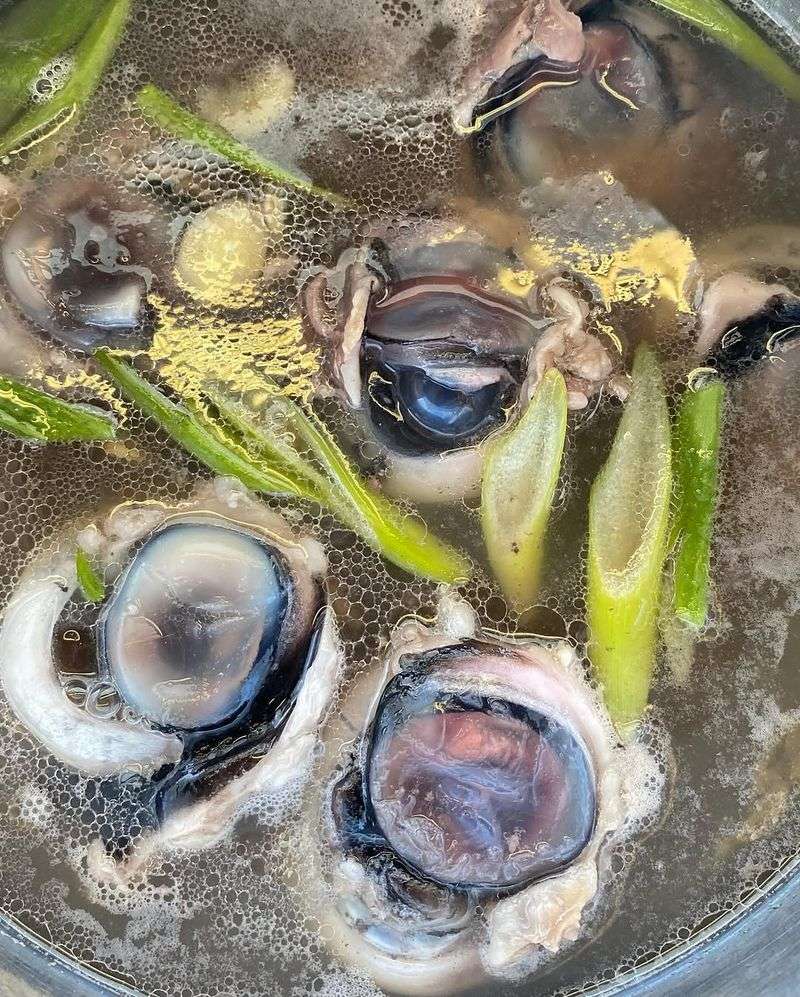
Walk through a Japanese grocery store and you might spot tuna eyeballs sitting in the seafood section, looking right back at you. About the size of a golf ball, they are typically boiled or steamed and seasoned simply with soy sauce, garlic, and ginger.
The eyeball itself is gelatinous and fatty, but the surrounding muscles and fat are surprisingly tasty, similar to squid or octopus in texture. Budget-conscious Japanese home cooks have embraced them as an affordable, protein-rich ingredient that most people simply overlook.
14. Cobra Heart (Vietnam)
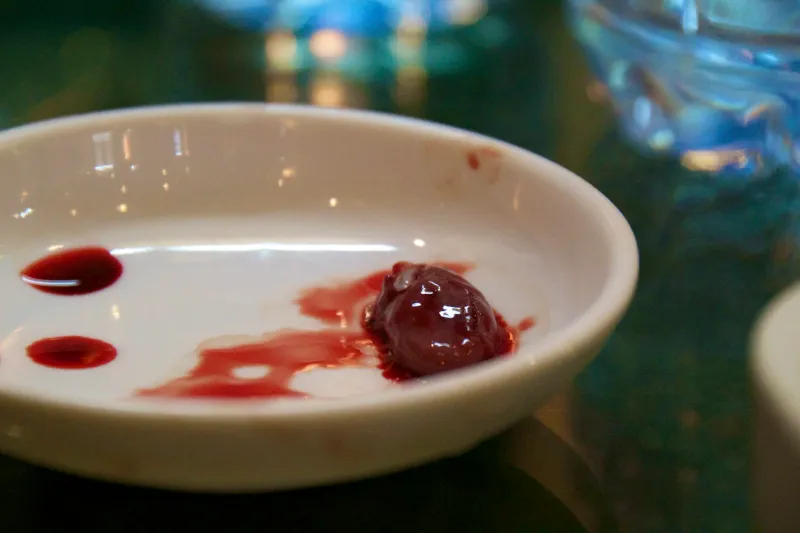
At certain restaurants in Hanoi, Vietnam, adventurous diners can order a cobra heart that is still beating when it arrives at the table. The snake is prepared tableside, its heart extracted and dropped into a shot glass filled with cobra blood and rice wine.
Drinkers are meant to swallow it whole in one gulp while the heart is still pulsing. Believers in traditional Vietnamese medicine claim it boosts virility and energy.
Whether or not that is true, the sheer audacity of the experience is unforgettable.
15. Century Egg (Pidan)
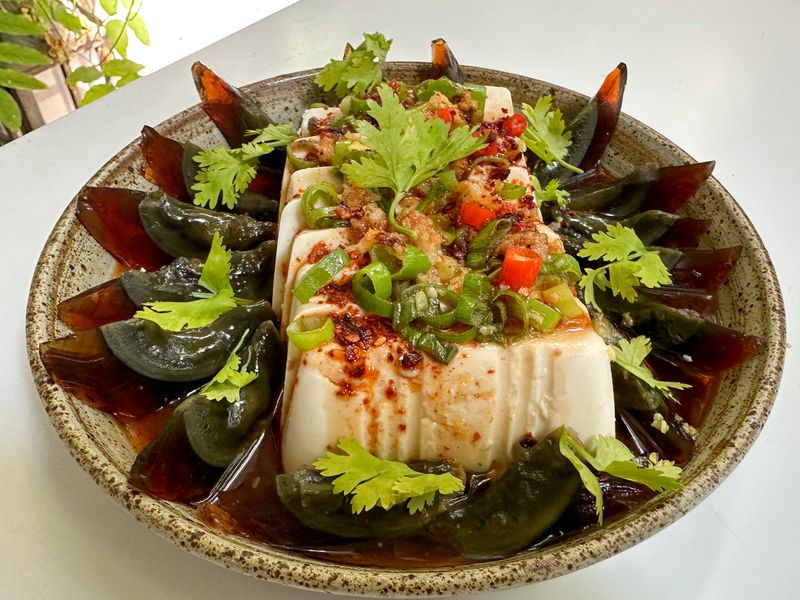
Century eggs look like something from a science fiction movie, with jet-black or dark green translucent whites and a creamy, grey-green yolk that carries a sulfurous, ammonia-like aroma. Despite the name, they are preserved for weeks or months in a mixture of clay, ash, salt, and quicklime, not an actual century.
Popular across China, they are often sliced and served with silken tofu, soy sauce, and chili oil. The flavor is intensely savory, deeply umami, and surprisingly complex once you push past the intimidating appearance.




Comments
No Comments