













Some of the world's most delicious foods were never meant to exist. A dropped dessert, a forgotten pot, or a simple mix-up in the kitchen led to creations that millions of people now love.
These happy accidents remind us that sometimes the best recipes come from mistakes. Get ready to discover the fascinating stories behind foods you probably enjoy every day.
1. Chocolate Chip Cookies
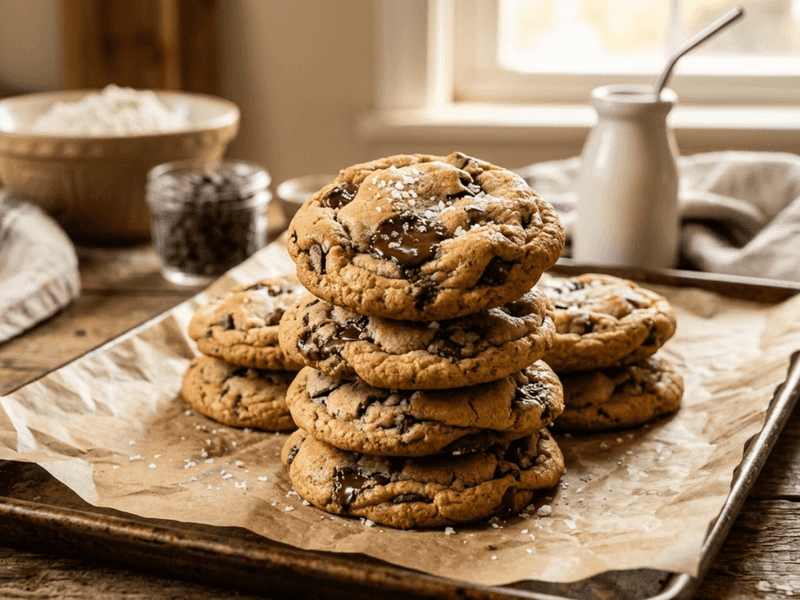
Ruth Wakefield thought chopping a chocolate bar into her cookie dough would melt completely into the batter. Spoiler alert: it did not.
Instead, the chocolate held its shape, creating little pools of melted goodness in every bite.
Ruth ran the Toll House Inn in Massachusetts in the 1930s, and her accidental creation became a nationwide sensation. She eventually sold the recipe to Nestle in exchange for a lifetime supply of chocolate.
Not a bad deal at all!
2. Potato Chips
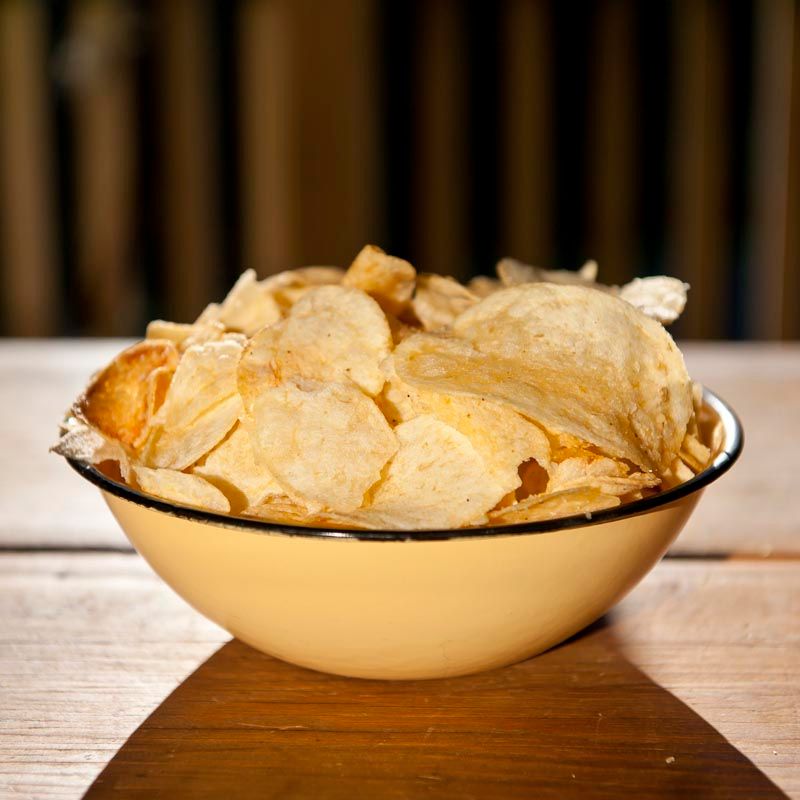
Back in 1853, chef George Crum was working at a restaurant in Saratoga Springs, New York. A customer kept sending back his fried potatoes, complaining they were too thick.
Frustrated, Crum sliced them paper-thin and fried them until they were nearly impossible to eat with a fork.
The customer absolutely loved them. What started as a sarcastic response turned into one of the most popular snacks ever invented.
Salty, crunchy, and completely addictive.
3. Tarte Tatin
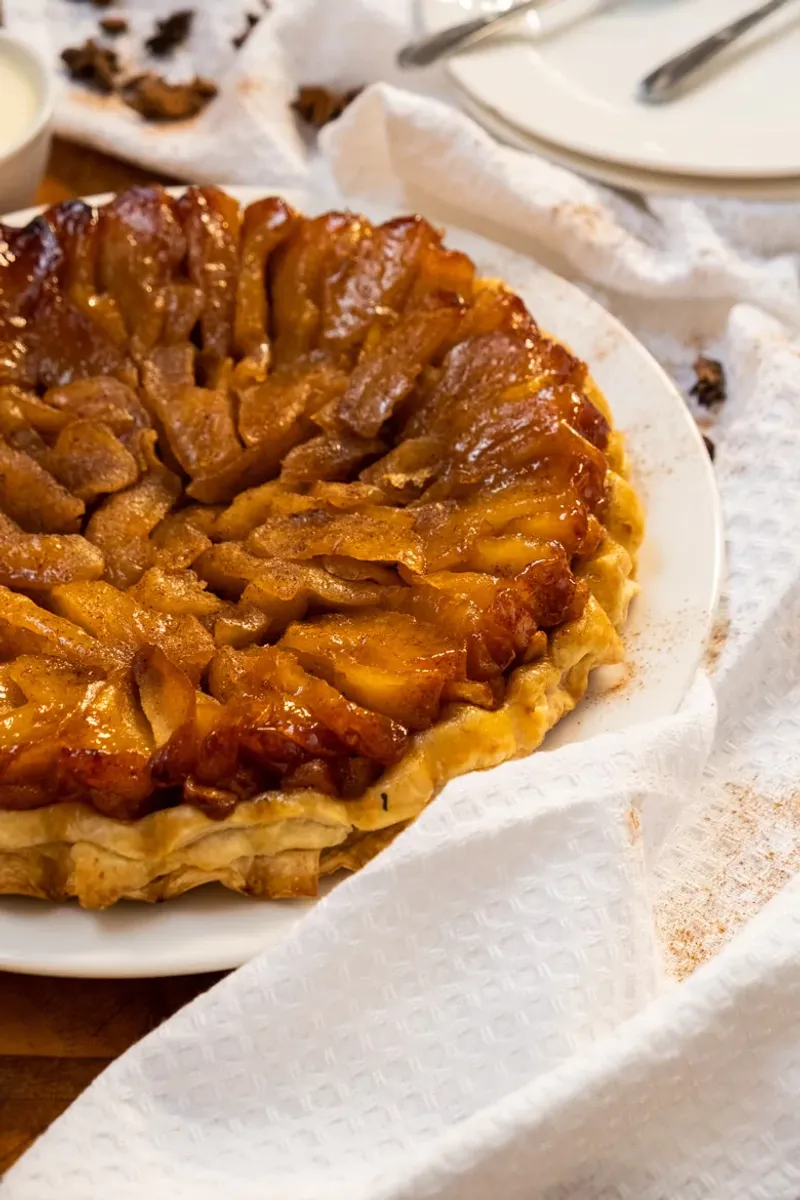
The Tatin sisters ran a hotel in France during the late 1800s, and one busy day, Stephanie accidentally left apples cooking too long in butter and sugar. Rather than toss the caramelized mess, she placed pastry over the top and finished it in the oven.
When she flipped it over, a beautiful upside-down tart appeared. Guests went wild for it, and the Tarte Tatin was born.
Mistakes in French kitchens, it turns out, can be absolutely magnifique.
4. Ice Cream Cones
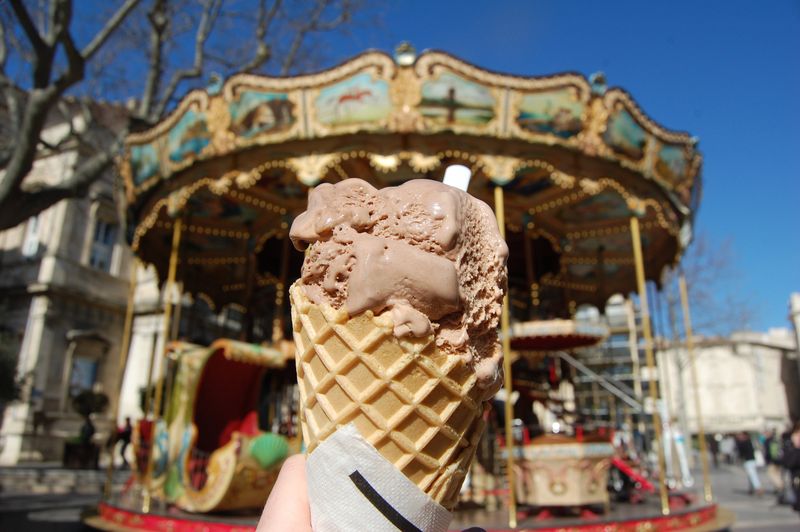
At the 1904 World's Fair in St. Louis, an ice cream vendor ran out of dishes during a busy rush. A nearby waffle vendor, Ernest Hamwi, quickly rolled his waffles into cone shapes so the ice cream could be served without plates.
The crowd loved it, and a portable, edible container was born. Before that moment, ice cream was always served in bowls.
One small supply shortage changed the way the world eats ice cream forever.
5. Popsicles
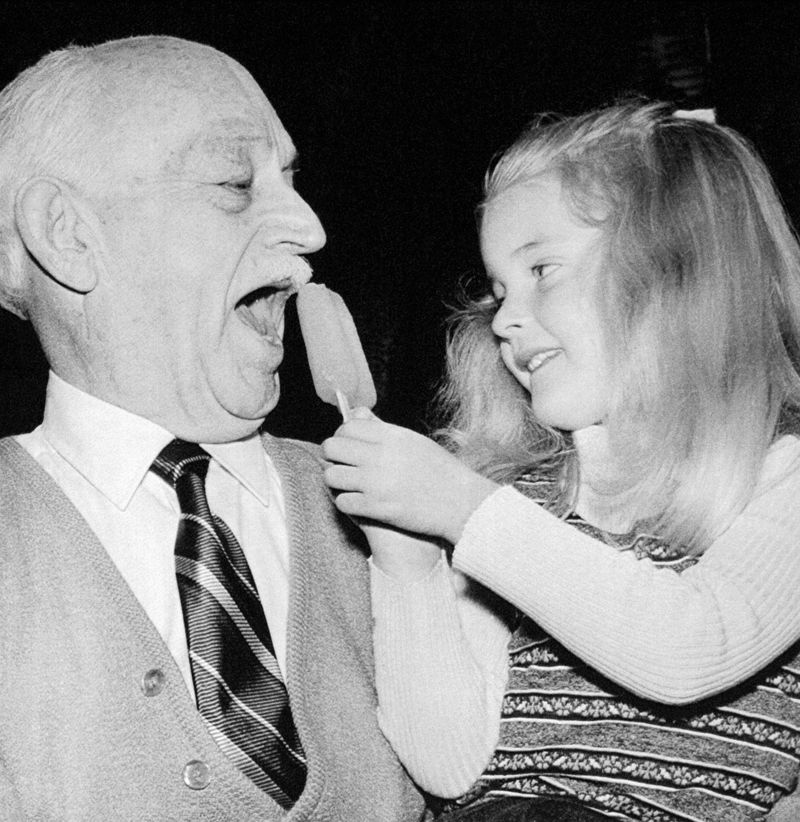
An 11-year-old boy named Frank Epperson accidentally invented the popsicle in 1905. He left a mixture of powdered soda and water outside overnight with a stirring stick still in the cup.
The temperature dropped, and by morning, a frozen treat on a stick was waiting for him.
He called it an "Epsicle" at first. Years later, his kids started calling it "Pop's sicle," and the name stuck.
Sometimes the best inventions happen while you sleep.
6. Cornflakes
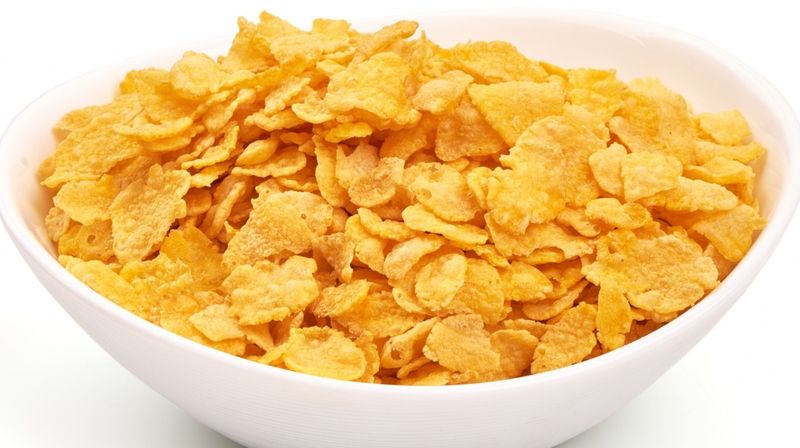
In 1894, brothers John and Will Kellogg were running a sanitarium in Michigan when they accidentally left boiled wheat out overnight. When they rolled it the next day, it came out in flakes instead of a sheet.
They baked it and served it to patients, who loved the crunchy texture.
Will later tried the same process with corn, and breakfast was never the same again. The Kellogg name became synonymous with morning meals across the globe.
7. Champagne
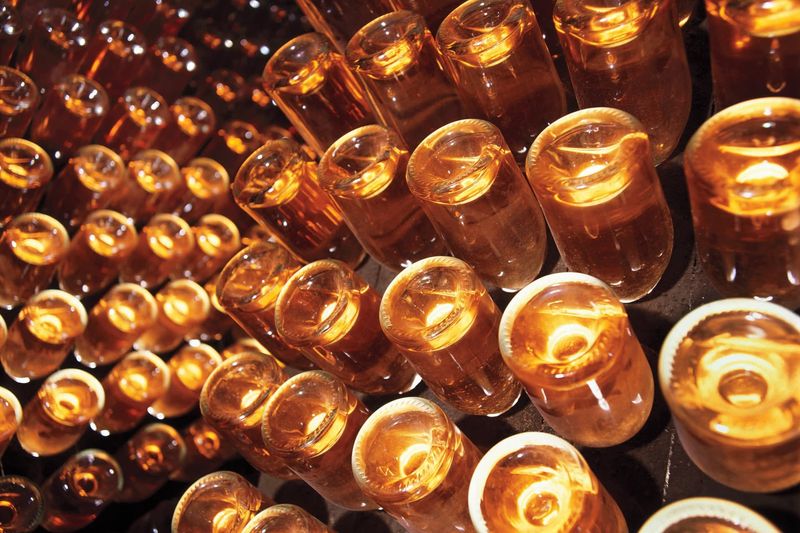
For a long time, bubbles in wine were considered a flaw, not a feature. French monk Dom Perignon spent years trying to get rid of them.
The fizz happened when wine continued fermenting inside sealed bottles, building up carbon dioxide gas.
Eventually, rather than fighting the bubbles, winemakers embraced them. The sparkling result became a symbol of celebration worldwide.
Interestingly, Dom Perignon is now one of the most famous champagne brands in the world, named after the man who tried to stop it.
8. Sticky Toffee Pudding
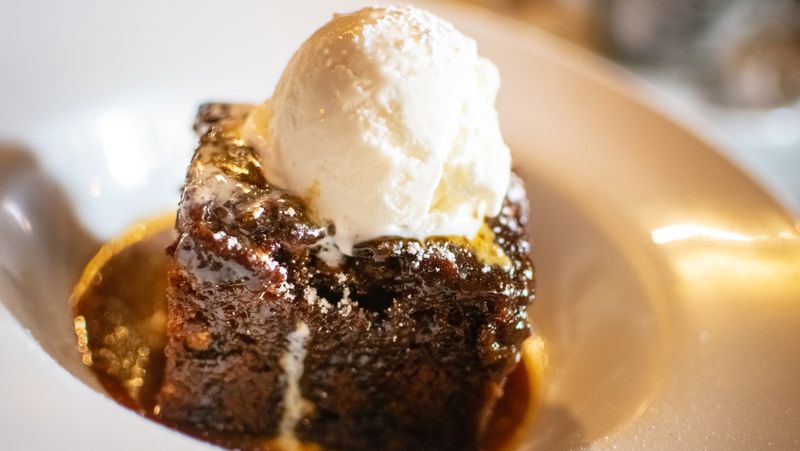
The origin of sticky toffee pudding is a delightful mystery wrapped in caramel. One popular story credits a hotel chef in the English Lake District who tweaked a Canadian recipe he received, swapping ingredients and accidentally creating something far richer and stickier than expected.
The result was a dense, date-studded sponge soaked in warm toffee sauce. It became a staple of British comfort food almost immediately.
Few desserts feel quite as cozy on a cold evening as this one.
9. Nachos
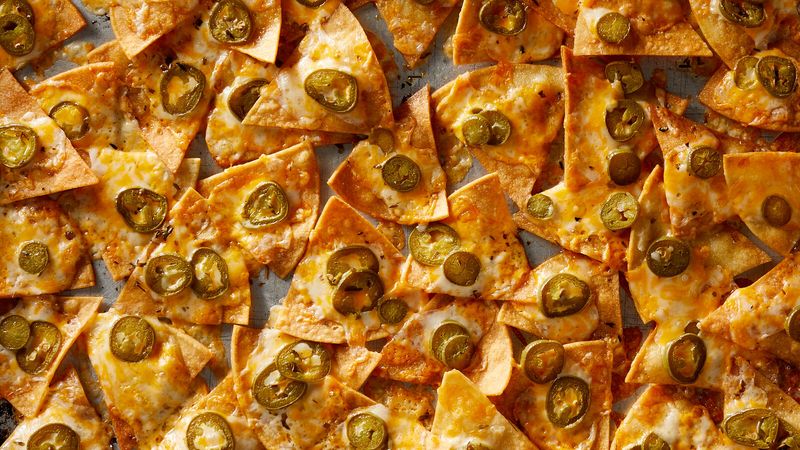
In 1943, a group of U.S. military wives arrived at a restaurant in Piedras Negras, Mexico, after closing time. The maitre d', Ignacio "Nacho" Anaya, had no chef available, so he grabbed what he could find in the kitchen: tortilla chips and cheese.
He threw them under the broiler, added some jalapenos, and served the improvised snack. The women loved it and spread the word.
Nacho named the dish after himself, and the rest is crunchy, cheesy history.
10. Microwave Popcorn
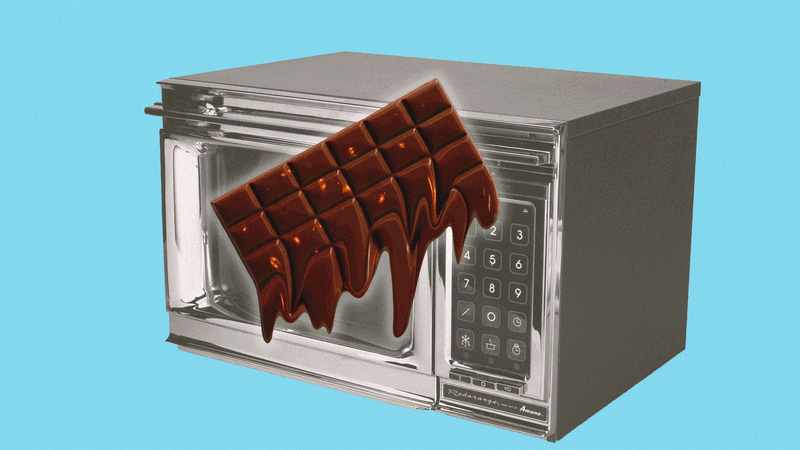
Percy Spencer was an engineer working with radar equipment in 1945 when he noticed a chocolate bar in his pocket had melted near the magnetron device. Curious, he experimented with different foods, and popcorn was one of his first successful tests.
His accidental discovery led to the invention of the microwave oven. Popcorn became the unofficial mascot of microwave cooking almost immediately.
Today, microwave popcorn is a movie-night essential in homes all over the world.
11. Beer
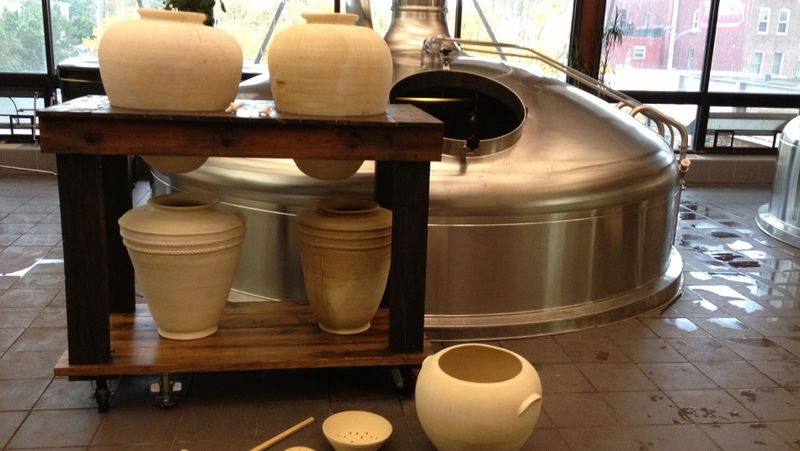
Ancient beer was not planned. Thousands of years ago, someone likely left grain porridge out too long, and wild yeast in the air began fermenting it.
The result was a fizzy, mildly intoxicating liquid that ancient Sumerians and Egyptians actually used as currency and nutrition.
Early beer was thick, more like a grain smoothie than the drinks we know today. But that forgotten bowl of grain may have changed human history by encouraging early communities to settle and grow crops.
12. Cheese
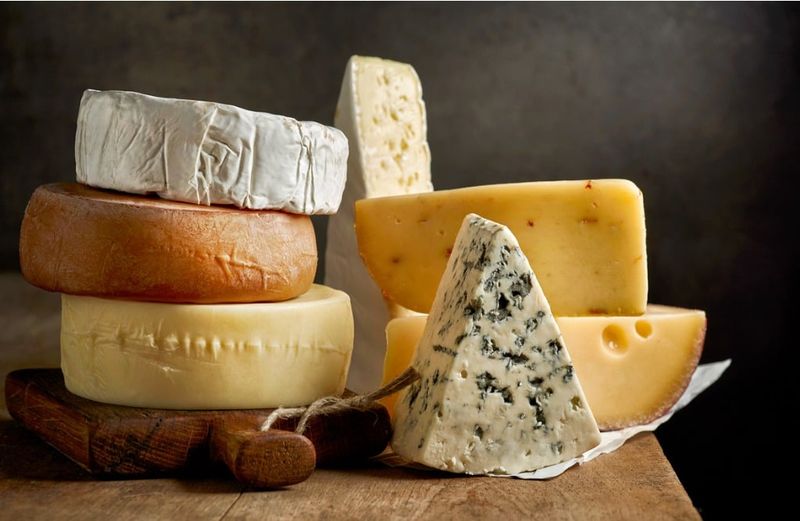
Cheese likely happened when an ancient traveler stored milk inside a pouch made from a calf's stomach, which naturally contains rennet. The combination of rennet, heat, and movement caused the milk to curdle and separate, producing a solid, tangy substance.
Rather than throw it away, the traveler tasted it and discovered something surprisingly delicious. That happy accident gave the world one of its most versatile and beloved foods.
Thousands of cheese varieties now exist because of one unexpected journey.
13. Worcestershire Sauce
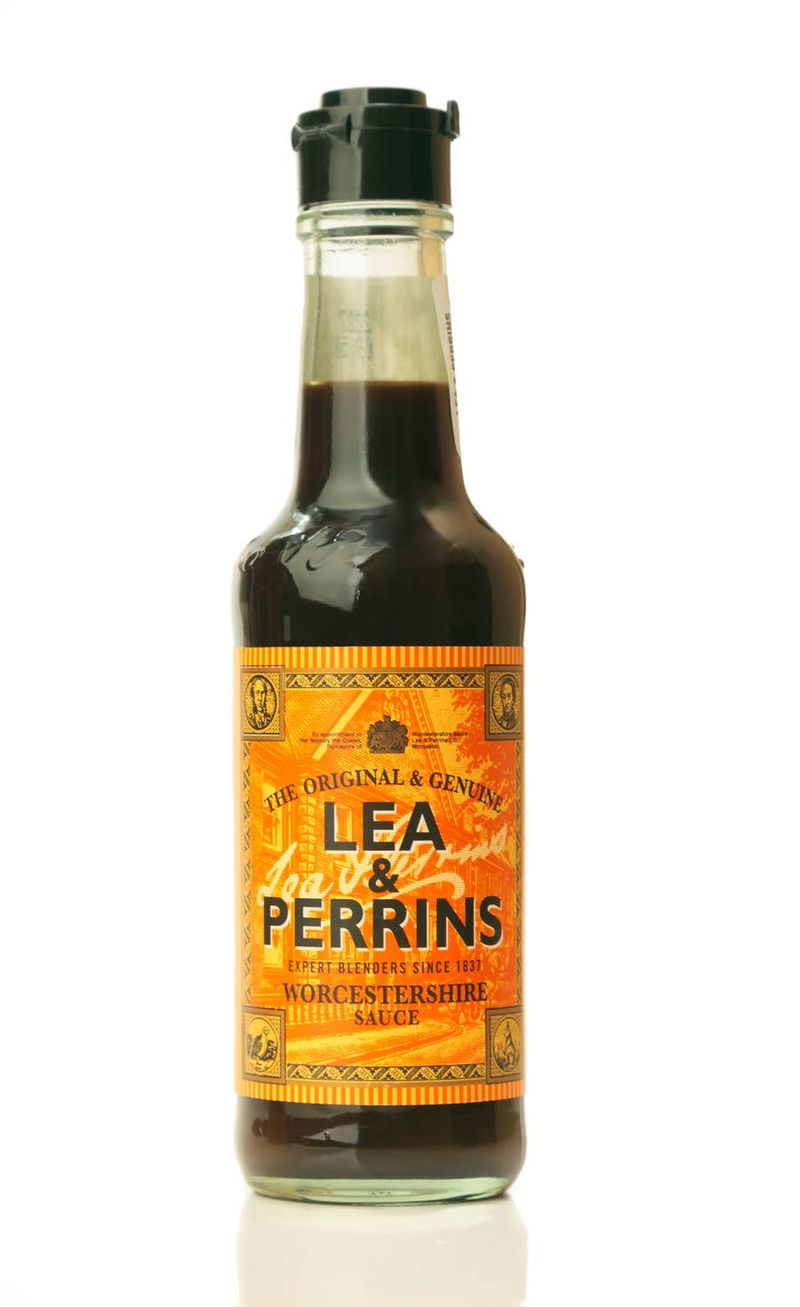
In the 1830s, two chemists in Worcester, England, were asked to recreate a sauce from a recipe brought back from India. Their first batch smelled terrible, so they sealed the barrels and shoved them in a cellar.
When they rediscovered the barrels over a year later, the sauce had fermented into something extraordinary.
The aged mixture had a deep, complex flavor that nothing else could match. Lea and Perrins bottled it, and it became a kitchen staple used in everything from steak marinades to cocktails.
14. Crepes Suzette
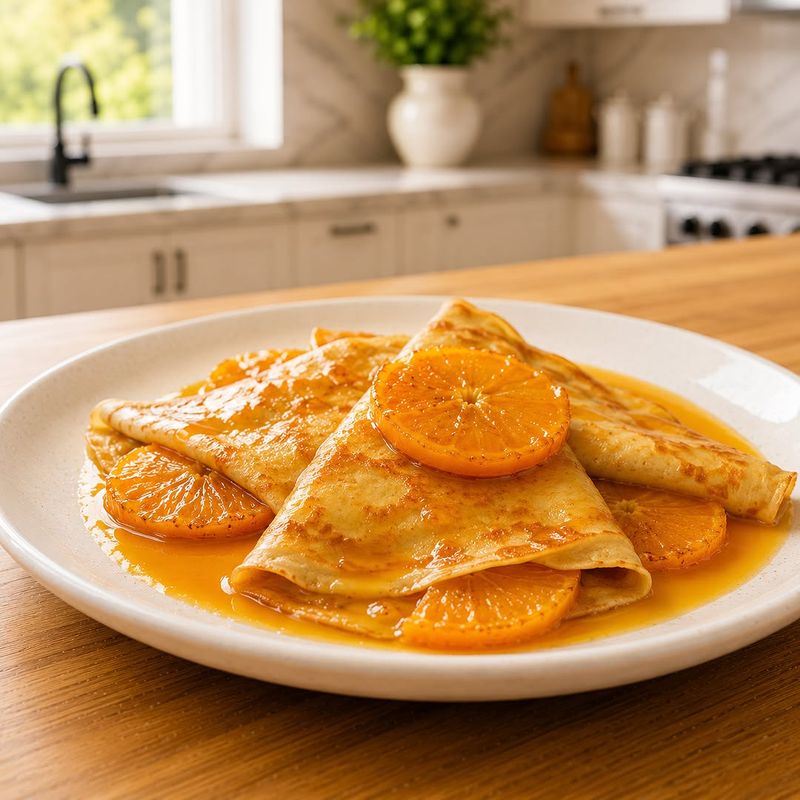
Legend has it that a young assistant waiter named Henri Charpentier accidentally set a sauce on fire while preparing dessert crepes for the Prince of Wales in 1895. Instead of panicking, he tasted the flambeed result and found it incredible.
The Prince loved it so much he asked for the dish to be named after his dining companion, a young lady named Suzette. A kitchen accident, a bit of quick thinking, and a royal stamp of approval created a French classic.
15. Tofu
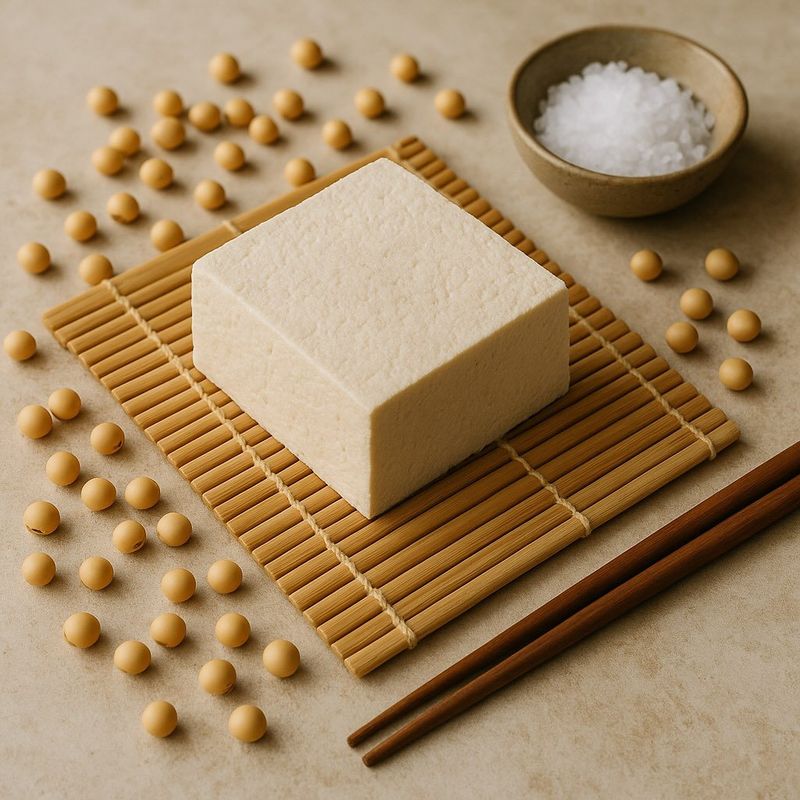
According to food historians, tofu was likely discovered in China around 200 BCE when a cook accidentally mixed fresh soy milk with nigari, a natural salt compound found in seawater. The mixture curdled and solidified into a soft white block.
Instead of tossing it, the cook served it, and people enjoyed the mild, adaptable flavor. Tofu spread across Asia over the following centuries and is now a global protein source.
One salty slip-up fed the world.




Comments
No Comments