













Great cooking is not just about following recipes. Professional chefs have spent years learning clever tricks that make food taste amazing and kitchen work feel easier.
Whether you cook every day or just on weekends, these tips can seriously upgrade your skills. Get ready to cook smarter, not harder, with advice straight from the pros.
1. Season Your Food in Layers
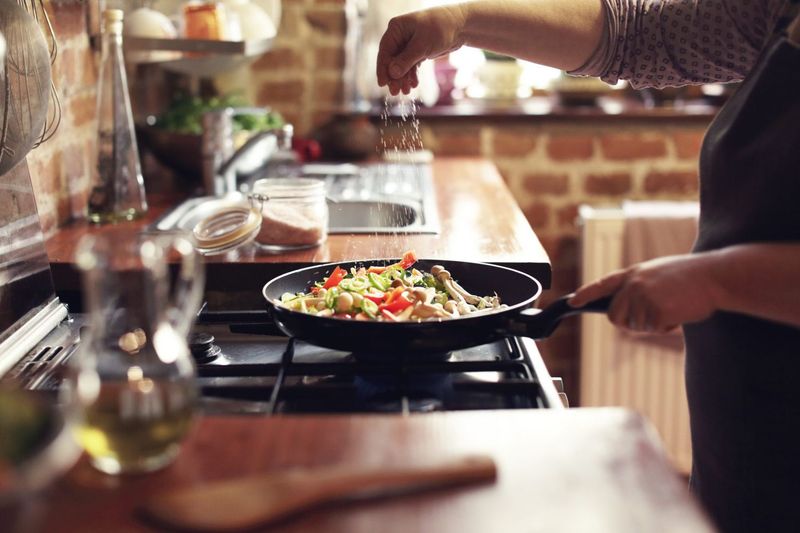
Seasoning all at once at the end is one of the most common mistakes home cooks make. Chefs add salt and spices at every stage of cooking, building flavor from the inside out.
Think of it like painting a wall with multiple coats instead of one thick layer. Each layer adds depth.
Try salting your onions when they hit the pan, then season again as you add each new ingredient.
2. Always Taste as You Go
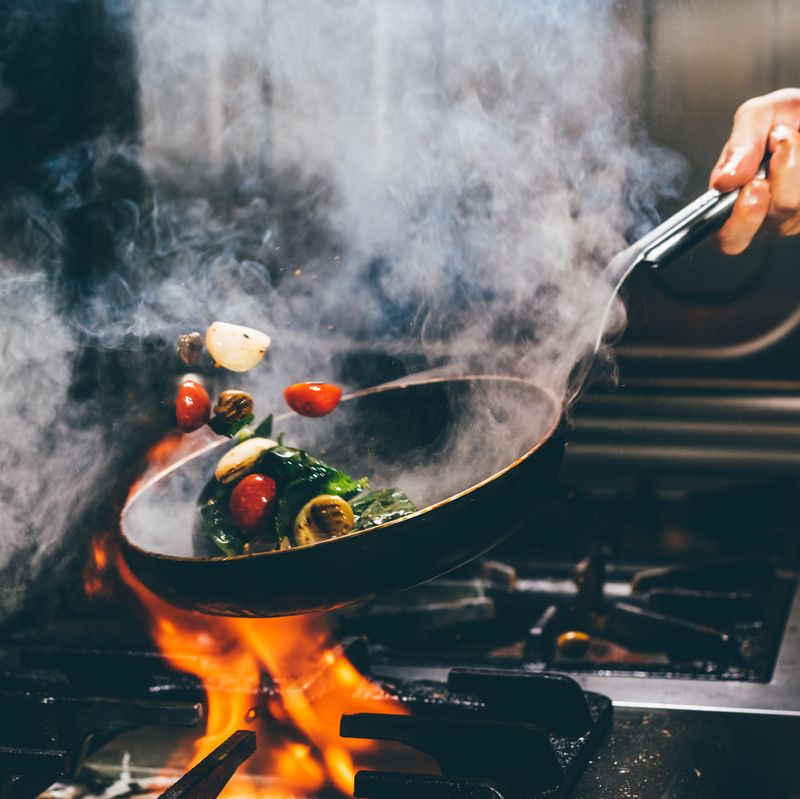
Experienced chefs never wait until a dish is finished before tasting it. Tasting throughout the cooking process lets you catch problems early, like too much acid or not enough salt, before they become unfixable.
Keep a clean spoon nearby while you cook and take small tastes regularly. Your palate is your best kitchen tool.
Adjust flavors gradually rather than dumping in large amounts at once. Small tweaks make a big difference.
3. Let Meat Rest Before Cutting
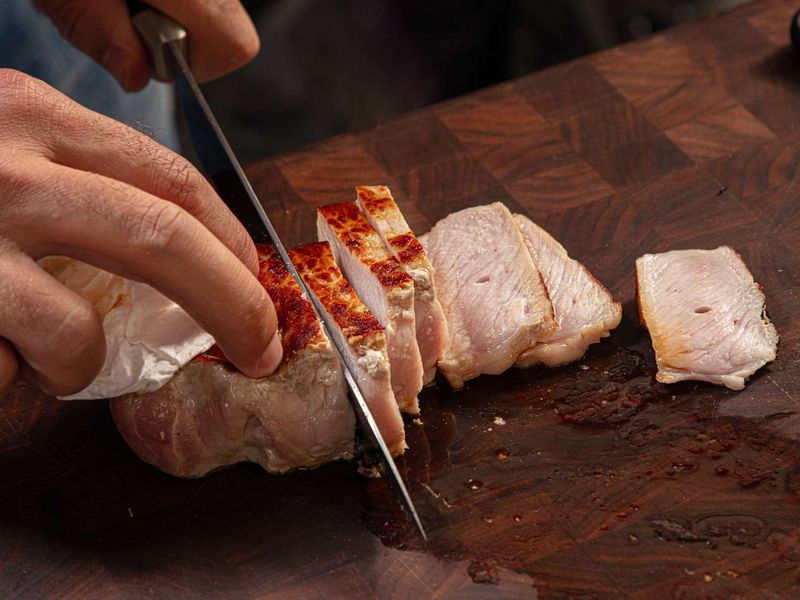
Cutting into meat the second it leaves the heat is tempting, but chefs know better. When meat cooks, its juices rush toward the center.
Resting allows those juices to spread back through the whole cut.
A good rule of thumb is to rest meat for about half the time it took to cook. Cover it loosely with foil to keep it warm.
The result is juicier, more flavorful meat every single time.
4. Use a Sharp Knife Every Time
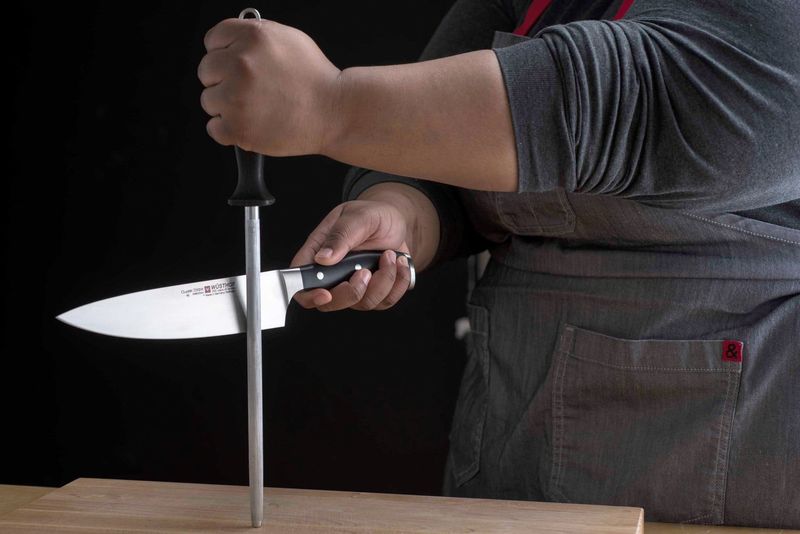
A dull knife is actually more dangerous than a sharp one. When a blade is dull, you press harder, and that extra force makes slipping far more likely.
Sharp knives glide through food with control and precision.
Chefs sharpen their knives regularly and use a honing steel before each cooking session. Investing in a good knife sharpener is one of the smartest upgrades any home cook can make.
Your prep time will shrink noticeably.
5. Mise en Place - Prep Everything First
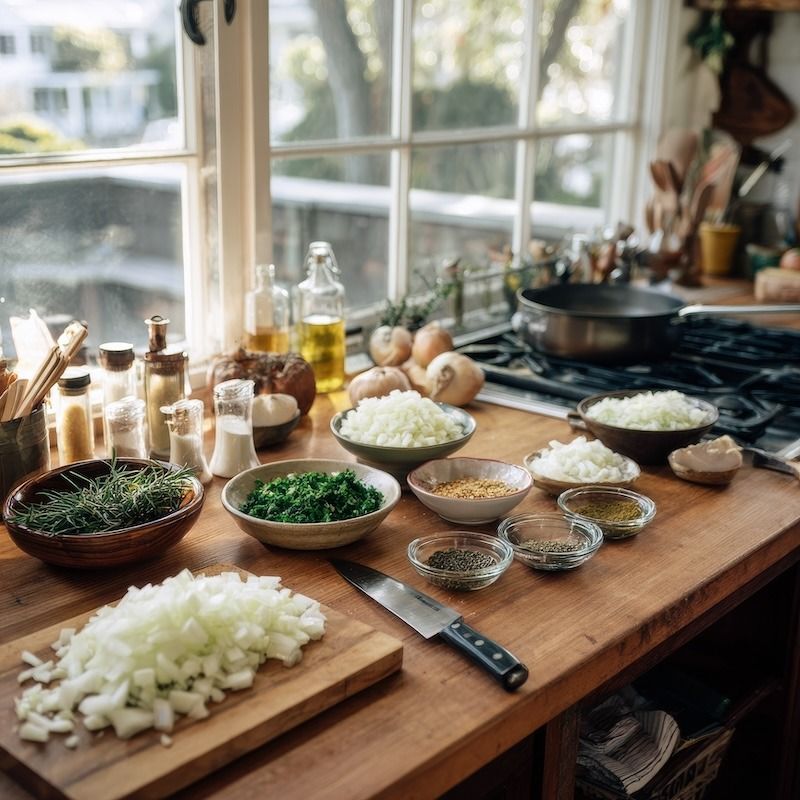
Mise en place is a French phrase that means "everything in its place." Professional chefs prep and organize all ingredients before turning on a single burner. This habit keeps cooking calm, focused, and efficient.
Chop your vegetables, measure your spices, and set out your tools before you start. When everything is ready to go, you can focus on cooking instead of scrambling.
It transforms a stressful kitchen into a smooth operation.
6. Control Your Heat Like a Pro
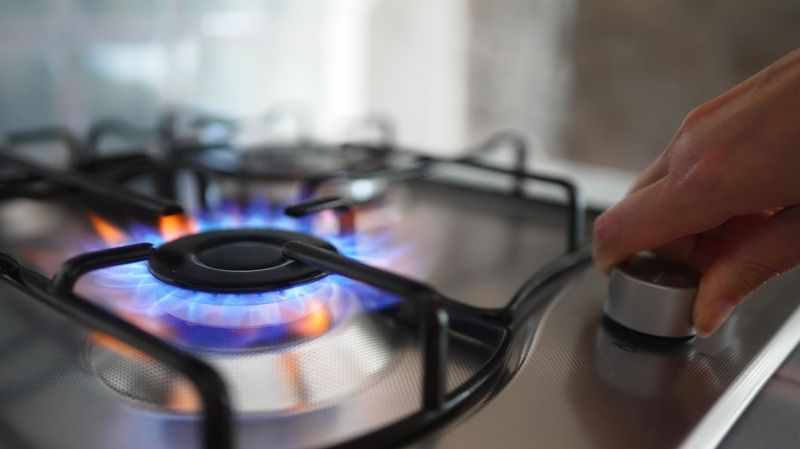
Heat control is one of the most underrated cooking skills. Many home cooks cook everything on high, which leads to burned outsides and raw insides.
Chefs know that medium heat is often the sweet spot.
Low heat builds flavor slowly, while high heat creates a good sear. Learning when to turn the dial up or down takes practice, but even small adjustments make meals taste dramatically better.
Pay attention to what you hear and smell.
7. Deglaze the Pan for Extra Flavor
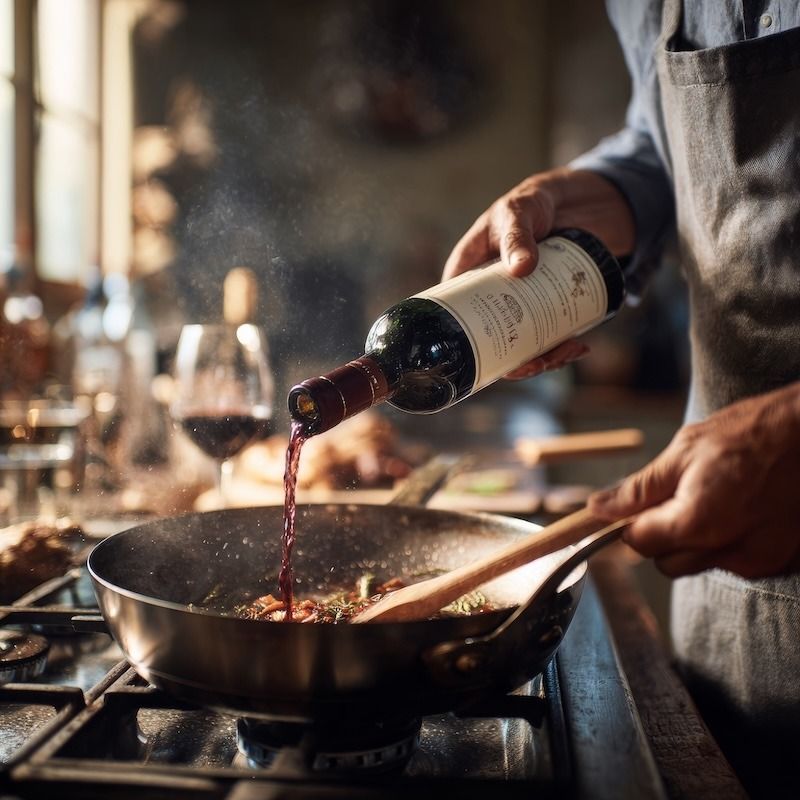
Those brown bits stuck to the bottom of your pan after searing meat are pure flavor gold. Chefs call them fond, and they never let them go to waste.
Deglazing with liquid lifts all that goodness right into your sauce.
Pour a splash of wine, broth, or even water into a hot pan and scrape up the bits with a wooden spoon. This simple step creates rich, restaurant-quality sauces in minutes.
Do not skip it.
8. Add Acid to Brighten Any Dish
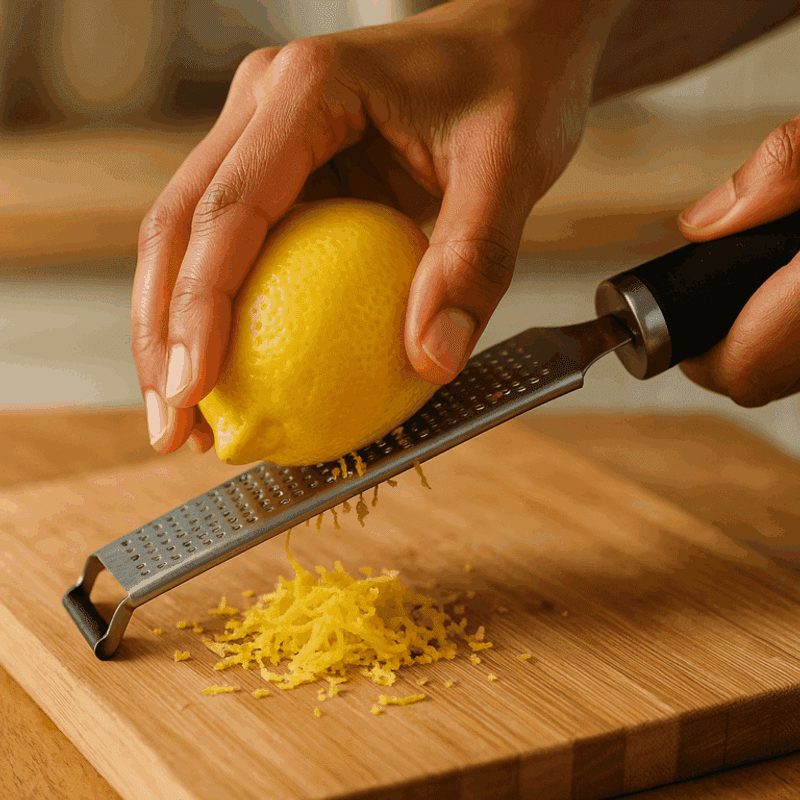
Ever wonder why restaurant food tastes brighter and more alive than homemade versions? A squeeze of lemon or a splash of vinegar right before serving can completely transform a dish.
Acid wakes up all the other flavors.
Chefs use acid as a finishing touch the way painters use a highlight. It does not make food taste sour when used correctly.
Try a little lemon on roasted vegetables or a dash of vinegar in soups and stews.
9. Toast Your Spices Before Using Them
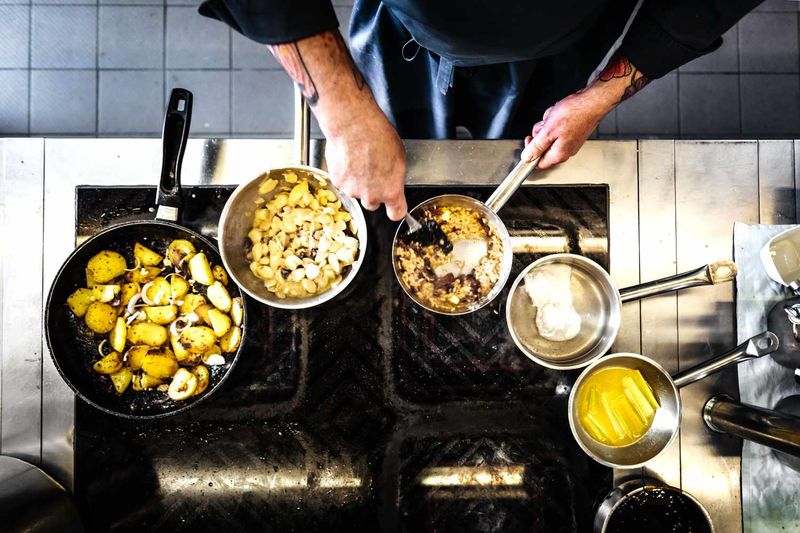
Spices straight from the jar are good, but toasted spices are on a completely different level. Heat activates the essential oils inside spices, releasing deeper, more complex aromas and flavors that make food taste extraordinary.
Simply add whole or ground spices to a dry pan over medium heat for 30 to 60 seconds, stirring constantly. As soon as you smell that rich, nutty aroma, they are ready.
Use them immediately for the best results.
10. Cook Pasta in Well-Salted Water
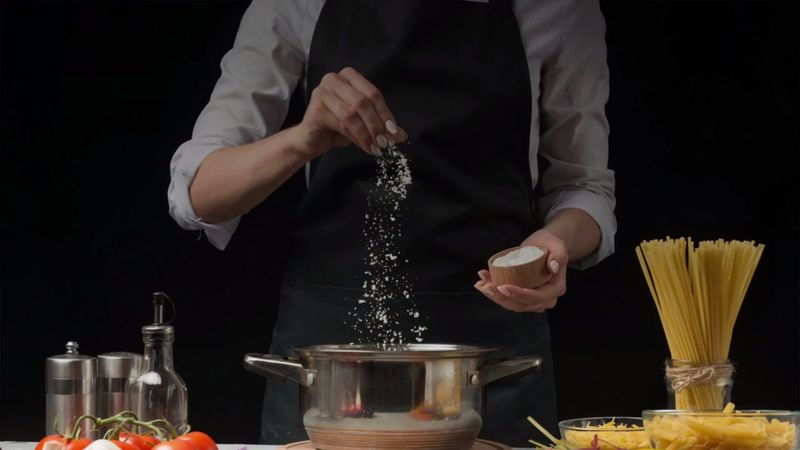
Pasta cooked in plain water tastes flat, no matter how good your sauce is. Chefs salt their pasta water generously, often comparing it to the saltiness of the sea.
The pasta absorbs that seasoning as it cooks.
Add a big pinch or two of salt once the water reaches a full boil. This step is the only chance you get to season the pasta itself from the inside.
No amount of sauce can fully replace it.
11. Use Pasta Water in Your Sauce
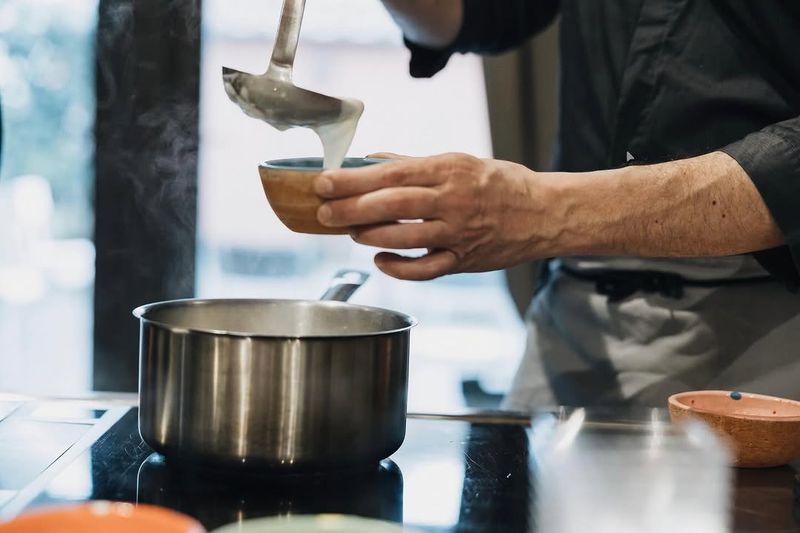
Before draining your pasta, scoop out a cup of the cooking water and set it aside. That cloudy, starchy liquid is a secret weapon chefs swear by.
It helps bind sauce to pasta and creates a silky, restaurant-style texture.
Add a splash of pasta water to your sauce while tossing the pasta in the pan. The starch acts like a natural thickener and emulsifier.
Many home cooks discover this tip and never drain their pasta the old way again.
12. Pat Meat Dry Before Searing
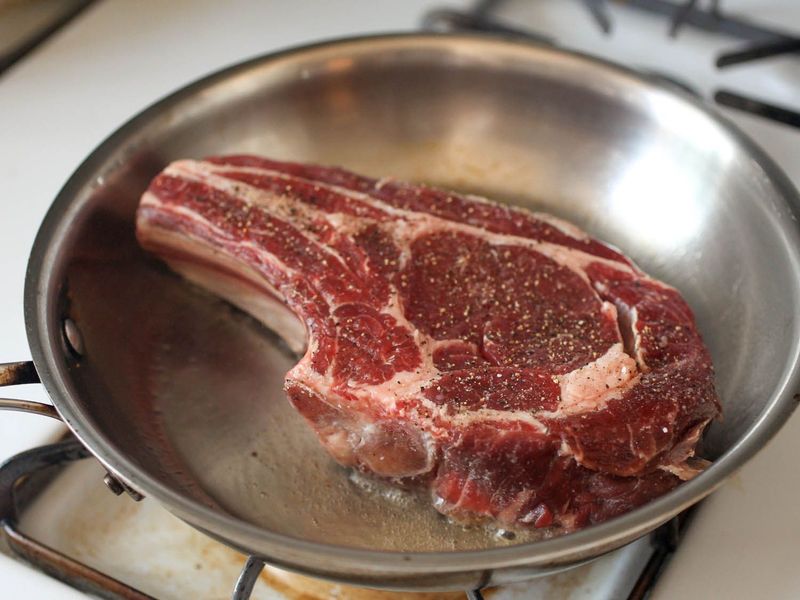
Moisture is the enemy of a good sear. If your meat is wet when it hits the pan, it steams instead of browns, and you miss out on that golden, flavorful crust that makes a dish irresistible.
Always pat meat dry with paper towels before it goes into a hot pan. This one small habit makes a huge difference in texture and taste.
Chefs do this automatically, and once you try it, you will never skip the step again.
13. Rest and Fluff Rice Properly
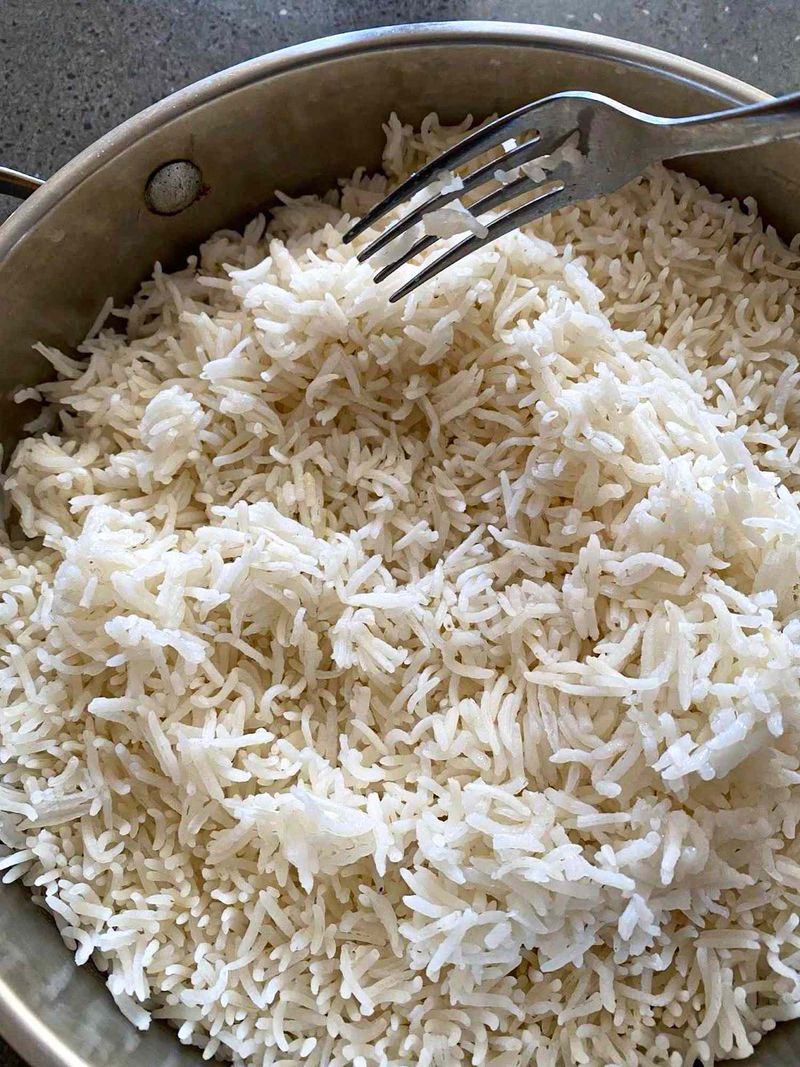
Rice that comes out sticky and clumped is usually the result of two mistakes: lifting the lid too early and skipping the resting step. Chefs know that patience is what separates good rice from great rice.
Once the rice finishes cooking, turn off the heat and let it sit covered for 10 minutes. Then use a fork to gently fluff it up.
This allows steam to redistribute evenly, giving you light, separate grains every single time.
14. Build Flavor with Aromatics First
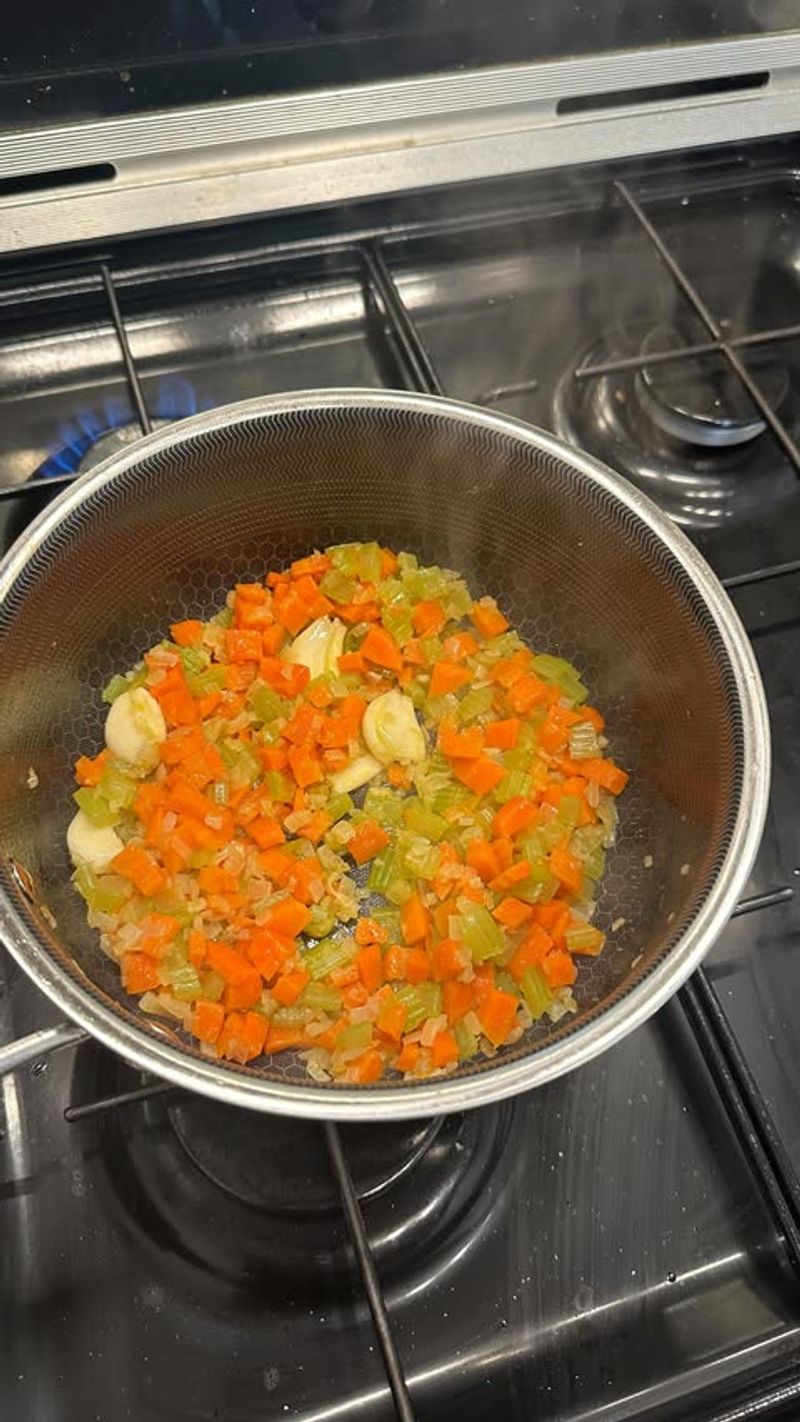
Almost every great dish starts the same way: onions, garlic, or celery softening gently in a pan with a little fat. These aromatics form the flavor foundation that everything else builds on.
Skipping this step is like skipping the base of a house.
Cook aromatics low and slow until they are soft and sweet before adding other ingredients. Rushing this step by using high heat can make them bitter.
Give them time, and they will reward you with incredible depth of flavor.
15. Finish Dishes with Good Quality Fat
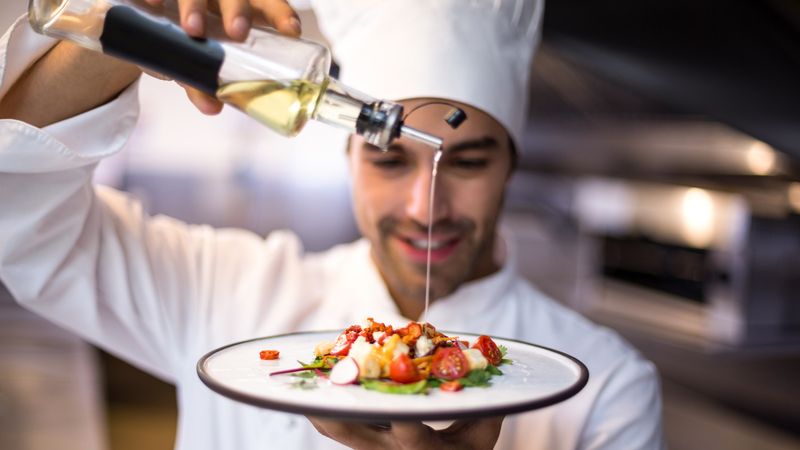
A small drizzle of high-quality olive oil, a pat of cold butter, or a spoonful of good cream right at the end of cooking can take a dish from ordinary to outstanding. Finishing fats add richness and a glossy, restaurant-worthy look.
Chefs call this technique "mounting" when done with butter. The key is to add fat off the heat so it coats rather than separates.
A little goes a long way, and the upgrade in taste is always worth it.




Comments
No Comments