













British food culture is full of little rituals and traditions that might seem quirky at first but quickly win over anyone who experiences them. From the way tea is brewed to the proud love of a proper Sunday roast, these habits tell a story about comfort, community, and a deep respect for familiar flavors.
Visitors from around the world often leave the UK not just with souvenirs, but with a genuine fondness for these everyday food customs. Here are 15 British food habits that tend to charm visitors the most.
1. The Sacred Art of Making Tea
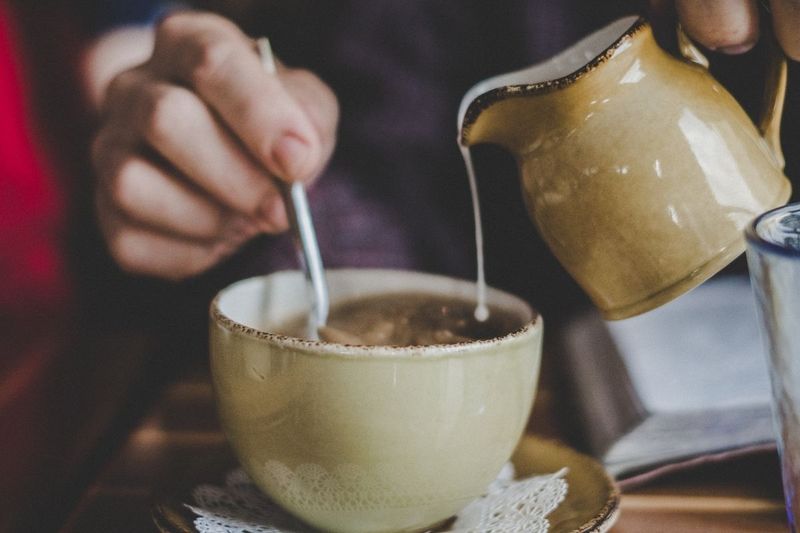
Ask a British person how they take their tea, and you might get a surprisingly passionate answer. The order of milk — before or after the teabag — is practically a national debate.
Visitors are often charmed by how seriously this everyday ritual is treated.
Tea is not just a drink here; it is a response to every situation, from celebration to heartbreak. That dedication to the perfect brew is oddly endearing.
2. Beans on Toast for Any Meal
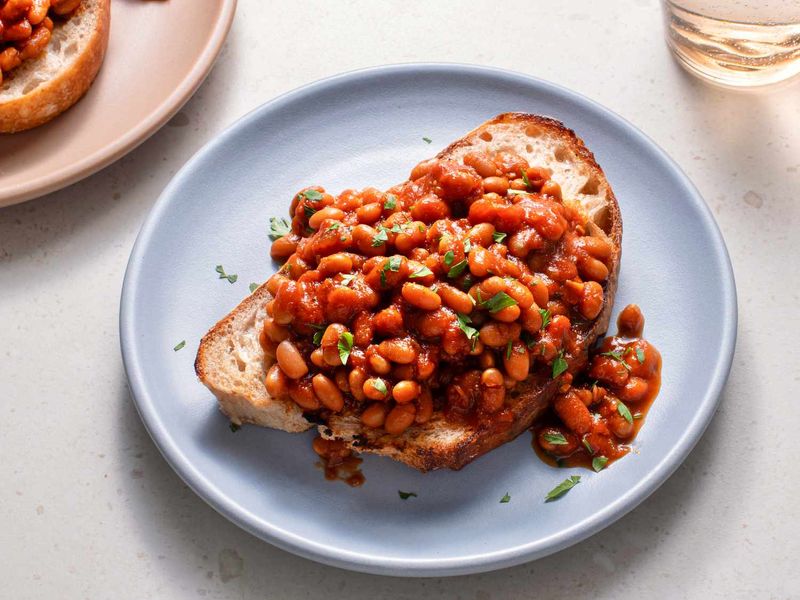
Baked beans on toast sounds too simple to be loved this much, yet in Britain it shows up at breakfast, lunch, and even a late-night snack without apology. Visitors often raise an eyebrow the first time they see it, then quietly ask for a second helping.
Heinz baked beans have been a British staple since the early 1900s. There is something genuinely comforting about this humble dish that transcends its simplicity completely.
3. The Full English Breakfast Ceremony
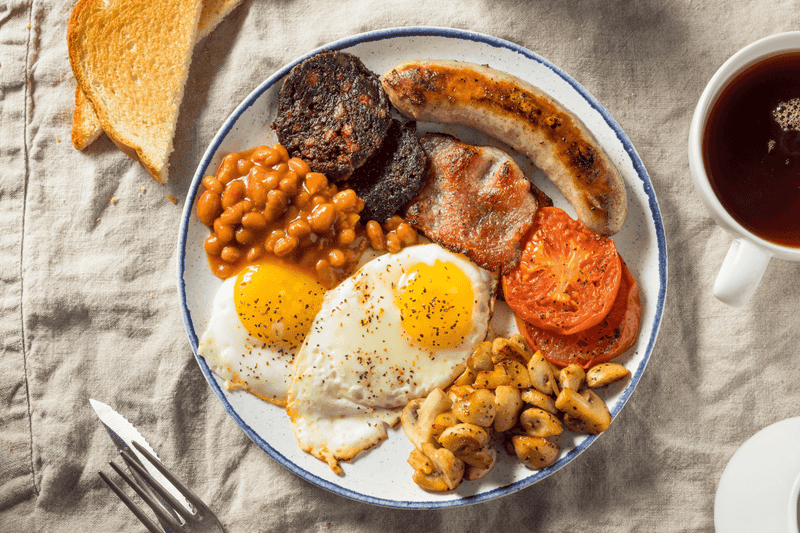
Ordering a full English breakfast feels less like a meal and more like committing to an event. The plate arrives almost overflowing with eggs, bacon, sausages, black pudding, beans, tomatoes, and toast — all at once.
Visitors are usually amazed that this is considered a normal start to the day. Many end up skipping lunch entirely.
The pride British people take in their fry-up is completely contagious and hard not to admire.
4. Putting Vinegar on Chips
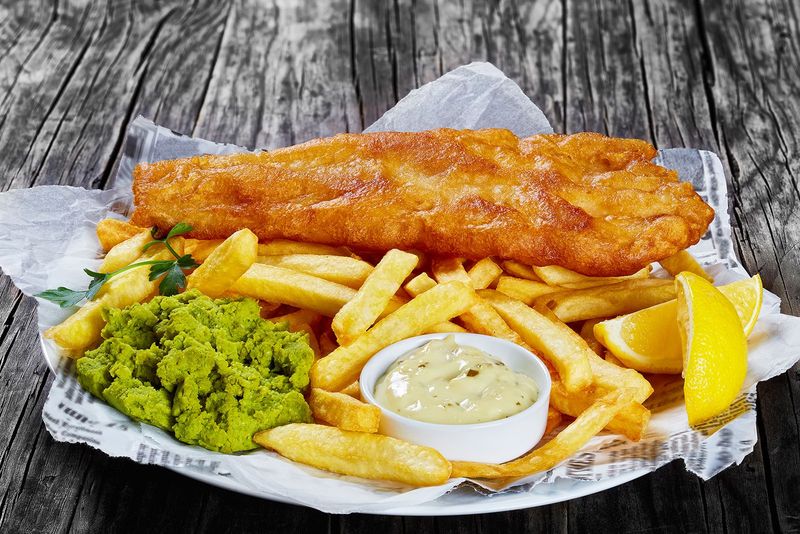
Malt vinegar on chips is one of those habits that splits the world into two camps. In Britain, it is as natural as breathing — the sharp, tangy splash over hot, thick-cut chips is simply non-negotiable for many.
Visitors from countries where ketchup rules the chip world often try it hesitantly, then find themselves reaching for the vinegar bottle again. That sour-meets-salty combo is oddly addictive once you give it a proper chance.
5. Sunday Roast as a Weekly Ritual
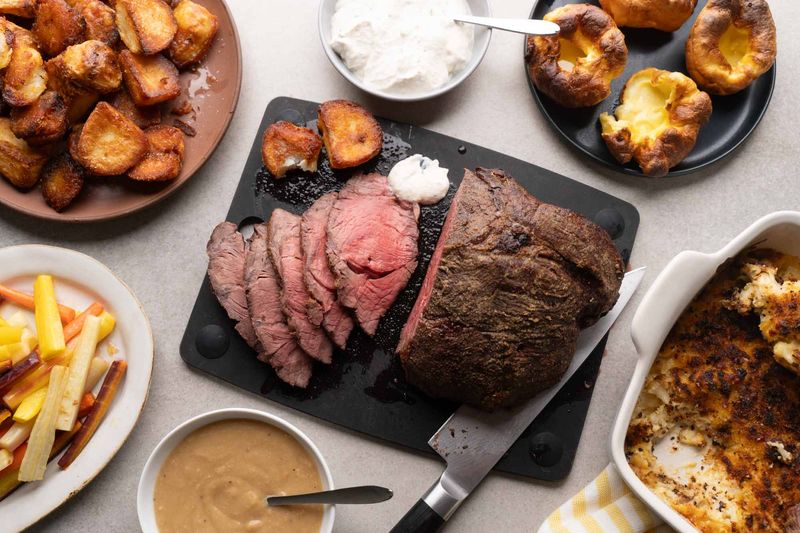
Sunday roast is not just dinner — it is a weekly anchor point that brings families and friends together across generations. Roast potatoes, Yorkshire pudding, gravy, and a choice of meat form the non-negotiable foundation.
Visitors who get invited to a British Sunday roast often describe it as one of the warmest experiences of their trip. The unhurried pace, the generous portions, and the cheerful chaos around the table make it genuinely memorable.
6. Sandwiches Stuffed with Crisps
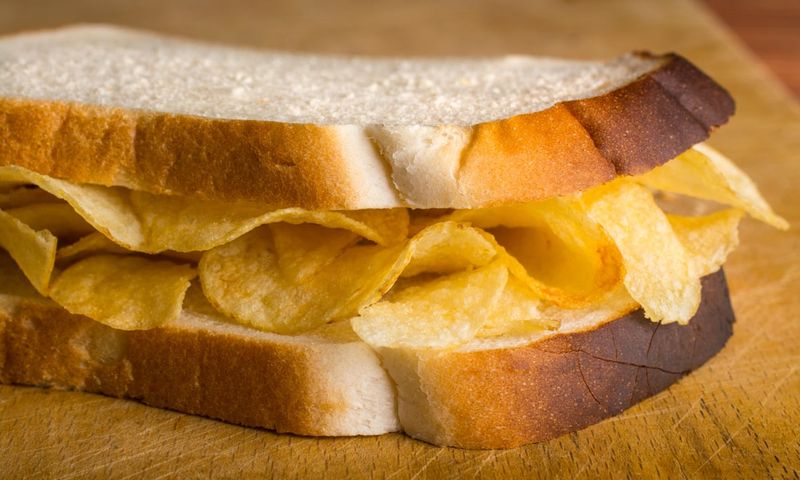
Tucking a handful of crisps inside a sandwich might sound like a lunchtime accident, but in Britain it is completely intentional. The crunch factor is the whole point, and British schoolchildren have been doing this for decades.
Visitors encountering this for the first time often look puzzled, then intrigued. Salt and vinegar crisps in a cheese sandwich is a particularly beloved combination.
It is the kind of simple, joyful food quirk that sticks with you long after you leave.
7. Custard Poured Over Everything
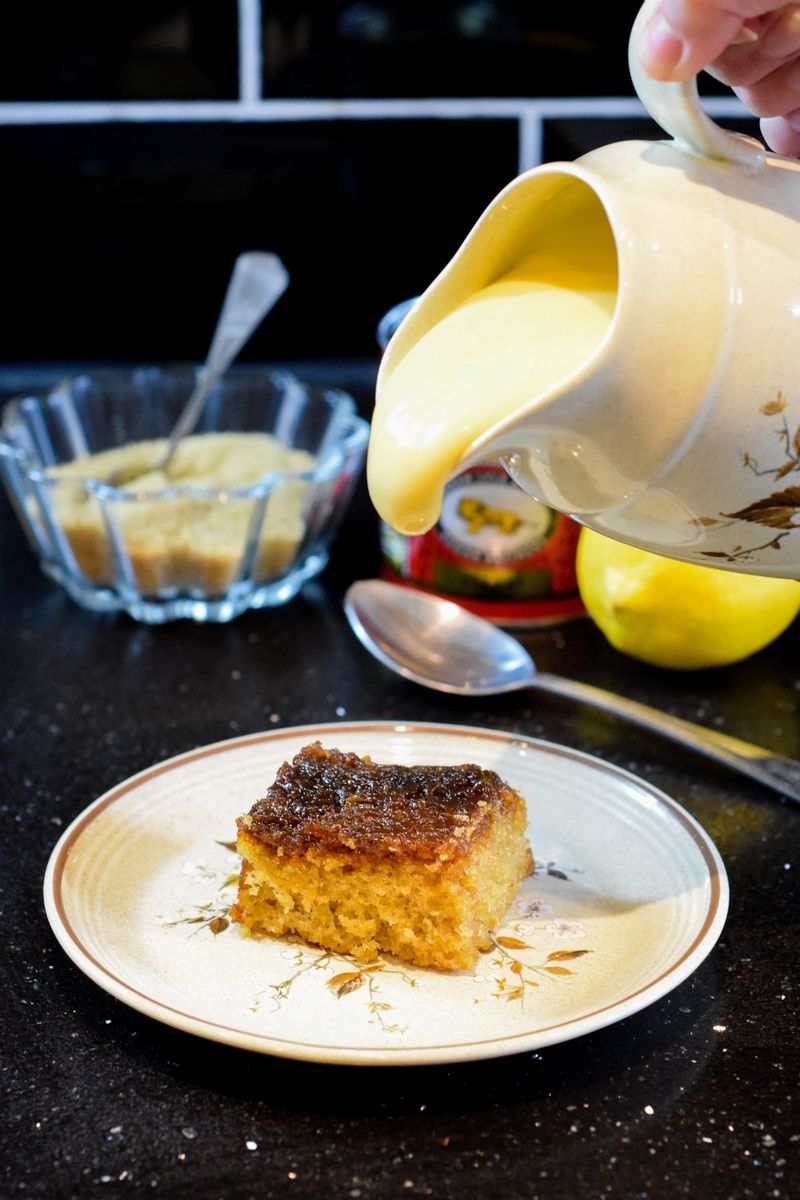
Warm custard in Britain is not a topping — it is practically a food group. Sponge pudding, crumble, pie, and even a simple bowl of tinned peaches can all expect a generous drizzle of the stuff.
Visitors from countries where whipped cream dominates dessert culture are often surprised by how much custard appears at the table. Once they try it warm and silky over a sticky toffee pudding, however, there are very few complaints to be heard.
8. Marmalade on Buttered Toast
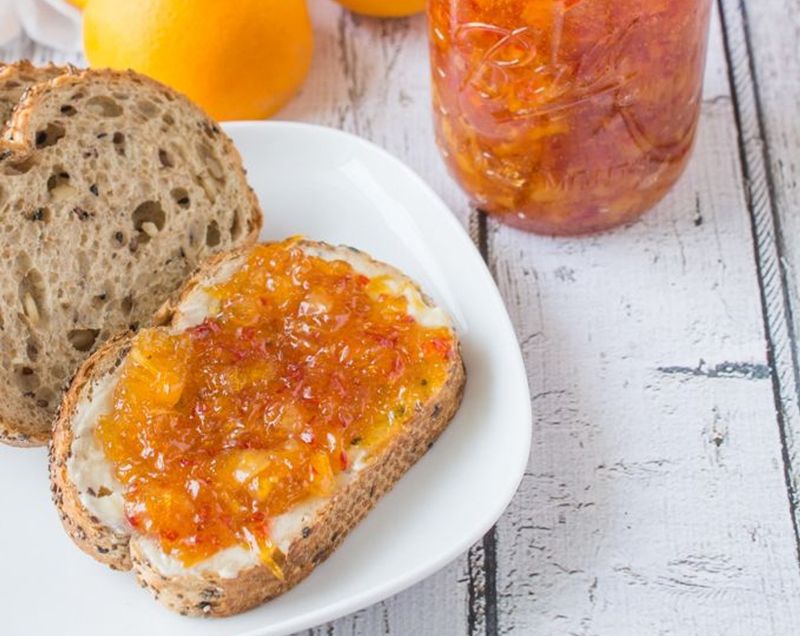
Bitter orange marmalade on buttered toast is a breakfast tradition that has survived centuries of changing food trends without flinching. The sharp citrus bite paired with creamy butter on warm toast is a combination that feels distinctly, proudly British.
Visitors used to sweet jams often find marmalade unexpectedly sophisticated. Many end up buying a jar to take home.
Paddington Bear may have made it famous globally, but British households were devoted long before he came along.
9. Queuing Politely for Food
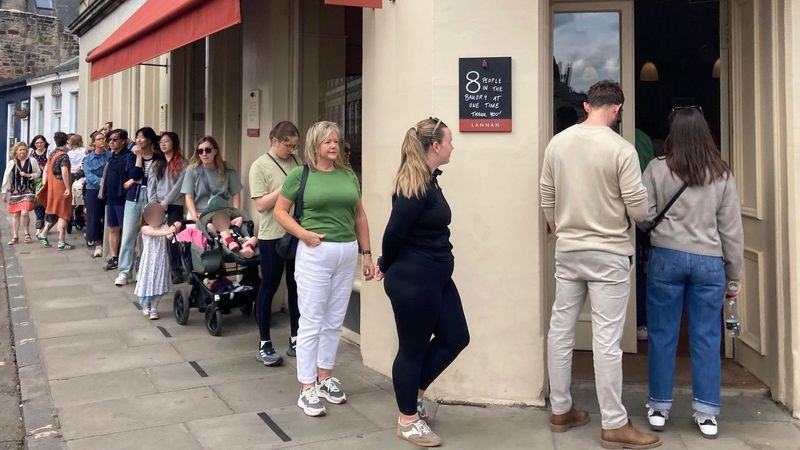
Queuing for food in Britain is not just a necessity — it is practically a social performance. British people form orderly lines with remarkable discipline, even when there is no official barrier guiding them.
Visitors from cultures with more relaxed queuing habits often find this both impressive and slightly unnerving. Jumping the queue is considered a serious social offence.
There is something quietly charming about a nation that turns waiting for a pasty into an act of collective civility.
10. Afternoon Tea as a Proper Occasion
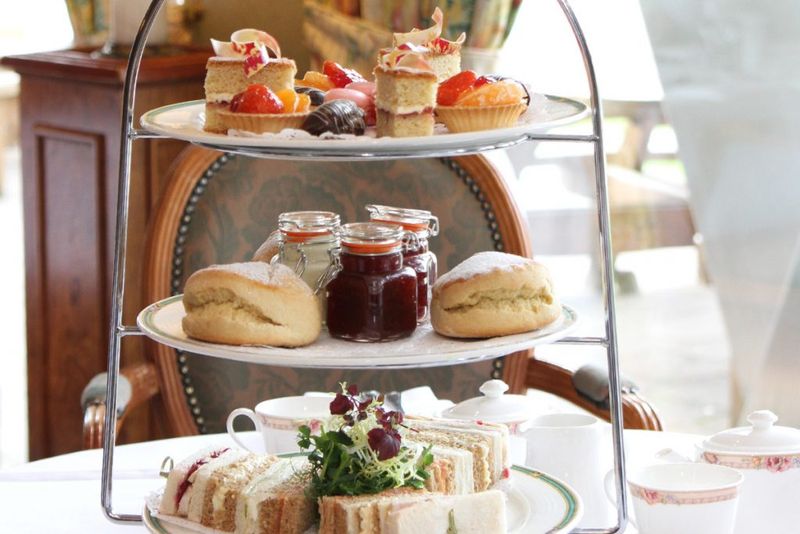
Afternoon tea in Britain is not just a snack break — it is an occasion with its own rules, etiquette, and very specific layering order for scone toppings. Cream first or jam first is a debate that divides Cornwall from Devon with fierce loyalty.
Visitors who sit down for a proper afternoon tea often describe it as unexpectedly theatrical. The tiered stands, the delicate sandwiches, the warm scones — it all feels wonderfully ceremonial for what is essentially a mid-afternoon bite.
11. Marmite: Loved or Loathed, Never Ignored
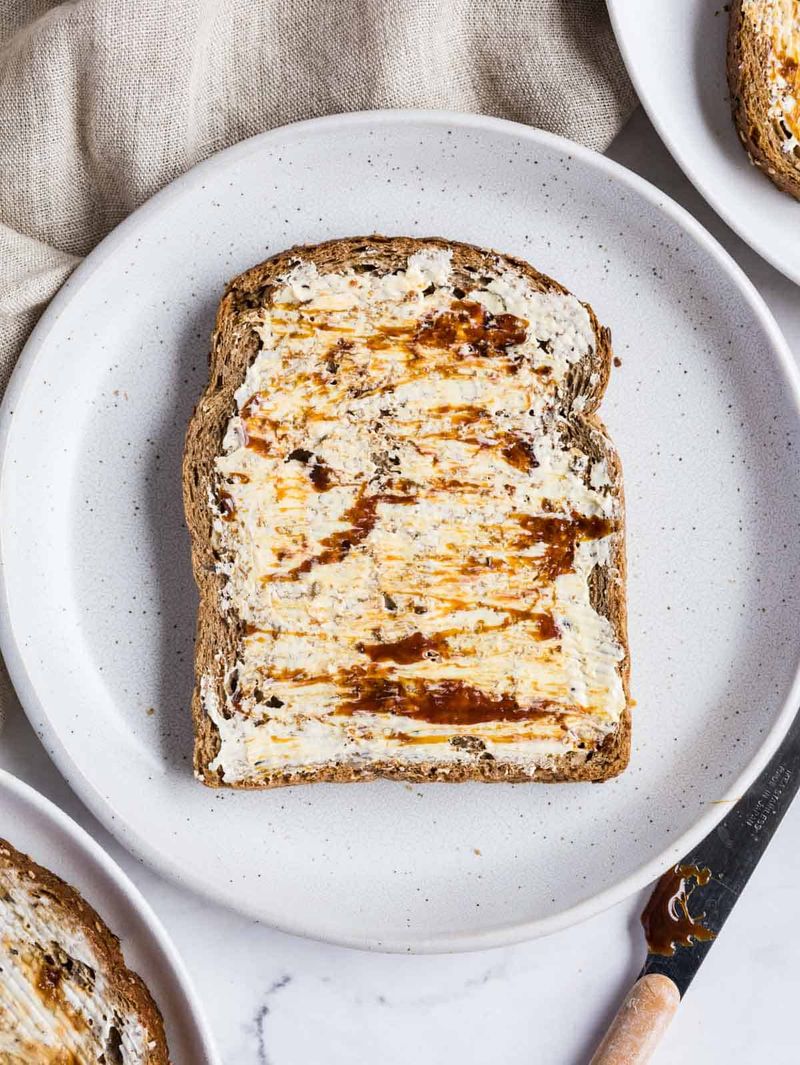
Marmite is perhaps the most polarising food in Britain, yet its presence on the breakfast table is almost universal. This dark, intensely salty yeast extract spread is scraped onto toast in thin layers — and British people will insist the thinness is key.
Visitors who try it without warning often react dramatically. Those who try it cautiously, however, sometimes find themselves oddly hooked.
The brand's own slogan — love it or hate it — captures the British relationship with bold, unapologetic flavor perfectly.
12. Chip Butty: The Ultimate Comfort Food
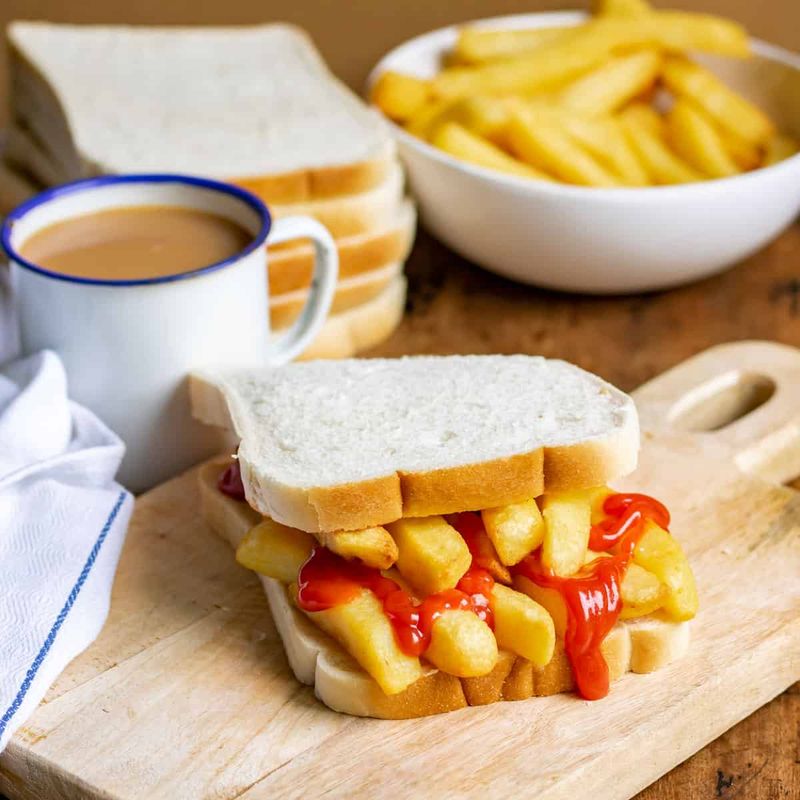
A chip butty is exactly what it sounds like — chips inside a buttered bread roll — and it is one of the most beloved comfort foods in Britain. No fancy ingredients, no clever presentation, just pure carbohydrate happiness.
Visitors often hear about it with skepticism, but one bite in and the appeal becomes clear immediately. The soft bread soaks up the heat from the chips in the most satisfying way.
It is unpretentious, filling, and deeply, cheerfully British in every bite.
13. Gravy on Almost Everything
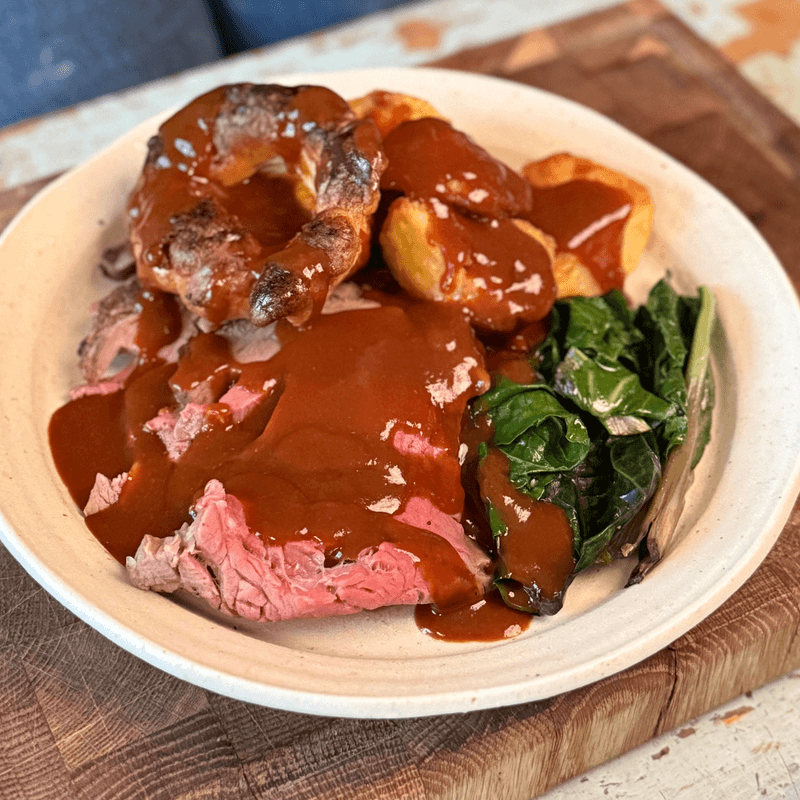
British gravy is thick, rich, and applied with considerable enthusiasm. While other cultures might use it sparingly as a sauce, in Britain it functions almost like a second dish — pooling around everything on the plate with purpose.
Visitors are sometimes startled by how liberally gravy flows at a British dinner table. Yorkshire puddings filled to the brim, chips drenched in the stuff, even the humble pie gets a generous pour.
Once you embrace the gravy-forward lifestyle, there is genuinely no going back.
14. Eating Pasties on the Go
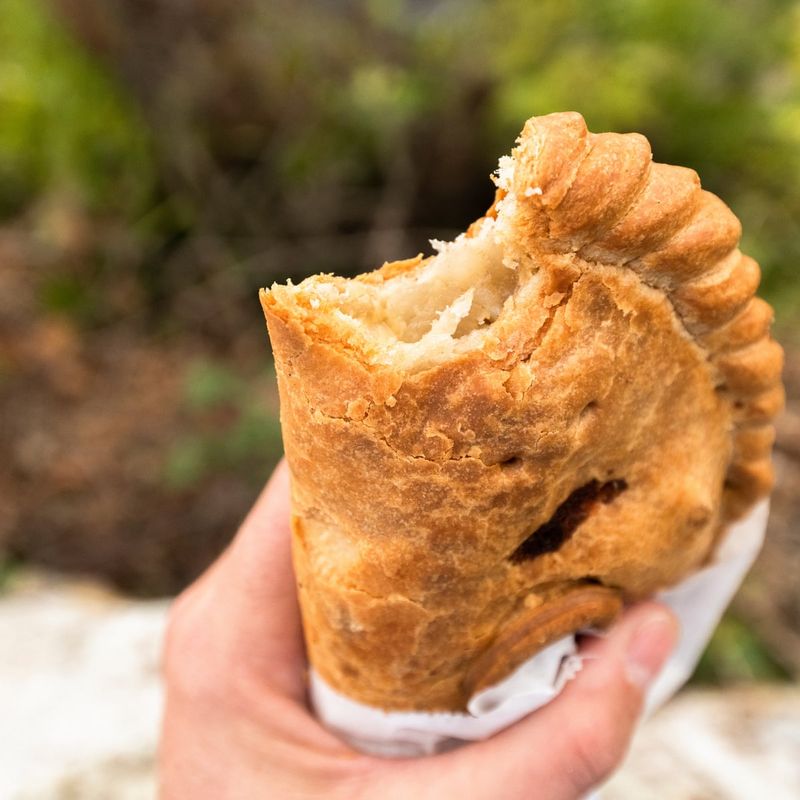
The Cornish pasty has been a portable meal since Cornish tin miners carried them underground in the 1800s, holding them by the thick crimped crust to avoid arsenic-covered fingers. That is a food history lesson and a lunch all in one.
Visitors exploring British towns often spot locals striding along confidently, pasty in hand, entirely unbothered by the heat or the flaky pastry situation. It is the original grab-and-go meal, and it still works brilliantly today.
15. Biscuits Dunked in Tea
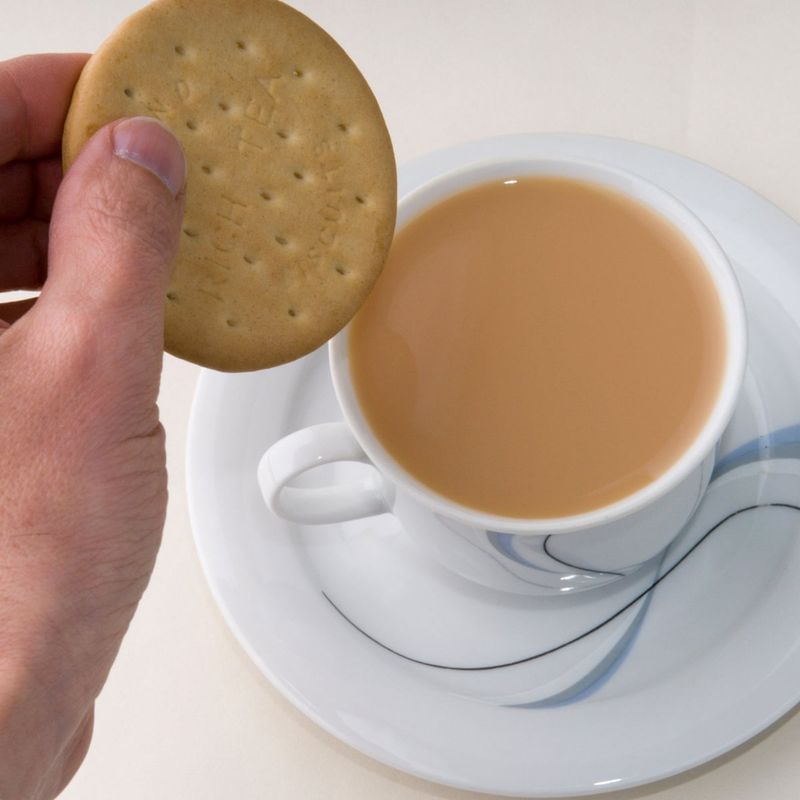
Dunking a biscuit into tea is a British art form with genuine stakes. Hold it in too long and the biscuit collapses — a tragedy that British people treat with surprising solemnity.
The digestive biscuit is the classic choice, though rich tea and Hobnobs have their devoted followers too.
Visitors who witness this ritual often find it endearing and immediately want to try it themselves. That three-second dunk window, perfectly timed, is oddly thrilling every single time.




Comments
No Comments