













Starting the day with the right breakfast can make a big difference, especially as we get older. Some foods that seemed perfectly fine in younger years can actually cause more harm than good for seniors.
From blood sugar spikes to digestive troubles, certain breakfast staples may not be the best choices anymore. Here is a look at foods worth reconsidering the next time you sit down for that morning meal.
1. Sugary Cereals
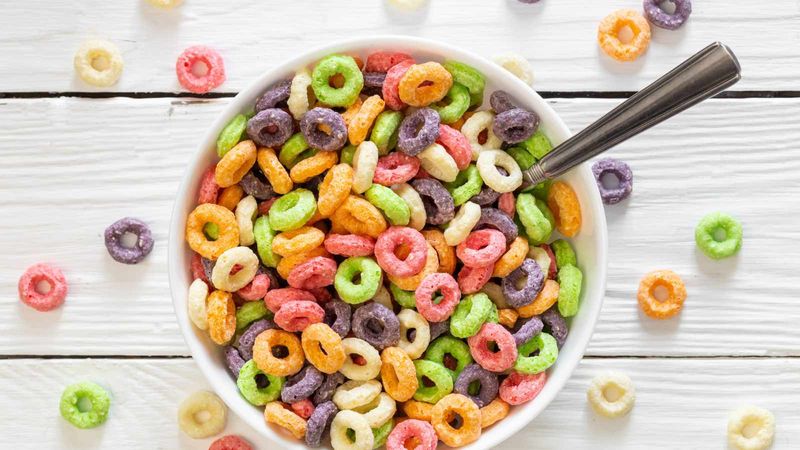
That colorful bowl of cereal might bring back childhood memories, but for seniors, it can be a hidden health trap. Most sugary cereals are packed with refined sugars that cause blood sugar to spike quickly, which is especially risky for those managing diabetes or pre-diabetes.
High sugar intake early in the morning can also lead to energy crashes later in the day. Choosing whole-grain, low-sugar options instead can keep energy levels steadier and support better long-term health.
2. White Bread Toast

White bread has been a breakfast staple for generations, but it offers very little nutritional value. Made from refined flour, it digests quickly and can cause rapid blood sugar spikes, something seniors with insulin sensitivity need to watch carefully.
It also lacks the fiber needed to support healthy digestion and keep you feeling full. Swapping white bread for whole-grain or sprouted bread is a simple change that brings noticeably better nutritional benefits without giving up the comfort of toast.
3. Flavored Yogurt
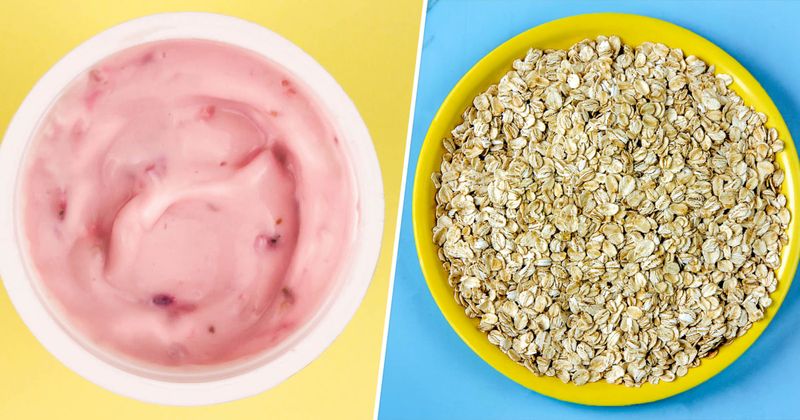
Yogurt sounds healthy, and plain versions certainly are, but flavored yogurts are a different story. Many popular brands pack in surprising amounts of added sugar, sometimes as much as a candy bar per serving.
For seniors, that sugar load can disrupt gut health and contribute to weight gain over time. Plain Greek yogurt with fresh berries is a smarter swap.
You still get the probiotic benefits and calcium your bones need, without the unnecessary sugar rush first thing in the morning.
4. Bacon and Processed Meats

Few smells are more tempting than bacon frying in the morning, but processed meats like bacon, sausage, and ham come with serious health concerns for older adults. They are loaded with sodium and saturated fats, both of which can raise blood pressure and increase cardiovascular risk.
Seniors already face a higher risk of heart disease, so frequent consumption of these meats can make things worse. Leaner protein options like eggs or smoked salmon offer satisfying alternatives without the added health baggage.
5. Pastries and Donuts

Grabbing a donut or pastry with morning coffee feels like a harmless treat, but these baked goods are among the worst breakfast choices for seniors. They combine refined sugar, white flour, and trans fats in a way that offers almost no nutritional benefit.
The sugar-fat combination triggers inflammation and can worsen joint pain, which many seniors already deal with daily. Even an occasional habit can add up.
Choosing a handful of nuts or a piece of fruit satisfies that craving far more wisely.
6. Fruit Juice

Orange juice has long been considered the gold standard of healthy breakfasts, but the reality is more complicated. Most store-bought fruit juices are stripped of fiber and loaded with concentrated natural sugars, causing blood sugar to rise sharply.
Without fiber, the body absorbs that sugar incredibly fast. For seniors managing blood sugar or weight, this can be genuinely problematic.
Eating whole fruit instead gives you the same vitamins along with fiber that slows digestion and keeps glucose levels more balanced throughout the morning.
7. Pancakes with Syrup

Sunday morning pancakes feel like pure comfort, but that tall stack drowning in syrup is essentially dessert disguised as breakfast. Pancakes made from white flour digest rapidly, and when topped with sugary syrup, the glycemic impact is enormous.
For seniors, this kind of carbohydrate overload can cause fatigue, brain fog, and blood sugar instability. If pancakes are a must, using almond or oat flour and fresh fruit as a topping instead of syrup makes a meaningful nutritional difference without sacrificing too much of the joy.
8. Instant Oatmeal Packets
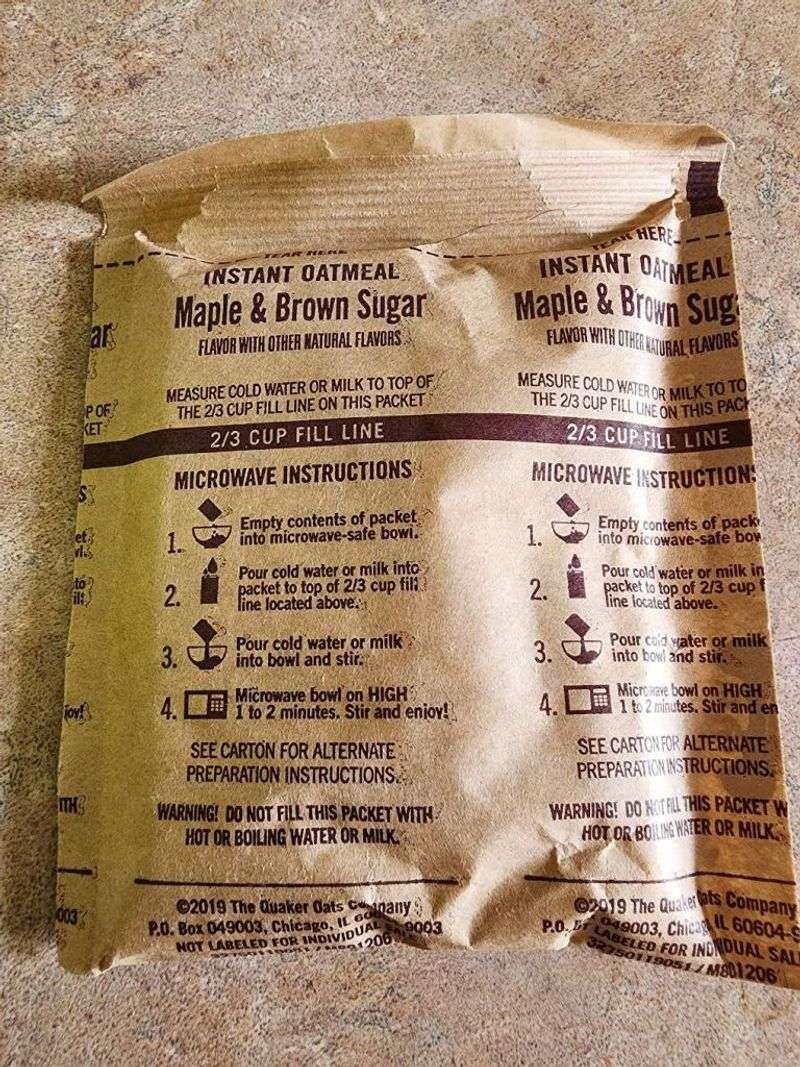
Oatmeal has a reputation as one of the healthiest breakfasts around, and steel-cut or rolled oats absolutely deserve that title. Instant oatmeal packets, however, are a very different product.
Many are loaded with added sugars, artificial flavors, and salt to improve taste and shelf life.
For seniors, those hidden additives can undermine heart health and blood sugar management. The fix is simple: cook plain rolled oats and add your own toppings like cinnamon, walnuts, or fresh berries for real flavor and real nutrition.
9. Margarine and Butter on Everything
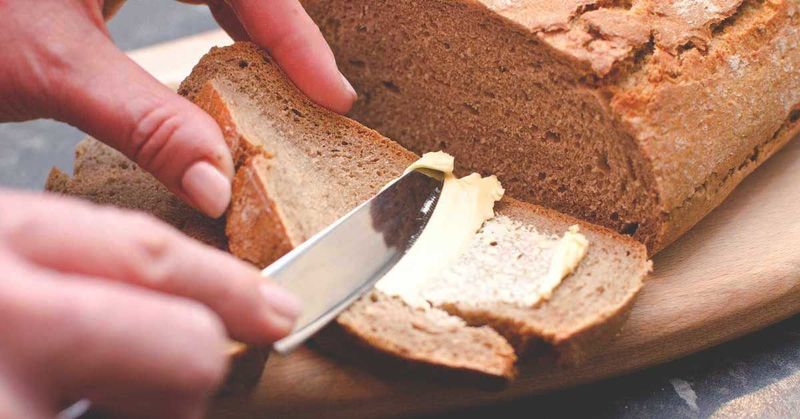
Spreading margarine or large amounts of butter on every piece of toast, muffin, or pancake is a breakfast habit worth examining closely. Margarine, especially older stick varieties, can contain trans fats that are directly linked to increased LDL cholesterol and heart disease risk.
Butter in large quantities adds significant saturated fat to the diet. Seniors with cardiovascular concerns should be especially mindful.
Small amounts of avocado, nut butter, or olive oil-based spreads offer heart-friendlier fat options that still taste satisfying at the breakfast table.
10. High-Sodium Canned Baked Beans
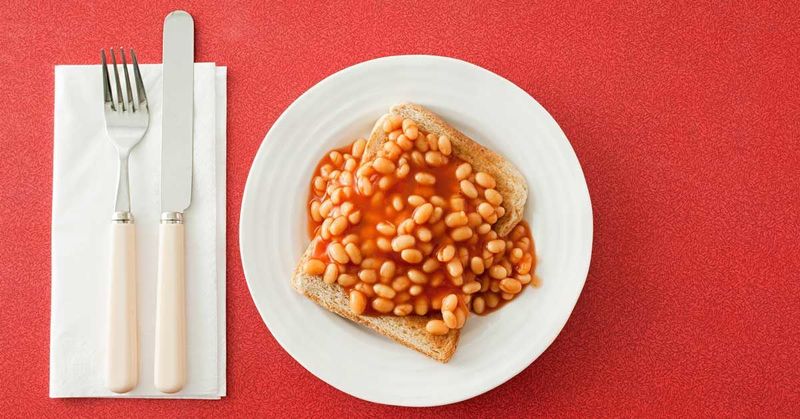
Baked beans on toast is a beloved breakfast in many households, but canned versions often contain surprisingly high levels of sodium and added sugar. For seniors managing hypertension or kidney health, that sodium content can be a real concern when eaten regularly.
Even a single serving of some brands can account for a third of the recommended daily sodium intake. Rinsing canned beans or choosing low-sodium varieties can reduce the risk, or cooking beans from scratch gives you full control over what goes in.
11. Energy Drinks

Some seniors have started replacing morning coffee with energy drinks for a bigger caffeine kick, but this swap comes with serious risks. Energy drinks are packed with caffeine, sugar, and stimulants that can raise heart rate and blood pressure to dangerous levels.
Older adults are more sensitive to these effects due to changes in cardiovascular function and metabolism. Even sugar-free versions contain stimulants that can cause anxiety, heart palpitations, and sleep disruption.
A moderate cup of coffee or green tea is a much safer morning energizer.
12. Croissants

Croissants are undeniably delicious, but they are essentially layers of butter and refined white flour rolled together. That combination means high saturated fat, low fiber, and a rapid blood sugar spike, none of which serves seniors well at the start of the day.
Regular croissant consumption can quietly contribute to weight gain and elevated cholesterol over time. Treating them as an occasional indulgence rather than a daily staple makes good sense.
A whole-grain English muffin with avocado or a boiled egg is a far more nourishing morning alternative.
13. Flavored Coffee Drinks

Morning coffee is a beloved ritual for millions, but those fancy flavored drinks, think caramel lattes, mocha frappes, and vanilla syrups, are often loaded with sugar, saturated fat, and excess calories. A single large flavored coffee can contain more sugar than a full dessert.
For seniors watching their weight, blood sugar, or cholesterol, starting the day with one of these drinks sets a poor nutritional tone. Black coffee or coffee with a small splash of milk provides the morning boost without all the unnecessary extras piled on top.
14. Breakfast Sandwiches from Fast Food

Fast food breakfast sandwiches are convenient, but they tend to be nutritional landmines. A typical biscuit sandwich with sausage, egg, and cheese can pack over 1,000 milligrams of sodium, plus high levels of saturated fat and refined carbohydrates in a single sitting.
For seniors with heart conditions, high blood pressure, or diabetes, that kind of breakfast can do real damage when eaten habitually. Making a similar sandwich at home using whole-grain bread, a poached egg, and fresh vegetables gives you much better control over your health.
15. Granola Bars
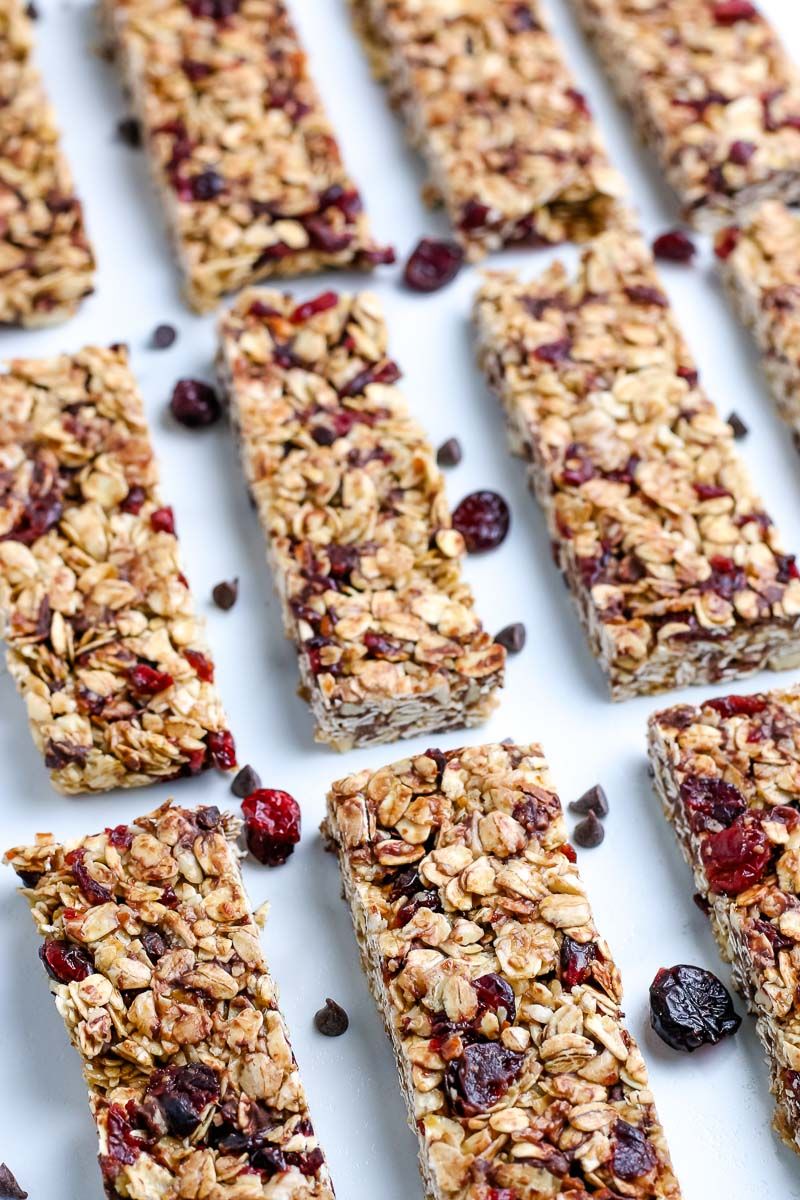
Granola bars have a healthy image that does not always match what is actually inside them. Many popular brands are essentially candy bars in disguise, held together with syrups, coated in chocolate, and sweetened with multiple types of added sugar.
For seniors, this means a quick sugar spike followed by a mid-morning slump. Even bars marketed as heart-healthy can contain more sugar than expected.
Reading labels carefully and choosing bars with minimal ingredients, high fiber, and low added sugar makes a significant difference in how you feel all morning.




Comments
No Comments