













Sprouts are tiny but mighty little plants that pack a serious nutritional punch. Whether you've seen them piled onto sandwiches, tossed into salads, or blended into smoothies, these young seedlings are earning their spot on healthy plates everywhere.
Adding sprouts to your meals more often could be one of the simplest upgrades you make for your body. From better digestion to stronger immunity, the benefits are real, research-backed, and surprisingly easy to enjoy.
1. Sprouts Are Loaded With Nutrients
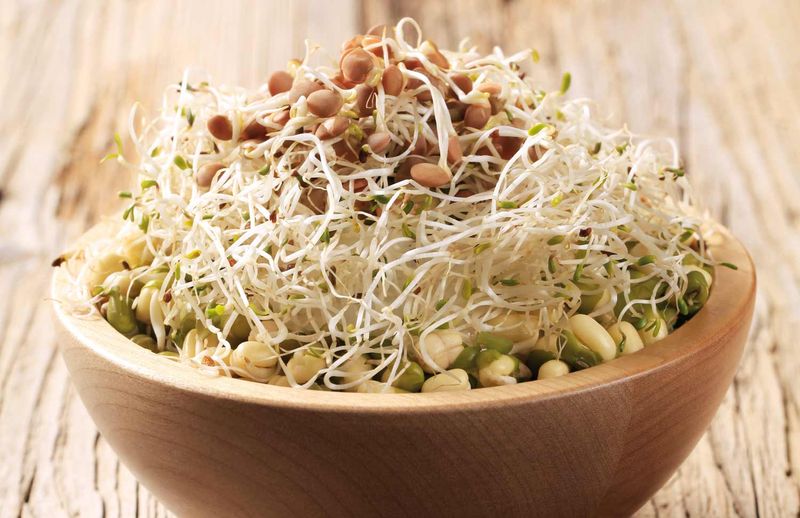
Pound for pound, sprouts might be the most nutrient-dense food you can add to your plate. When a seed sprouts, its nutritional content explodes — vitamins, minerals, and antioxidants multiply rapidly during germination.
You get more nutrition per calorie than almost any other food.
Broccoli sprouts, for example, contain significantly more sulforaphane than mature broccoli. Eating just a small handful daily can help fill nutritional gaps in your diet without adding extra calories or effort.
2. They Support Better Digestion
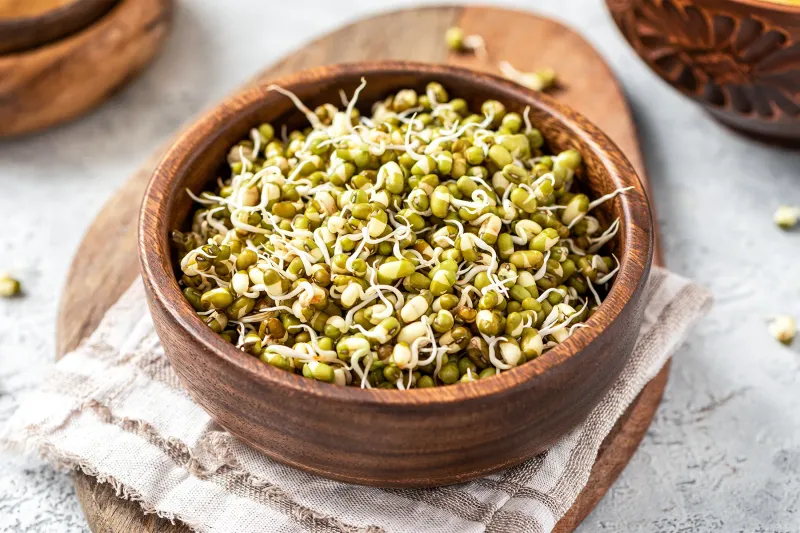
Sprouts are naturally rich in dietary fiber, which keeps your digestive system running smoothly. Fiber adds bulk to stool, prevents constipation, and feeds the beneficial bacteria living in your gut.
A happy gut means better overall health in ways that reach far beyond your stomach.
Germination also breaks down complex starches and proteins into simpler forms that your body absorbs more easily. That means less bloating and discomfort after meals — something almost everyone can appreciate.
3. Sprouts Help Strengthen Your Immune System
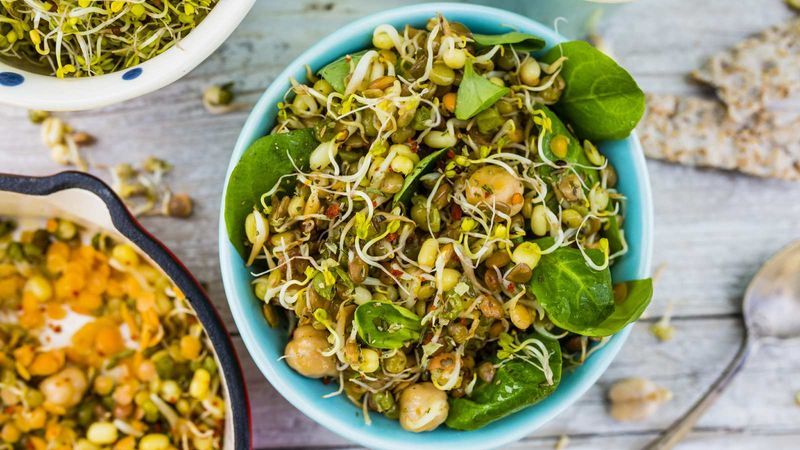
Your immune system needs a steady supply of vitamins and antioxidants to fight off illness, and sprouts deliver both in abundance. Vitamin C, found in many sprouts, is a key player in immune defense.
It helps your body produce white blood cells that attack harmful invaders.
Antioxidants in sprouts also neutralize free radicals — unstable molecules that damage healthy cells. Making sprouts a regular part of your meals gives your immune system a reliable, natural boost every single day.
4. They May Help Control Blood Sugar Levels
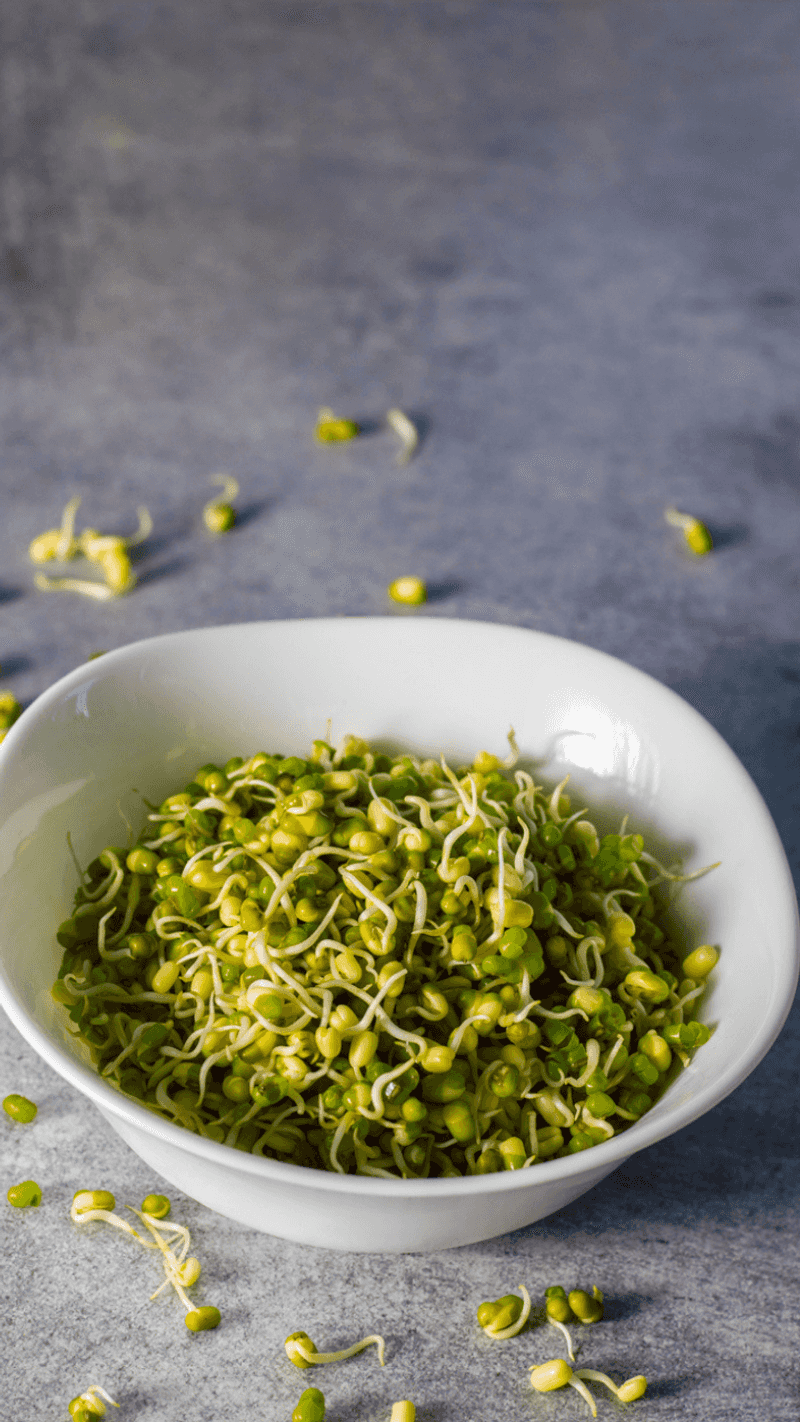
Managing blood sugar is something millions of people struggle with daily, and sprouts may offer a helpful edge. Research suggests that certain sprouts, especially fenugreek and broccoli sprouts, can improve insulin sensitivity and help regulate glucose levels after meals.
The fiber in sprouts slows the absorption of sugar into your bloodstream, preventing sharp spikes and crashes. For anyone watching their blood sugar, swapping processed snacks for sprout-rich meals could make a meaningful difference over time.
5. Sprouts Support Heart Health
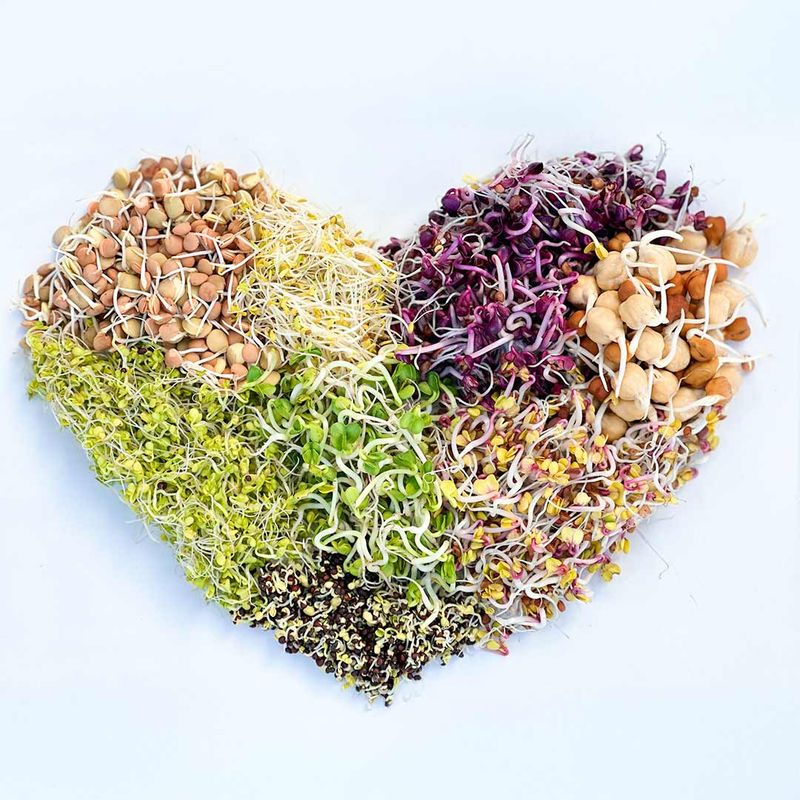
Heart disease remains one of the leading health concerns worldwide, but your diet plays a powerful role in prevention. Sprouts contain compounds that help lower LDL cholesterol — the so-called bad cholesterol — while supporting healthy blood pressure levels.
Did you know? Lentil sprouts are particularly rich in potassium, a mineral that relaxes blood vessel walls and reduces strain on the heart.
Adding sprouts to your meals regularly is a simple, affordable way to show your heart some genuine love.
6. They Are a Great Source of Plant-Based Protein
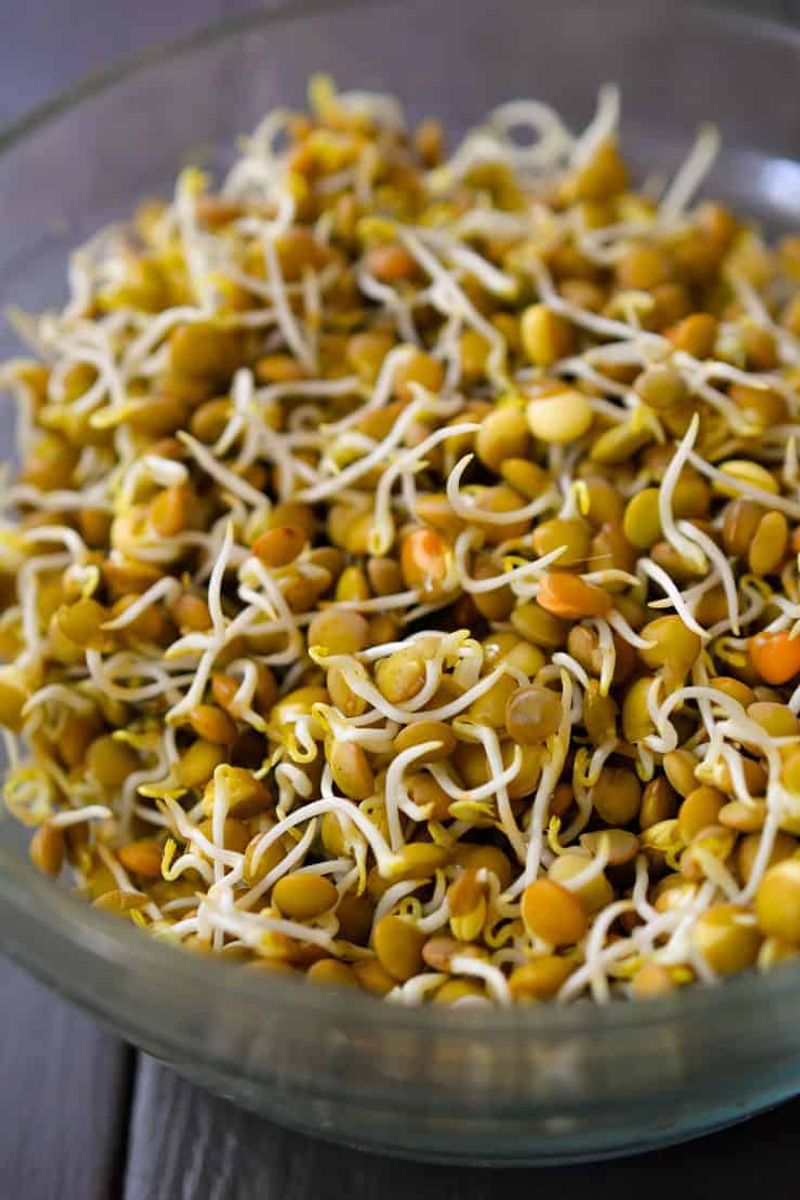
Protein is the building block your muscles, skin, and organs depend on — and sprouts deliver a surprisingly solid amount of it. Lentil, chickpea, and mung bean sprouts are especially protein-rich, making them popular choices among vegetarians and vegans looking to diversify their intake.
Unlike some animal proteins, plant-based protein from sprouts comes with zero saturated fat and plenty of accompanying nutrients. Athletes and active individuals can benefit greatly from making sprouts a regular part of their recovery meals.
7. Sprouts Can Aid in Weight Management
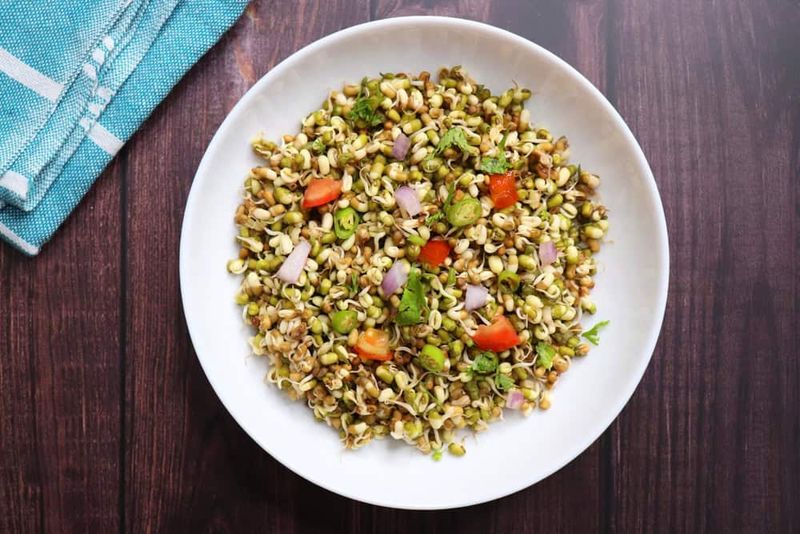
Few foods offer as much volume and satisfaction for as few calories as sprouts do. They fill your stomach, satisfy hunger, and deliver nutrients — all without loading you up with empty calories.
That combination makes them a smart choice for anyone trying to maintain or lose weight.
Sprouts also stabilize blood sugar, which helps reduce cravings for sugary or high-fat snacks between meals. Swapping out calorie-dense toppings for a generous handful of fresh sprouts is an easy, painless diet upgrade.
8. They Contain Powerful Antioxidants
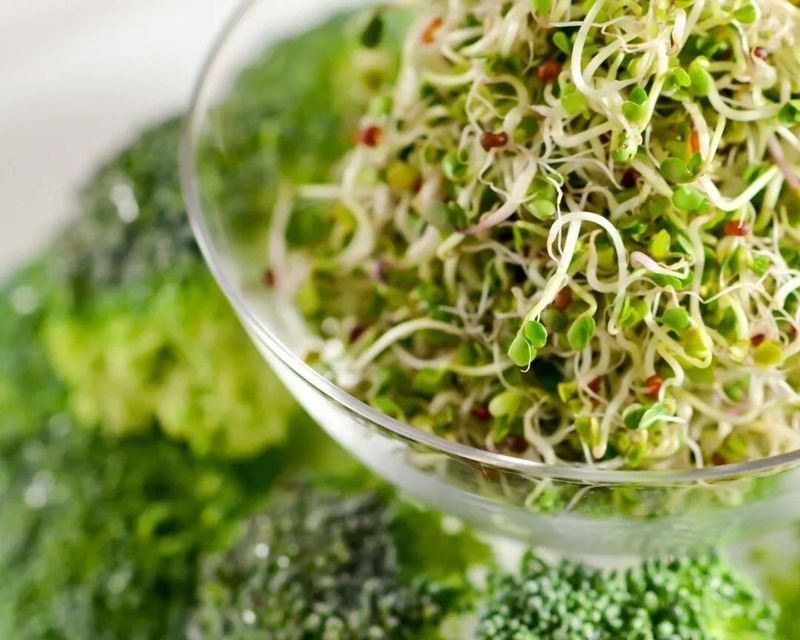
Antioxidants are your body's defense squad against cellular damage, and sprouts are overflowing with them. Broccoli sprouts, in particular, are famous for containing sulforaphane — one of the most studied and celebrated antioxidants in nutrition science today.
These compounds work by neutralizing harmful free radicals before they can damage DNA or trigger inflammation. Regular consumption of antioxidant-rich sprouts may even help reduce the long-term risk of chronic diseases, including certain cancers, according to ongoing research.
9. Sprouts Improve Nutrient Absorption
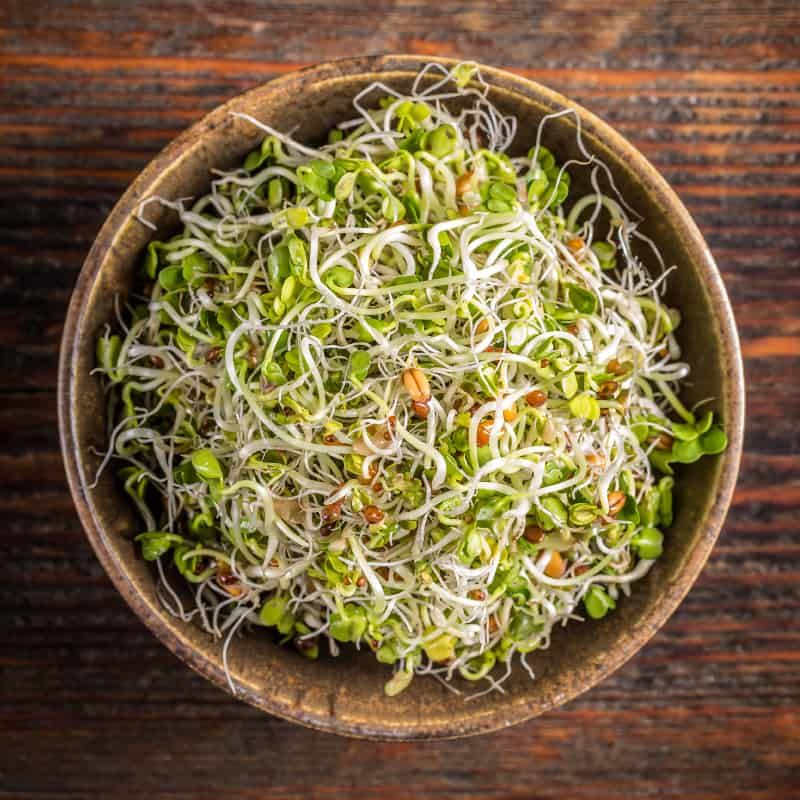
Here is something that surprises many people: eating a food does not automatically mean your body absorbs all its nutrients. Seeds and legumes contain compounds called antinutrients — like phytic acid — that block absorption of important minerals such as iron and zinc.
Sprouting naturally breaks down these antinutrients, making the minerals inside far more bioavailable. That means your body actually uses more of what you eat.
Sprouts essentially unlock the full nutritional potential that was always hiding inside the seed.
10. They Help Reduce Inflammation in the Body
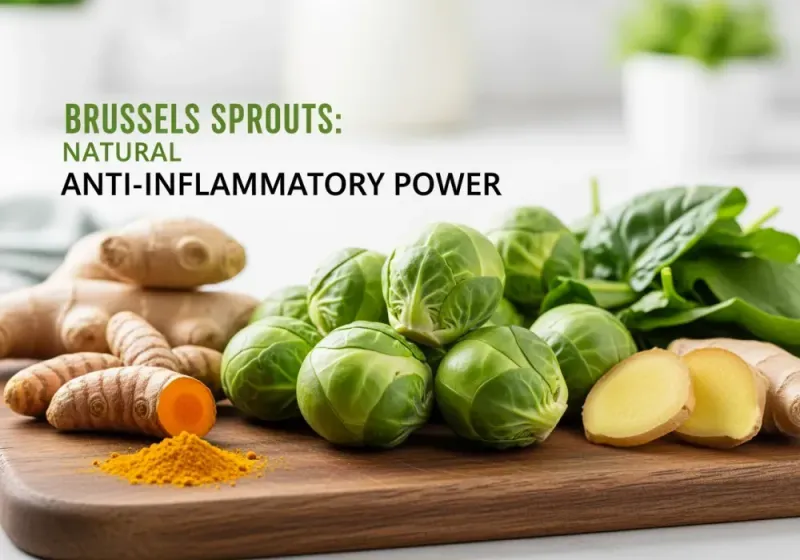
Chronic inflammation is quietly linked to dozens of serious health conditions, from arthritis to heart disease to depression. The good news is that your diet has a direct impact on inflammation levels, and sprouts are one of the most effective anti-inflammatory foods available.
Compounds like sulforaphane and flavonoids found in various sprouts actively calm inflammatory pathways in the body. Eating sprouts regularly — alongside other whole foods — creates an internal environment where inflammation struggles to take hold.
11. Sprouts Support Healthy Skin and Hair
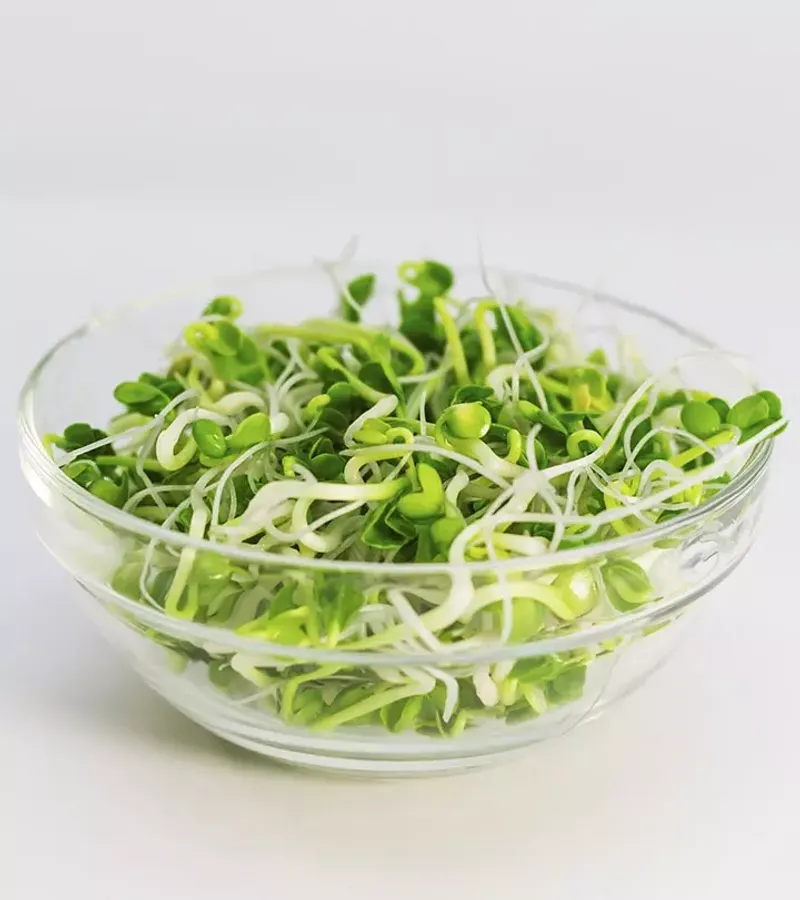
Radiant skin and strong hair often start from the inside out, and sprouts can play a starring role in your beauty routine. They are rich in vitamins A, C, and E — nutrients that promote collagen production, protect skin from UV damage, and keep hair follicles healthy.
Zinc found in mung bean sprouts is especially important for skin repair and hair growth. Rather than spending money on expensive serums, try feeding your skin what it actually craves — real, whole nutrients from fresh sprouts.
12. They Promote Hormonal Balance
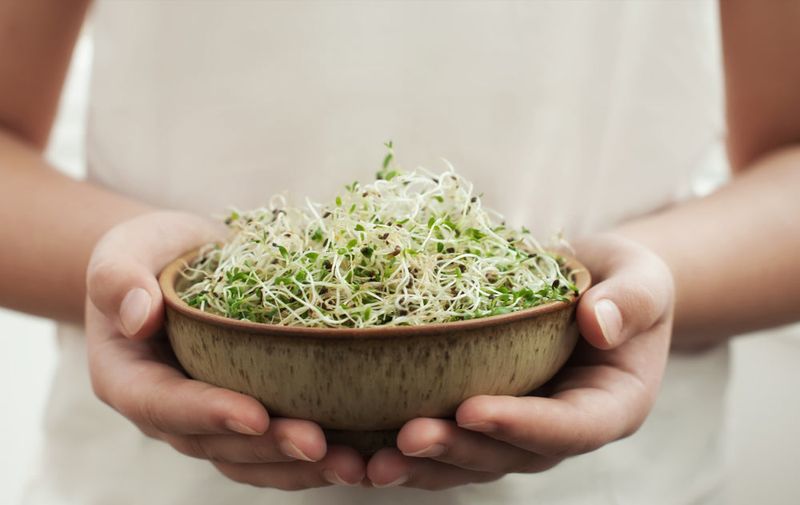
Hormones affect nearly every function in your body, from your mood and energy levels to your metabolism and sleep quality. Sprouts — particularly flaxseed and alfalfa sprouts — contain phytoestrogens, plant-based compounds that gently interact with the body's estrogen receptors.
For women experiencing hormonal fluctuations during menstruation or menopause, these compounds may help ease symptoms like hot flashes and mood swings. While not a replacement for medical treatment, adding sprouts to your diet offers a natural, food-based approach to hormonal support.
13. Sprouts Are Easy to Grow at Home

One of the most underrated things about sprouts is how ridiculously easy and cheap they are to grow yourself. All you need is a mason jar, a mesh lid, water, and a few seeds — no garden, no soil, no special equipment required.
Within three to five days, you have fresh food growing right on your kitchen counter.
Growing your own sprouts means maximum freshness and zero food miles. It is a fun, rewarding project that even kids enjoy and can genuinely teach healthy habits from a young age.
14. They Boost Energy Levels Naturally
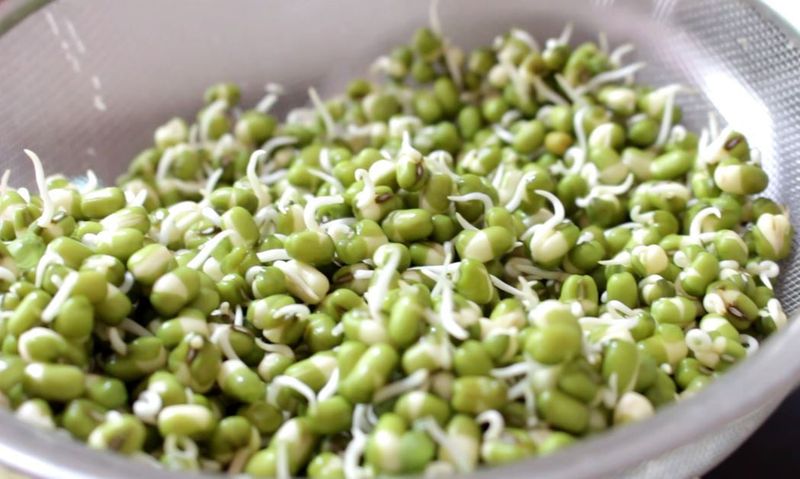
Feeling sluggish by midday is a frustration many people know well. Sprouts offer a natural, sustained energy source thanks to their combination of complex carbohydrates, B vitamins, and iron — all nutrients that fuel cellular energy production without the crash that comes from sugar or caffeine.
Iron in particular helps transport oxygen through your bloodstream, keeping your brain and muscles performing at their best. Starting your morning with a sprout-rich breakfast or smoothie could be the energy shift you have been looking for.
15. Sprouts Are Incredibly Versatile in the Kitchen

Versatility might be sprouts' most underappreciated quality. Toss them into salads, pile them onto sandwiches, stir them into soups, blend them into smoothies, or use them as a crunchy topping for grain bowls — the possibilities are genuinely endless.
Their mild, fresh flavor blends seamlessly into almost any dish.
Because they require zero cooking, sprouts also save time in the kitchen. Whether you are a seasoned cook or someone who barely knows how to boil water, adding sprouts to your meals is always effortlessly simple.




Comments
No Comments