











Zinc tends to sit quietly in the background compared to more talked-about nutrients. Even people who eat fairly well can miss regular sources without realising it.
Everyday foods often contain small but meaningful amounts that add up over time. Read on to see which familiar options deserve a second look.
All information is provided for general interest only and should not replace professional dietary guidance. Nutrient content can vary by food type and preparation method.
1. Pumpkin Seeds
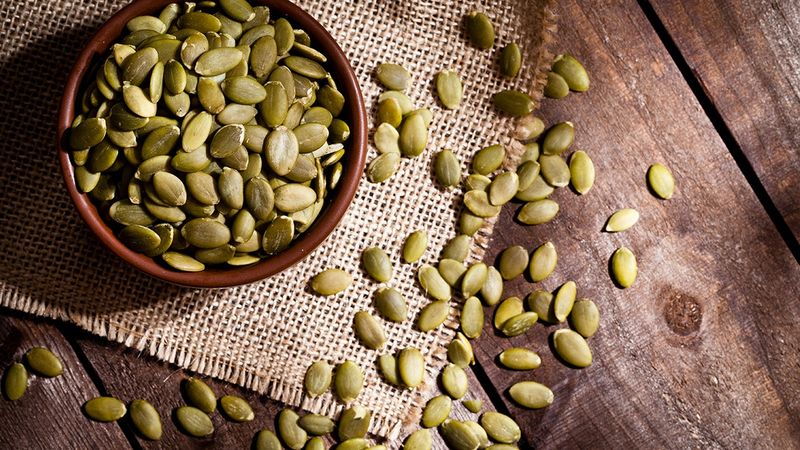
Pumpkin seeds are a convenient way to add some extra zinc to everyday meals without much effort. They sprinkle easily over porridge, salads, or yoghurt, and work just as well eaten straight from the packet.
While they are not a major zinc source on their own, they contribute meaningfully when eaten regularly. They also bring magnesium, fibre, and healthy fats to the table.
Including them as part of a varied diet helps zinc intake build gradually over time.
2. Sesame Seeds
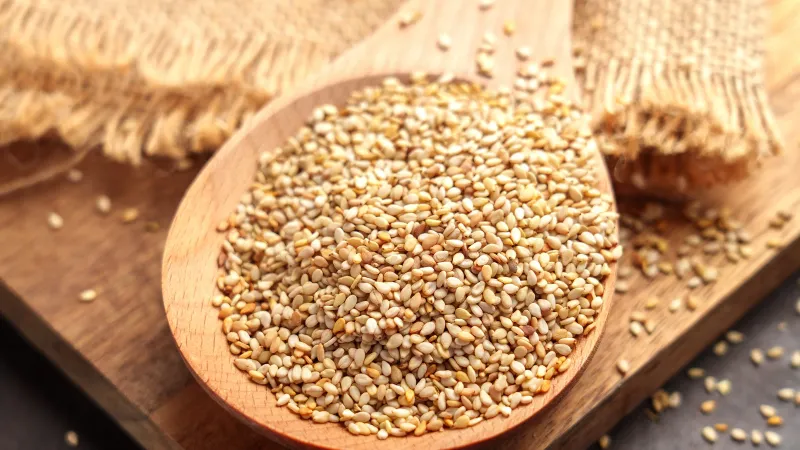
These tiny seeds might look unassuming, but they're absolute powerhouses when it comes to zinc content. Tahini, made from ground sesame seeds, makes a creamy addition to dressings, dips, and spreads that'll boost your mineral intake effortlessly.
Toast them lightly before sprinkling over stir-fries or noodles. The nutty aroma they release transforms ordinary dishes into something rather special whilst sneaking in valuable nutrients.
3. Chickpeas
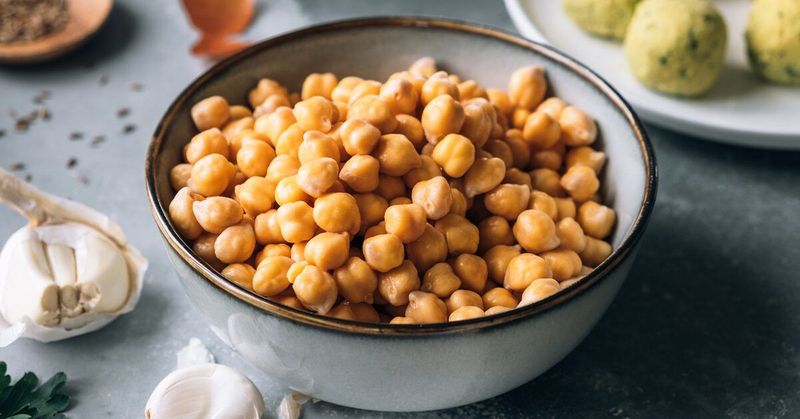
Whether you call them chickpeas or garbanzo beans, these beige beauties deserve a regular spot on your plate. A single tin provides a decent zinc boost alongside plenty of protein and fibre that keeps you feeling satisfied.
Mash them into hummus, roast them for crunchy snacks, or toss them through curries. They're incredibly versatile, budget-friendly, and available in every British supermarket year-round.
4. Lentils
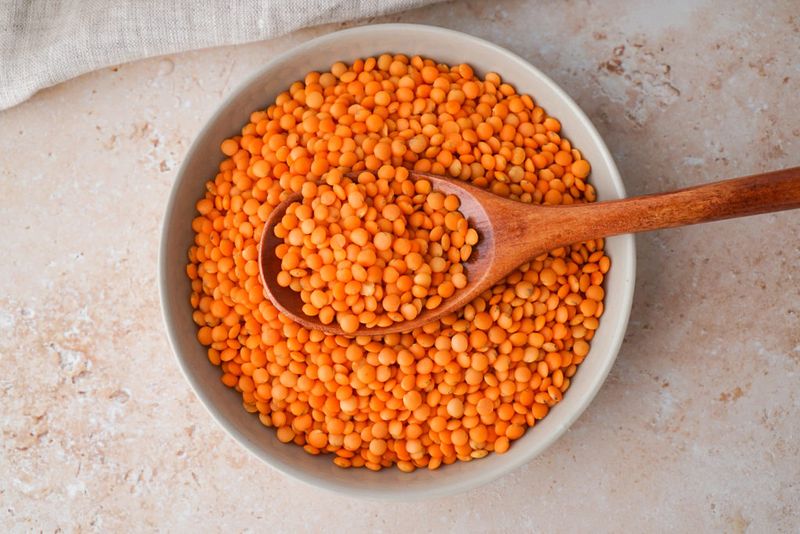
Red, green, or brown - all varieties pack impressive amounts of zinc into their tiny frames. Lentils cook quickly compared to other pulses, making them perfect for weeknight dinners when time's running short.
They absorb flavours beautifully in soups, stews, and dahls. Plus, they're ridiculously cheap, which means eating healthily doesn't have to drain your wallet or require hours in the kitchen.
5. Cashew Nuts
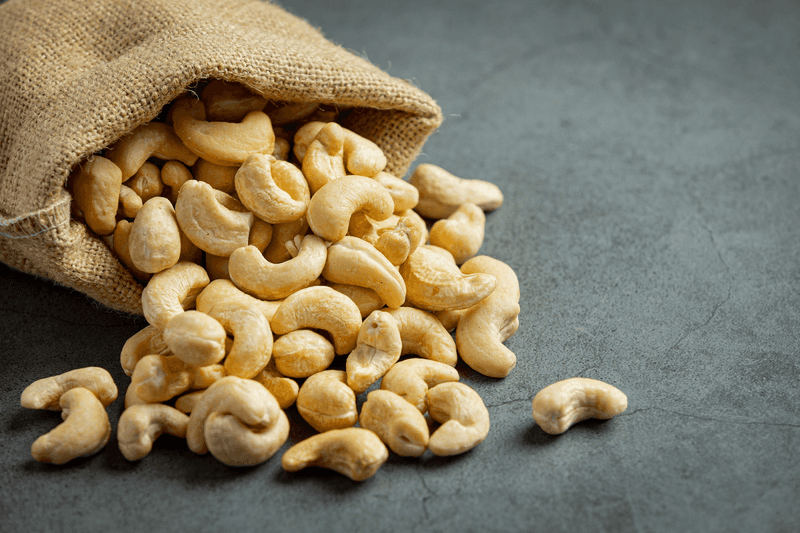
Creamy, buttery, and absolutely moreish, cashews contain more zinc than most other popular nuts. Their smooth texture makes them brilliant for blending into dairy-free milk, cream sauces, or energy balls.
Grab a small handful as an afternoon pick-me-up when your energy dips. Just watch your portions - they're calorie-dense, though those calories come packed with minerals, healthy fats, and plant-based protein.
6. Oats
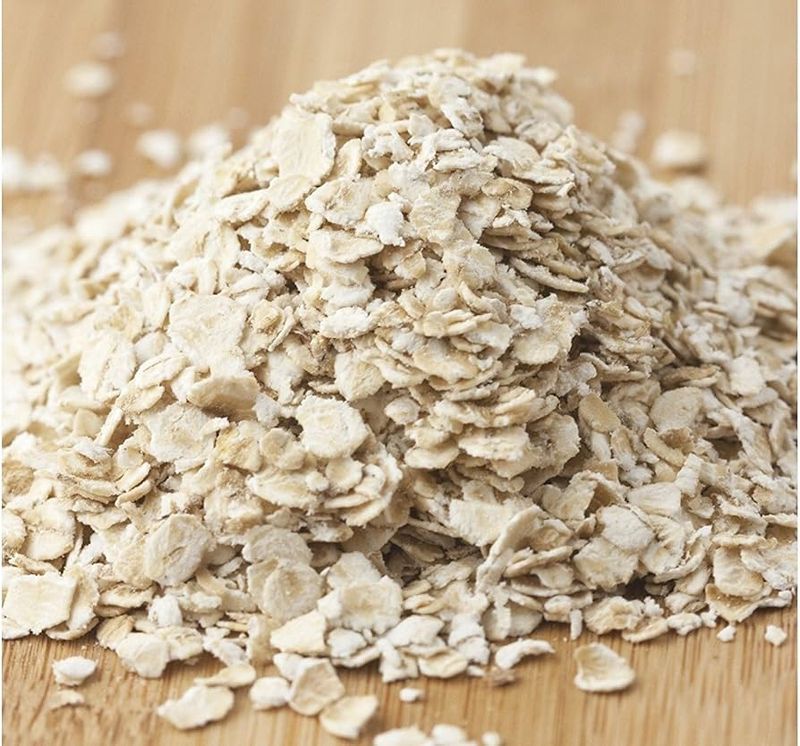
Your morning porridge does more than fill you up - it quietly delivers a solid dose of zinc to start your day right. Oats are wonderfully versatile beyond breakfast, working brilliantly in flapjacks, crumbles, and even savoury dishes.
Choose whole rolled oats over instant varieties when possible. They retain more nutrients and provide steadier energy release, keeping mid-morning hunger pangs firmly at bay.
7. Wholemeal Bread
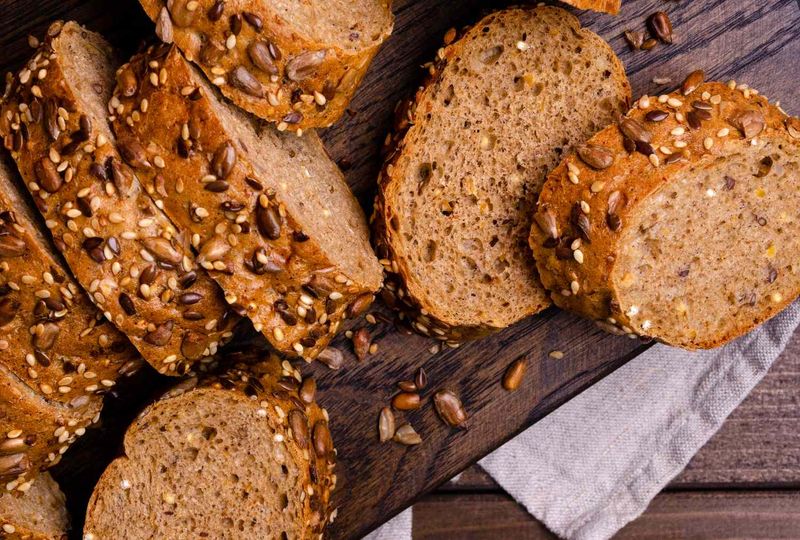
Swapping white bread for wholemeal isn't just about fibre - you're also getting valuable zinc with every slice. The bran and germ contain most of the minerals that refined flour loses during processing.
Toast it, sandwich it, or dunk it in soup. Wholemeal bread forms the foundation of countless British meals whilst quietly supporting your immune system and overall health with its mineral content.
8. Cheese
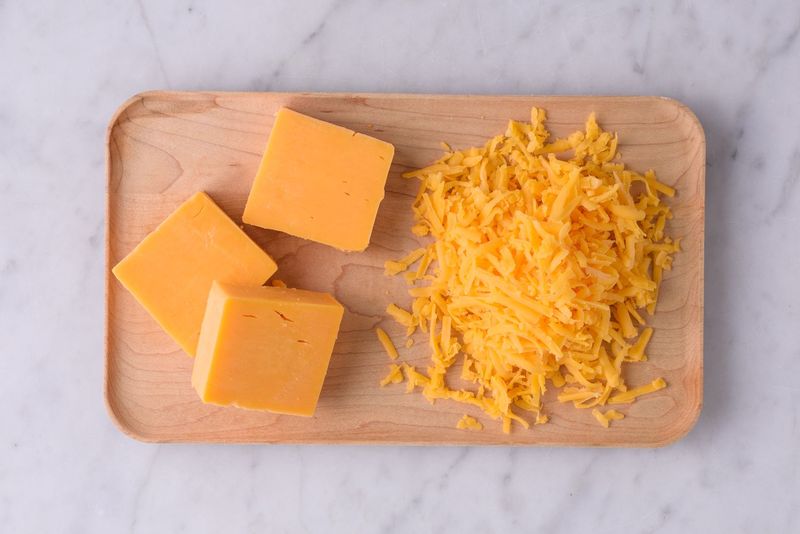
Good news for cheese lovers - your favourite dairy indulgence actually contributes decent amounts of zinc to your diet. Cheddar, in particular, offers more of this mineral than many people realise.
Grate it over baked potatoes, melt it in toasties, or simply enjoy it with crackers. Whilst it's higher in calories and saturated fat, moderate portions fit perfectly into a balanced eating pattern.
9. Eggs
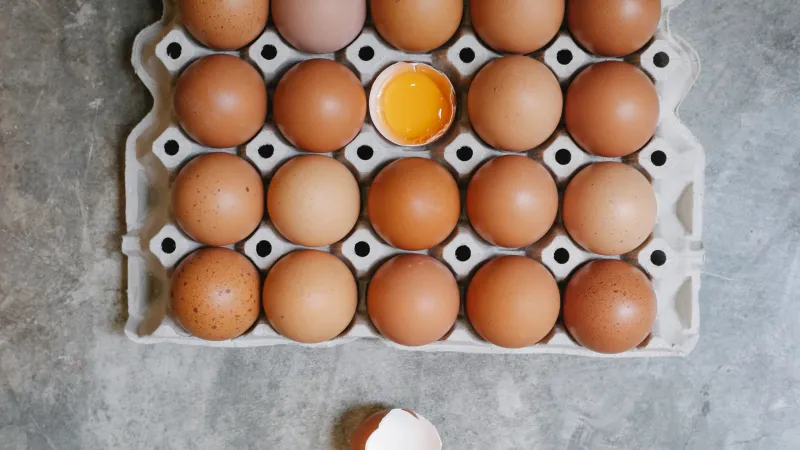
Humble eggs punch well above their weight when it comes to nutritional value, including their zinc content. The yolk holds most of the minerals, so don't be tempted to eat only the whites.
Scramble them, poach them, or boil them for lunchboxes. They're affordable, quick to prepare, and provide high-quality protein alongside their mineral benefits - a true kitchen staple.
10. Mushrooms
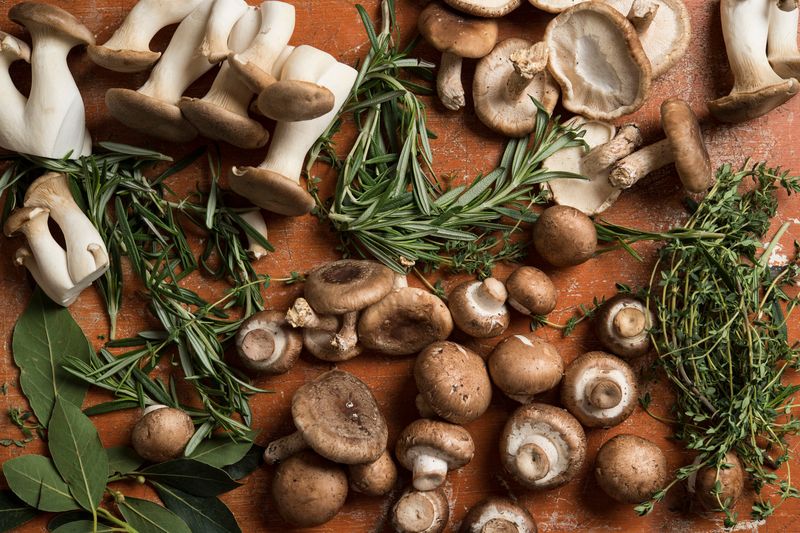
Mushrooms are not known for being high in zinc, but they still play a useful supporting role in balanced meals. Their real strength lies in adding flavour, texture, and variety to everyday cooking.
Button, chestnut, and portobello mushrooms all offer small amounts of minerals alongside other nutrients. They work especially well in plant-based dishes where every contribution counts.
Used often, they help round out meals without adding heaviness or excess calories.