













Ultra-processed foods are often discussed in clear-cut terms, yet the reality is more complex. While some products raise valid nutritional concerns, others can play a practical role in everyday diets by offering convenience and contributing useful nutrients.
Processing itself is not always the issue – the overall nutritional profile, ingredient balance, and how frequently these foods are eaten tend to matter more. Taking a more balanced view can help people make informed food choices without unnecessary confusion or restriction.
This article is for general information only and does not replace medical or dietary advice. Nutritional needs and health considerations vary between individuals.
Readers with specific dietary concerns should consult a qualified healthcare professional. Product ingredients and formulations may also change over time.
Why Not All Processing Is A Bad Thing
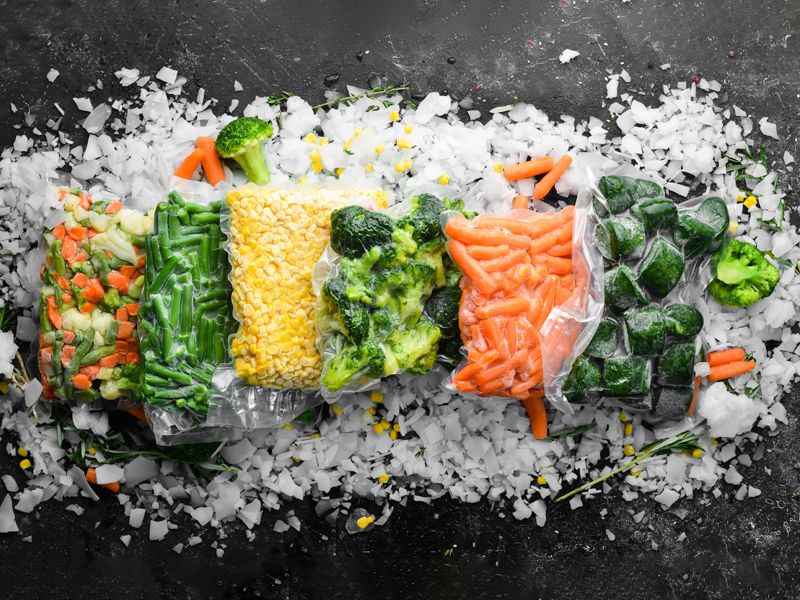
Processing food isn't some modern conspiracy. Humans have been drying, fermenting, and preserving ingredients for thousands of years to make them safer and last longer.
Freezing vegetables locks in nutrients at peak freshness, often making them more nutritious than wilted fresh ones sitting in your fridge for a week.
Pasteurising milk prevents dangerous bacteria, whilst fortifying flour with vitamins tackles deficiencies across entire populations. The issue isn't processing itself but rather what gets added or removed during the process and how much of it ends up on your plate daily.
When A Long Ingredients List Isn't Automatically Unhealthy

Spotting fifteen ingredients on a packet doesn't automatically mean you're holding junk food. A loaf of seeded wholegrain bread might list multiple types of grains, seeds, yeast, salt, and preservatives to keep it fresh longer.
Each ingredient serves a purpose, and many are perfectly wholesome.
Compare that to a biscuit with three ingredients that are all refined sugar, butter, and white flour. The shorter list doesn't win by default.
What matters is the quality of those ingredients and whether they're adding nutritional value or just empty calories and excessive additives you can't pronounce.
How Some UPFs Can Support A Balanced Diet
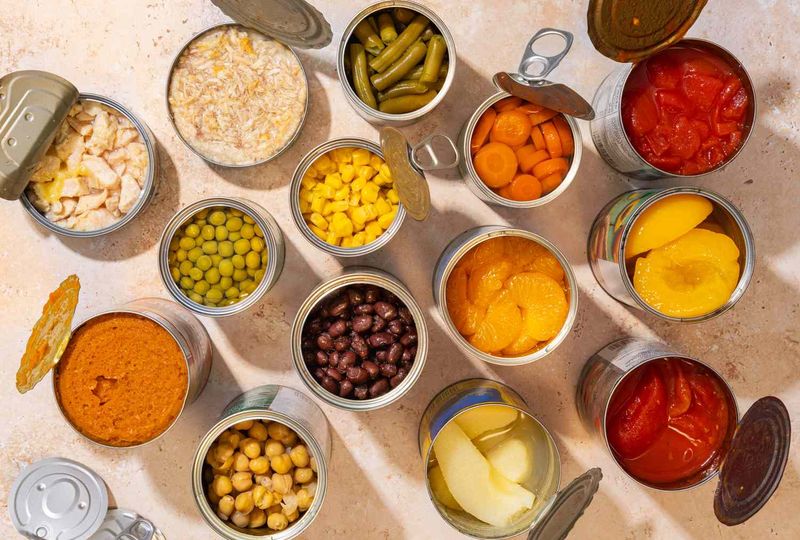
Convenience doesn't have to mean compromising your health. Tinned beans provide plant-based protein and fibre without requiring overnight soaking, making nutritious meals accessible when you're short on time or energy.
Frozen fruit retains its vitamins and works brilliantly in smoothies year-round, regardless of season.
Pre-chopped vegetables might cost a bit more, but they remove barriers for people who struggle with meal prep due to disability, time constraints, or simply being knackered after work. These foods help people actually eat vegetables rather than letting fresh produce rot whilst they order takeaway instead.
The Difference Between Helpful Processing And Poor Nutrition
Not all UPFs are created equal, and understanding the distinction matters. Fortified breakfast cereals can provide essential vitamins and minerals, especially for children or people with limited diets.
Greek yoghurt undergoes processing but delivers protein and probiotics that support gut health.
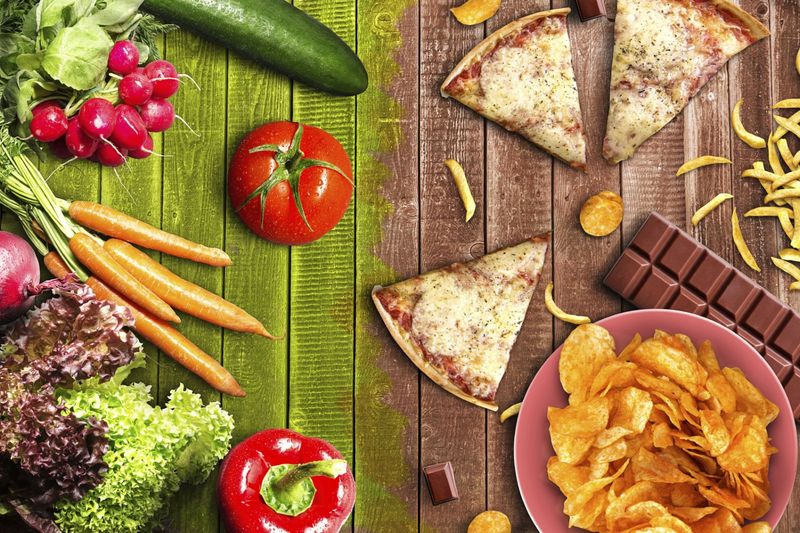
On the flip side, some products are engineered to be hyperpalatable, loaded with salt, sugar, and fat in combinations that override your natural fullness signals. These tend to be nutrient-poor whilst packing excessive calories.
The key is recognising which processed foods offer nutritional benefits and which are designed purely for profit-driven overconsumption.
Everyday Foods People Label As UPFs Without Realising
Your morning toast? Probably ultra-processed according to strict definitions.
That plant-based milk in your coffee? Also on the list.
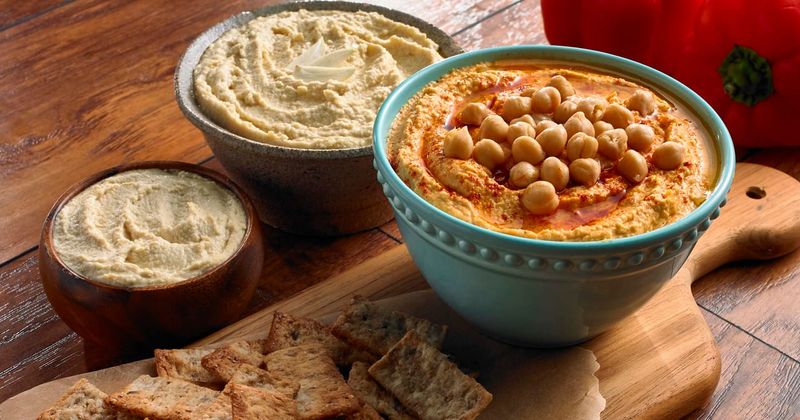
Even shop-bought hummus, despite being made from chickpeas and tahini, technically qualifies because of how it's manufactured and preserved.
The NOVA classification system, which defines UPFs, casts a wide net that catches plenty of perfectly reasonable food choices. This broad approach can create unnecessary anxiety around foods that genuinely fit into a healthy eating pattern.
Context matters enormously, and demonising every processed item ignores nutritional nuance in favour of oversimplified fear-mongering.
What Actually Matters More Than The UPF Label
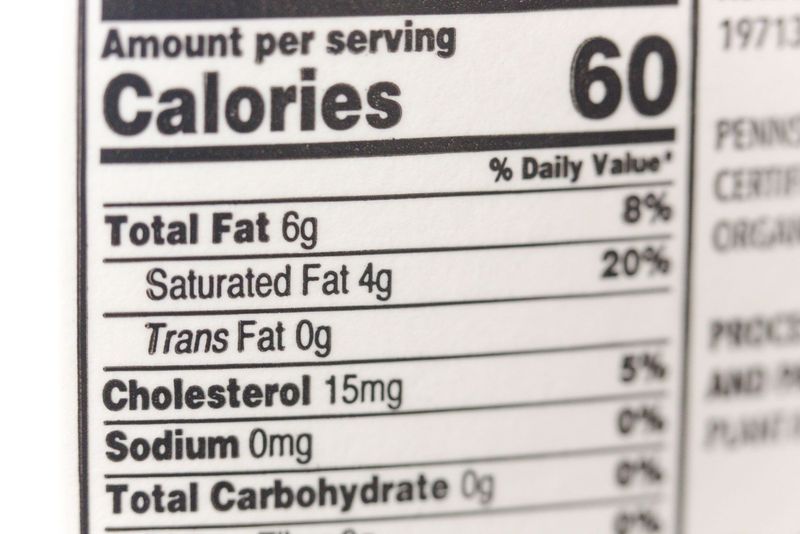
Obsessing over whether something counts as ultra-processed distracts from what genuinely impacts your health. Look at the actual nutritional content instead.
How much fibre does it contain? What's the sugar level?
Is there a decent amount of protein? These factors influence how your body responds far more than processing category alone.
A processed lentil soup with vegetables provides completely different nutrition than processed doughnuts, even though both technically fall under UPF. Focus on eating plenty of whole foods when possible, but don't lose sleep over the occasional convenience item that helps you maintain an overall balanced diet rather than giving up entirely.
How Fortified Foods Can Fill Nutritional Gaps
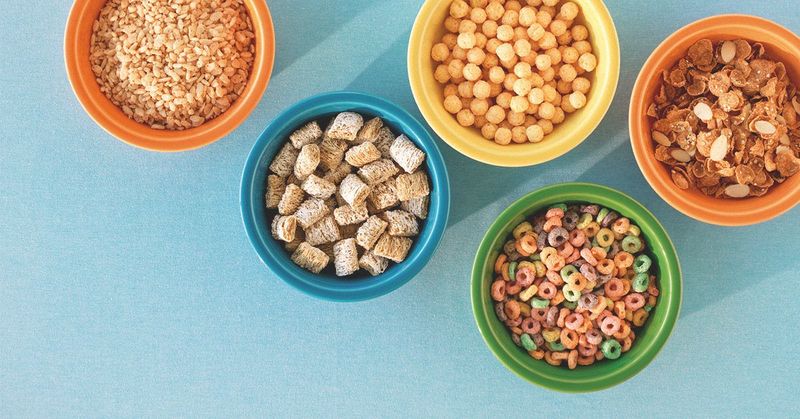
Fortification has quietly prevented countless deficiency diseases across populations. Adding folic acid to flour dramatically reduced neural tube defects in newborns.
Vitamin D in plant milks helps people who avoid dairy still meet their needs, whilst iodised salt tackled widespread iodine deficiency that once caused serious health problems.
Breakfast cereals, despite their reputation, often provide iron and B vitamins that some people struggle to get elsewhere, particularly children or those with restrictive diets. Whilst getting nutrients from whole foods is ideal, fortified processed options serve as important safety nets for public health when dietary variety isn't accessible to everyone.
Where Health Concerns Around UPFs Come From
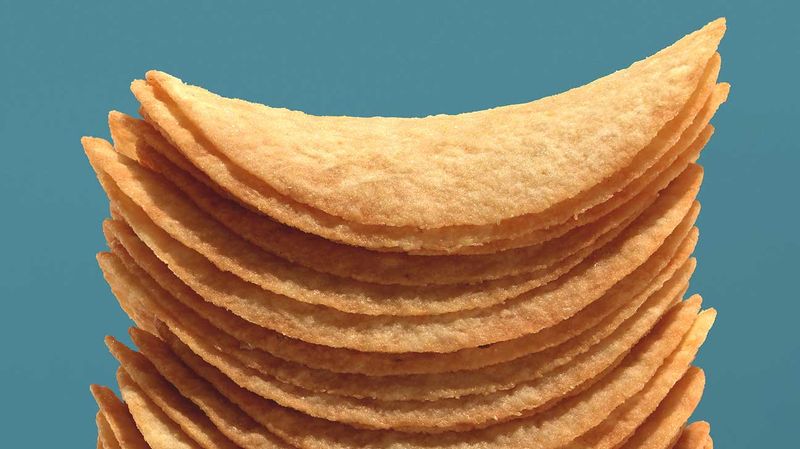
Research linking high UPF consumption to obesity, heart disease, and diabetes is legitimate and shouldn't be dismissed. Studies show that diets heavy in these products often correlate with worse health outcomes.
The trouble is distinguishing whether processing itself causes harm or whether UPFs simply make it easier to overconsume calories whilst missing out on essential nutrients.
Many ultra-processed foods are engineered for maximum palatability, encouraging you to eat more than you need. They're often cheaper and more accessible than fresh options, creating environments where people with fewer resources end up consuming them disproportionately.
The problem is systemic, not just individual choice.
Why Balance Beats Cutting Foods Out Completely
Rigid food rules rarely work long-term and often backfire spectacularly. Completely eliminating processed foods isn't realistic for most people juggling work, family, and the general chaos of modern life.
Creating forbidden food categories can trigger restriction-binge cycles that damage your relationship with eating and undermine overall wellbeing.
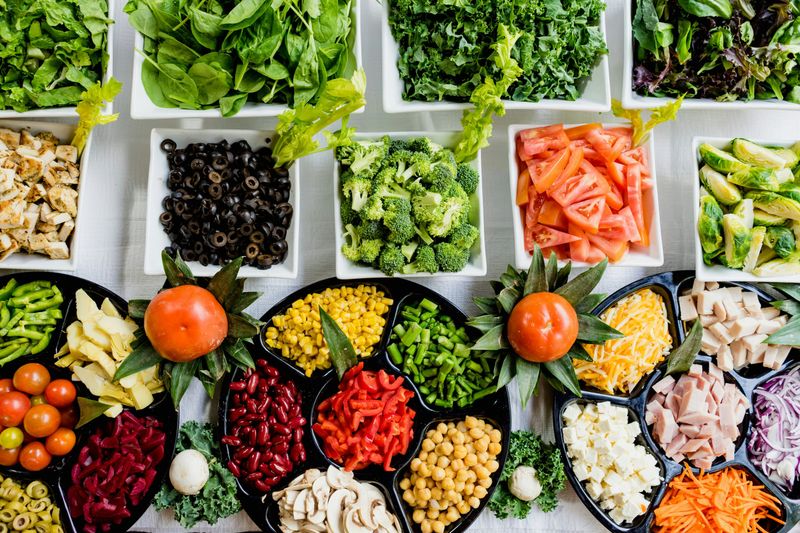
A flexible approach that prioritises whole foods whilst allowing convenient processed options when needed is far more sustainable. Eat plenty of vegetables, fruits, whole grains, and lean proteins most of the time, but don't beat yourself up over fish fingers on a Wednesday night.
Consistency matters more than perfection, and balance keeps you sane.



