













At Dinner by Heston Blumenthal, historical recipes are reinterpreted with modern technique and careful attention to detail. The restaurant is known for exploring British culinary history, bringing forgotten or lesser-known dishes back into the spotlight.
Among the menu’s most recognisable creations is a classic recipe that continues to capture attention for both its presentation and its link to centuries-old cooking traditions. Its enduring popularity reflects how thoughtful reinterpretation can keep historic dishes relevant in contemporary dining.
This article is for general information and cultural interest only. Restaurant menus, dishes, and preparation methods may change over time.
Dining experiences and presentation may vary. Images, where used, are for illustrative purposes only.
A Medieval Recipe Reimagined For Modern Fine Dining
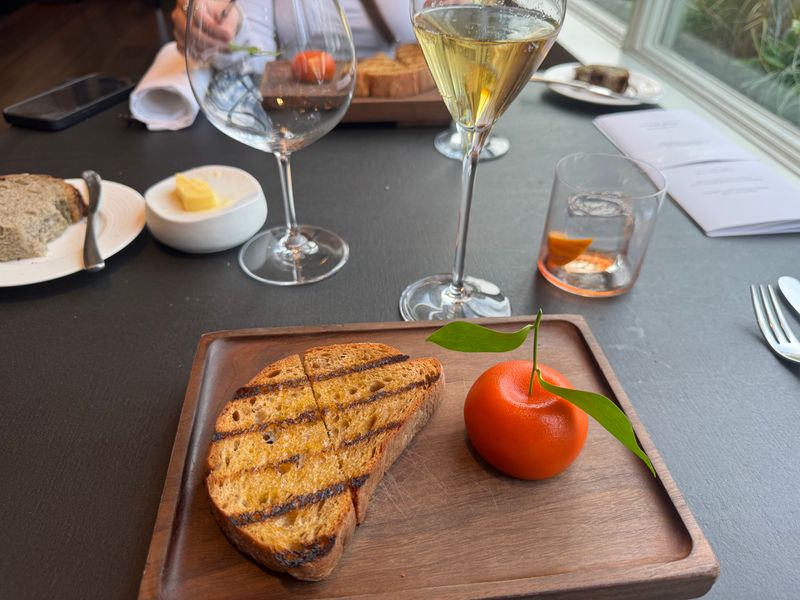
It looks like a fruit that rolled off a merchant’s cart, glinting under London light. Then a spoon slips in and the surprise is silky parfait, rich and savoury, hidden under a bright mandarin cloak.
The switch makes you grin before the first bite finishes melting.
This dish channels medieval pageantry into something precise and modern. You taste warmth, spice and gentle citrus while the texture is impossibly smooth.
It feels playful, yet there is serious craft guiding every detail.
At Knightsbridge, that tension between theatre and restraint suits the room. You watch chefs through glass, hear soft chatter, and the plate arrives like a well timed punchline.
History becomes intimate, not academic, and you keep nibbling.
How Historical Research Shapes The Restaurant’s Signature Dish
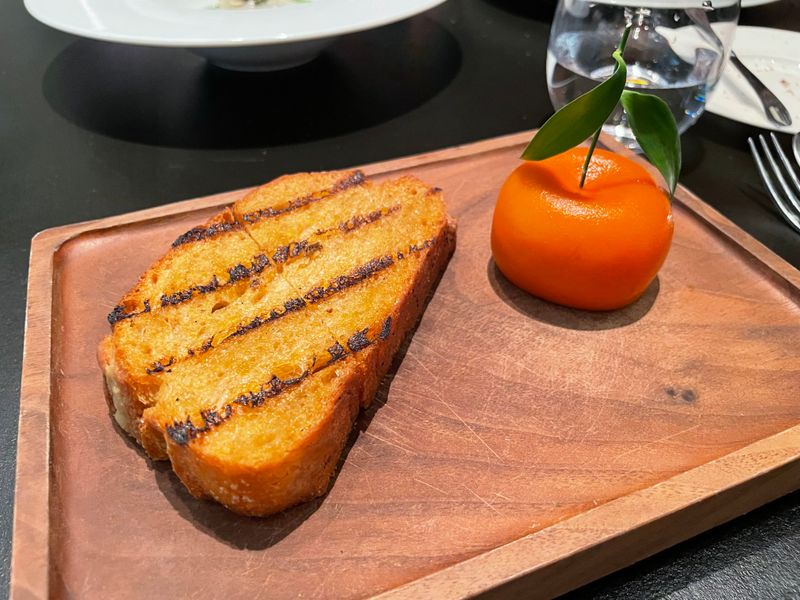
Before the mandarin glow, there were vellum pages and marginalia. Cooks here trawl manuscripts, then test, taste and translate until the old words become practical steps.
Nothing is copied; everything is interpreted with respect.
Recipes inspire rather than dictate, so flavours are anchored in memory, not mimicry. You sense nutmeg, mace and gentle acidity echoing centuries of British kitchens.
Balancing those signals with modern clarity keeps the idea sharp.
Cards on the table explain origins if you want the story. Skip them, and the flavours still read clearly.
Either way, research hums beneath the surface, giving the dish a backbone. It is scholarship you can spread on toast, and it leaves you curious.
The Role Of Illusion And Presentation In The Dining Experience
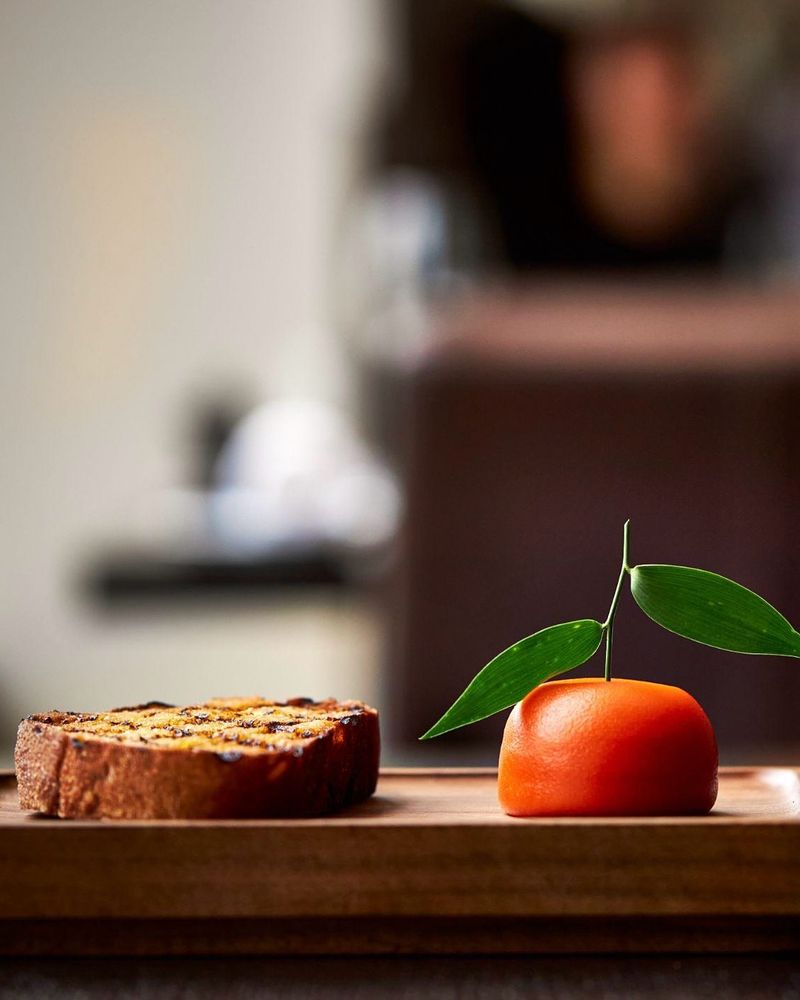
A fruit that is not a fruit is a neat trick, but the illusion works because it serves flavour. The skin looks like citrus, complete with pore detail, yet breaks to reveal parfait so light it almost floats.
Your brain hesitates; your palate nods.
Presentation sets the rhythm of the meal. The board, the small knife, the warm toast create a tiny stage you control.
Each swipe leaves a clean trail and the shape slowly disappears.
Illusion invites conversation without drowning the craft. It is witty rather than loud.
At Hyde Park’s edge, that restraint suits the setting, where glass, timber and quiet service let the food carry the joke gracefully.
The Precision And Labour Behind Each Serving
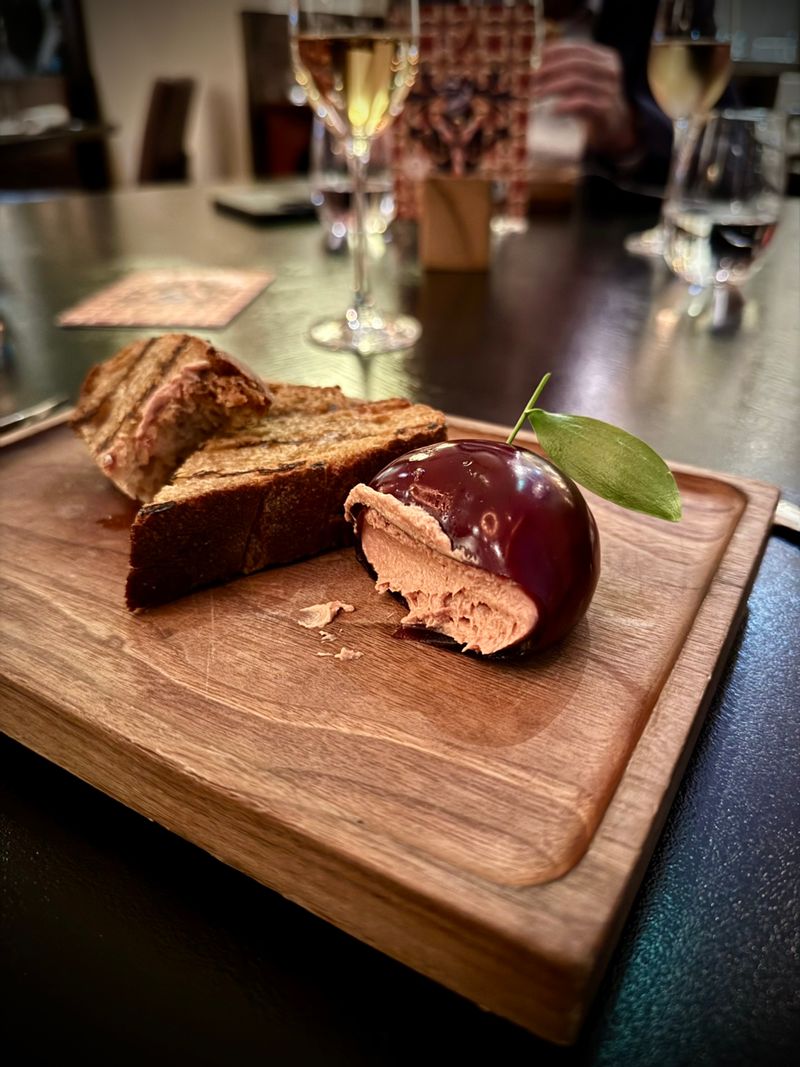
What looks effortless is anything but. Parfait must be sieved until perfectly smooth, then set, skewered and dipped so the gel forms a flawless skin.
Temperatures are logged, timings noted, and each sphere is inspected like jewellery.
Toast is not an afterthought either. Slices arrive warm, crisp at the edge and soft within, ready to cradle the parfait.
Even the board is polished to frame the colour.
This labour shows up in texture control. You spread a neat layer and it lands clean without greasiness.
The mouthfeel is silky, the finish gentle, and the last bite is as balanced as the first. Precision is the quiet soundtrack to your enjoyment.
Balancing Tradition With Contemporary Culinary Techniques
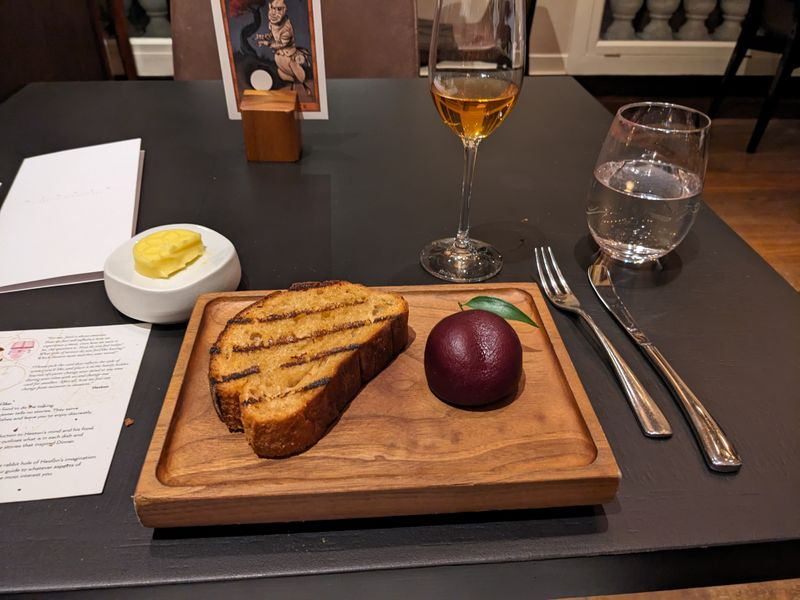
Spice routes meet induction hobs right here on Knightsbridge. The flavours nod to the past, while the textures are made possible by present day kit and careful control.
You taste clarity without losing the comforting echo of old kitchens.
Acidity from citrus gel frames richness like a neat border on a map. Gentle warmth from spice sits underneath rather than shouting.
The result is familiar yet polished enough for a special occasion.
That balance keeps the dish from feeling like a museum piece. It is living tradition, adjusted for today’s palates and today’s tools.
You leave with the story intact and the finish clean, which is exactly the point.
Why The Dish Became Central To The Restaurant’s Identity
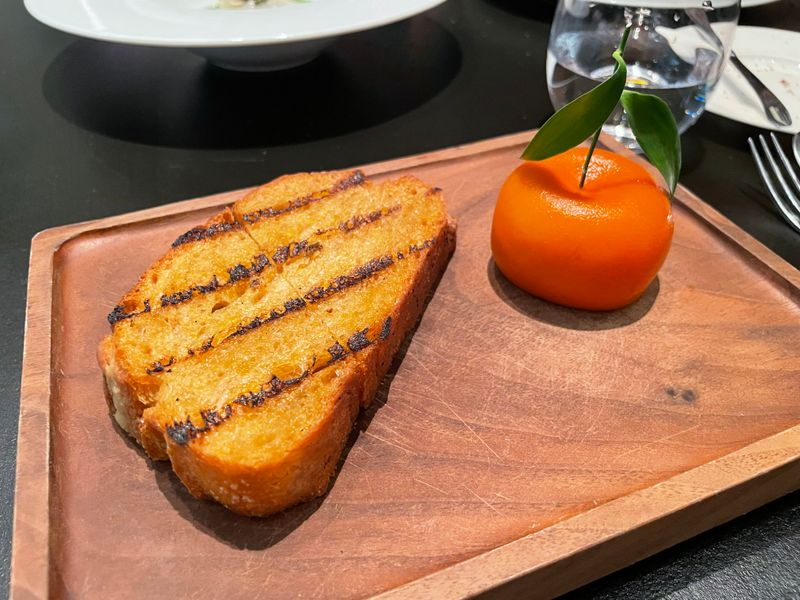
Some plates introduce a restaurant in one glance. This one does it with a wink and a handshake, promising history, humour and exactness in a single serve.
It is the conversation starter and the benchmark.
Regulars bring friends just to watch the reveal again. Newcomers order it because everyone talks about it, then understand why the noise never fades.
It sets expectations for technique and tone across the menu.
Placed in an opulent hotel that feels welcoming rather than stiff, the dish reads as a mission statement. British roots, modern precision, and a playful edge that never tips into gimmick.
That mix became the house style.
The Story Of Turning A 14th Century Idea Into A Modern Classic
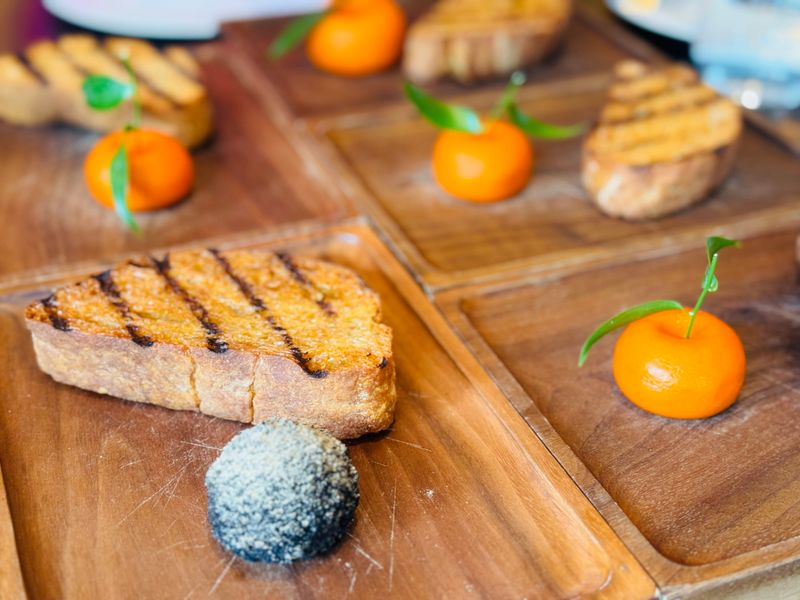
Picture a medieval feast with playful disguises and grand tables. Now compress that energy into something neat you can spread with a knife.
The through line is curiosity, not cosplay.
Historical notes offered at the table sketch the leap from manuscript to menu. Techniques change, but the instinct to surprise stays constant.
You get the pleasure without the pomp.
Set in Mandarin Oriental Hyde Park, the story gains a London backdrop of carriages turned black cabs and parkland beyond the glass. The past is not distant here.
It is edited, clarified and served warm with toast.



