













Marking a milestone once meant booking a table and choosing the most indulgent item on the menu. Now, more Britons are opting for tasting menus that unfold course by course, turning dinner into a curated experience rather than a single dish.
Smaller plates, thoughtful sequencing, and carefully matched drinks create a sense of occasion that feels deliberate and considered. The appeal goes beyond novelty.
Tasting menus allow chefs to showcase creativity, seasonal ingredients, and technical skill in ways a standard menu cannot – and diners often enjoy the structure of simply sitting back and trusting the kitchen. As special occasions shift towards experiences over excess, this style of dining has quietly become the preferred way to celebrate.
All information is provided for general interest only. Availability, menus, and pricing may vary. Photos are for illustrative purposes only.
The Shift From Big Portions To Small Plates
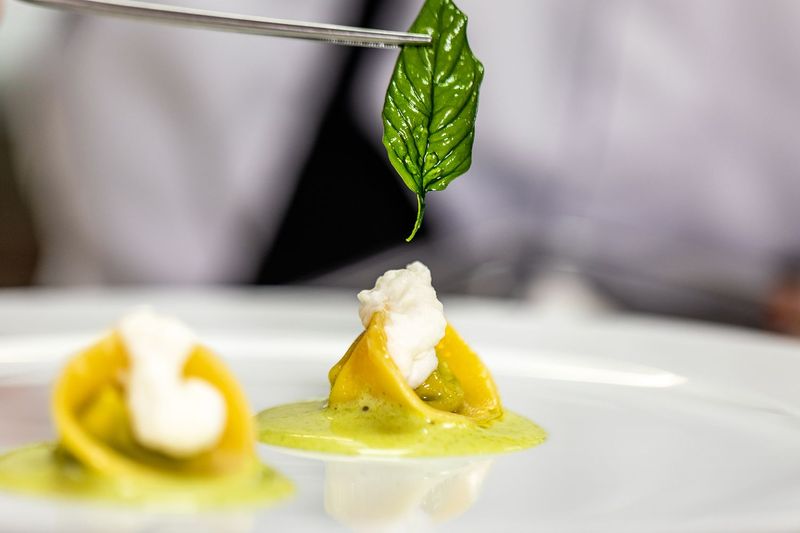
Remember when a good meal meant leaving the restaurant so stuffed you needed a nap? Those days are fading fast.
Tasting menus flip that script entirely, offering smaller, more refined portions that let you sample a wider variety without feeling like you've swallowed a brick.
Each course arrives as a carefully measured creation, designed to satisfy without overwhelming. You get to experience more flavors, textures, and techniques in one sitting than you ever would with a traditional three-course meal.
This approach also means chefs can showcase premium ingredients that might be too pricey to serve in larger quantities, giving diners access to luxury bites they'd rarely encounter otherwise.
Celebrating Experiences Over Excess
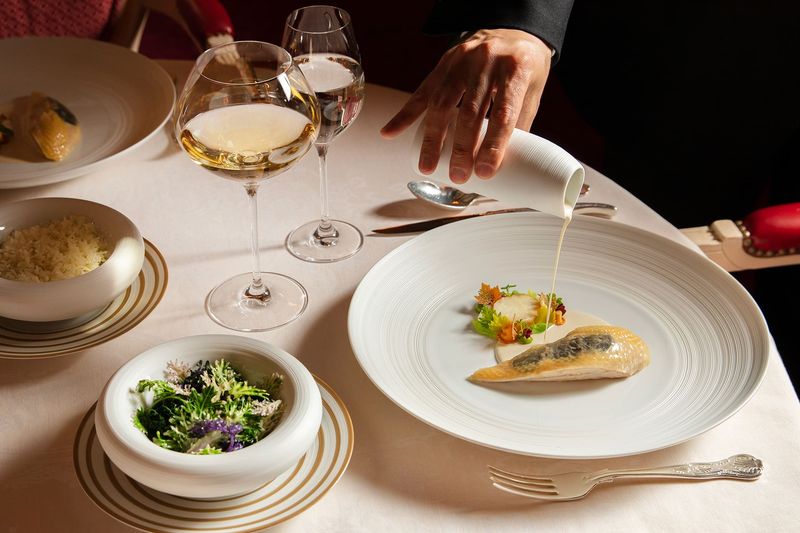
Modern celebrations have shifted from quantity to quality. Rather than booking a table and ordering whatever sounds good, people now want their special occasions to feel genuinely unique and worth remembering.
Tasting menus deliver exactly that sort of experience. Each course becomes a talking point, a shared moment between dining companions.
You're not just eating; you're participating in something crafted specifically for the occasion.
This format transforms birthdays and anniversaries into proper events rather than just another meal out. The structured progression through multiple courses creates natural pauses for conversation, making the entire evening feel more intentional and celebratory than simply filling up on standard restaurant fare.
Why Storytelling On A Plate Matters
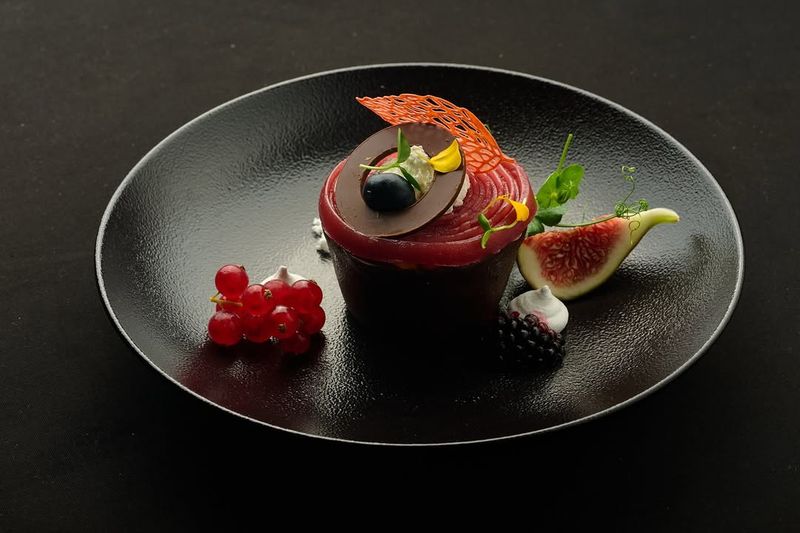
Chefs have become storytellers, and tasting menus are their chosen medium. Each dish can reference a memory, a place, or a technique passed down through generations, turning your meal into a narrative you can actually taste.
Take London's Dinner by Heston Blumenthal, where courses draw inspiration from historical British recipes dating back centuries. Suddenly you're not just eating; you're time-traveling through culinary history with every bite.
This storytelling element adds layers of meaning that standard menus simply can't match. You leave not only satisfied but also enriched, having learned something new about food, culture, or the chef's personal journey through their craft.
The Rise Of Chef Led Dining
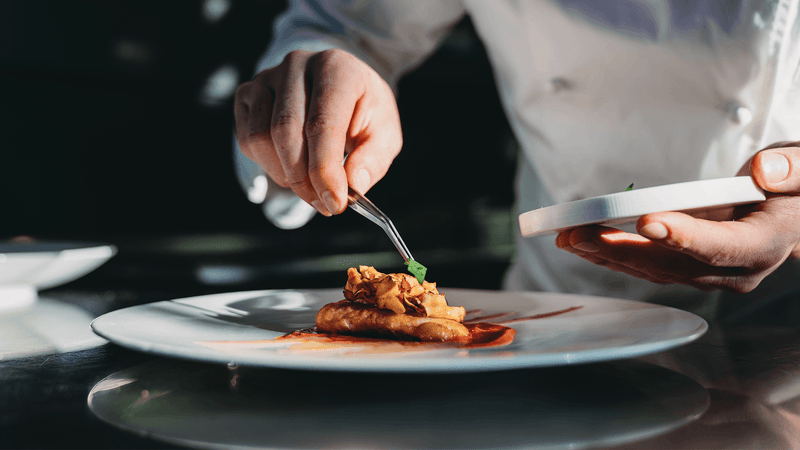
Tasting menus put chefs front and center, letting their personalities and skills shine through in ways traditional menus never could. You're essentially handing over control and saying, "Show me what you've got."
Many restaurants now feature open kitchens or counter seating where you can watch the magic happen. Chefs often explain dishes themselves, creating a direct connection between the person who created your food and you, the person enjoying it.
This chef-led approach feels more personal and authentic. Instead of choosing from a list of safe options, you're trusting someone's expertise and vision, which adds an element of excitement and discovery to the entire meal.
Turning Dinner Into An Event
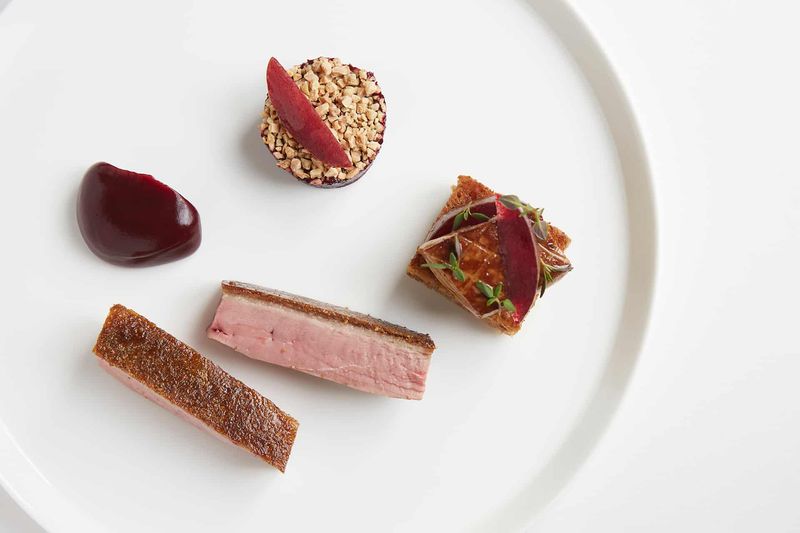
A tasting menu naturally extends your evening, transforming a quick bite into a proper occasion that unfolds over several hours. The pacing between courses creates rhythm and anticipation, making time slow down in the best possible way.
Each new dish arrives like a small gift, keeping you engaged and curious about what's coming next. This theatrical element elevates the entire experience beyond mere sustenance into something genuinely entertaining.
The extended timeline also encourages better conversation and connection with your dining companions. You're not rushing through courses; you're savoring each moment, making memories that stick around long after the last plate's been cleared.
From Anniversary Treat To Everyday Luxury
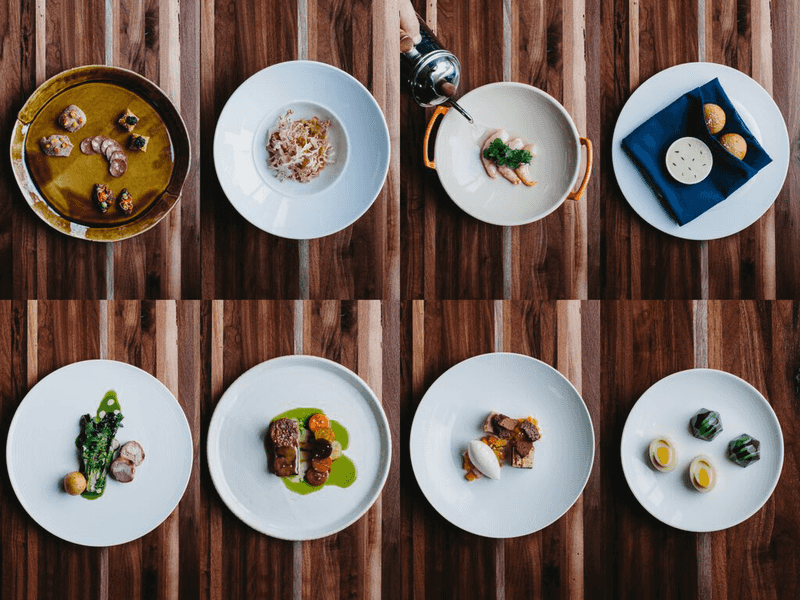
Tasting menus used to be reserved strictly for milestone celebrations, but that's changing. More restaurants are offering abbreviated versions or early-bird options that make this style of dining accessible for regular occasions, not just once-a-year splurges.
Places like Bulrush in Bristol now serve shorter tasting menus at earlier times, attracting younger diners who want quality without committing to a four-hour marathon. Some spots have even introduced five-course breakfast tasting menus for those who fancy starting their day with a bit of luxury.
This democratization means you don't need a special reason anymore to enjoy this format, making fine dining feel less intimidating and more approachable for everyday food lovers.
Social Media And The Theatre Of Food
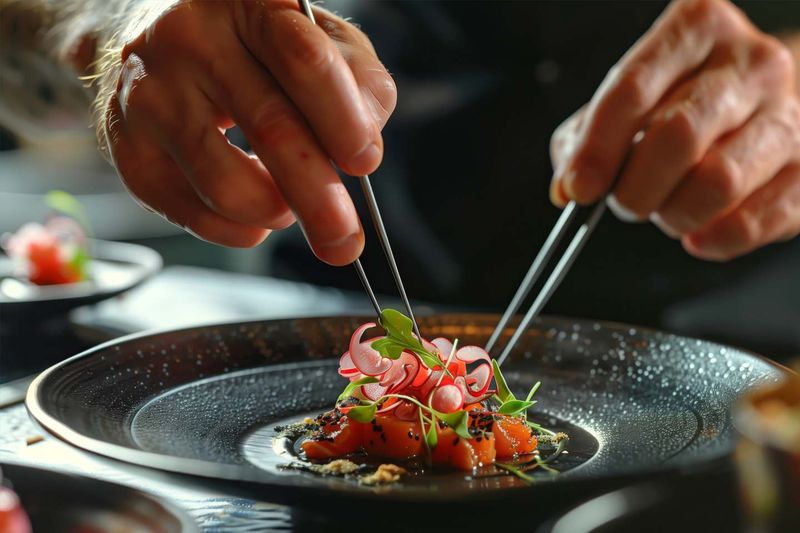
Let's be honest: if it's not on Instagram, did it even happen? Tasting menus are practically designed for social media, with each course arriving as a miniature work of art that begs to be photographed.
Restaurants know this and lean into it, creating visually stunning presentations that photograph beautifully. Edible flowers, smoke effects, unexpected plating techniques—these theatrical touches make diners feel like they're part of something share-worthy.
This Instagram-ability factor has actually helped popularize tasting menus among younger generations who value experiences they can document and share. The visual appeal adds another layer of enjoyment beyond taste alone, making the meal memorable in multiple ways.
Quality Ingredients In Smaller Doses
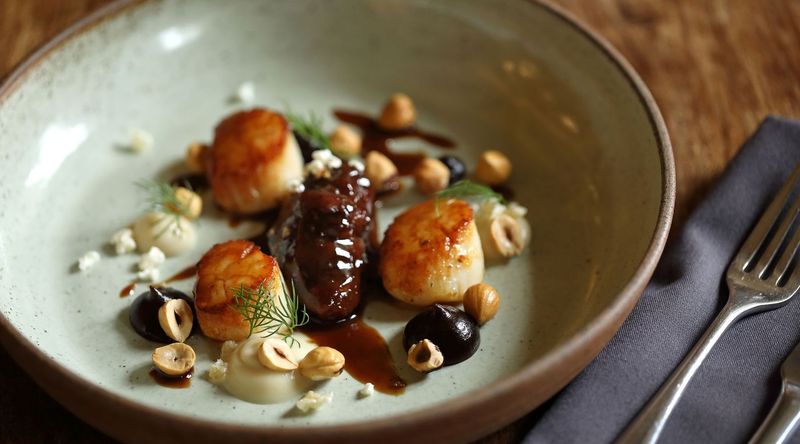
Smaller portions mean chefs can afford to use truly exceptional ingredients that would be prohibitively expensive in larger quantities. That bit of aged beef, those foraged mushrooms, the day-boat catch—suddenly these luxuries become accessible within a tasting menu format.
From a restaurant's perspective, this approach also reduces waste significantly. When you're serving precisely portioned courses, you can better predict ingredient needs and ensure everything gets used while it's at peak freshness.
Diners benefit from tasting ingredients they'd rarely encounter otherwise, experiencing premium quality in every bite. It's a win-win that elevates the overall meal while making economic sense for restaurants navigating rising costs.
Modern Diners Craving Something Different
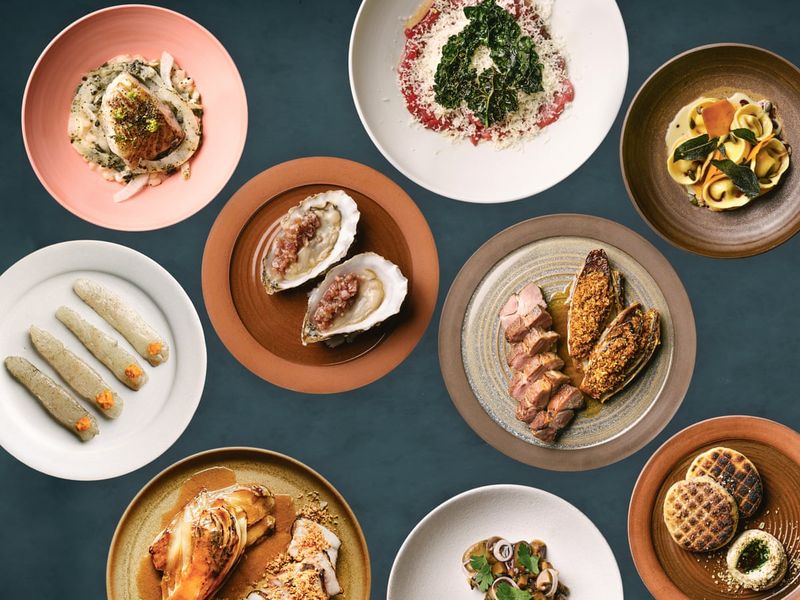
Today's diners are more adventurous and curious than ever before. They've traveled more, watched countless cooking shows, and developed palates that crave novelty and surprise rather than the same old comfort foods.
Tasting menus satisfy this hunger for discovery perfectly. You might encounter flavor combinations you'd never think to try, cooking techniques you've never heard of, or ingredients you can't even pronounce.
That element of surprise keeps things exciting from start to finish.
This format also appeals to diners who struggle with decision-making. Instead of agonizing over the menu, you simply trust the chef's judgment and enjoy the journey, making the entire experience feel more relaxed and exploratory.



