













Tapas style dining focuses on variety rather than a single main dish. Smaller plates allow diners to sample different flavours during one meal, often encouraging a more flexible and social way of eating.
This format has moved well beyond Spain, appearing in restaurants that adapt the concept to local ingredients and tastes. The approach also suits changing dining habits.
Shared plates can make meals feel less structured and allow guests to choose portions that suit their appetite. As restaurants continue to experiment with this format, tapas style dining has become a familiar part of modern food culture.
This article is provided for general information only. Individual experiences and preferences differ. Photos are for illustrative purposes only.
The Appeal Of Sharing Smaller Plates

There's something brilliant about ordering a bunch of dishes and passing them around. Smaller plates mean nobody's stuck with just one choice while everyone else tucks into something amazing.
You get to taste a bit of everything without feeling greedy.
Sharing food naturally breaks down barriers and gets people talking. When you're reaching for the same plate of patatas bravas, you're already connecting in a way that staring at separate dinners just doesn't achieve.
Plus, if someone doesn't fancy their pick, they can easily swap or try someone else's selection instead.
How Tapas Encourages Variety In One Meal
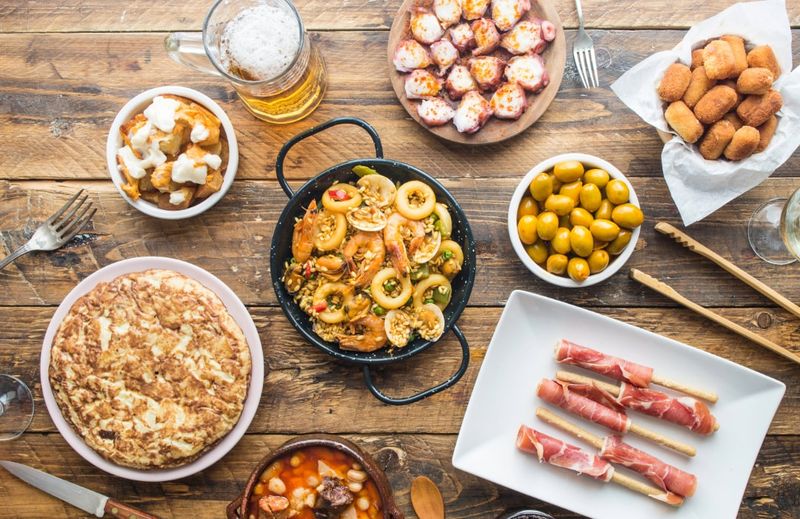
Fancy seafood and a veggie dish and something with chicken? With tapas, you don't have to choose.
The whole point is sampling different flavours, textures, and ingredients in one sitting. It's like a culinary adventure on your own table.
Each little plate brings something new to your palate. One minute you're enjoying crispy calamari, the next you're savouring creamy manchego cheese with membrillo.
That constant change keeps your taste buds engaged and makes the meal feel more exciting.
Boring meals where everything tastes similar become a thing of the past.
Social Dining And Group Experiences
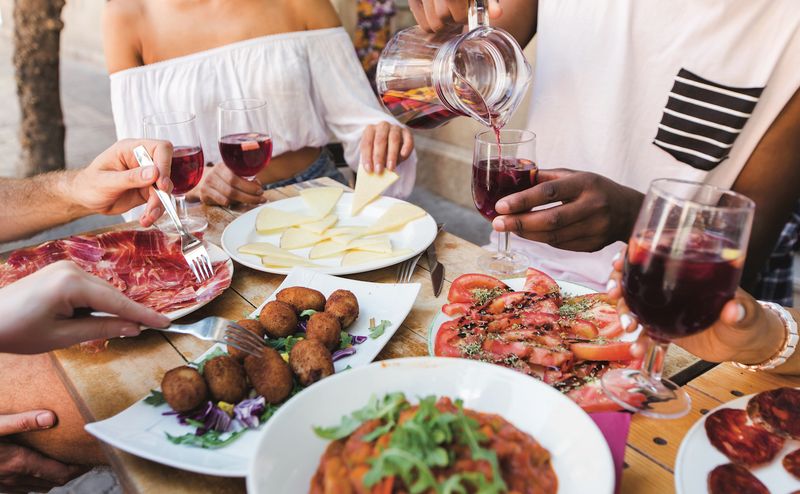
Tapas dining practically forces you to be social, and that's not a bad thing. When plates arrive for the table rather than individual diners, conversation flows more naturally.
Everyone's involved in deciding what to order, what to try next, and what's worth reordering.
It's perfect for groups who want a relaxed vibe without the formality of traditional dining. Nobody feels rushed, and the meal becomes an experience rather than just eating.
The format encourages lingering, chatting, and enjoying each other's company.
Date nights and catch-ups with mates feel more memorable this way.
Flexible Portion Sizes And Pacing
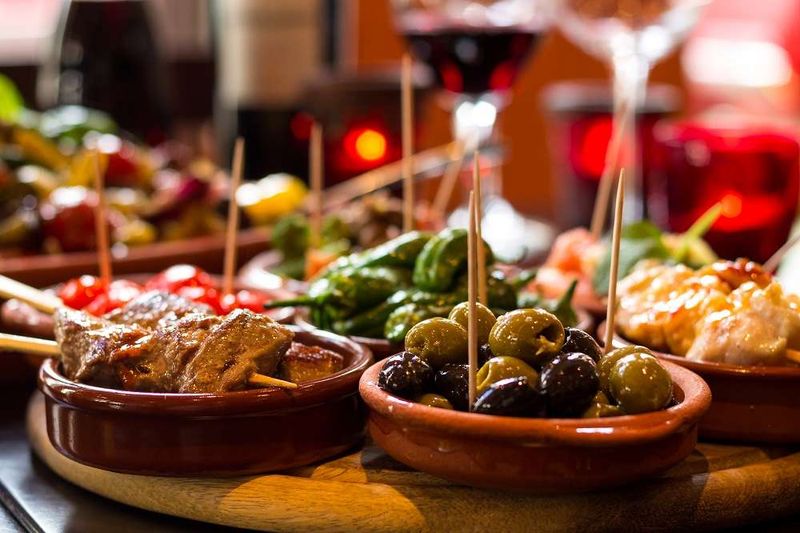
Not absolutely starving but fancy a nibble? Tapas lets you control exactly how much you eat.
Order two plates or ten, it's entirely up to your appetite and budget. There's no pressure to finish a massive main course when you're already full.
The pacing feels more natural too. Dishes arrive as they're ready, so you can graze throughout the evening rather than wolfing everything down at once.
It suits modern eating habits where people prefer lighter, more frequent bites over heavy three-course affairs.
You're never left feeling uncomfortably stuffed or disappointingly hungry.
The Influence Of Spanish Food Culture
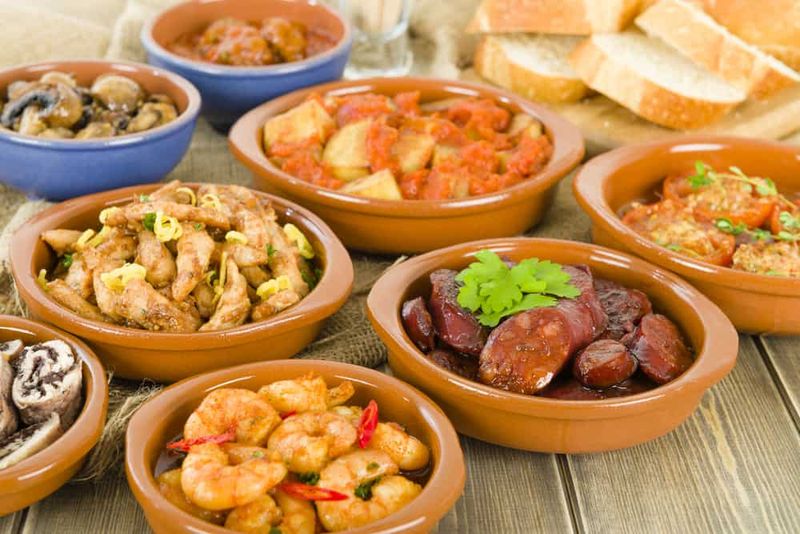
Spain gave us this brilliant way of eating, and the culture behind it matters. Tapas originated as bar snacks meant to accompany conversation and keep energy up throughout long evenings.
That relaxed, unhurried approach to food resonates with people everywhere who are tired of rushed meals.
Spanish dining culture values quality ingredients prepared simply and shared generously. These principles translate beautifully across borders.
When restaurants embrace authentic Spanish techniques and flavours, they're not just serving food but offering a slice of Mediterranean lifestyle.
That cultural connection adds depth to every bite.
How Tapas Fits Modern Eating Habits
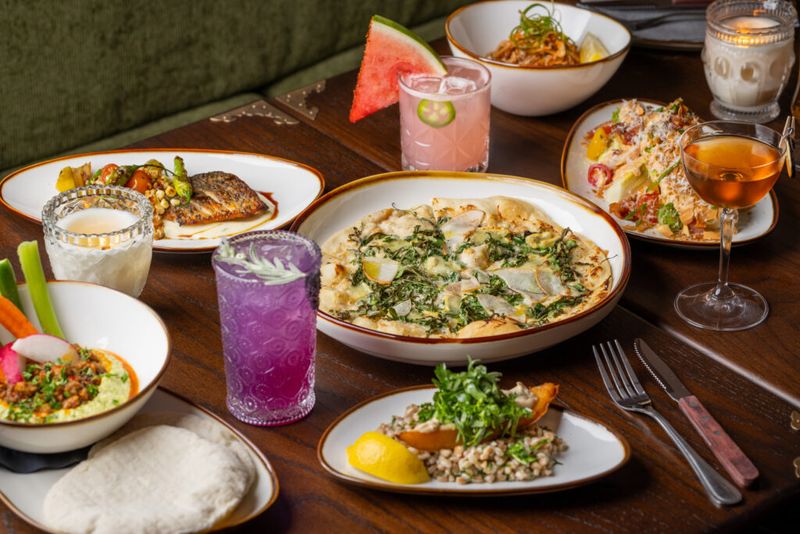
Today's diners want flexibility, and tapas delivers exactly that. People are eating out more but differently, preferring casual grazing over formal sit-down dinners.
The small-plate format matches how we actually want to eat now, not how dining etiquette says we should.
Health-conscious eaters appreciate being able to build their own balanced meal from various options. Vegetarians, pescatarians, and meat-eaters can all find something at the same table without anyone compromising.
It's inclusive dining that doesn't feel restrictive.
Modern life demands adaptable food experiences, and tapas answers that call perfectly.
The Role Of Presentation And Visual Appeal
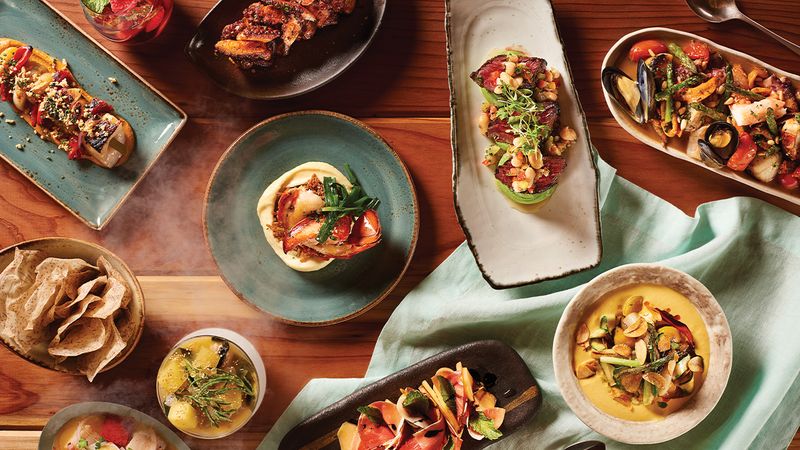
Let's be honest, tapas looks gorgeous. Those colourful little plates practically beg to be photographed, which explains why your social media feed is full of them.
Chefs can get creative with presentation when they're working on smaller canvases, making each dish a mini work of art.
Visual appeal matters more than ever in dining decisions. When food looks this good, it enhances the entire experience before you've even tasted anything.
Bright peppers, golden croquetas, glistening prawns, all arranged beautifully create genuine excitement.
Pretty food isn't shallow, it's part of what makes eating out special.
Why Tapas Supports Casual Dining Settings
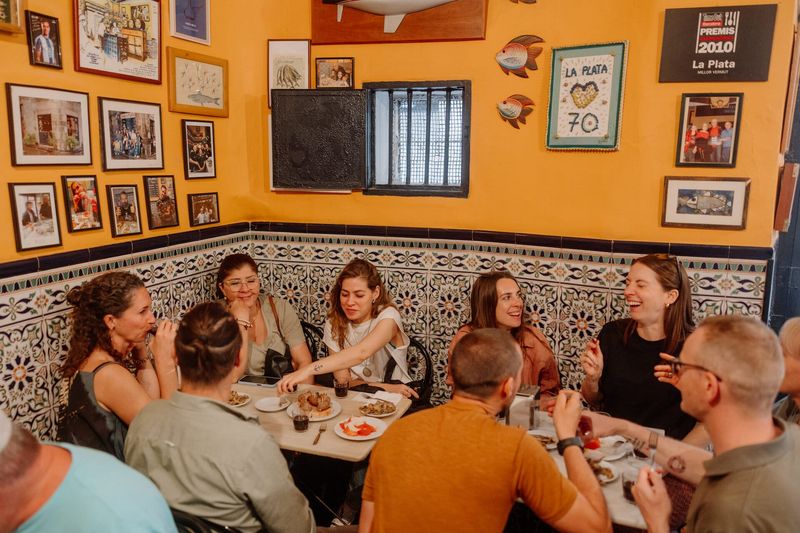
Tapas thrives in laid-back environments where you can actually relax. There's no stuffy dress code, no complicated etiquette about which fork to use.
You can pop in after work still wearing your jeans and nobody bats an eye.
The format itself encourages informality. Sharing plates means reaching across the table, using your hands for certain dishes, and generally being less precious about the whole dining experience.
That approachability makes tapas restaurants feel welcoming rather than intimidating.
Sometimes you just want good food without the fuss, and tapas gets that.
How Tapas Menus Adapt To Seasonal Ingredients

Smart tapas restaurants change their menus with the seasons, and it makes all the difference. Spring brings tender asparagus and peas, summer offers ripe tomatoes and courgettes, autumn delivers earthy mushrooms, and winter brings hearty root vegetables.
Fresh, seasonal ingredients simply taste better.
The small-plate format makes it easy for chefs to experiment with what's available locally right now. They can create specials based on whatever's brilliant at the market that morning without committing to massive quantities.
Diners get to experience ingredients at their absolute peak flavour.
The Growing Presence Of Tapas Restaurants Worldwide
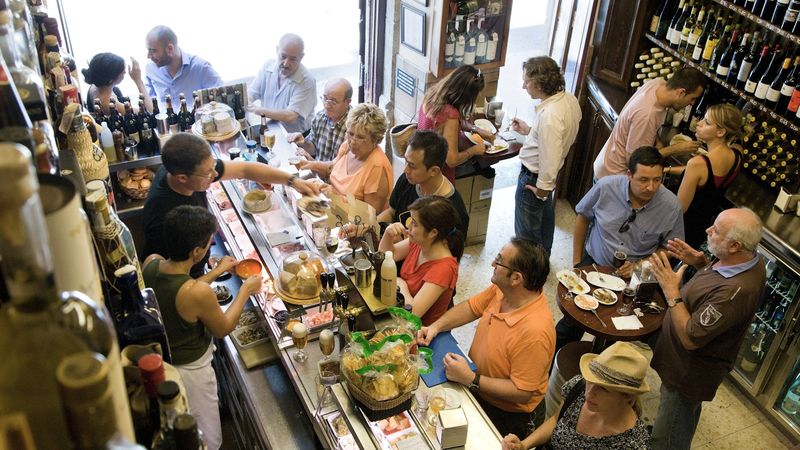
Walk through any major city nowadays and you'll spot tapas bars everywhere. What started in Spain has become genuinely global, with restaurants from Tokyo to Toronto embracing the concept.
That widespread availability means more people can discover and fall in love with this dining style.
Chefs worldwide are adding their own cultural twists too. You might find Japanese-inspired tapas with miso and sesame, or Middle Eastern flavours with za'atar and pomegranate.
This fusion keeps the concept fresh whilst respecting its Spanish roots.
Tapas has become a universal language of good eating.



