













Food tastes differ widely, even among people with similar cultural or social backgrounds. What appeals to one person may be disliked by another, often for reasons that extend beyond basic flavour.
Texture, aroma, familiarity, and early experiences all influence how foods are perceived. Some dishes bring these factors together in ways that consistently generate mixed opinions.
Understanding why certain foods divide opinion offers insight into personal preferences and the cultural context behind everyday eating habits.
All information is provided for general interest only. Taste, appearance, and availability may vary. Photos are for illustrative purposes only.
Strong Flavours Create Polarised Reactions
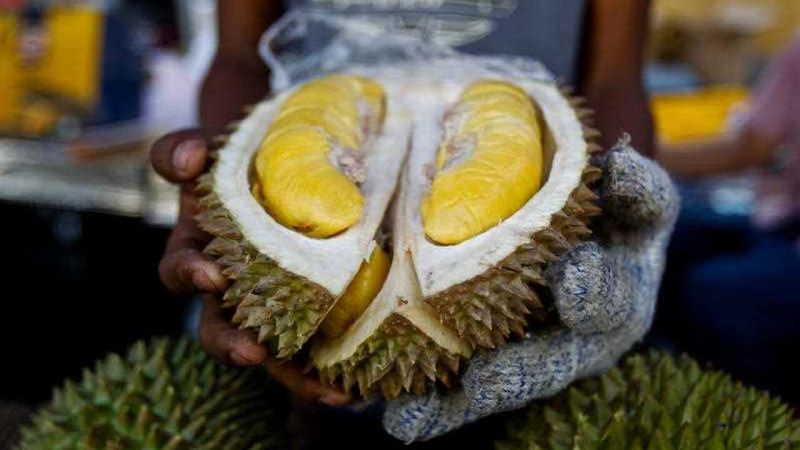
Your tongue doesn't mess about when it comes to intense tastes. Bold flavours like blue cheese, durian, or black licorice hit your taste buds with all the subtlety of a freight train, triggering immediate love-it-or-hate-it responses.
These powerhouse foods contain compounds that activate taste receptors in extreme ways. Blue cheese's pungent mould creates sharp, tangy notes that some find delicious whilst others find absolutely revolting.
Durian's notorious smell – often compared to rotten eggs – masks a creamy, sweet flesh that devotees defend passionately.
There's no middle ground with these flavours. Your brain registers them as either brilliant or borderline offensive, which explains why mentioning anchovies on pizza can start proper debates at parties.
Texture Plays A Bigger Role Than Taste
Fancy a slimy mushroom or a mushy banana?
Texture often matters more than flavour when deciding whether food is gorgeous or grim. Your mouth processes texture before taste, sending signals to your brain about whether something feels safe to eat.
Squishy, slimy, or grainy textures can trigger disgust responses even when the flavour itself is mild.
Think about oysters – their slippery, wobbly texture puts people off long before they consider the delicate sea taste. Creamy versus crunchy, smooth versus lumpy – these tactile sensations create powerful emotional reactions.
Foods like okra or tapioca divide opinion primarily because of their unusual mouthfeel, not their actual flavour profile. Your brain's wired to be suspicious of weird textures.
Cultural Familiarity Shapes Preference
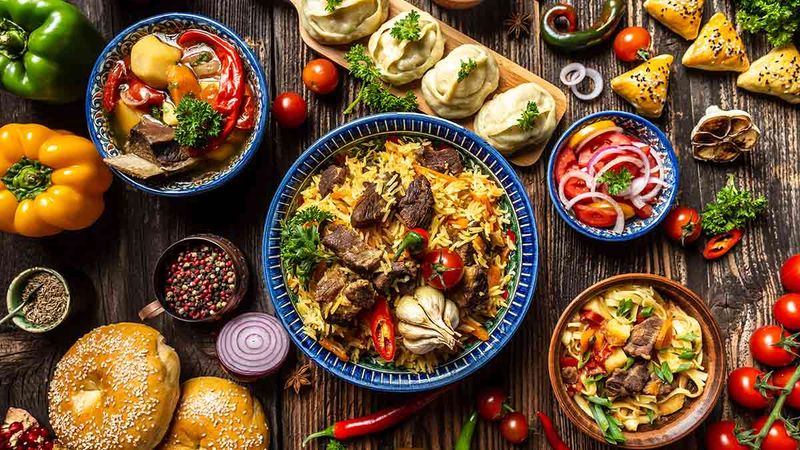
Growing up in Manchester versus Manila means you'll fancy completely different grub. What's considered proper delicious in one culture might seem absolutely bonkers in another.
Cultural context teaches you which foods are normal and which are strange from a young age. Southeast Asians celebrate durian as the king of fruits, whilst Westerners often can't get past the smell.
Similarly, Brits adore Marmite whilst foreigners typically find it bewildering.
Your food culture creates a comfort zone that's hard to escape. When you encounter unfamiliar ingredients or preparations outside that zone, your brain flags them as potentially dodgy.
Familiarity breeds acceptance, whilst novelty breeds suspicion – it's why travel broadens your palate.
Early Food Experiences Influence Opinion
Remember that dodgy school dinner that put you off Brussels sprouts forever? Childhood food memories stick with you like glue, shaping your adult preferences in powerful ways.
Your first encounters with foods create lasting impressions, especially negative ones. If you got sick after eating something or were forced to finish a plate of mushy veg, your brain files that food under 'avoid at all costs'.
Conversely, foods linked to happy memories – Sunday roasts, birthday treats – become lifelong favourites. These early experiences work on both conscious and subconscious levels.
Even foods you don't remember trying as a toddler can influence what you crave now. Your taste preferences aren't just personal – they're biographical.
Expectations Affect How Foods Are Judged

Pop a sweet in your mouth expecting mint but getting liquorice instead – proper jarring, innit? What you anticipate dramatically changes how you experience food, sometimes more than the actual taste.
Your brain builds flavour expectations based on appearance, smell, and context before you even take a bite. When reality doesn't match those expectations, even lovely food can taste rank.
This explains why cilantro tastes soapy to some people – their genetic makeup creates an unexpected flavour profile that clashes with what they anticipate from a herb.
Marketing, presentation, and even the name of a dish set up mental frameworks that influence your judgement. Foods that look weird or have unappetising descriptions face an uphill battle regardless of taste.



