













Some British recipes seem to withstand the test of time, appearing on tables year after year, while others quietly fade into memory. Changes in lifestyle, ingredient availability, and modern taste preferences all play a role in which dishes survive and which disappear.
From beloved festive favourites to regional classics, the recipes we continue to cook reveal much about cultural habits, convenience, and what we value in everyday cooking. Understanding why certain dishes endure offers a fascinating glimpse into the evolution of British cuisine.
All information is provided for general interest only. Recipes, preparation methods, and ingredient availability may vary. Photos are for illustrative purposes only.
Changing Tastes And Generational Shifts
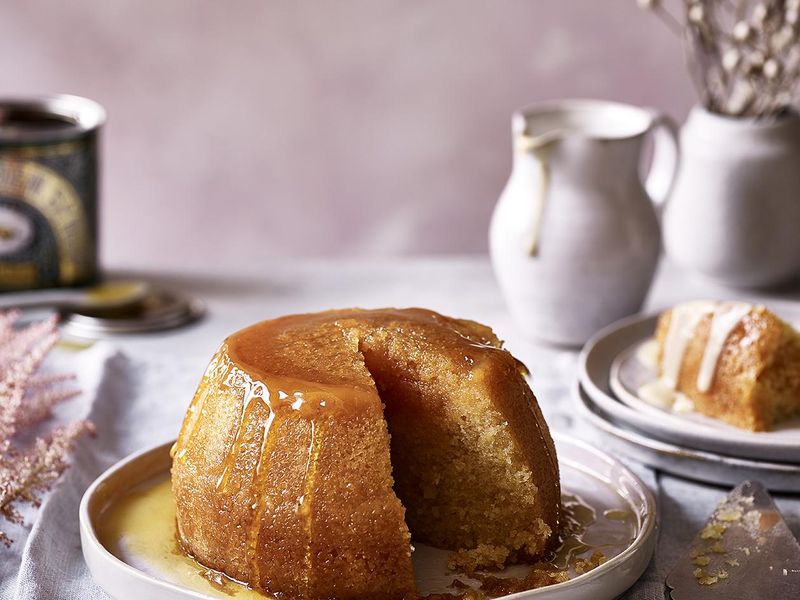
Your grandparents probably thought nothing of tucking into a hefty suet pudding after Sunday roast, but ask a teenager today and they'll likely pull a face. What seemed proper and comforting to one generation can feel heavy and old-fashioned to the next.
Health awareness plays a massive part too. Rich, calorie-laden dishes that were once celebrated now get side-eye from people counting macros or avoiding saturated fats.
Lighter fare wins out when everyone's obsessed with wellness.
Cultural exposure matters as well. With global cuisines just a takeaway app away, traditional British stodge competes with Thai curries and Mexican tacos.
When your taste buds have travelled the world, boiled mutton just doesn't hit the same spot anymore.
The Influence Of Supermarkets And Mass Production
Supermarkets changed everything when they muscled onto every high street. Suddenly, making your own stock or spending hours on pastry seemed daft when you could grab a ready-made version for a quid.
Mass production favours recipes that scale easily and travel well. Delicate dishes that need careful handling or fresh local ingredients get left behind.
If it can't survive factory production and a lorry journey, it's basically doomed.
Convenience became king from the 1970s onwards as more women joined the workforce. Time-poor families needed quick solutions, not three-hour steaming sessions.
Puddings that once anchored Sunday dinner became occasional treats, then museum pieces.
Regional Specialties That Stay True To Tradition
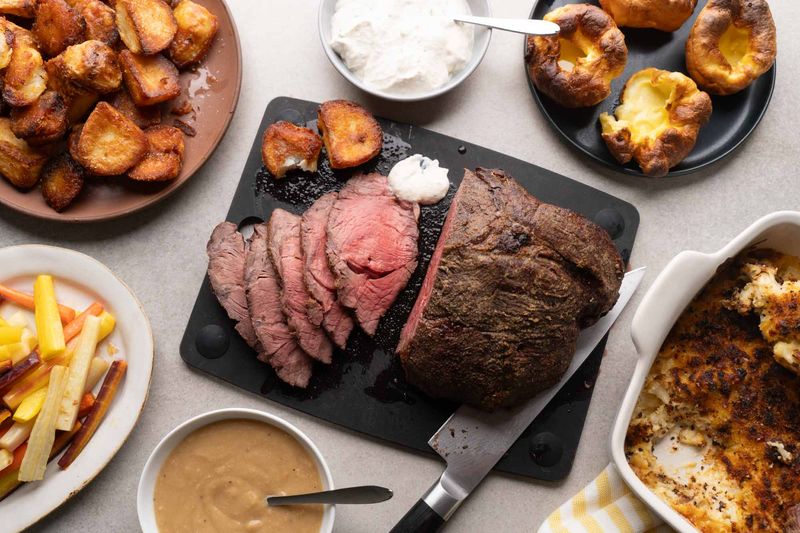
Some dishes survive because they're woven into local identity. Yorkshire pudding isn't going anywhere whilst Yorkshire folk have breath in their bodies.
Regional pride acts like a protective shield around certain recipes.
These specialties often get passed down through families with fierce loyalty. Recipes become heirlooms, techniques get demonstrated rather than written down.
There's proper emotion attached, not just ingredients and method.
Tourism helps too. When visitors flock to Cornwall expecting a proper pasty or head to Scotland for haggis, locals have economic reasons to keep traditions alive.
Regional dishes become ambassadors, and that visibility ensures their survival for another generation at least.
Recipes That Adapt To Modern Lifestyles
Clever recipes survive by bending with the times. Take shepherd's pie, which has gone from hours of prep to a quick weeknight dinner using leftover roast and instant mash.
It kept its soul but lost the faff.
Technology lends a hand as well. Slow cookers brought stews back from the brink by letting busy people chuck everything in before work.
Instant pots do similar magic, making traditional dishes possible without constant supervision.
Portion sizes shifted too. Rather than massive family puddings, recipes now come in individual servings or simplified versions.
The essence remains but the execution fits modern kitchens, schedules, and appetites perfectly.
The Role Of Nostalgia In Keeping Dishes Alive
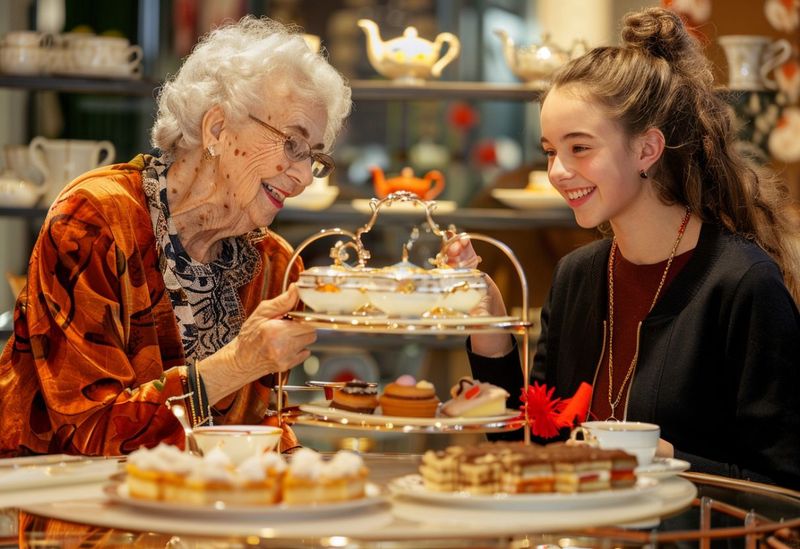
Nothing saves a recipe quite like warm memories attached to it. That Victoria sponge your nan made for every birthday becomes sacred, doesn't it?
Emotional connections trump practicality when it comes to keeping certain dishes in rotation.
Comfort matters enormously during uncertain times. When the world feels wobbly, familiar flavours provide stability.
Bread and butter pudding might not be trendy, but it hugs you from the inside when you need it most.
Social media has given nostalgia new life too. People share childhood favourites online, sparking interest from younger generations who want to taste what all the fuss was about.
One viral post can resurrect a forgotten recipe overnight.



