













At first glance, eating kiwifruit with the skin on sounds a little questionable. The habit has grown quietly, popping up in kitchens, cafés, and casual health conversations.
Texture, convenience, and nutrition are all part of the debate, but reactions still range from curiosity to disbelief. What seems odd at first can sometimes make more sense once the reasoning is explored.
The question is whether this is a lasting habit or simply another passing food moment.
This article discusses general dietary practices and common nutrition claims. It is for informational purposes only and should not replace personalised medical or dietary advice.
1. Where The Trend Started

Eating kiwifruit with the skin on has existed quietly for years without attracting much attention. Some people did it for convenience, others out of curiosity, but it was never widely discussed.
The habit became more visible once social media began amplifying everyday eating choices. Seeing others try it on camera sparked questions and reactions around texture and nutrition.
What was once unnoticed turned into a talking point almost overnight.
2. What The Skin Actually Contains

That fuzzy outer layer holds useful nutrients that are often overlooked. Kiwifruit skin is particularly rich in fibre and contains antioxidants that complement what is found in the flesh.
Small amounts of vitamin E and folate are also present in the peel. While the flesh remains the main source of vitamin C, the skin adds nutritional value rather than replacing it.
Eating the whole fruit simply broadens the range of nutrients consumed.
3. Texture And Taste Reactions

Some people describe the skin as fuzzy but harmless, like eating a peach. Others find it unpleasantly hairy and can't get past that feeling in their mouth.
The taste adds a slight tartness and earthiness compared to the sweet flesh alone. Gold kiwifruit varieties have smoother, less fuzzy skin that bothers fewer people, which explains why some folks only eat certain types with the peel on.
4. Digestive And Fibre Claims

Leaving the skin on increases the fibre content of a kiwifruit compared to eating it peeled. Fibre plays an important role in digestion and can help support regular bowel function.
Some people notice improved digestion when they eat whole kiwifruit consistently. Research suggests kiwifruit may benefit gut health, though responses vary from person to person.
Overall diet and individual tolerance still matter most.
5. Safety And Preparation Concerns
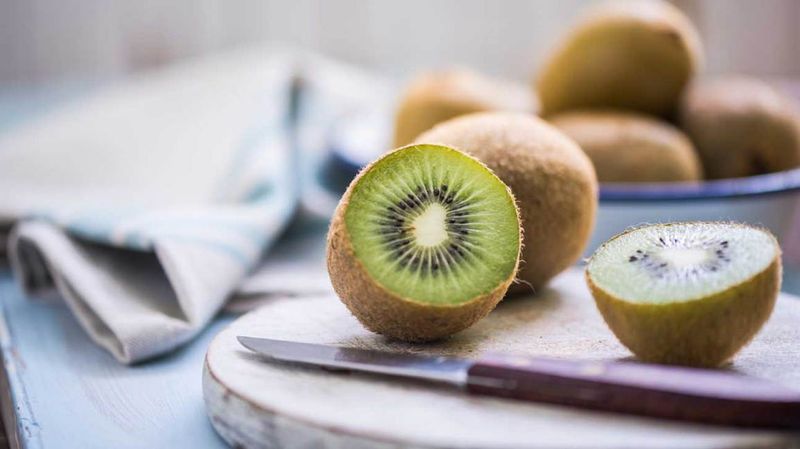
Pesticides and dirt cling to that fuzzy surface, so washing thoroughly matters more than with smooth fruits. A good scrub under running water removes most contaminants.
Organic kiwifruit reduces pesticide worries but still needs washing because of handling during transport. Some people gently rub the fuzz with a clean towel to make it less noticeable whilst keeping the nutritional benefits, finding this middle ground works perfectly for their comfort level.
6. Who Might Want To Avoid It
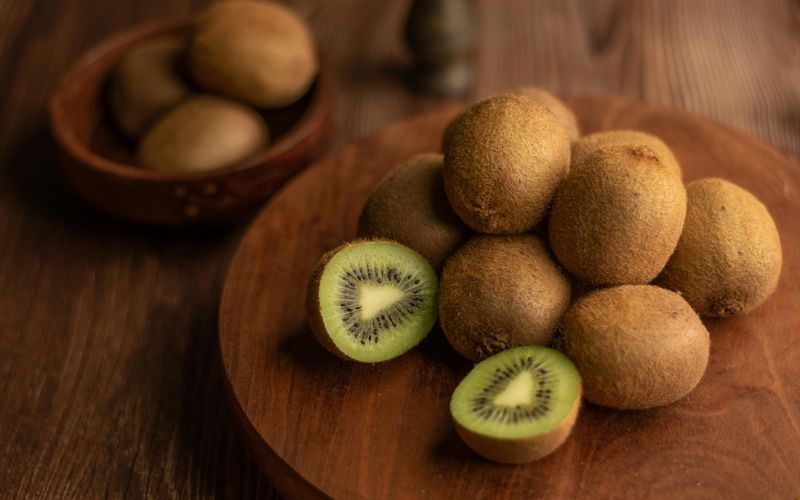
Anyone with oral allergy syndrome might experience tingling or itching from kiwi skin proteins. The fuzzy texture can irritate sensitive mouths or throats more than smooth peels.
People with latex allergies sometimes react to kiwifruit because of similar proteins, and the skin concentrates these compounds. Young children might struggle with the texture or choke on the fuzz, so parents often stick with peeled fruit for little ones regardless of nutritional advantages.
7. Trend Or Long-Term Habit
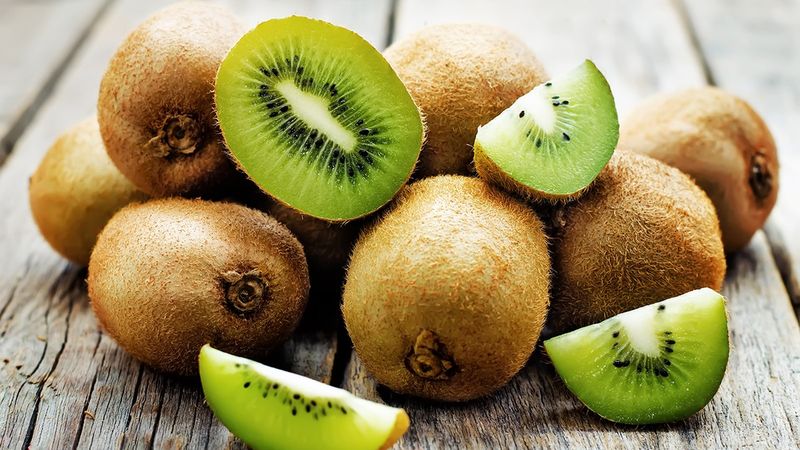
Interest in eating kiwifruit skin has risen alongside broader conversations about whole foods and reducing waste. While curiosity drove early attention, some people have continued the habit for convenience and nutrition.
Health writers often mention the practice as an option rather than a rule. It has settled into a niche choice rather than a passing novelty.
For many, it simply comes down to personal preference.



