










Breakfast choices often come down to habit – reach for the ripest banana, enjoy the sweetness, and move on with the day. Yet nutrition research suggests that a slightly unripe banana may offer different benefits compared with a fully ripe one.
With more resistant starch and a lower impact on blood sugar, firmer bananas can support steadier energy levels and improved fullness through the morning. Small changes like this can quietly influence how you feel after breakfast, especially when routines are repeated daily.
This article is for general informational purposes only and does not replace professional nutritional or medical advice. Individual dietary needs vary, and any concerns should be discussed with a qualified health professional.
Food quality, ripeness, availability, and taste may vary. Photos are for illustrative purposes only.
Why Slightly Unripe Bananas Give Steadier Energy
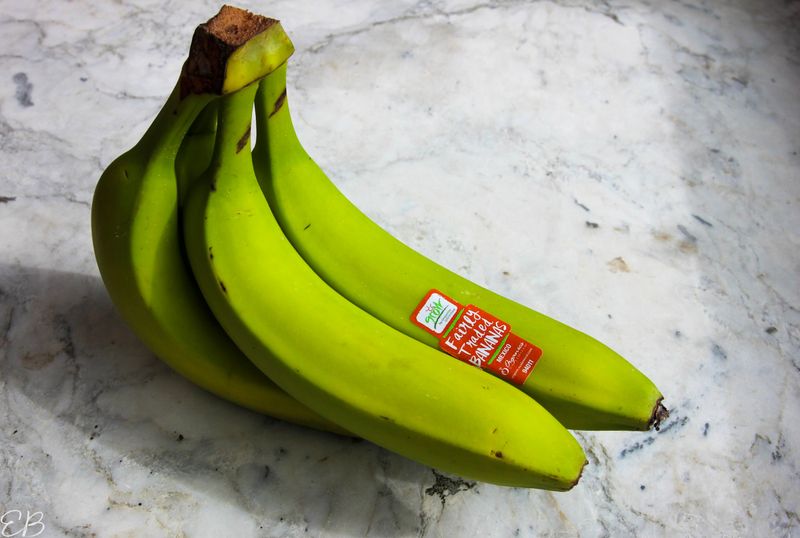
Picture this: you scarf down a super-ripe banana and feel brilliant for about an hour before crashing hard. That's the sugar spike talking.
Firmer bananas pack complex carbohydrates that break down slowly in your system, delivering energy bit by bit rather than all at once. Your body treats them more like wholesome oats than a sugary treat, keeping you powered through morning meetings without that dreaded mid-morning slump.
Athletes and busy folks swear by this steady fuel for good reason.
How Less Sugar Helps Keep Blood Sugar Balanced
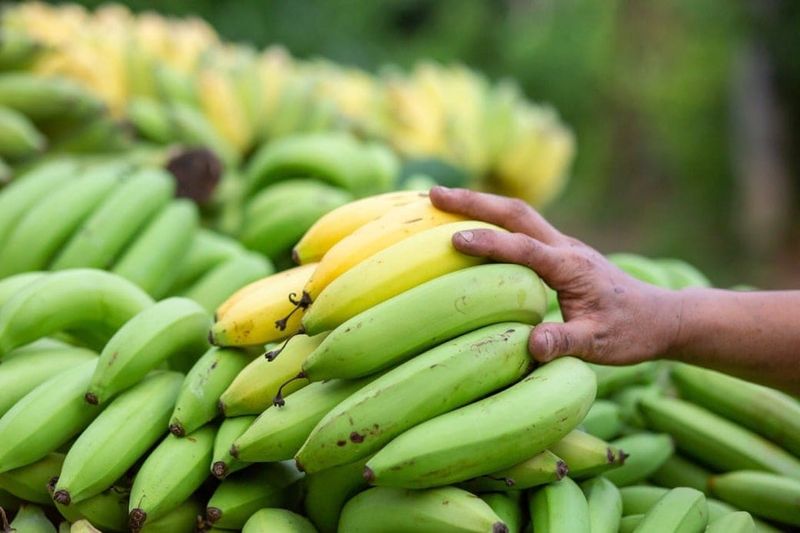
Unripe bananas contain roughly half the sugar of their spotty, fully ripe cousins. That difference matters massively if you're watching your blood sugar or trying to dodge energy crashes.
Because they rank lower on the glycemic index, they won't send your glucose levels on a rollercoaster ride. Your pancreas gets to relax a bit instead of frantically pumping out insulin.
Anyone managing diabetes or simply wanting to avoid that shaky, irritable feeling an hour after eating will appreciate this gentler approach to breakfast carbs.
What Happens To A Banana As It Ripens
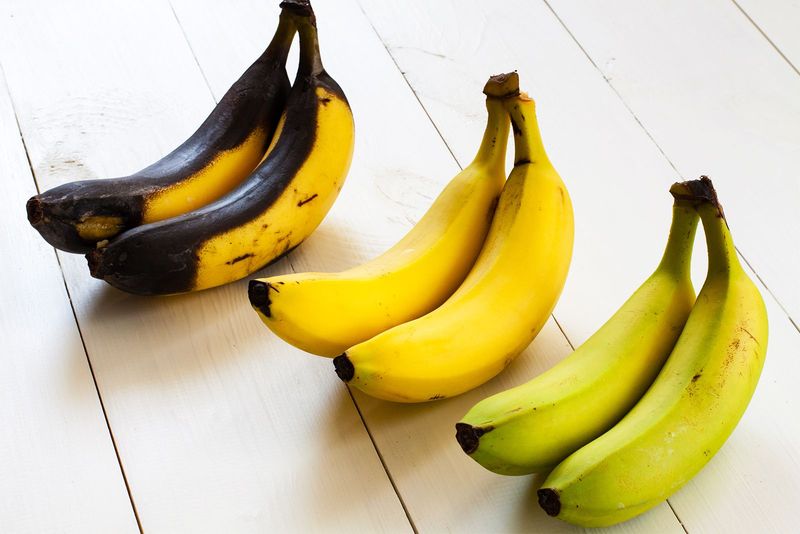
Bananas are basically little starch factories that transform over time. When green, they're loaded with resistant starch, which your body processes more like fibre than sugar.
As those brown spots appear, enzymes get busy converting that starch into simple sugars, making the fruit sweeter and softer. It's nature's way of signalling ripeness to animals in the wild.
By the time a banana's completely spotty, nearly all that beneficial resistant starch has vanished, replaced by easily digestible sugars that hit your bloodstream fast.
Why Unripe Bananas Help You Feel Full Longer
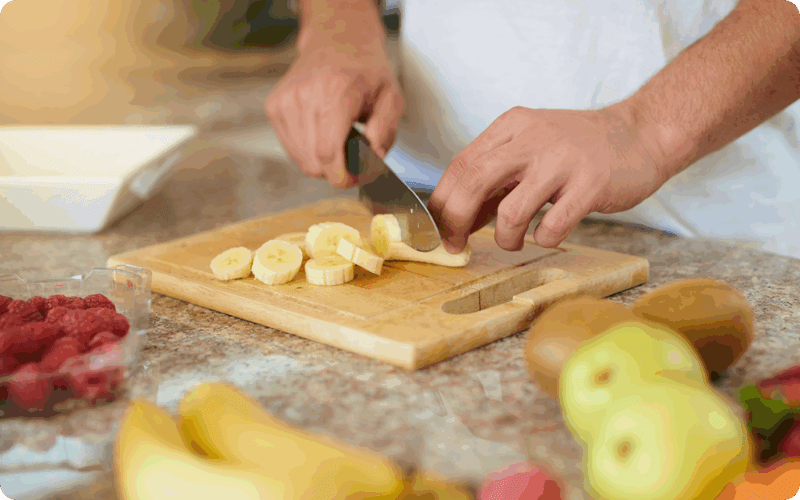
Ever notice how a perfectly ripe banana leaves you rummaging through the cupboards an hour later? Firmer bananas work differently in your belly.
That resistant starch takes ages to digest, sitting in your stomach longer and triggering fullness hormones that tell your brain you're genuinely satisfied. It's like having a tiny appetite-control assistant working from the inside.
People trying to manage their weight often find this satiety boost invaluable, especially when battling mid-morning snack cravings that sabotage healthy eating plans.
How Digestion Differs Between Green And Ripe Bananas
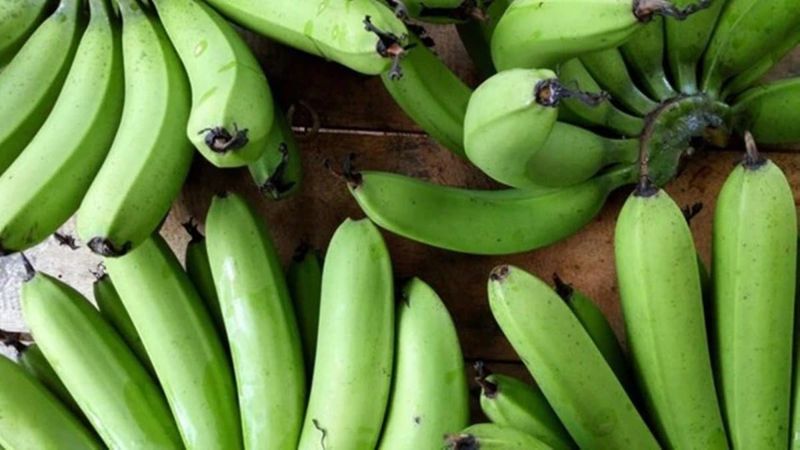
Your gut treats these two banana types like completely different foods. Ripe bananas zip through your small intestine, getting absorbed quickly and easily.
Greener ones, however, resist digestion in the small intestine and travel onwards to your colon, where friendly bacteria feast on that resistant starch. This fermentation process creates short-chain fatty acids that nourish your colon cells and support overall gut health.
It's basically a prebiotic party happening in your digestive system, feeding the good bacteria that keep everything running smoothly.
The Fibre Difference Between Ripe And Unripe Fruit
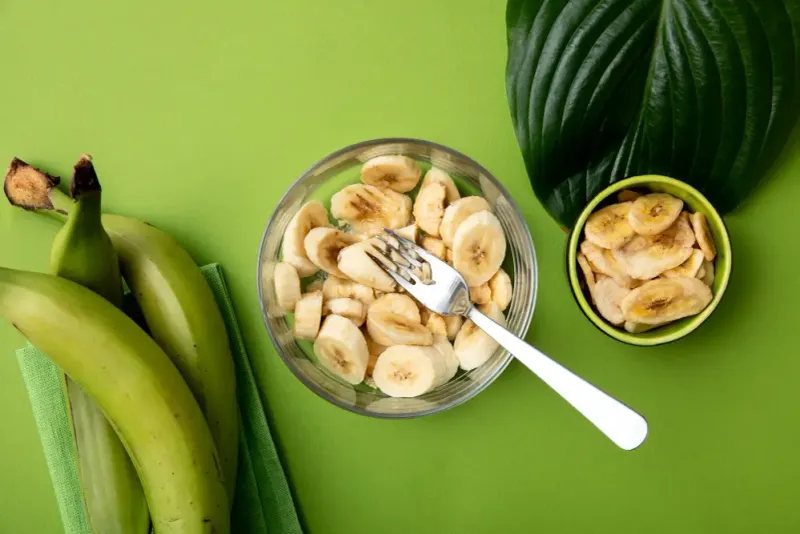
All bananas contain fibre, but the type changes dramatically as they ripen. Firmer bananas boast higher amounts of resistant starch, which behaves like soluble fibre in your system.
This particular kind of fibre slows digestion, helps regulate cholesterol, and keeps your gut microbiome thriving. As bananas soften and sweeten, much of this beneficial resistant starch converts to regular digestible carbs.
If you're aiming to boost your fibre intake for digestive health or heart benefits, reaching for that slightly green banana gives you more bang for your buck.
How Taste And Texture Change Your Breakfast Choices
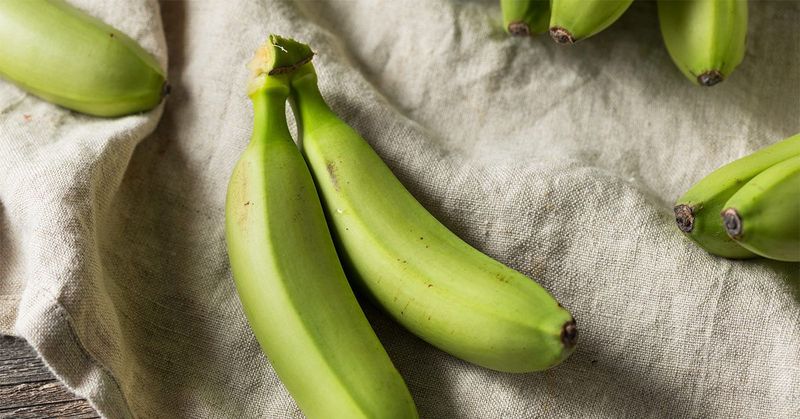
Let's be honest: unripe bananas can taste a bit chalky and leave your mouth feeling slightly dry. That's the tannins and resistant starch at work, and not everyone's cup of tea.
Ripe bananas win the flavour contest hands down with their creamy sweetness and soft texture. But if you're willing to adjust, firmer bananas work brilliantly sliced into porridge or blended into smoothies where other flavours balance that starchiness.
Your taste preferences matter, so finding ways to enjoy less-ripe bananas makes sticking with healthier choices actually sustainable.
When A Ripe Banana Still Makes Sense
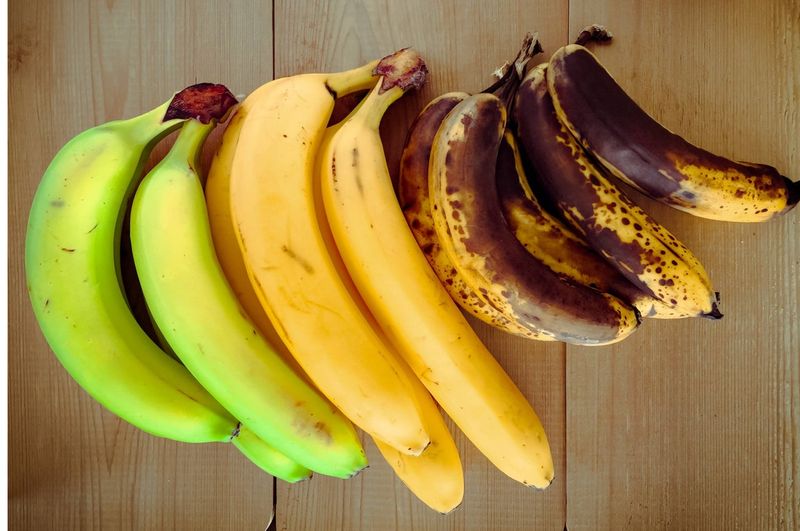
Before you bin all your spotty bananas, know that ripe ones absolutely have their place. If you need quick energy before a workout or after intense exercise, that fast-acting sugar becomes an advantage.
They're also easier on sensitive stomachs and brilliant for baking, where their sweetness means you can use less added sugar. People with digestive issues sometimes tolerate ripe bananas better since they require less effort to break down.
Context matters, so matching banana ripeness to your specific needs makes the most sense nutritionally and practically.
What Nutrition Experts Recommend About Ripeness
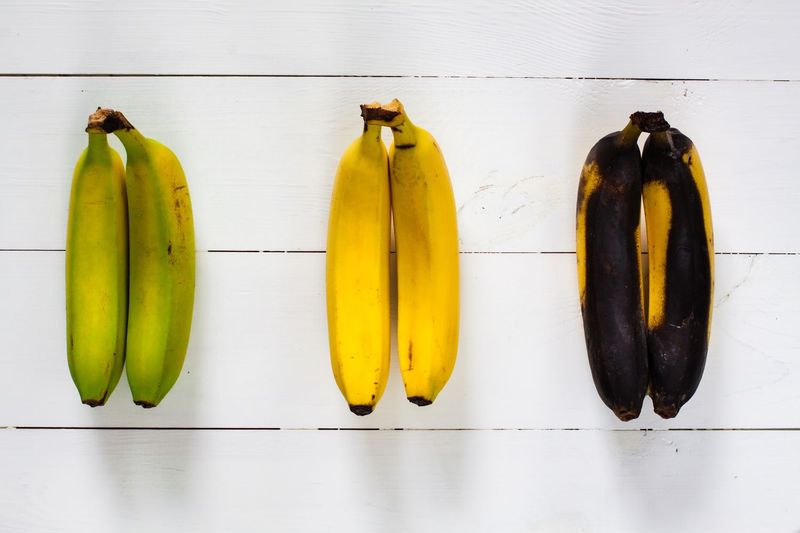
Dietitians and nutritionists generally suggest choosing banana ripeness based on your health goals rather than following rigid rules. Managing blood sugar or trying to lose weight?
Go greener.
Need quick fuel or have trouble digesting resistant starch? Ripe works better.
Some experts even recommend eating a variety of ripeness levels throughout the week to get different nutritional benefits.
The consensus is clear: slightly unripe bananas offer legitimate advantages for most people's breakfast routines, particularly if steady energy and appetite control top your priority list.