













Each year, frying pans come out across Britain and batter begins to sizzle in kitchens everywhere. Pancakes are flipped with surprising seriousness, sometimes competitively, sometimes just for fun, but always with a sense of tradition.
The link between these golden rounds and Shrove Tuesday runs deeper than a simple love of sweet toppings. The custom began as a practical response to the Christian calendar, when households used up rich ingredients before the start of Lent.
Over time, that kitchen habit evolved into a national ritual – part religious observance, part community celebration. The story behind Pancake Day reveals how food, faith, and everyday life became woven together in one surprisingly enduring tradition.
All information is provided for general interest only. Historical interpretations and traditions may vary by region and denomination.
Dates and customs can differ between communities. Photos are for illustrative purposes only.
The Origins Of Shrove Tuesday
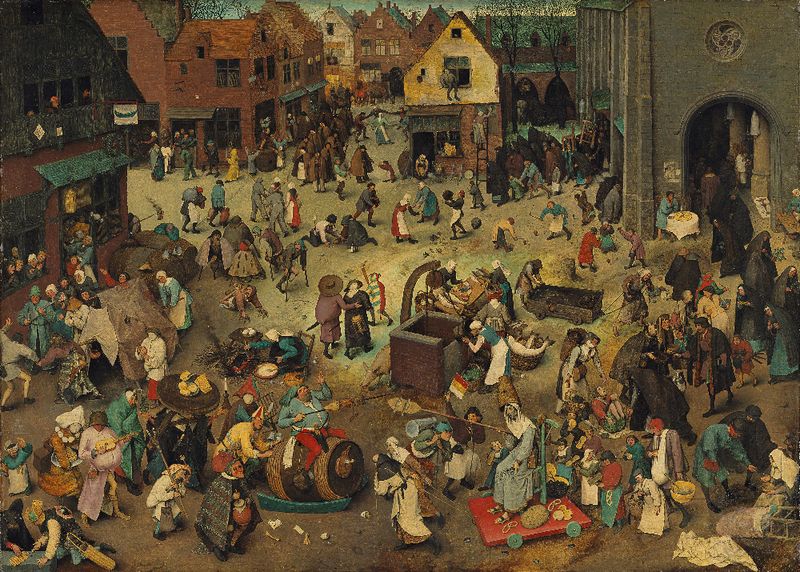
Shrove Tuesday gets its name from the Old English word "shriven," which means to confess your sins and receive forgiveness. Christians traditionally visited their priests on this day to cleanse their souls before Lent began.
The day marked a spiritual reset, a chance to start the fasting period with a clean slate. Churches across England would hear confessions throughout the day, preparing their congregations for the solemn weeks ahead.
This religious observance set the stage for everything else that followed, including the feasting and food traditions we still enjoy today.
The Tradition Of Using Up Rich Ingredients

Households faced a practical dilemma before Lent: what to do with all the rich foods they couldn't eat during fasting? Eggs, butter, milk, and sugar would spoil if left unused for forty days.
Rather than waste precious ingredients, families developed clever ways to use them up. Pancakes emerged as the perfect solution, combining all these forbidden foods into one satisfying meal that everyone could enjoy together.
This wasn't just thriftiness but also respect for resources in an era when food scarcity was a genuine concern for many families.
Lent And The Shift To Simpler Eating
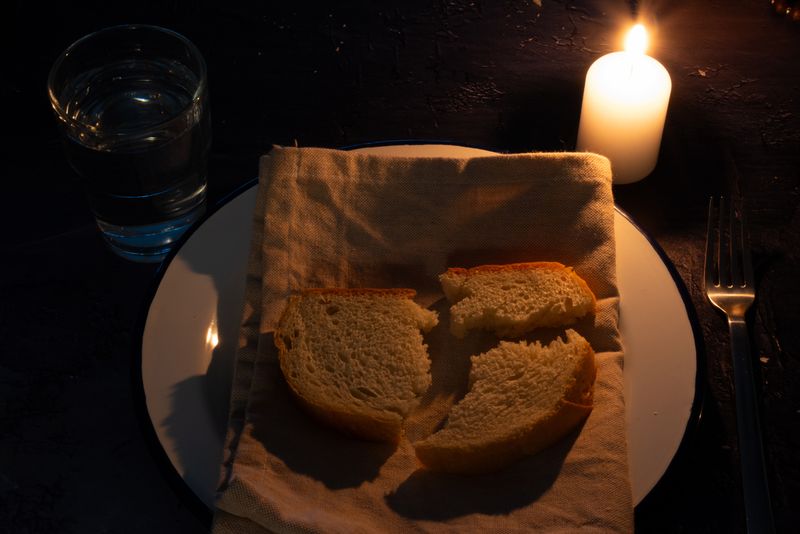
Lent demanded a dramatic shift in eating habits. For forty days, Christians abstained from meat, eggs, dairy, and other luxuries, focusing instead on simple grains, vegetables, and fish.
The fasting wasn't meant to be punishment but rather a spiritual discipline, helping believers focus on prayer and reflection. By giving up indulgent foods, they could better understand sacrifice and prepare their hearts for Easter.
Knowing what lay ahead made Shrove Tuesday even more special, a final celebration before weeks of restraint and simpler meals.
How Pancakes Became A Practical Choice

Pancakes weren't chosen randomly but made perfect sense for busy households. The batter came together quickly using basic ingredients that needed using up, and cooking them required minimal fuss or fancy equipment.
A simple griddle over the fire was all you needed. Unlike elaborate pastries or roasted meats, pancakes could feed a large family efficiently, stretching ingredients further than most other dishes.
Their versatility meant they worked for breakfast, lunch, or supper, making them the ultimate practical choice for a day of feasting and preparation.
The Role Of Eggs, Milk And Butter
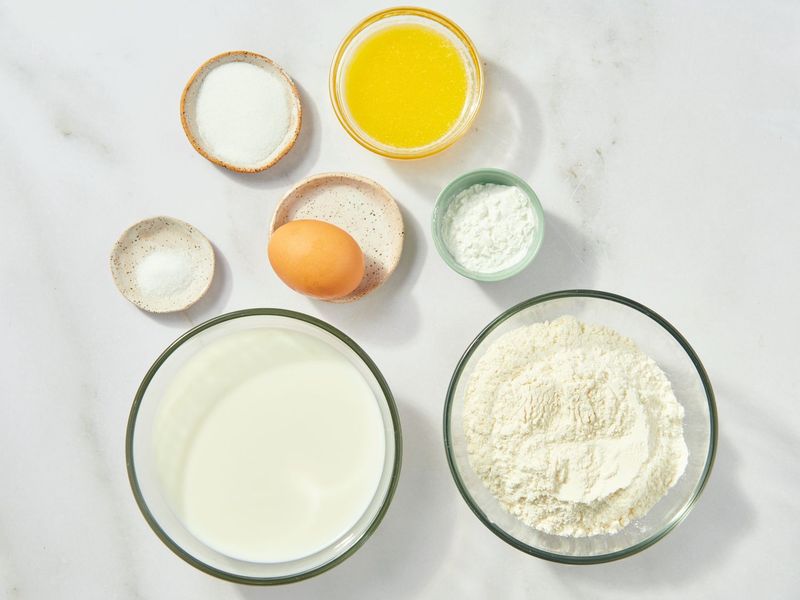
These three ingredients formed the holy trinity of forbidden Lenten foods. Eggs symbolized new life and fertility, milk represented nourishment, and butter was considered a luxury that made everything taste better.
During Lent, all three were strictly off-limits, making them especially precious on Shrove Tuesday. Combining them in pancake batter felt almost celebratory, a way to honour these gifts before saying goodbye for weeks.
The richness they added to pancakes created a satisfying contrast to the plain porridge and vegetables that would dominate mealtimes throughout Lent.
Medieval Kitchen Customs
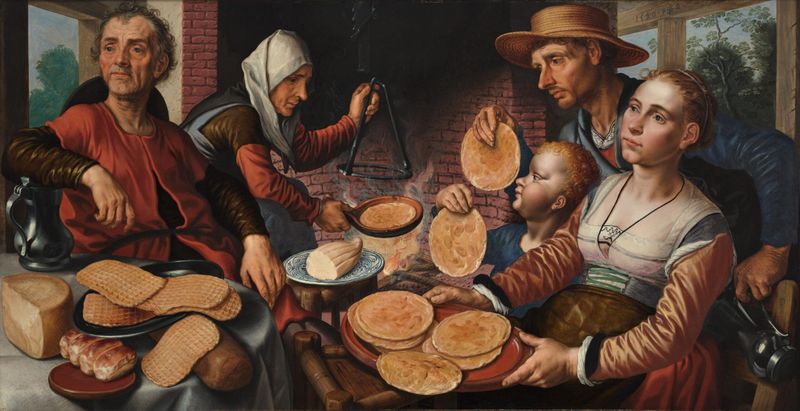
Medieval kitchens operated differently from ours today. Households planned meals around religious calendars, and wasting food was considered sinful when so many went hungry.
Cooks developed seasonal rhythms, knowing exactly when to preserve, when to feast, and when to fast. Shrove Tuesday became a natural checkpoint, a day when kitchens buzzed with activity as families prepared their final indulgent meal.
The communal aspect mattered too, with neighbours often sharing ingredients or cooking together, turning necessity into a social occasion that strengthened community bonds.
Church Influence On Food Traditions
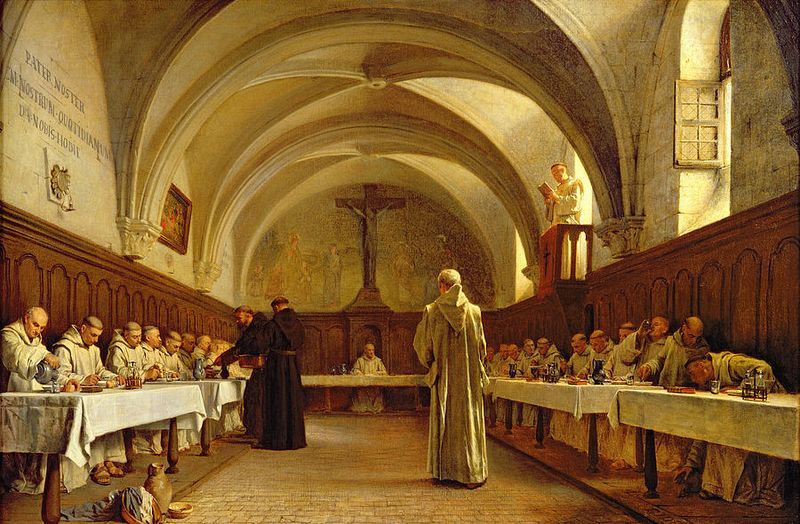
The Church wielded enormous influence over daily life, including what people ate and when. Religious authorities established fasting rules and feast days, creating a calendar that shaped eating patterns throughout the year.
Priests reminded congregations about upcoming fasts and encouraged the proper observance of traditions. Their guidance helped standardize practices like Shrove Tuesday feasting, ensuring communities followed similar customs.
This ecclesiastical involvement transformed simple meal planning into acts of faith, giving deeper meaning to what might otherwise have been purely practical decisions about food.
From Religious Observance To Family Ritual
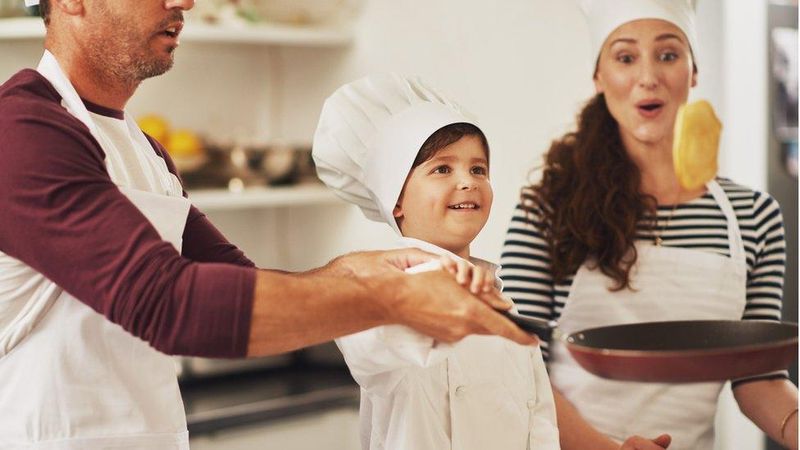
Over centuries, Shrove Tuesday evolved from strict religious observance into a cherished family tradition. Whilst the spiritual roots remain, many now celebrate simply because it's fun and brings people together.
Pancake races, school events, and family cooking sessions have replaced solemn church visits for many. The focus shifted from using up forbidden foods to creating joyful memories and passing traditions to the next generation.
This evolution shows how customs adapt whilst maintaining their essence, proving that meaningful traditions can survive even as society changes dramatically around them.
Why The Pancake Tradition Endures Today
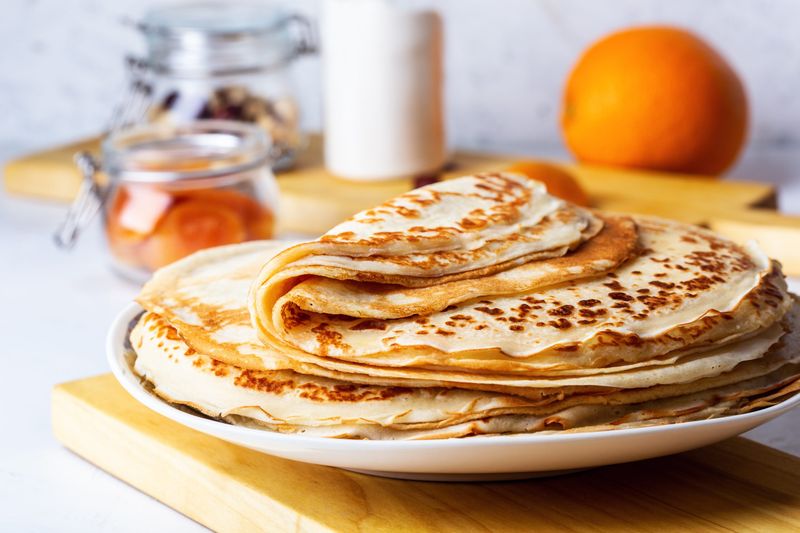
Pancakes have outlasted countless other food traditions because they're delicious, simple, and adaptable. You can top them with anything from classic lemon and sugar to modern spreads and fruits.
The tradition endures because it asks little but gives much: a chance to slow down, cook together, and enjoy comfort food that connects us to centuries of history. Even those who don't observe Lent enthusiastically embrace Pancake Day.
In our fast-paced world, this annual pause to flip pancakes and share a meal reminds us that some traditions are worth keeping simply because they make life sweeter.



