













Omakase dining has become a notable addition to London’s evolving restaurant scene, offering an experience centred around chef-led tasting menus. The Japanese concept, which translates loosely to leaving the choice to the chef, focuses on seasonality, craftsmanship, and carefully paced courses prepared directly in front of diners.
Many London restaurants are adopting this approach to showcase high-quality ingredients and skilled preparation techniques in a more interactive dining setting. The growing interest in omakase reflects a wider appreciation for personalised and immersive food experiences.
Diners are increasingly drawn to smaller counters and tasting menus that highlight creativity and attention to detail. Exploring this trend offers insight into how international dining traditions continue to influence London’s culinary landscape while introducing new ways to experience restaurant dining.
All information is provided for general interest only. Restaurant menus, pricing, availability, and dining formats may change.
Individual dining experiences and ingredient selections may vary. Photos are for illustrative purposes only.
The Meaning Of Omakase And How The Dining Style Works
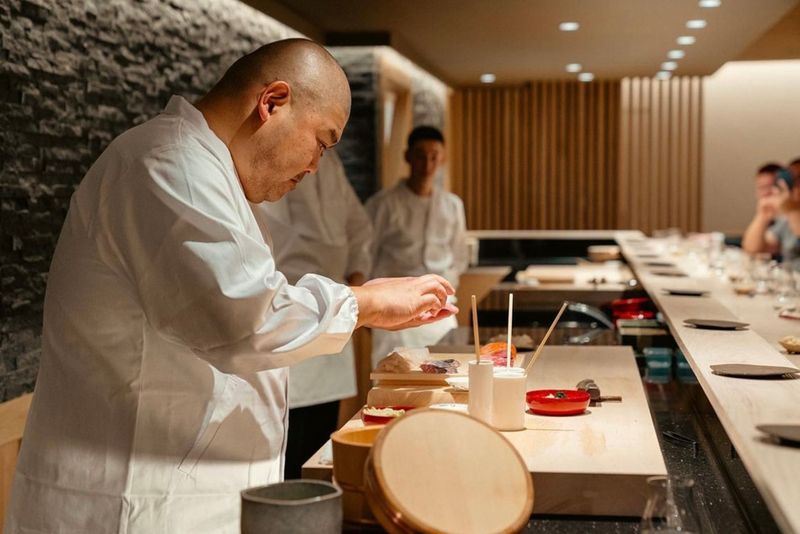
Omakase translates to "I'll leave it up to you" in Japanese, which pretty much sums up the whole vibe. You're basically telling the chef, "Surprise me," and they craft a multi-course meal based on what's freshest that day.
No menu exists because the chef decides everything, from the first bite to the last. Each course arrives one at a time, often directly from the chef's hands to your plate.
It's a proper trust exercise between diner and cook.
Most omakase experiences happen at intimate counters where you watch every slice, every torch, every delicate placement happen right before your eyes.
The Growing Appeal Of Chef Led Tasting Experiences In London
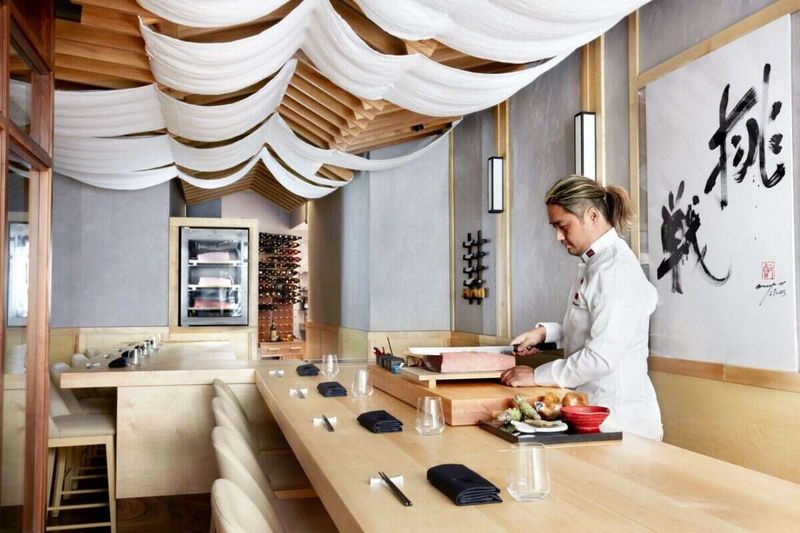
Londoners are absolutely mad for experiences these days, not just meals. Omakase delivers proper entertainment alongside incredible food, making it Instagram gold and conversation starter rolled into one.
There's something brilliant about surrendering control and letting someone else make the decisions for once. After scrolling through endless restaurant menus online, having zero choices feels oddly liberating and refreshing.
Plus, watching a skilled chef work their magic right in front of you beats staring at your phone any day. It's dinner and a show combined.
Seasonality As The Foundation Of Omakase Menus
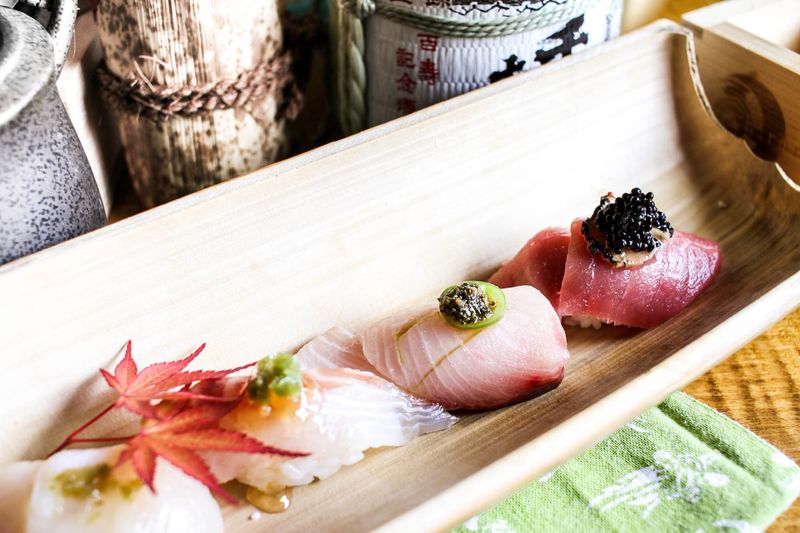
Seasonality isn't just a buzzword in omakase; it's the entire foundation. Chefs build each night's menu around whatever's at its absolute peak that day, whether it's fatty tuna in winter or delicate sea bream in spring.
This approach means you'll never eat the same meal twice, even at the same restaurant. The menu evolves with the calendar, the weather, and what arrives at the fish market that morning.
It's proper respect for ingredients and nature's rhythms, something Japanese food culture takes incredibly seriously and London chefs are now embracing wholeheartedly.
Craftsmanship And Technical Skill At The Heart Of Omakase
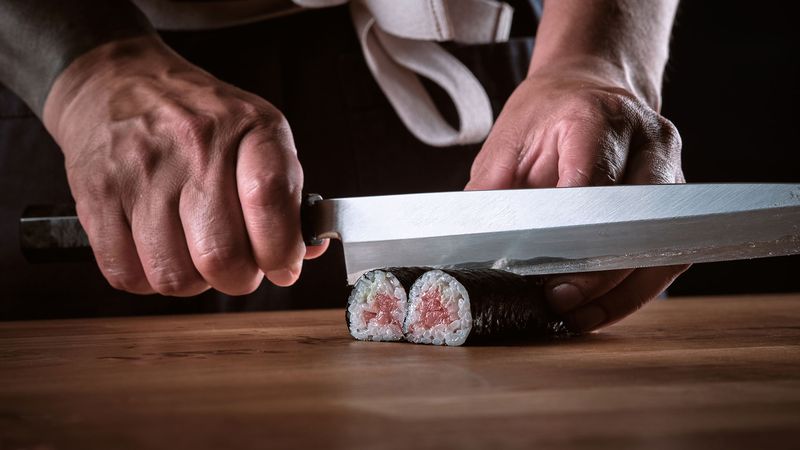
Watching an omakase chef work is like witnessing a master craftsperson in their element. Every knife cut happens with surgical precision, every grain of rice gets positioned with purpose, every garnish serves a function.
These chefs train for years, sometimes decades, perfecting techniques that look simple but require insane skill. The way they judge fish quality, control rice temperature, and balance flavours is genuinely impressive.
You're not just paying for food; you're paying for expertise, years of training, and artistry that transforms raw ingredients into edible poetry right before your eyes.
The Intimate Dining Counter As A Key Part Of The Experience
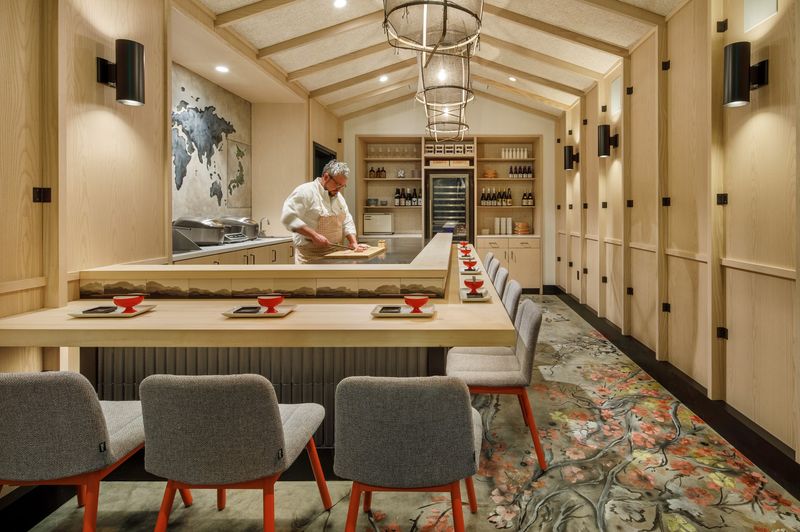
Most omakase spots seat fewer than fifteen people, with some legendary places squeezing in just six or seven lucky diners. This intimacy completely changes the dining dynamic from typical restaurant chaos.
Sitting elbow to elbow with strangers might sound awkward, but it actually creates this lovely communal energy. Everyone's on the same journey, experiencing the same surprises, often chatting and comparing notes.
The chef can also personalise each person's experience, remembering preferences, adjusting spice levels, and having actual conversations. It's dining at its most human and connected.
Personalisation As A Defining Feature Of Omakase Dining
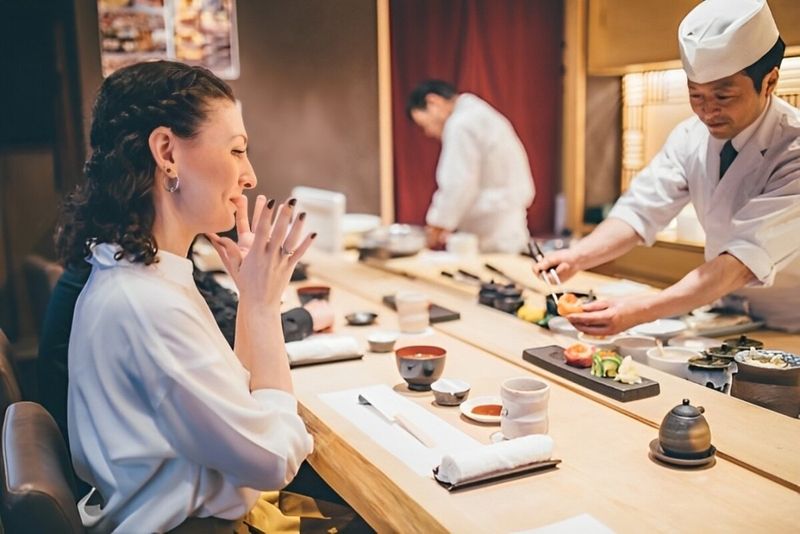
Here's where omakase gets properly special: chefs actually pay attention to how you react to each course. If you go wild for fatty fish, expect more rich options.
Prefer lighter, cleaner flavours? They'll adjust accordingly.
Many chefs ask about allergies, dislikes, and preferences before starting, then weave that information into their creative process. It's bespoke dining without the pretentious label.
Some regulars develop relationships with chefs who remember their tastes from previous visits. That level of personalisation is basically impossible in traditional restaurants with massive dining rooms.
The Influence Of Japanese Culinary Philosophy
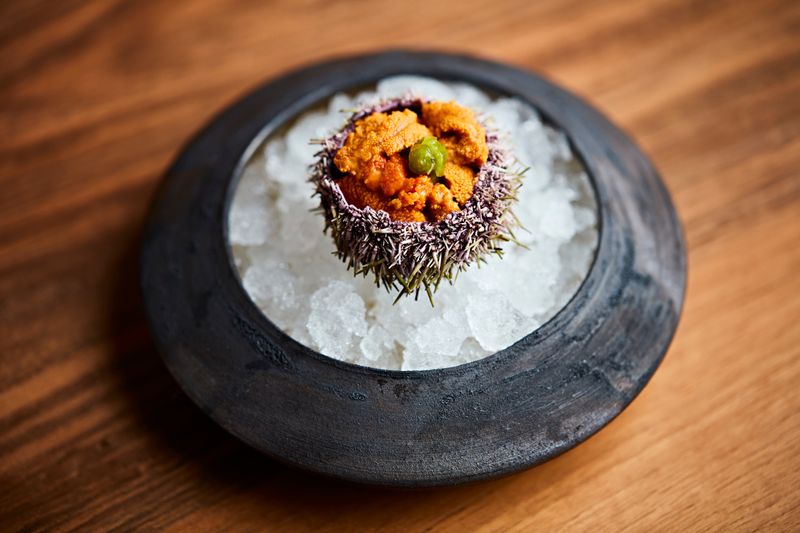
Japanese culinary philosophy has absolutely infiltrated London's restaurant scene beyond just sushi bars. The emphasis on quality ingredients, minimal waste, and seasonal respect now appears everywhere from gastropubs to fine dining establishments.
Omakase represents the purest expression of these values: trust, craftsmanship, seasonality, and respect for ingredients. London chefs of all backgrounds are adopting these principles, even outside Japanese cuisine.
Places like Juno even blend Japanese techniques with Mexican flavours, showing how adaptable and influential this food culture has become in shaping London's culinary identity and innovation.
The Strong Appeal Of Omakase For Adventurous Diners
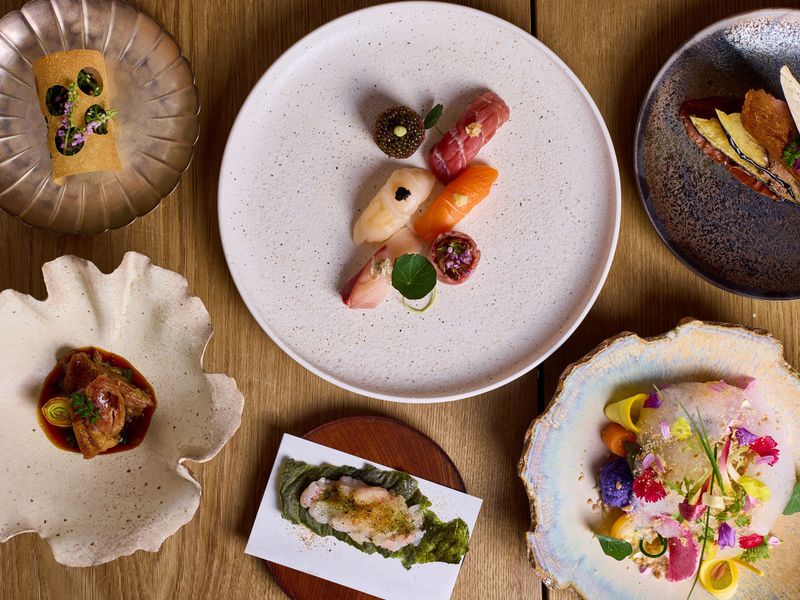
If you're the type who always orders the weirdest thing on the menu, omakase is basically designed for you. Chefs love pushing boundaries and introducing diners to ingredients they've never encountered before.
Aged fish, unusual cuts, creative flavour combinations, and unexpected textures all feature heavily. You might try fish you can't even pronounce, prepared in ways you didn't know existed.
There's genuine excitement in not knowing what's coming next. Each course is a little surprise, sometimes familiar, sometimes completely wild, always interesting and thoughtfully prepared.
The Influence Of Omakase On The Future Of Fine Dining In London
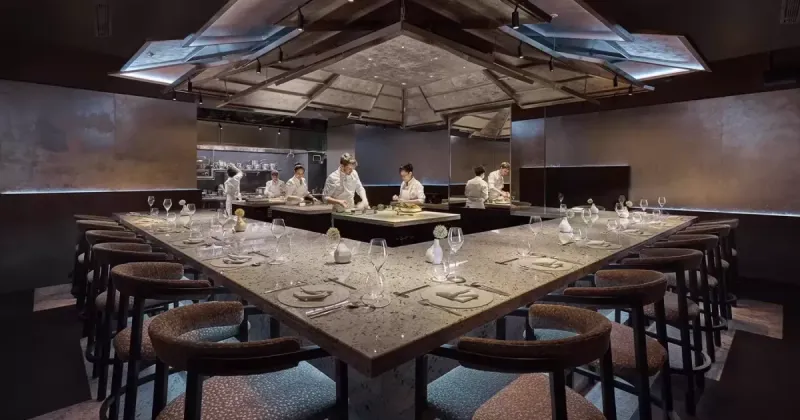
Fine dining used to mean white tablecloths, stuffy service, and three-hour meals. Omakase is rewriting those rules entirely, proving luxury can be intimate, interactive, and unpretentious whilst maintaining incredible quality.
Restaurants like TAKU and Sushi Kanesaka earned Michelin stars within months of opening, showing how seriously the culinary world takes this format. It's influencing how new fine dining concepts approach service and atmosphere.
The focus on chef interaction, counter seating, and theatrical preparation is spreading beyond Japanese restaurants, reshaping what Londoners expect from premium dining experiences moving forward.



