













Garden centres have seen steady interest in seeds, compost and raised beds, and it is not just seasoned growers leading the way. Across Britain, more households are turning balconies, back gardens and even kitchen windowsills into small growing spaces.
For some, it begins with a few pots of herbs; for others, it grows into rows of tomatoes, courgettes and soft fruit. The shift reflects changing priorities around food, cost, sustainability and a desire to reconnect with what ends up on the plate.
Growing fruit and vegetables at home is rarely about self-sufficiency alone. It can mean fresher flavours, more control over ingredients and a clearer understanding of seasonality.
Below, we explore the practical and cultural reasons behind this steady rise in home growing.
This article is provided for general information only. Gardening results, crop yields and growing conditions may vary depending on location, climate and experience. Photos are for illustrative purposes only.
Rising Food Prices Encouraging Self Sufficiency
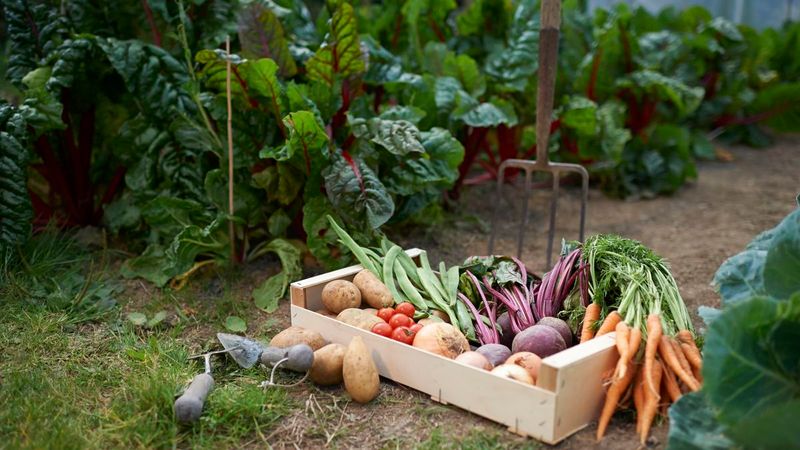
Your weekly shop bill has probably made you wince lately. With food prices climbing faster than a runner bean up a bamboo cane, families across the UK are discovering that growing their own veg can save serious money – some reports suggest up to £2,000 a year.
It's not rocket science, really. A packet of seeds costs less than a fancy coffee, yet it'll give you dozens of lettuces or a summer's worth of courgettes.
That initial investment in compost and a few pots pays for itself pretty quickly when you're not shelling out for overpriced supermarket produce every week.
Greater Awareness Of Food Quality And Ingredients
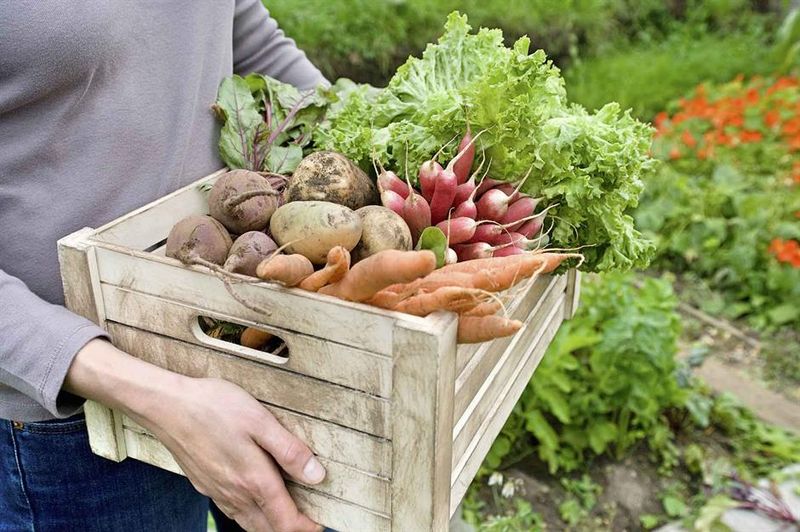
Ever read the back of a salad bag and wondered what half those ingredients actually are? People are cottoning on to the fact that shop-bought produce often travels thousands of miles and sits around for days before reaching your plate.
When you grow your own, you know exactly what's gone into it. No mysterious pesticides, no weird wax coatings, just good honest soil and water.
Research from the University of Sheffield found that home growers munch through 6.3 portions of fruit and veg daily, nearly double the national average of 3.7 portions, because they trust what they're eating.
A Desire For Fresher Produce Straight From The Garden
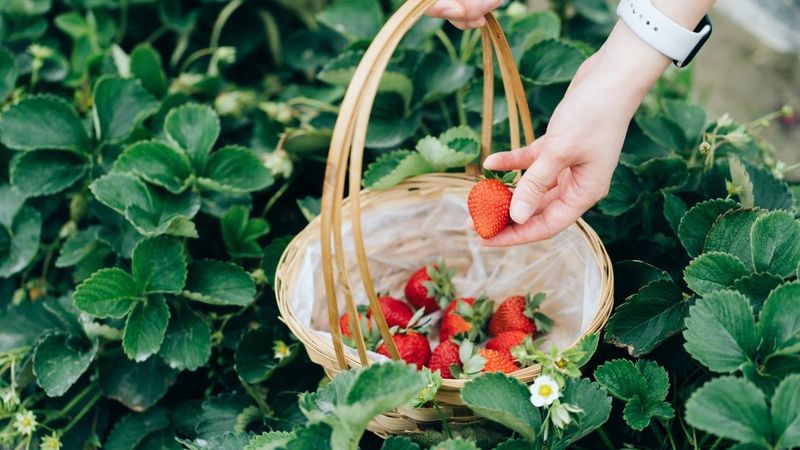
Nothing beats the flavour of a tomato picked five minutes before it hits your plate. Supermarket ones taste like watery disappointment in comparison because they're bred for shelf life, not taste, and picked weeks before they're properly ripe.
Garden-fresh produce has a completely different quality – strawberries that actually smell like strawberries, carrots with proper earthy sweetness, salad leaves that haven't gone limp in transit. Once you've tasted a sun-warmed cherry tomato straight off the vine, there's honestly no going back to the bland shop-bought versions.
Growing Interest In Sustainable Living
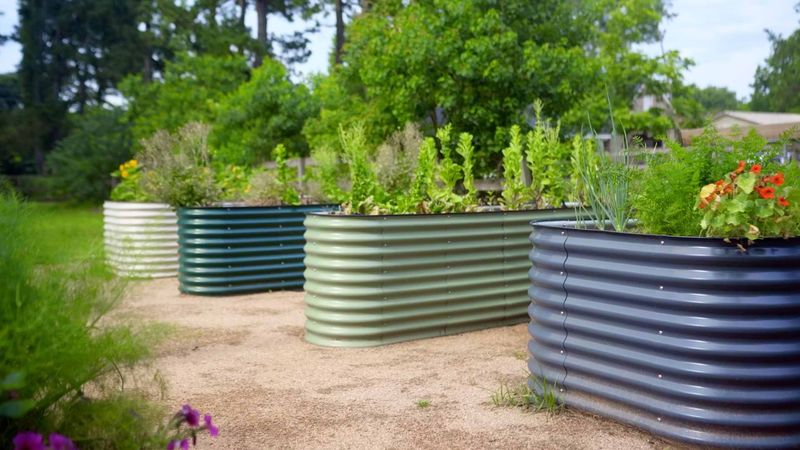
Climate anxiety is real, and people want to do something tangible about it. Growing food at home slashes the carbon footprint of your meals dramatically – no lorries, no air freight, no plastic packaging mountains.
Urban green spaces could potentially provide up to 40% of the UK's fruit and veg needs if properly utilised, massively reducing our reliance on imports. Plus, home gardens create little wildlife havens, support pollinators, and turn food waste into compost rather than landfill.
It's a proper win for the planet, and you get to eat brilliantly whilst doing your bit.
Making The Most Of Small Urban Spaces
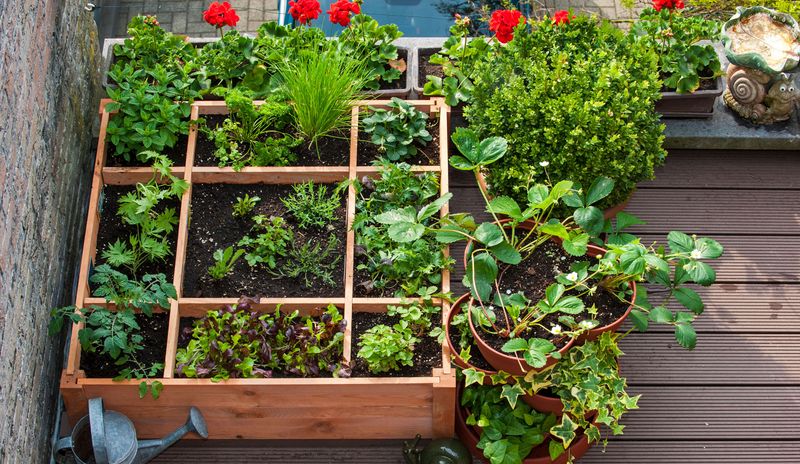
You don't need rolling acres to grow decent food. Balconies, windowsills, even a sunny doorstep can become productive growing spaces with a bit of creativity and the right containers.
Vertical gardening, hanging baskets, and clever stacking systems mean city dwellers are turning tiny urban spots into mini farms. Cherry tomatoes thrive in pots, herbs love windowsills, and salad leaves grow happily in shallow trays.
It's amazing what you can squeeze into a few square metres when you get inventive, proving that flat living needn't mean giving up on homegrown goodness.
Mental Health Benefits Of Gardening
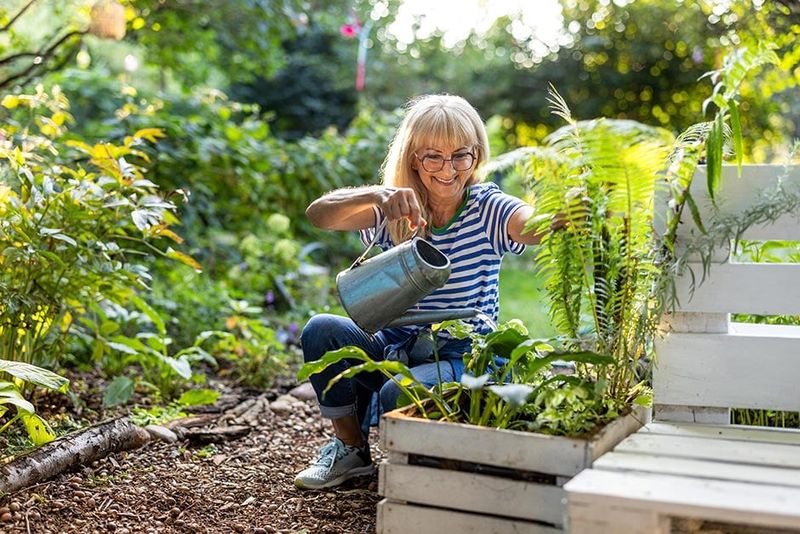
Gardening does something wonderful for your head. There's solid science behind it – getting your hands in soil, watching things grow, and spending time outdoors all help reduce stress and anxiety levels considerably.
It's meditative without being preachy about it. You're focused on the task at hand, not doom-scrolling through your phone or worrying about work emails.
The sense of achievement when you harvest something you've nurtured from seed is genuinely mood-boosting. Many people discovered this during lockdowns, and they're not giving up their newfound green therapy anytime soon.
Teaching Children Where Food Comes From
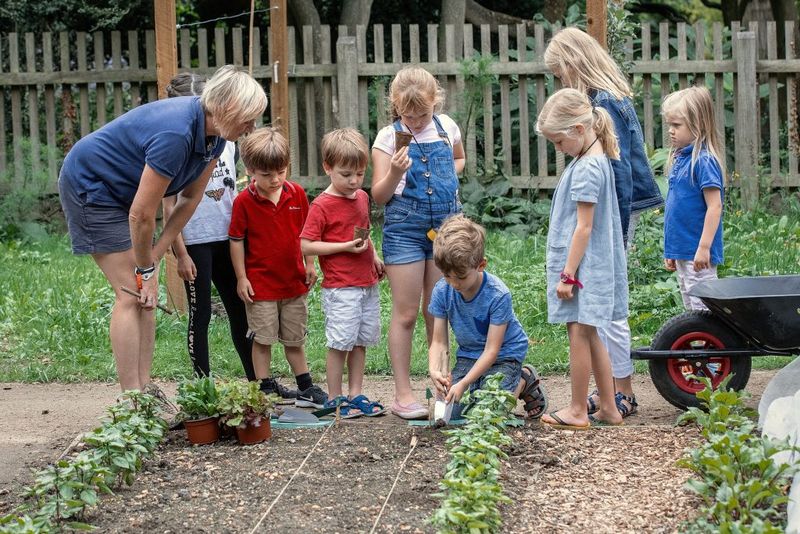
Ask some kids where chips come from and they'll say the freezer. It's a bit worrying, really, how disconnected younger generations have become from food production basics.
Growing veg with children is brilliantly educational. They learn patience waiting for seeds to sprout, responsibility watering their plants, and genuine excitement when they harvest something edible.
Kids who grow food are also far more likely to actually eat vegetables – there's something magical about munching a carrot you planted yourself. It's proper life skills wrapped up in fun, muddy outdoor time.
Reducing Food Waste At Home
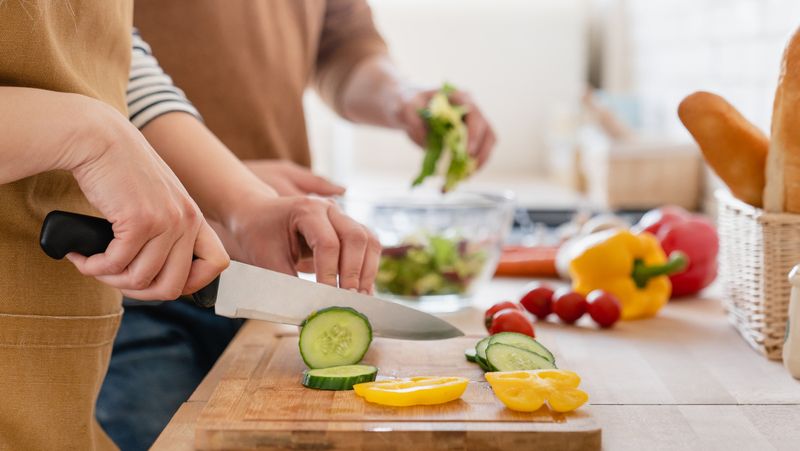
Supermarket shopping almost guarantees waste. Those massive bunches of herbs go slimy before you use them, salad bags turn to mush, and you're forever binning bendy carrots that looked fine three days ago.
When you grow your own, you pick exactly what you need, when you need it. Herbs stay fresh on the plant until you snip them for dinner.
Salad leaves don't wilt in the fridge because they're still growing outside. Even wonky homegrown veg gets eaten because you've put effort into growing it, unlike shop-bought oddities that get chucked without thought.
The Satisfaction Of Growing Something Yourself
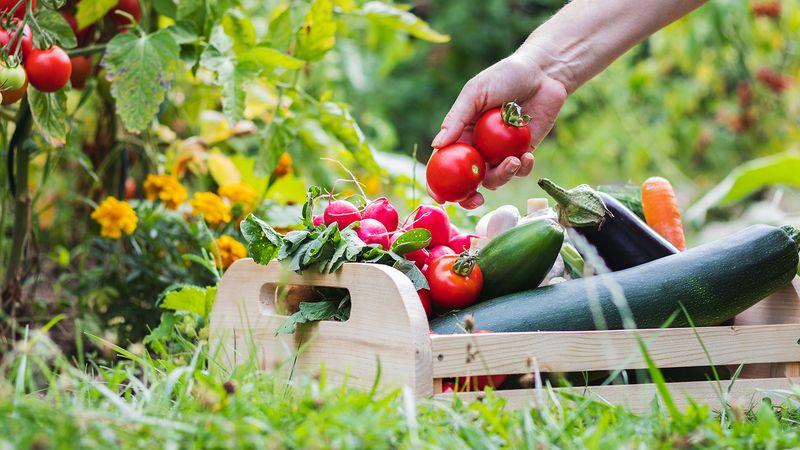
There's something deeply satisfying about eating food you've grown with your own hands. It connects you to the seasons, to the weather, to the whole cycle of growth in a way that supermarket shopping simply cannot.
Every meal made with homegrown ingredients feels like a proper achievement. You've beaten the slugs, weathered the late frost, and outsmarted the pigeons to get those broad beans onto your plate.
It's primal satisfaction mixed with modern practicality, and once you've experienced it, buying everything from shops feels oddly hollow. Growing your own changes how you see food entirely.



