













Chocolate habits in Britain appear to be changing in subtle but noticeable ways. Dark chocolate, once seen as a niche choice, is becoming a more regular pick alongside familiar milk chocolate bars.
Shoppers are showing greater interest in higher cocoa content and flavours that feel less sweet and more complex. This shift reflects broader changes in taste, shopping habits, and how people think about everyday treats.
Understanding why dark chocolate is gaining ground offers a useful glimpse into how preferences are evolving across British households.
This article is for general information only. Food preferences, dietary choices, and product availability vary by individual and retailer.
Nutritional considerations differ between people, and readers with specific health concerns should seek advice from a qualified professional.
Changing Taste Preferences Toward Less Sweet Chocolate
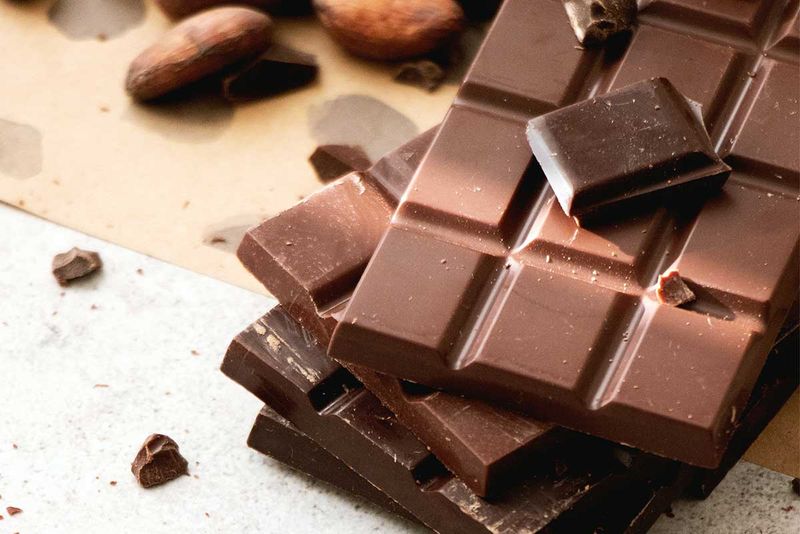
British palates are gradually moving away from the sugary hit that once defined chocolate enjoyment. Many shoppers now find milk chocolate's sweetness a bit much, preferring the more complex, slightly bitter notes that dark chocolate delivers.
This shift reflects broader changes in how we experience flavour. As people experiment with darker varieties, their taste buds adapt, making previously intense cocoa percentages feel pleasantly balanced rather than overwhelming.
The result? What tasted harsh a few years back now seems perfectly satisfying, creating a snowball effect where each darker bar makes the next seem less intimidating.
Health Awareness Influencing Everyday Chocolate Choices
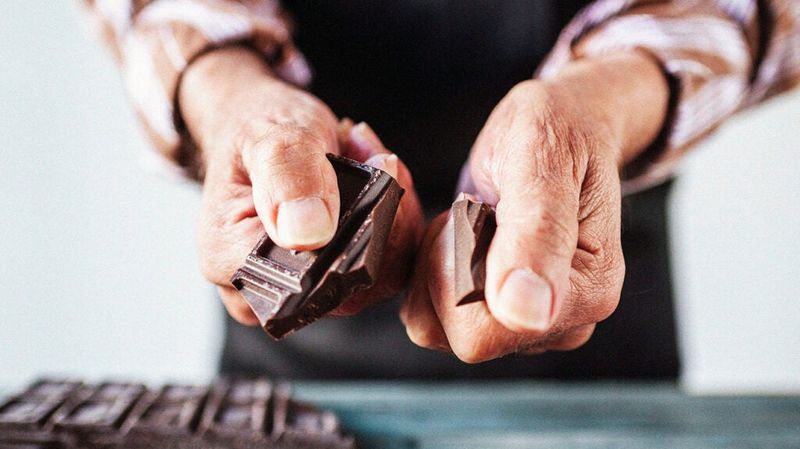
Walk into any supermarket and you'll notice something curious: people actually reading chocolate wrappers now. Health awareness has crept into our treat decisions, with dark chocolate's reputation for antioxidants and lower sugar making it feel like a smarter indulgence.
About 73% of chocolate buyers recognise dark chocolate's health advantages, according to industry research. That knowledge transforms a guilty pleasure into something you can justify more easily.
It's not about turning chocolate into medicine, but rather choosing options that align with wellness goals without sacrificing enjoyment entirely.
Higher Cocoa Content And Perceived Quality
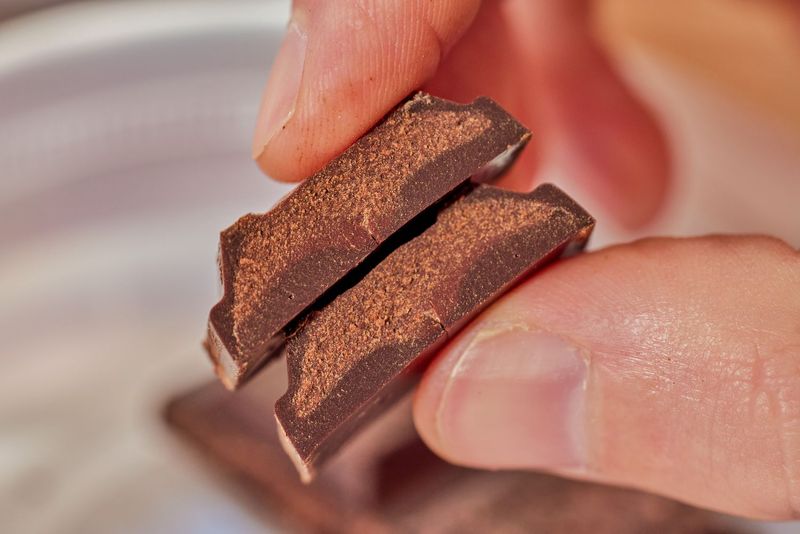
There's a funny thing about percentages on chocolate bars: they've become a badge of honour. Higher cocoa content signals quality in shoppers' minds, transforming chocolate from mere confection into something approaching a craft product.
This perception isn't entirely marketing spin. More cocoa generally means fewer fillers, better ingredients, and a more intense chocolate experience that feels worth the extra pennies.
When you're paying attention to what goes into your food, that bold "85% cocoa" suddenly reads like a promise of authenticity rather than just a number on fancy packaging.
Dark Chocolate's Growing Role In Home Baking
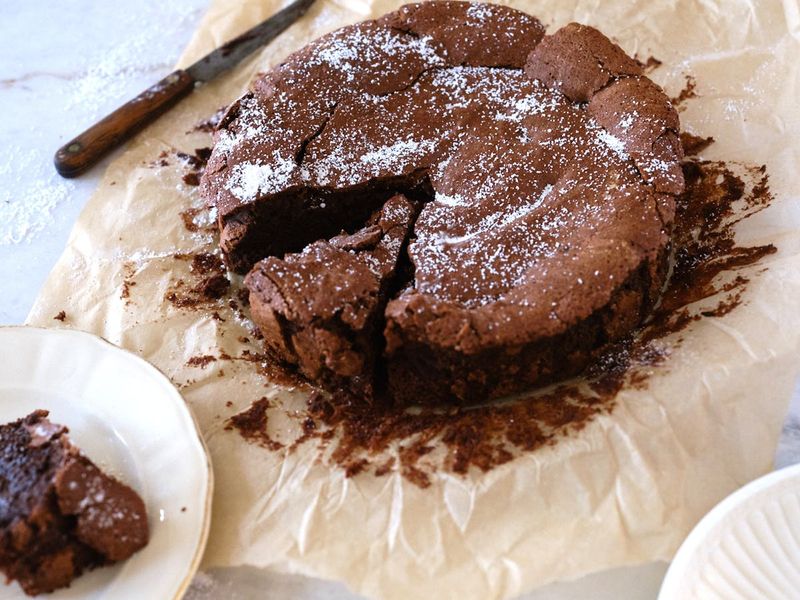
Scroll through any baking forum and you'll spot a pattern: dark chocolate is having its moment in British kitchens. Home bakers increasingly swap milk chocolate for darker varieties in brownies, cakes, and biscuits, discovering how it balances sweetness and adds depth.
Professional bakers have known this trick for ages, but now everyday cooks are catching on. Dark chocolate prevents desserts from becoming cloyingly sweet whilst delivering that proper chocolate punch.
Plus, it makes you feel rather accomplished when guests ask what makes your chocolate cake taste so sophisticated and you can casually mention your 70% cocoa choice.
The Influence Of Artisan And Ethical Chocolate Brands
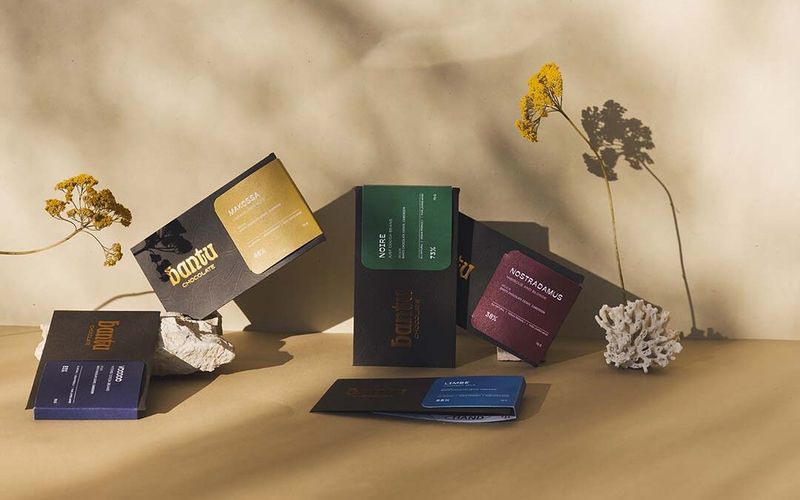
Small-batch chocolate makers are reshaping what Britons expect from their cocoa fix. These artisan brands tell stories about where beans come from, how farmers are paid, and why ethical sourcing matters, making chocolate shopping feel like supporting something bigger.
Fair trade certifications and transparent supply chains appeal to shoppers who want their treats to taste good in every sense. When you know the cocoa was ethically produced, that square somehow tastes even better.
These premium brands typically focus on dark chocolate, naturally steering consumers toward higher cocoa percentages whilst satisfying their conscience alongside their sweet tooth.
How Sugar Reduction Trends Are Shaping Chocolate Sales
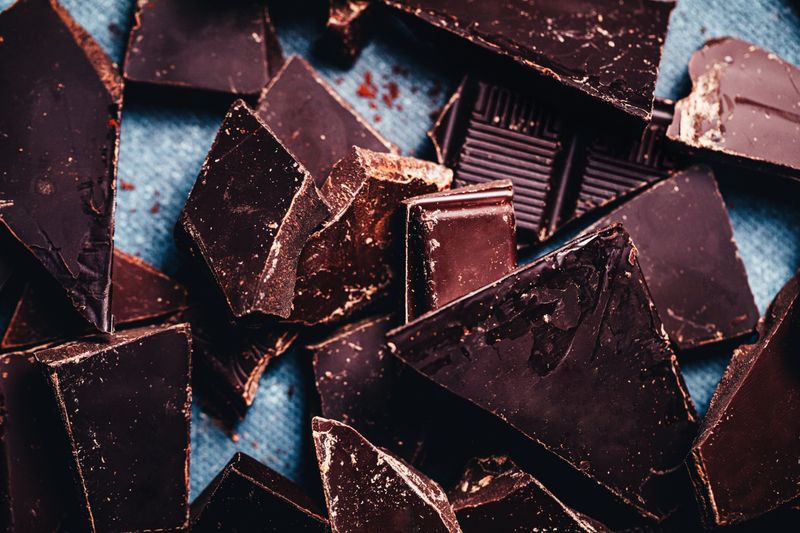
Britain's collective sugar reduction effort has reached the chocolate aisle, and dark chocolate fits perfectly into this narrative. As people actively cut back on added sugars, darker varieties offer an obvious solution without feeling like deprivation.
Public health campaigns and sugar taxes have made shoppers more conscious about daily intake. Dark chocolate naturally contains less sugar than milk varieties, making it the logical choice for those monitoring consumption.
It's a rare win where health goals and pleasure align rather than conflict, letting people enjoy chocolate whilst staying within their dietary intentions for the day.
Dark Chocolate's Reputation For Richer Flavour
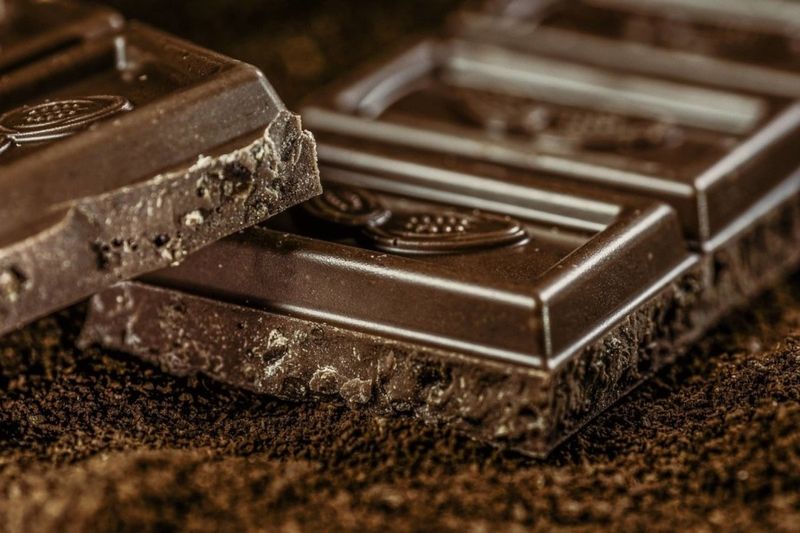
Ask any dark chocolate convert what won them over and "flavour" tops the list. Unlike milk chocolate's one-note sweetness, dark varieties offer layers: fruity notes, earthy undertones, even hints of coffee or nuts depending on the bean origin.
This complexity makes eating chocolate more of an experience than a quick sugar hit. You actually taste the chocolate itself rather than just sweetness, which feels more satisfying and interesting.
Once your palate adjusts to these richer flavours, milk chocolate can seem a bit flat by comparison, like switching from strong coffee back to weak tea.
Why Dark Chocolate Feels More Grown-Up To Many Shoppers
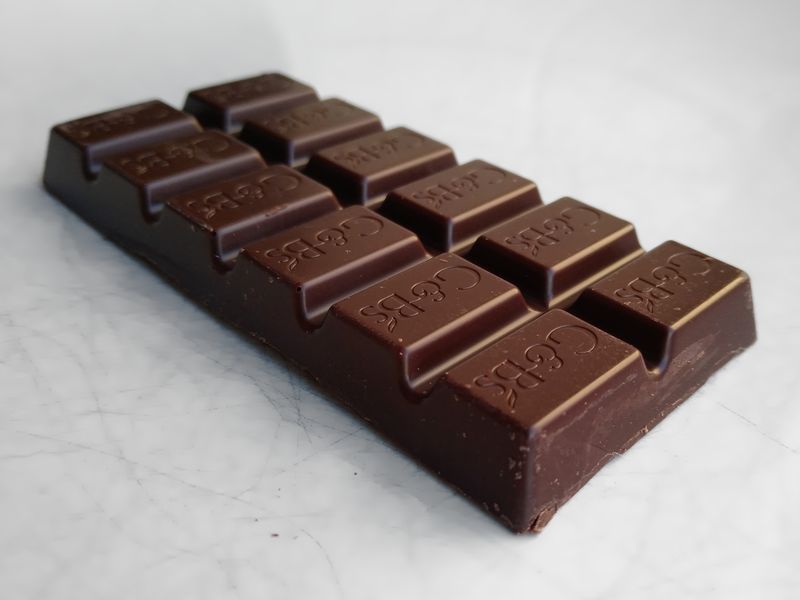
There's an unspoken social signal attached to chocolate choices, whether we admit it or not. Dark chocolate carries a certain sophistication, suggesting refined tastes and mature preferences that milk chocolate simply doesn't convey.
This perception particularly resonates with shoppers over 55, who increasingly favour darker varieties. It's partly about perceived health benefits, but also about chocolate matching their self-image as discerning consumers.
Choosing dark chocolate becomes a small statement about who you are, transforming a simple treat purchase into an expression of identity and evolving taste preferences over time.



