













It is no longer unusual to see a queue forming outside a dessert café long after dinner service has ended. Instead of heading straight to pubs or takeaway counters, groups are gathering over warm cookie dough, stacked waffles and generous scoops of gelato.
These late-night sweet spots offer somewhere lively yet alcohol-free – a space to chat, celebrate or simply extend the evening. Across major British cities, dessert cafés are reshaping high streets and filling a gap between dinner and last orders.
Bright interiors, shareable plates and social media appeal all play a part, but the shift also reflects changing habits around nightlife and socialising. As more people look for alternatives to traditional bars, the appeal of sugar-fuelled evenings continues to grow.
This article is for general informational and entertainment purposes only. Trends, popularity and availability may vary by location.
Individual experiences can differ. Photos are for illustrative purposes only.
The Rise Of The After Dinner Sugar Fix
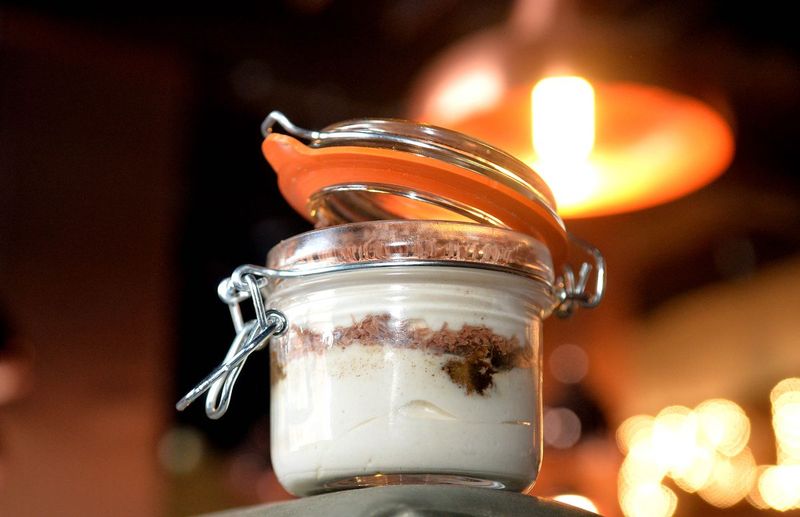
Gone are the days when dessert meant a boring slice of cake after your main. Now, the sweet course has become the main event, with entire evenings planned around hunting down the perfect brownie or waffle stack.
British diners are increasingly treating pudding as a destination rather than an afterthought. Chains like Creams and Kaspa's have tapped into this appetite, opening nearly 700 new dessert-only venues over the past decade.
It's about indulgence without the formality of a full meal, making sugar the star attraction.
Social Media And The Glow Of Midnight Milkshakes
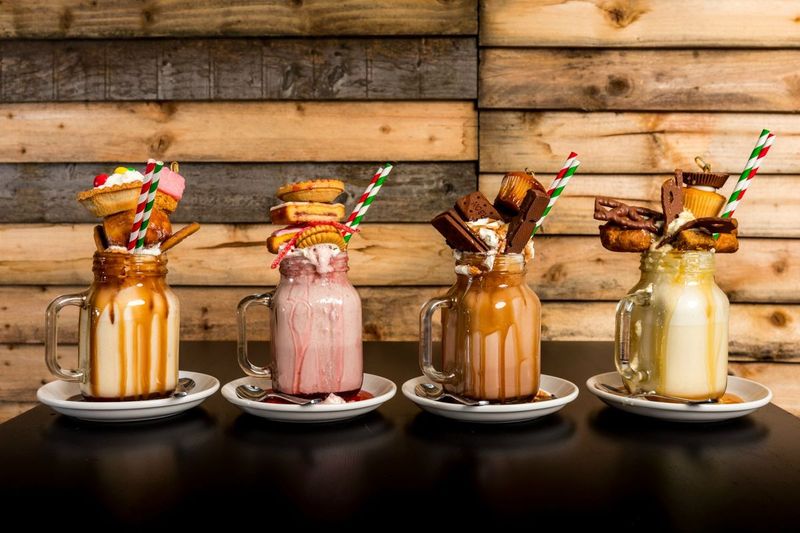
Instagram and TikTok have turned desserts into visual currency. Those towering freakshakes dripping with caramel and stacked with doughnuts aren't just tasty, they're designed to rack up likes and shares.
Dessert cafés know exactly what they're doing when they add edible glitter, sparklers, and outrageous toppings. Every plate becomes content, every visit a potential viral moment that draws in crowds eager to capture their own sugary masterpiece.
Social media hasn't just influenced the trend; it's practically fuelled the entire business model.
A New Kind Of Night Out Without The Pub
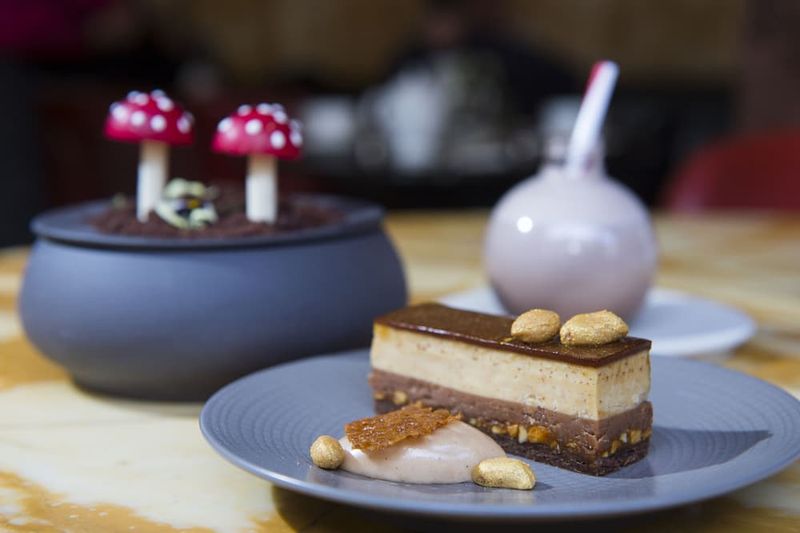
Not everyone fancies a pint when they head out for the evening. Dessert cafés offer a refreshing alternative, creating social spaces where mates can hang out, chat, and enjoy treats without the pressure to drink.
Younger generations especially are embracing this shift, choosing venues that prioritise conversation and connection over loud music and sticky floors. It's a night out that feels inclusive, relaxed, and genuinely fun.
These spots prove you don't need a bar to have a brilliant evening with friends.
Dessert As An Experience Not Just A Treat
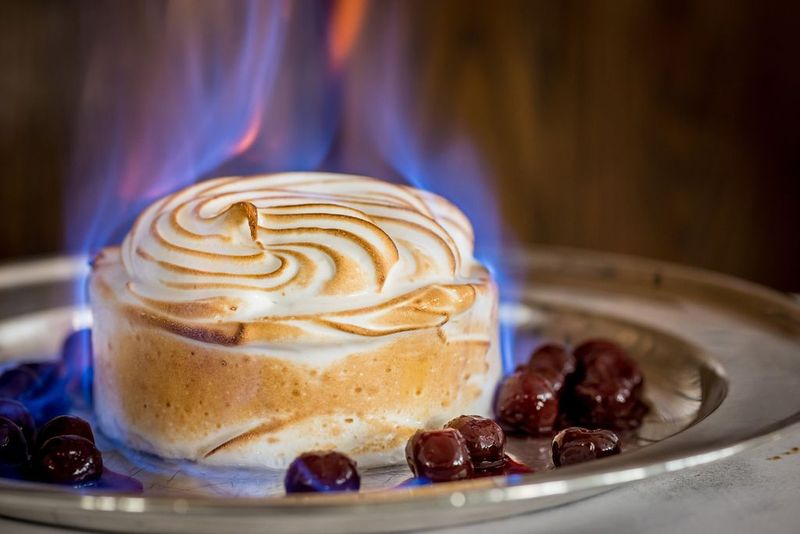
Forget simple bowls of ice cream. Today's dessert cafés deliver full-blown theatre, with dry ice, flaming presentations, and creations that arrive at your table like edible art installations.
Venues like Crome in London's Fitzrovia specialise in French toast creations that look almost too good to eat. The emphasis is on crafting memorable moments, not just satisfying sweet cravings, turning every visit into an occasion worth celebrating.
When pudding becomes performance art, it's no wonder people keep coming back for more.
Halal Friendly And Alcohol Free Appeal
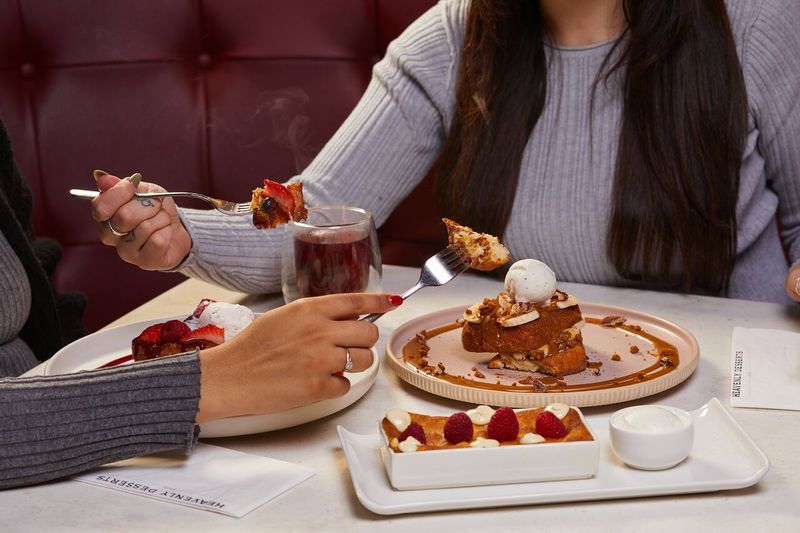
Many dessert cafés proudly advertise halal certification and completely alcohol-free menus, making them welcoming spaces for Muslim communities and anyone seeking inclusive venues.
This approach has broadened their customer base significantly, attracting families and groups who might feel excluded from traditional nightlife. It's not just about dietary requirements; it's about creating environments where everyone feels comfortable and respected.
By prioritising inclusivity, these cafés have tapped into underserved markets whilst building loyal, diverse customer communities across British cities.
Students And Young Professionals Driving Demand
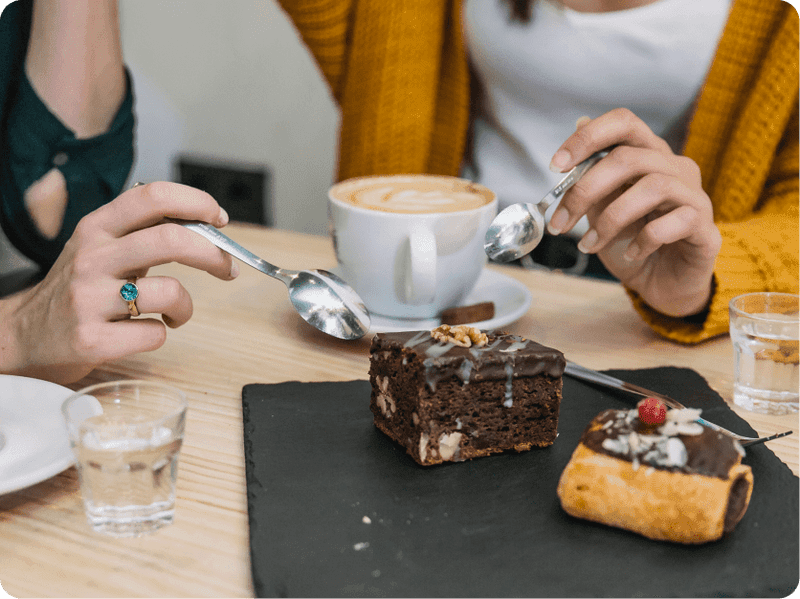
Students and young professionals form the backbone of late night dessert café culture. With later schedules, tighter budgets than fancy restaurants, and a taste for something different, they've made these venues their territory.
University towns and cities with thriving young populations have seen the biggest boom. These customers want affordable treats, decent Wi-Fi, and spaces that stay open when most other places shut their doors.
Dessert cafés deliver exactly that, becoming unofficial study halls, catch-up spots, and post-work wind-down destinations rolled into one sweet package.
Instagram Worthy Interiors And Over The Top Plates
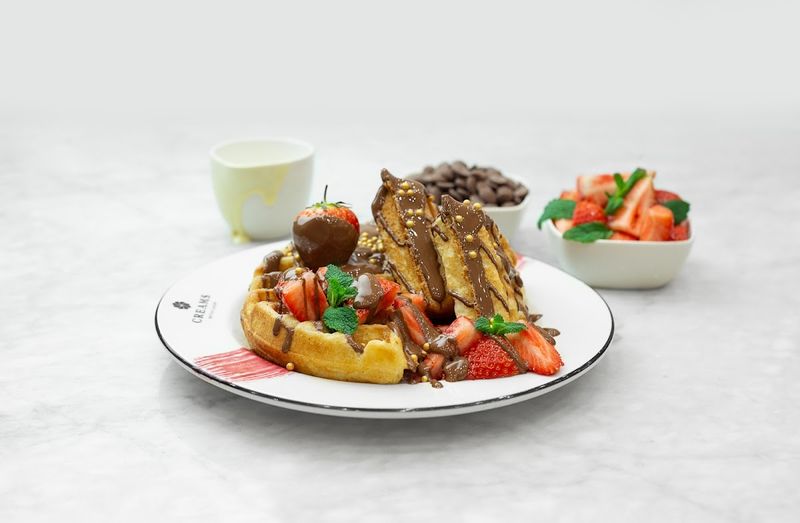
Walk into most dessert cafés and you'll find interiors designed with Instagram in mind: neon signs, pastel walls, marble counters, and quirky décor that practically begs to be photographed.
The plates match the surroundings in pure excess, loaded with brownies, cookie dough, ice cream scoops, sauces, and toppings that defy gravity. Nothing about these creations is understated, and that's entirely the point of the experience.
When both venue and food are photo-ready, customers become walking advertisements, spreading the word one tagged post at a time.
How Late Opening Hours Are Changing High Streets
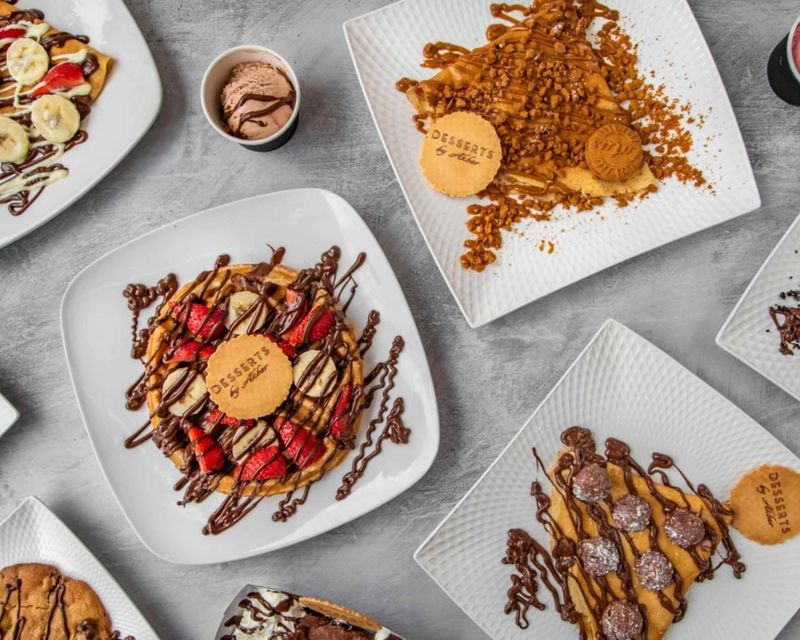
Traditional high streets often go dark by early evening, but dessert cafés staying open until midnight or later are bringing new life to these areas. Places like Gelupo in Soho serve artisanal gelato until the small hours on weekends.
This extended trading helps revitalise struggling town centres, offering economic benefits whilst creating safer, more active streets after dark. Families, couples, and groups now have reasons to visit areas that previously felt abandoned once shops closed.
Late opening hours aren't just convenient; they're genuinely transforming the rhythm and appeal of British high streets.



