










KitKat products in the UK and Japan often look similar on the shelf, yet the range of flavours available in each market differs noticeably. In the UK, selections tend to focus on familiar combinations, while Japanese ranges frequently include regional ingredients and seasonal variations.
These differences reflect how food preferences, retail culture, and production practices vary between markets, shaping how the same brand adapts to local expectations.
This content is for general information only. Taste, appearance, ingredients, and product availability may vary by location, season, and retailer. Images are for illustrative purposes only.
Local Taste Preferences Shape Product Development
British consumers typically favour familiar, comforting flavours that remind them of childhood treats. Chocolate, mint, and orange remain bestsellers because they align with traditional British confectionery tastes developed over generations.
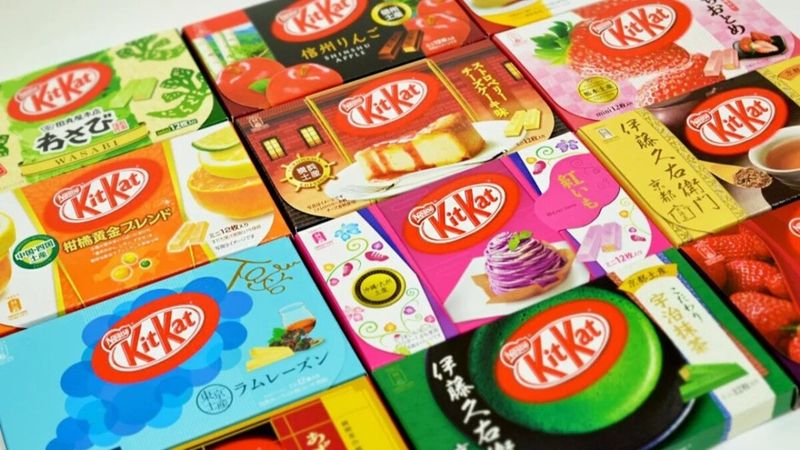
Meanwhile, Japanese shoppers actively seek novelty and seasonal variety, viewing limited editions as collectible experiences rather than mere snacks. This appetite for experimentation encourages Nestlé Japan to release hundreds of unique flavours annually.
Market research drives these wildly different approaches, ensuring each region receives products matching their cultural expectations and purchasing habits.
Regional Ingredient Availability And Sourcing
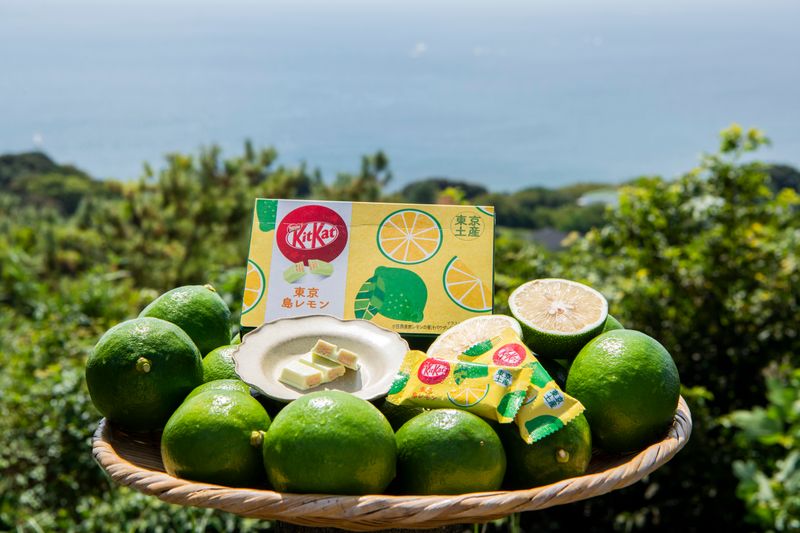
Geography plays a massive role in what ends up wrapped in foil. Japan boasts incredible agricultural diversity, from Hokkaido's dairy farms to Okinawa's tropical crops, providing endless inspiration for regional flavours.
Brands capitalize on local ingredients like yuzu citrus, Kyoto matcha, and Aomori apples to create authentic tastes tied to specific prefectures. This celebrates regional identity whilst supporting local producers.
Britain's more temperate climate and different agricultural focus naturally limits ingredient variety. UK KitKats stick to widely available, cost-effective ingredients that maintain consistency across mass production.
Retail Culture And Limited Edition Strategies
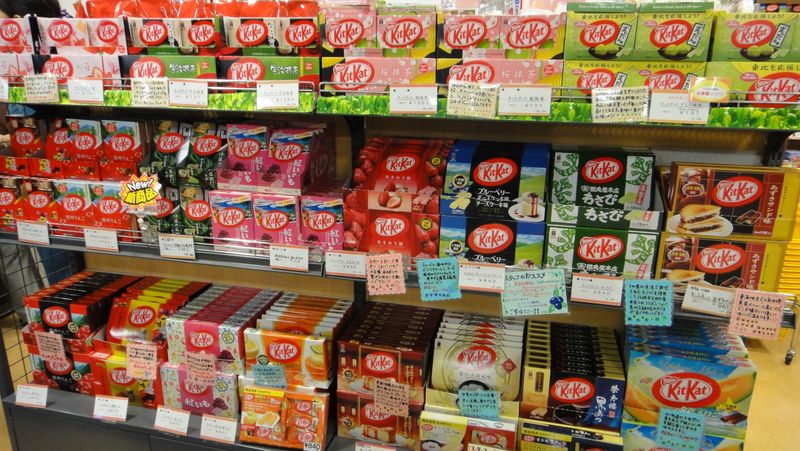
Walk into any Japanese convenience store and you'll spot seasonal KitKats rotating every few months. This constant turnover creates urgency – buy it now or miss out forever – driving impulse purchases and repeat visits.
Japan's omiyage culture (gift-giving souvenirs) transforms KitKats into proper presents representing specific regions. Tourists and locals alike hunt down prefecture-exclusive flavours as edible mementos.
UK retail focuses on year-round availability and proven sellers. Supermarkets prefer predictable stock that doesn't require frequent shelf resets, favouring stability over constant novelty.
Manufacturing Scale And Regulatory Standards
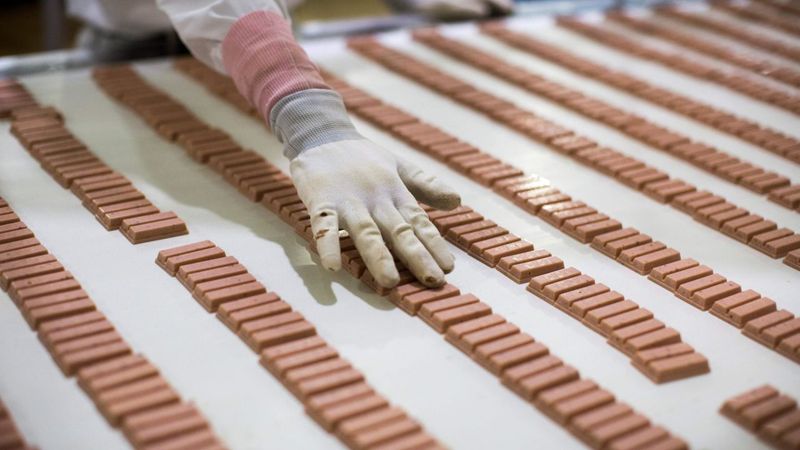
Nestlé Japan operates smaller-batch production facilities designed for flexibility and rapid flavour changes. This infrastructure supports their ambitious limited-edition strategy without massive financial risk.
British factories prioritize enormous production runs of core flavours, maximizing efficiency and minimizing costs. Switching production lines for experimental flavours becomes economically impractical at this scale.
Regulatory standards differ too – Japan's food safety rules accommodate innovative ingredients more readily, whilst UK regulations and consumer expectations lean conservative. Manufacturing philosophy fundamentally shapes what's possible in each market.
Some KitKat Flavours Available In Japan And Not In The UK
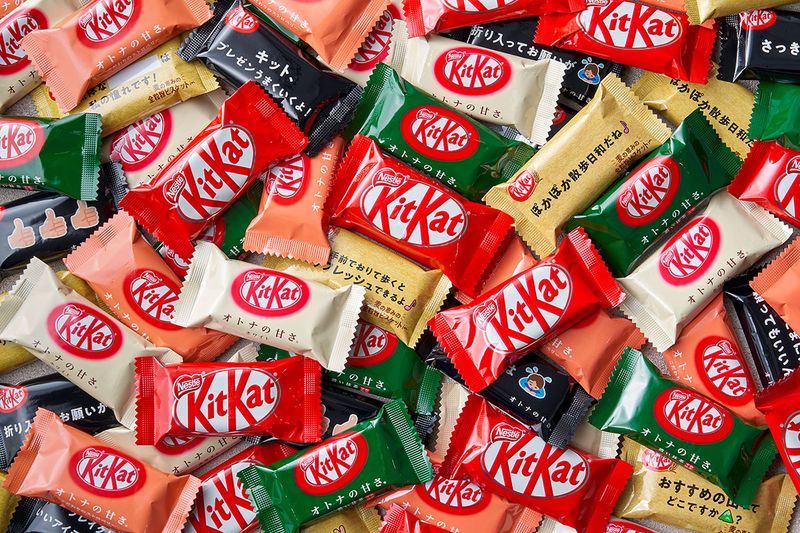
Since 2000, Japan has unleashed over 400 unique KitKat flavours that would absolutely baffle British shoppers. We're talking wasabi, soy sauce, sake, roasted tea, cherry blossom, and even grilled corn varieties.
Many celebrate regional specialties – Shinshu apple, Kyushu sweet potato, Hokkaido melon – turning chocolate into edible postcards. Others tie into seasonal festivals, creating cultural connections beyond simple snacking.
This extraordinary variety stems from viewing KitKats as cultural products rather than just confectionery. Each flavour tells a story, making them collectable experiences rather than everyday treats.
Matcha Green Tea
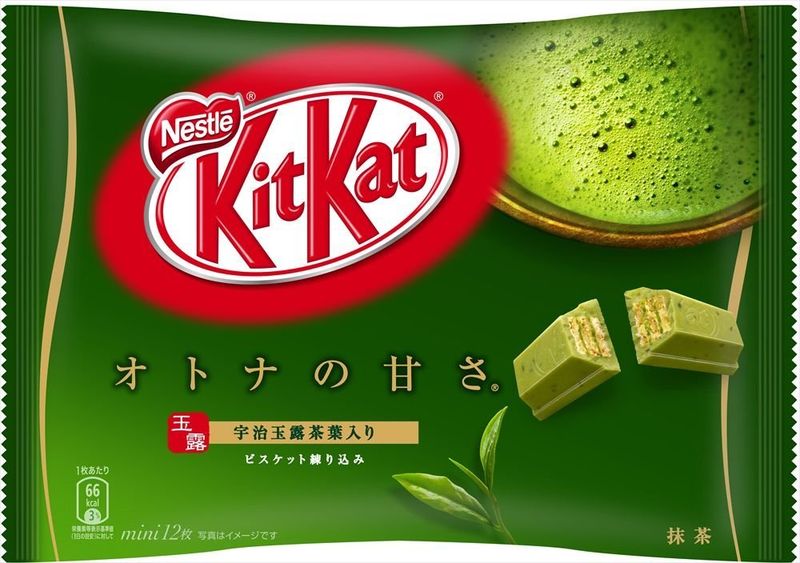
Matcha KitKats became Japan's breakout success story, transforming powdered green tea into chocolate gold. The earthy, slightly bitter flavour pairs surprisingly well with white chocolate, creating a sophisticated taste profile that feels distinctly Japanese.
Kyoto's premium matcha reputation adds cultural cachet, making these bars desirable souvenirs. The vibrant green colour alone makes them Instagram-worthy before you've even taken a bite.
British palates generally prefer sweeter profiles, making matcha's vegetal notes a harder sell. Japan's centuries-long tea ceremony tradition provides context that UK consumers simply don't share.
Yuzu Citrus
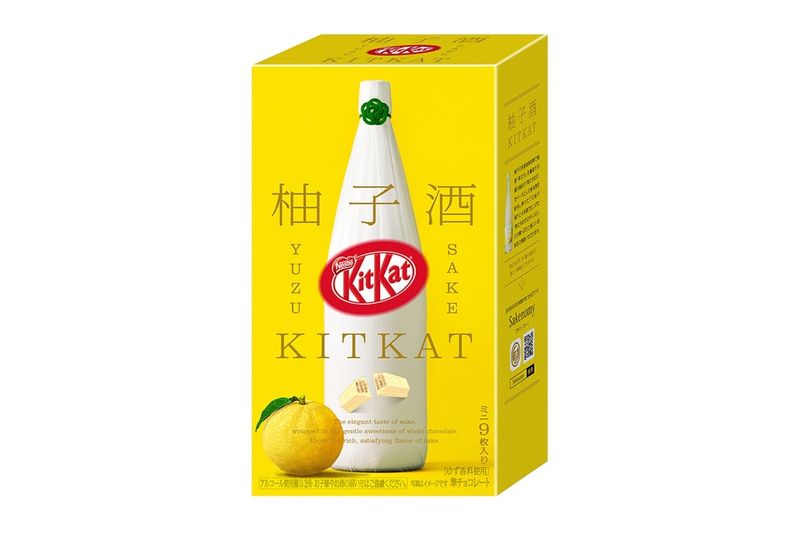
Yuzu brings a tart, floral citrus punch that's completely different from oranges or lemons. This Japanese citrus fruit has been cultivated for centuries, featuring prominently in traditional cuisine and winter baths.
KitKat's yuzu edition captures this bright, refreshing flavour in white chocolate, offering a sophisticated alternative to standard fruit varieties. The aroma alone transports you to Japanese orchards.
Most Brits have never encountered yuzu outside specialty restaurants, making it commercially risky for UK markets. Japan's familiarity with this ingredient makes it a natural, crowd-pleasing choice for seasonal releases.
Purple Sweet Potato (Okinawa Sweet Potato)
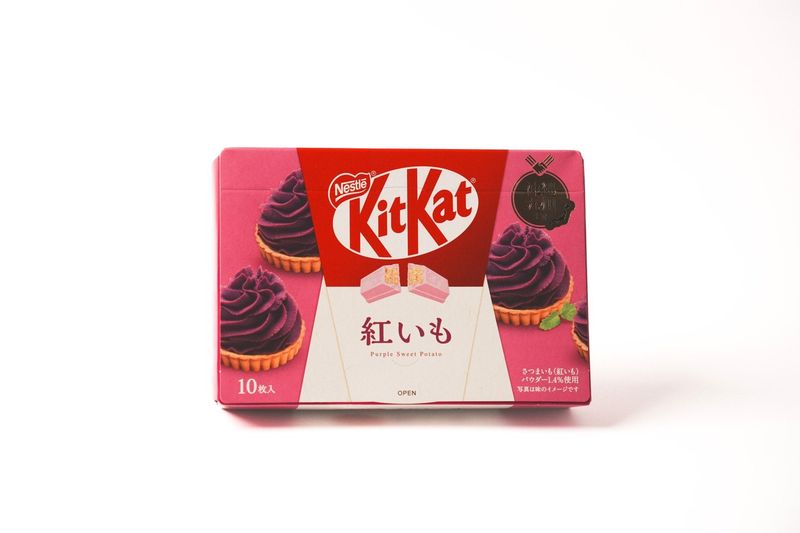
Okinawa's stunning purple sweet potatoes create one of Japan's most visually striking KitKat varieties. The natural purple hue looks almost magical, whilst the earthy-sweet flavour connects directly to the subtropical island's agricultural heritage.
These tubers contain powerful antioxidants and hold cultural significance in Okinawan cuisine, making them perfect ambassadors for regional identity. The flavour balances sweetness with subtle nuttiness.
British consumers rarely encounter purple sweet potatoes, and the unfamiliar colour might seem off-putting rather than enticing. Regional pride doesn't translate when you've never visited the region.