







British food is often the subject of stereotypes, with familiar criticisms repeated in travel chatter, online jokes, and international media. These impressions did not appear overnight.
They developed through a mix of history, economics, and shifting food trends that influenced what people cooked at home and what visitors experienced when travelling. Perceptions can also lag behind reality.
Modern British cooking has changed significantly, but older narratives still shape how the cuisine is discussed today. Exploring why British food gained a poor reputation helps explain how the stereotype formed – and why it continues to persist.
This article is provided for general information only. Food traditions vary by region, household, and time period, and individual taste preferences differ.
Examples and perceptions referenced reflect broad cultural discussions rather than universal experiences. Photos are for illustrative purposes only.
Where The Stereotype About British Food Began
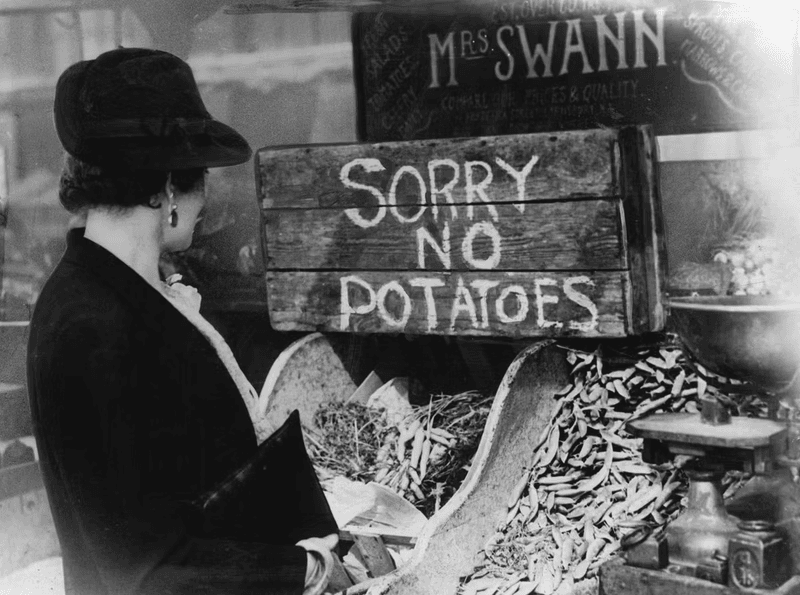
Picture this: a nation stripped of flavour, literally. The stereotype didn't just appear out of thin air but grew from very real circumstances that shaped how the world saw British cooking.
During the World Wars and beyond, Britain faced severe food shortages that fundamentally changed its culinary landscape. Rationing meant limited access to fresh produce, meat, and anything remotely exotic, forcing cooks to work with basics.
This era of necessity over creativity became the defining image exported abroad, cementing a reputation that would stick for decades to come.
The Impact Of Post-War Rationing On Cooking Habits
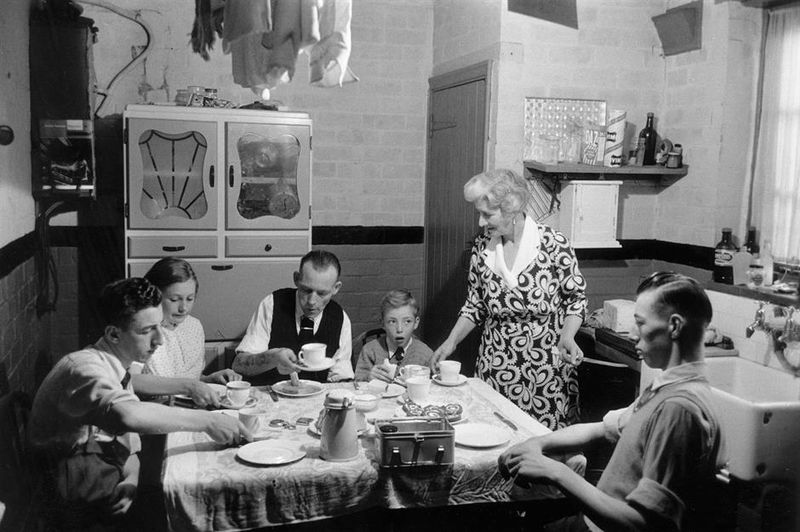
Rationing didn't end when the war did. Britain kept food restrictions going until 1954, nearly a decade after peace was declared, which meant an entire generation grew up never knowing culinary abundance.
Families learned to cook with powdered eggs, limited butter, and scarce sugar. Creativity took a back seat to survival, and traditional recipes were simplified or abandoned altogether.
These habits became ingrained, passed down through families, and shaped British home cooking for years. The effects lingered long after the ration books were finally binned.
How A Handful Of Jokes Became A Global Belief
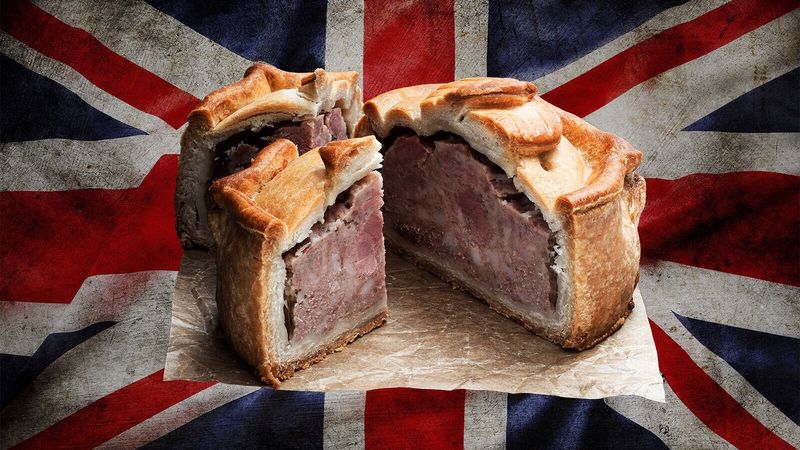
Comedy has a funny way of turning perception into reality. American comedians in particular latched onto British food as an easy punchline, and those jokes spread like wildfire through television and films.
What started as lighthearted ribbing became accepted truth. People who'd never set foot in Britain formed their entire opinion based on sitcom gags and stand-up routines.
The stereotype became self-reinforcing: the more jokes were told, the more people believed them, and the harder it became to shift the narrative, regardless of actual quality.
The Role Of Traditional Pub Food In The Reputation
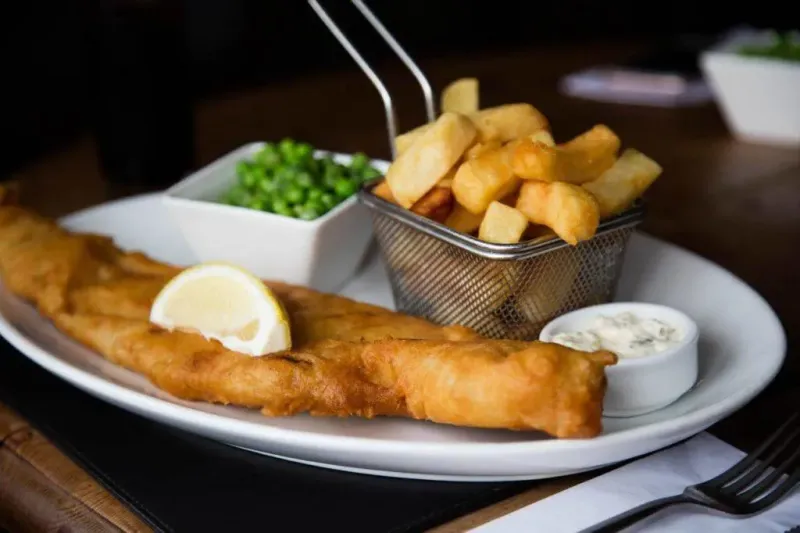
Walk into any British pub and you'll likely find hearty, no-nonsense grub that prioritizes substance over style. Pies, chips, and stodgy puddings aren't exactly Instagram-worthy, but they tell a different story about British priorities.
These dishes were designed for working folk who needed filling, affordable meals after long shifts. Function trumped fancy presentation every single time.
Unfortunately, this practical approach got misread as lack of sophistication. What's actually honest, comfort food became evidence of culinary failure in the eyes of critics looking for refinement.
Misunderstandings Around British Ingredients
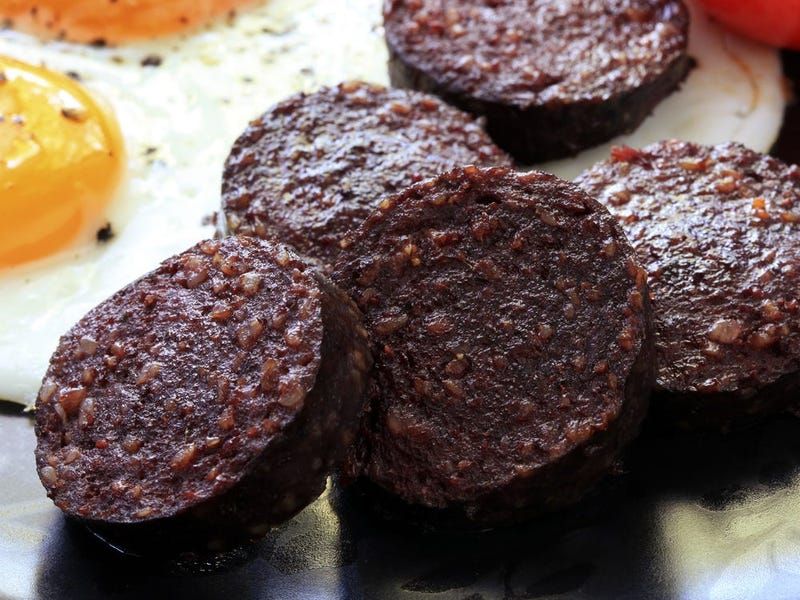
Black pudding, Marmite, jellied eels. These aren't exactly universal crowd-pleasers, and they've become poster children for everything supposedly wrong with British food.
But here's the thing: these ingredients reflect a resourceful, waste-not culture that used every bit of available food. Blood sausage isn't unique to Britain; it's found across Europe and beyond.
The difference is presentation and context. What's considered delicacy elsewhere gets labeled as dodgy in Britain, largely because people judge without understanding the history or trying the properly prepared versions.
How Modern British Cooking Is Often Overlooked
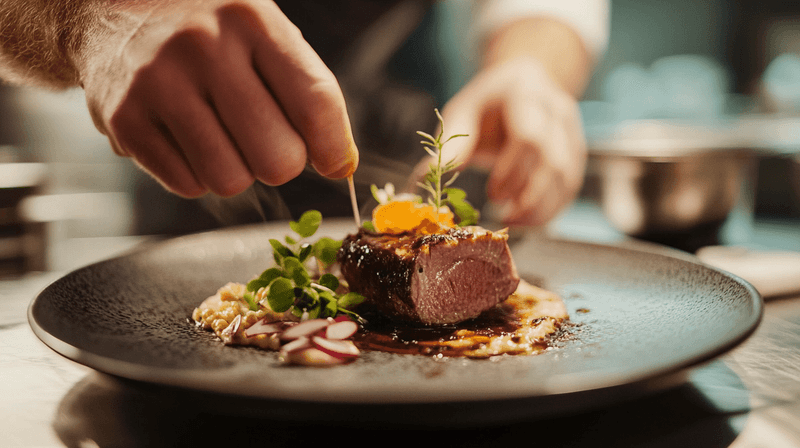
Britain's culinary scene has absolutely transformed over the past few decades, yet the old reputation stubbornly persists. Modern British chefs are winning Michelin stars and redefining what British food can be.
Talented cooks are reimagining traditional dishes with fresh techniques, local seasonal ingredients, and genuine creativity. The food coming out of British kitchens today rivals anything from Paris or Rome.
Trouble is, this renaissance hasn't reached global consciousness. The outdated stereotype overshadows current reality, leaving modern British cuisine fighting an uphill battle for recognition it genuinely deserves.
Regional Dishes That Rarely Get Attention
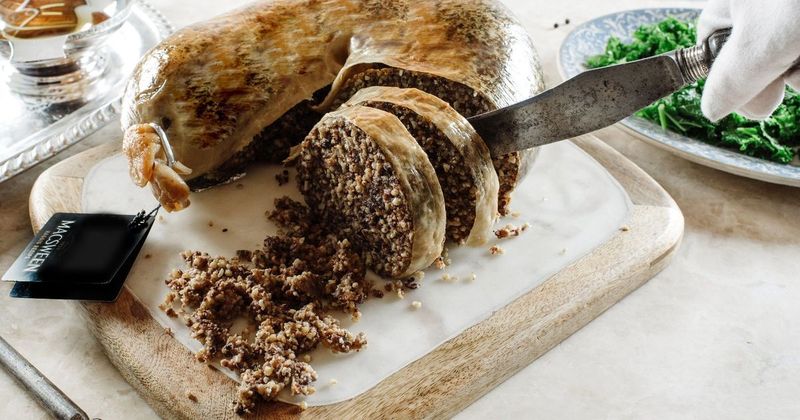
Cornwall's pasties, Scotland's haggis, Wales's cawl. Britain's regions boast distinct culinary traditions that rarely make it into the international conversation about British food.
These dishes evolved from local ingredients and cultural needs, each telling stories about the communities that created them. They're deeply flavorful, satisfying, and utterly authentic.
Yet they remain largely unknown outside Britain, overshadowed by generic stereotypes. If people actually explored regional British cooking, they'd discover incredible diversity and genuine skill that completely contradicts the bland reputation.
The Difference Between Home Cooking And Restaurant Food
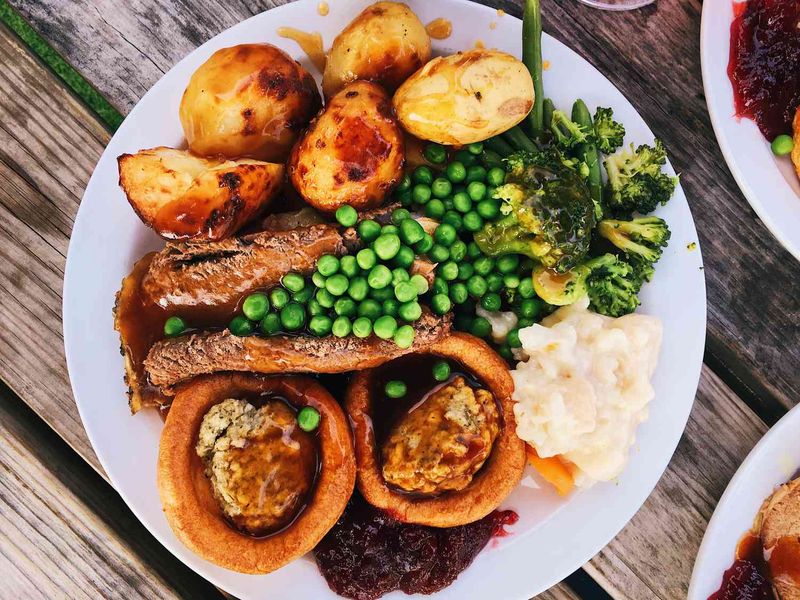
There's a massive gap between what gets cooked in British homes versus what's served in restaurants, and that distinction gets lost in the reputation debate.
Home cooking tends toward simple, comforting fare passed down through generations. It's not flashy, but it's genuine and satisfying.
Restaurant food, meanwhile, showcases technical skill and innovation.
Critics often judge all British food by home cooking standards whilst celebrating other cuisines' restaurant achievements. It's an unfair comparison that ignores the full spectrum of what British food actually encompasses.
Why The Reputation Lingers Despite Change
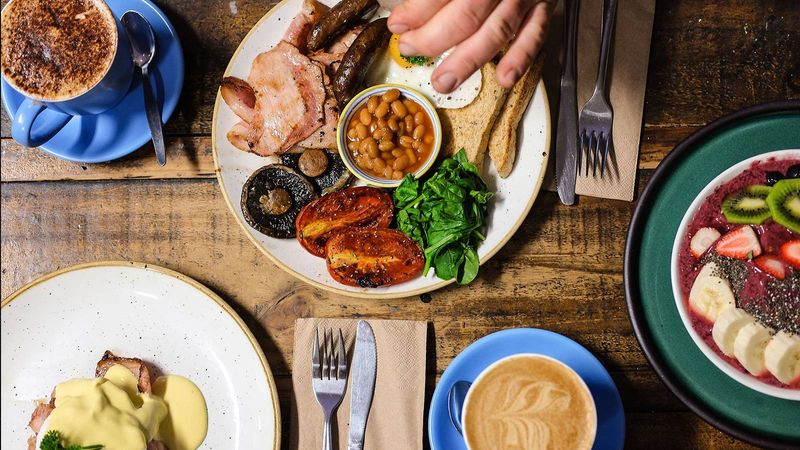
Change is happening, but reputations are stubborn beasts. Britain's culinary transformation is real, yet the old narrative refuses to budge from the global imagination.
Part of the problem is limited exposure. Authentic British restaurants remain scarce internationally, and when they do exist, they often serve watered-down versions that confirm rather than challenge expectations.
Additionally, stereotypes provide easy shorthand. It's simpler to repeat old jokes than acknowledge nuanced reality.
Until more people actually experience modern British food firsthand, the unfair reputation will unfortunately persist.