










Visitors often notice that familiar Disney snacks can taste slightly different when comparing parks in America and Europe. These variations are shaped by regional food regulations, ingredient sourcing, and local flavour preferences, which influence how recipes are developed and prepared.
Understanding these differences helps explain why the same snack may look or taste unfamiliar depending on where it is purchased.
This content is for general information only. Taste, appearance, ingredients, and product availability may vary by location, season, and supplier.
Images are for illustrative purposes only.
Different Food Regulations
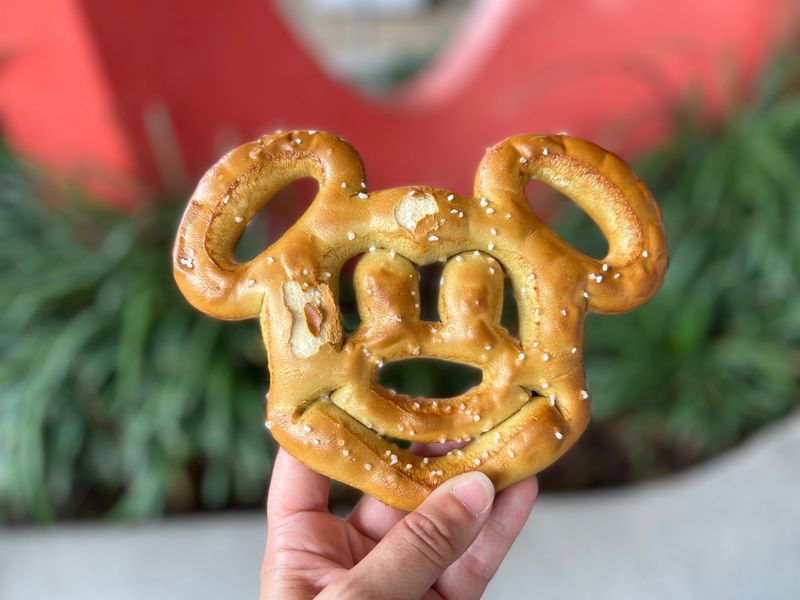
Food laws on either side of the ocean are worlds apart, which means Disney has to tweak recipes to stay legal. America allows certain artificial colours and preservatives that Europe has banned outright, so those bright blue Mickey-shaped treats might look slightly less vibrant in Paris.
European regulations also demand clearer labelling and stricter limits on additives. This isn't just bureaucratic nonsense; it genuinely affects how things taste.
What's perfectly acceptable in a Florida churro might need a complete ingredient swap to pass muster in Disneyland Paris, changing the flavour profile completely.
Ingredient Sourcing Varies By Region
Where Disney sources its ingredients makes a massive difference to how snacks taste. American theme parks typically use ingredients grown or produced locally in the States, whilst European parks rely on suppliers closer to home.
This means the flour in your waffle, the cocoa in your chocolate, and even the vanilla in your ice cream all come from different places. Local soil conditions, climate, and farming practices create unique flavour profiles.
A strawberry grown in California simply doesn't taste identical to one from France, even if they're the same variety.
Sugar And Sweetener Formulations Differ

Here's where things get properly interesting. American Disney snacks often use high fructose corn syrup, whilst European versions stick to cane sugar or beet sugar.
That swap alone creates a noticeably different sweetness level and aftertaste.
High fructose corn syrup tends to taste sweeter and has a distinct flavour compared to traditional sugar. European guests often find American treats almost aggressively sweet, whilst Americans sometimes think European versions taste less indulgent.
Neither is wrong; it's just what your taste buds grew up with that shapes your expectations.
Portion Sizes And Recipe Scaling
Americans are famous for their generous portion sizes, and Disney parks are no exception. A standard popcorn bucket or ice cream sundae in Orlando might be nearly twice the size of its Parisian cousin.
But it's not just about quantity. When you scale recipes up or down, the ratios of ingredients can shift slightly, affecting taste and texture.
A smaller churro might have a different sugar-to-dough ratio, making it taste less sweet overall. Plus, European portion norms mean recipes are sometimes reformulated entirely rather than just shrunk down.
Local Taste Preferences Influence Recipes
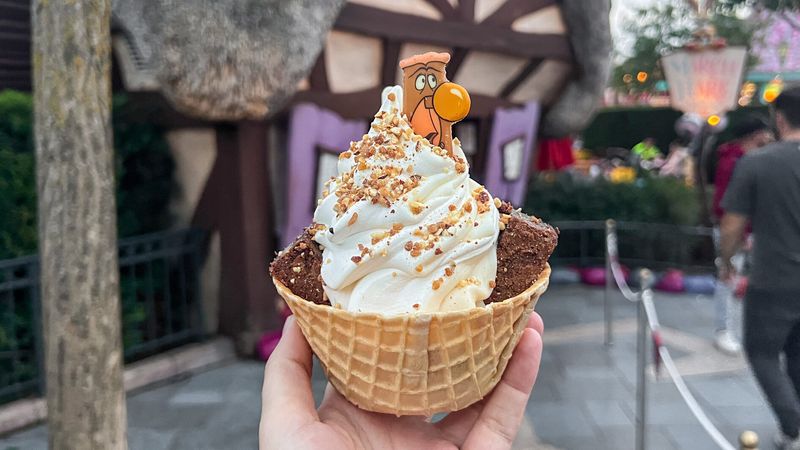
Disney knows its audience, and what works in Texas might not fly in France. Europeans generally prefer less sweetness and more complex, nuanced flavours compared to the bold, in-your-face tastes Americans tend to love.
This means Disneyland Paris might dial back the sugar in a Mickey waffle or add a hint of real vanilla instead of artificial flavouring. It's all about giving guests what they expect and enjoy.
Cultural palates are shaped by generations of local cuisine, so Disney adapts rather than forcing one flavour profile on everyone.
Supplier And Manufacturing Standards
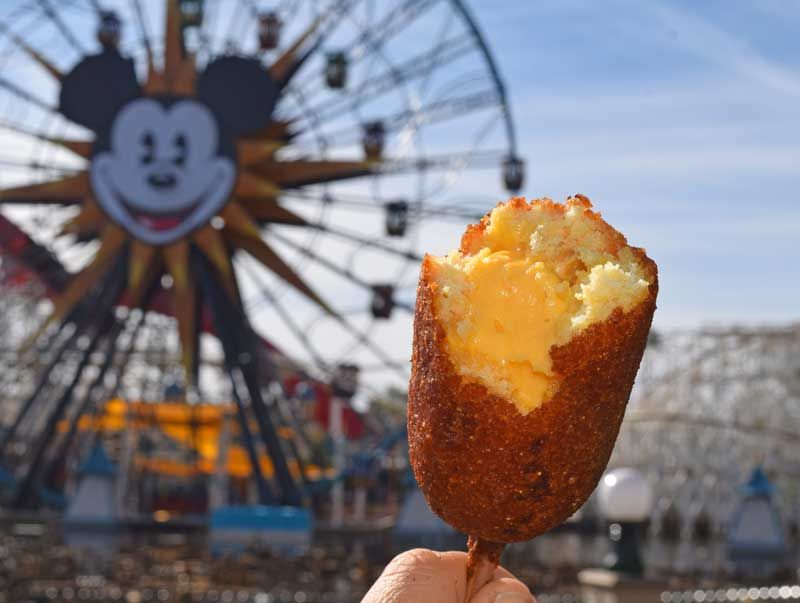
The companies Disney works with to produce snacks operate under completely different manufacturing standards depending on location. American suppliers follow FDA guidelines, whilst European ones adhere to EU food safety regulations, which can be stricter in certain areas.
These standards affect everything from how ingredients are processed to what equipment is used. A chocolate coating made in a German facility might use different tempering methods than one made in America, resulting in a different mouthfeel.
Quality control measures also vary, subtly influencing the final product's consistency and taste.
Availability Of Seasonal Ingredients
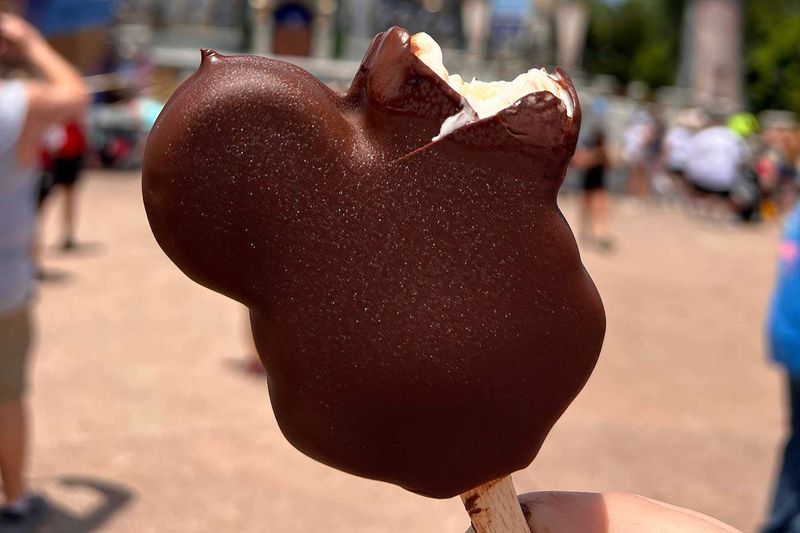
Seasonal availability plays a bigger role than you'd think. Certain fruits, nuts, and other fresh ingredients simply aren't available year-round in every location, so Disney has to adjust recipes accordingly.
A pumpkin spice treat in autumn might use fresh pumpkin puree in America but tinned or a different variety in Europe, where pumpkins aren't as commonly grown. Berry-topped desserts might feature strawberries in one park and raspberries in another, depending on what's fresh and affordable locally.
These swaps create surprisingly different taste experiences, even when the recipe concept is identical.
Cultural Food Traditions Shape Menu Design
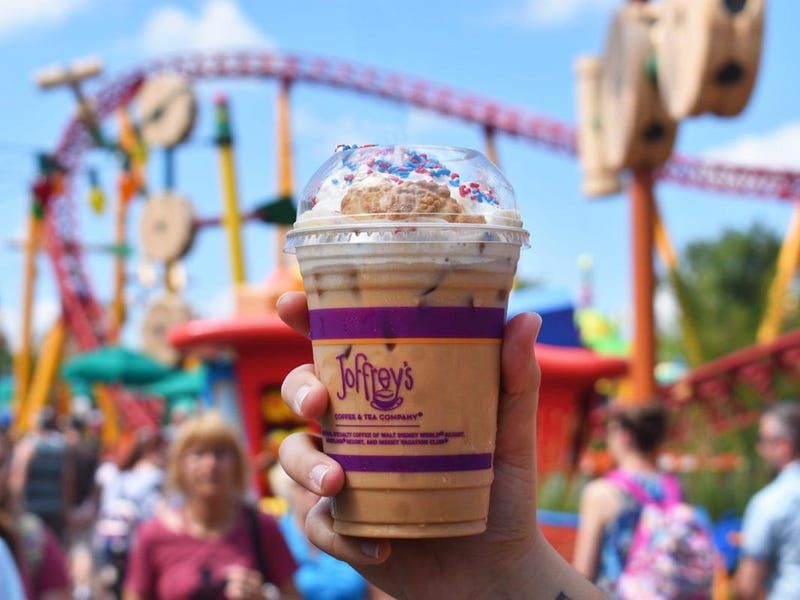
Food traditions run deep, and Disney respects that when designing park menus. European guests expect certain flavour combinations and preparation methods that might seem odd to Americans, and vice versa.
For example, European parks might offer more savoury pastries or less aggressively flavoured sweets because that's what feels familiar and comforting. American parks lean into bolder, sweeter profiles that match local expectations.
Disney doesn't just translate menus; they reimagine them through a cultural lens. This thoughtful adaptation means snacks feel right at home, even if they taste quite different from park to park.