













Carrot cake has a quiet way of feeling familiar, no matter where it appears. With its gentle spice, soft crumb, and generous icing, it delivers comfort without trying too hard.
It is a bake that turns up everywhere from home kitchens to cafés, rarely chasing trends yet never feeling dated. Fittingly, 3 February is National Carrot Cake Day – a small reminder of just how firmly this cake is woven into British baking culture.
Its appeal lies in reliability, warmth, and the sense that some recipes simply get better with time.
This article is for general interest only. Baking methods, ingredients, and results may vary depending on personal preference and availability.
Images, where used, are for illustrative purposes only.
A Familiar Bake That Balances Spice And Sweetness
Carrot cake walks a clever tightrope between cosy spice and gentle sweetness. The cinnamon, nutmeg, and sometimes ginger create warmth without overwhelming your taste buds, whilst the natural sugars from grated carrots add subtle depth.
Unlike sugary sponges that can feel a bit much after one slice, this bake offers balance. The spices remind you of autumn afternoons, yet the sweetness keeps things cheerful.
That combination makes it incredibly moreish. You can enjoy a generous wedge without feeling like you've overdone it, which is probably why it disappears so quickly at gatherings.
How Carrot Cake Became A Staple Of British Tea Tables
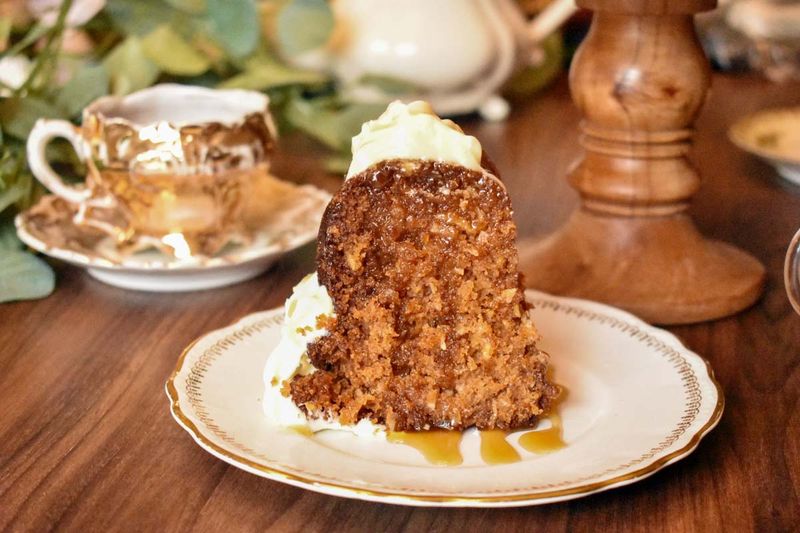
Carrot cake wasn't always a British classic. During wartime rationing, bakers got creative with limited sugar supplies, turning to vegetables like carrots for natural sweetness.
What started as necessity became tradition.
By the 1970s, carrot cake had cemented its place on tea tables across Britain. Its wholesome image and satisfying texture made it perfect for afternoon gatherings, bridging the gap between treat and something almost virtuous.
Today, you'll find it everywhere from Women's Institute meetings to trendy bakeries. That journey from practical solution to beloved staple shows just how adaptable British baking can be.
The Role Of Cream Cheese Icing In Its Lasting Appeal
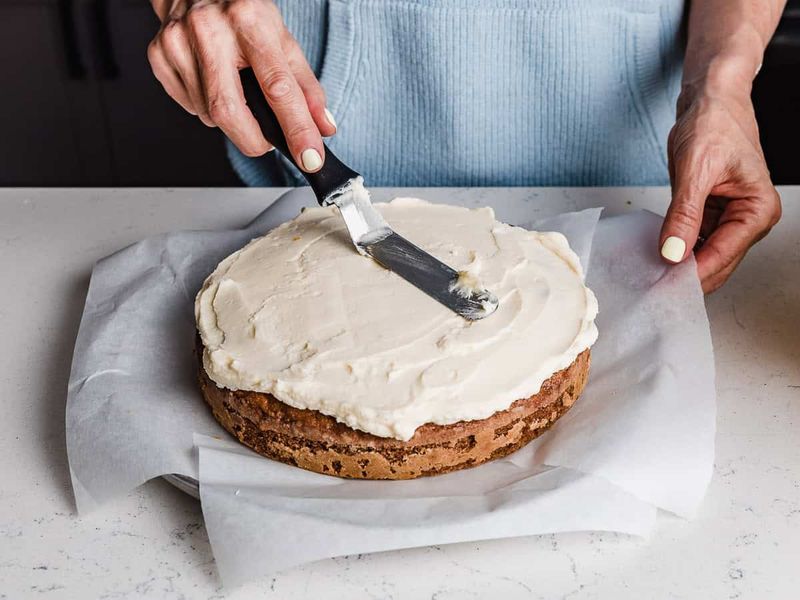
Let's be honest: cream cheese icing is what turns carrot cake from nice to unforgettable. That tangy, rich topping cuts through the spiced sweetness beautifully, creating a flavour contrast that keeps you coming back for more.
Before cream cheese icing became standard, carrot cake was often served plain or with buttercream. The tangy frosting changed everything, adding sophistication whilst keeping things comfortingly simple.
The slight sharpness of cream cheese also prevents the cake from feeling too heavy. It's the perfect finishing touch that makes each bite feel balanced and complete, never cloying or dull.
Why Carrot Cake Works In Every Season
Most cakes have their moment. Victoria sponge screams summer, whilst gingerbread belongs to winter.
Carrot cake, though? It fits beautifully into every season without feeling forced or out of place.
Spring brings fresh carrots and lighter appetites, making it feel vibrant. Summer gatherings love its ability to stay moist in warmer weather.
Autumn welcomes those warming spices, and winter appreciates its comforting density.
This year-round appeal means carrot cake never feels dated or seasonal. Whether you're celebrating Easter or hosting a winter tea party, it simply works, adapting to whatever mood you need it for.
Nostalgia And Simplicity At The Heart Of The Recipe
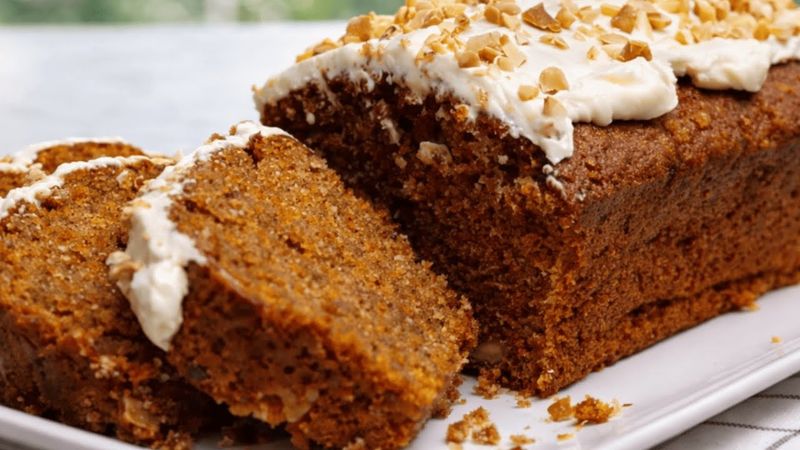
Carrot cake carries memories. For many Brits, it recalls childhood birthdays, gran's kitchen, or school bake sales.
That emotional connection runs deeper than taste alone, making each slice feel like coming home.
The recipe itself remains reassuringly straightforward. No fancy techniques or hard-to-find ingredients required, just honest mixing and patience.
Anyone can make it, which means families pass down their versions through generations.
This simplicity paired with nostalgia creates something powerful. When life feels complicated, carrot cake offers uncomplicated comfort, reminding us that some traditions deserve to stick around exactly as they are.



