










Walk into a British café or supermarket and the sandwich selection tells its own quiet story. From thick-cut sliced bread and generous fillings to ready-made wedges designed for eating on the move, the British sandwich has evolved in a very particular way.
Across much of Europe, sandwiches tend to be simpler, often built around crusty bread, fewer ingredients, and slower eating habits. These differences reflect not only taste preferences, but also working patterns, food culture, and how convenience has shaped everyday meals.
Understanding how these habits developed helps explain why a lunchtime sandwich in London often looks and feels very different from one bought in Paris, Milan, or Barcelona.
All information is provided for general interest only. Food traditions vary by region, household, and personal preference, and availability or preparation styles may differ.
Photos are for illustrative purposes only.
Bread Choices Shape The Whole Sandwich Experience

Walk into any British kitchen and you'll likely spot a loaf of soft white bread, ready to be buttered and filled. This preference sets us apart from our European neighbours who favour crusty baguettes or hearty ciabatta.
The British approach isn't just about taste; it's practical too.
Buttering the bread creates a moisture barrier that prevents sogginess when you add tomatoes, cucumber, or other wet ingredients. This technique has been passed down through generations, becoming second nature to anyone making a packed lunch.
Soft bread also makes sandwiches easier to bite into and more portable for eating on the go. While a French baguette might require two hands and a napkin, a British sandwich fits neatly in one hand, perfect for busy commuters or schoolchildren rushing between classes.
Why Fillings Take Centre Stage In British Sandwich Culture
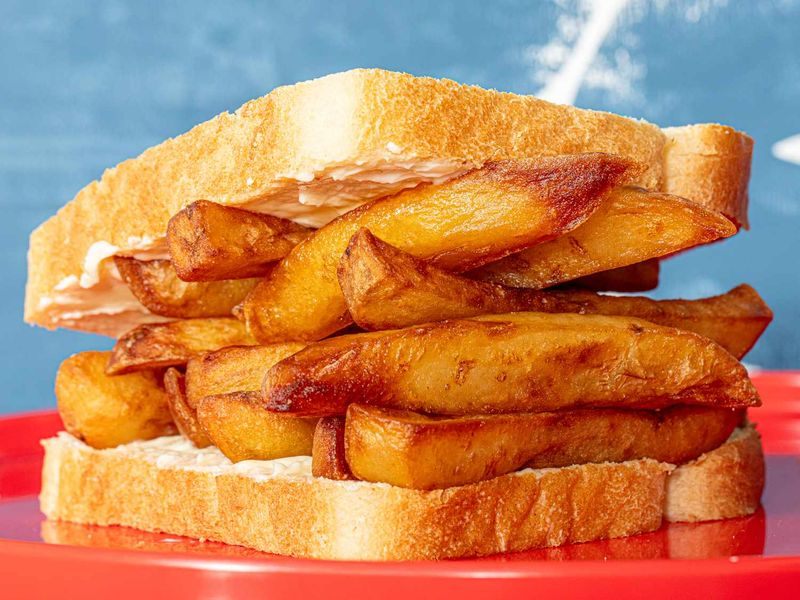
Crisp sandwiches. Chip butties.
Marmite and cheese. These combinations might sound bizarre to Europeans, but they're beloved British classics that showcase our unique approach to sandwich fillings.
We're not afraid to experiment with textures and flavours that others might find unconventional.
The crisp sandwich, for instance, combines the crunch of ready-salted crisps with buttered bread for a satisfying texture contrast you won't find elsewhere. Cheese and Branston pickle brings together sharp cheddar with tangy, sweet-and-sour pickle in a flavour explosion that's quintessentially British.
These filling choices reflect our cultural identity and willingness to prioritise comfort and satisfaction over sophistication. A chip butty might not be fancy, but it delivers warmth and nostalgia in every bite, something that matters more to us than elaborate ingredients.
The Role Of Convenience And Meal Deals In Everyday Sandwich Habits
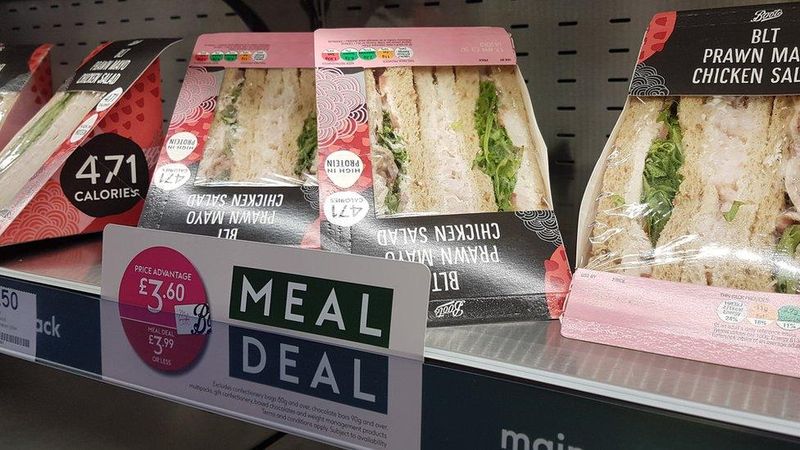
Meal deals have transformed how Brits consume sandwiches, making them a daily ritual rather than an occasional convenience. Pop into any supermarket at lunchtime and you'll witness the meal deal phenomenon in action: sandwich, snack, and drink for around three quid.
This cultural shift has made sandwiches the default lunch option for millions of workers and students across the country. Unlike European cultures where lunch might involve sitting down for a proper meal, Brits have embraced the grab-and-go lifestyle wholeheartedly.
The emphasis on convenience means our sandwiches are designed to be portable, quick to eat, and mess-free. They're pre-packaged, clearly labelled, and ready to consume within minutes.
This practical approach reflects our fast-paced lifestyle and the value we place on efficiency over leisurely dining experiences.
How Portion Size And Structure Influence Texture And Flavour
British sandwiches tend to be smaller and more compact than their European cousins, typically cut into neat triangles or rectangles. This isn't just about presentation; it's about creating the perfect bite where every element works together harmoniously.
A smaller sandwich means a better ratio of bread to filling, ensuring you taste everything in each mouthful rather than overwhelming your palate. The triangle cut also creates more crust-to-centre variety, giving you different textures throughout the eating experience.
Compare this to an Italian panino or a hefty French jambon-beurre, which are often larger and more substantial. Our approach prioritises balance and portability over sheer volume, making sandwiches suitable for quick snacking or light meals rather than being the centrepiece of dining.
What Supermarket Shelves Reveal About National Sandwich Preferences
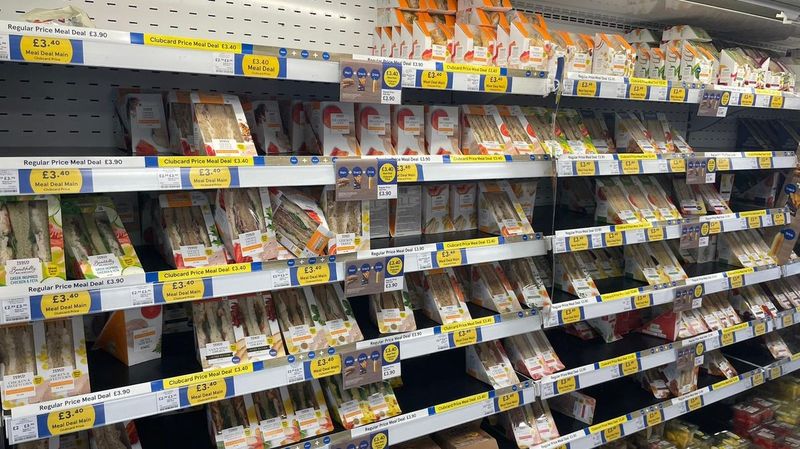
Wander down the sandwich aisle in a British supermarket and you'll encounter an astonishing variety that tells the story of our national obsession. From egg and cress to prawn mayonnaise, the sheer range of pre-made options reflects how central sandwiches are to British food culture.
Unlike many European countries where bread serves mainly as an accompaniment to meals, British supermarkets dedicate entire refrigerated sections to sandwiches. This investment shows how seriously retailers take our sandwich consumption habits and how much demand exists for ready-made options.
The packaging itself reveals priorities: clear labelling, visible fillings, and emphasis on freshness and value. These choices reflect what matters to British consumers who view sandwiches not as a compromise but as a legitimate, satisfying meal option for breakfast, lunch, or dinner.