











Interest in meat alternatives continues to grow as food technology and environmental discussions influence how people think about everyday diets. Lab-grown meat and plant-based alternatives represent two distinct approaches, each developed to address changing consumer priorities and food production challenges.
While both options are still evolving, they are already shaping conversations about how meals might look in the years ahead. Comparing these alternatives helps highlight their potential role in future eating habits and wider food systems.
This article is provided for general information only. It does not constitute dietary, nutritional, or scientific advice.
Availability, regulation, and product development may change over time. Individual dietary needs vary. Photos are for illustrative purposes only.
How Lab-Grown Meat Is Developed
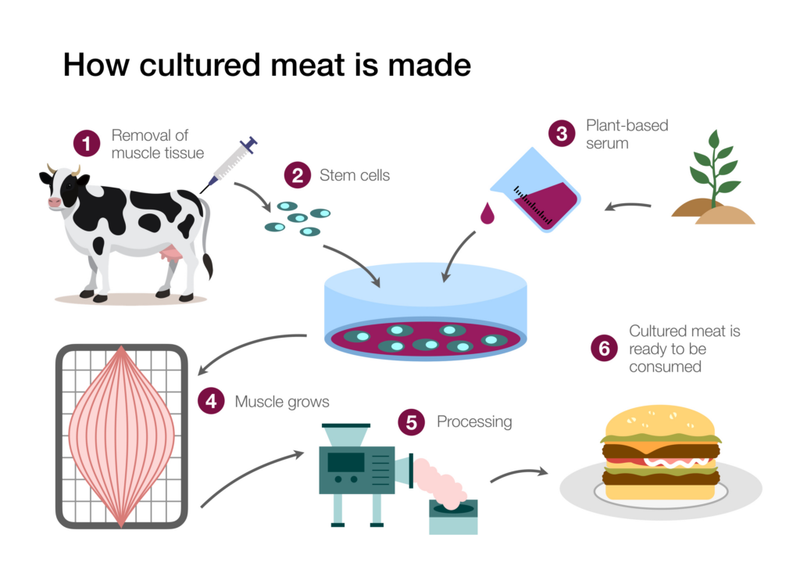
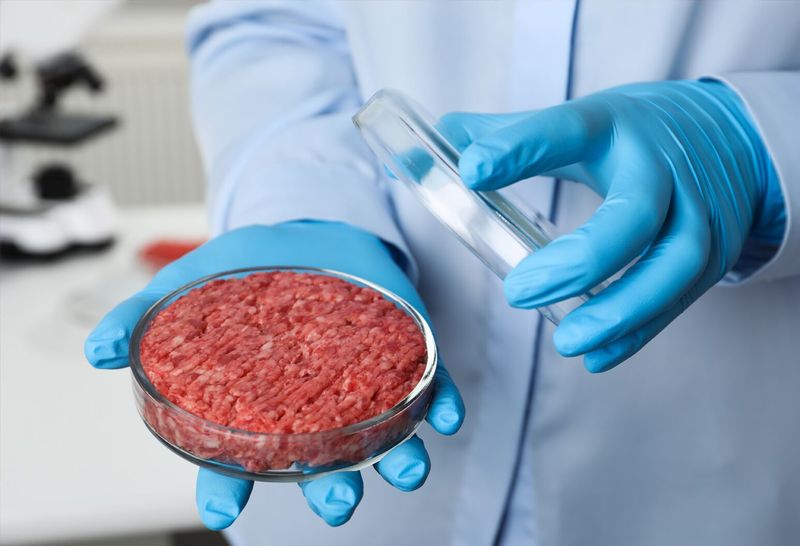
Picture this: actual meat growing in a lab without a single animal being raised or slaughtered. Scientists extract a small sample of animal cells, then feed them nutrients in large bioreactors where they multiply and develop into muscle tissue.
The process mimics what happens inside an animal's body, just in a controlled environment. Companies like Good Meat and Upside Foods have cracked the code, creating chicken and beef that's genetically identical to traditional meat.
It sounds like science fiction, but it's already being served in restaurants across Singapore and the United States.
What Defines Plant-Based Meat Alternatives
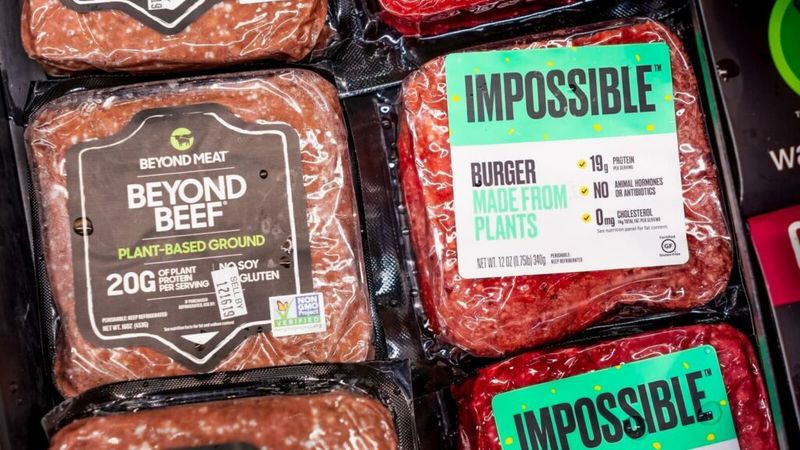
Plant-based meats are basically vegetables doing a brilliant impression of animal protein. Brands like Beyond Meat and Impossible Foods use ingredients such as pea protein, soy, coconut oil, and heme (a molecule from soy roots) to recreate the taste, texture, and even the bloody appearance of real meat.
The magic lies in food science that makes these plants sizzle, brown, and satisfy like traditional burgers or sausages. They're already stocked in supermarkets nationwide, making them far more accessible than their lab-grown cousins.
No animals needed, just clever engineering.
Current Availability And Consumer Access

Right now, you can pop into Tesco or Sainsbury's and grab a plant-based burger without batting an eyelid. They're everywhere, from fast-food chains to fancy restaurants, making them the clear winner in accessibility.
Lab-grown meat, however, is still playing catch-up. It's only legally available in Singapore, the United States, and a handful of other locations, mostly in select restaurants rather than supermarkets.
Chef José Andrés made headlines in 2023 by serving cultivated chicken in Washington, D.C., but for most of us, it remains out of reach for now.
Cost And Scalability Considerations
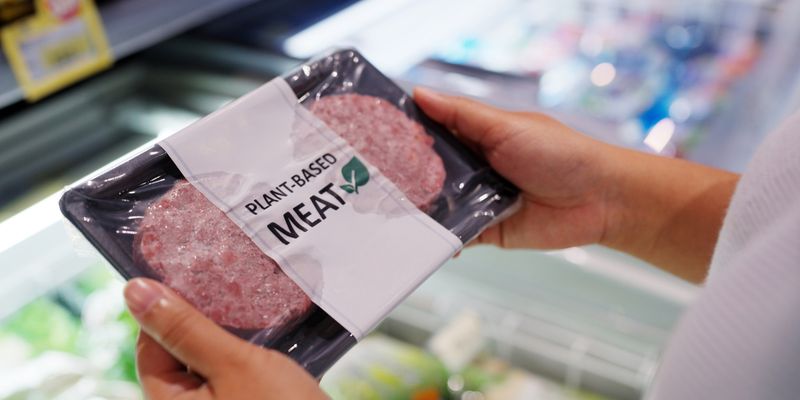
Money talks, and currently, plant-based meats win the affordability contest hands down. They're produced at scale using established food manufacturing processes, keeping prices competitive with traditional meat.
Lab-grown meat, on the other hand, remains eye-wateringly expensive to produce. Building bioreactors, maintaining sterile environments, and sourcing cell cultures costs a fortune, though prices are dropping as technology improves.
Industry experts reckon the cultivated meat market could hit £25 billion by 2030, but it needs serious investment and innovation to become truly affordable for everyday shoppers.
Regulation And Approval Timelines
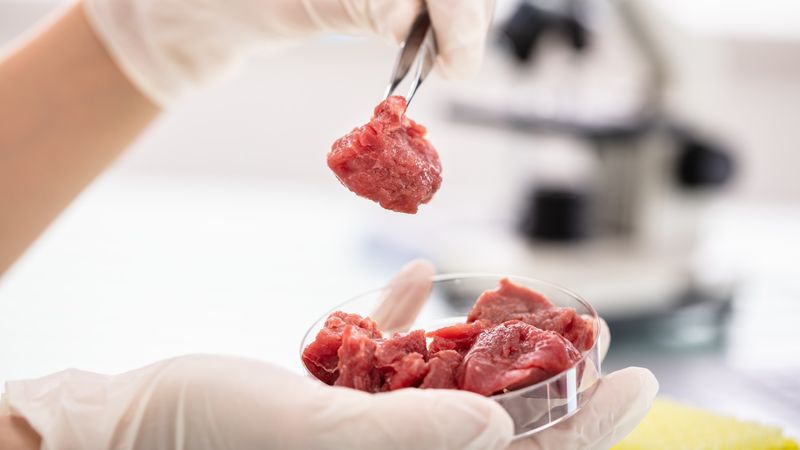
Getting new foods approved isn't exactly a quick process. Plant-based meats sailed through relatively easily since they're made from ingredients already recognised as safe.
Lab-grown meat faces tougher scrutiny because it's genuinely novel. Singapore became the first country to approve it in 2020, followed by the United States in 2023.
Israel recently gave the green light for cultivated beef steaks in January 2024.
Europe remains cautious, with lengthy approval processes still underway. Until regulators worldwide feel confident about safety and labelling, widespread availability will remain limited.
Environmental Impact Comparisons
Both alternatives promise to be kinder to the planet than traditional livestock farming, but they differ in how. Plant-based meats slash greenhouse gas emissions, use far less water, and require minimal land compared to raising cattle or pigs.
Lab-grown meat also reduces emissions and land use dramatically, though current production methods still require significant energy for those bioreactors. As renewable energy becomes cheaper, cultivated meat's environmental credentials should improve considerably.
Overall, plant-based options currently edge ahead on sustainability, but the gap may narrow.
Public Perception And Acceptance Trends

Here's where things get interesting. People seem more comfortable with plant-based meats because, well, they're just plants arranged cleverly.
There's no "ick factor" to overcome.
Lab-grown meat faces a tougher crowd. Some folks find the idea of meat from a lab unsettling, even though it's biologically identical to conventional meat.
Surveys show younger generations are more open-minded, whilst older consumers remain sceptical.
The plant-based market is already valued at around £85 billion projected by 2030, showing strong consumer acceptance and willingness to embrace meat-free options.
How These Alternatives May Fit Into Everyday Diets

By 2030, your weekly shop might include a mix of traditional meat, plant-based options, and perhaps even lab-grown cuts. Think of them as tools in your culinary toolkit rather than replacements.
Plant-based meats already work brilliantly in burgers, tacos, pasta sauces, and stir-fries where texture and flavour blend with other ingredients. Lab-grown meat could fill the gap for whole cuts like steaks or chicken breasts where plant-based versions struggle.
Most likely, we'll see a flexible approach where people choose based on price, taste, and occasion.