













Childhood snacks often carry memories that last far longer than the wrapper. The treats people reached for after school or during weekend adventures usually reflected the culture, availability, and trends of their time.
Favourite sweets and crisps can quietly reveal how food marketing, family habits, and social changes shaped everyday life. Looking at popular snacks across generations highlights how tastes and traditions have evolved while comfort and nostalgia remain constant.
Recognising these differences offers a light-hearted way to understand how food connects people to their upbringing and shared experiences.
All information is provided for general interest only. Snack availability, recipes, branding, and popularity may vary by region and time period.
Individual experiences and preferences will differ. Photos are for illustrative purposes only.
Silent Generation Favourite Childhood Sweets

Childhood treats for the Silent Generation were shaped heavily by wartime rationing and post-war shortages. Sweets such as barley sugar and liquorice allsorts were treasured because sugar was limited and treats were rare.
Homemade jam sandwiches often replaced shop-bought puddings, turning simple pantry ingredients into something special. For many, sweets were occasional rewards rather than daily snacks, which made each sugary bite feel far more memorable and valued.
Looking back, the humble treats of this era reveal just how resourceful – and patient – this generation had to be when it came to enjoying a sugary delight.
Baby Boomer Childhood Snack Classics

Baby Boomers grew up during a time when corner shops became central to everyday childhood life. Mars Bars, Wagon Wheels, and sherbet fountains quickly became icons of British snacking culture during the 1950s and 1960s.
Pocket money trips often meant carefully choosing one or two favourite sweets, making the experience part of the fun. These snacks reflected growing food manufacturing and marketing trends, introducing more packaged treats into family life.
It’s clear that what Baby Boomers popped in their mouths says as much about the optimism of their childhood as it does about their taste buds.
Generation X Lunchbox Favourites
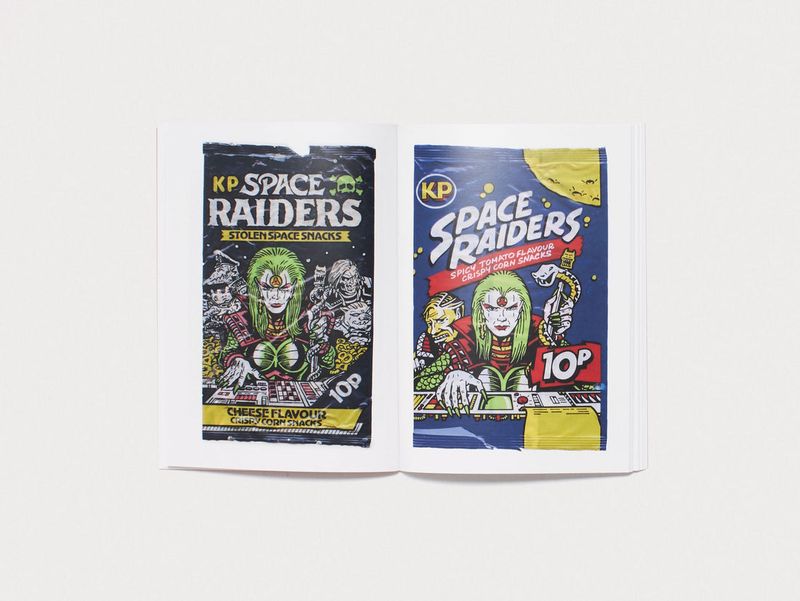
For Generation X, snacks became closely tied to school lunchboxes and convenience foods. Penguin Bars and Space Raiders were popular choices thanks to their affordability and strong branding, while Cheese Strings introduced a playful, interactive element to children’s snacking.
During the 1980s and early 1990s, food companies increasingly targeted children with colourful packaging and easy-to-carry snacks, making lunchtime feel more exciting and personalised. Peering into those lunchboxes today, you can see how Gen X’s favourite nibbles captured a generation balancing fun, practicality, and a hint of rebellion.
Millennial After School Treats
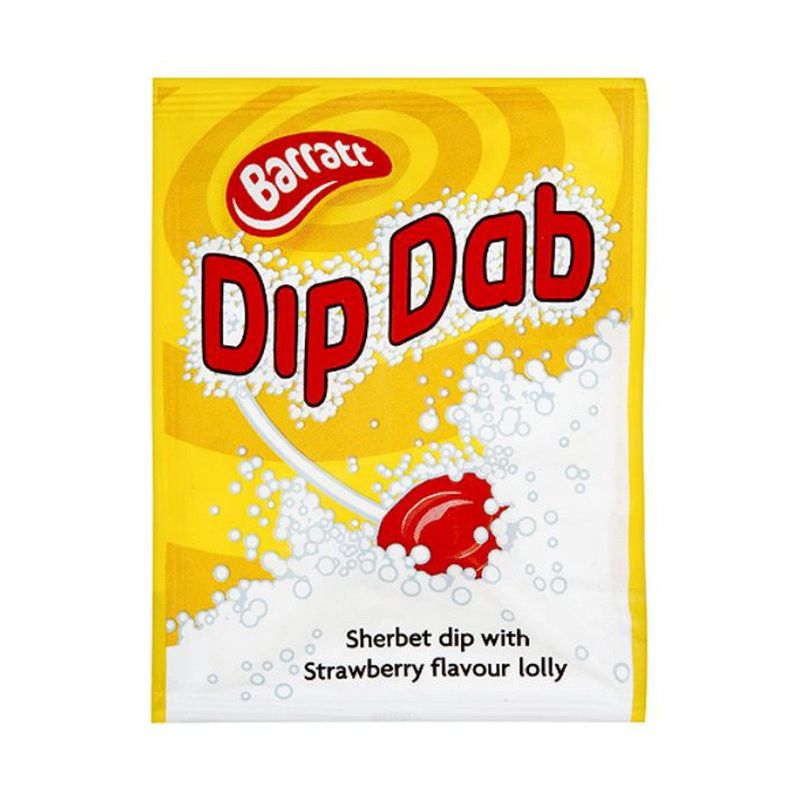
Millennials grew up with snacks that felt fun, indulgent, and just a little bit cheeky. After-school favourites included Jaffa Cakes and Mini Cheddars, while fruity drinks like Fruit Shoots offered a playful alternative to squash or fizzy drinks.
Sweets like Dip Dabs and sherbet-filled treats added a little interactive fun to snack time. These snacks show that Millennial childhoods were shaped by treats that combined flavour, fun, and a touch of independence – just the kind of snack memories that stick with a generation.
Generation Z Viral Snack Trends
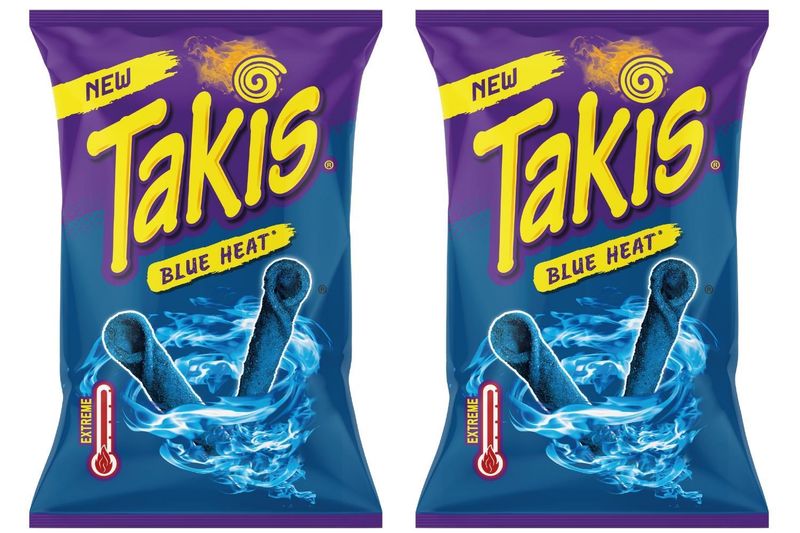
Generation Z snacks are strongly influenced by social media and global food culture. Products such as Takis gained popularity through viral challenges and online taste tests, while limited-edition Oreo flavours encouraged curiosity and collectability.
Prime Hydration also became a widely discussed drink thanks to influencer marketing and online hype. For this generation, snacks often carry a strong social identity, with trends spreading quickly through digital platforms.
It’s a reminder that for Gen Z, what you snack on isn’t just about flavour; it’s about being part of the conversation and the latest online craze.
Generation Alpha Fun And Novelty Snacks

Generation Alpha is growing up with snacks that focus heavily on interactivity, visual appeal, and unique textures. Freeze-dried sweets offer crunchy versions of familiar treats, jelly fruit candies provide playful squeezing and slurping experiences, and Kinder Joy Eggs combine chocolate with small toys for added entertainment.
Many snacks aimed at this generation blend fun with convenience, reflecting modern expectations that food should be both enjoyable and engaging. Clearly, Generation Alpha’s snack choices reveal a generation that doesn’t just eat; they play, explore, and experience their food in entirely new ways.
The Rise Of Health Conscious Childhood Snacks In Late Gen Z
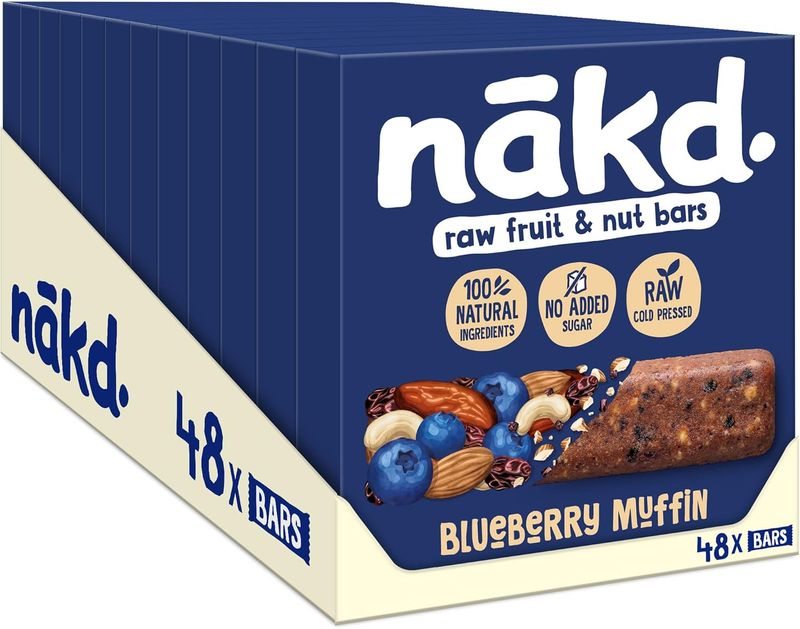
As Gen Z moved through their teenage years, snack choices began shifting towards options marketed as healthier or more natural. Products such as Graze snack boxes, Nakd fruit bars, and protein yoghurts gained popularity in UK lunchboxes and after-school routines.
Many young consumers became more aware of ingredients, sugar content, and dietary preferences such as plant-based eating. Social media and wellness trends also influenced these habits, encouraging snacks that felt both convenient and nutritionally balanced while still tasting enjoyable.
Future Snack Trends Likely To Shape Generation Alpha And Beyond
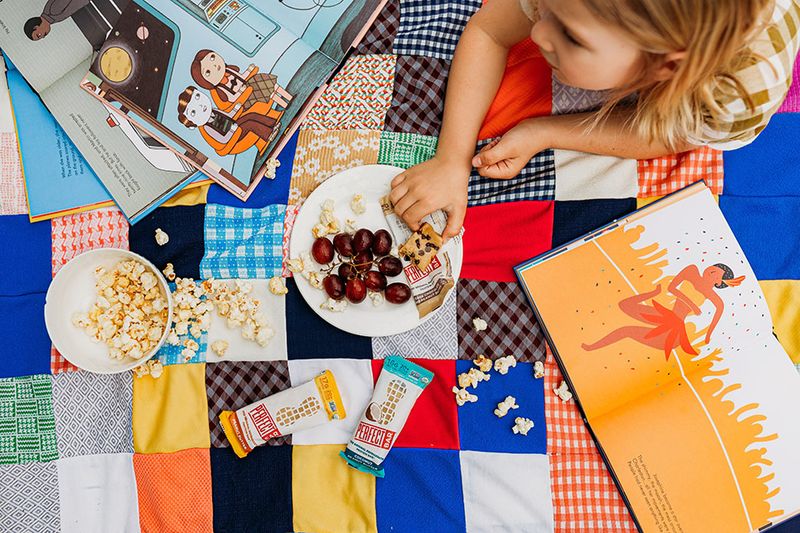
Generation Alpha is growing up surrounded by technology, global food trends, and increasing interest in sustainability. Their snacks already reflect this shift, with freeze-dried fruit packs, reduced-sugar cereal bars, plant-based chocolate alternatives, and interactive snack kits becoming more common.
Parents are also paying closer attention to allergens, additives, and environmentally responsible packaging.
Looking ahead, Generation Beta is expected to experience even stronger links between food innovation and technology. Personalised nutrition, climate-conscious ingredients, and lab-developed or alternative protein snacks could become more widely accepted.
As food production and health science continue to advance, both Generation Alpha and Generation Beta are likely to see snacks designed to balance convenience, nutrition, and sustainability in ways earlier generations rarely encountered.



